I was very interested to hear Inna Faliks play the Brahms F minor Sonata and here is a recording made in Cremona on the 28th September in the Fazioli Concert Hall.
It is an orchestrally conceived piece of great breadth and grandeur and a remarkable testament to a composer who was only twenty when he wrote it. In many ways it is pianistic as it knows how to exult the sounds within the piano but it is in many ways also awkward in its insistence of orchestral timbre and architectural shape. It is truly a pianistic symphony,a title that Alkan was quite happy to give to his study op 39, but for Brahms his four symphonies were much more suffered and required a long period of gestation. It is very difficult for the interpreter not to get distracted by detail as it is the overall architectural shape that is of fundamental importance. But it is also essential that Brahms’s subtle and sumptuous sound world is given time to breathe and expand. It is a work that in the wrong hands can sound either like a bull in a china shop or a fussy stylist who cannot see the wood for the trees.
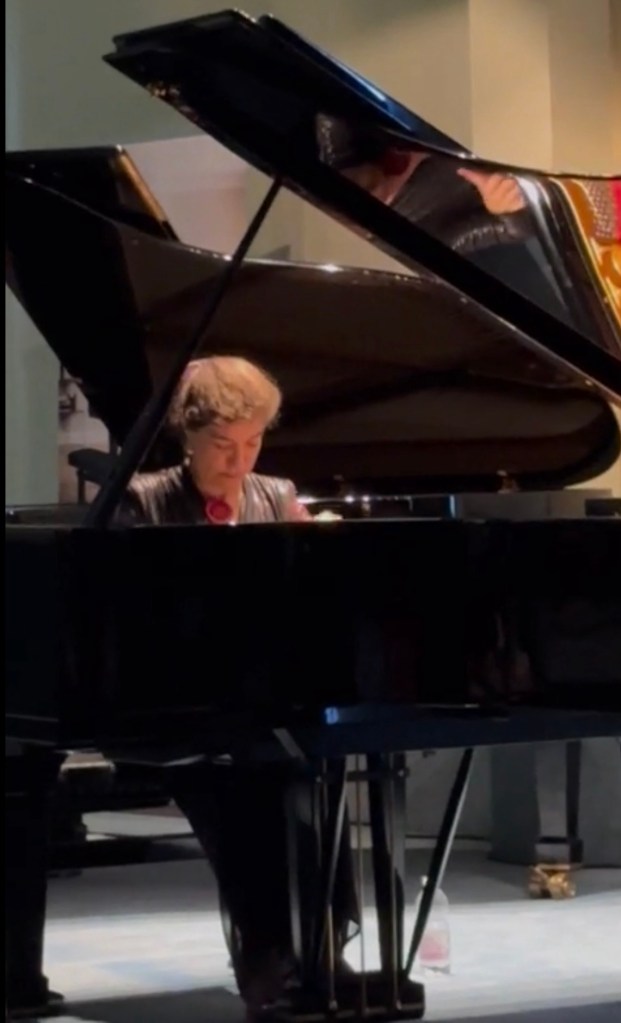
Inna entered this world of Brahms with fearless abandon with leaps that are not negotiable, as they can wrongly be in Beethoven’s op 106 or 111. Leaps that must immediately establish the tempo and rhythmic drive of this monumental work. Inna played with freedom but above all with intelligence and aristocratic nobility. There was a majesty to the voices as they cried out within the ever rhythmic tolling bell as we are seduced by the luxuriant sound of the tenor melody as suddenly the strings take over with a succulent richness – ‘quasi cello espressivo’ indeed. Played by Inna with weight, digging deep into the soul of this magnificent Fazioli piano as rarely we have heard it divulge such secrets before! Deep bass notes held in the pedal, as Brahms indicates, starting pianissimo as the excitement increases. A beautifully shaped ‘più vivo’ with just the right amount of rubato, that Brahms suggests, leading to a final glorious outpouring. Pure orchestral chords for the ‘più animato’ suddenly brought nobility and order to the passionate outpouring of the youthful intensity of Brahms.
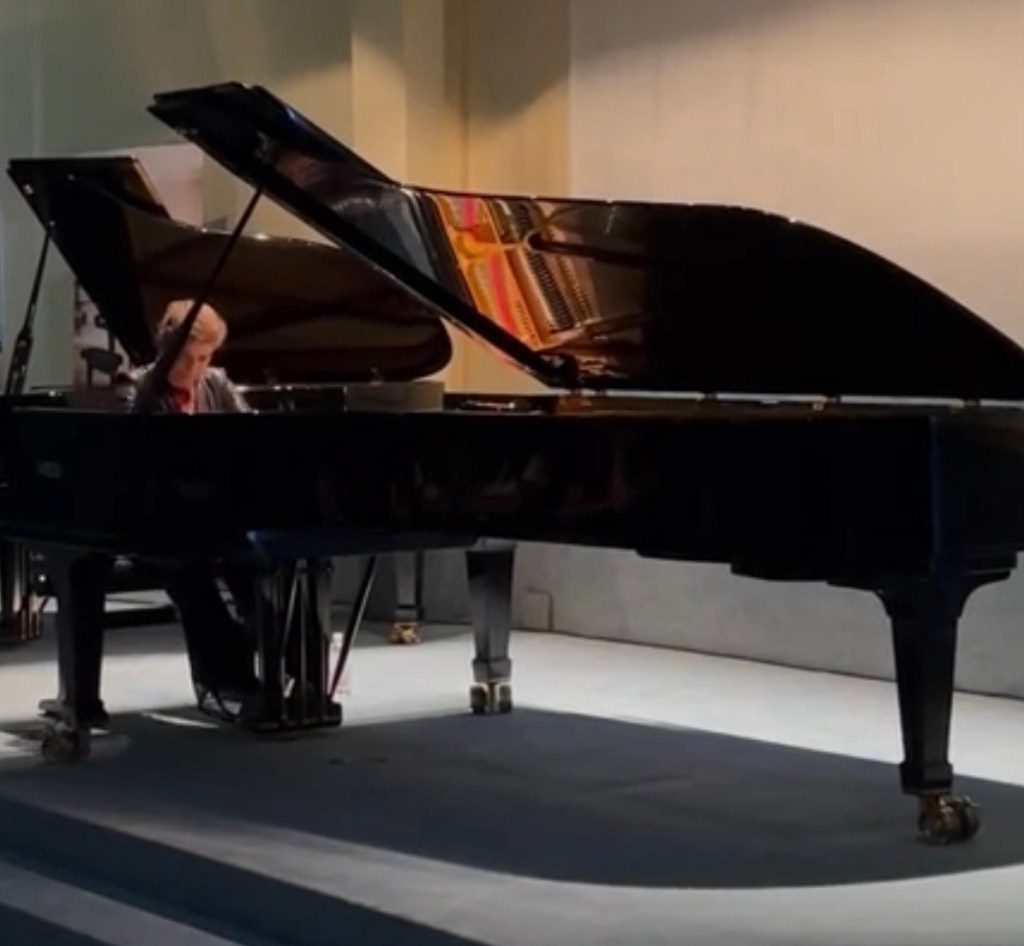
The ‘Andante espressivo’ was played with disarming clarity and a sense of balance that was of great beauty with a gently flowing tempo of mellifluous fluidity. The ‘ben cantando’ whispered duet between the voices was of deeply moving poignancy and the gentle ‘poco più lento’ floated on a sublime wave of searing beauty. There were moments of passionate outpourings but they were short lived and played with sensitive understanding as we drew ever closer to the sublime coda :’Andante molto – pianississimo ed espressivo ‘. From this sublime reawakening Inna built up a climax of earth shattering passion allowing it to drift away on a stream of harp like sounds of such simple purity and serenity.
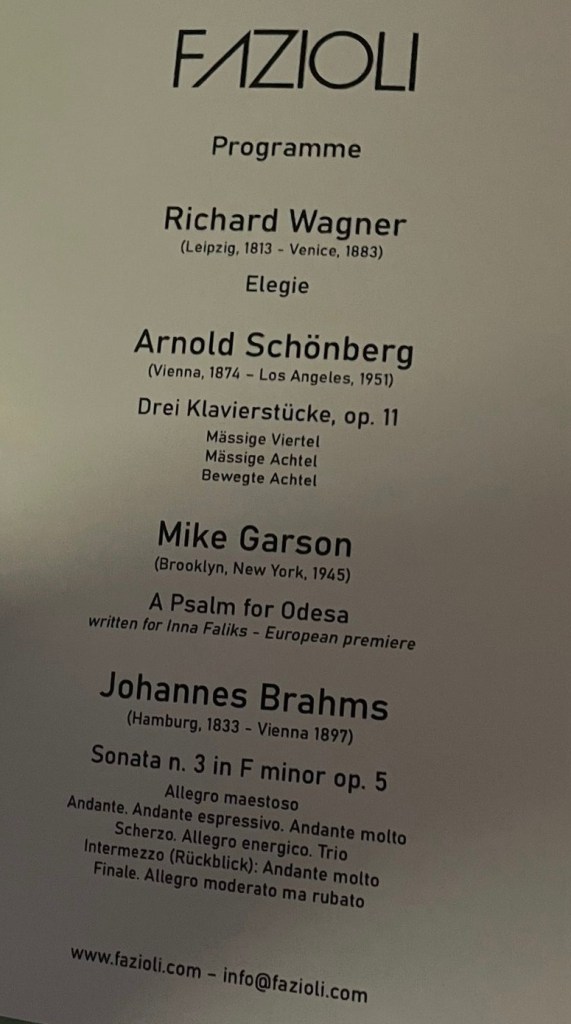
This was immediately dispelled by the dynamic energy and great characterisation she brought to the ‘Scherzo’. She produced a beautiful full tone to the ‘Trio’ with it’s sombre elegance and whistful searching. The extraordinary ‘Intermezzo’ is a calming voice between the two vigorously quixotic third and fifth movements. Infact it could almost have been conceived like the ‘Waldstein’ sonata where Beethoven substituted his first thoughts and placed an introduction to the final movement. The whispered meditation with its bass drum rolls ever more menacing that Inna carved with a superb sense of architectural shape whilst never loosing the rhythmic impact of devastating desolation that it can and should provoke. The ‘Allegro moderato’ that followed was indeed ‘con rubato’ with its buoyant rhythms and syncopated replies bursting into song ‘con espressione.’ Leading to the glorious ‘chorale’ played by the sumptuous string like sounds of Philadelphian beauty. Building of excitement with the drive of the ‘più mosso’ before the devilish dance of the ‘Presto’ played with astonishing technical mastery that went completely unnoticed as it was the musical message that was so overpowering before the orgiastic release of the final few bars .
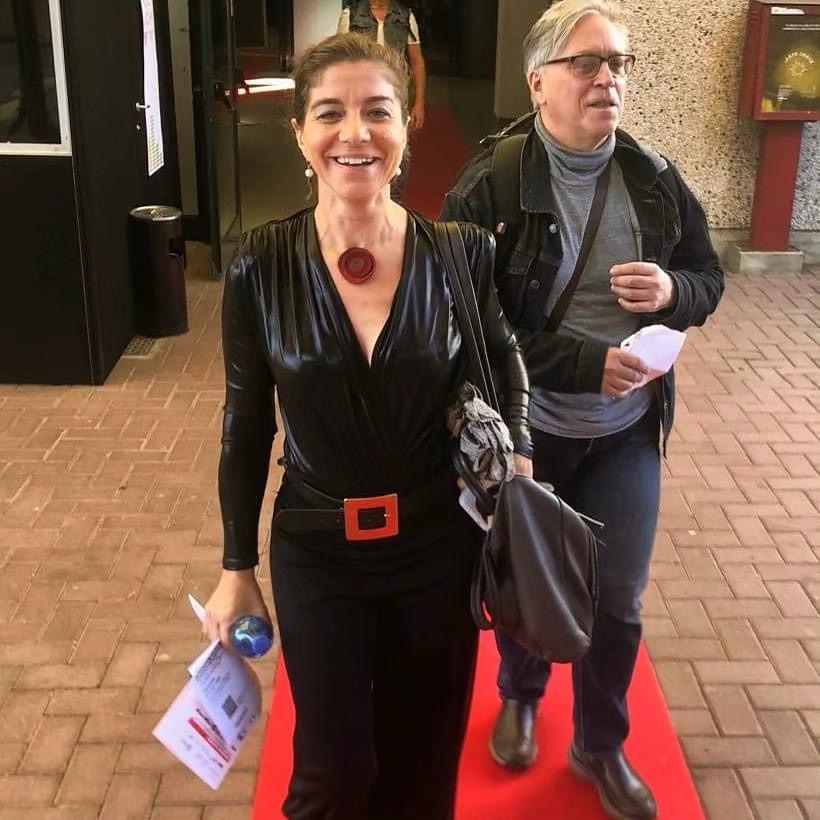
A remarkable performance of great authority and poetic beauty from a master musician .
A letter from Cremona ,the eternal city of music where dreams become reality.


7 May 1833, Hamburg – 3 April 1897 (aged 63) Vienna
Brahms’s Piano Sonata No. 3 in F minor, Op. 5 was written in 1853 and published the following year. It is unusually large, consisting of five movements , as opposed to the traditional three or four. Brahms, enamored of Beethoven and the classical style the sonata with a masterful combination of free Romantic spirit and strict classical architecture. As a further testament to Brahms’ affinity for Beethoven, the Piano Sonata is infused with the instantly recognizable motive from Beethoven’s Symphony n. 5 in the first, third, and fourth movements.Composed in Dusseldorf it marks the end of his cycle of three sonatas , and was presented to Robert Schumann in November of that year; it was the last work that Brahms submitted to Schumann for commentary. Brahms was barely 20 years old at its composition. The piece is dedicated to Countess Ida von Hohenthal of Leipzig.The five movements are :
- Allegro maestoso
- Andante espressivo — Andante molto
The second movement begins with a quotation above the music of a poem by Otto Inkermann under the pseudonym C.O. Sternau.
Der Abend dämmert, das Mondlicht scheint,
da sind zwei Herzen in Liebe vereint
und halten sich selig umfangen
Through evening’s shade, the pale moon gleams
While rapt in love’s ecstatic dream - Scherzo . Allegro energico avec trio beginning with a musical quotation of the beginning of the finale of Mendelssohn’s Piano Trio n.2 op 66
- Intermezzo (Rückblick / Regard en arrière) Andante molto
- Finale. Allegro moderato ma rubato

I KNEW I was a musician long before I knew I was Jewish, Ukrainian, or Soviet.” So begins the captivating memoir Weight in the Fingertips: A Musical Odyssey from Soviet Ukraine to the World Stage (2023) by Inna Faliks, a distinguished concert pianist and now a music professor at UCLA’s Herb Alpert School of Music. Her journey from child musical prodigy in Soviet Ukraine to an émigré artist at the highest levels of her profession takes several surprising twists, described in prose alternating between thoughtful and delightfully breezy but always deeply wise in its contemplation of a life spent pursuing an individual musical voice true to the disparate components of her identity.
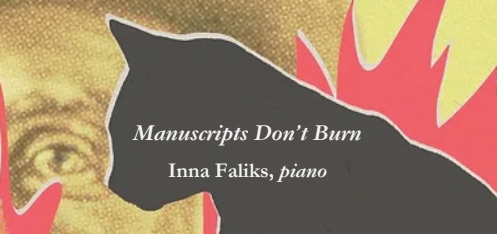
Manuscripts Don’t Burn is a recital/reading that delves into the world of Inna Faliks’s recently published memoir about her adventures as an acclaimed, Ukrainian-American, Jewish concert pianist: In Weight in the Fingertips Inna Faliks weaves together excerpts from her memoir with performances of old and new works that have been especially meaningfull to her. It also marks the release of “Manuscripts Don’t Burn,” a new recording on Sono Luminus.
 ChristopherAxworthy-MusicCommentary
Una risposta a "Inna Faliks grandiose Brahms of aristocratic intelligence and passion"