Boris Giltburg with the first of his complete Beethoven cycle. Some extraordinarily beautiful playing with Beethoven’s first sonata op 2 n 1 almost Mendelssohnian in the way Giltburg smoothed over Beethoven’s rough patches with dynamic drive and meltingly beautiful pedal effects. A Prestissimo that was truly of scintillating streams of notes that reminded me more of Saint-Saens than the Beethoven I had heard from Serkin half a century ago.
This was a different vision of Beethoven more pianistic than orchestral and whilst he illuminated many things he lost much of the weight and the very backbone of Beethoven. An attempt to reinvent Beethoven and find colours and whispered sounds of elegance and grace rather than the rough edges and impatient exclamations of Beethoven’s true character.
It suited the Sonata op 31 n. 3 known as The Hunt and here Giltburg knew how to chase all over the keyboard with exhilaration and character a work that Rubinstein had made very much his own and I had heard on this very stage in his last public performance in 1976.
Nowhere was it more noticeable than in the monumental ‘Adagio sostenuto’ of op.106 where Giltburg’s extraordinary sensibility to sound lost sight of the overall architectural shape of a movement of earth shattering passion and fervant conviction.I remember Serkin sweating tears and passionate cries in this movement that is after all marked ‘Appassionato e con molto sentimento’
The fugue was a ‘tour de force’ of piano playing but sounded more like the Danse Macabre than the knotty twine of monstrous proportions miraculously penned by a totally deaf and irate genius.
It was Richter ,not satisfied with his performance in the Festival Hall who repeated the fugue without a break knowing that it was being recorded for broadcast. Annie Fischer famously played it as an encore after the Beethoven Trilogy where she had miraculously substituted at the last minute for an indisposed colleague. Serkin of course holding onto the last chord ,shaking and in a state of complete shock as we all were will never be forgotten.
Some remarkable playing from a great artist but fear more in the style of the sound world of a Richter than a Gilels.
Schumann’s Arabesque op.18 was like a breath of fresh air after such extraordinary profusions .It was here that his ultra sensitivity and artistry could illuminate this most popular work and turn it into a glowing gem of subtle charm and beauty.
A fascinating voyage of discovery uncovering in 32 steps the Genius of Beethoven as seen from afar.
Boris Giltburg with the first of his complete Beethoven Cycle.Some extraordinarily beautiful playing with Beethoven’s first sonata op 2 n 1 almost Mendelssohnian in the way Giltburg smoothed over Beethoven’s rough patches with dynamic drive and meltingly beautiful pedal effects. A Prestissimo that was truly of scintillating streams of notes that reminded me more of Saint-Saens than the Beethoven I had heard from Serkin half a century ago.
This was a different vision of Beethoven more pianistic than orchestral and whilst he illuminated many things he lost much of the weight and the very backbone of Beethoven. An attempt to reinvent Beethoven and find colours and whispered sounds of elegance and grace rather than the rough edges and impatient exclamations of Beethoven’s true character.
It suited the Sonata op 32 n. 3 known as The Hunt and here Giltburg knew how to chase all over the keyboard with exhilaration and character a work that Rubinstein had made very much his own and I had heard on this very stage in his last public performance in 1976.
Nowhere was it more noticeable than in the monumental ‘Adagio sostenuto’ of op.106 where Giltburg’s extraordinary sensibility to sound lost sight of the overall architectural shape of a movement of earth shattering passion and fervant conviction.I remember Serkin sweating tears and passionate cries in this movement that is after all marked ‘Appassionato e con molto sentimento’
The fugue was a ‘tour de force’ of piano playing but sounded more like the Danse Macabre than the knotty twine of monstrous proportions miraculously penned by a totally deaf and irate genius.
It was Richter ,not satisfied with his performance in the Festival Hall repeated the fugue without a break knowing that it was being recorded for broadcast. Annie Fischer famously played it as an encore after the Beethoven Trilogy that she had miraculously played substituting at the last minute for an indisposed colleague. Serkin of course holding onto the last chord ,shaking and in a state of complete shock as we all were will never be forgotten.
Some remarkable playing from a great artist but fear more in the style of the sound world of a Richter than a Gilels.
Schumann’s Arabesque op.18 was like a breath of fresh air after such extraordinary profusions .It was here that his ultra sensitivity and artistry could illuminate this most popular work and turn it into a glowing gem of subtle charm and beauty.
A fascinating voyage of discovery uncovering in 32 steps the Genius of Beethoven as seen from afar.
A beautifully whispered opening to the Mozart Fantasy which she miraculously repeated at the end of the ‘Allegretto’ instead of the more mundane chords that had been added to Mozart’s unfinished score.This of course would have been improvised by Mozart and it was this improvised freshness that brought Rose’s Mozart vividly to life with refined elegance and style.The ‘Adagio’ was played with a chiselled restraint of luminosity with some interesting inner counterpoints to the imperious ‘pesante’ before the beseeching agitation of the ‘leggiero’. Cadenza’s that shot from her agile fingers with the dynamism of a true musician before the sparkling charm of the ‘Allegretto’.Delicate embellishments that brought a smile for the unexpected charm that she delicately added to a piece we have all played in our own early piano lessons.It was just this ability to bring fresh light and simplicity to a well known score that showed her untainted musicianship.
It was the same simplicity that she brought to the last of Mozart’s 18 Sonatas but there was also a masterly control and brilliance of crystalline clarity that brought exhilaration and character to the opening ‘Allegro’. The ‘Bel Canto’ of the ‘Adagio’ was allowed to flow so naturally and with the same inflections of subtlety as the human voice. An architectural shape and forward motion that gave great strength to a work of deeply felt sentiment.Refined elegance and dynamic drive to the ‘Allegretto’ was combined with a masterly brilliance and ‘joie de vivre’ of its time.
There was a haunting beauty to the Janacek sonata with is strange brooding and kaleidoscope of magical sounds.Here Rose, like in her Debussy that I had heard in a previous recital, opened up a whole world of magical sounds and fantasy combined with passionate intensity and masterly control.
The highlight of the recital ,for me, was Rose’s masterly performance of the Corelli Variations.There was a fluidity and glowing beauty to the first two variations that just grew so naturally out of the simplicity of the haunting melody ‘La Folia ‘ with a continual flow of refined delicacy. A continual sense of forward movement that gave great architectural shape to the whole series of twenty variations. The capricious character she brought to the ‘Tempo di Menuetto’ led so naturally into the beguiling haunting beauty of the ‘Andante’ of variation 4. There was dynamic drive and subtle virtuosity in the next three variations where the 7th was played with sumptuous full sound and a remarkable sense of balance showing a masterly use of the pedal. Nonchalant charm of the ‘Adagio misterioso’ was followed by the gasping beauty of ‘un poco più mosso ‘ of the 9th variation.There was extraordinary brilliance and drive to the ‘Allegro scherzando’ and the following three variations before the intermezzo cadenza played with astonishing freedom and remarkable technical mastery.The return of the theme in the major is a master stroke and was played with poetic beauty as were the variations that just grew out of this magical moment. The final three variations were played with astonishing control and mastery and were quite breathtaking for their dynamic drive and fearless abandon. The final pedal of D allowed Rachmaninov to float ‘La Folia’ on a cloud of subtle unmistakably Rachmaninov tinged harmonies of extraordinary poetic beauty before coming to rest ( like the Goldberg Variations) having made peace with a world that we had experienced together twenty times over. A quite extraordinary performance of a work that had ignited Rose’s imagination and technical prowess and demonstrated the quite extraordinary artistry of yet another of the Mc Lachlan clan.
The first time I ever heard this work was when two fresher students from the Royal Academy had secretly visited Siena during the summer break to find the legendary figure that we had only heard about. Guido Agosti held court in his studio at the Chigiana Academy during the summer months and all those that visited him in this private world have never forgotten the sounds that he produced so miraculously at the piano. The great Maestro had interrupted the class to watch the first man walk on the moon and it was Peter Bithell who played these Corelli Variations immediately afterwards .We were all astounded at the superlatives that he bestowed on this first year student from the RAM. Agosti was a real task master and a tyrant in many ways whose only concern was for the absolute respect for the score ,any other human considerations did not apply for himself or for anyone who dared play for him. He took Peter under his wing who was to go on to be a top prize winner at the Busoni and Casella International Piano Competitions and now distinguished Professor at the Guildhall where Rose is now studying with Charles Owen ,Martin Roscoe and Ronan O’Hora.
Rose McLachlan comes from a family of musicians and began piano lessons with her father aged 7. Shortly after she joined Chetham’s School of Music where she studied with Helen Krizos. In 2020, she entered the Royal Northern College of Music, and now is at the Guildhall School of Music and Drama under the tutelage of Charles Owen, Martin Roscoe and Ronan O’Hora.
Rose appears frequently with orchestra, making her debut aged 13 in the Edinburgh Fringe Festival. She has performed with the BBC Concert Orchestra, conducted by Barry Wordsworth and was broadcasted twice on Radio 3. As a result of winning the PianoTexas Festival concerto competition, she performed with the Fort Worth Symphony. In 2023, she performed Saint Saens ‘Carnival of the Animals’ in the Bridgewater Hall with the Hallé orchestra. She performs frequently around the UK with appearances in the Stoller Hall, Steinway Hall, St Martin in the Fields, and also abroad in Switzerland and Germany with violinist Esther Abrami. She is extremely grateful to receive support from The Caird Trust, The James Gibb award, Michael McLean and she is a Talent Unlimited artist.
The remarkable McLachlans .On the left Alec ,star footballer at University in America ; Callum (semi finalist at the Leeds); Matthew ( winner of the Chappell Gold Medal in only his second year at the RCM ) and Rose (graduate of the RNCM and now perfecting her studies at the Guildhall).Murray McLachlan and Katherine Page McLachlan are both very distinguished musicians and parents to this extraordinary clan. https://christopheraxworthymusiccommentary.com/2023/05/20/murray-mclachlan-the-recital-that-never-was-at-the-chopin-society-uk/
Mention should be made of the remarkable performance of Rose’s brother Callum at the Leeds International Piano competition where his studies in Salzburg and Cologne have given his playing an extraordinary breadth and beauty.
The crystalline beauty of Aïda Lahlou’s playing of Mozart’s last concerto resounded around this beautiful church accompanied by the valiant Highbury Players under their conductor Mark Prescott.
Aida from the class of Marcel Baudet at the Menuhin School. (http://www.marcelbaudet.com/bio.html) played with a poetic sensibility of refined beauty and a sense of style and musical intelligence of aristocratic authority.Exquisite ornamentation of great taste enhanced the sublime beauty of one of Mozart’s most poignant slow movements. Her beautiful leasurely tempo for the last movement added a pastoral beauty of ease and charm to his 27th concerto written just months before his untimely death. Stravinsky’s popular Pulcinella Suite gave the Highbury Players a chance to shine under their attentive conductor and was a charming way to close an hour of music in this very beautiful part of London.
Elegant Georgian Houses on Highbury Grove overlooking Highbury Fields
An oasis of Georgian elegance and open spaces where the genius of Mozart could act as an hors d’oevres to Saturday night’s revelry where refined dining go hand in hand with oft rumbustuous pub culture.
I am sure Mozart would have loved it as genius needs the nutriment of the people. ‘All the world is a stage and men and women merely players’. And as Aida showed us the operatic genius of Mozart is far reaching and eternal.
Probably the last work that Mozart was to perform in public before his untimely death at the age of only 35 it is full of beauty tinged with poignant beauty and eternal strength . Genius cannot be measured but can enrich and enlighten all those that are touched by it’s rays as we were last night.
Aida Lahlou with conductor Mark PrescottJoelle Partner who together with her husband Davide Sagliocca are to be seen at all the most interesting musical events in London ……..and Ibiza! https://concursopianoibiza.com/?lang=en Wolfgang Amadeus Mozart 27 January 1756 Salzburg 5 December 1791 (aged 35) Vienna Opening page of the autograph manuscript
The concerto may have been first performed at a concert on 4 March 1791 in Jahn’s Hall by Mozart and if so, this was Mozart’s last appearance in a public concert,as he fell ill in September 1791 and died on 5 December 1791. Another possibility is that it was premiered by Mozart’s pupil Barbara Ployer on the occasion of a public concert at the Palais Auersperg in January 1791.
It has three movements :
Allegro
Larghetto
Allegro
Although all three movements are in a major , minor keys are suggested, as is evident from the second theme of the first movement (in the dominant minor), as well as the presence of a remote minor key in the early development of that movement and of the tonic minor in the middle of the Larghetto.
Another interesting characteristic of the work is its rather strong thematic integration of the movements, which would become ever more important in the nineteenth century.The principal theme of the Larghetto, for instance, is revived as the second theme of the final movement (in measure 65).The principal theme for the finale was also used in Mozart’s song “Sehnsucht nach dem Frühling” (also called “Komm, lieber Mai”), K. 596, which immediately follows this concerto K.595 in the Kochel catalogue .Mozart wrote down his cadenzas for the first and third movements.
Pulcinella Suite
Stravinsky extracted a purely instrumental suite from his ballet which was premiered by the Boston Symphony Orchestra conducted by Pierre Monteux on 22 December 1922. It has these eight movements:
Sinfonia
Serenata
Scherzino – Allegretto – Andantino
Tarantella
Toccata
Gavotta (con due variazioni)
Vivo (Duetto prior to revision)
Minuetto – Finale
Pulcinella is taken from a manuscript from Naples, dating from 1700, containing a number of comedies portraying the traditional character of the popular Neapolitan stage. This libretto was derived from Quatre Polichinelles semblables (“Four similar Pulcinellas”).
Conductor Ernest Ansermet wrote to Stravinsky in 1919 about the project. The composer initially did not like the idea of music by Pergolesi, but once he studied the scores, which Diaghilev had found in libraries in Naples and London , he changed his mind. Stravinsky adapted the older music to a more modern style by borrowing specific themes and textures, but interjecting his modern rhythms, cadences, and harmonies.Pulcinella marked the beginning of Stravinsky’s second phase as a composer, his neoclassical period. He wrote:
‘Pulcinella was my discovery of the past, the epiphany through which the whole of my late work became possible. It was a backward look, of course—the first of many love affairs in that direction—but it was a look in the mirror, too.’
“Mozart and Schubert make up most of my repertoire . They are two supreme vocal composers. Everything in life and the human condition is there in their music and everything is imbued with that singing line. They make perfect partners, I believe. The C minor Sonata is a very turbulent work, and the Adagio is, in my opinion, one of Mozart’s most profound slow movements. It is not often heard together with its twin, the C minor Fantasia . Schubert’s Moments Musicaux are also heavenly. All of life is there in a thirty-minute work . As for the Franck/Bauer, there is darkness, anguish, a sweet melancholy, and deep spirituality to his music” – Kyle Hutchings
It was indeed the simplicity that he brought to all he did that allowed the music to speak with a voice that reveals “ life and the human condition “. There was dynamic drive in the Mozart where operatic brilliance is tinged with a deeply felt poignancy.The searing drama of the opening of the C minor Sonata was followed by an Adagio which is one of Mozart’s most poignant compositions and even leaves a dark shadow looming over the seemingly capricious Allegro assai.The dramatic contrasts and delicate recitativi of the Fantasia opened a world that was pure opera and showed us the turbulence that was deep within the genial soul of Mozart. It was played with an unadorned simplicity of music that Schnabel is quoted as exclaiming is “too difficult for adults and too easy for children”. An astonishing simplicity and delicacy with a palette of sounds that like the human voice can reveal so much with so little.
The six little Moments Musicaux by Schubert seem deceptively simple but in the hands of a true poet they become six miniature tone poems showing every facet of the human character. Beguiling ,quixotic,hypnotic or commanding the beautiful final Allegretto reveals the world that awaited Schubert just a few months later. They were played with insinuating character and charm but above all delicacy and ravishing beauty.
It was the same haunting beauty that Franck was to imbue his Prelude,Fugue and Variation with , in the transcription for piano from the organ by Harold Bauer. It was played with an architectural shape and sense of line that made the reappearance of the haunting opening even more touching when played with great sentiment but never sentimentality.There was an aristocratic musicianship to all Kyle did that gave real strength to his playing and brought us to the heart of the composer.
A concert tour of Italy from the 7th to the 11th September follow this concert in Adbaston .It will include The Walton Foundation on Ischia 7/8 th ; Florence British at the Harold Acton Library 10th and Steinway Flagship Milan on the 11th. Organised by the Keyboard Trust in collaboration with the Robert Turnbull Piano Foundation
Sir William Walton whose ashes overlook this paradise in Ischia Lady Susana Walton who dedicated her life to realising the wish of Sir William of helping young musicians find a platform And Lady Susana who keeps an eye on things nearby Kyle on one of the two superb Steinway ‘C’ pianos of the Walton Foundation Full houses always for these remarkable young musicians invited to perform at La Mortella on Ischia where the concerts are organised by Prof Lina Tufano and the Foundation director Alessandra Vinciguerra https://m.youtube.com/watch?v=PJal0zQG4Jw&feature=youtu.beSimon Gammell ,OBE,presenting the first of a series of concerts at the British Institute We are thrilled to inaugurate our new season of events in the Library with this piano recital by the brilliant British pianist Kyle Hutchings.
After just twelve months of self-taught playing, Kyle won a scholarship to study in London. He has gone on to perform in prestigious London venues such as Kings Place, St John’s Smith Square, and St James’s Piccadilly.
For his concert in the Library he will play Mozart and Schubert.
A room with a view ……not only …..as the refined sounds of a troubadour of the piano held the select audience in the Harold Acton Library spellbound.
Michael Griffiths with Sir David
As Sir David Scholey moved by such music making declared :’every note has such a poignant significance.’ Whispered refined finesse of a young man inspired as a 12 year old schoolboy by Paul Lewis. He had been bewitched by sounds that could comunicate from soul to soul a message that for a timid schoolboy could open up a magic world of beauty and imagination. His dream that inspired his late start at the piano was to be able to bring to life the profound utterings of Mozart and Schubert as he had experienced from Paul Lewis . Florence is a place where dreams become reality and this was never more true than listening on a piano that Perlemuter would have called a ‘casserole’ but which was capable in Kyles magic hands of speaking with a voice that reached deeply to all those present.
The penultimate Mozart Sonata that anyone who has studied the piano knows too well was given new life with a restrained brilliance , refine delicacy and good taste.Exquisite finesse that denied the ‘sturm und drang’ that was to come but had an innocence of whispered confessions and the restrained brilliance of its age. Schubert’s Six Moments Musicaux written in the last year of the composers all too short life on this earth were played as exquisite tone poems of poignancy contrasted with charm and veiled beauty. Exhilaration too but only a glimpse as this was a world of mystery and revelation .
Franck’s Prelude Fugue and Variation in the Bauer transcription, was played with an ethereal beauty ,the opening melody pervading the score with breathtaking hypnotic beauty. A Fugue that was played almost without pedal as it brought a ray of clarity and reason to a magic world that Franck would have improvised on the organ at St Clotilde in Paris. Harold Bauer, a pianist originally from near to where Kyle was born in the Home counties was equally inspired to become a pianist on meeting with Paderewski when as a violinist he arrived in Paris. He was to give the first performance in America of Brahms First Concerto and Debussy even dedicated his ‘Children’s Corner Suite’ to him .It was he who made this magical transcription of one of six improvisations that Franck had dedicated to Saint Saens.
Sir David Scholey with Kyle in discussion after the concert
An encore of Schumann’s ‘Warum’ had Sir David wishing we could have had at least a glimpse of Florestan too after being bewitched all evening by Eusebius. But this is a poet of the piano a real aesthete like Harold Acton whose books surrounded us and whose presence could surely be felt by all those present tonight.
With Giancarlo Rizzi ,General Manager of the Hotel Savoy After concert dinner hosted by Sir David Kyle with Maura Romano director of the new Steinway Flagship in MilanMore superb playing in Milan and an encore of the slow movements of Chopin’s cello Sonata op 65 transcribed by Cortot.Alessandro Livi on the right and Peter Flewitt on the left of Kyle far right Milana Megina photographer with Monica Guida – far left Alessandro Livi and centre Ioanna and Alberto ChinesIoanna and Alberto Chines with Kyle Wolfgang Amadeus Mozart 27 January 1756 Salzburg 5 December 1791 (aged 35) Vienna
The Piano Sonata No. 14 K 457, was composed and completed in 1784, with the official date of completion recorded as 14 October 1784 in Mozart’s own catalogue of works.
1. Molto Allegro
2. Adagio
3.Allegro assai
It was published in December 1785 together with the Fantasy K.475 as op 11 by the publishing firm Artaria. Mozart’s main Viennese publisher.C minor is traditionally the key of drama, passion, pathos, and pain, which also applies here in Mozart’s famous C minor sonata K. 457. He wrote it in October 1784, though what might have triggered this incredible outpouring of a “romantic” world of feeling is unknown. Half a year later, Mozart composed his C minor fantasy K. 475, an extraordinary work in every regard. Both of these C minor works were published together in one edition in 1785, meaning that they were intentionally linked together by their author, counter to convention.
In 1785 Mozart’s Sonata in C minor was published together with the composer’s Fantasia in C minor as a single opus, with the Fantasia forming a kind of introductory ‘prelude’ to the sonata. Scholars are divided as to whether or not this was Mozart’s intention. Certainly, the common key of C minor and a shared fondness for heightened musical drama link the two works. Not to mention how the practice of combining an improvisatory movement with a more formally rigorous one has traditional roots in the Baroque pairing of fantasy and fugue.
And yet this three-movement sonata is entirely capable of standing on its own. It is a small sonata with big ideas: operatic in its wide range of emotions, orchestral in many of its effects (especially its imitation of alternating orchestral ‘choirs’ of instruments), and pianistic in its unabashed display of quasi-virtuosic keyboard techniques, all of which have been cited as possible influences on – and perhaps even models for – some of the early sonatas of Beethoven in a minor key.
Piano Sonata No. 17 in B flat , K. 570, dated February 1789,The penultimate sonata of 18 written two years before his death.
Allegro
Adagio
Allegretto
Franz Schubert 31 January 1797 Vienna 19 November 1828 (aged 31) Vienna
Six moments musicaux, D.780 ( op. 94) is a collection of six short pieces for piano It has been said that Schubert was deeply influenced in writing these pieces by the Impromptus, Op. 7, of Jan Vaclav Vorisek (1791 1825) .These pieces have been described as “akin to Beethovens Bagatelles in their brevity and quixotic character.”
They were published by Leidesdorf in Vienna in 1828, under the title “Six Momens musicals “ The sixth number was published in 1824 in a Christmas album under the title Les plaintes d’un troubadour.
Moderato
Andantino
Allegro moderato
Moderato
Allegro vivace
Allegretto in A♭ major (ends on an open octave in an A♭minor context)
César-Auguste-Jean-Guillaume-Hubert Franck 10 December 1822 Liège. 8 November 1890 (aged 67) Paris, France
Prelude ,Fugue and Variation op 18 Franck/Bauer
Franck was the organist at several churches with early Cavaillé-Coll organs, served the company as an artistic representative, and in 1858 was appointed organist at the new basilica of St. Clotilde in Paris, where he inaugurated one of Cavaillé-Coll’s best instruments. Franck’s improvisations after church services were major public attractions, and he set some of them down in the Six Pieces he completed between 1859 and 1862. These exploited the power and colors of the Cavaillé-Coll organs to the fullest and did much to establish the distinctively French school of symphonic organ music.The Prelude, Fugue, and Variation, Op. 18, which was dedicated to Camille Saint-Saëns, himself an organist of considerable skill. Franck’s dedications do not imply portraits, but the balance and clarity of the Prelude, Fugue, and Variation do suggest the classical orientation of Saint-Saëns. The flowing B-minor Prelude has a gentle melancholy, opening almost like Bach’s “Liebster Jesu” prelude with three repetitions of an asymmetrical five-bar phrase. The Fugue has its own little prelude and clean textures, the polyphony by no means hard to follow. Rounding the three-part work is the Variation, basically a repeat of the Prelude with a more active accompaniment, fading to the light of B major.
Harold Victor Bauer (28 April 1873 – 12 March 1951) was an English-born pianist of Jewish heritage who began his musical career as a violinist .Born in Kingston upon Thames ; his father was a German violinist and his mother was English. He made his debut as a violinist in London in 1883, and for nine years toured England. In 1892, however, he went to Paris and studied the piano under Paderewski for a year, though still maintaining his interest in the violin.In 1900, Harold Bauer made his debut in America with the Boston Symphony Orchestra, performing the U.S. premiere of Brahms’ Piano Concerto No.1 in D minor. On 18 December 1908, he gave the world premiere performance of Debussy’s piano suite Children’s Corner in Paris.
The opening of the season in Perivale with the first of 42 concerts before Christmas . Andrzej Wiercinski gave a long concert containing two major Sonatas by Beethoven and Chopin plus many shorter works of Chopin and Bartok, §culminating in Liszt’s 12th Hungarian Rhapsody. During the summer break the piano that has seen some 1500 concerts was given a major servicing which included replacing all the bass strings.
Andrzej has been busy too playing all over Poland and in Texas and had just flown in last night to play what is the tenth anniversary of his concerts at Perivale. A wide ranging programme on a newly reconditioned piano is certainly not an easy thing as a piano like a car needs to be run in before embarking on a long and hazardous journey! Hats off to A.W. For more than rising to the challenge with such charm and style.
The first half was dedicated to Chopin, of which Andrzej is a master, with playing of aristocratic authority and deeply felt emotions that only Chopin’s fellow natives can fully appreciate. There was the passionate outpouring of the Nocturne op 55 n. 2 where Andrzej caressed the keys with delicacy and poise and it was followed by the 13th Prelude op 28 which is of a similar nocturnal beauty with its flowing gentle accompaniment.
This was the first of six preludes from the set of op 28.The 14th Prelude was played with the same agitation as the last movement of the sonata which was to follow at the end of this Chopin group.There was an exemplary clarity but with subtle shading created by his fleetingly sensitive fingers.The famous ‘Raindrop’ prelude was played with a glowing fluidity and beauty and the sombre central episode came to a touching almost chorale type ending before the innocent opening returned with ever more simplicity and whispered beauty.The 16th Prelude is the one that strikes terror even into the most consummate of pianists. Andrzej rose to the challenge and threw himself into the swirling spiral of continuous notes with passionate drive and fearless scintillating virtuosity.The heartbeat that resounds throughout the 17th Prelude was played with flowing beauty and a melodic line that rose and fell with exquisite simplicity even as the final deep A flats ,one of the 28 bass strings that had been replaced,chimed as in many works of Schumann. A melodic line that was just floated so magically on this cloud of a pedal note. The 18th just crept in with its desperate cries and passionate outbursts bringing this selection of Preludes to a very satisfying end. We live in an ‘Urtext’ age where we are so used to hearing complete collections of pieces that it is sometimes refreshing just to hear a few of the components on their own as Chopin himself always did in his few public performances!
The 3rd Ballade is the most pastoral of all four and it was played with aristocratic charm .There were fleeting arabesques and passionate outbursts as the music moved inexorably forward to the final glorious climax and a cascade of notes that goes from one end of the keyboard to the other. A masterly performance that was played with an exemplary simplicity and ravishing sense of colour.
The opening of the B flat minor Sonata was played with passionate drive and masculine strength that denied any ‘Chopinesque excentricities’ and gave such inner strength to this monumental masterpiece.Chopin is often criticised for not understanding bigger forms but with this Sonata he shows just what a master of structure and architecture he was. Andrzej played with just the right architectural shape that gave real weight to the second subject that became in his noble hands part of a bigger whole. There was no repeat ,something which is often hotly debated by some,but is best left out . Chopin plays with the motifs of the ‘doppio movimento’ and opening ‘grave’ introduction that become the left hand pivot of a sumptuous development.There was a rhythmic drive to the Scherzo that was played very clearly and powerfully with a Trio of aristocratic good taste and full ravishing sound. The ‘Funeral March’ was played with simplicity and the Trio grew so naturally out of it filling the air with a rarified glowing cantabile. The last movement was played like the 14th Prelude with almost no pedal but with sensitive fingers that could shape the notes of a movement that Schumann described as ‘the craziest of children’. Others since have had a vision of the wind passing over the graves. A brilliant performance not without a blemish or two, because the piano had not been run in. That is a detail when one is privileged to be in the company of an artist who can play with such authority and conviction.
The second half of this opening recital of the season included a superb performance of Bartok’s Suite op.14 played with rhythmic precision and clarity and there was the mysterious unmistakable voice of poignant beauty of Bartok in the final ‘sostenuto’.
Beethoven’s op 110 was played with beauty and supreme style that admitted both poise and poetry. One or two slips were of no importance as this was a performance of great integrity and architectural authority. The opening of the Adagio was so beautiful and the long whispered vibrating notes (bebung) were superbly played before dissolving into the sublime ‘arioso’. There was a great climb to the climax after the knotty twine of a fugue that also appeared in whispered inversion.the final grandiose flourish was played with a grandiloquence worthy of an artist who could see way beyond the notes and into a far better future that awaited Beethoven just a few years on.
The 12th Hungarian Rhapsody was the last piece on the programme and it was played with Lisztian grandeur and heart on sleeve beauty before erupting into spectacular fireworks and a whirlwind of notes. It brought this extraordinary opening recital by a much loved veteran of Perivale to a brilliant conclusion.
Andrzej Wiercinski was born in Warsaw in 1995 and graduated with distinction from the Karol Szymanowski Academy of Music in Katowice (2014-2019) and in 2020 received a postgraduate diploma from the Mozarteum University in Salzburg. From September 2023 he will be pursuing an Artist Diploma at the Royal College of Music in London, with Professor Norma Fisher. Andrzej has won 1st Prize in numerous piano competitions, including: Saint-Priest International Piano Competition (2019); First International Music Competition in Vienna (2019); Masters Neapolitan Piano Competition (Naples, 2018); International Chopin Competition “Golden Ring” in Slovenia (2014); International Chopin Competition in Budapest (2014); and the Polish National Chopin Competition (2015). He was a semi-finalist in the 18th International Fryderyk Chopin Piano Competition in Warsaw (2021), He is the recipient of several international Scholarships.In recent years he has given recitals in most European countries as well as in Canada, Indonesia and Japan. This year he performed Chopin’s F-minor Piano Concerto in Darmstadt with the Deutsche Philharmonie Merck Orchestra and in 2022 Beethoven’s Third Piano Concerto in the Warsaw National Philharmonic Hall with the Sinfonia Iuventus Orchestra. Andrzej released his first CD in 2015, playing solo piano works by Scarlatti, Schumann and Chopin.
A triumph announced for Giovanni Bertolazzi but also for the longest piano in the world made by Borgato .
An orchestra that was drawn into intimate chamber music playing with Giovanni as they stretched Rachmaninov’s wondrous melodies with extraordinary elasticity .Thanks to the conductor Dmitry Matvienko following Giovanni’s every move and creating a sumptuous opening to the Adagio that created a scene of Philadelphian richness.
Giovanni from the very opening notes playing with simple artistry the beguiling melody that is to pervade the entire movement with ever more passion and dynamism .Buf it was above all the chamber music quality that Giovanni and Dmitry were seeking and they were lucky to have an orchestra listening to themselves with an unusually intimate give and take that I have only been aware of with Pappano and Rattle.
Giovanni ringing out the magnificent bass notes of his 3.33 meter instrument that stood so proudly before him with it’s five pedals all ready for expert drivers. Bass notes that he struck with relish at key points of burning passion .The lead into the cadenza I have never heard those isolated chords played with a poignant emptiness that struck terror rather than the usual casual hand over to the soloist and his showpiece cadenza.
Giovanni playing the theme in the cadenza with capricious breakneck glee but building up to a glorious triumphant declaration just dissolving into arabesques that the flute could float on in a duet of refined music making. If the treacherous woodwind chattering was not as precise as Giovanni it was with the brass and woodwind that he was later to dialogue together with consummate timeless beauty .In fact it was a performance of dynamic driven virtuosity alternating with oases of poetic beauty.The last movement played ‘alla breve’ indeed but when the glorious melody rang out there was all the time in the world to shape it with sumptuous ease and glowing purity. Miraculously held together at the hollywoodian climax a concerto that struck fear even into Hoffman and Graffman was dispatched with dynamic brilliance
But it was the encore that showed the supreme artistry of Giovanni’s poetic playing and also allowed the piano to reveal secrets that until this ‘Valse Triste’ by Vecsey had lain hidden .Could it be Cziffra the magician or Giovanni the poet or both that could open up this great black limousine and show us the jewels hidden within .
I had come to hear Giovanni’s first Rach 3 but was mesmerised too by Matvienko’s wonderfully theatrical conducting of Prokofiev’s Romeo and Juliet Suite .I have heard this orchestra many times but never as tonight with players listening to each other and a conductor who could illuminate their path with such authority and clarity. The opening concert of the season dedicated to two enormously talented young artists and a full house cheering them to the rafters in the hall named after one of the greatest conductors of our time -Zubin Mehta
Giovanni with fellow pianist Massimiliano Grotto who will be recording for Borgato too – Hats off to a piano manufacturer who is promoting great young talent The magnificent Maggio Musicale Theatre in Florence Sergei Vasilyevich Rachmaninov 1 April 1873 Semyonovo, Russian Empire 28 March 1943 (aged 69) Beverly Hills California, U.S.
Rachmaninov’s Piano Concerto No. 3. in D minor op.30, was composed in the summer of 1909 and was premiered on November 28 of that year in New York City with the composer as soloist, accompanied by the New York Symphony Society under Walter Damrosch.Owing to its difficulty, the concerto is respected, even feared, by many pianists. Josef Hoffmann the pianist to whom the work is dedicated, never publicly performed it, saying that it “wasn’t for” him. Gary Graffman lamented he had not learned this concerto as a student, when he was “still too young to know fear”.
The work received a second performance under Gustav Mahler on January 16, 1910, an “experience Rachmaninoff treasured”.Rachmaninoff later described the rehearsal to Riesemann:
‘At that time Mahler was the only conductor whom I considered worthy to be classed with Nikisch. He devoted himself to the concerto until the accompaniment, which is rather complicated, had been practiced to perfection, although he had already gone through another long rehearsal. According to Mahler, every detail of the score was important – an attitude too rare amongst conductors. … Though the rehearsal was scheduled to end at 12:30, we played and played, far beyond this hour, and when Mahler announced that the first movement would be rehearsed again, I expected some protest or scene from the musicians, but I did not notice a single sign of annoyance. The orchestra played the first movement with a keen or perhaps even closer appreciation than the previous time.Vladimir Horowitz’s 1930 studio recording of the concerto brought immense popularity to the piece around the world. In 1927, Horowitz met with Rachmaninoff in New York, where he performed the piece for him. By receiving feedback from the composer, Horowitz’s interpretation of the concerto “most closely resembled Rachmaninoff’s performance in its finely chiseled, almost steely delivery.” Ruby Cheng writes, “With these expansions of musical expression and pianism, Horowitz brought the Third Concerto into a prominence that broke through any listener resistance.”Horowitz later said “Without false modesty, I brought this concerto to light. I brought it to life, and everywhere!”
Contract for a concert that never actually took place in Florence just months prior to the outbreak of the Second World War but in full regime of FascismRachmaninov proof reading copies of the concerto in 1910
Giovanni Bertolazzi is the winner of the 2nd Prize and 5 special prizes at the “Franz Liszt” International Piano Competition in Budapest (2021).This important achievement came after more than 40 prizes in international piano competitions, including the “F. Busoni” in Bolzano, the “S. Thalberg” in Naples, the “Alkan Award for Piano Virtuosity” in Milan.He has been awarded the “Tabor Foundation Award” from Verbier Festival Academy during the Verbier Festival (2022).
He received the International Piano Award “Guglielmina Durini Litta” in 2023. Highlights of his career include appearances with the Hungarian Philharmonic Orchestra, Kodaly Philharmonic Orchestra, Orchestra del Teatro La Fenice, Orchestra del Teatro Bellini and Orchestra Sinfonica Siciliana. Giovanni has performed at major venues including Teatro La Fenice in Venice, Teatro Ponchielli in Cremona, Teatro Politeama Garibaldi in Palermo, Sala Verdi in Milan Conservatory, Palazzo del Quirinale in Rome, “Franz Liszt” Academy of Music in Budapest, Liszt Ferenc Memorial Museum in Budapest, National Liberal Club in London, Église de Verbier, Castleton Theatre House (Virginia, USA).He has been a guest of prestigious musical organizations such as the Accademia Filarmonica of Verona, Amici della Musica of Padua, Bologna Festival, Società del Quartetto di Milano, Serate Musicali di Milano, Amici della Musica of Florence, Verbier Festival, Zoltan Kocsis Festival in Debrecen, Cziffra Festival in Budapest, Castleton Festival in Virginia (USA).He officially performed on the World longest Concert-Grand Piano at his first public presentation, the BORGATO GRAND-PRIX 333 (3,33 metres long).He has recorded two Albums entirely dedicated to Franz Liszt, published by BORGATO COLLECTION. The CDs have been recorded on a piano BORGATO GRAND-PRIX 333 and have received awards such as the “Supersonic Pizzicato Award” (PIZZICATO Magazine, Luxembourg), 5 Stars from Rivista MUSICA (Italy), Nominations at “International Classical Music Awards” (ICMA).His concerts and recordings has been featured by Radio France Musique, Bartók Rádió, Rai Radio3, Radio Romania Muzical.
Dmitry Matvienko won the 2021 edition of the prestigious «Malko Competition for Young Conductors» where he received both First and Audience prizes. Prior to this achievement, he was awarded with the Critics and the «Made in Italy» prizes at the International Conducting Competition «Guido Cantelli».The 24/25 season marks the beginning of his tenure as Chief Conductor of the Aarhus Symphony Orchestra.
He received his first music lessons at the age of six, followed by formal training as a chorister and chorus master. He studied choral conducting at the St. Petersburg Conservatory and he was a member of the MusicAeterna Choir at the Perm Opera and Ballet Theatre under the artistic direction of Teodor Currentzis from 2012 to 2013. He furthered his conducting studies at the Moscow Conservatory and participated in master classes with Gennady Rozhdestvensky, Vladimir Jurowski, Teodor Currentzis, and Vasily Petrenko.In 2017, he joined the conductor internship program of the National Philharmonic Orchestra of Russia, led by chief conductor Vladimir Spivakov. Dmitry assisted and prepared various programs for conductors such as Vladimir Jurowski, Vasily Petrenko, and Michail Jurowski with Svetlanov Symphony Orchestra.While conducting for the Svetlanov Symphony, the National Philharmonic of Russia, the New Russian State Symphony Orchestra (chief conductor Yuri Bashmet), and the Moscow Chamber Orchestra “Musica Viva”, Dmitry led revivals of operas including Prince Igor, Faust, Iolanta, La Traviata, The Tsar’s Bride, The Firebird, and Verdi’s Requiem at the National Academic Opera and Ballet Theatre of Belarus.He also served as musical assistant to Vladimir Jurowski in new productions of The Nose (directed by Kirill Serebrennikov) and War and Peace (directed by Dimitri Tcherniakov) at the Bayerische Staatsoper.In recent seasons, Dmitry has conducted prestigious orchestras, including the Orchestra del Teatro Carlo Felice Genova, Orchestre Philarmonique de Monte-Carlo, Orchestra Teatro Comunale Bologna, Orchestra Teatro Regio Torino, National Orchestra of Russia, Bergen Philharmonic, Adelaide Symphony Orchestra, Sønderjyllands Symfoniorkester, Danish National Symphony Orchestra, Helsingborgs Symfoniorkester, the Orquesta de la Comunidad de Madrid, Orchestra del Teatro La Fenice of Venice, Aarhus Symfoniorkester, Iceland Symphony Orchestra, Orchestra del Teatro Lirico di Cagliari, Orchestre national de Lille, Arktisk Filharmoni, Dallas Symphony, Orchestra Sinfonica Nazionale RAI Torino, Orquestra Gulbenkian, Tonkünstler Wien, Atlanta Symphony, Orchestra del Teatro San Carlo di Napoli and Tokyo Symphony.In the 24/25 season he returns on the podium of Adelaide Symphony, Arctic Philharmonic, Aarhus Symfoniorkester, Helsingborgs Symfoniorkester, while also making his debut with West Australian Symphony Orchestra, Göteborgs Symfoniker, Orchestra del Maggio Musicale Fiorentino, Filarmonica Arturo Toscanini, Rotterdams Philharmonisch Orkest, L’Orchestre de Chambre de Lausanne and Oslo Philharmonic.After a successful operatic debut in Rome, where he conducted the Italian premiere of Warlikowski’s production of From the house of the Dead, he is set to make his German and Austrian operatic debut this season. He will lead Eugene Onegin at the Deutsche Oper am Rhein and a new production of Betrothal in a Monastery at the Theater an der Wien.
Very happy to share this review of my recordings by the authoritative music critic 𝐁𝐫𝐲𝐜𝐞 𝐌𝐨𝐫𝐫𝐢𝐬𝐨𝐧, published in “The Art of Pianists” !!! 💿🇬🇧
I have the great pleasure to share with you that I have been awarded the 𝟒𝟑𝐫𝐝 “𝐋𝐈𝐒𝐙𝐓 𝐅𝐄𝐑𝐄𝐍𝐂 𝐈𝐧𝐭𝐞𝐫𝐧𝐚𝐭𝐢𝐨𝐧𝐚𝐥 𝐆𝐫𝐚𝐧𝐝 𝐏𝐫𝐢𝐱 𝐝𝐮 𝐃𝐢𝐬𝐪𝐮𝐞” by the Liszt Society Budapest, for my Liszt recordings! 🇭🇺🏅
I am immensely honoured and moved to receive this prestigious award that in the past has been given to such great artists as Karajan, Muti, Solti, Bernstein, Brendel, Horowitz, Arrau, Zimerman, Berman, Cziffra, Kocsis, Pollini, Watts, Bolet, Howard… 🙏🏻
Wolfgang Amadeus MOZART Trio per violino, violoncello e pianoforte K 502 Allegro- Larghetto – Allegretto
Reynaldo HAHN Notturno per violino e pianoforte
Robert SCHUMANN. Adagio e Allegro per violoncello e pianoforte, op. 70
Felix MENDELSSOHN Trio per violino, violoncello e pianoforte op. 49 Molto Allegro agitato – Andante con moto tranquillo – Scherzo Leggiero e vivace – finale Allegro assai appassionato
On wings of song in Paradise The Daunert -Weber -Lortie Trio at La Librata overlooking Terracina for the Riviera di Ulisse Festival. Superb music making in a unique setting and what better for an eclectic audience than Mendelssohn’s D minor Trio when played with sumptuous passionate sounds and glittering virtuosity.The beautiful Andante that is a true song without words opens with a solo piano of radiance and subtle shading and commented on with such beauty by the violin and cello. What better music could there be in this quite magical setting. A truly scintillating Scherzo of lightness and sweeping beauty and is true ‘tour de force’ for the pianist! It was followed by a finale which was a passionate outpouring of brilliance and dynamic drive.Three wonderful players playing with subtle beauty and passionate involvement, each one listening to the other in a musical conversation amongst superb musicians.
Mozart’s Trio in B flat was played with the charm and grace of it’s time with the violin and piano in a question and answer of simplicity and style.There was exquisite beauty from the piano in the ‘Larghetto’ with the weight of the piano answered by the ravishing beauty of the violin.The cello was a wonderful support always following and sustaining his much busier partners.Coming into his own,though, in Schumann Knut Weber bonded with Louis Lortie in a performance of enticing beauty and passionate sweep.The piano matching the sumptuous richness of the glorious romantic cello sounds.Hahn completed the circle before sitting down to an wonderful culinary feast. Hahn had actually opened the concert with the sounds of almost Hollywoodian fervour from Markus Daunert’s beautiful Gotting violin.Louis providing the suitable cascades of arpeggios on which the meltingly beautiful melodies of Hahn could truly float and fill the rarified air with delicate sentiments of a past age.It is all the idea of a ‘local boy’ :Luigi Carroccia who with his wife are determined to bring great music to this most beautiful part of Italy .
Luigi’s wife presenting the concert A magnificent Fazioli piano brought in especially from Turin.Our host welcoming the first collaboration with the Riviera di Ulisse bringing culture to Terracina and surrounds.A full house ready to enjoy what Paradise has to offer !
LOUIS LORTIE
Louis being greeted by Mrs Carroccia in the green room after the concert
Per più di tre decenni il pianista franco-canadese Louis Lortie sì è esibito in tutto il mondo, ottenendo la fama di essere uno degli artisti più versatili del panorama internazionale. Riesce infatti ad estendere la sua voce interpretativa ad un vasto repertorio e le sue esibizioni, così come le sue pluripremiate registrazioni, testimoniano la sua notevole poliedricità musicale.Louis Lortie ha instaurato collaborazioni di lungo corso con orchestre quali la BBC Symphony Orchestra, la BBC Philharmonic, l’Orchestre National de France e la Filarmonica di Dresda, la Philadelphia Orchestra, la Dallas Symphony Orchestra, la San Diego Symphony, la St Louis Symphony e la New Jersey Symphony Orchestra. Fra i direttori d’orchestra con cui collabora regolarmente figurano Yannick Nézet-Séguin, Edward Gardner, Sir Andrew Davis, Jaap van Zweden, Simone Young, Antoni Wit e Thierry Fischer.
Nel campo dei recital e della musica da camera, Louis Lortie appare in tutte le sale da concerto e festival più prestigiosi, fra cui la Wigmore Hall di Londra, la Philharmonie de Paris, la Carnegie Hall, la Chicago Symphony Hall, il Beethovenfest di Bonn e il Liszt Festival di Raiding.Artista prolifico dal punto di vista delle registrazioni, la sua trentennale collaborazione con Chandos Records ha dato luogo a un catalogo di più di 45 incisioni, spaziando in un ampio repertorio che va da Mozart a Stravinskij.Durante gli anni della sua formazione ha studiato con Yvonne Hubert, alunna del leggendario Alfred Cortot, con Dieter Weber e Leon Fleisher, discepolo di Schnabel. Nel 1984 ha vinto il primo premio al Concorso Busoni e, nello stesso anno, si è contraddistinto nel Concorso di Leeds.
In the green room after the concert Markus in the distance with Knut
MARKUS DÄUNERT
Molto apprezzato come direttore, primo violino ospite, solista e camerista, Markus Däunert ha studiato con Walter Carl Zeller, Jost Witter e Norbert Brainin. Dal 1997 al 2005 è stato co-direttore della Mahler Chamber Orchestra, formazione con la quale si è esibito anche come solista, sotto la guida di Abbado, Harding, Fischer, Masur, Pinnock e Philippe Herreweghe. Come primo violino ospite si è esibito, fra le altre, con la Scottish Chamber Orchestra, la Gewandhaus di Lipsia e la BBC Philharmonic. Il violinista berlinese collabora spesso anche con i Berliner Philharmoniker. Nel corso della sua intensa attività artistica ha contribuito a fondare numerose orchestre e complessi da camera (Mahler Chamber Orchestra, Lucerne Festival Orchestra, Archi De Sono, Aldeburgh Strings e Mahler Soloists). Degno di nota il suo impegno con l’Orchestra Sinfonica Simón Bolívar ed il modello didattico “El Sistema” ideato da José Antonio Abreu. In ambito cameristico, oltre agli impegni con i Mahler Soloists e l’Ensemble Messiaen, Däunert ha collaborato con molti protagonisti del panorama concertistico internazionale partecipando ai più importanti Festival. Suona un violino realizzato dal liutaio tedesco Christoph Götting di Wiesbaden.
Luigi with Knut Weber
KNUT WEBER
Knut Weber, vincitore di numerosi concorsi, è stato borsista e primo violoncello della Gustav Mahler Youth Orchestra e successivamente membro fondatore della Mahler Chamber Orchestra prima di unirsi ai Berliner Philharmoniker all’età di 23 anni. Oltre alla sua attività orchestrale, il violoncellista si esibisce anche come solista, con orchestra quali la Kammerorchester Wien-Berlin, la Dallas Symphony Orchestra e la Istanbul State Symphony Orchestra. Anche la musica da camera è un punto focale della sua attività musicale. Ha collaborato con Nelson Freire, Mitsuko Uchida e molti dei solisti della sua orchestra come Daishin Kashimoto, Noah Bendix-Balgley, Emmanuel Pahud e Andreas Ottensammer. Come membro dei 12 violoncellisti della Berliner Philharmoniker, dei Solisti Stradivari e del Philharmonic Piano Quartet Berlin, Knut Weber si esibisce regolarmente in Europa, Asia e negli Stati Uniti. Si diverte anche a collaborare con orchestre giovanili in qualità di docente e solista. Dal 2015 al 2022 Knut Weber è stato attivo anche come orchestra e membro del consiglio di fondazione dei Berliner Philharmoniker. È cofondatore del “Bronislaw Huberman Forum” e membro del comitato consultivo artistico dell’Istanbul Music Festival.Knut Weber suona su un violoncello di David Tecchler del 1730.
Felix Mendelssohn
3 February 1809 Hamburg 4 November 1847 (aged 38)
On January 21, 1832, while Mendelssohn was in Paris, he wrote a letter to his sister, Fanny Mendelssohn, about writing a work in which the piano takes a more active role in relation to the violin and cello.The trio was premiered on February 1, 1840, at the Leipzig Gewandhaus by violinist Ferdinand David, cellist Franz Karl Witmann, and Mendelssohn at the piano. Robert Schumann praised the trio as “the master-trio of our time, even as Beethoven’s B-flat and D and Schubert’s E-flat at their time, this will delight to the future generation.”Mendelssohn took the advice of fellow composer Ferdinand Hiller to revise the piano part. Hiller wrote, “with his usual conscientious earnestness when once he had made up his mind, he undertook the length and rewrite the whole pianoforte part.”The revised version was in a more romantic Schumannesque style with the piano given a more important role in the trio. Indeed, the revised piece was reviewed by Schumann, who declared Mendelssohn to be “the Mozart of the nineteenth century, the brightest musician, who most clearly understands the contradictions of the age and is the first to reconcile them.”
I have long admired Hamelin as one of the most phenomenally fearless pianists who can play seemingly with such ease works which we have only read about in history books. A technical mastery that has no boundaries with playing of a clarity and mastery that are quite unique. In fact he is one of the leaders of a great Canadian School of piano playing where Glenn Gould is followed by Louis Lortie,Janina Fialkowska,Angela Hewitt,Jon Kimura Parker and more recently Bruce Liu and Kevin Chen to name just a few. I had not heard Hamelin for quite some time until today and the last time I heard him in London was with the Kachaturian Piano Concerto. I remember after a momentous performance of the concerto he offered an encore of the innocuous minute waltz.But this was no ordinary Chopin waltz as this had been transcribed by Hamelin himself and it was the most phenomenal feat of piano playing that I can remember hearing live in the concert hall.I remember too in London a Norma Fantasy that was truly remarkable but like the Kachaturian seemed to lack the sumptuous warmth and grandeur that this music commands.Today ,though,I heard a different pianist as there was still the clarity and phenomenal technical command but there was a range of sounds and subtle inflections and an overall architectural authority that were truly of a great artist.
This was the first time I have heard the Dukas Sonata although I had known of its existence as being one of the longest and most complex of works that has never found it’s way into the standard pianistic repertoire.I was astounded ,listening mesmerised to a work of such coherence and subtlety allied to a unique technical brilliance.A kaleidoscope of sounds from the opening rhapsodic deep lament that like Rachmaninov’s first Sonata needs a great musician to show us the architectural line through such muddy waters. Hamelin although hardly seeming to move a muscle, his facial expressions showed with what anguish he was listening to every sound that his fingers could conjure out of this magic box.The second movement was played with a simplicity of etched sounds of glowing purity.The third movement was a breathtaking toccata played with scintillating brilliance and clarity but with a central episode of quasi religious piety that contrasted so well with all that surrounded it.The last movement was truly monumental and played with searing intensity where the last note like the Liszt B minor Sonata just drew a close to such noble sentiments.A quite extraordinary performance from a quite extraordinary artist where his concentration was such that every note had a place in a Gothic Cathedral of noble proportions. And let us not forget what courage to programme a virtually unknown masterpiece as the entire first half of such an important recital.This is an artist of rare Busonian integrity who risks all to share his total commitment to his musical discoveries with his audience.
After the interval Schumann’s beautiful Waldszenen found an interpreter who could make every note speak .There were subtle inflections and rubato more of a singer than an instrumentalist.An intensity and deeply felt as Marc André created nine miniature tone poems of sumptuous colour and beauty.
From the simplicity and improvised freedom of the ‘Entry’ leading to the inimitable characterisation of the ‘Hunter’. Glowing cantabile of ‘lonely flowers ‘ played with a beguiling rubato and teasing insinuation.His playing sent shivers down the spine in the ‘Haunted Place’ with an amazing sense of colour and touch creating an atmosphere that was simply eliminated with a flick of the fingers.A beautiful fluidity filled a ‘friendly landscape’ with welcoming warmth as the ‘Wayside Inn’ appeared in a hymn of nobility and subtle grace and what fun Marc- André had catching us all out at the end! A ‘prophet bird’ of such lethargic nostalgia as it flitted from branch to branch and a ‘Hunting Song’ of rhythmic energy and sumptuous full sounds.It was,though,the languid beauty of the ‘farewell’ that will remain in my memory for long to come with its full sumptuous bass that just opened up the ravishing sounds hidden inside the piano that were played with exquisite tenderness and nostalgia.
The sounds that Marc- André conjured out of this Yamaha piano in Ravel I have never heard before .There was a palette of sounds that were truly remarkable where Marc- André was commanding each finger to play each key with just the right weight and colour hardly ever lifting his hands off the key.His fingers were like limpets sucking the very sounds out of each note .This was a horizontal approach to the keys hardly ever hitting them vertically but always being able to weigh up the sounds before producing them.This can seem from outside a very cerebral approach but the intensity and meaning that Marc -André exerts does not need any extrovert showmanship or party pleasing tricks of the trade.Listening today especially to ‘Gaspard de la Nuit’ I was aware that a seemingly infallible artist such as Hamelin has matured and acquired a soul and depth allied of course to his always impeccable musicianship.
There was a languid beauty to ‘Ondine’ with a sumptuous sense of balance that allowed us to enjoy the splashing waters without ever getting any water in our eyes!.It was played with an ease and fluidity and a chameleonic sense of colour with a beautifully placed cadence of jewel like sounds that were just hinted at as ‘Ondine’ rested before dashing off again.An accent too with such sinister overtones on the G sharp when Ondine is all alone before flitting off on a wave of sounds .
‘Le Gibet’ played ‘Très lent’ was in fact much slower than I have ever heard it before but with wondrous sounds where the tolling B flat was ever present. Ravel marks the score ‘ un peu en dehors ,mais sans expression ‘. and which Marc – André played with a glowing purity of poignant desolation.In fact a movement that can so often seem like a rest between two showpieces became today a work of such searing beauty and the true pinnacle of Ravel’s genius even if he was trying to out do Liszt and Balakirev for pure virtuosity!
It was very interesting to hear Marc-André play the last of the opening three notes very short in ‘Scarbo’ and it immediately gave sinister overtones to all that was to follow.There were of course breathtaking exhilarating bursts of dynamism that were played with driving rhythmic energy and clarity .Climaxes of Lisztian proportions were bathed in pedal and grandeur but always with a wonderful sense of orchestral colour.This was truly a masterly performance created with such originality and searing intensity.
A standing ovation even if Marc-André had excluded Chopin from his programme.But he did include a Mazurka of his own and dedicated it to an American friend of Polish extraction who had passed away this year. A work lasting about five minutes of ravishing colours and subtle rhythms.
One more encore from an audience on their feet again treated to a virtuoso showpiece by Prokofiev which brought this remarkable recital to a dynamic end.
Piano Sonata in E-flat minor was composed by Paul Dukas between 1899 and 1900, and published in 1901.
Modérément vif (expressif et marqué)
Calme – un peu lent – très soutenu
Vivement – avec légèreté
Très lent
‘The Sonata is classical in structure and in four movements, connected more by mutual formal perfection and nobility of thought than by cyclic procedures. The first movement … is built on two sharply contrasted themes, developed according to the sonata-form. The Andante is in the direct line of the great slow movements of Beethoven, and a supreme example of the grandeur attainable by modern technique working in this inspired form. The agitated Scherzo, with its unexpected fugal conclusion, is followed by the heroic Finale, comparable in breadth and majesty to the Stairway of Honour of the Palace of Versailles . By the vastness of its proportions, the quality of its writing, the power of its developments, and by its luminous lyricism, the Sonata in E flat minor is unrivalled by any other composition of this type. It transcends the piano, the factor that has retarded comprehension of it being its own magnitude.
In the first decade of the 20th century, following the immense success of his orchestral work The Sorcerer’s Apprentice Dukas completed two complex and technically demanding large-scale works for solo piano: the Piano Sonata, dedicated to Saint -Saens , and Variations,Interlude and Finale on a Theme by Rameau (1902). In Dukas’s piano works critics have discerned the influence of Beethoven, or, “Beethoven as he was interpreted to the French mind by César Franck”.Both works were premiered by Edouard Risler a celebrated pianist of the era.
In an analysis in 1928 by the critic Irving Schwerké wrote:
Born in 1865, Dukas could have (and probably did) compose a good deal literally and stylistically in the 19th century, but his fastidious craftsmanship and self-criticism saw him burn far more music than he allowed to survive. All of a sudden, on the turn of the new century, he wrote two large-scale works which bring together a reverence for the recent and long-gone past with bold new thinking of how to write for the piano. Begun in 1899, the Variations take an innocent dance theme by Rameau and subject it to a dazzling sequence of treatments coloured by strict counterpoint, dreamy rhapsody and a Lisztian scale of piano writing. Even more ambitious and contrapuntal in its workings is the 40-minute Piano Sonata which has long been regarded as a summit of fin-de-siècle piano writing. The Sonata has often been compared to Beethoven’s Hammerklavier Sonata for its colossal dimensions, its structural complexities and its tightrope virtuoso writing. Dukas himself later discussed its journey in terms of a symbolic victory over ‘the beast within’, and ‘the triumph of Apollo over the Pythian serpent’.
Paul Abraham Dukas 1 October 1865 – 17 May 1935 Paris
Paul Dukas (1865-1935) was born in Paris, France. He was a student at the Paris Conservatory where he studied piano, harmony, and composition. He won the Prix de Rome for a counterpoint and fugue in 1886 and again in 1888 with the cantata, Velleda. He was the music critic for the Revue Hebdomadaire and Gazette des Beaux-Arts and at the same time, he was a professor of orchestration at the Conservatoire. His strong critical sense led him to destroy a number of his compositions and only allow a relatively small number of works to be published. He remained influential and respected as a teacher. – Dukas’ output for the piano includes just five works: the Piano Sonata and the Variations, each of them a homage to a past master, to Beethoven and (more explicitly) to Rameau. The Sonata can be considered as a sort of French Hammerklavier Sonata, for its colossal dimensions, its structural and harmonic complexities and its virtuoso writing. It is a masterwork of immense scope, one of the greatest French piano sonatas ever written.
Waldszenen (Forest Scenes), Op.82, is a set of nine short solo piano pieces composed by Robert Schumann in 1848–1849, first published in 1850–1851 in Leipzig .
On the set, Schumann wrote: “The titles for pieces of music, since they again have come into favor in our day, have been censured here and there, and it has been said that ‘good music needs no sign-post.’ Certainly not, but neither does a title rob it of its value; and the composer, by adding one, at least prevents a complete misunderstanding of the character of his music. What is important is that such a verbal heading should be significant and apt. It may be considered the test of the general level of the composer’s education”
Schumann’s draft of No. 3, “Einsame Blumen”
Eintritt (Entry) Nicht zu schnell – Not too fast
Jäger auf der Lauer (Hunters on the Lookout) Höchst lebhaft – Very lively
Einsame Blumen (Lonely Flowers) Einfach – Simple
Verrufene Stelle (Haunted Place) Ziemlich langsam – Pretty slow3:07D
Freudlich Landschaft (Friendly Landscape) Schnell – Fast major
Herberge (Wayside Inn) Mäßig – Moderate
Vogel als Prophet (Bird as Prophet) Langsam. Sehr zart – Slowly. Very tender
Gaspard de la nuit (subtitled Trois poèmes pour piano d’après Aloysius Bertrand),by Maurice Ravel , written in 1908. It has three movements, each based on a poem or fantaisie from the collection Gaspard de la Nuit – Fantaises à la manière de Rembrandt et de Callot completed in 1836 by Aloysius Bertrand. It was premiered in Paris, on January 9, 1909, by Ricardo Vines and dedicated to Harold Bauer .
Famous for its difficulty, partly because Ravel intended the Scarbo movement to be more difficult than Balakirev’s Islamey . Because of its technical challenges and profound musical structure, Scarbo is considered one of the most difficult solo piano pieces in the standard repertoire.Ravel himself said: “Gaspard has been a devil in coming, but that is only logical since it was he who is the author of the poems. My ambition is to say with notes what a poet expresses with words.”
Ondine is a tale of the water nymph singing to seduce the observer into visiting her kingdom deep at the bottom of a lake.
Le Gibet presents the observer with a view of the desert, where the lone corpse of a hanged man on a gibbet stands out against the horizon, reddened by the setting sun. Meanwhile, a bell tolls from inside the walls of a far-off city, creating the deathly atmosphere that surrounds the observer.
Scarbo depicts the nighttime mischief of a small fiend or goblin making pirouettes,flitting in and out of the darkness, disappearing and suddenly reappearing. Its uneven flight, hitting and scratching against the walls and bed curtains, casting a growing shadow in the moonlight creates a nightmarish scene for the observer lying in his bed.
“Mozart and Schubert make up most of my repertoire . They are two supreme vocal composers. Everything in life and the human condition is there in their music and everything is imbued with that singing line. They make perfect partners, I believe. The C minor Sonata is a very turbulent work, and the Adagio is, in my opinion, one of Mozart’s most profound slow movements. It is not often heard together with its twin, the C minor Fantasia . Schubert’s Moments Musicaux are also heavenly. All of life is there in a thirty-minute work . As for the Franck/Bauer, there is darkness, anguish, a sweet melancholy, and deep spirituality to his music” – Kyle Hutchings
It was indeed the simplicity that he brought to all he did that allowed the music to speak with a voice that reveals “ life and the human condition “. There was dynamic drive in the Mozart where operatic brilliance is tinged with a deeply felt poignancy.The searing drama of the opening of the C minor Sonata was followed by an Adagio which is one of Mozart’s most poignant compositions and even leaves a dark shadow looming over the seemingly capricious Allegro assai.The dramatic contrasts and delicate recitativi of the Fantasia opened a world that was pure opera and showed us the turbulence that was deep within the genial soul of Mozart. It was played with an unadorned simplicity of music that Schnabel is quoted as exclaiming is “too difficult for adults and too easy for children”. An astonishing simplicity and delicacy with a palette of sounds that like the human voice can reveal so much with so little.
The six little Moments Musicaux by Schubert seem deceptively simple but in the hands of a true poet they become six miniature tone poems showing every facet of the human character. Beguiling ,quixotic,hypnotic or commanding the beautiful final Allegretto reveals the world that awaited Schubert just a few months later. They were played with insinuating character and charm but above all delicacy and ravishing beauty.
It was the same haunting beauty that Franck was to imbue his Prelude,Fugue and Variation with , in the transcription for piano from the organ by Harold Bauer. It was played with an architectural shape and sense of line that made the reappearance of the haunting opening even more touching when played with great sentiment but never sentimentality.There was an aristocratic musicianship to all Kyle did that gave real strength to his playing and brought us to the heart of the composer.
A concert tour of Italy from the 7th to the 11th September follow this concert in Adbaston .It will include The Walton Foundation on Ischia 7/8 th ; Florence British at the Harold Acton Library 10th and Steinway Flagship Milan on the 11th. Organised by the Keyboard Trust in collaboration with the Robert Turnbull Piano Foundation
Sir William Walton whose ashes overlook this paradise in Ischia Lady Susana Walton who dedicated her life to realising the wish of Sir William of helping young musicians find a platform And Lady Susana who keeps an eye on things nearby Kyle on one of the two superb Steinway ‘C’ pianos of the Walton Foundation Full houses always for these remarkable young musicians invited to perform at La Mortella on Ischia where the concerts are organised by Prof Lina Tufano and the Foundation director Alessandra Vinciguerra https://m.youtube.com/watch?v=PJal0zQG4Jw&feature=youtu.beSimon Gammell ,OBE,presenting the first of a series of concerts at the British Institute We are thrilled to inaugurate our new season of events in the Library with this piano recital by the brilliant British pianist Kyle Hutchings.
After just twelve months of self-taught playing, Kyle won a scholarship to study in London. He has gone on to perform in prestigious London venues such as Kings Place, St John’s Smith Square, and St James’s Piccadilly.
For his concert in the Library he will play Mozart and Schubert.
A room with a view ……not only …..as the refined sounds of a troubadour of the piano held the select audience in the Harold Acton Library spellbound.
Michael Griffiths with Sir David
As Sir David Scholey moved by such music making declared :’every note has such a poignant significance.’ Whispered refined finesse of a young man inspired as a 12 year old schoolboy by Paul Lewis. He had been bewitched by sounds that could comunicate from soul to soul a message that for a timid schoolboy could open up a magic world of beauty and imagination. His dream that inspired his late start at the piano was to be able to bring to life the profound utterings of Mozart and Schubert as he had experienced from Paul Lewis . Florence is a place where dreams become reality and this was never more true than listening on a piano that Perlemuter would have called a ‘casserole’ but which was capable in Kyles magic hands of speaking with a voice that reached deeply to all those present.
The penultimate Mozart Sonata that anyone who has studied the piano knows too well was given new life with a restrained brilliance , refine delicacy and good taste.Exquisite finesse that denied the ‘sturm und drang’ that was to come but had an innocence of whispered confessions and the restrained brilliance of its age. Schubert’s Six Moments Musicaux written in the last year of the composers all too short life on this earth were played as exquisite tone poems of poignancy contrasted with charm and veiled beauty. Exhilaration too but only a glimpse as this was a world of mystery and revelation .
Franck’s Prelude Fugue and Variation in the Bauer transcription, was played with an ethereal beauty ,the opening melody pervading the score with breathtaking hypnotic beauty. A Fugue that was played almost without pedal as it brought a ray of clarity and reason to a magic world that Franck would have improvised on the organ at St Clotilde in Paris. Harold Bauer, a pianist originally from near to where Kyle was born in the Home counties was equally inspired to become a pianist on meeting with Paderewski when as a violinist he arrived in Paris. He was to give the first performance in America of Brahms First Concerto and Debussy even dedicated his ‘Children’s Corner Suite’ to him .It was he who made this magical transcription of one of six improvisations that Franck had dedicated to Saint Saens.
Sir David Scholey with Kyle in discussion after the concert
An encore of Schumann’s ‘Warum’ had Sir David wishing we could have had at least a glimpse of Florestan too after being bewitched all evening by Eusebius. But this is a poet of the piano a real aesthete like Harold Acton whose books surrounded us and whose presence could surely be felt by all those present tonight.
With Giancarlo Rizzi ,General Manager of the Hotel Savoy After concert dinner hosted by Sir David Kyle with Maura Romano director of the new Steinway Flagship in MilanMore superb playing in Milan and an encore of the slow movements of Chopin’s cello Sonata op 65 transcribed by Cortot.Alessandro Livi on the right and Peter Flewitt on the left of Kyle far right Milana Megina photographer with Alessandro Livi and Ioanna and Alberto ChinesIoanna and Alberto Chines with Kyle Wolfgang Amadeus Mozart 27 January 1756 Salzburg 5 December 1791 (aged 35) Vienna
The Piano Sonata No. 14 K 457, was composed and completed in 1784, with the official date of completion recorded as 14 October 1784 in Mozart’s own catalogue of works.
1. Molto Allegro
2. Adagio
3.Allegro assai
It was published in December 1785 together with the Fantasy K.475 as op 11 by the publishing firm Artaria. Mozart’s main Viennese publisher.C minor is traditionally the key of drama, passion, pathos, and pain, which also applies here in Mozart’s famous C minor sonata K. 457. He wrote it in October 1784, though what might have triggered this incredible outpouring of a “romantic” world of feeling is unknown. Half a year later, Mozart composed his C minor fantasy K. 475, an extraordinary work in every regard. Both of these C minor works were published together in one edition in 1785, meaning that they were intentionally linked together by their author, counter to convention.
In 1785 Mozart’s Sonata in C minor was published together with the composer’s Fantasia in C minor as a single opus, with the Fantasia forming a kind of introductory ‘prelude’ to the sonata. Scholars are divided as to whether or not this was Mozart’s intention. Certainly, the common key of C minor and a shared fondness for heightened musical drama link the two works. Not to mention how the practice of combining an improvisatory movement with a more formally rigorous one has traditional roots in the Baroque pairing of fantasy and fugue.
And yet this three-movement sonata is entirely capable of standing on its own. It is a small sonata with big ideas: operatic in its wide range of emotions, orchestral in many of its effects (especially its imitation of alternating orchestral ‘choirs’ of instruments), and pianistic in its unabashed display of quasi-virtuosic keyboard techniques, all of which have been cited as possible influences on – and perhaps even models for – some of the early sonatas of Beethoven in a minor key.
Piano Sonata No. 17 in B flat , K. 570, dated February 1789,The penultimate sonata of 18 written two years before his death.
Allegro
Adagio
Allegretto
Franz Schubert 31 January 1797 Vienna 19 November 1828 (aged 31) Vienna
Six moments musicaux, D.780 ( op. 94) is a collection of six short pieces for piano It has been said that Schubert was deeply influenced in writing these pieces by the Impromptus, Op. 7, of Jan Vaclav Vorisek (1791 1825) .These pieces have been described as “akin to Beethovens Bagatelles in their brevity and quixotic character.”
They were published by Leidesdorf in Vienna in 1828, under the title “Six Momens musicals “ The sixth number was published in 1824 in a Christmas album under the title Les plaintes d’un troubadour.
Moderato
Andantino
Allegro moderato
Moderato
Allegro vivace
Allegretto in A♭ major (ends on an open octave in an A♭minor context)
César-Auguste-Jean-Guillaume-Hubert Franck 10 December 1822 Liège. 8 November 1890 (aged 67) Paris, France
Prelude ,Fugue and Variation op 18 Franck/Bauer
Franck was the organist at several churches with early Cavaillé-Coll organs, served the company as an artistic representative, and in 1858 was appointed organist at the new basilica of St. Clotilde in Paris, where he inaugurated one of Cavaillé-Coll’s best instruments. Franck’s improvisations after church services were major public attractions, and he set some of them down in the Six Pieces he completed between 1859 and 1862. These exploited the power and colors of the Cavaillé-Coll organs to the fullest and did much to establish the distinctively French school of symphonic organ music.The Prelude, Fugue, and Variation, Op. 18, which was dedicated to Camille Saint-Saëns, himself an organist of considerable skill. Franck’s dedications do not imply portraits, but the balance and clarity of the Prelude, Fugue, and Variation do suggest the classical orientation of Saint-Saëns. The flowing B-minor Prelude has a gentle melancholy, opening almost like Bach’s “Liebster Jesu” prelude with three repetitions of an asymmetrical five-bar phrase. The Fugue has its own little prelude and clean textures, the polyphony by no means hard to follow. Rounding the three-part work is the Variation, basically a repeat of the Prelude with a more active accompaniment, fading to the light of B major.
Harold Victor Bauer (28 April 1873 – 12 March 1951) was an English-born pianist of Jewish heritage who began his musical career as a violinist .Born in Kingston upon Thames ; his father was a German violinist and his mother was English. He made his debut as a violinist in London in 1883, and for nine years toured England. In 1892, however, he went to Paris and studied the piano under Paderewski for a year, though still maintaining his interest in the violin.In 1900, Harold Bauer made his debut in America with the Boston Symphony Orchestra, performing the U.S. premiere of Brahms’ Piano Concerto No.1 in D minor. On 18 December 1908, he gave the world premiere performance of Debussy’s piano suite Children’s Corner in Paris.
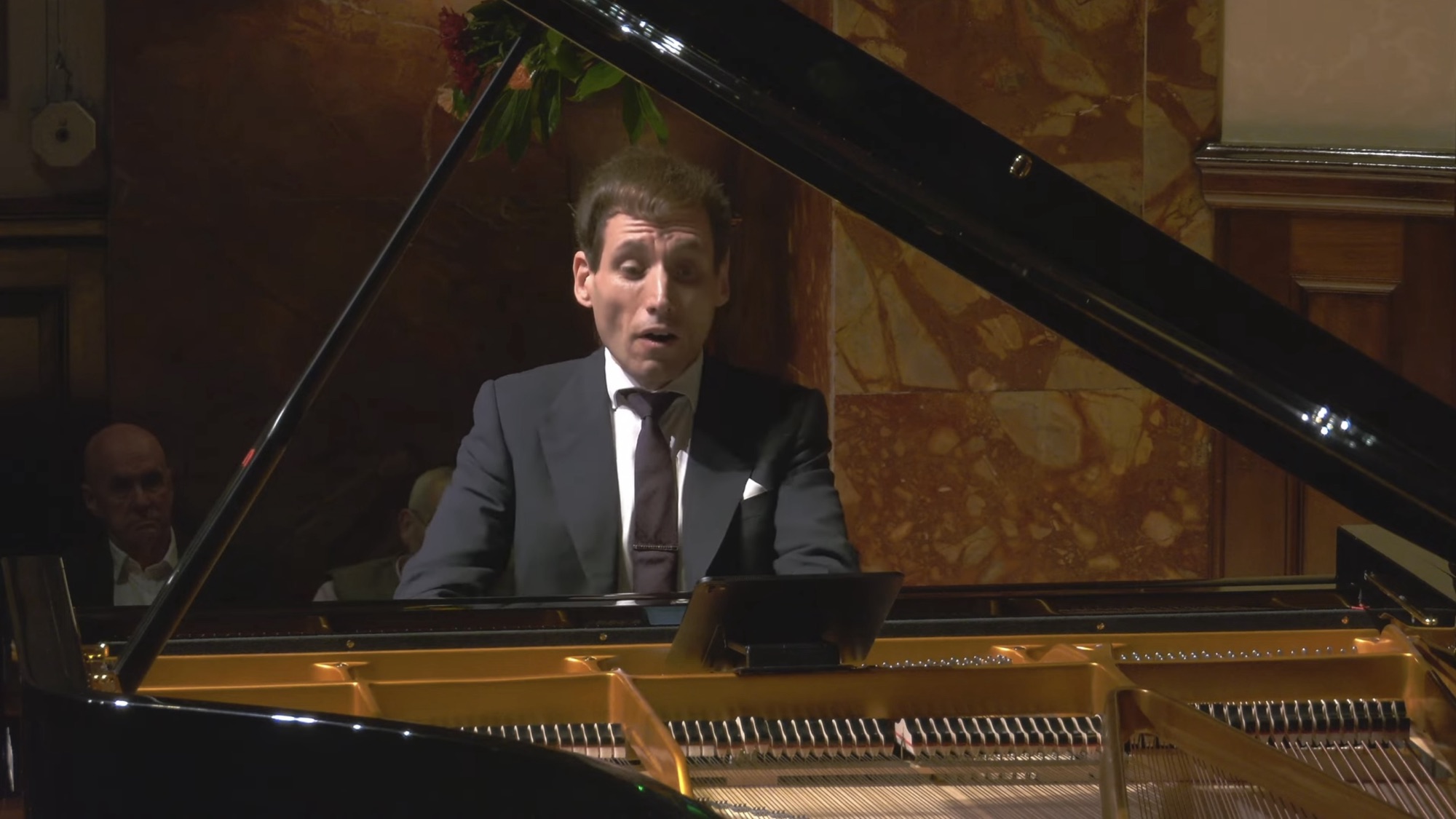
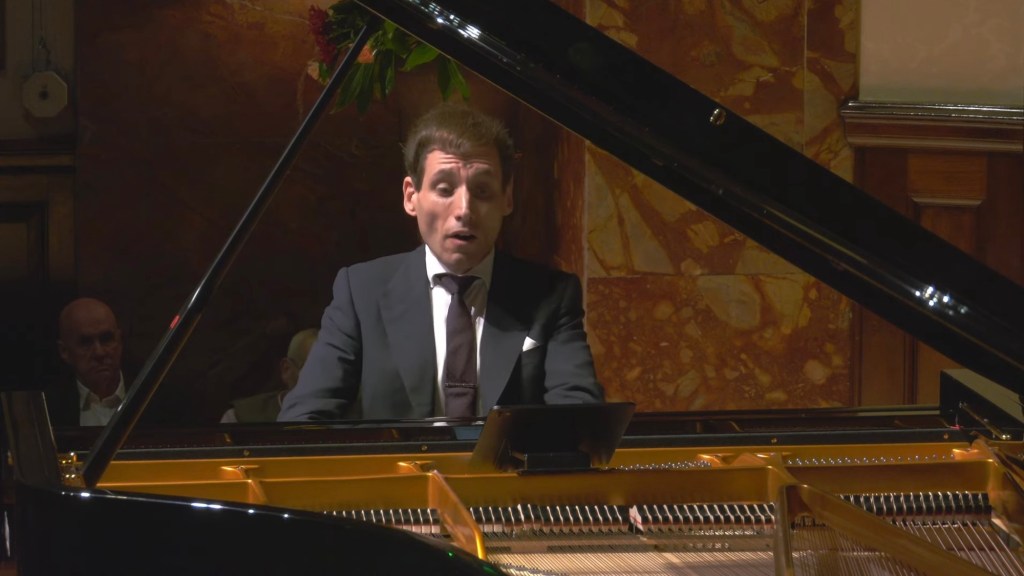
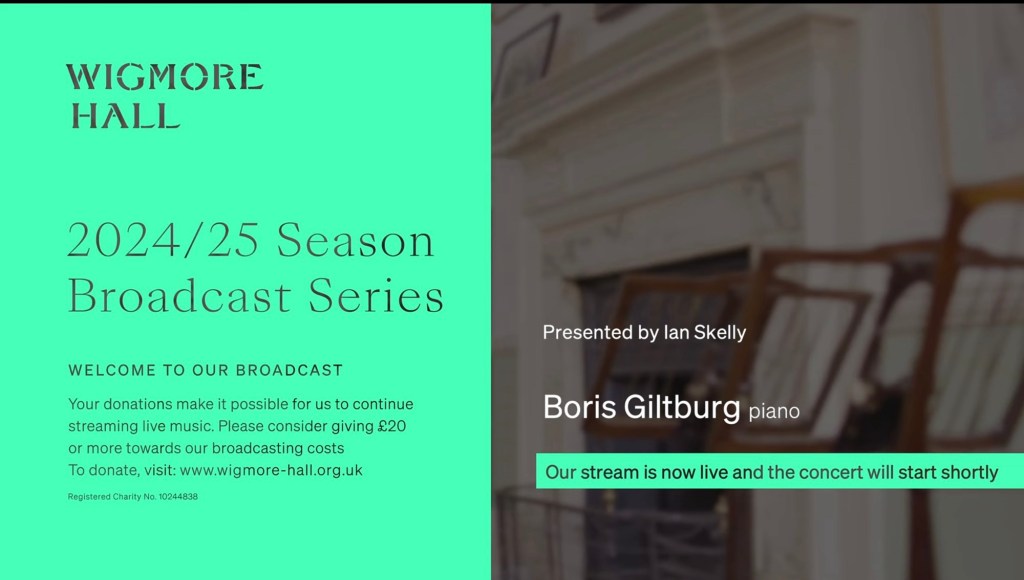
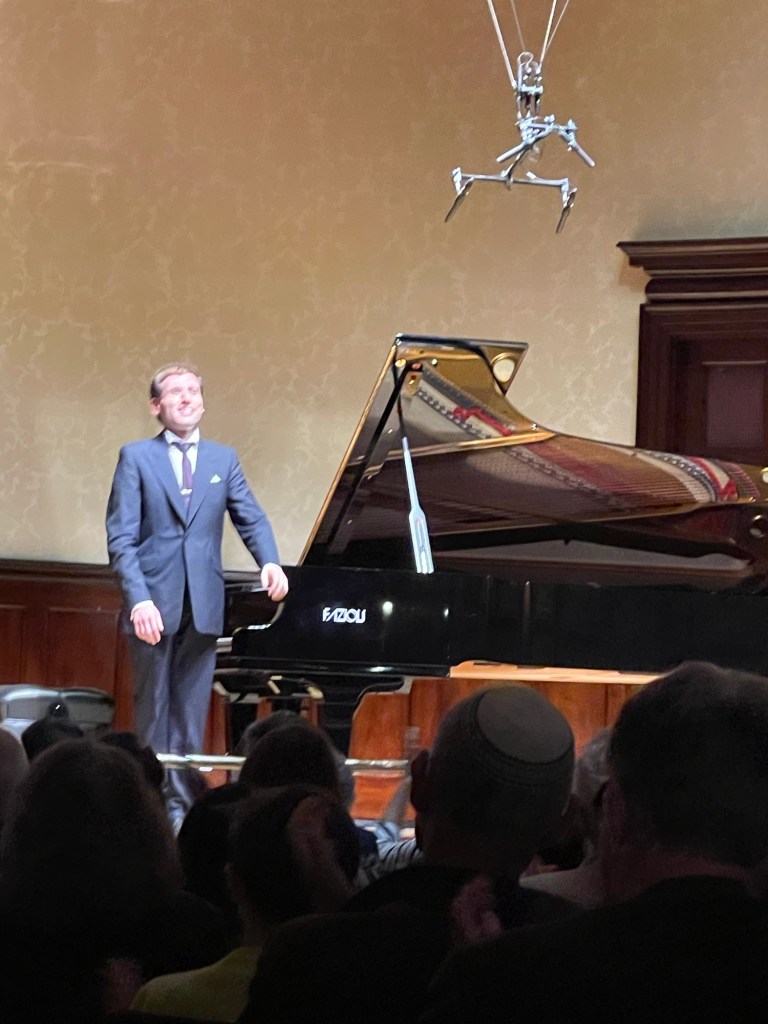
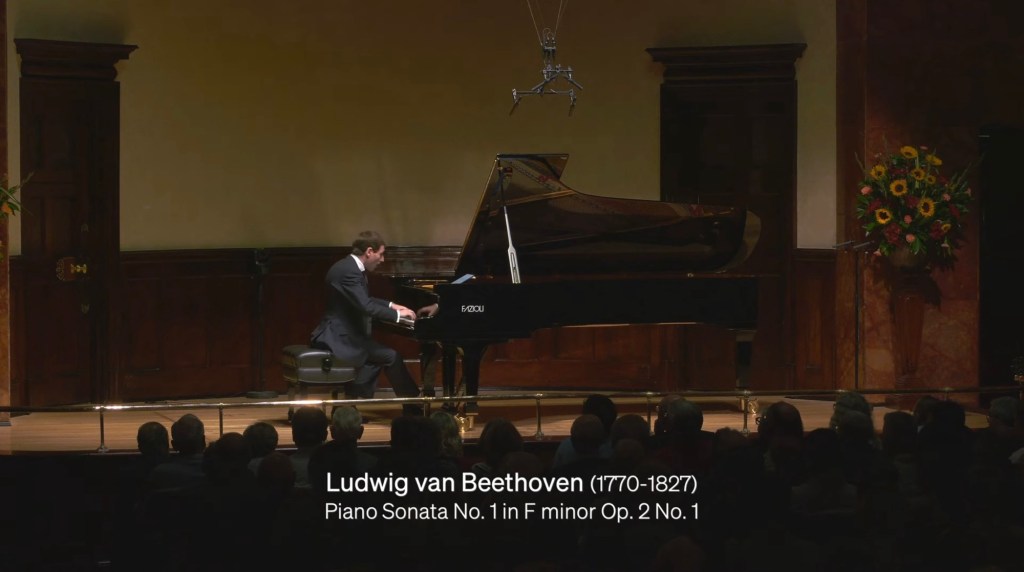
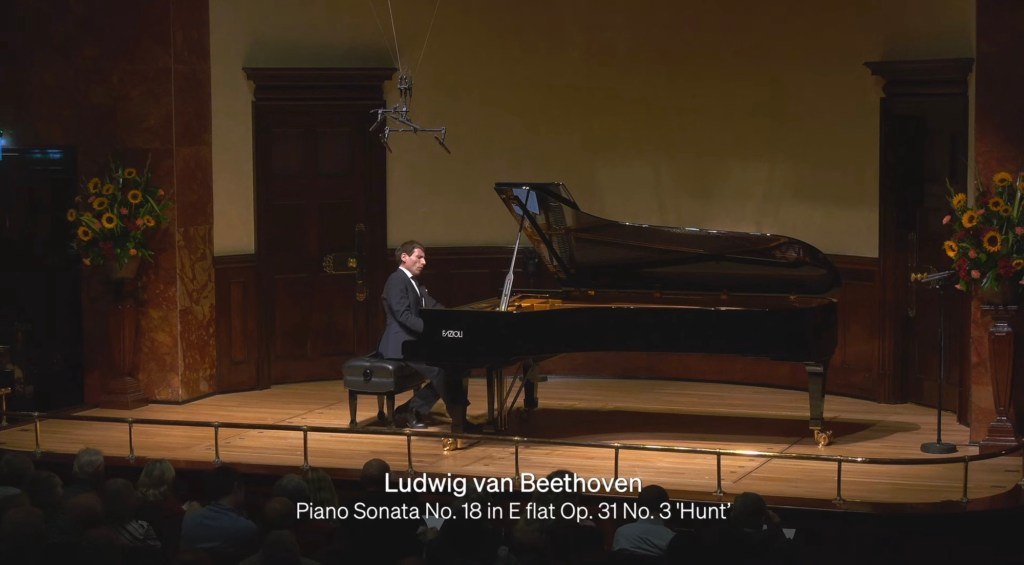
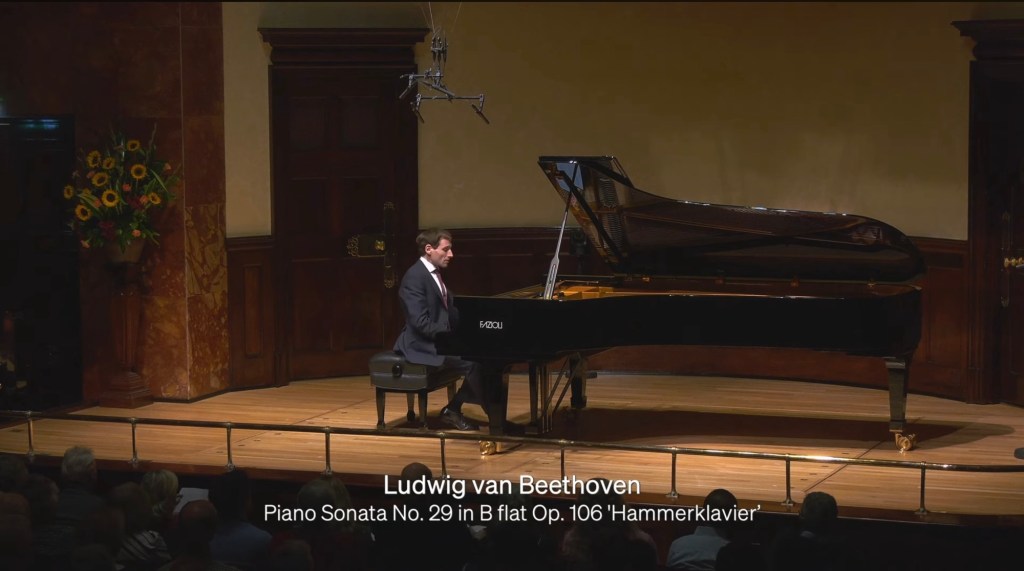
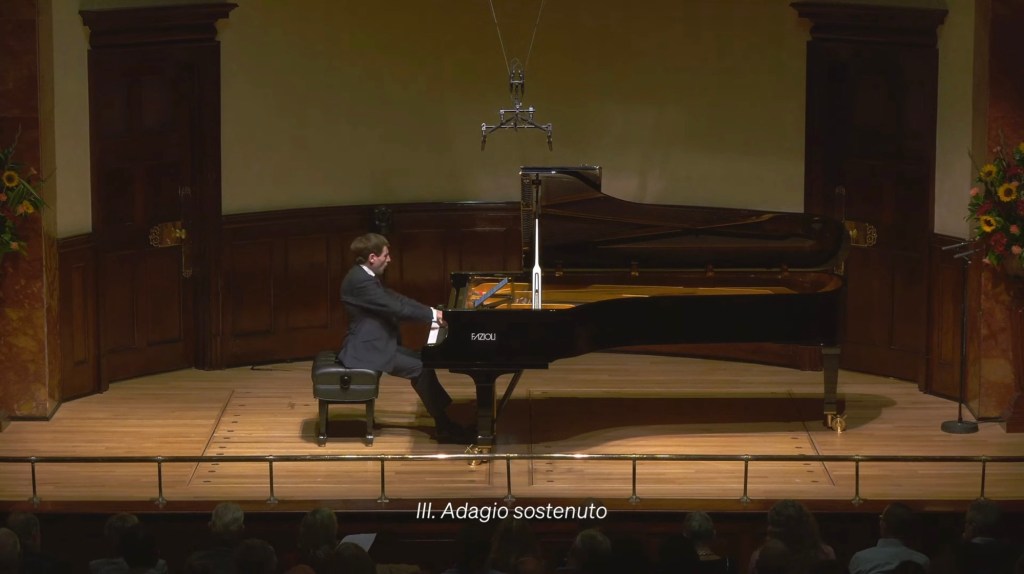

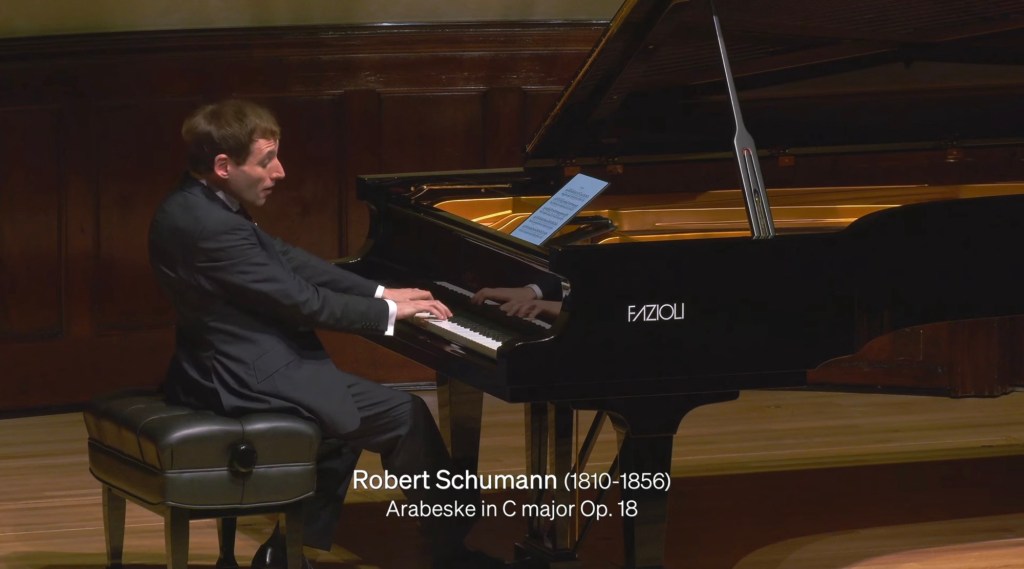
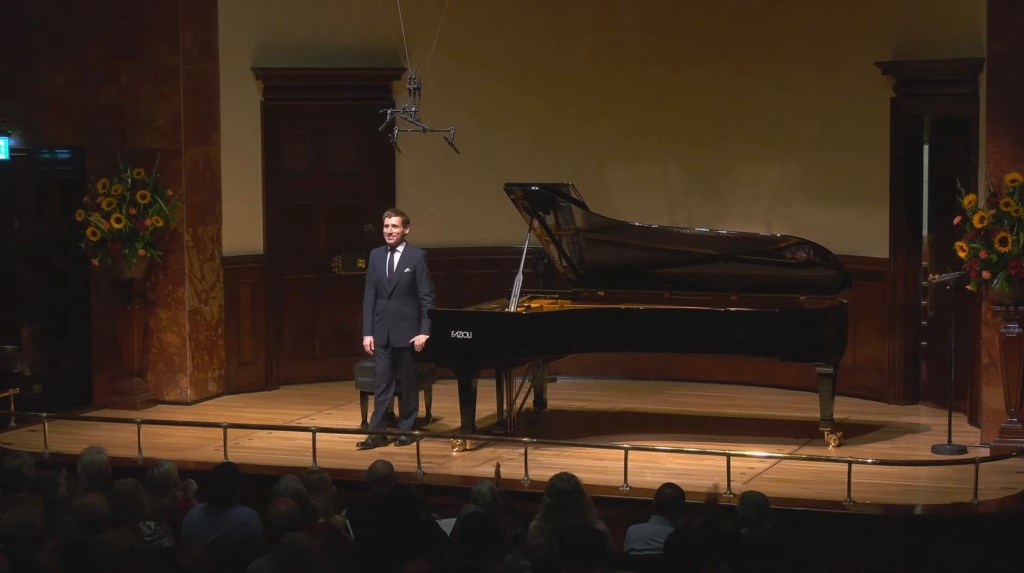
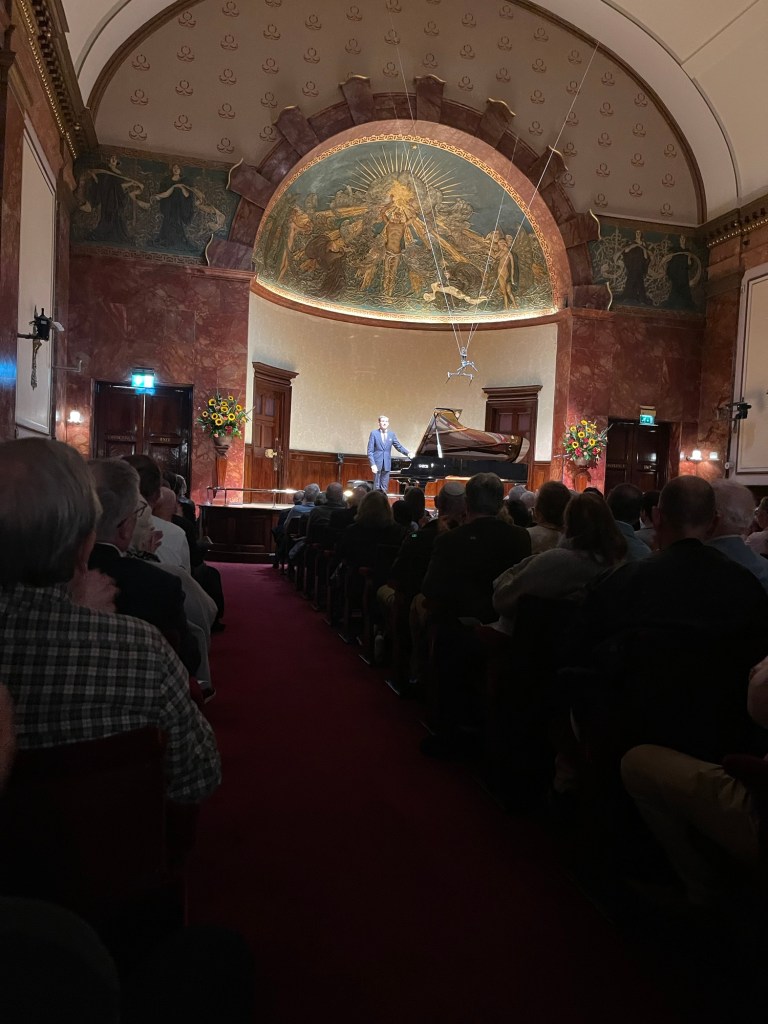
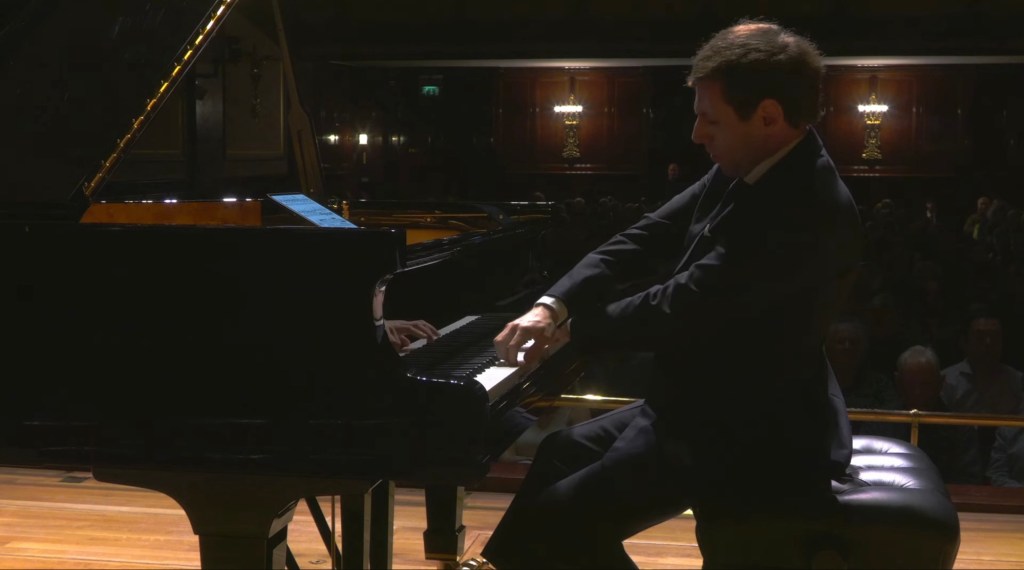
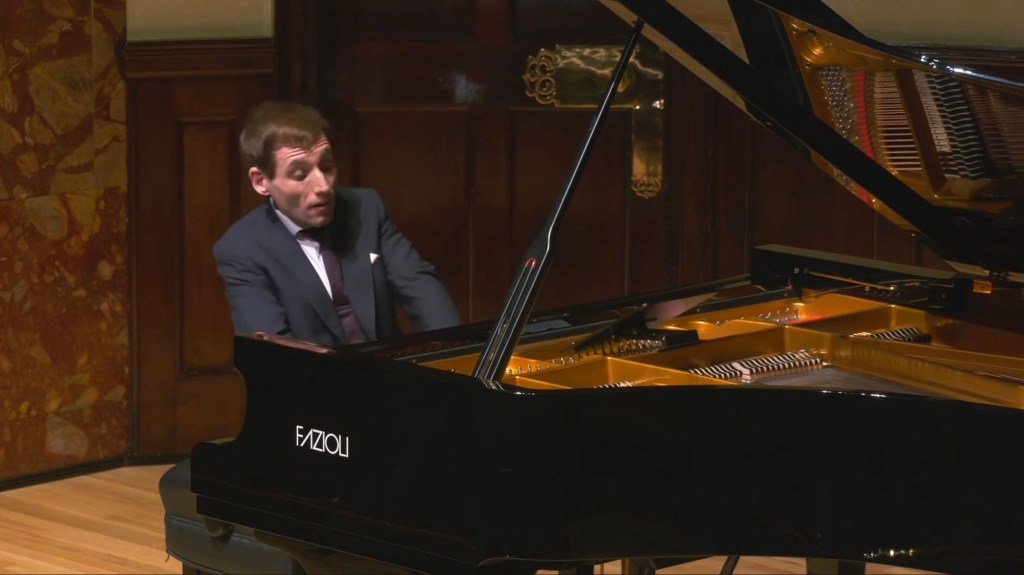

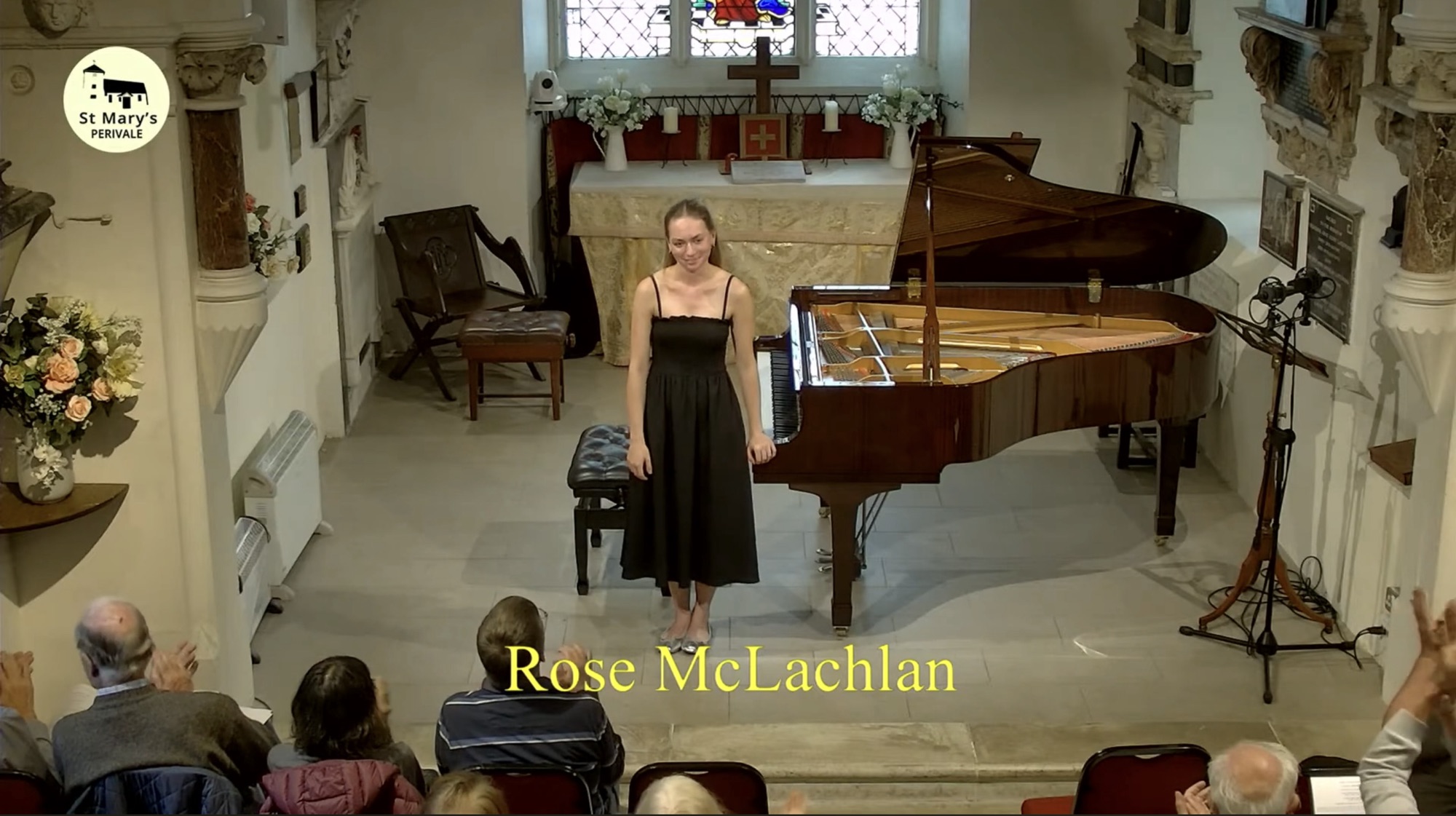


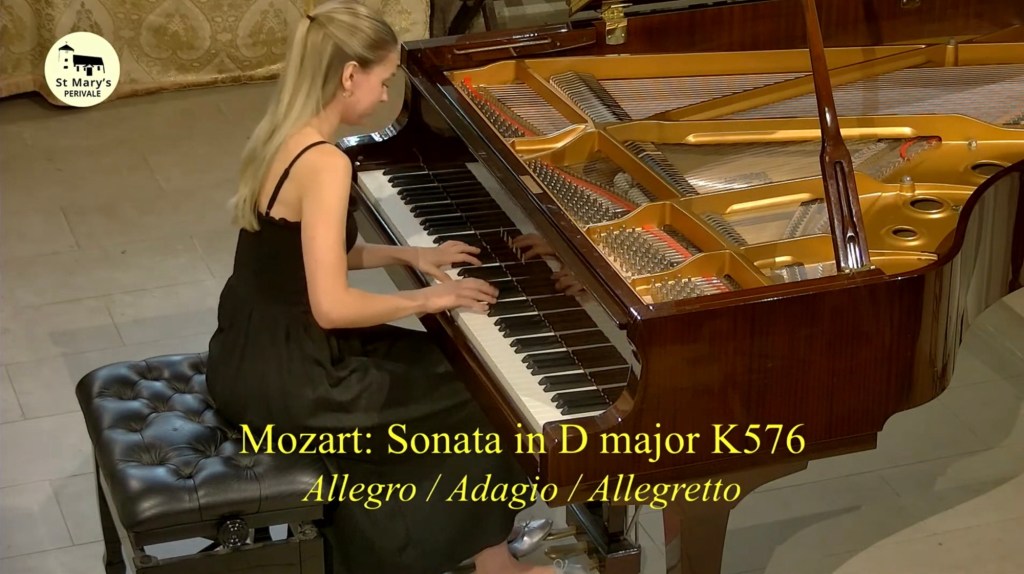
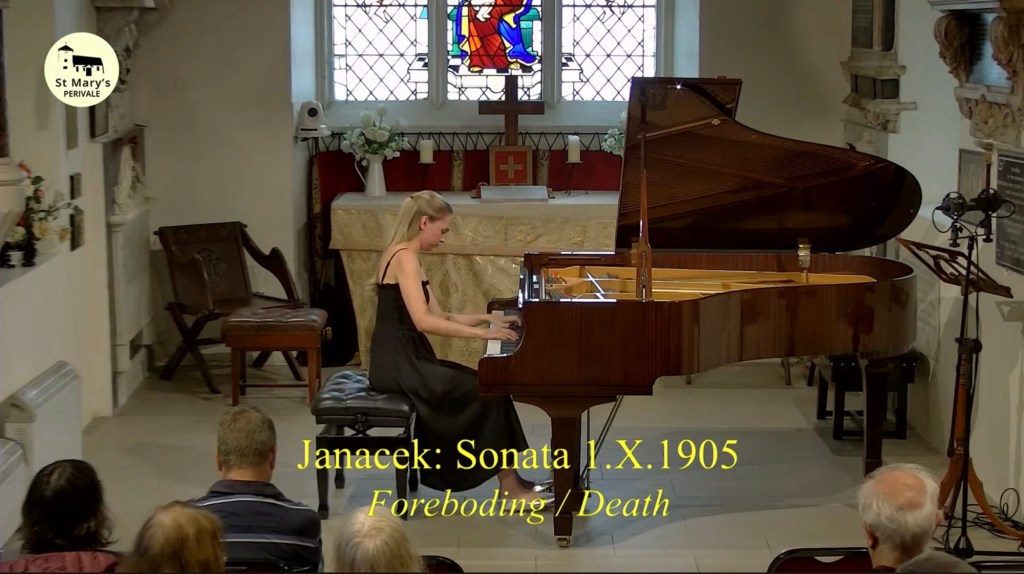
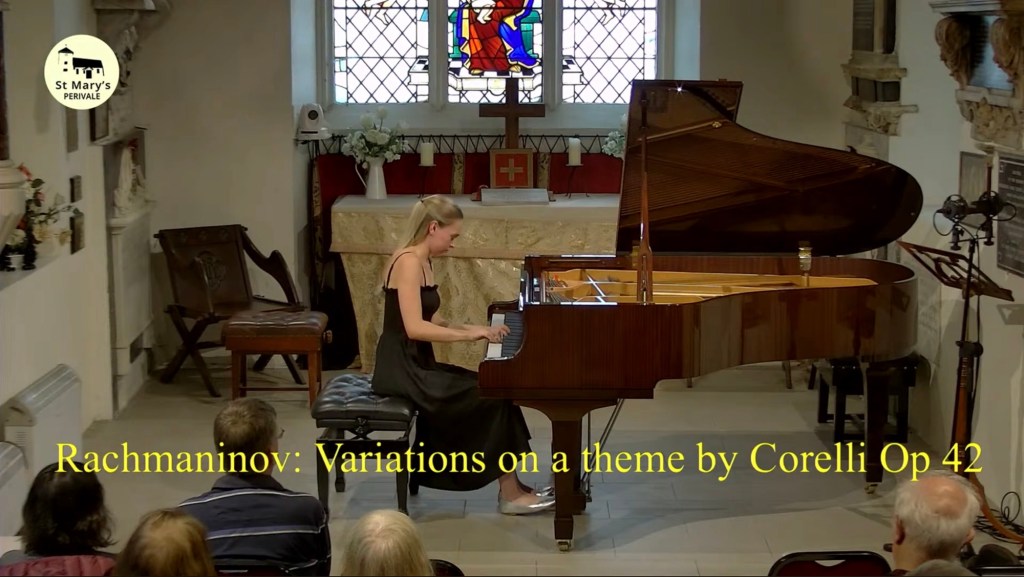
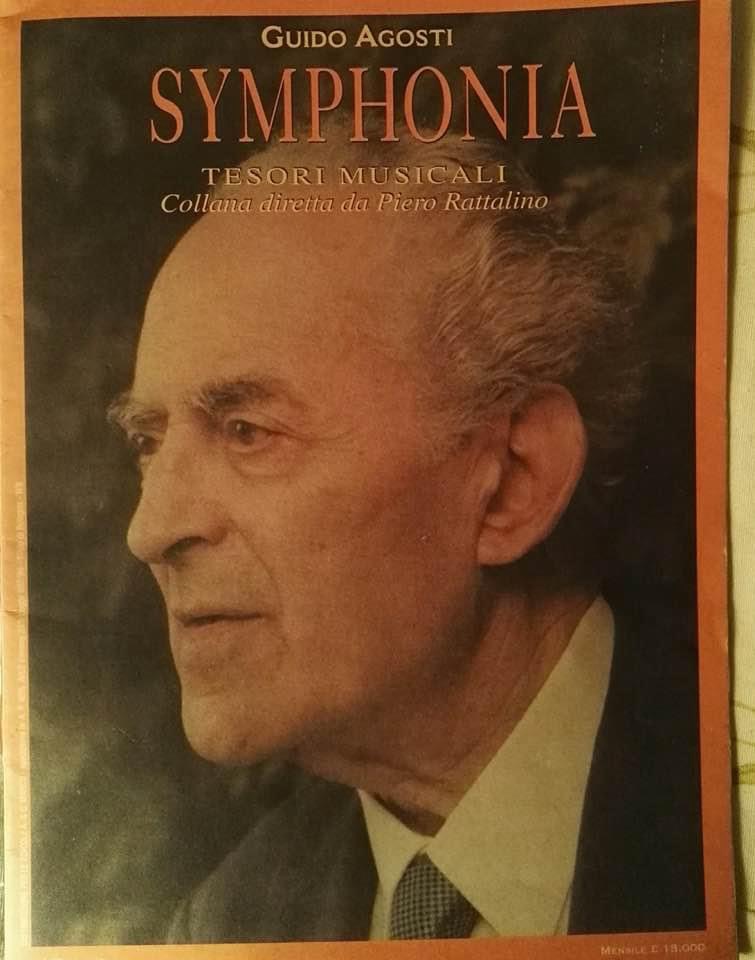
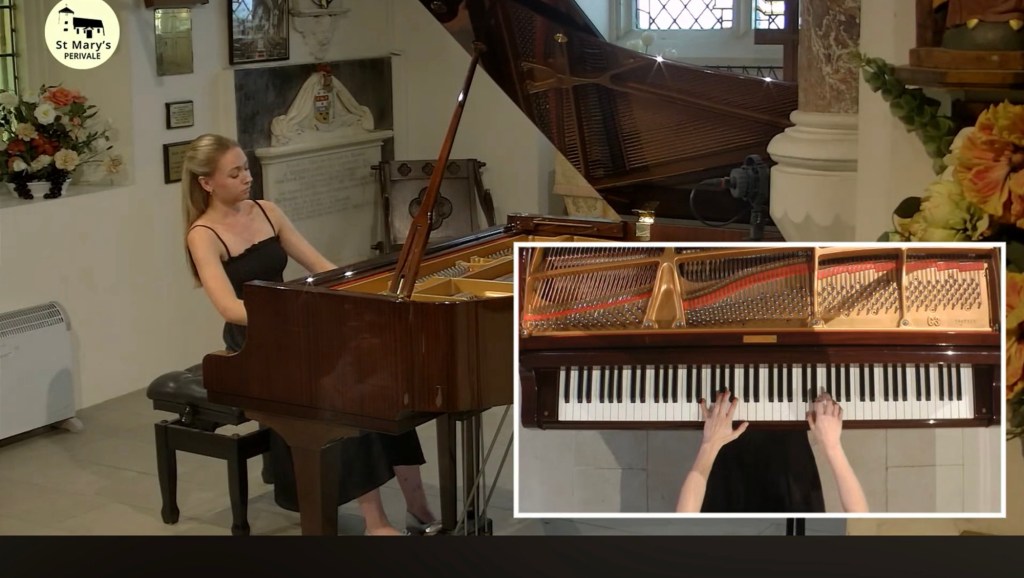
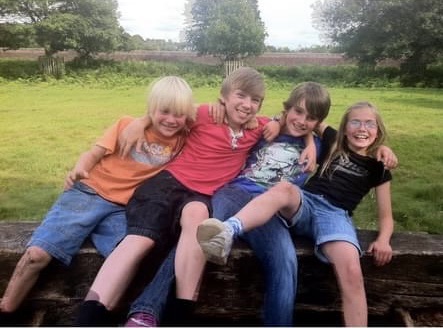
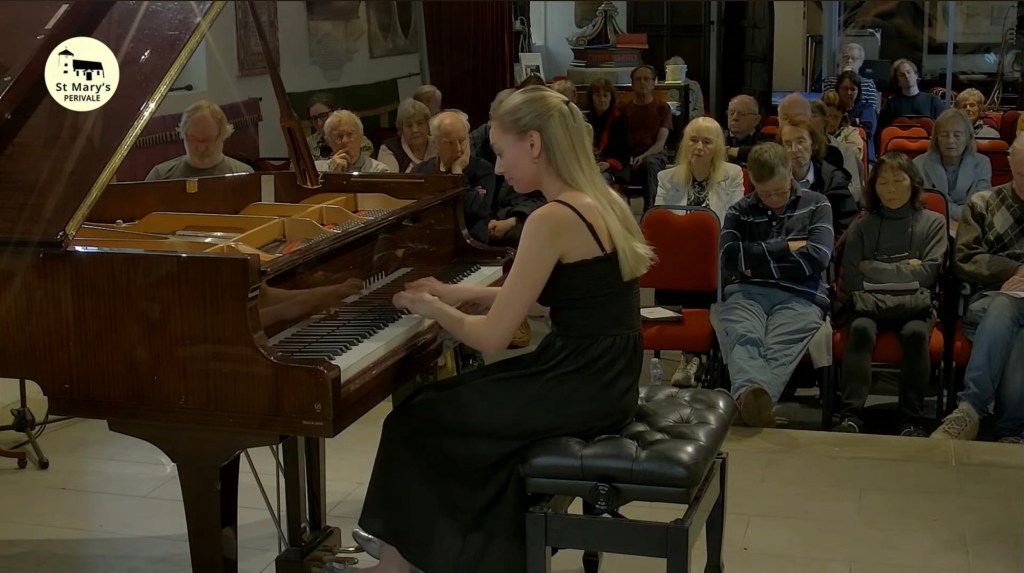
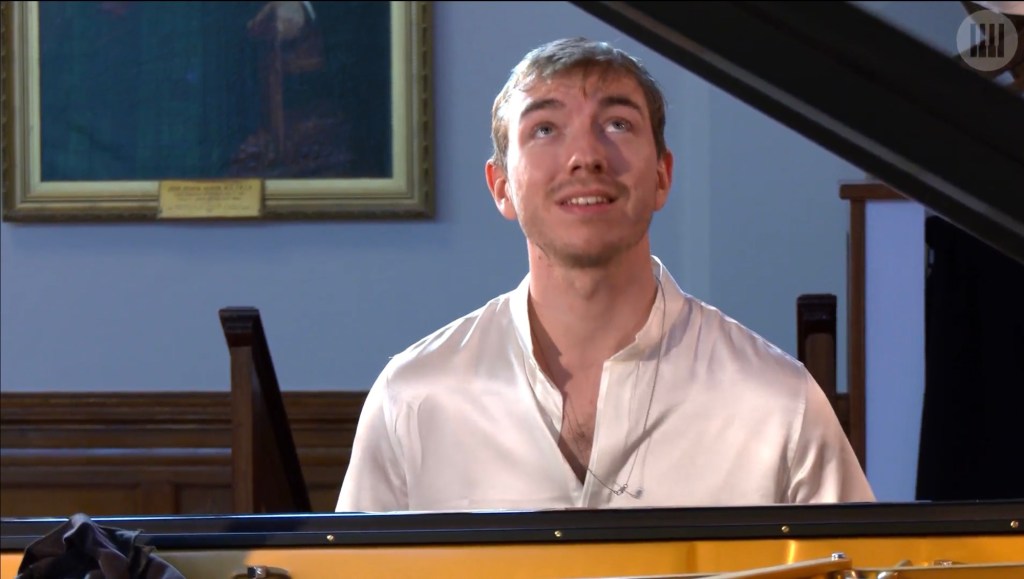


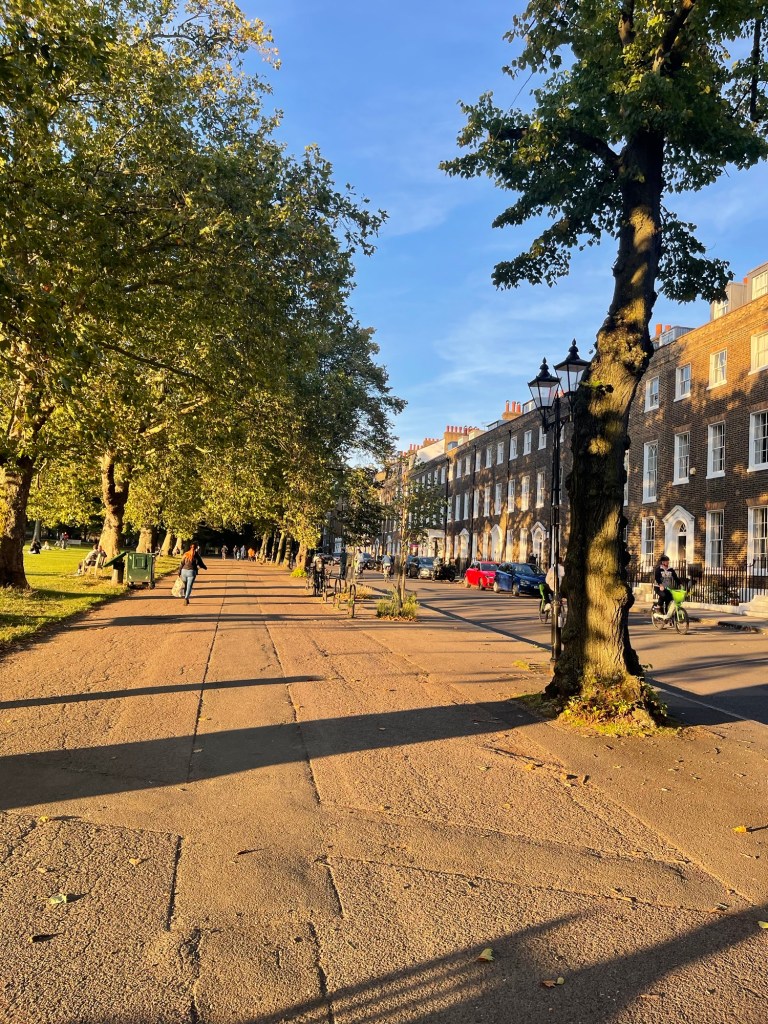
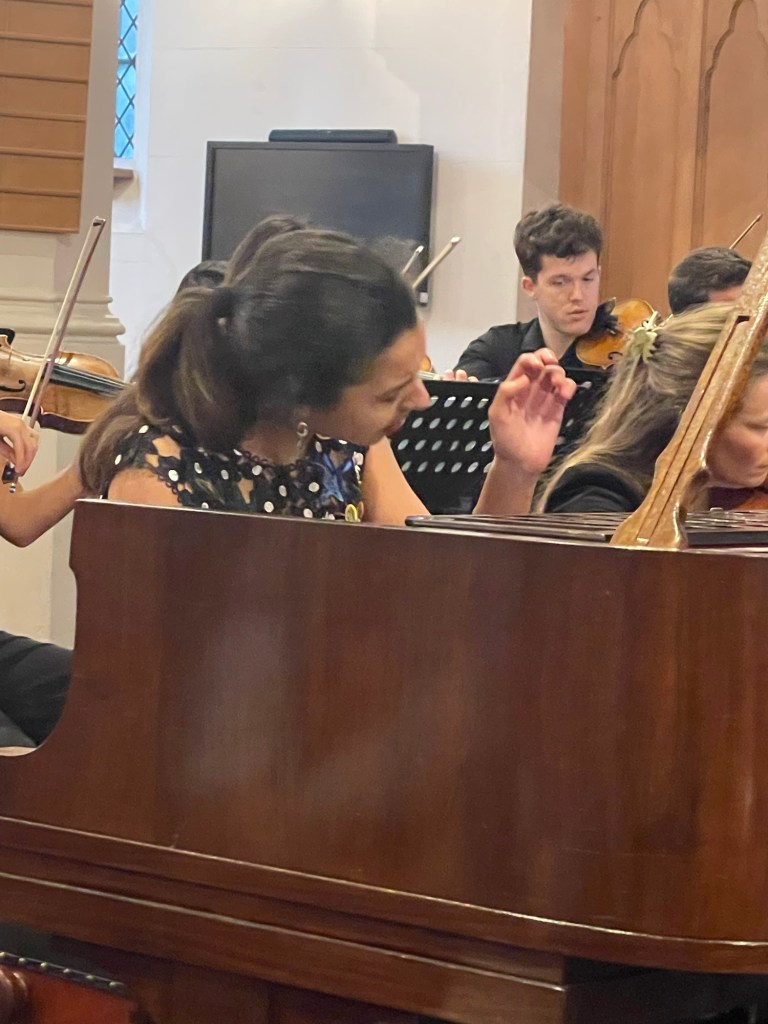


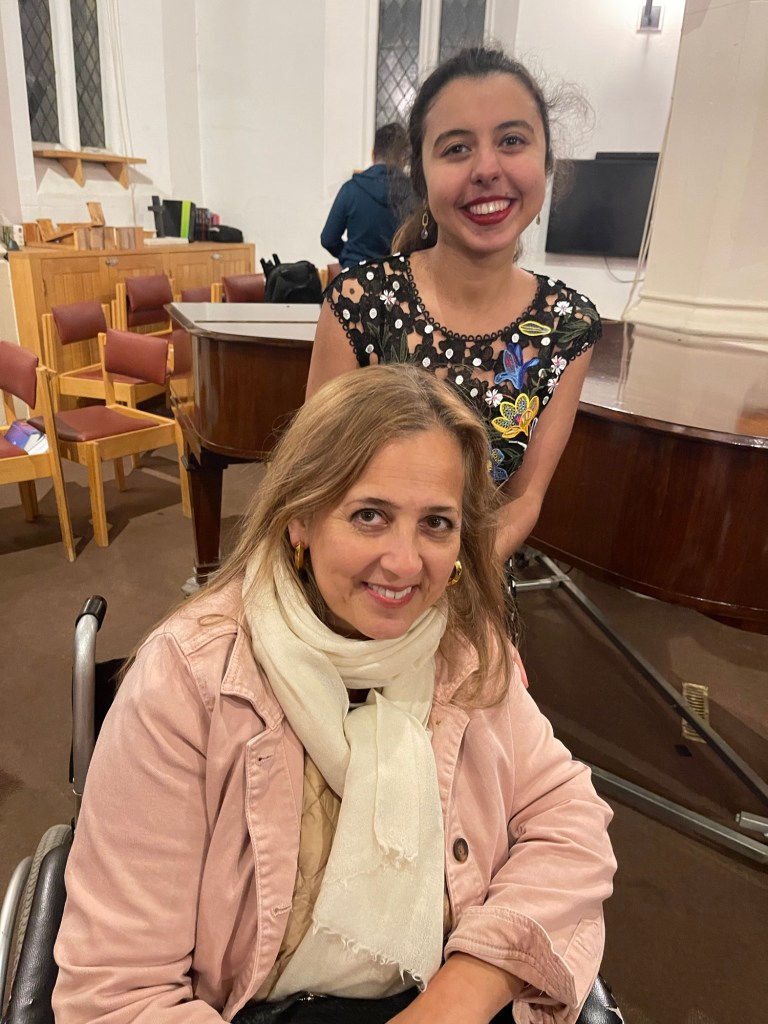
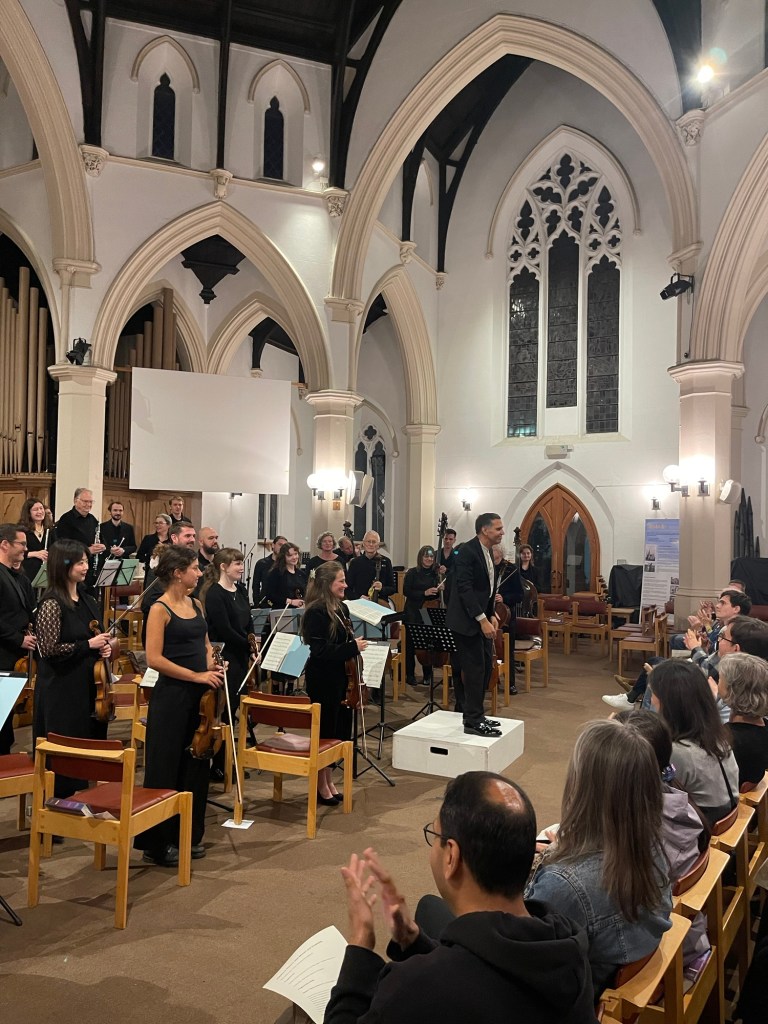

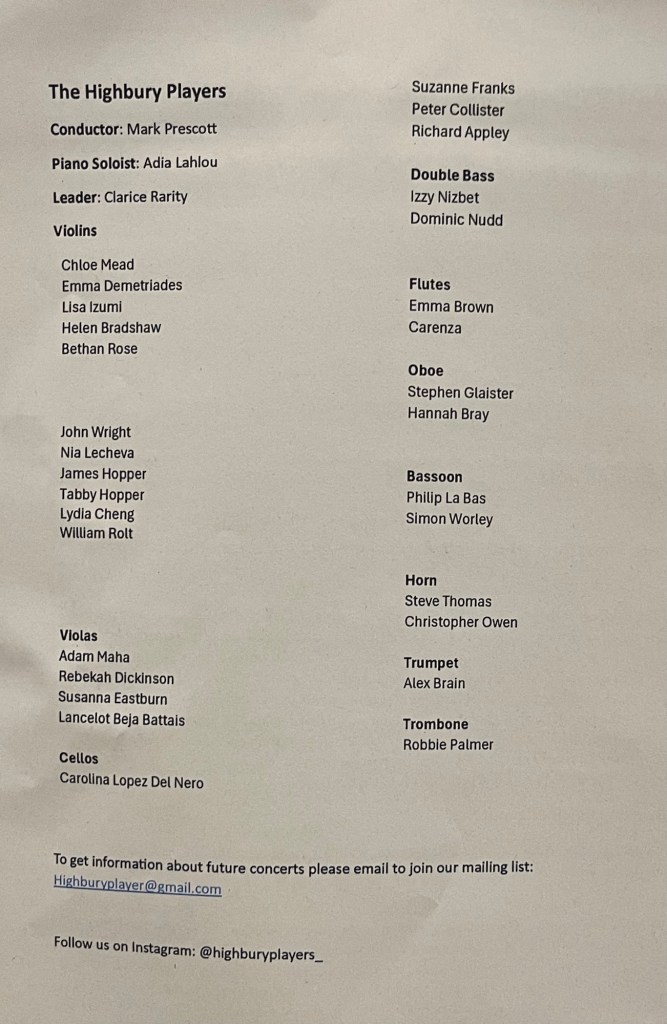
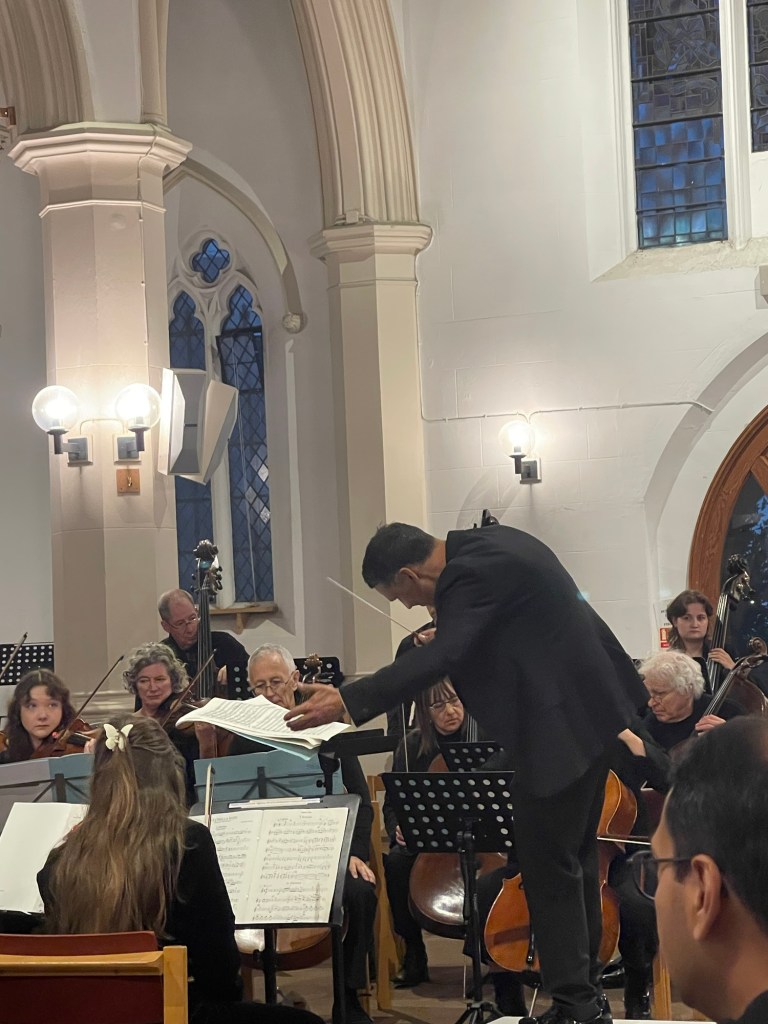
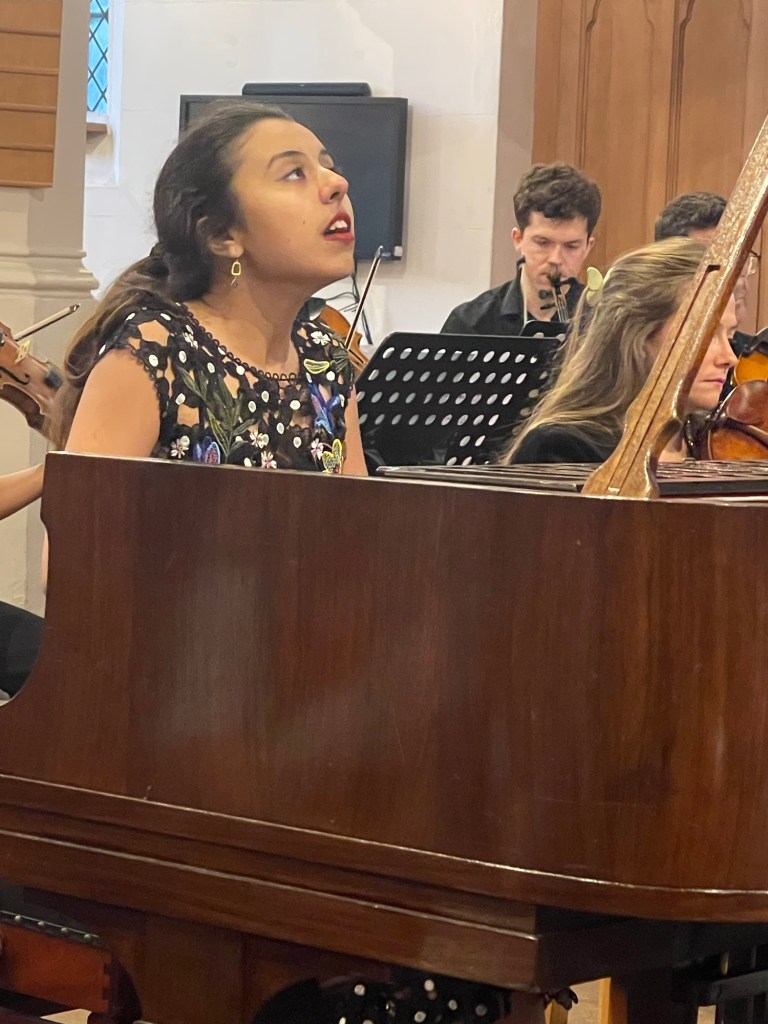
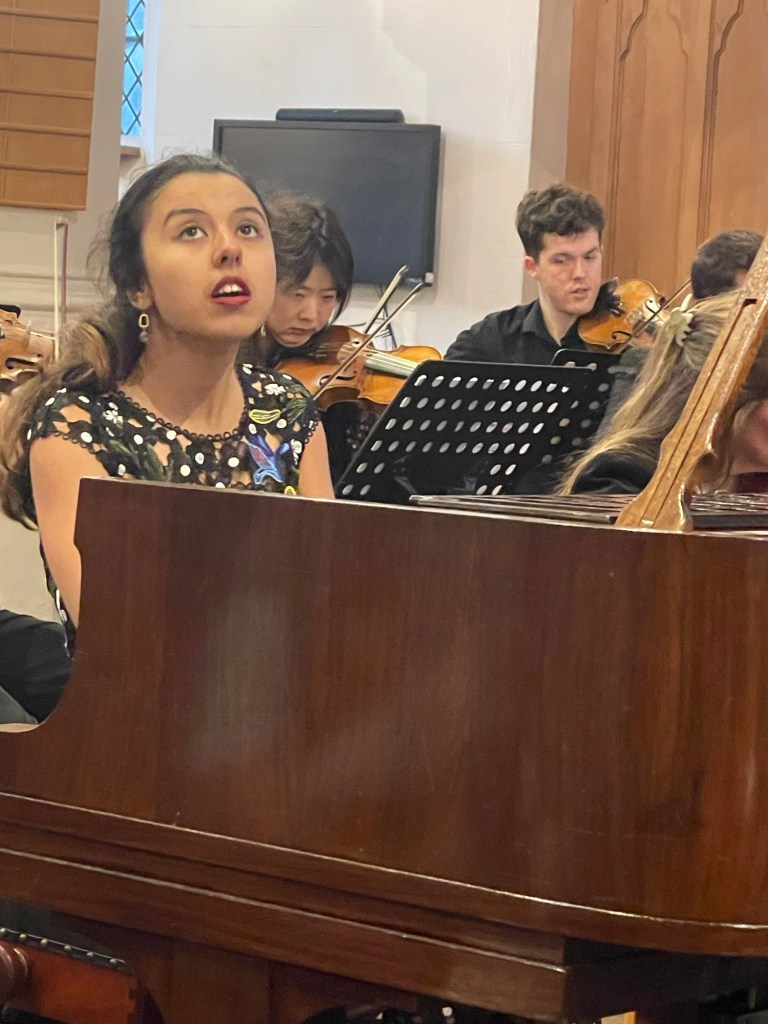
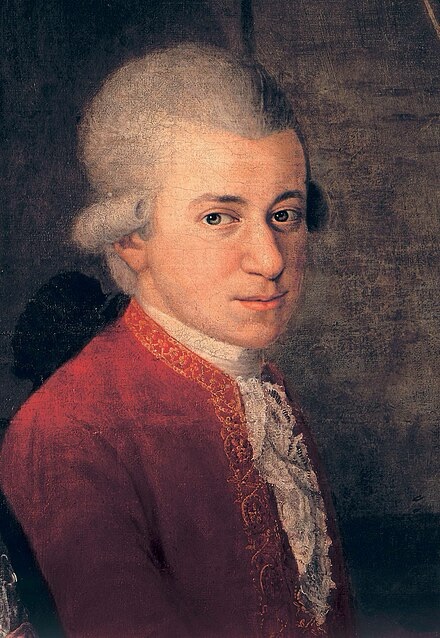
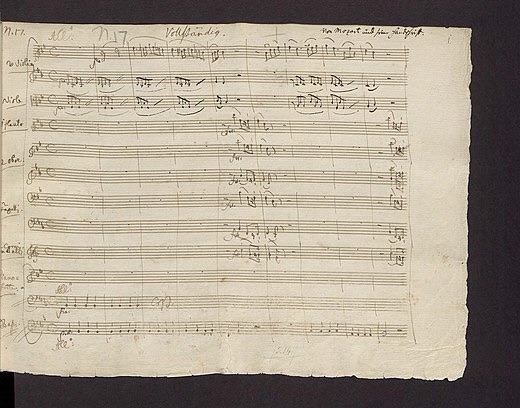
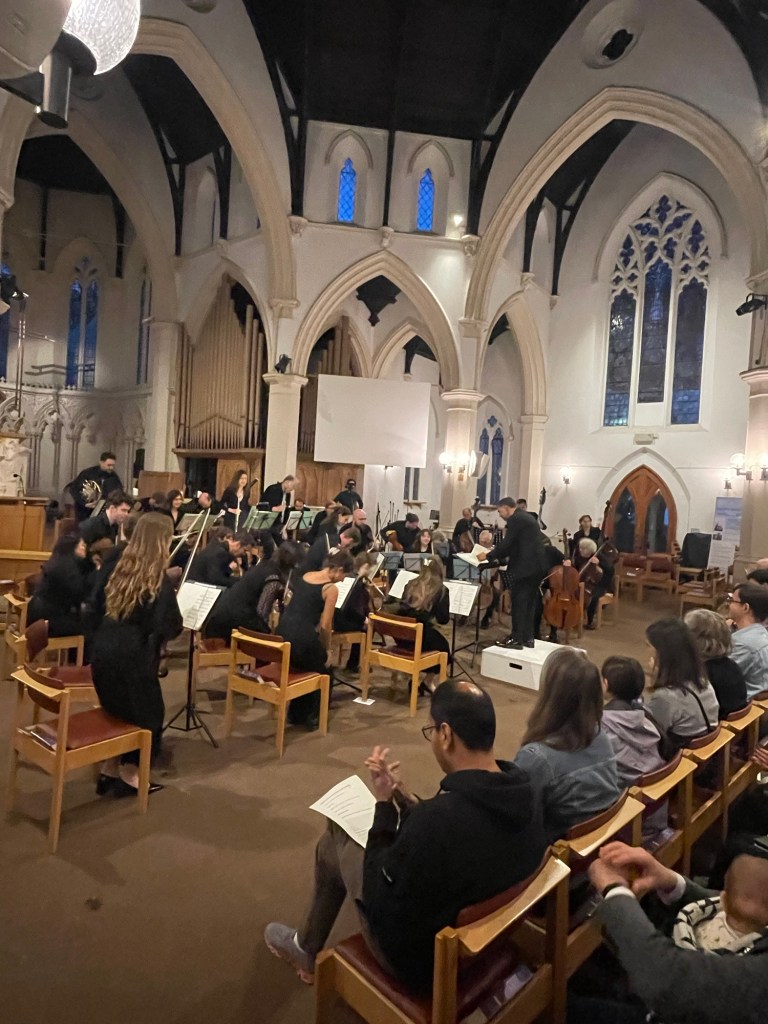

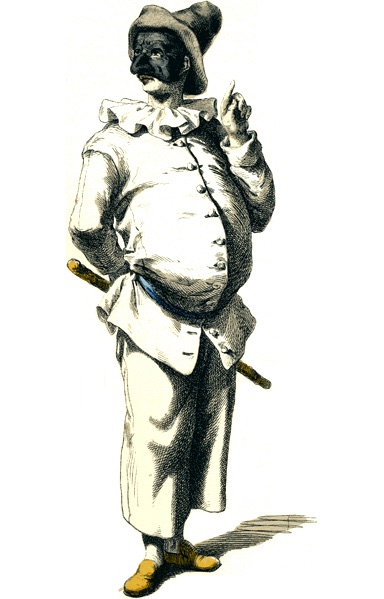

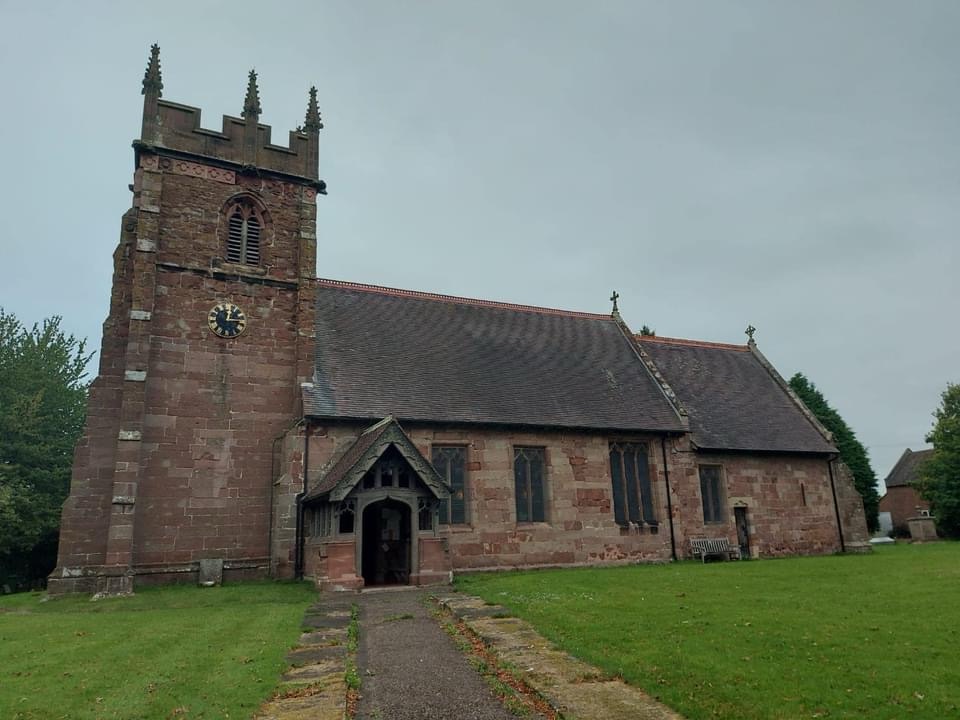
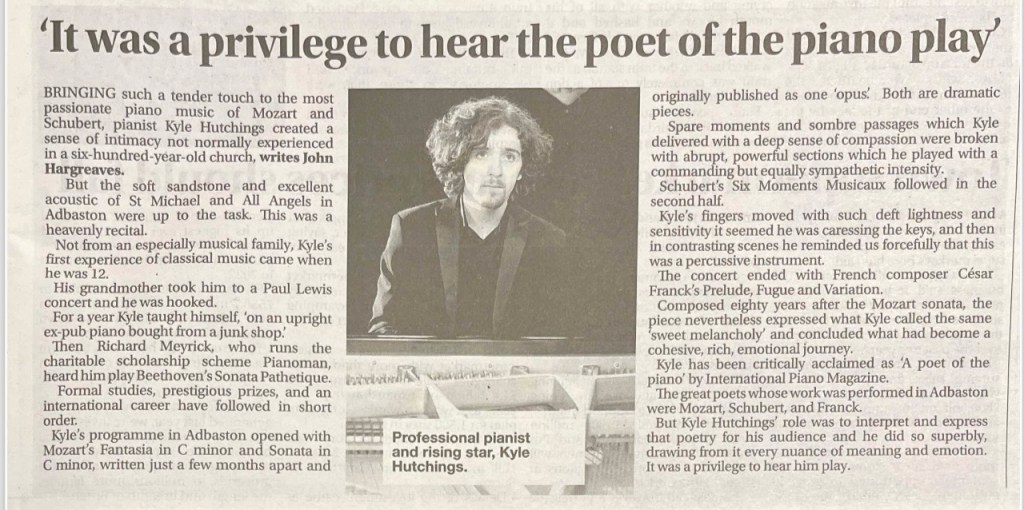

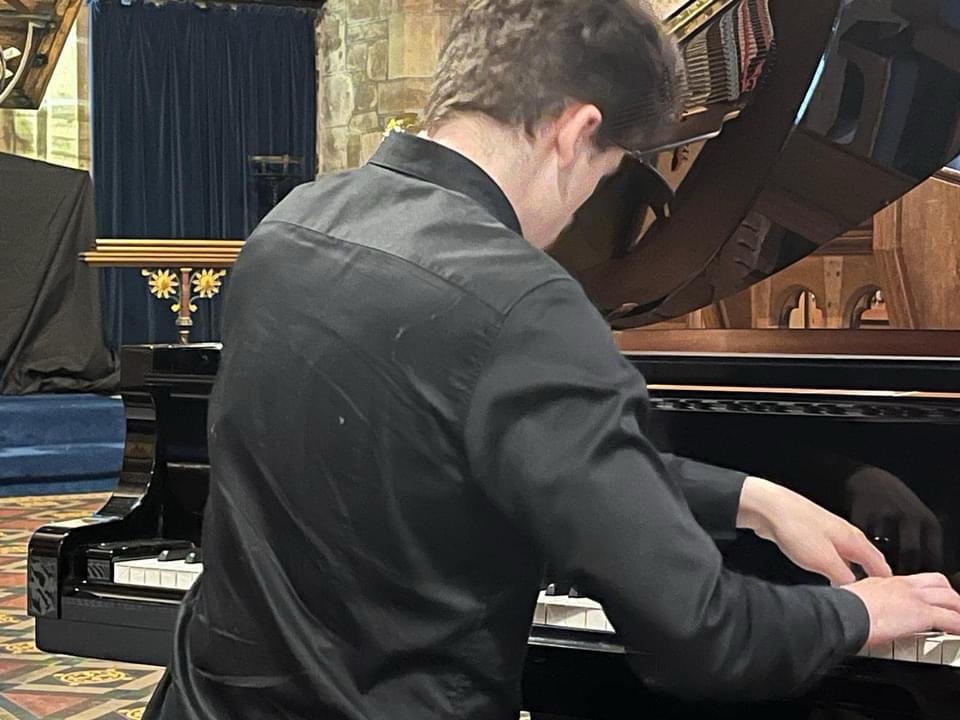


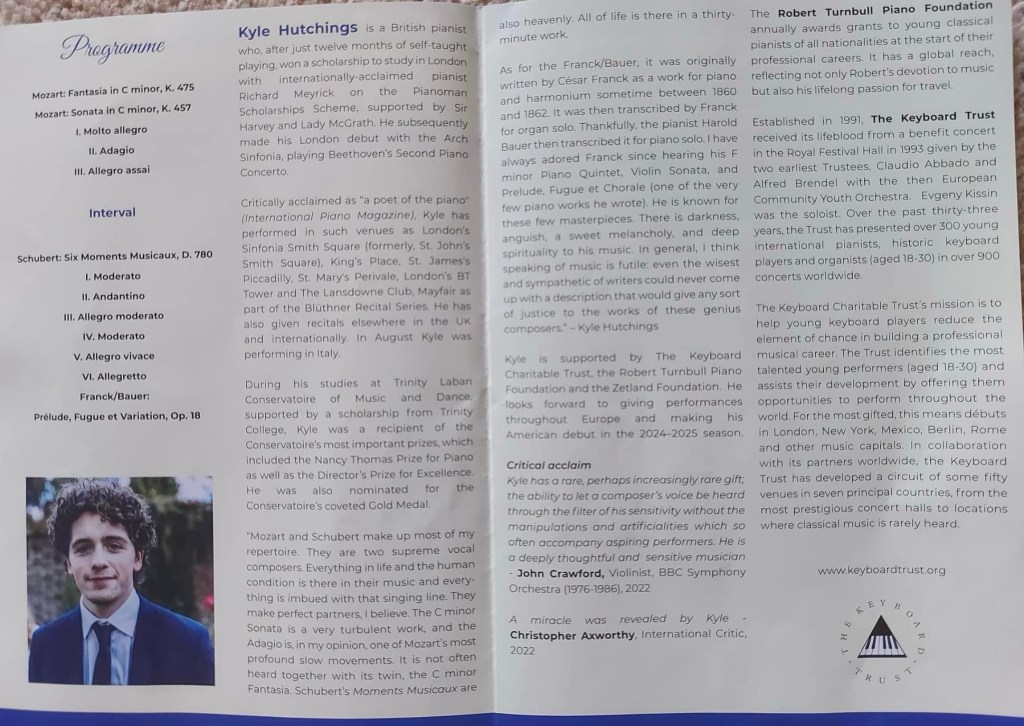
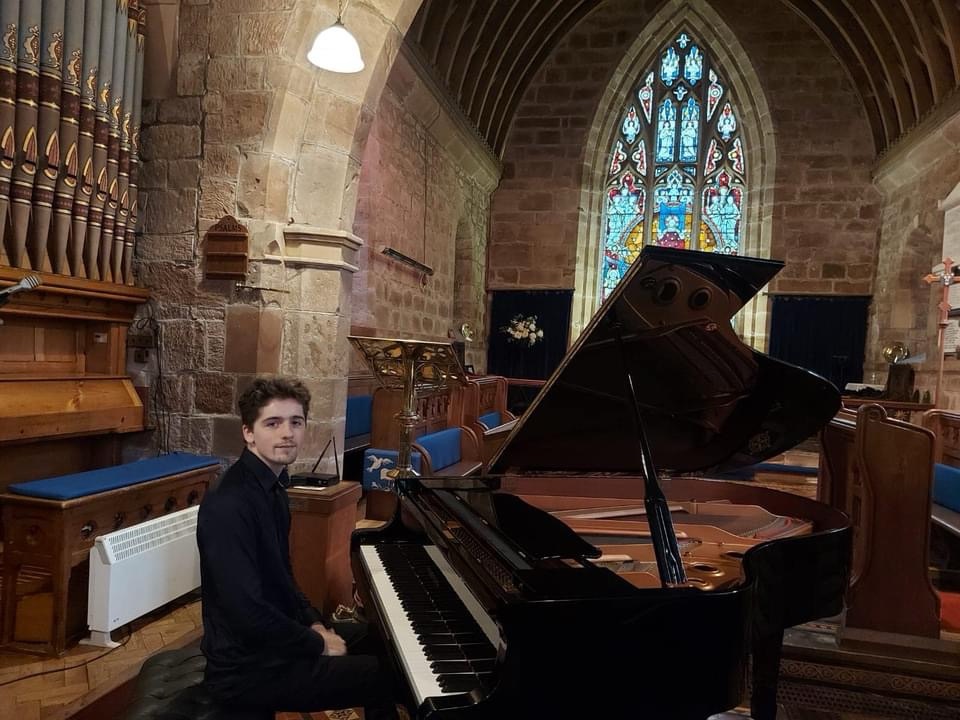

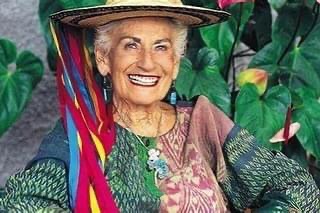

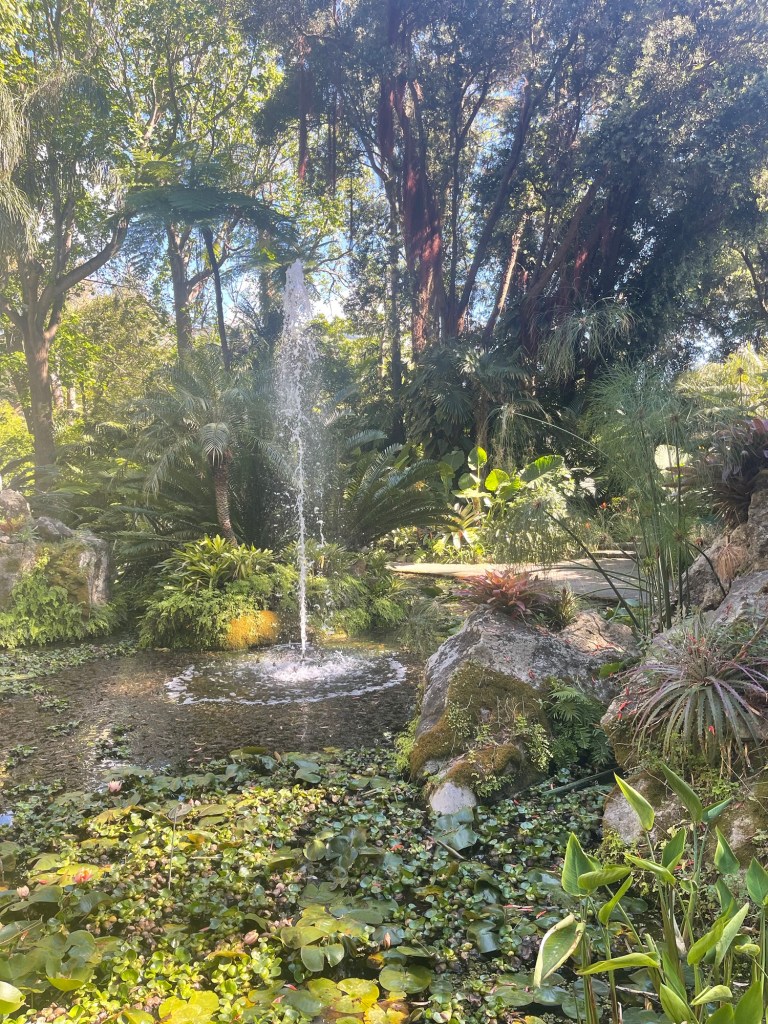

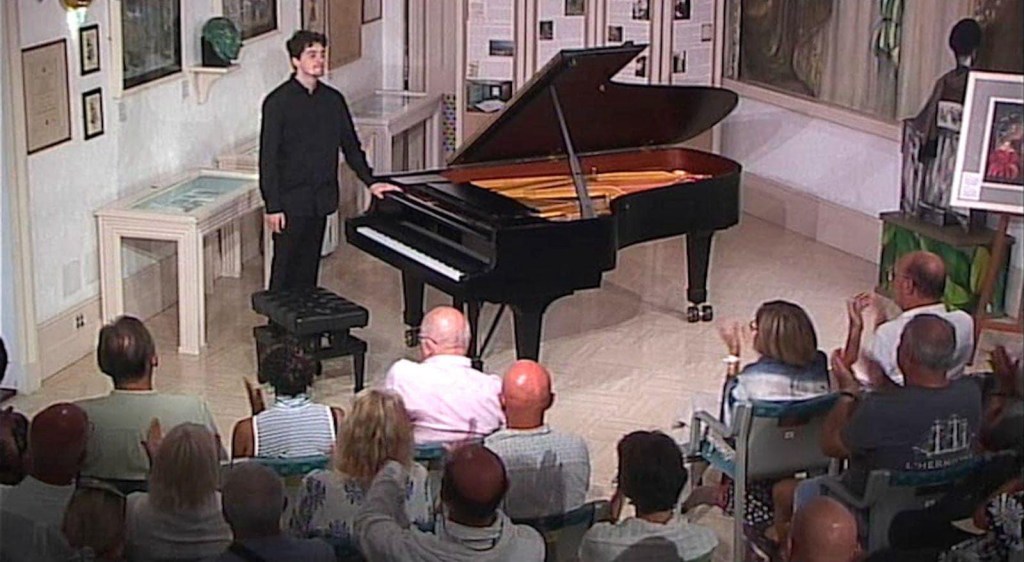
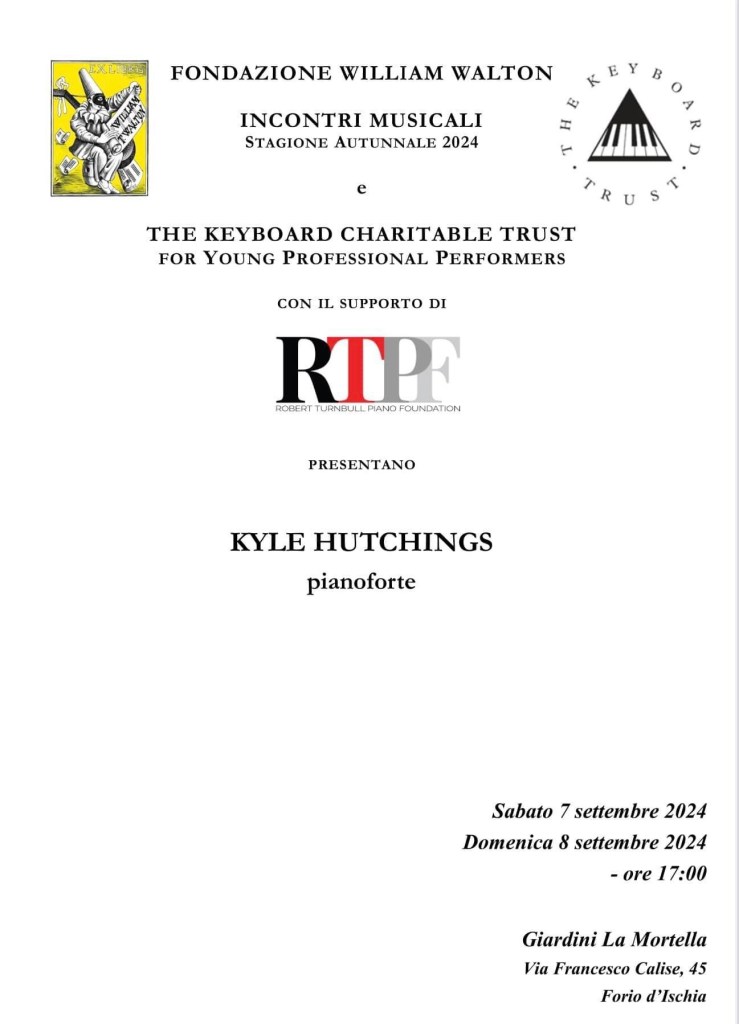
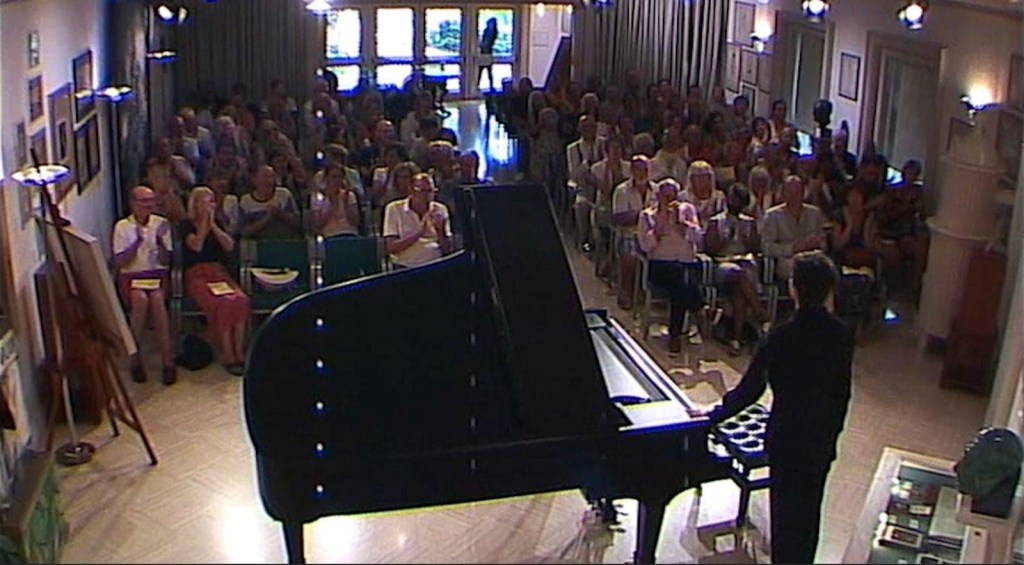


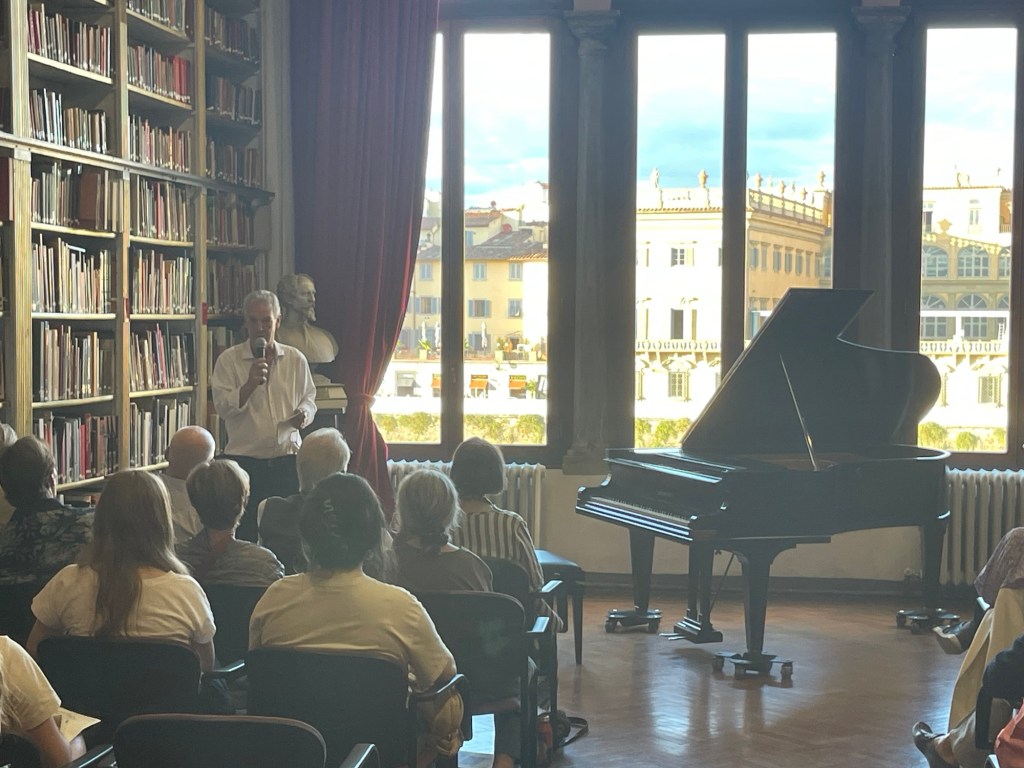
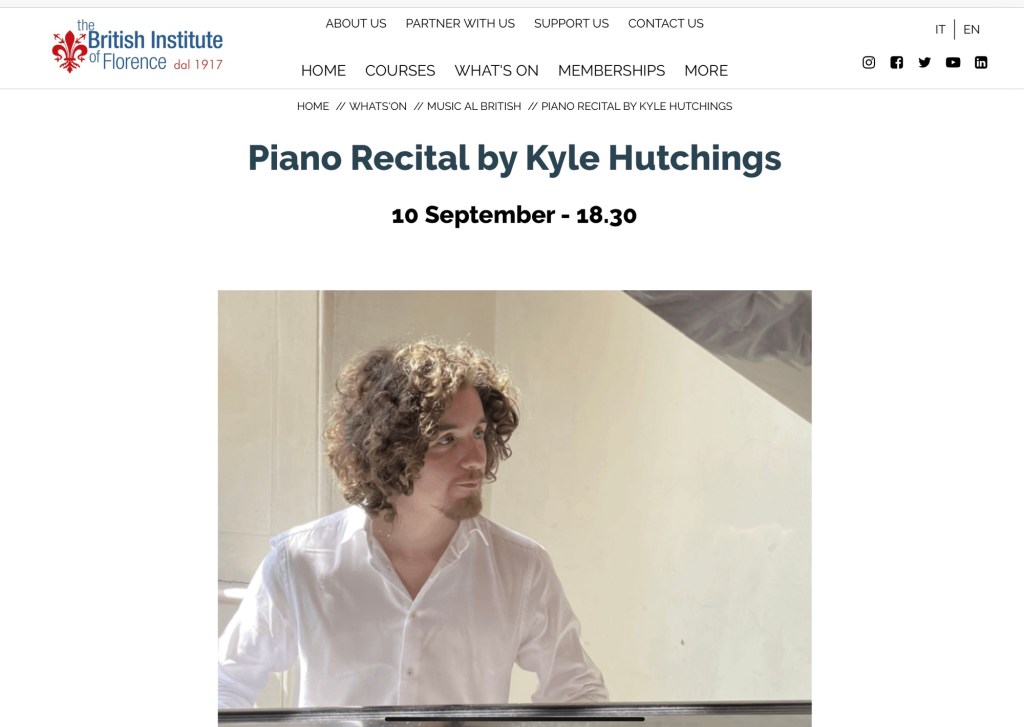

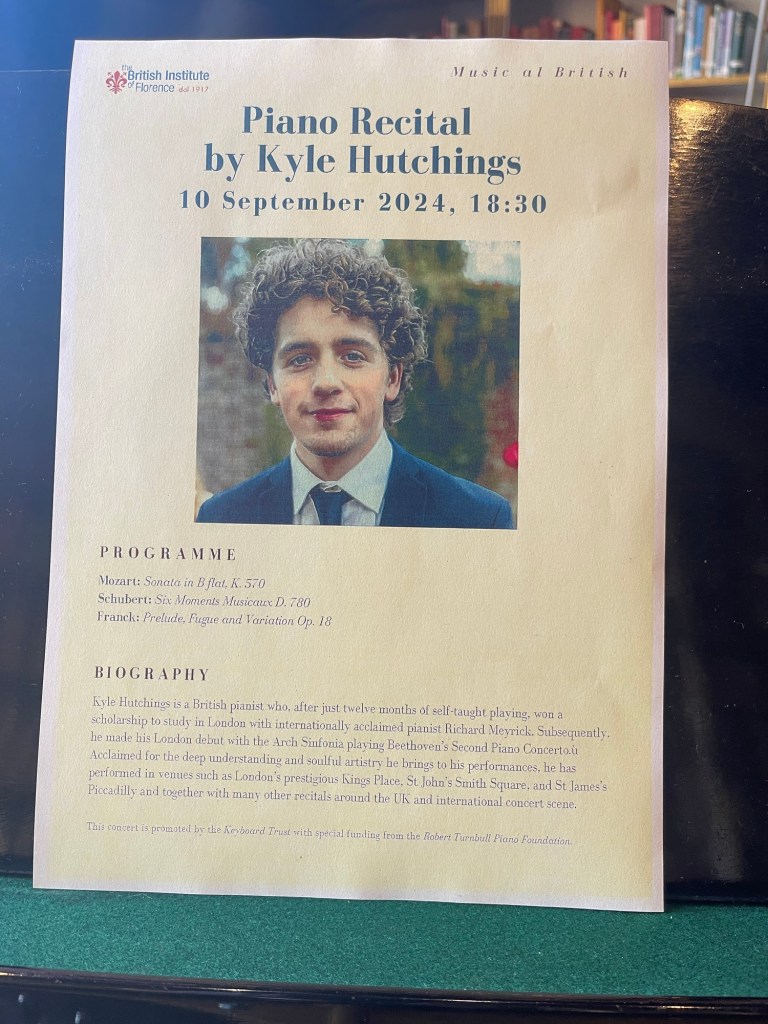
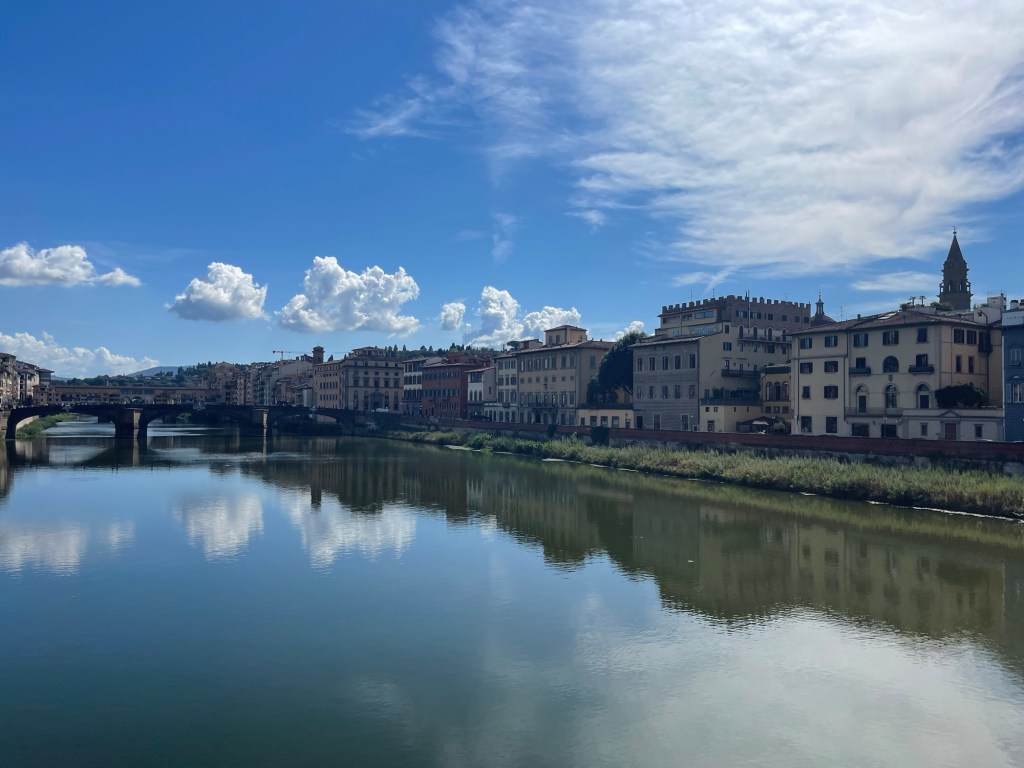
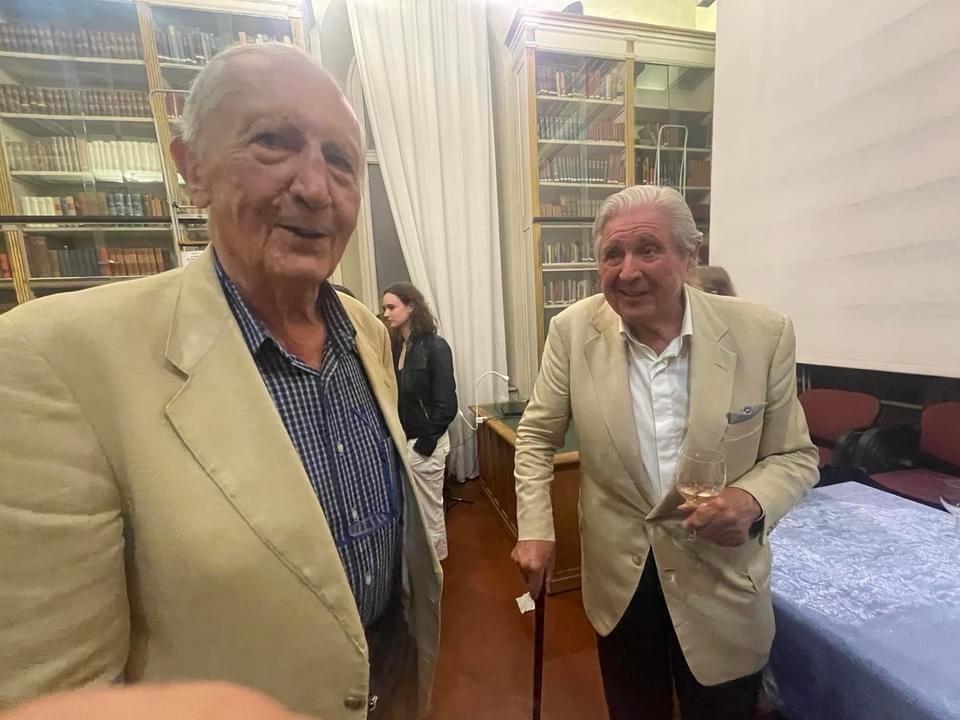

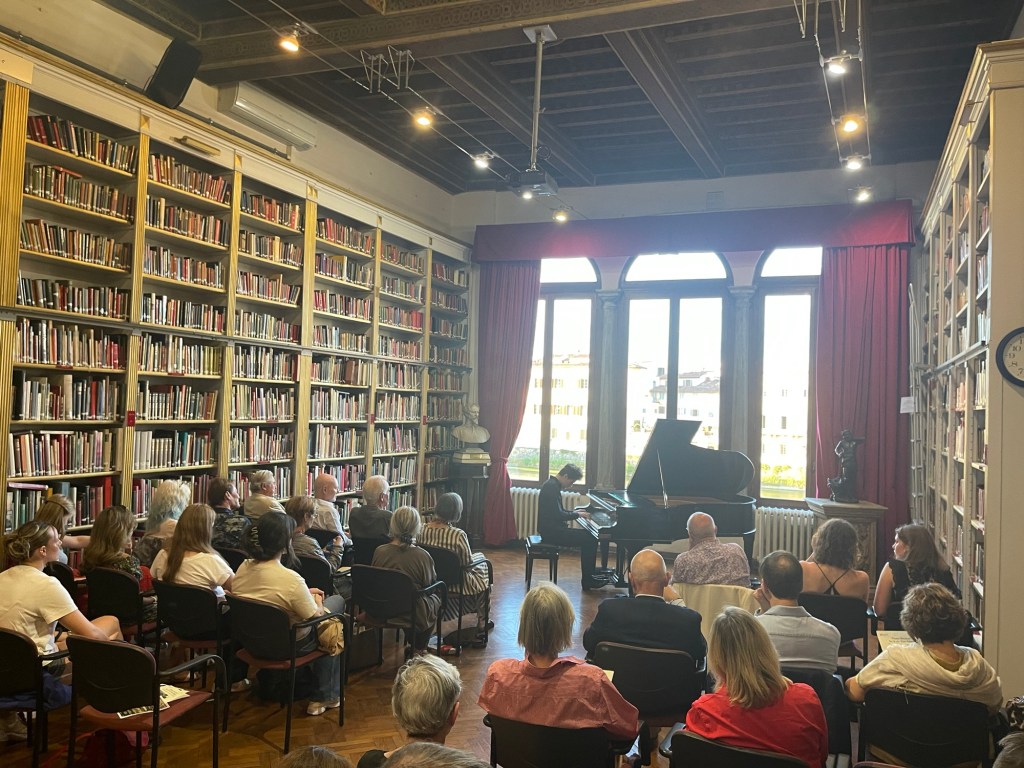

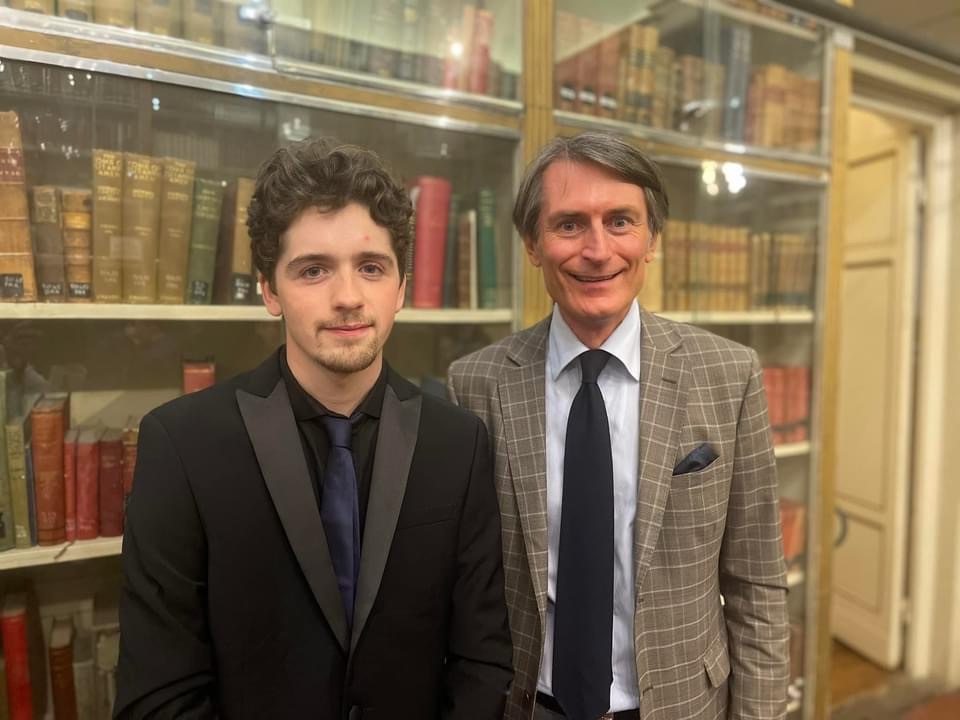
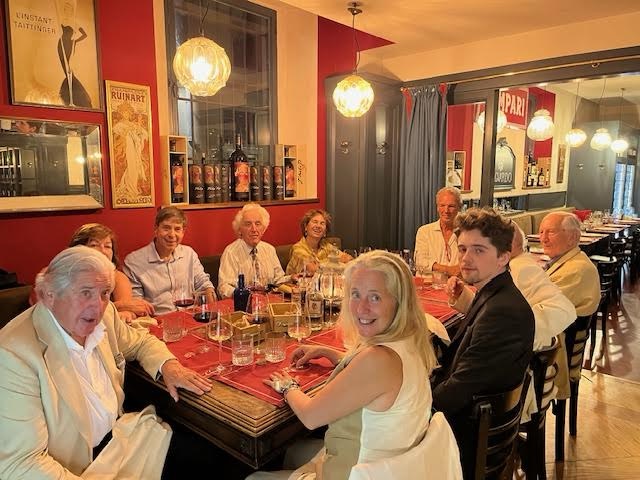

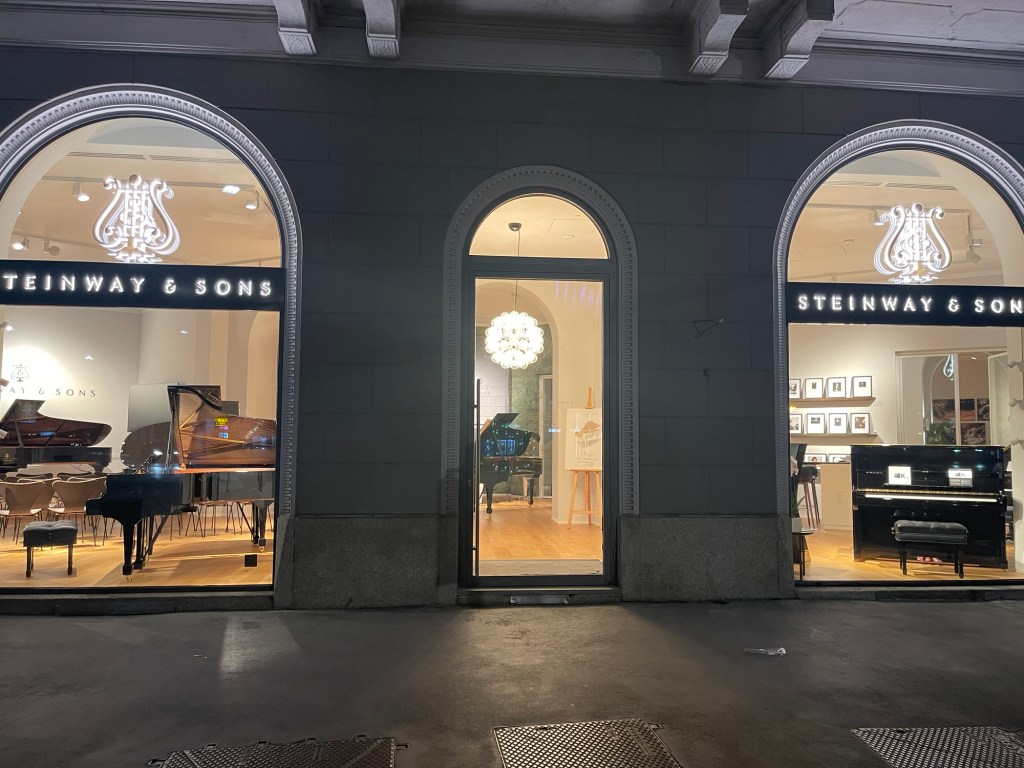

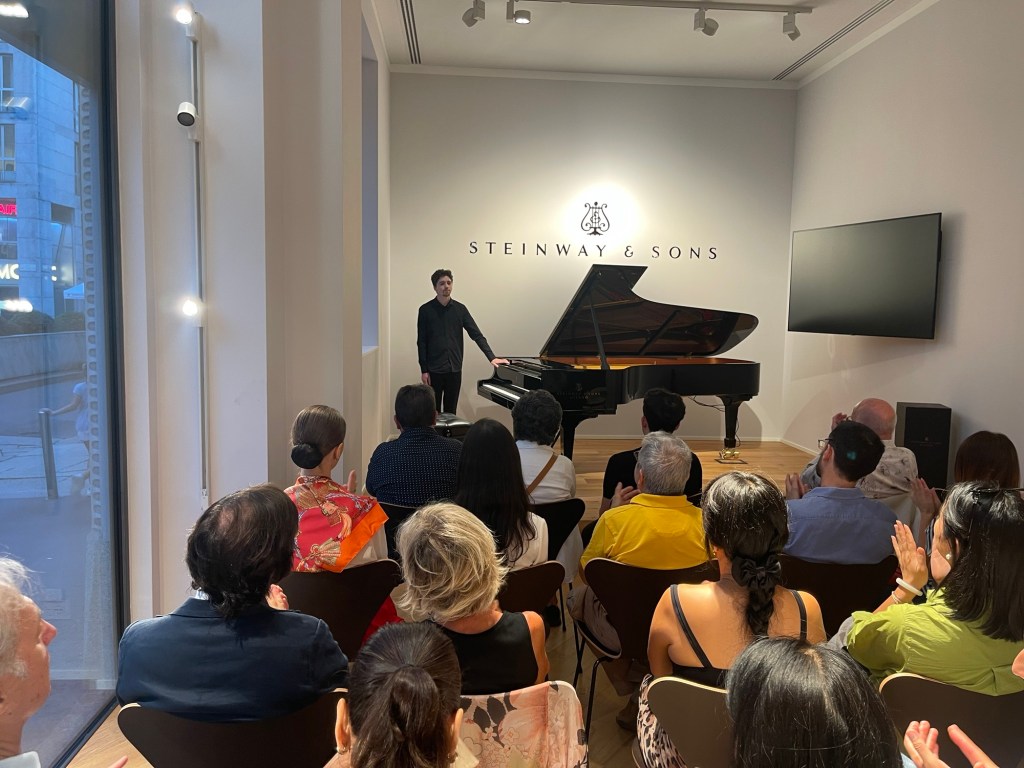

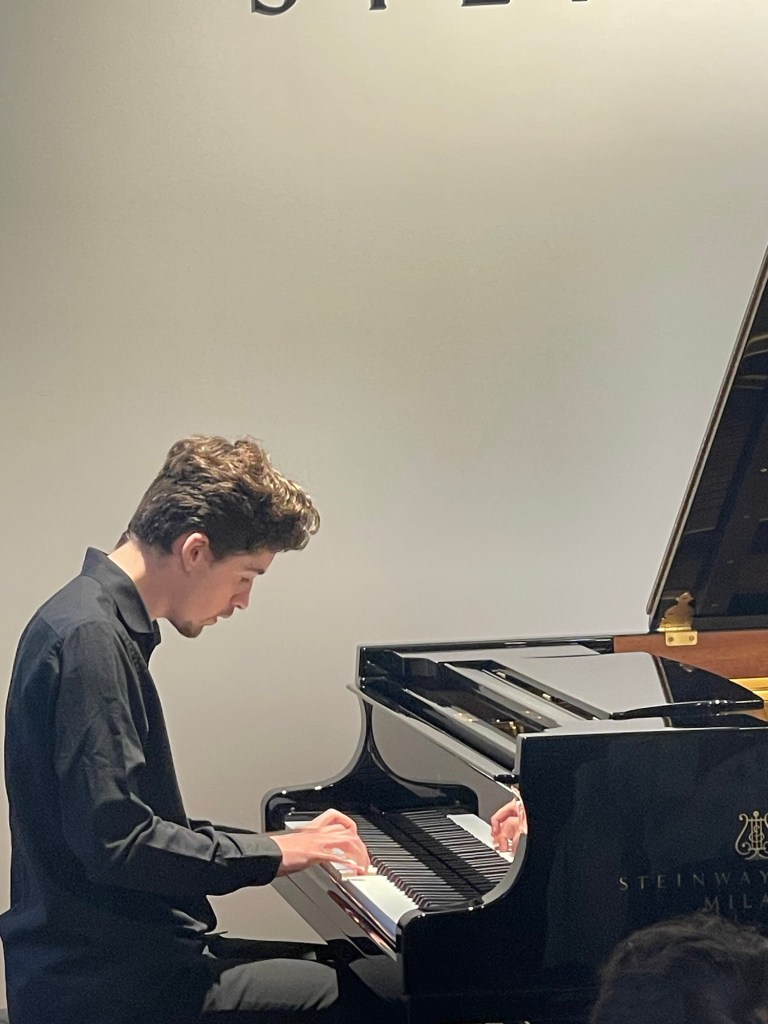
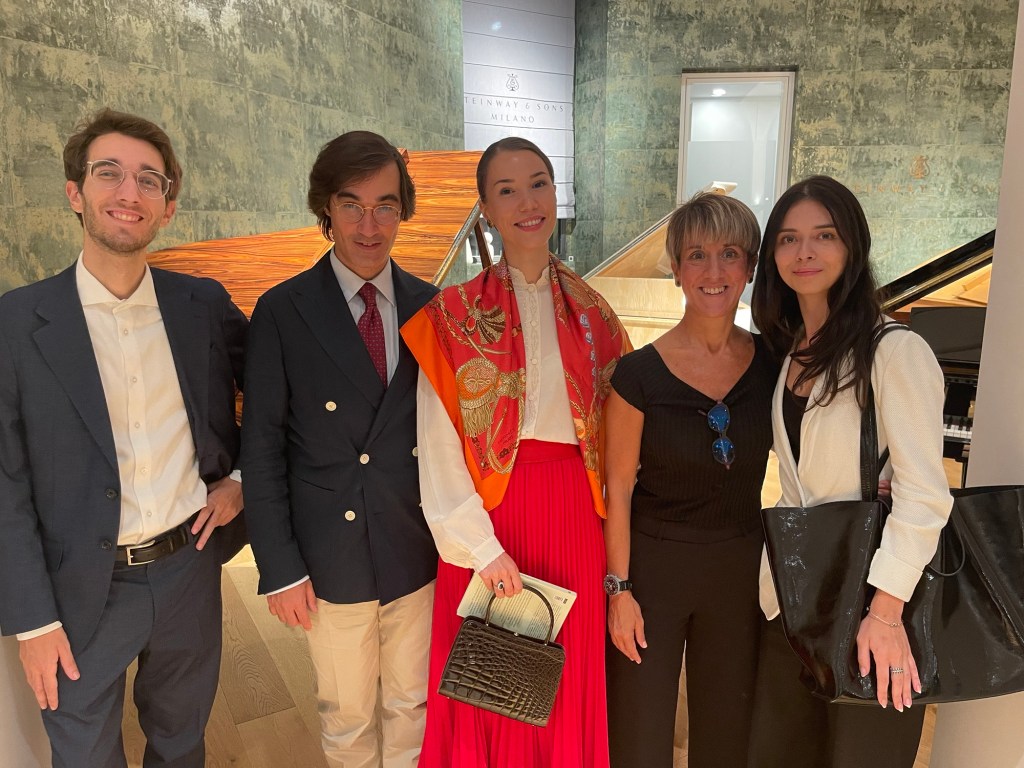
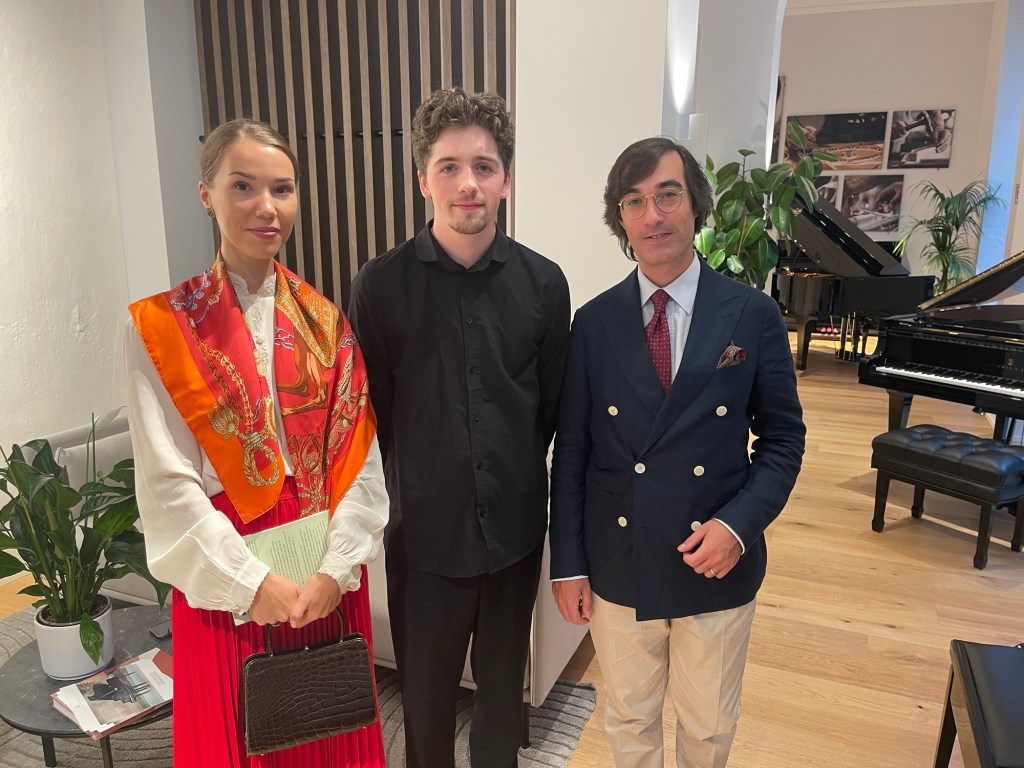
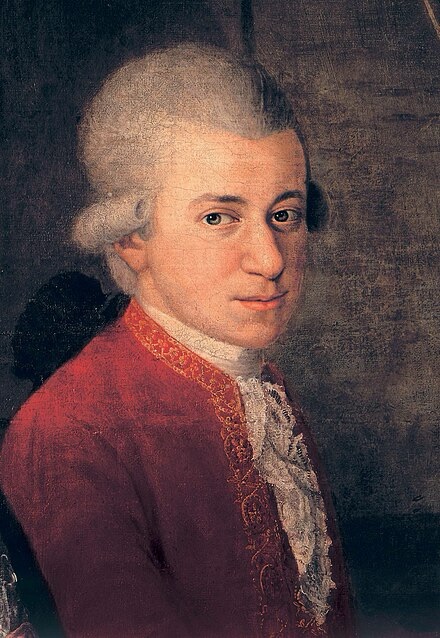

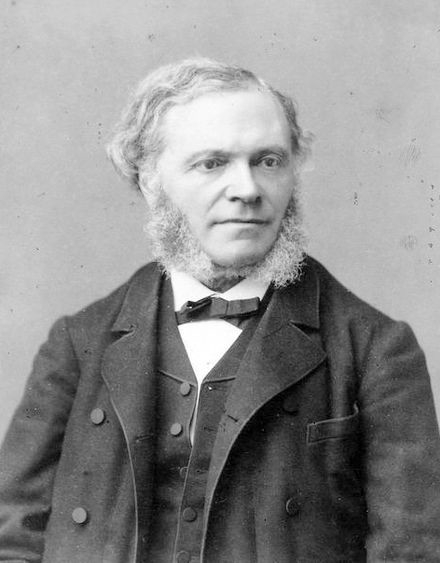
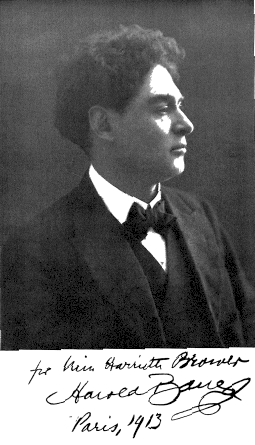


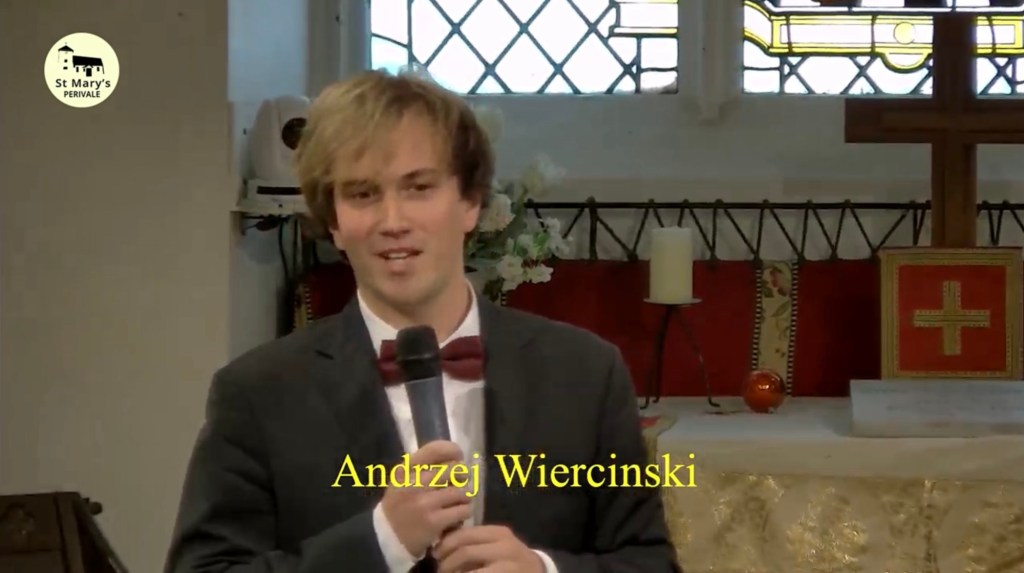
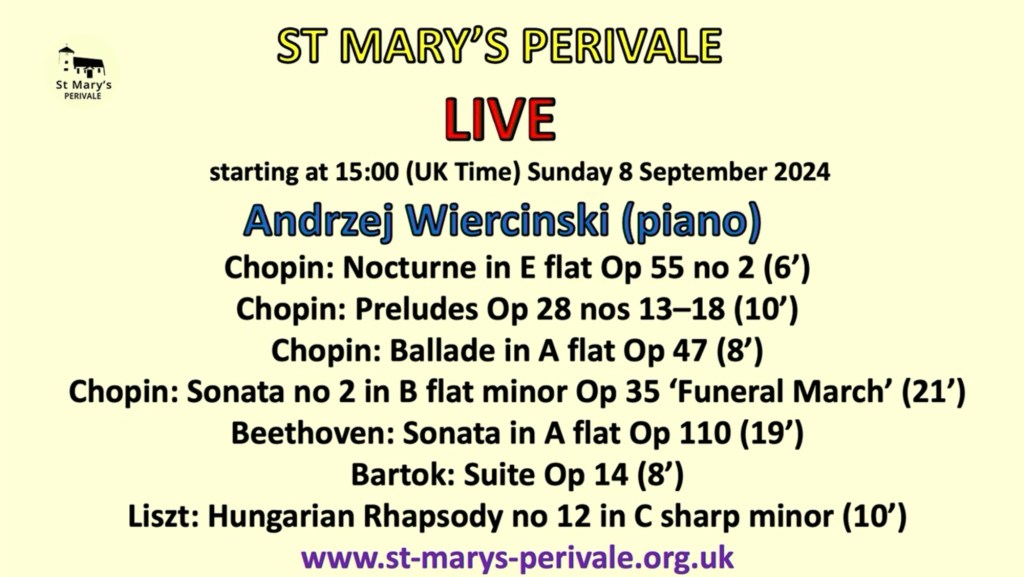
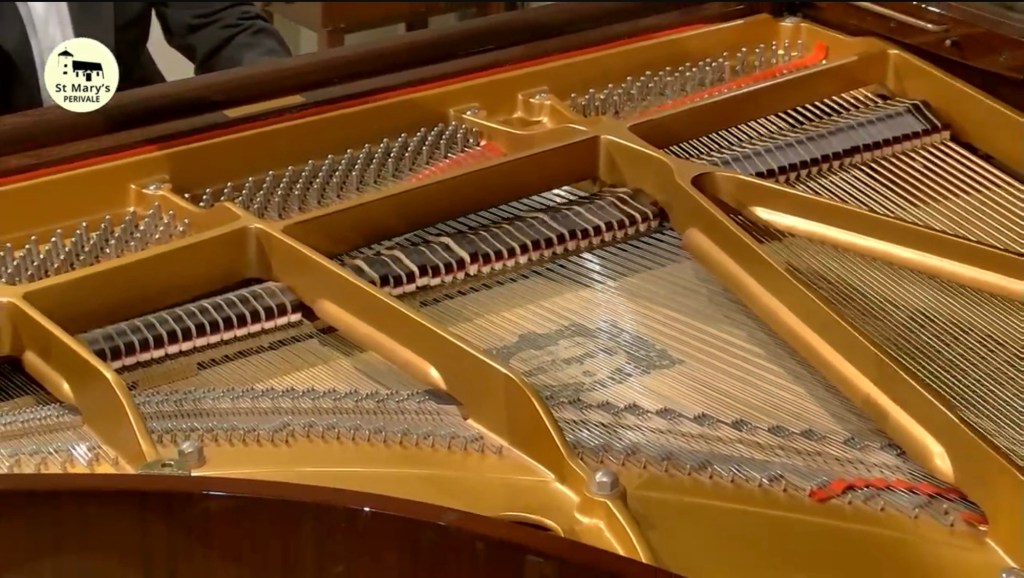
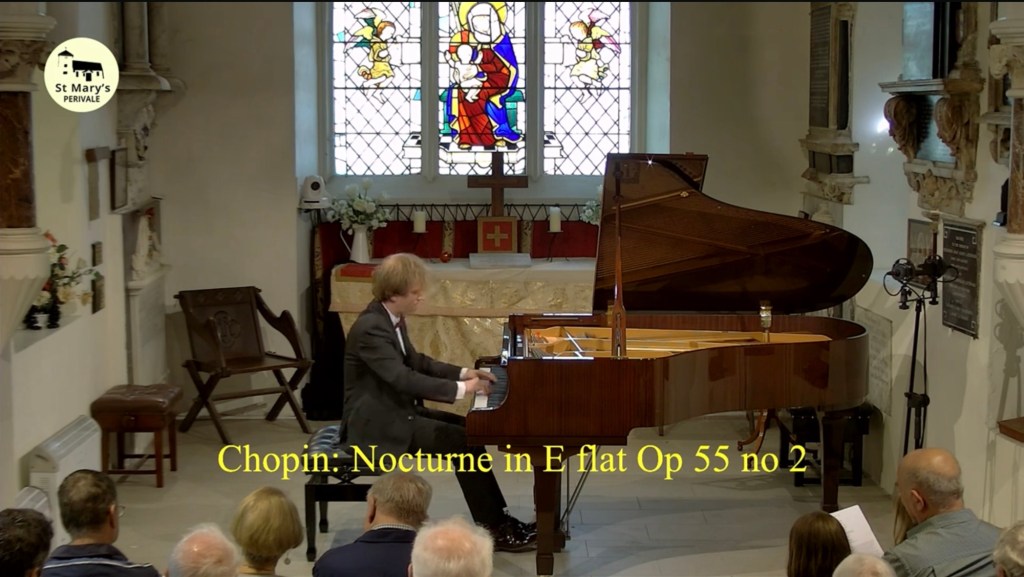

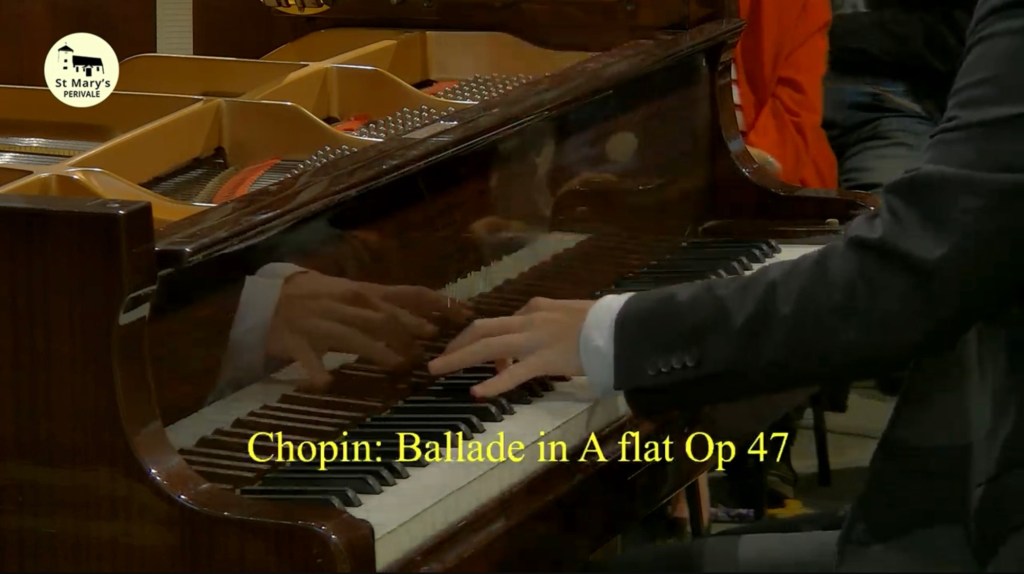
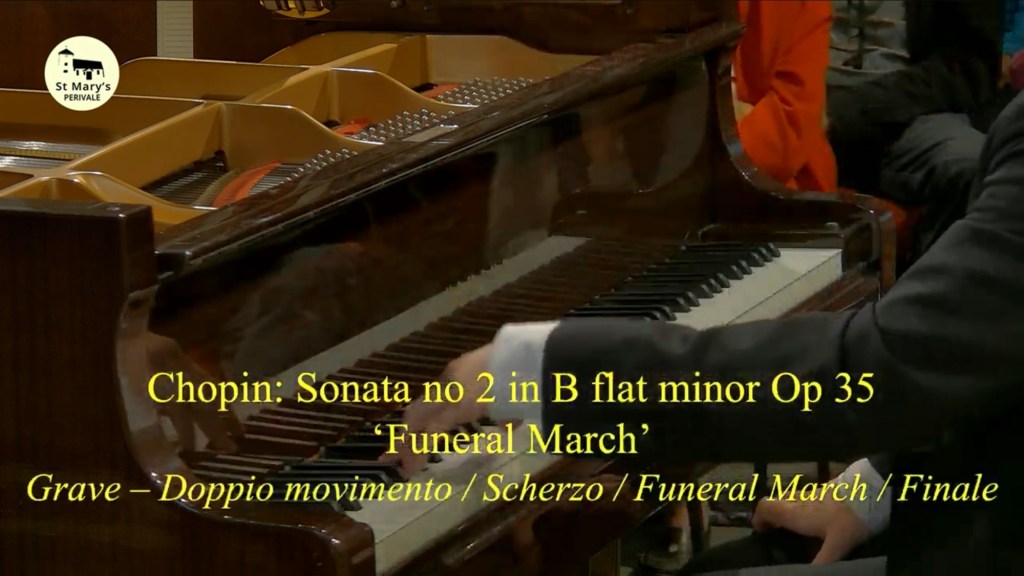
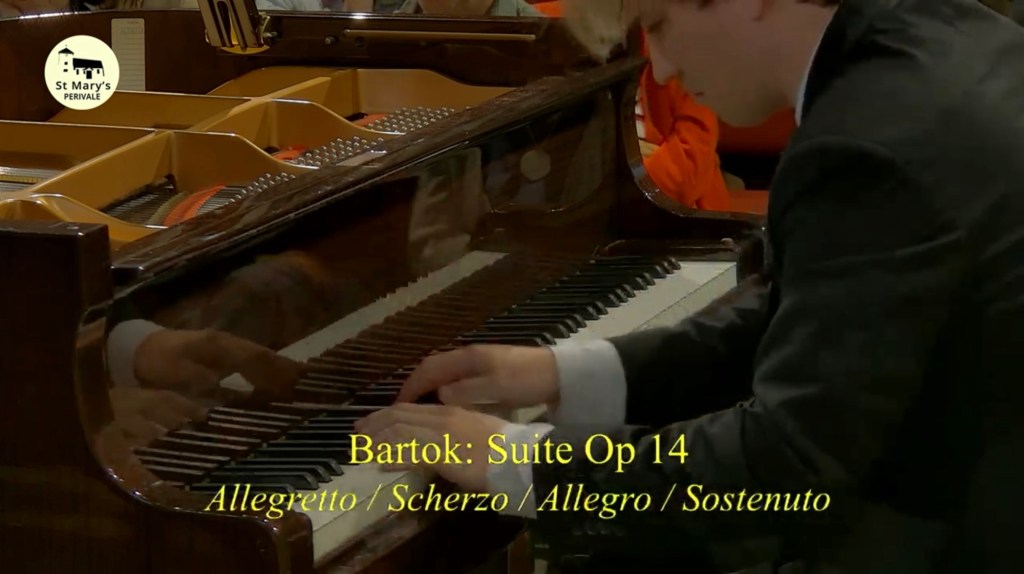

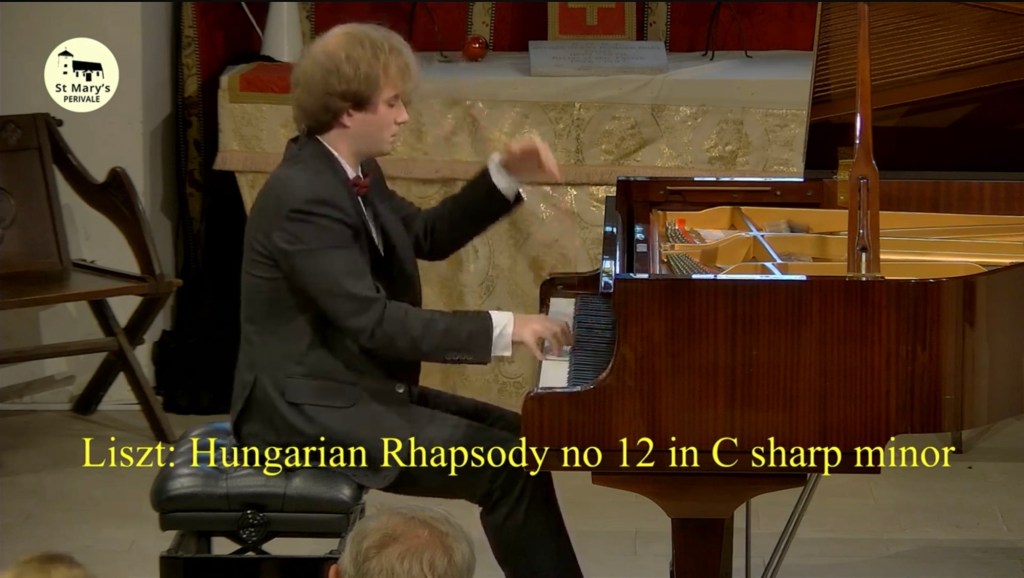
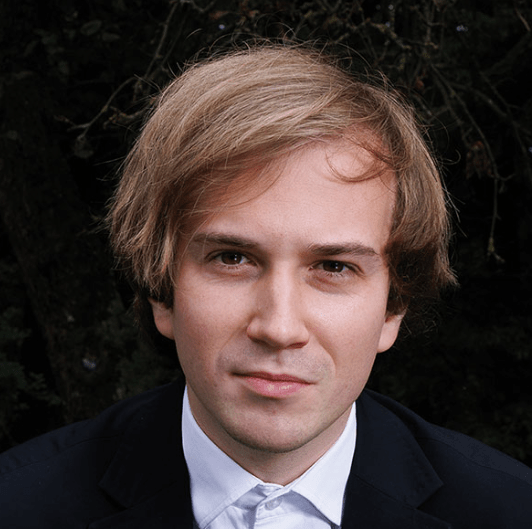


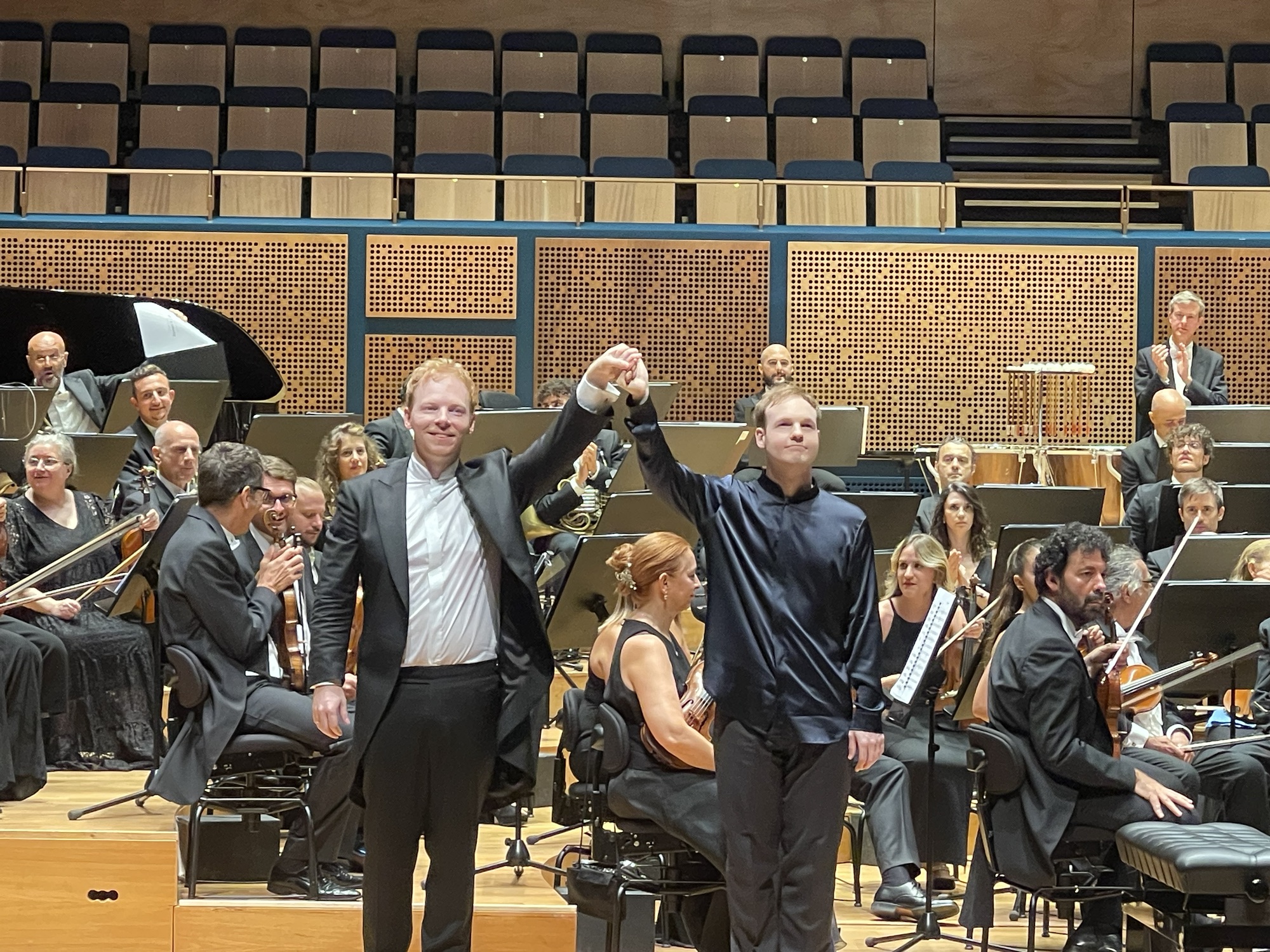

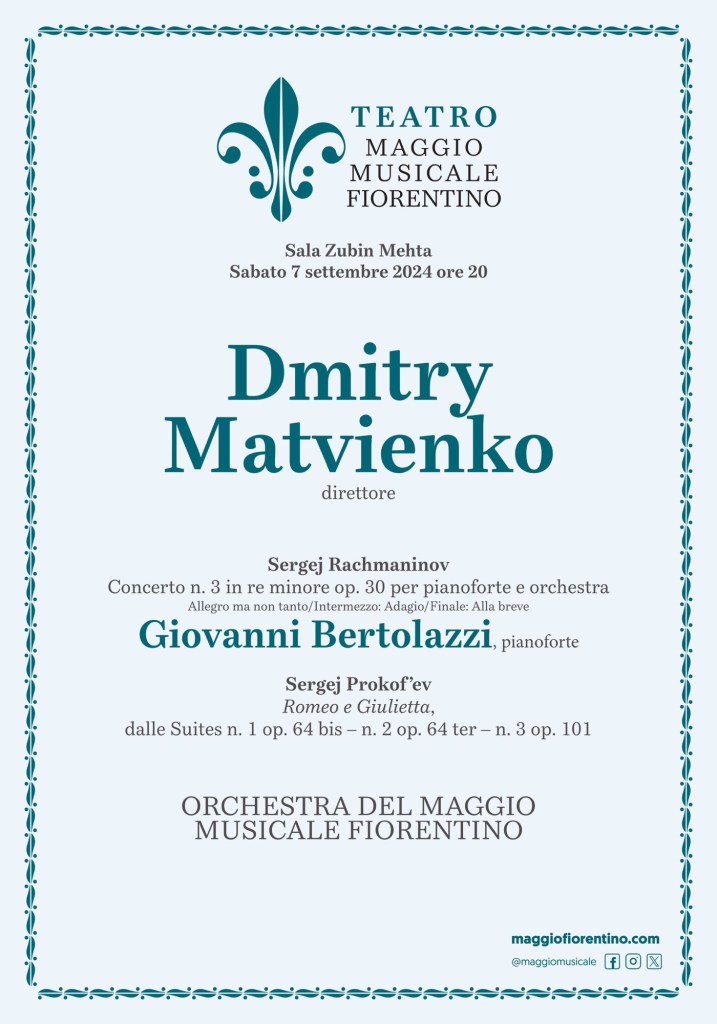

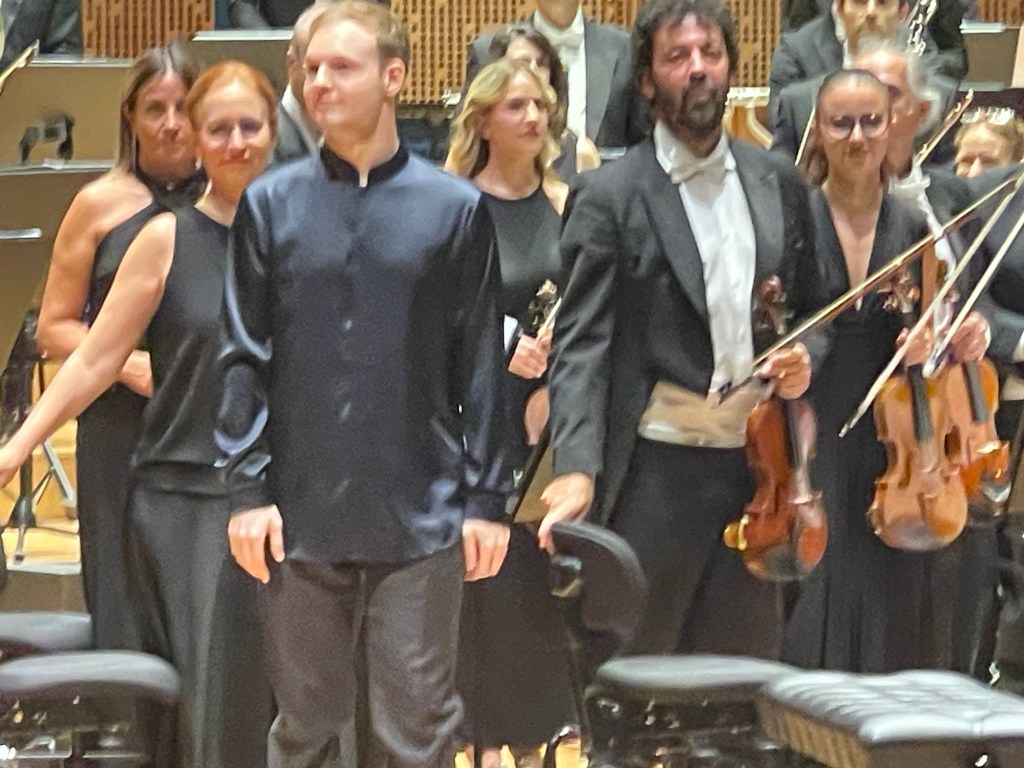

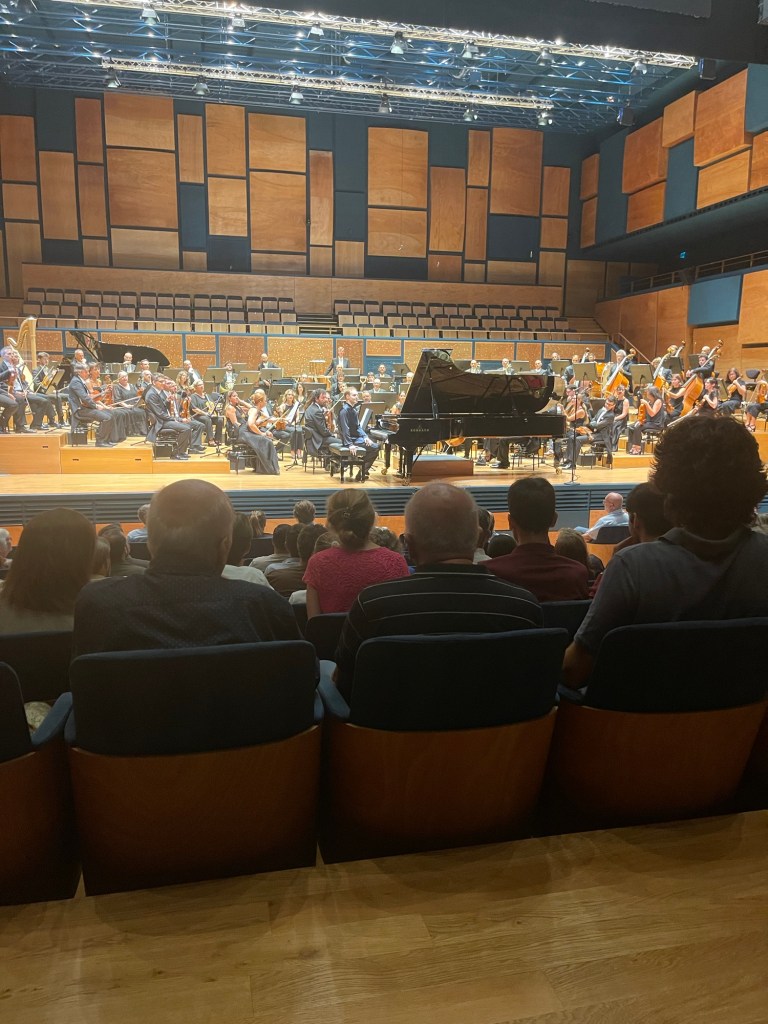

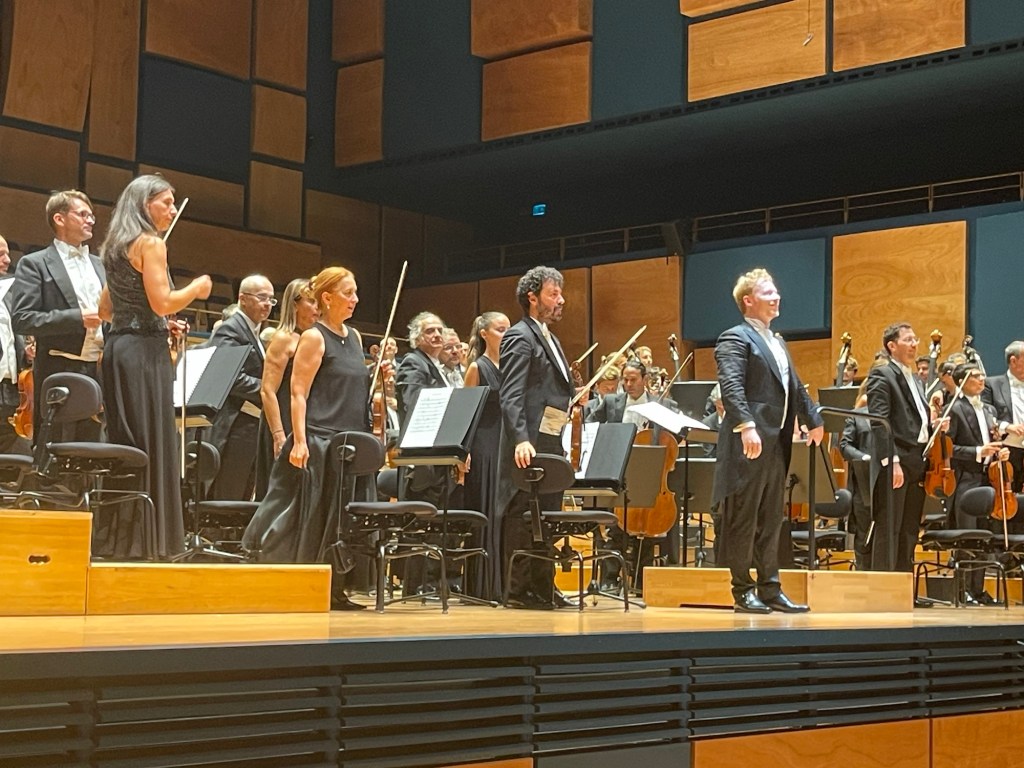
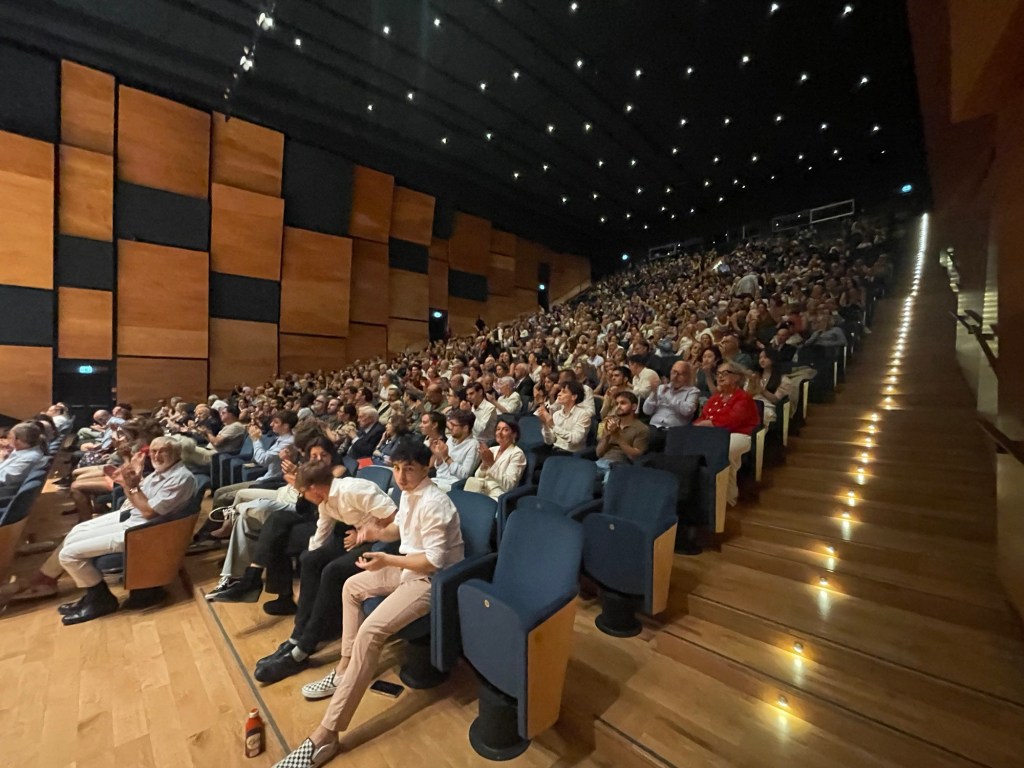
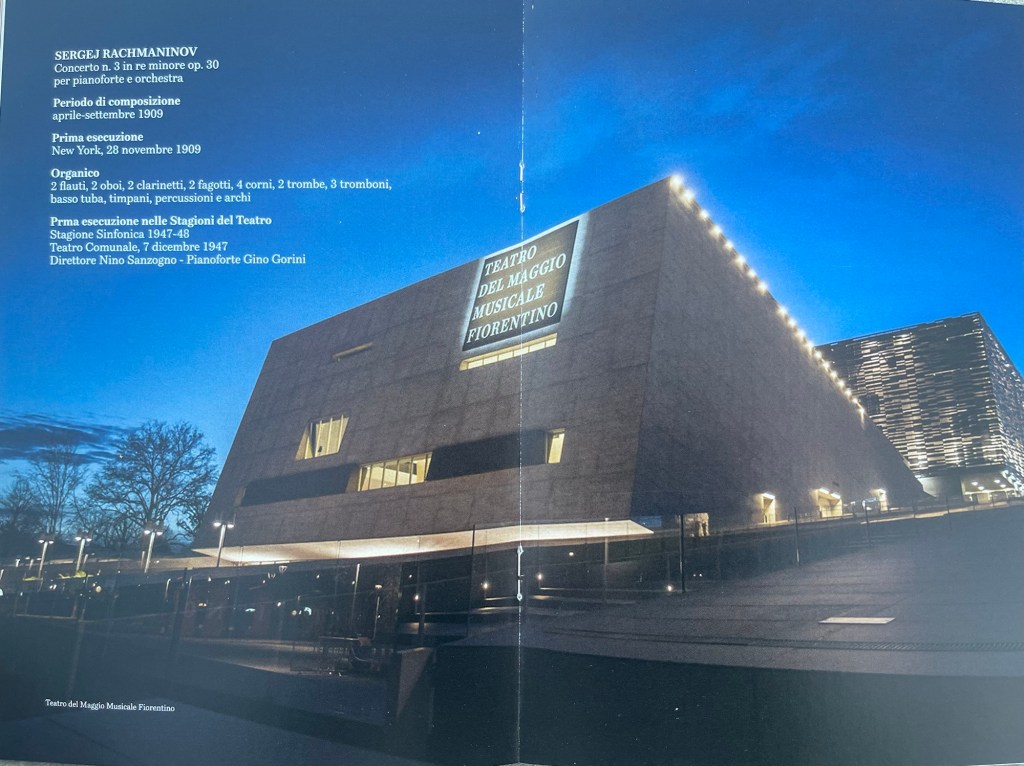
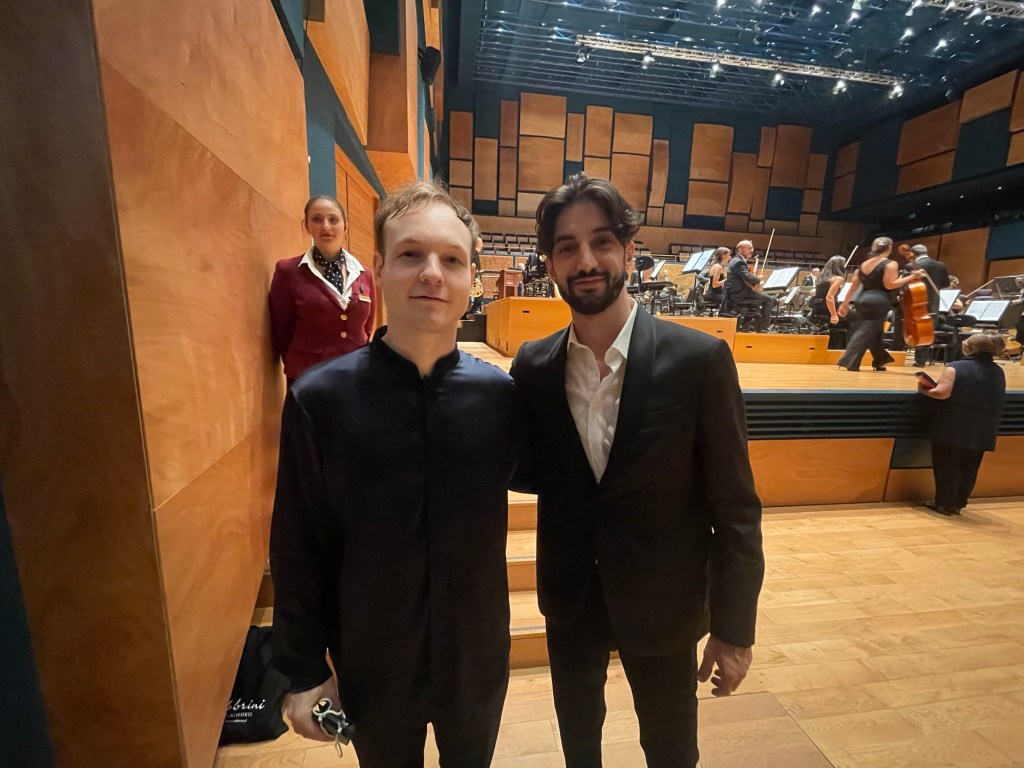
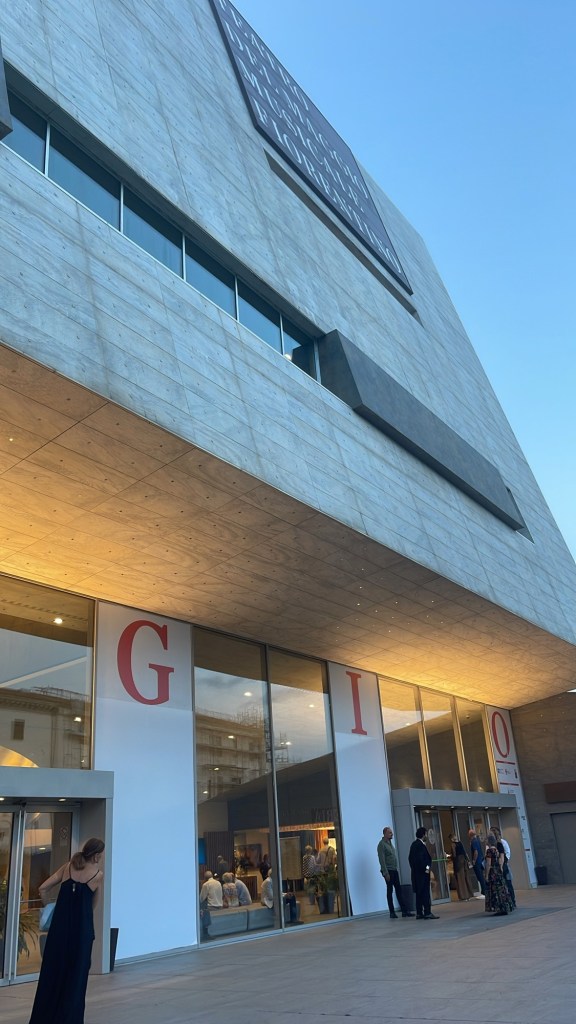
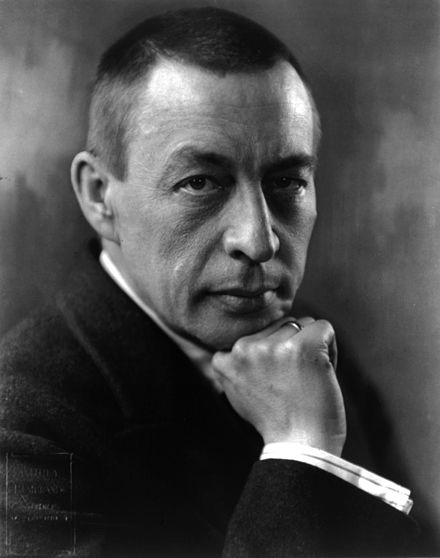
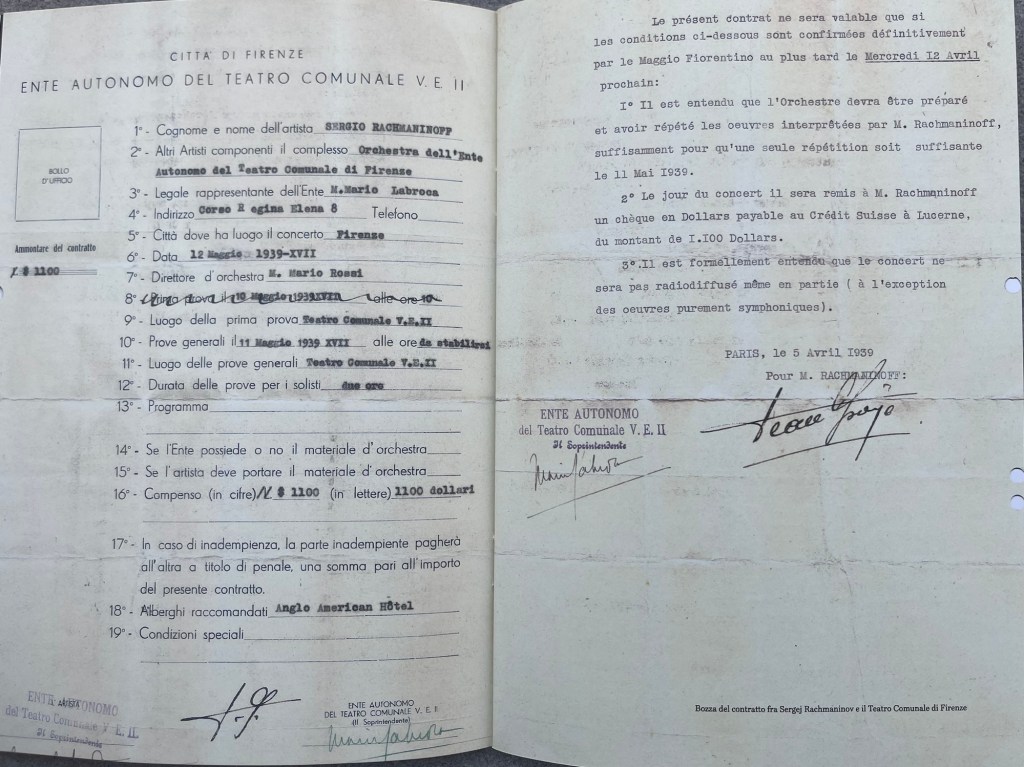

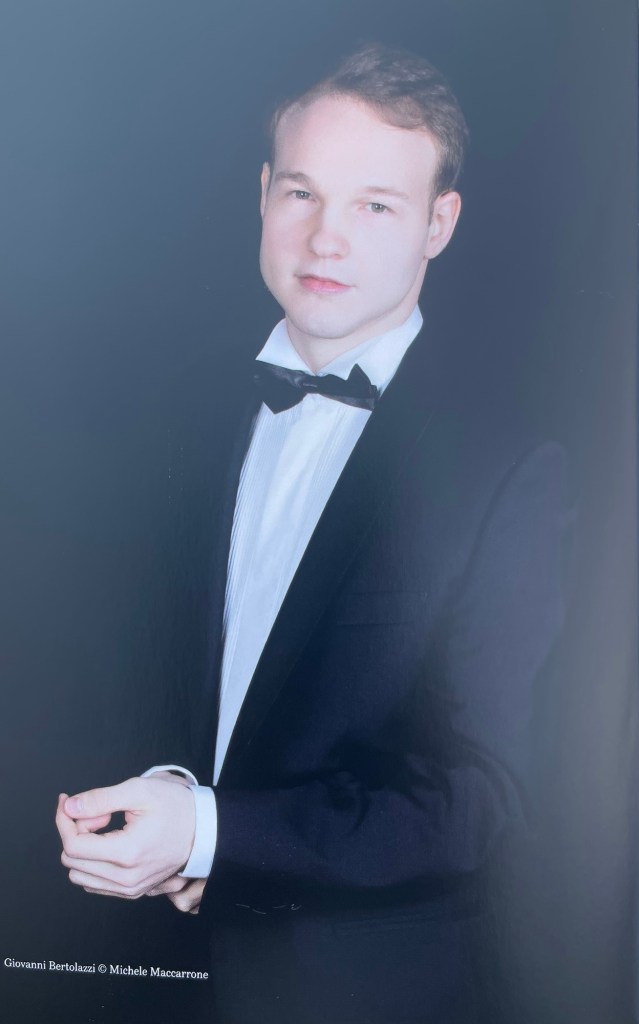
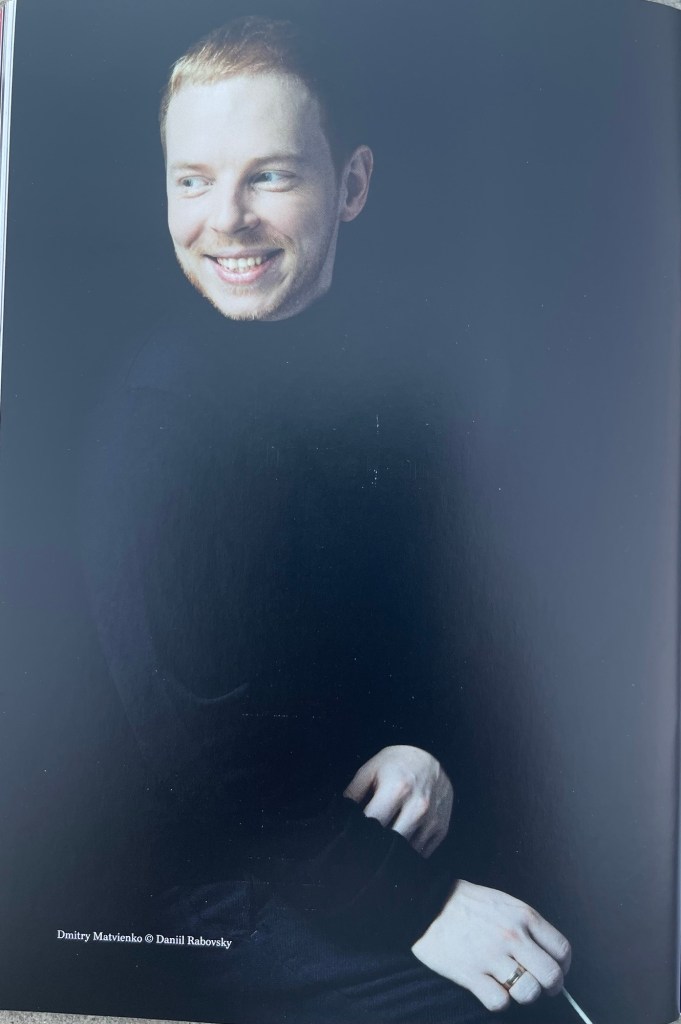

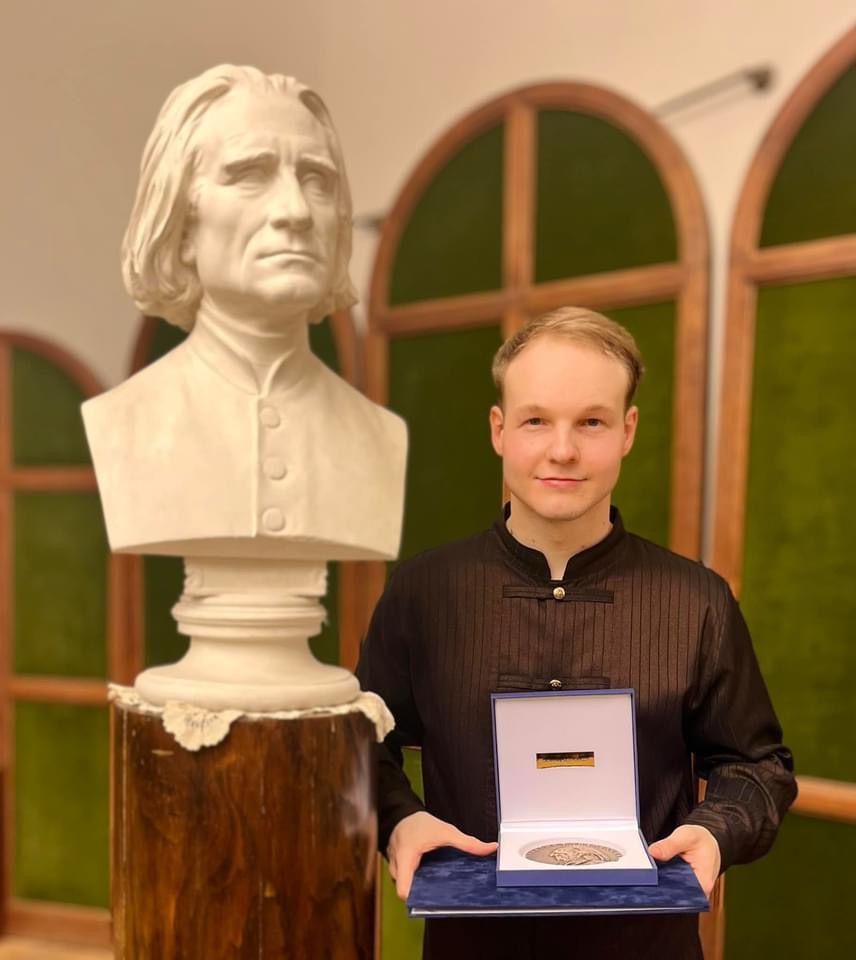

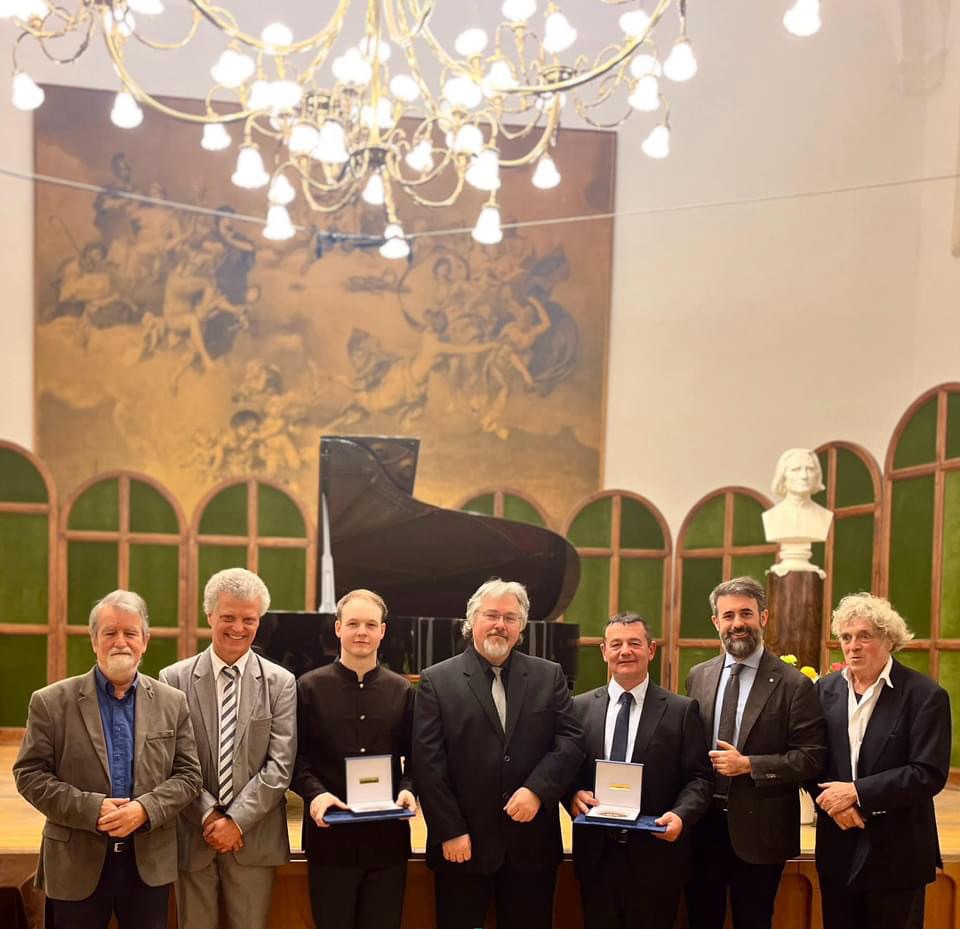
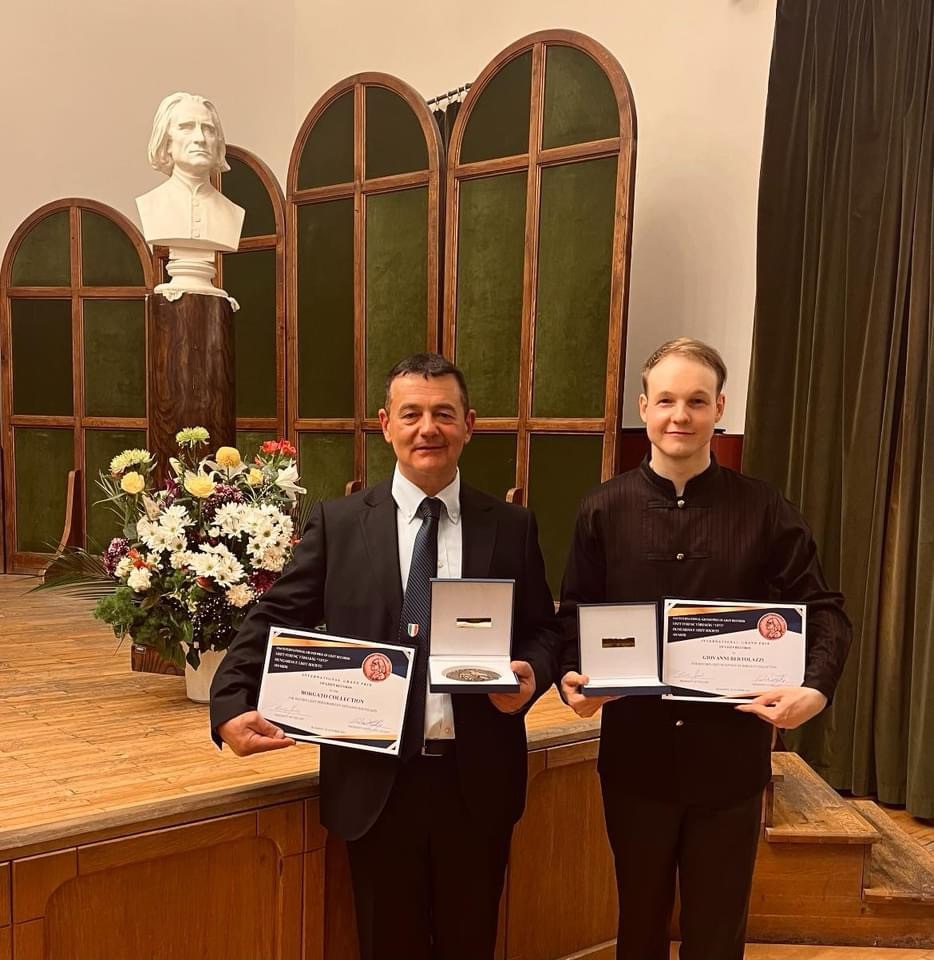
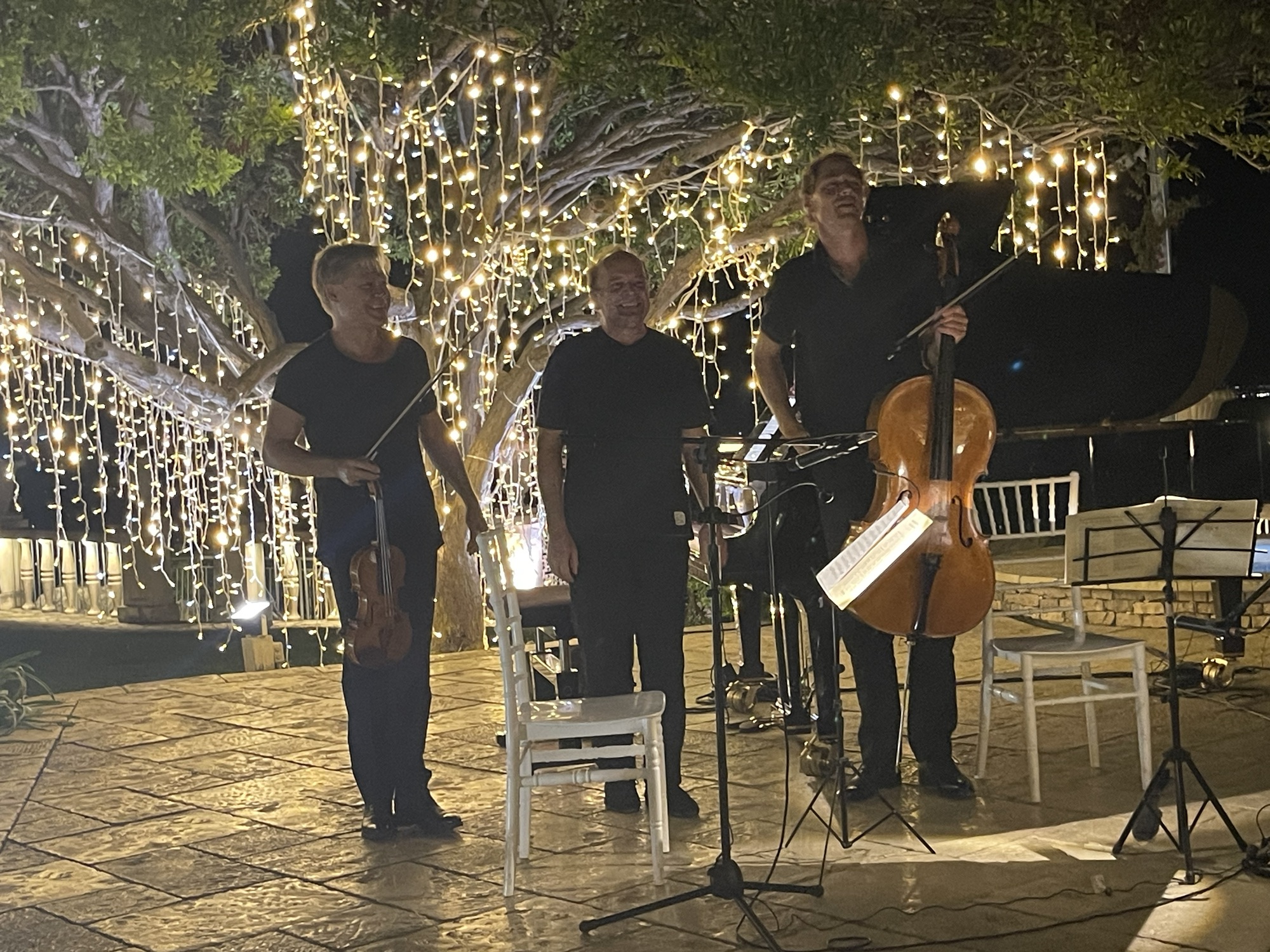

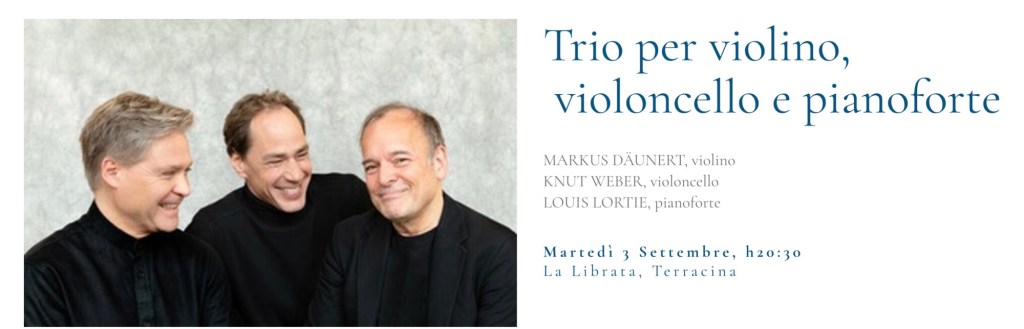
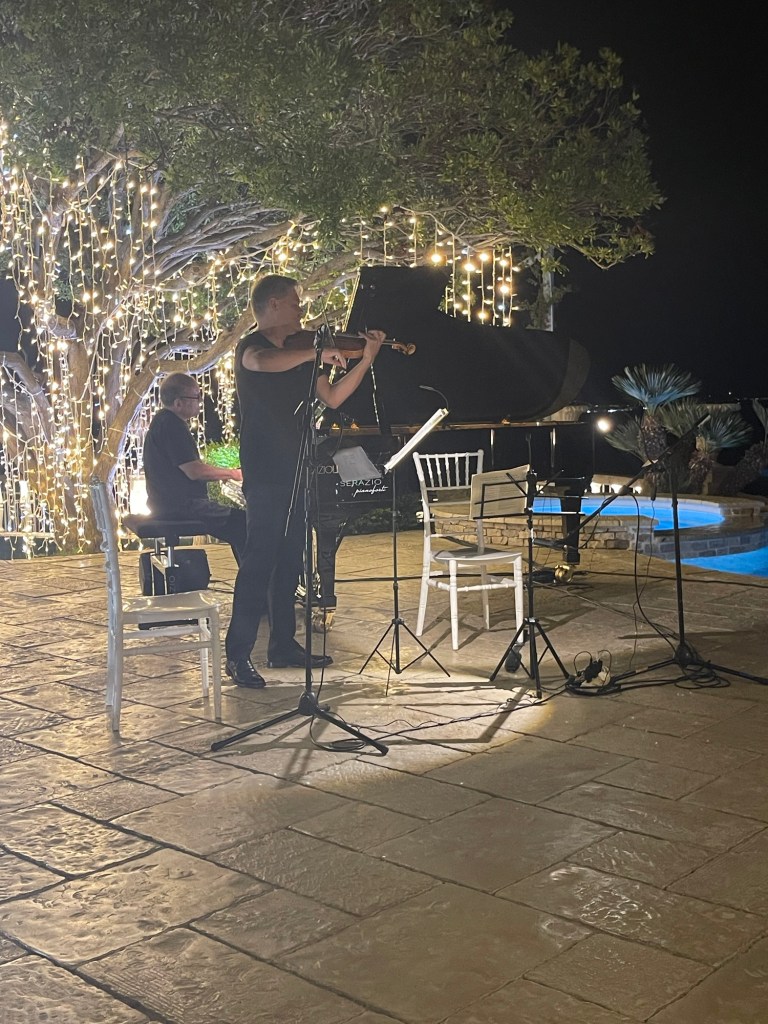

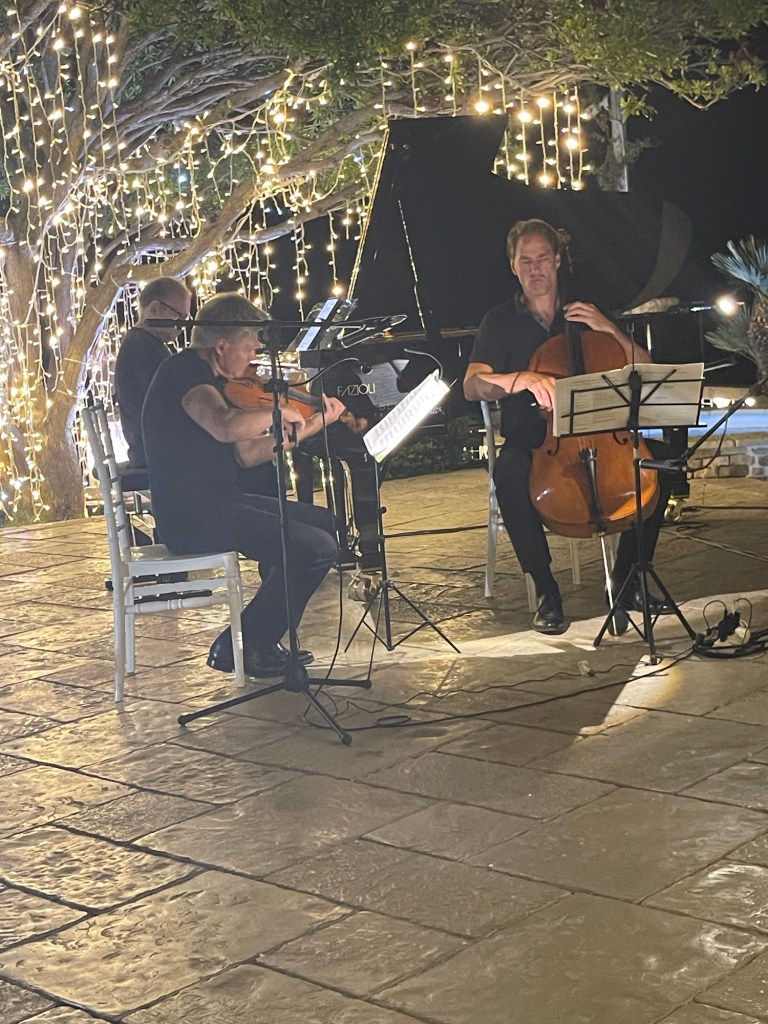
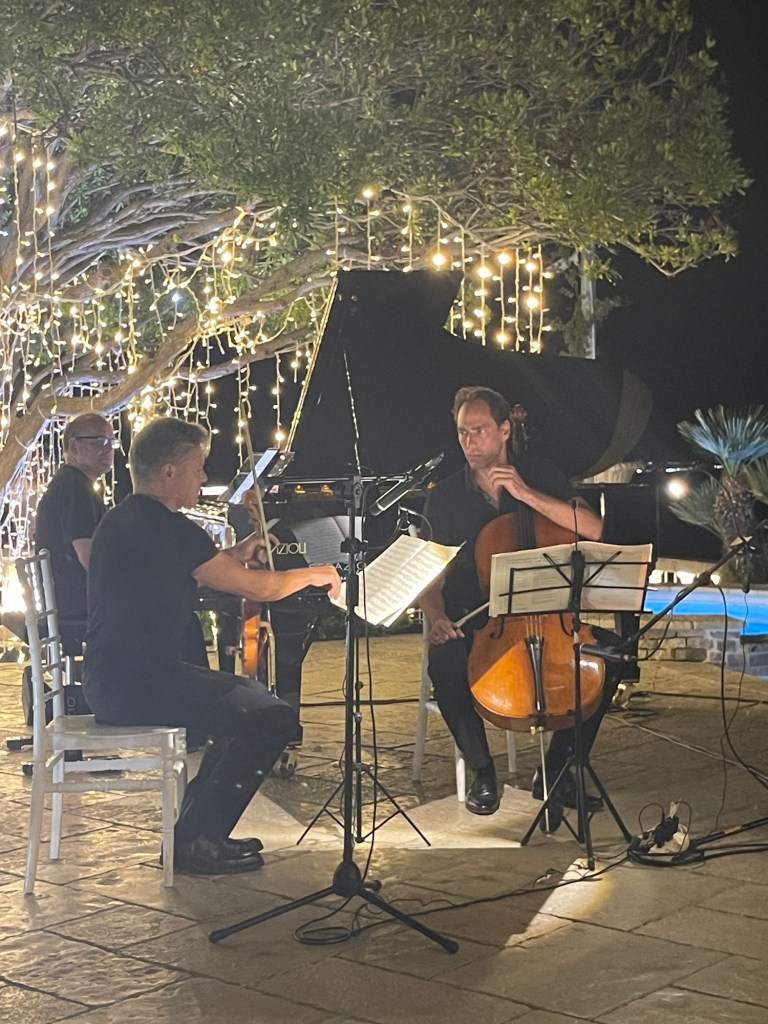


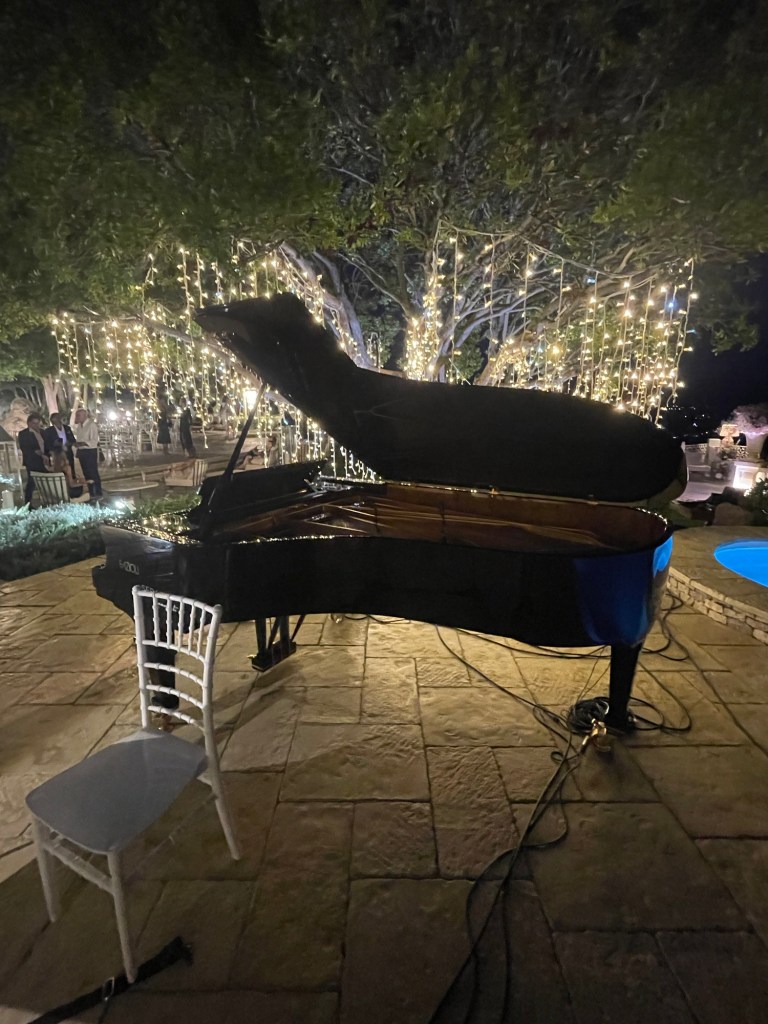

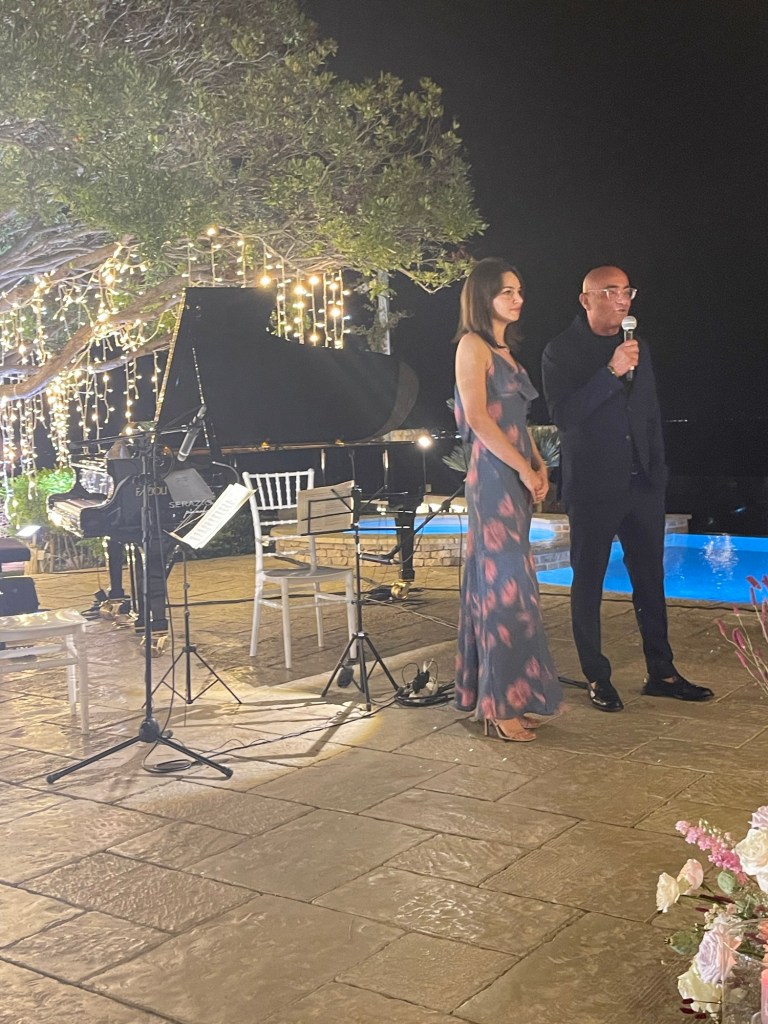
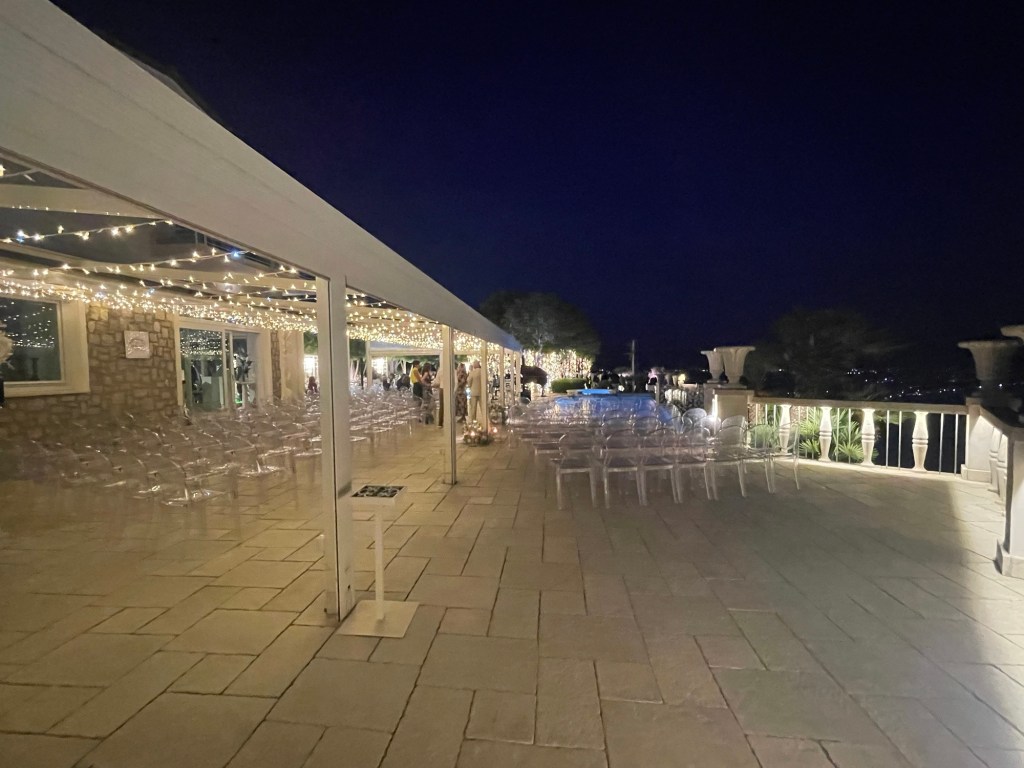

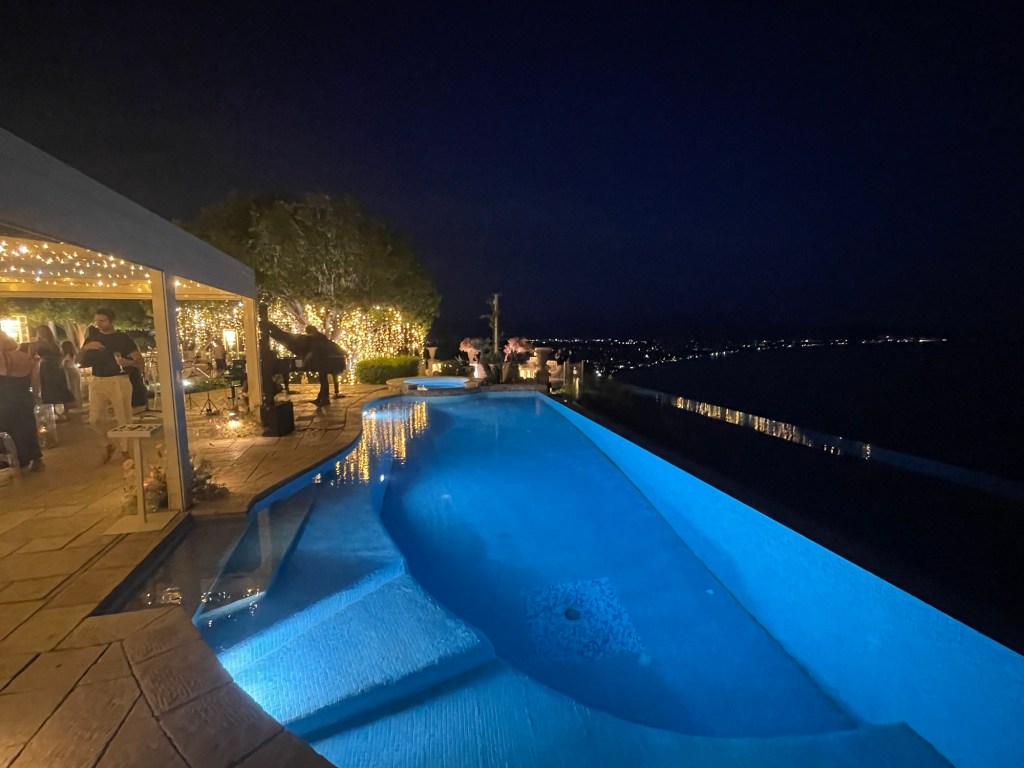

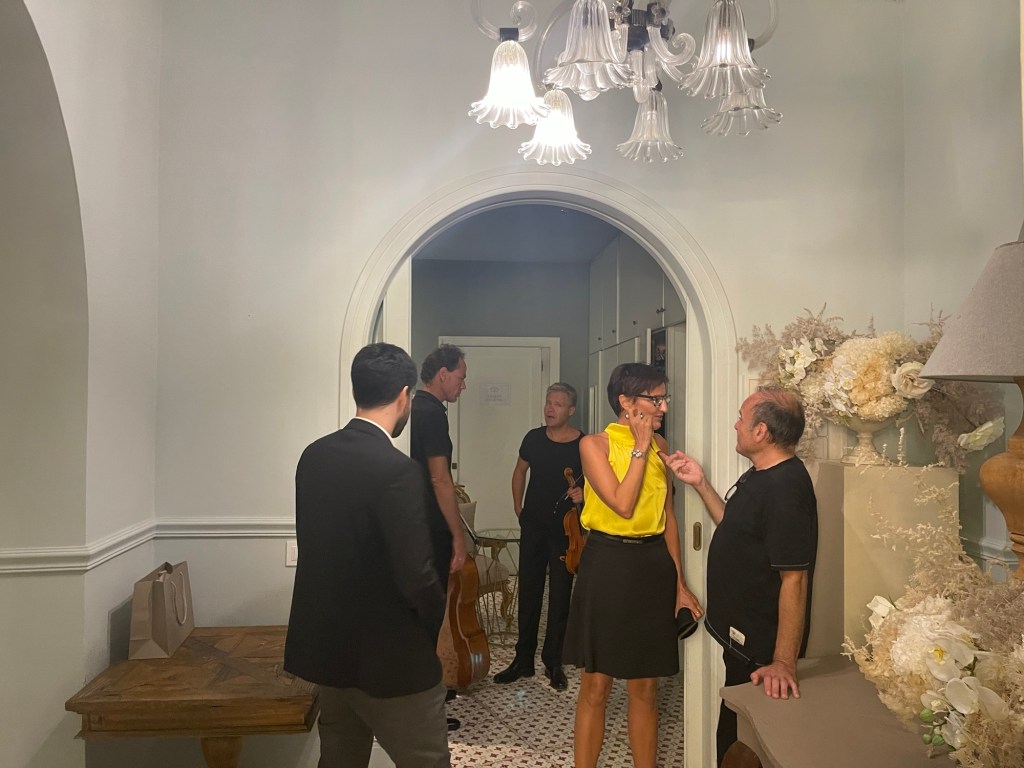
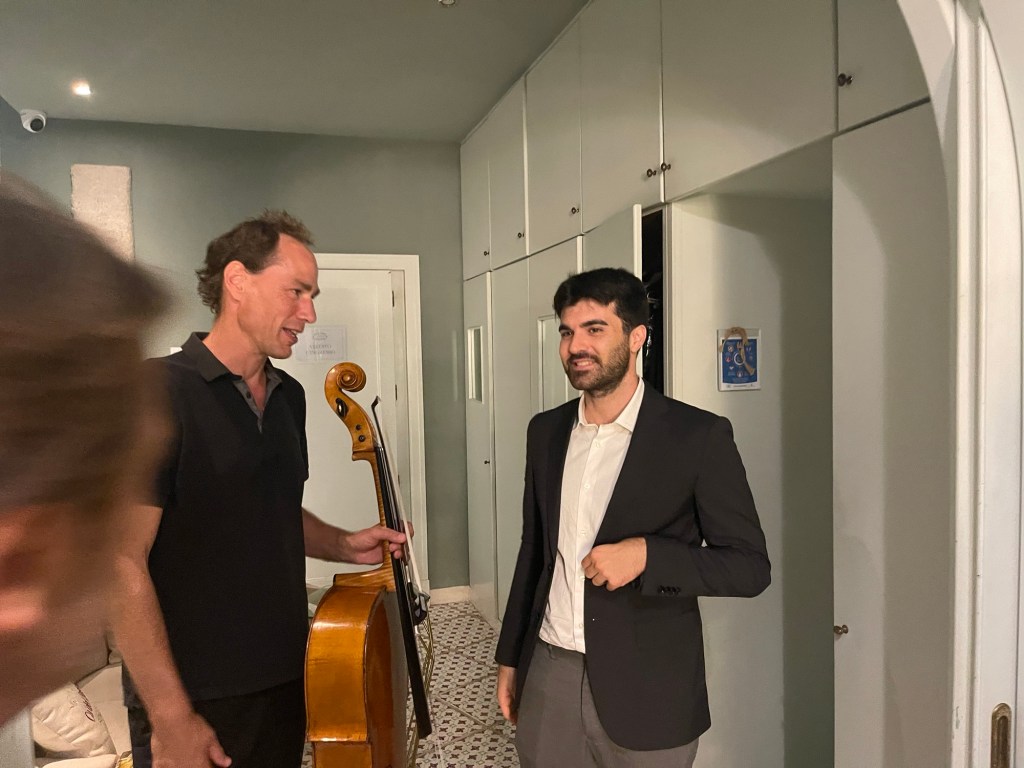
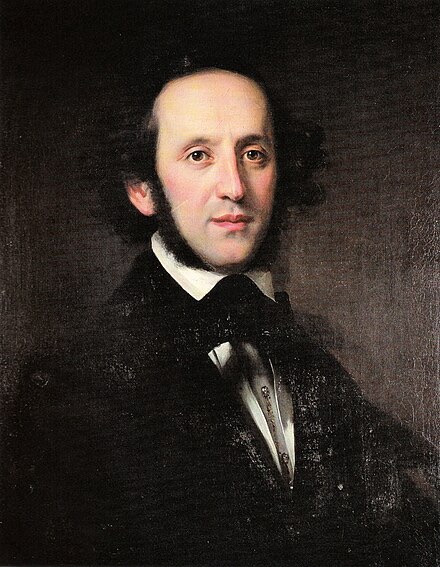
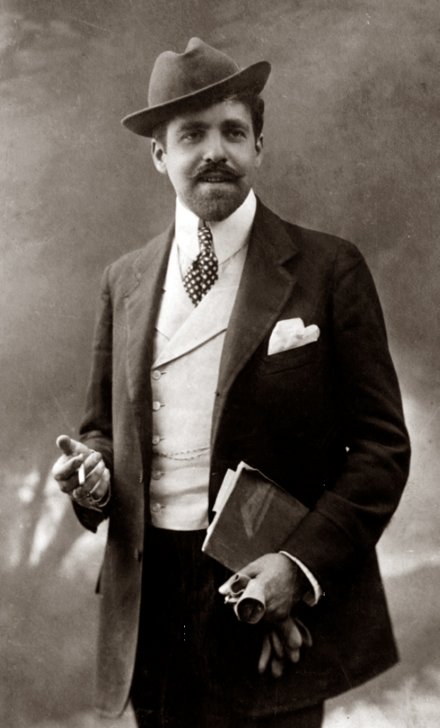
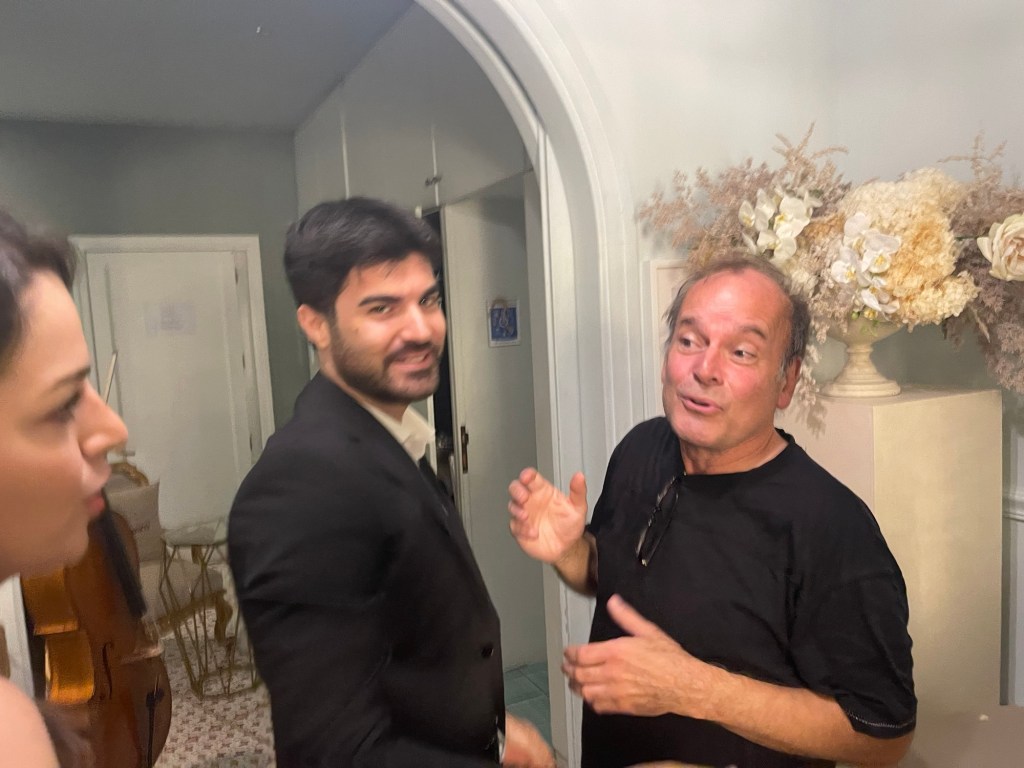


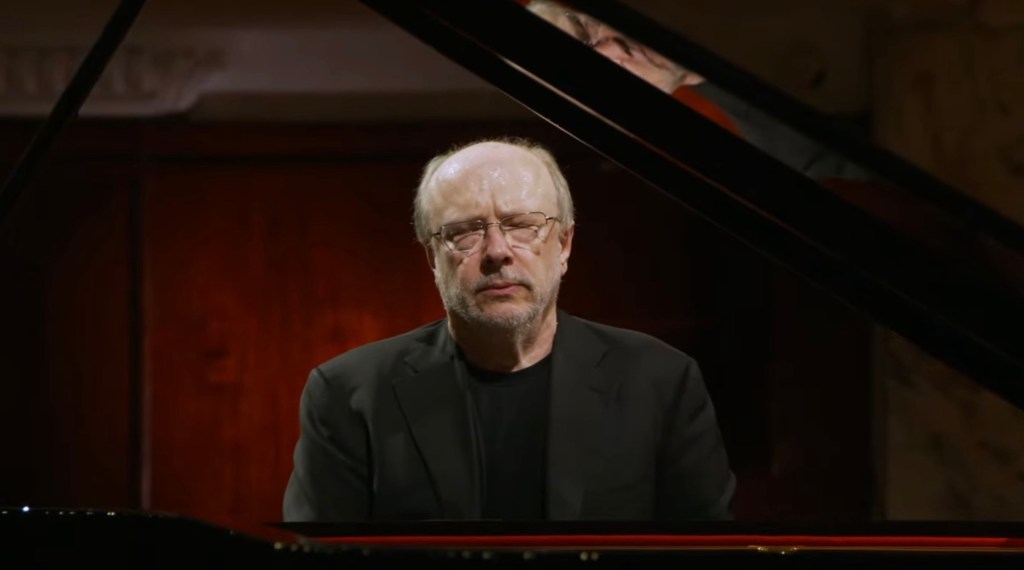


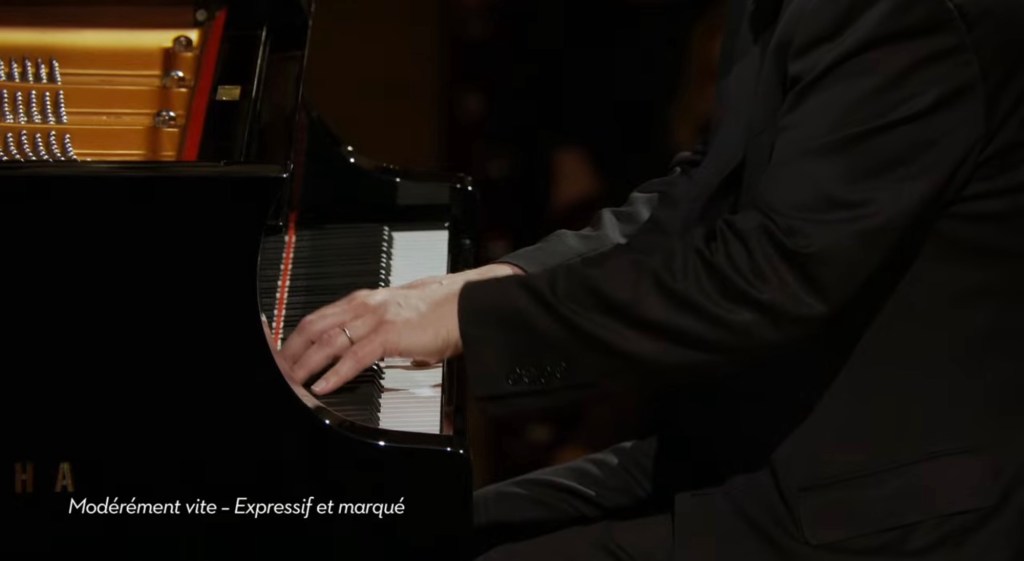
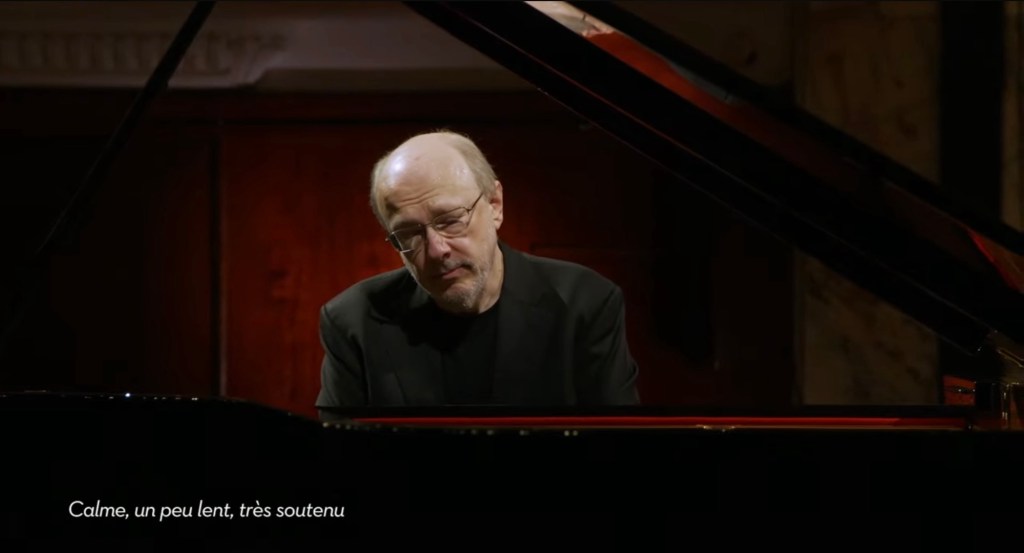
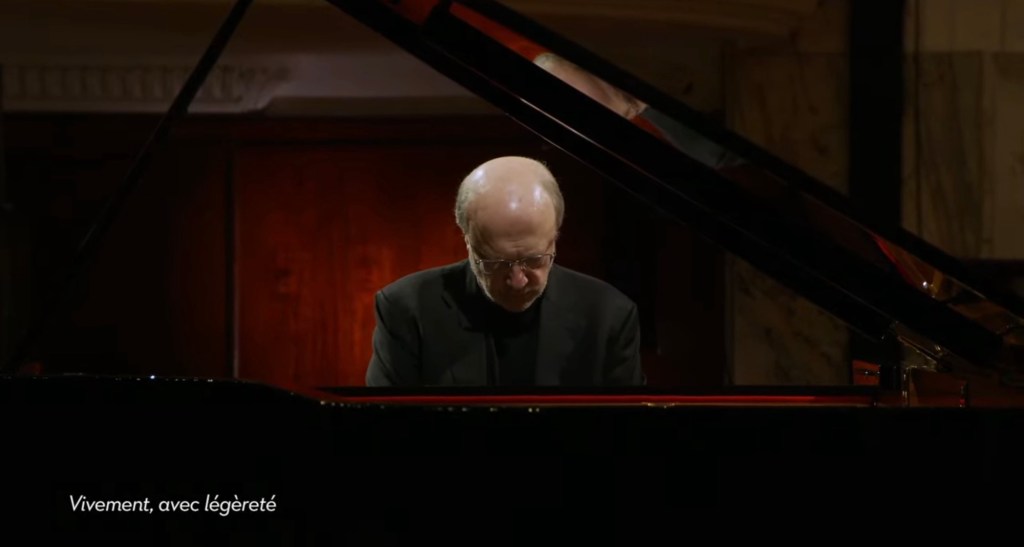
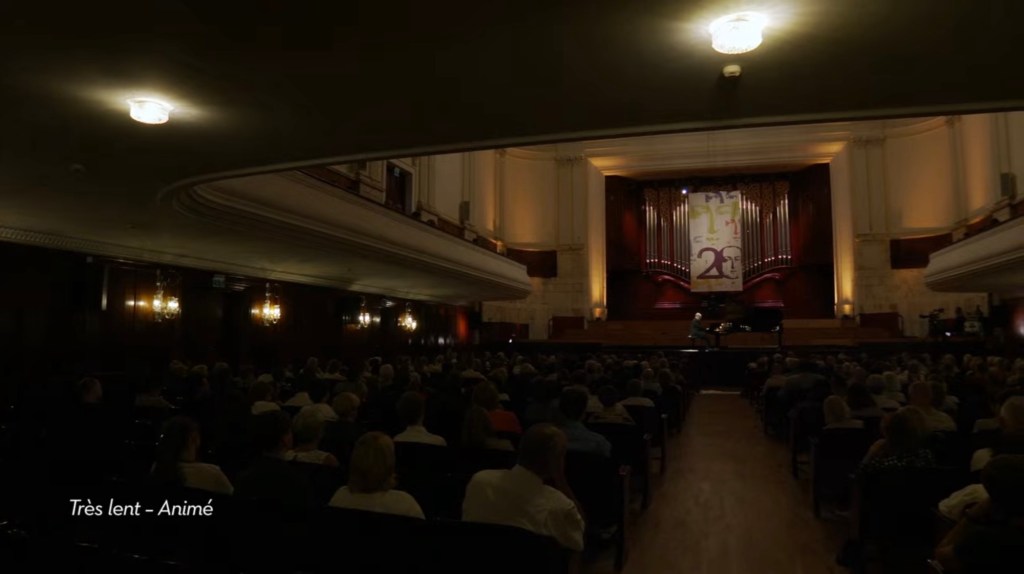

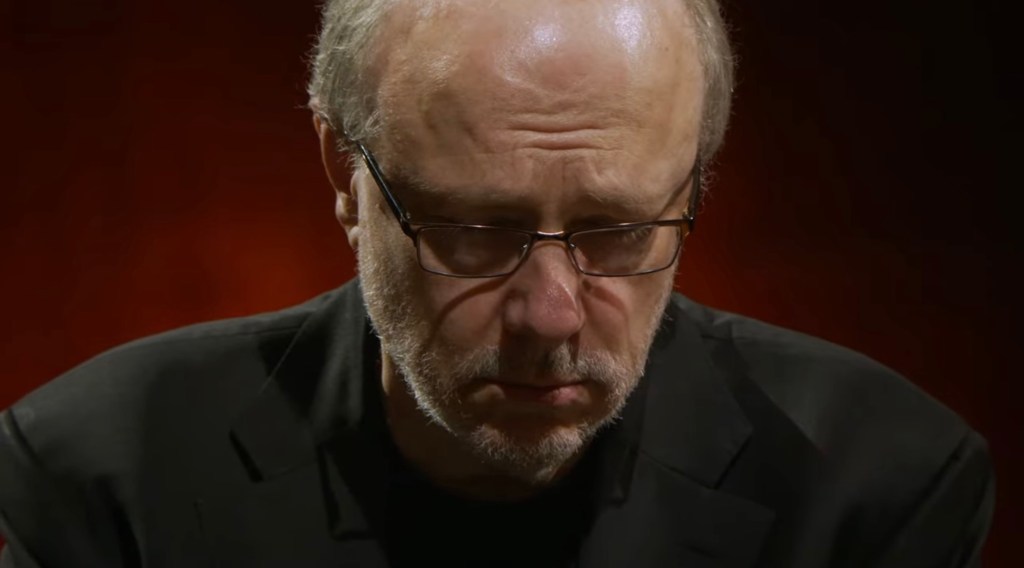


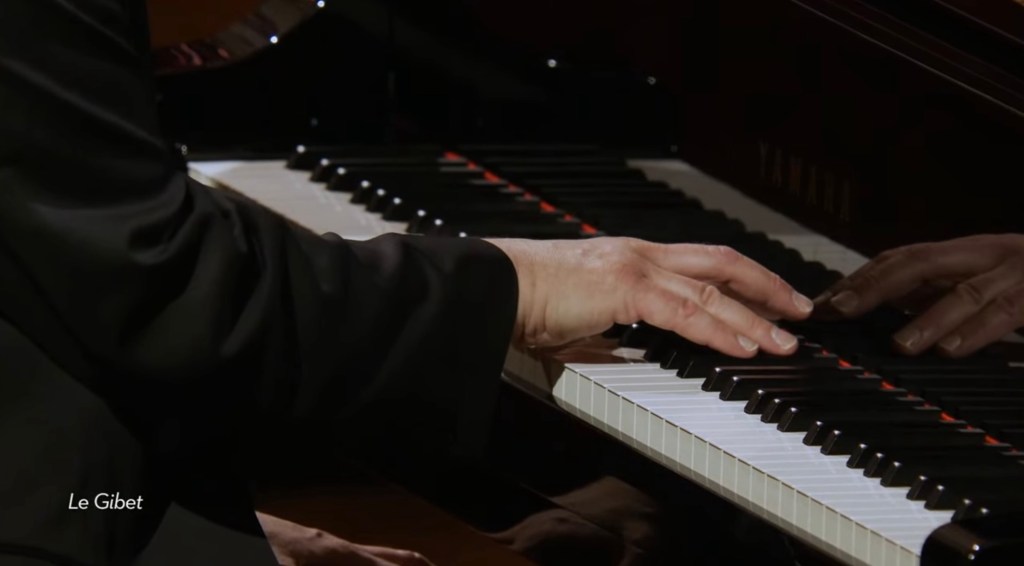
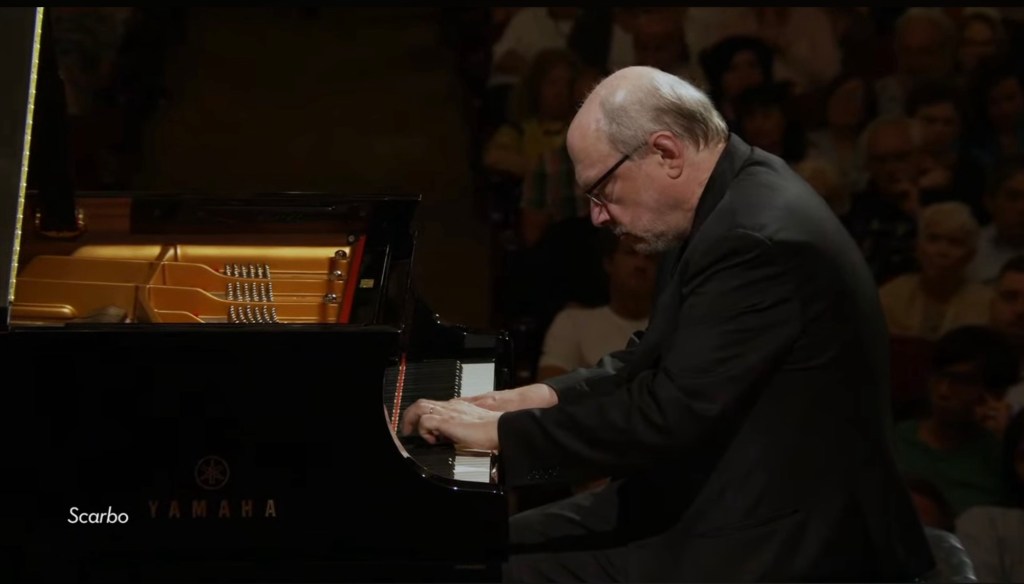
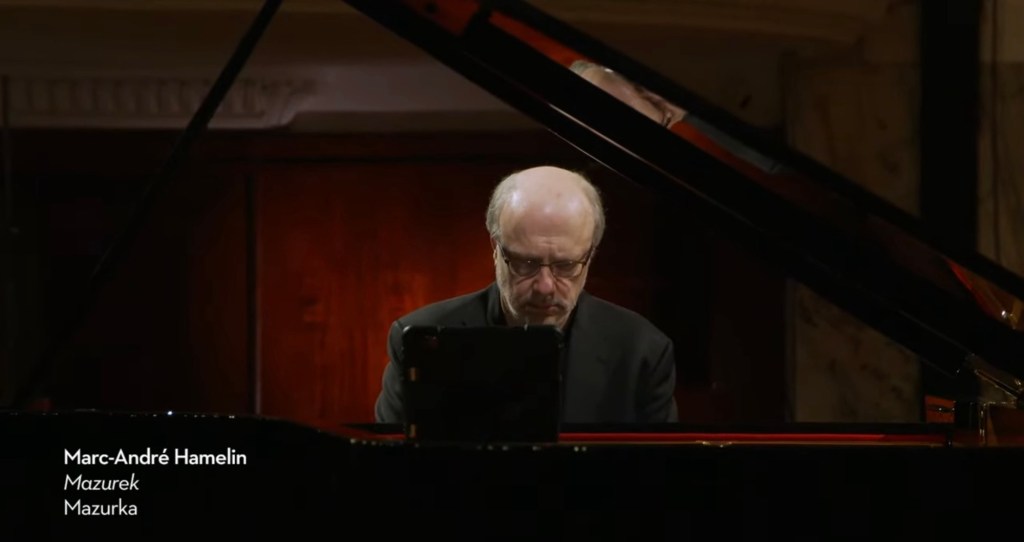
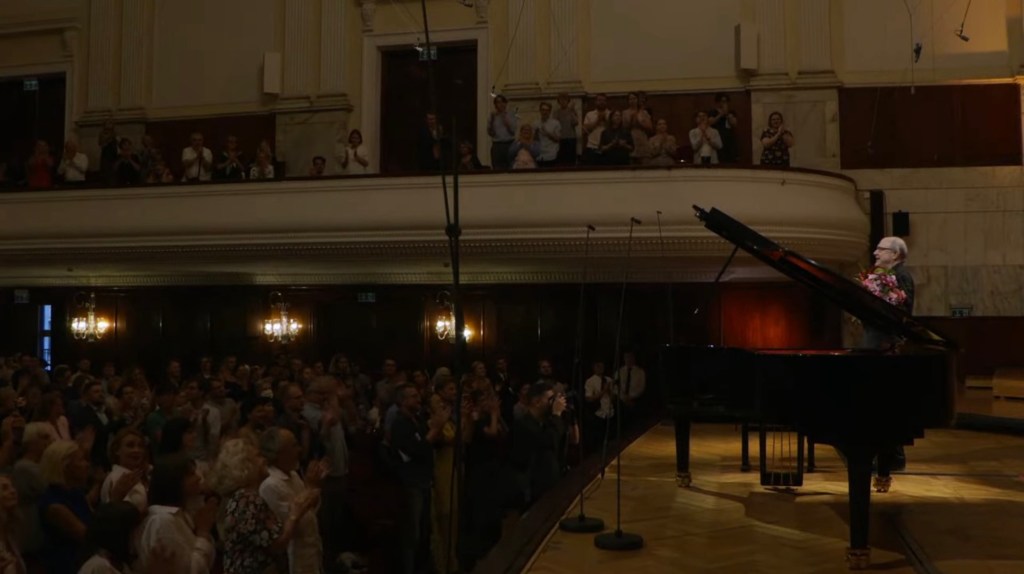
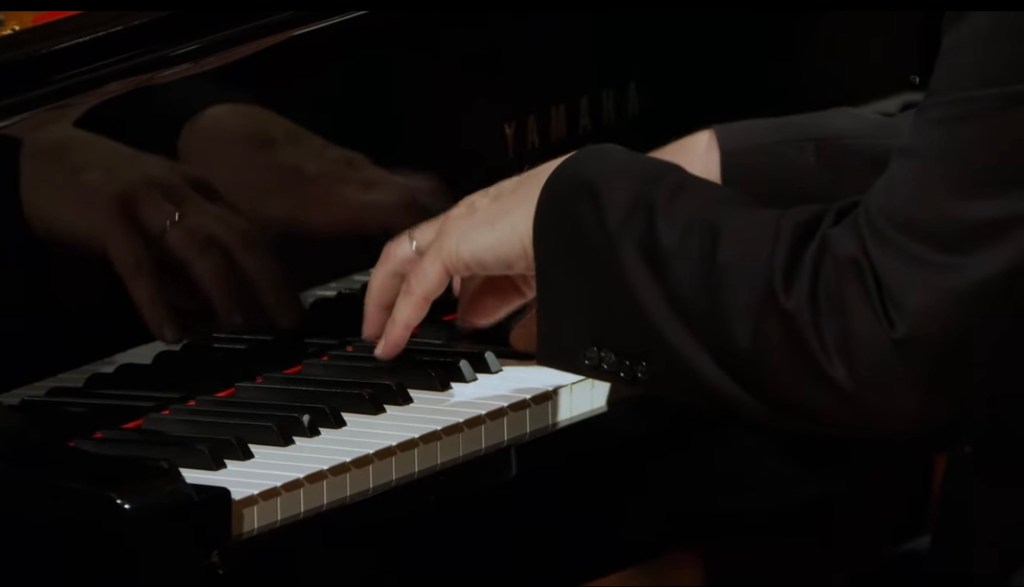


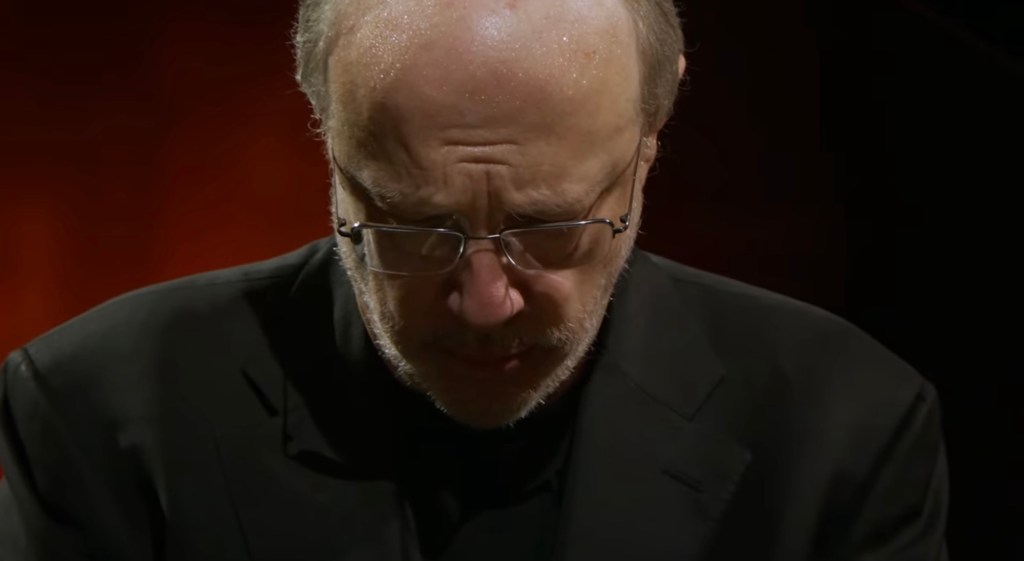

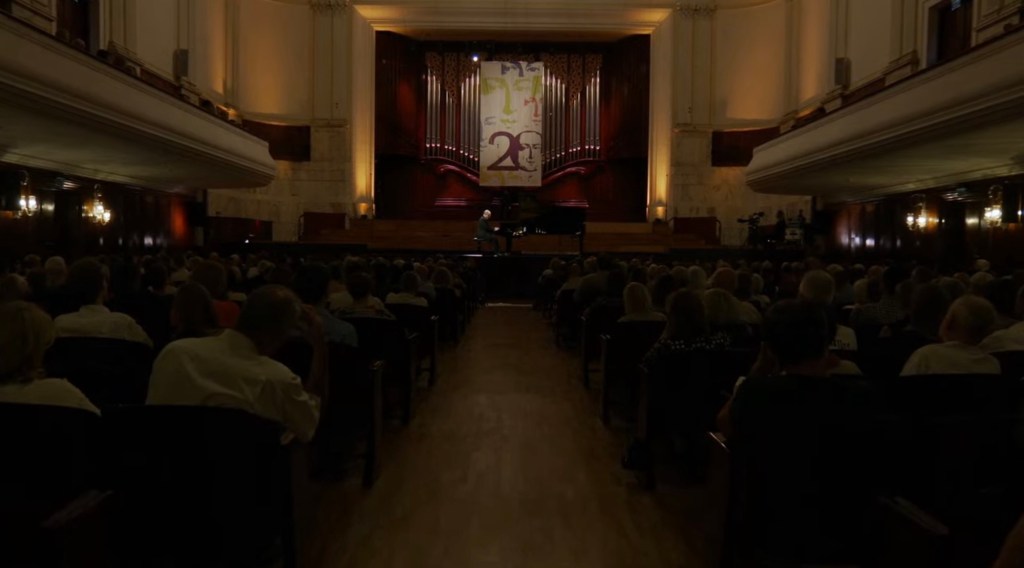
 ChristopherAxworthy-MusicCommentary