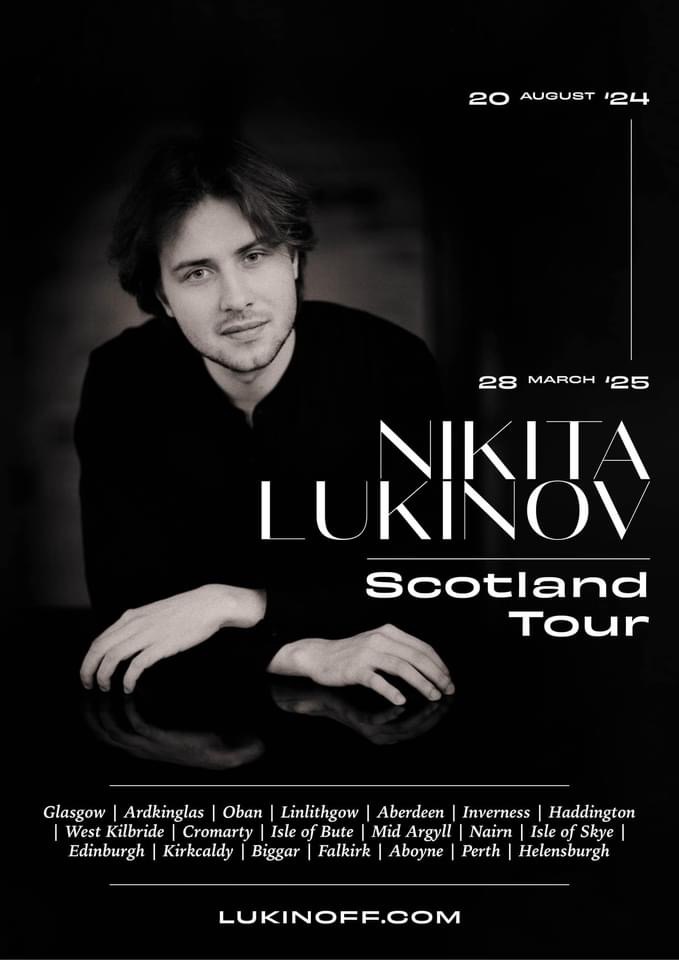
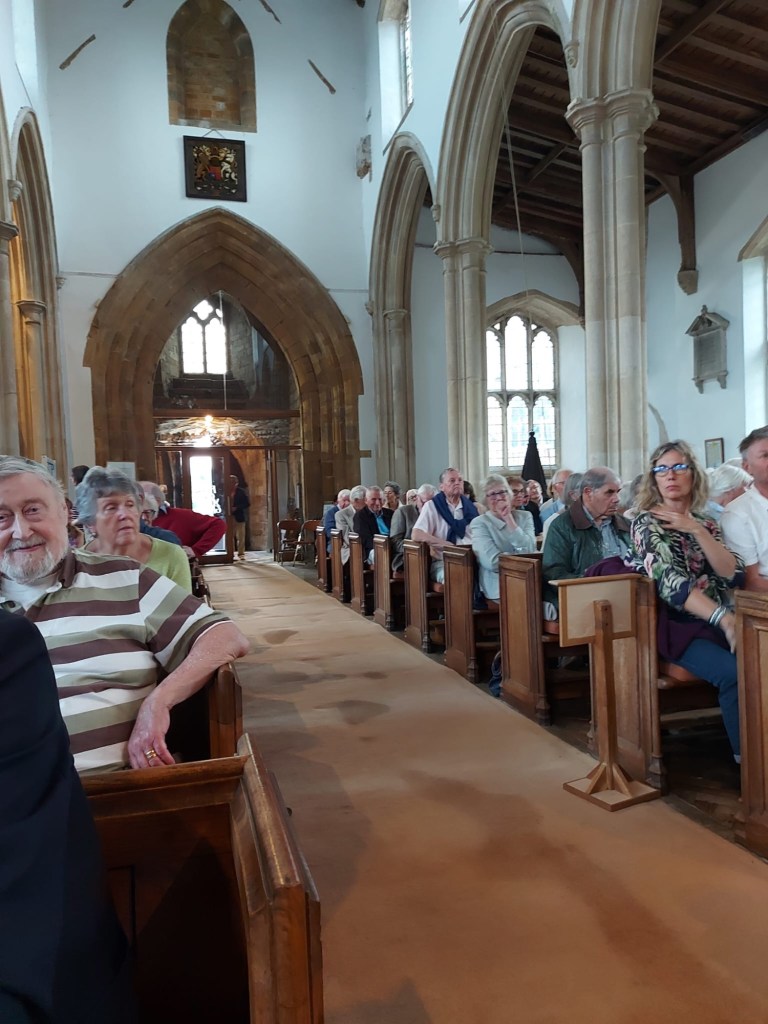
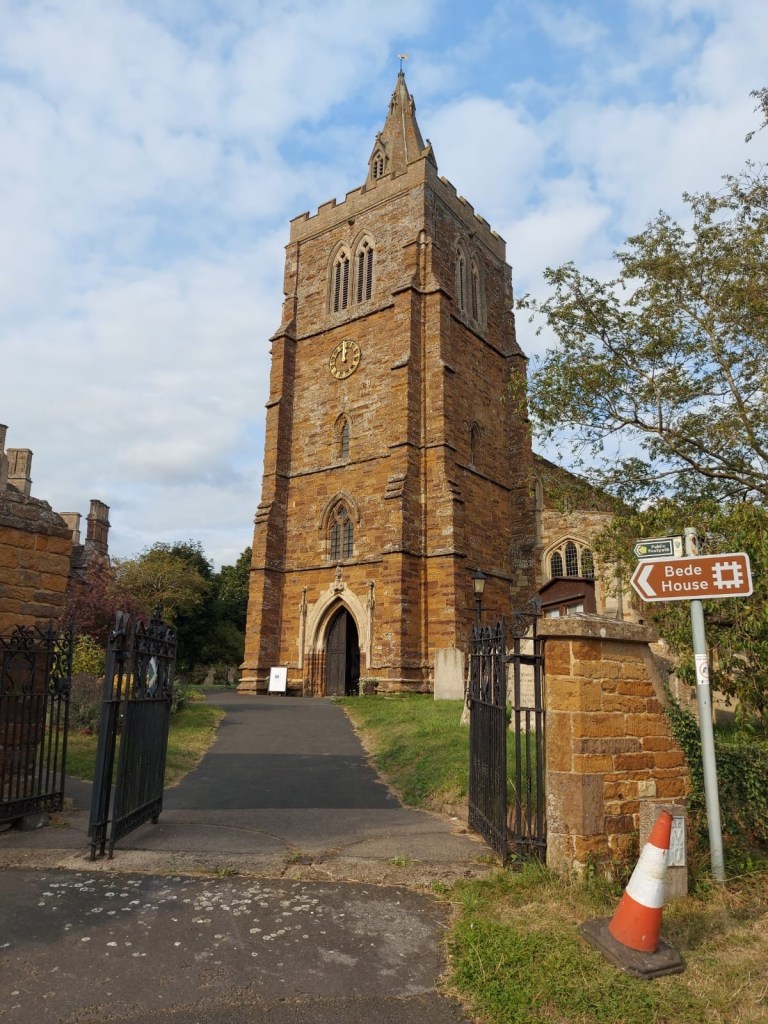
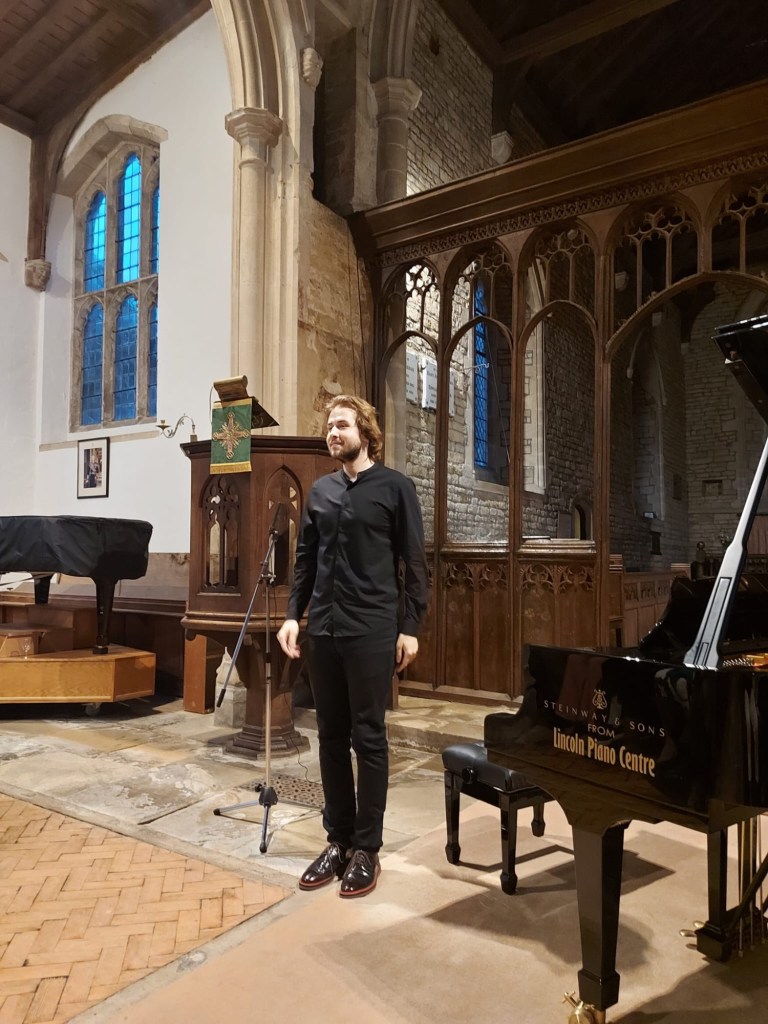
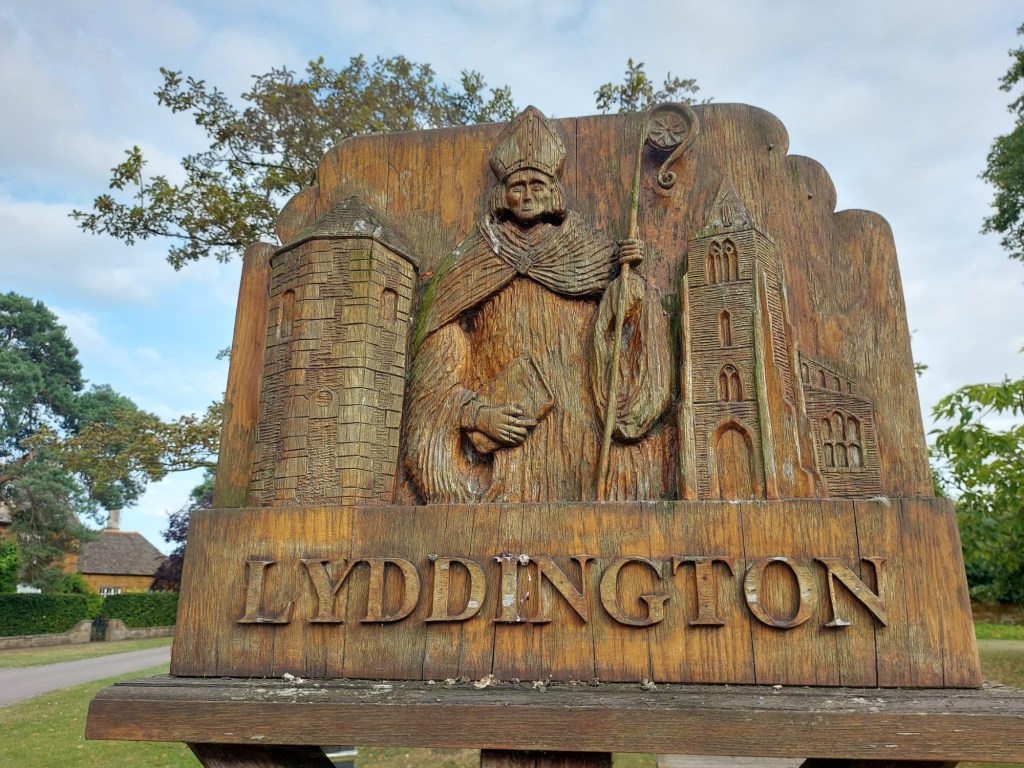
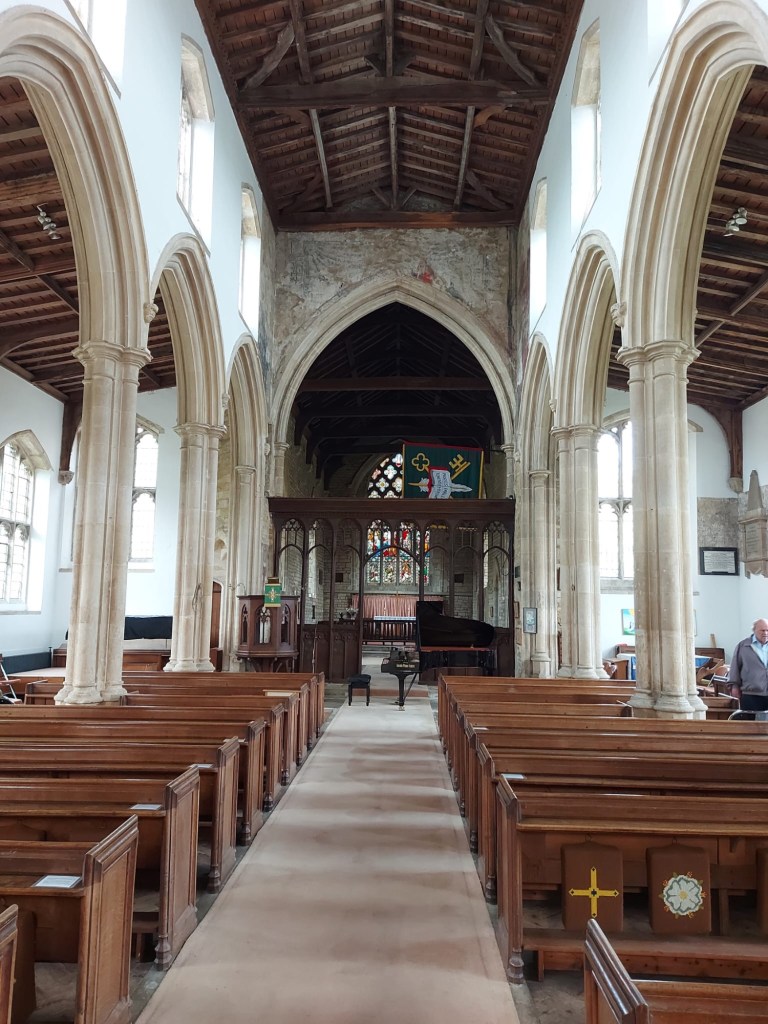
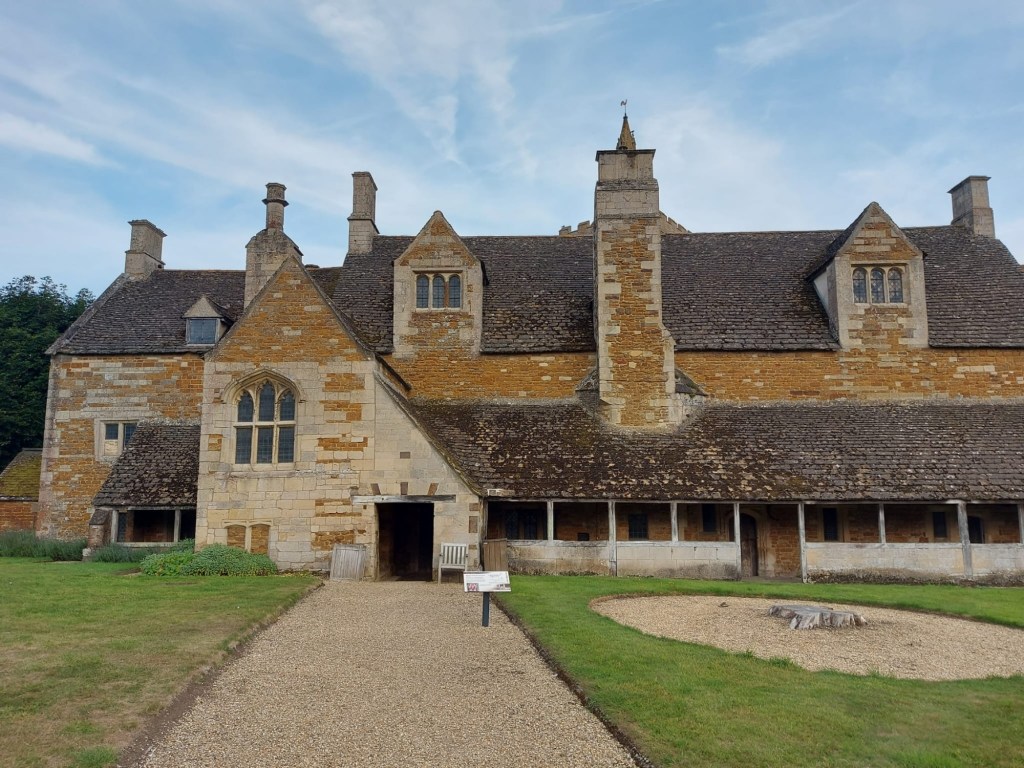
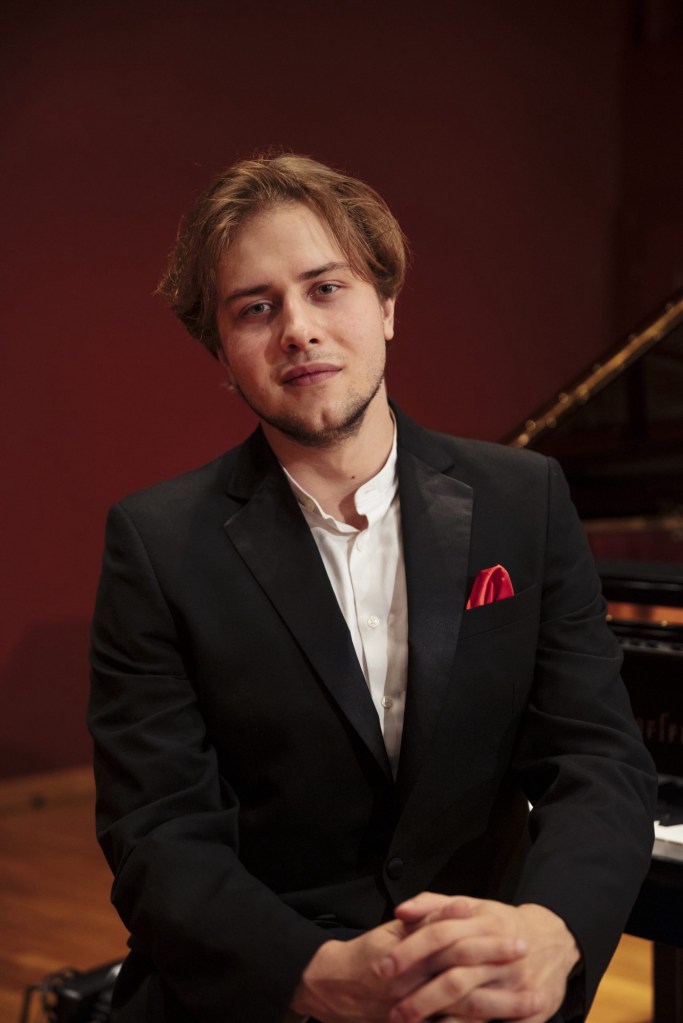
Just three days before his 20 concert tour of Scotland Nikita Lukinov treated Lyddington to a taste of what the people in Scotland can look forward to over the bleak winter months when live music is much more than a rarity. It reminds me of the tours in the remotest parts of Canada that Angela Hewitt,Janina Fialkowska , Marc Andre Hamelin and Jon Kimura Parker ,would undertake to bring music into the remotest parts of that vast country .Hats off to Nikita who has organised this tour that will bring the message of music and fill the lives of so many people in some of the remotest parts of Scotland.
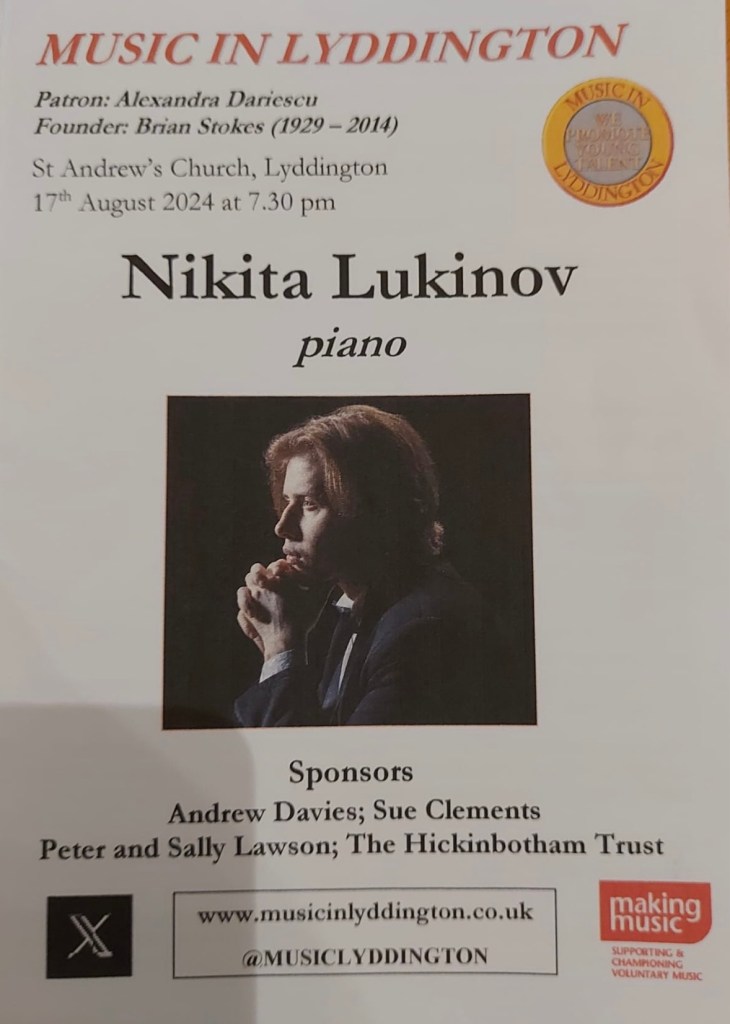
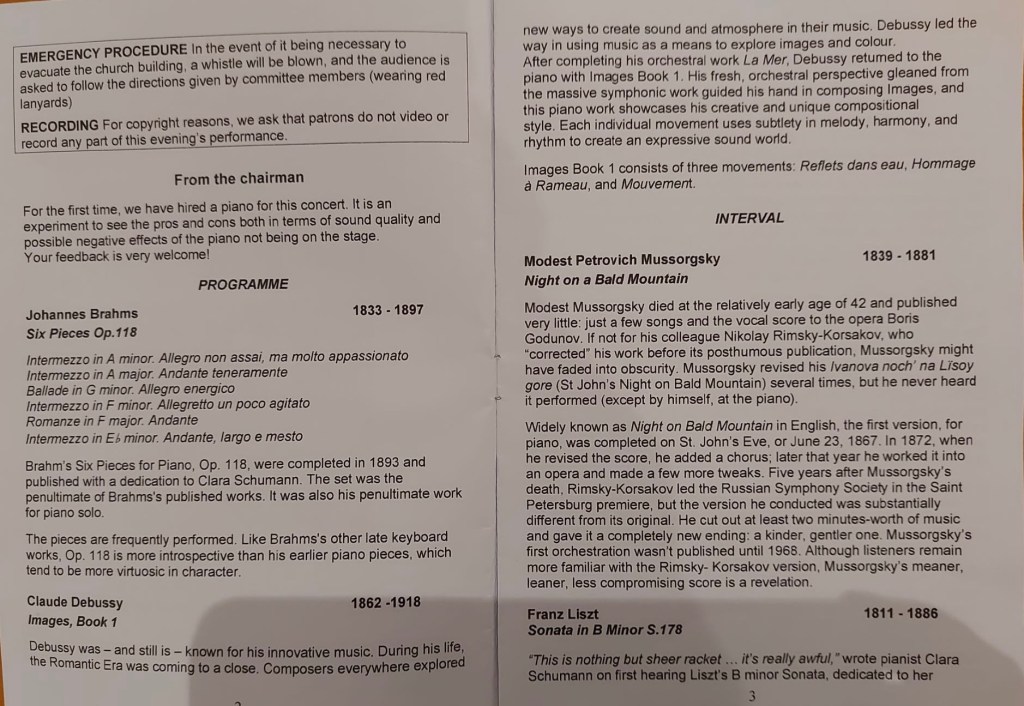
A programme of Brahms,Debussy,Mussorgsky finishing with the pinnacle of the Romantic repertoire Liszt’s mighty B minor Sonata.
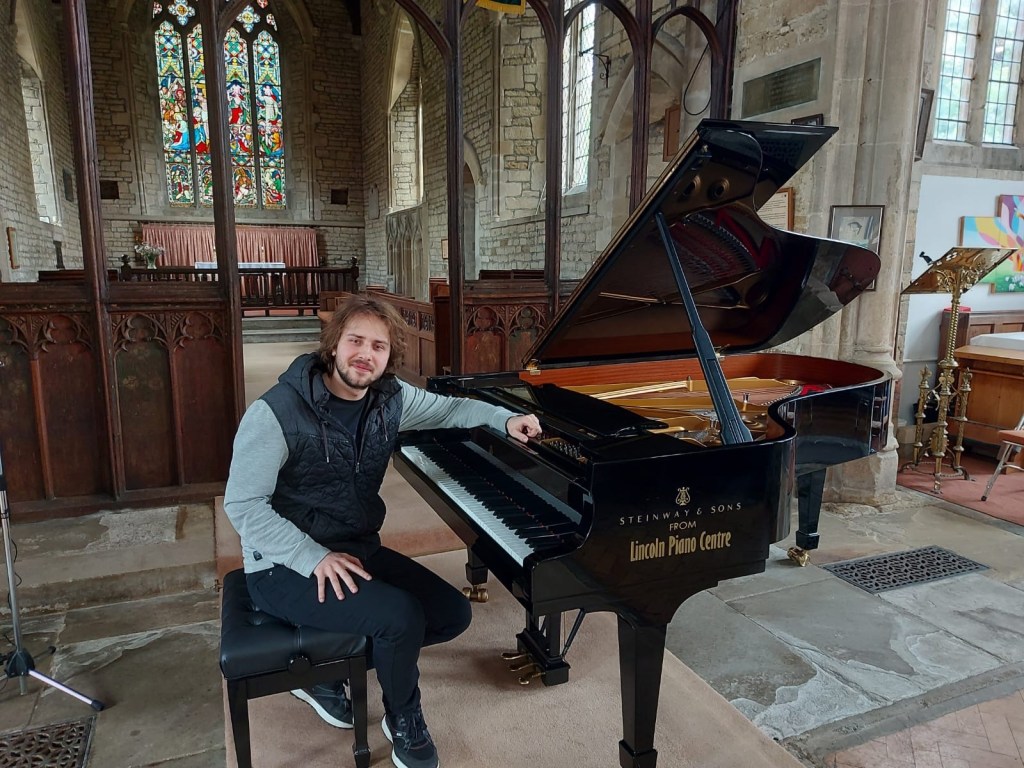
I have heard Nikita play it quite a few times since he took us by surprise at the Bluthner Piano Centre in London with playing of an intelligence and a scrupulous attention to what the composer actually wrote! Leslie Howard the legendary Liszt expert interviewed him afterwards and of course the Keyboard Trust has been honoured to help a young musician who has all the ingredients to bewitch and beguile audiences around the world for years to come. In fact he has gone on to play in Switzerland,Italy and Germany with ever more success. A graduate and now fellow of the Royal Scottish Conservatoire in Glasgow where he studied with Petras Genusias.Having studied in Russia with Svetlana Semenkova, a student of Dmitri Bashkirov before winning a scholarship to the Purcell School where he studied with another disciple of Bashkirov ,Tatiana Sarkissova – Alexeev. It is enough to listen to the first page of the Liszt Sonata to realise that we are in the hands of a master who with maturity and mastery can show us an architectural monument full of sublime poetry and passionate declarations.
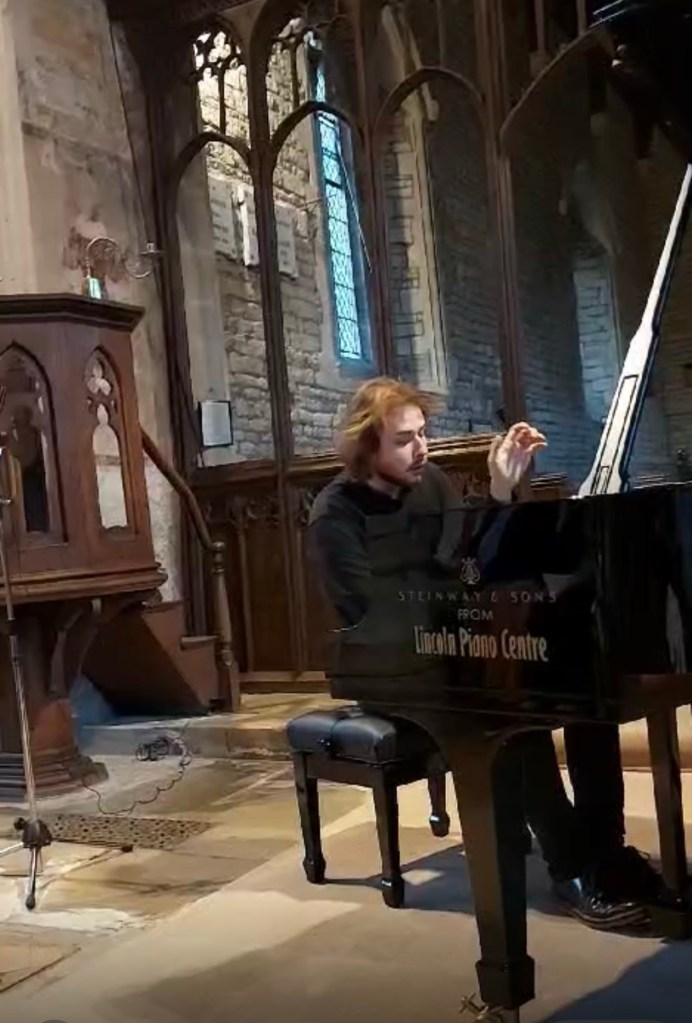
The concert had begun with the six piano pieces op 118 by Brahms .His penultimate work for piano which are intimate confessions dedicated to Clara Schumann.Each piece is so intense and full of poetic and passionate significance that it requires not only great sensitivity from the performer but also a deep concentration from the audience. Nikita from the first notes of the opening Intermezzo showed his authority as he carved out each of the pieces with architectural shape and glowing fluidity. A simplicity that allowed the melodic line to shine through all he did with the passionate flowing opening Intermezzo answered by the extraordinarily poignant lyricism of the second. He brought a beautiful glowing stillness to the pianissimi chords before the return and the pastoral beauty of the intertwined counterpoints communing so intimately together. A Ballade that was full of sumptuous sounds with the simple flowing lyrical central episode contrasting with the nobility and grandeur of the opening. An ending of supreme poetic significance as grandeur dissolves into intimate confessions. A beautiful flowing tempo to the third Intermezzo where the music was allowed to unfold so simply as it led into the unearthly beauty of the Romance.A deep meditative beauty where suddenly a ray of sun shines so radiantly with an interlude of heartrending simplicity played with a rare sensibility but always with a sense of line of intense sentiment but never sentimentality. The last Intermezzo is one of Brahms most concise tone poems for solo piano. Nikita played it with a wondrous sense of poetic yearning with glowing luminosity and fluidity. There was a grandiose orchestral central episode building to a mighty climax of sumptuous rich sounds before dissolving back to a land of beauty and mystery.The final gasp that Brahms marks ‘sff’ could in fact have been played with even more of a dying cry for help as it dissolved so magically into infinity. This was a remarkable performance as Nikita had managed to unite these six miniature tone poems into one unified whole which showed a rare intelligence and mature musicianship allied to a deeply poetic sensibility.
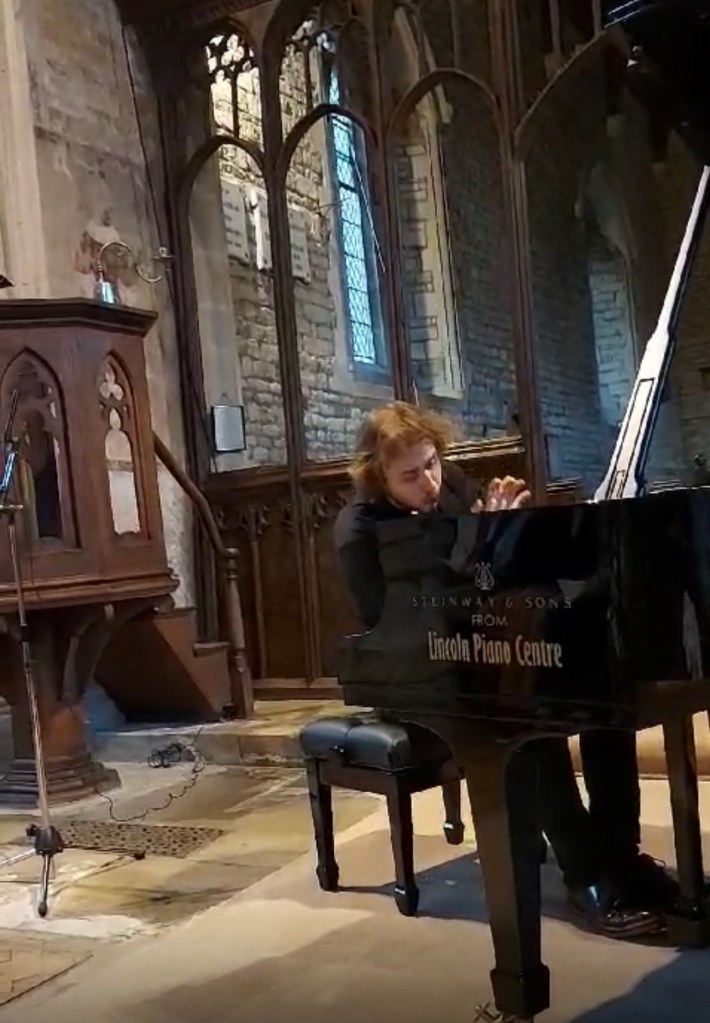
Debussy’s three Images Book 1 followed with a kaleidoscope of colours in ‘Reflets dans l’eau’ but there was also a beautiful clarity and sense of balance that gave a great sense of line to a piece that can so often be submerged in pedal. ‘Homage a Rameau’ too had the same aristocratic timeless beauty that I remember from Rubinstein and the change of colour in the central episode is one of those magic moments that Nikita could savour with his extraordinarily sensitive tone palette.’Mouvement’ I have never heard played with such clarity and driving rhythmic impetus.Building in excitement as the chordal melodic line is surrounded by notes spread over the entire keyboard. Played with relentless energy it was truly a tour de force of refined virtuosity.
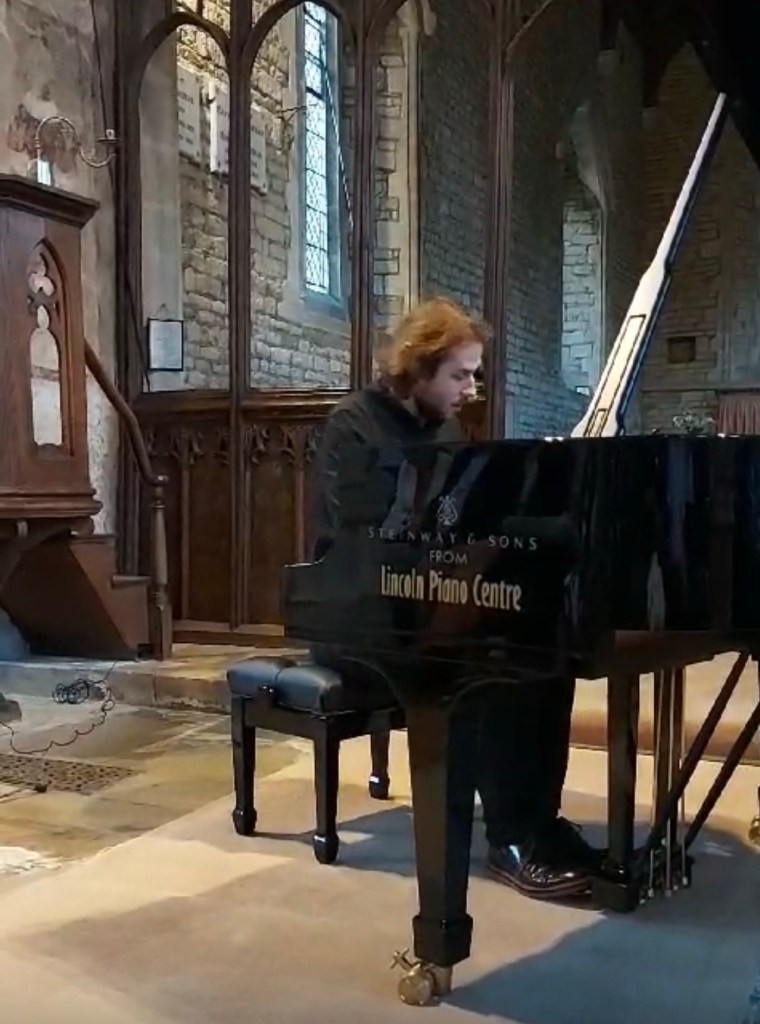
The Mussorgsky was an arrangement of Rimsky Korsakov transcribed for piano by Tchernow. A musical picture of of ‘St John’s eve on a Bald Mountain’ it is a true tone poem in the style of Saint-Saens /Liszt .Mussorgsky described the story of ‘a witches’ sabbath, separate episodes of sorcerers, a ceremonial march of all this rubbish, a finale—glory to the sabbath.’ It was played with a dramatic sense of colour and building excitement of obsessive rhythmic insistence .There was a dynamic rhythmic drive that dissolved into the beauty of the ending with magical arpeggios and a melodic line of great nostalgia and luminosity before the final subdued note very similar to the ending of Liszt sonata that was to follow.
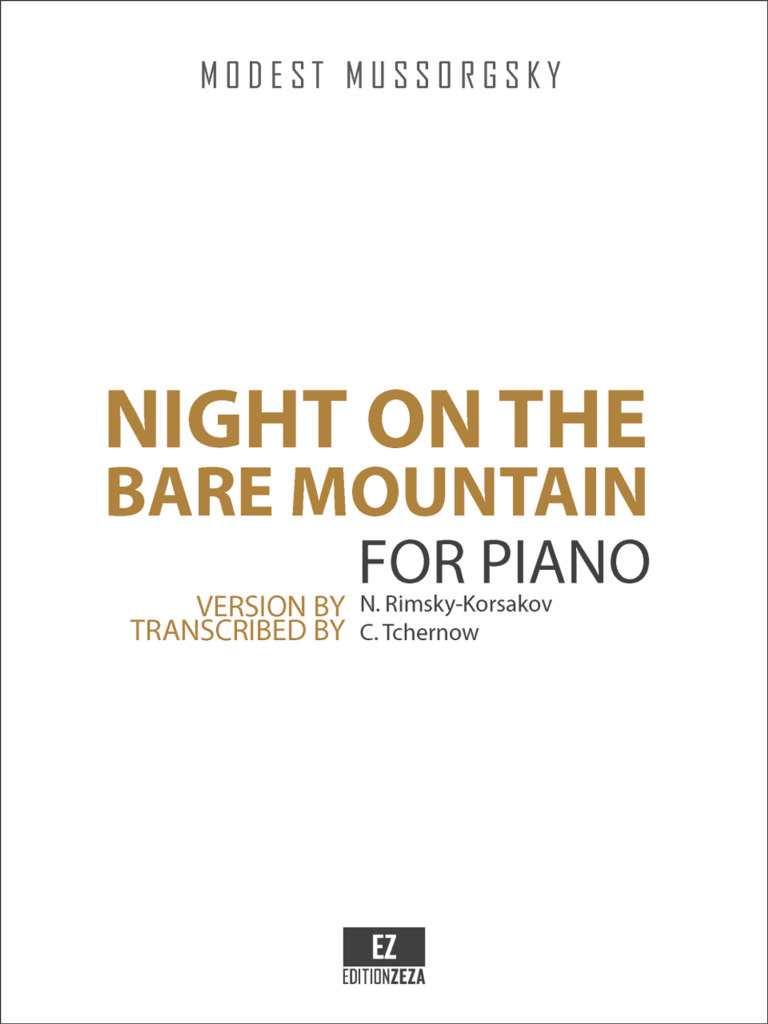
Night on the Bare Mountain” is a composition by Modest Mussorgsky, and this piano transcription by C.Tchernow is based on N. Rimsky-Korsakov’s version.
Night on Bald Mountain is a composition by Modest Mussorgsky that exists in at least two versions—a seldom performed 1867 version or a later (1886) and very popular “fantasy for orchestra” arranged by Nikolai Rimsky-Korsakov, A Night on the Bare Mountain, based on the vocal score of the “Dream Vision of the Peasant Lad” (1880) from The Fair at Sorochyntsi with some revisions, most notably the omission of the choir. There is also a version orchestrated by twentieth-century conductor Leopold Stokowski; this is the version used in the now-classic 1940 Walt Disney animated film Fantasia.
Nikita’s Liszt Sonata I have admired from the first time I heard him play it almost four years ago.It has grown in stature since then and has an unmistakable authority without losing his scrupulous attention to Liszt’s very precise markings in the score.It is a poetical journey with a great sense of architectural shape of a driving energy that even in the beauty of the Andante Sostenuto or Adagio never looses its sense of line or direction.Cascades of notes of glistening and gleaming brilliance and a poetic sensibility of passionate conviction but never losing the overall shape of a new form that Liszt brought to perfection in this masterpiece.Themes that become the great characters of a drama that is played out with aristocratic authority and mastery. There was a controlled passion to the entry of the ‘fugato’ that evolved so naturally from the sombre return of the opening theme.Building to a sumptuous climax of octaves passed from the right to the left hand with transcendental command and a final drawn out chord allowed to vibrate in the pedal with such knowing daring.The genius of Liszt took over at this point as he substituted his original triumphant ending with one of the most remarkable pages ever written for the piano and which Nikita played with aristocratic authority and poetic significance.The final three chords reaching into the future and a world that Liszt could foresee in the distance and would be pursued by his disciple Busoni.
Nikita Lukinov plays breathtaking charity recital for Ukraine in Berlin.
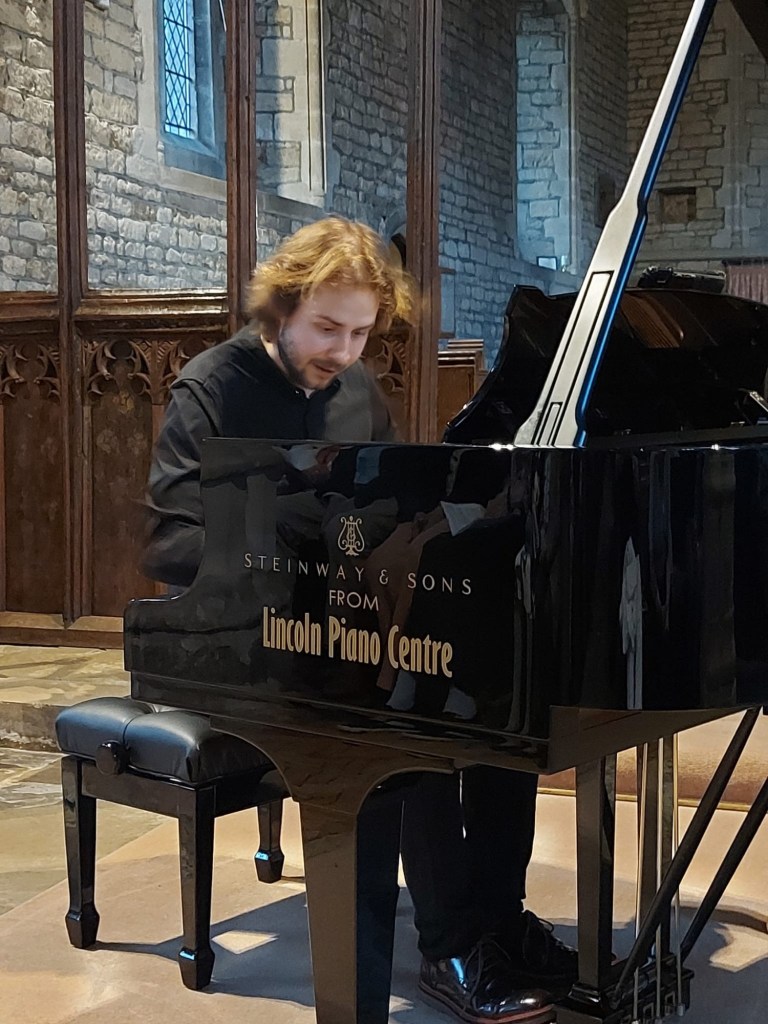
Nikita Lukinov at the National Liberal Club ‘A supreme stylist astonishes and seduces’
Nikita Lukinov’s triumphant tour for the Keyboard Trust of Italy in Venice,Padua,Abano Terme ,Vicenza
Lukinov Gramophone review review and Lagrasse festival
Nikita Lukinov Shrewsbury and Market Drayton
Two young giants cross swords in Verbier Giovanni Bertolazzi and Nikita Lukinov
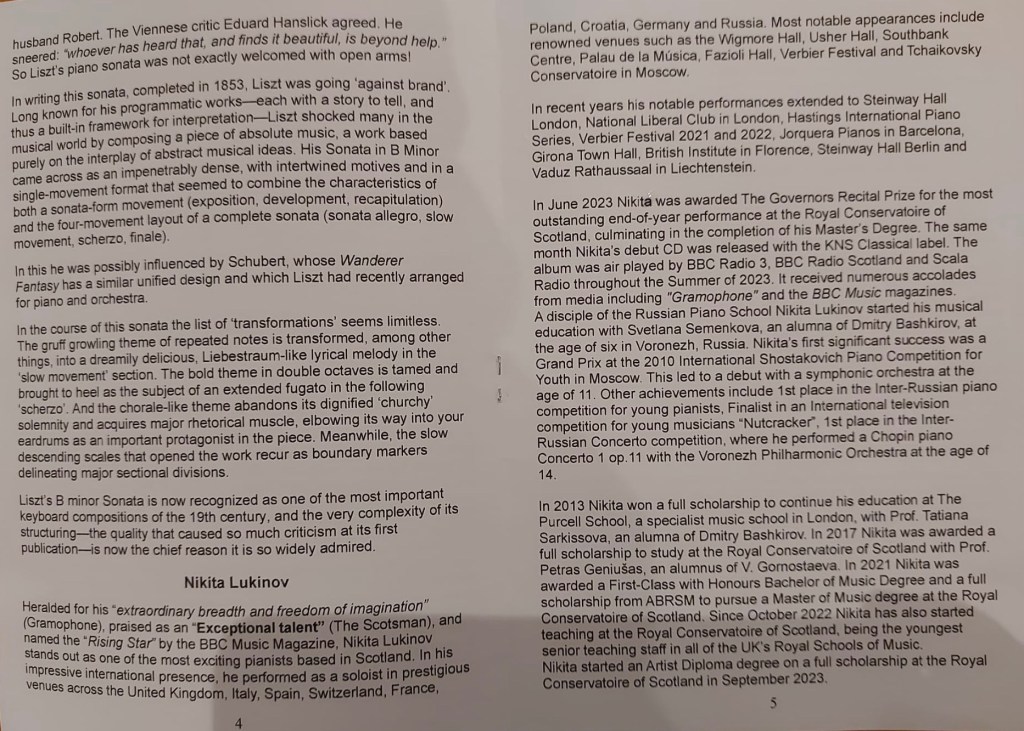
Nikita Lukinov at St Mary’s a masterly warrior with canons covered in flowers
Nikita Lukinov at St Marys The charm and aristocratic style of a star
Nikita Lukinov at Bluthner Piano Centre for the Keyboard Trust Liszt restored to greatness.
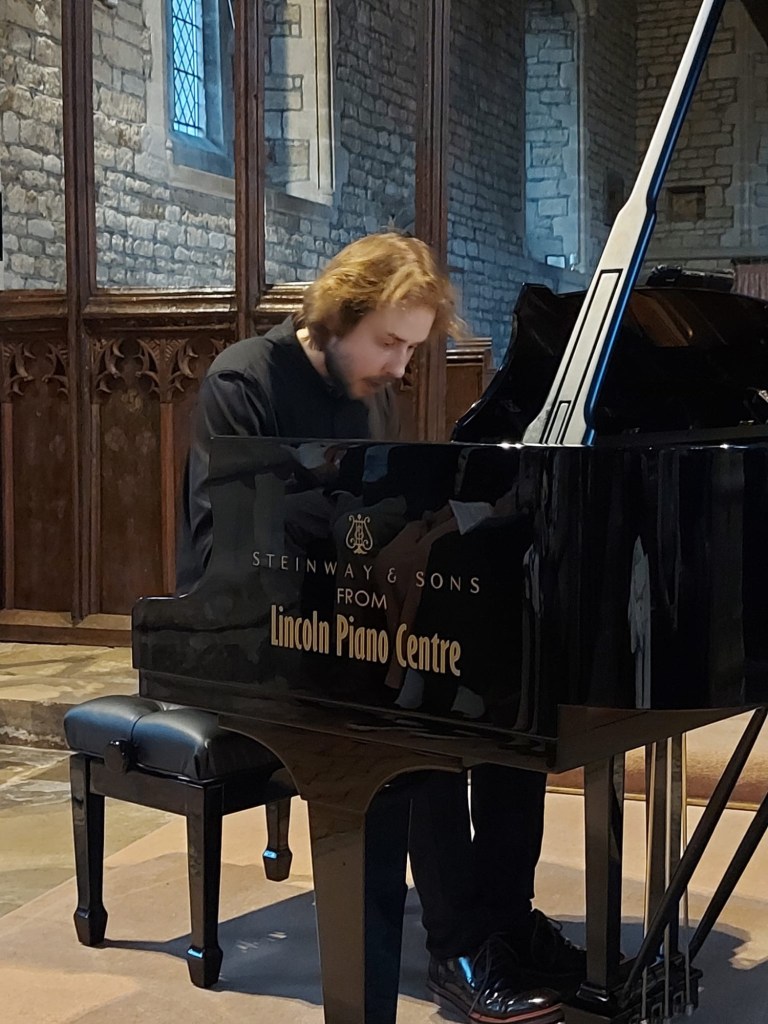
Nikita Lukinov at St Mary’s No pumpkins just the magic of music making at its finest
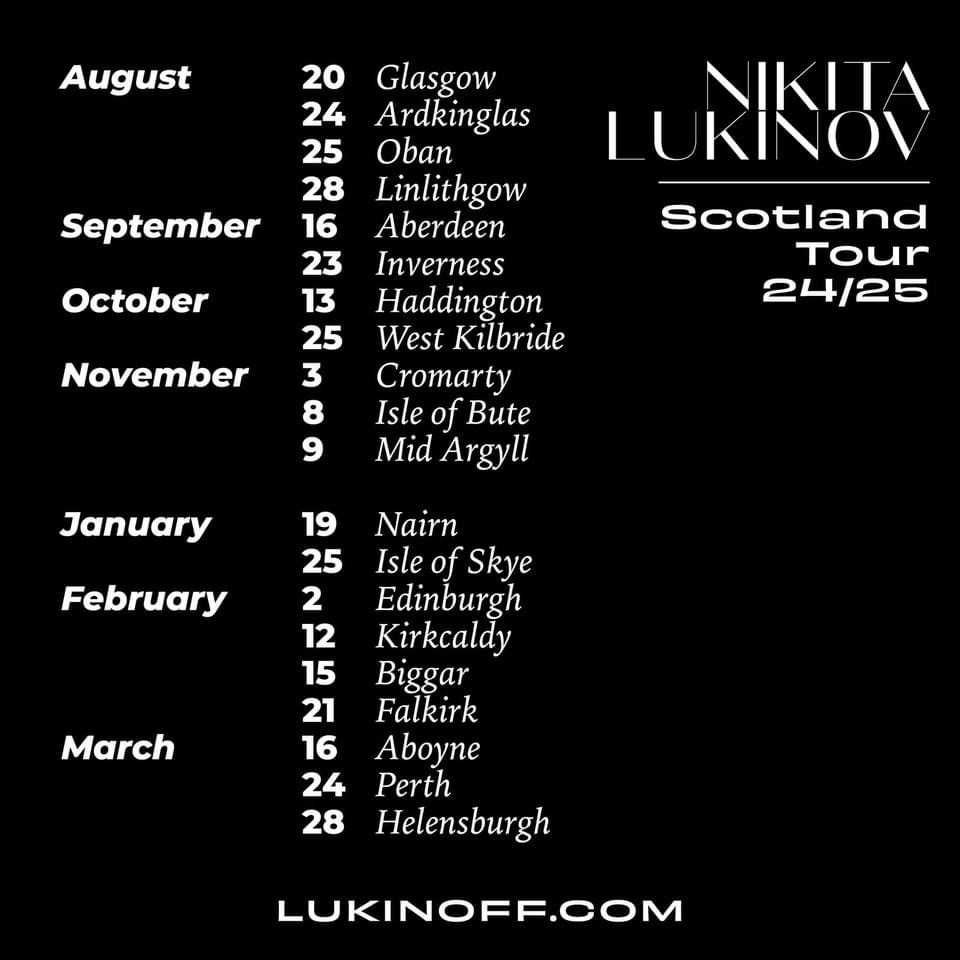
This tour brings world-class classical music to diverse communities, with special outreach events in local care homes and schools organised by the Live Music Now Scotland. Experience the magic of live performances that uplift and connect us all! 🥳
Hugely looking forward to exploring Bonnie Scotland!
Gratitude to the City Music Foundation for recognising and supporting this milestone project!
Special thanks to Denis Epifantsev for a truly amazing design of this poster, agenda and many other things I will soon finally share
Live Music Now Scotland
City Music Foundation
Royal Conservatoire of Scotland
Hu Huixin
Paul Docherty
Sarah Hanniffy
Annabel Stevens
Ursula Coe
Rebekah Woodier

 ChristopherAxworthy-MusicCommentary