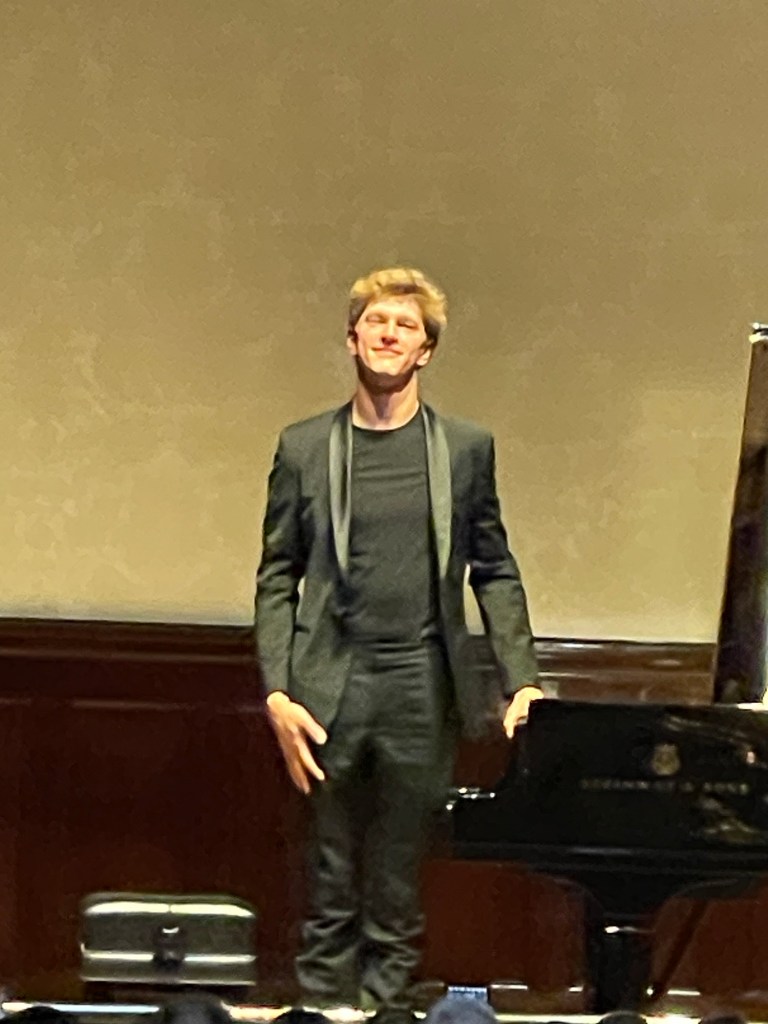
Jan Lisiecki piano
Fryderyk Chopin (1810-1849) Prelude in D flat Op. 28 No. 15 (1838-9)
Prelude in A flat B86 (1834)
Johann Sebastian Bach (1685-1750) Prelude in C from The Well-tempered Clavier Book I
BWV846 (1722)
Sergey Rachmaninov (1873-1943) Prelude in D minor Op. 23 No. 3 (1901-3)
Karol Szymanowski (1882-1937) Prelude in B minor Op. 1 No. 1 (1899-1900)
Prelude in D minor Op. 1 No. 2 (1899-1900)
Prelude in D flat minor Op. 1 No. 3 (1899-1900)
Olivier Messiaen (1908-1992) From Préludes (1928-9)
La colombe • Chant d’extase dans un paysage
triste • Le nombre léger
Fryderyk Chopin Prelude in C sharp minor Op. 45 (1841)
Sergey Rachmaninov Prélude from Morceaux de fantaisie Op. 3 (1892)
Henryk Mikolaj Górecki (1933-2010) From 4 Preludes Op. 1 (1955)
Molto agitato • Molto allegro quasi presto
Johann Sebastian Bach Prelude in C minor from The Well-tempered Clavier
Book I BWV847 (1722)
Sergey Rachmaninov Prelude in G minor Op. 23 No. 5 (1901-3)
Interval
Fryderyk Chopin 24 Preludes Op. 28 (1838-9)
Prelude in C • Prelude in A minor • Prelude in G •
Prelude in E minor • Prelude in D • Prelude in B
minor • Prelude in A • Prelude in F sharp minor •
Prelude in E • Prelude in C sharp minor • Prelude
in B • Prelude in G sharp minor • Prelude in F
sharp • Prelude in E flat minor • Prelude in D flat•
Prelude in B flat minor • Prelude in A flat •
Prelude in C minor • Prelude in E flat • Prelude in
C minor • Prelude in B flat • Prelude in G minor •
Prelude in F • Prelude in D minor
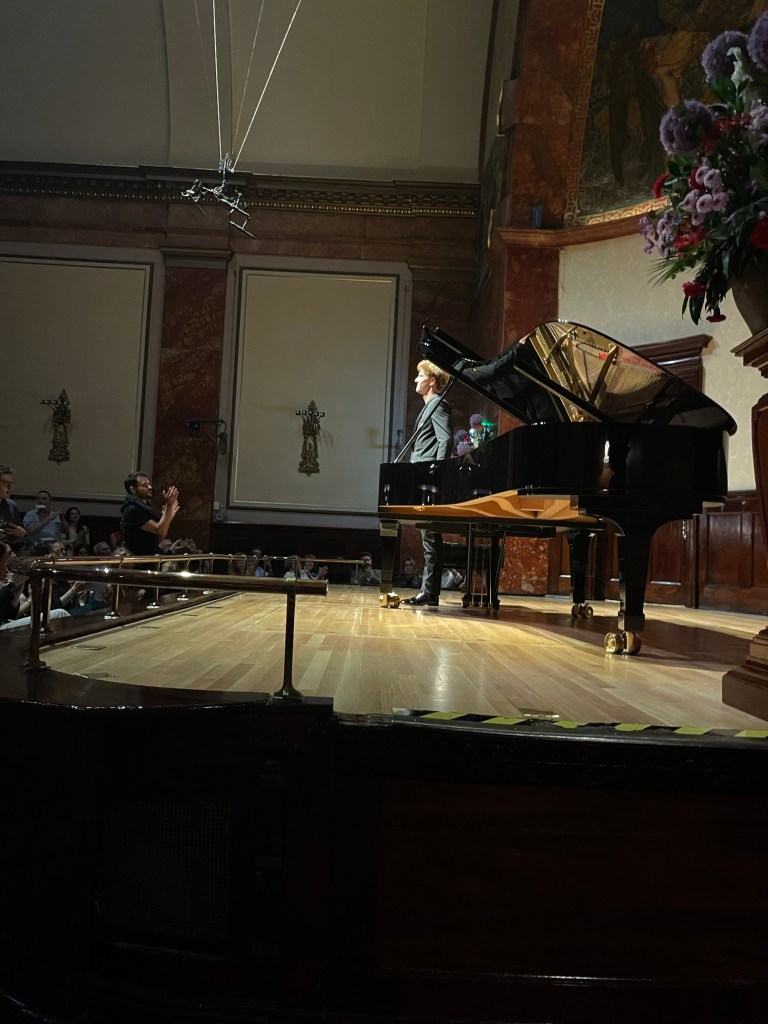
In concert, the artist is usually sharply focused on the present.
In playing the preludes, however, there is always a sense of
anticipation, of preparing and looking towards the next piece. By
definition, and certainly by tradition, a prelude anticipates the
main presentation, setting the stage by creating a mood and
colour. Can a recital be composed entirely of such introductions,
then, one leading directly into the next, and still be profound?
A master of the short form, Chopin brought the prelude out from
the shadows and into the spotlight. Using its concise format and
flexible form, Chopin embraced its ability to establish a mood.
The collection of 24 Preludes Op. 28 is a colour wheel of
emotions, showcasing all 24 keys and the atmospheres they can
convey. Instead of foreshadowing the masterpiece, they become
the focal point, and despite their individual brevity, Chopin was
always able to fully develop his melodic concepts. Certainly there
is a sense of each Prelude ‘falling’ into the next one, and there are
even some indications in the score that span between individual
pieces. Yet, these works can also be taken out of context, so to
speak. For this reason I am presenting Chopin’s Prelude Op. 28
No. 15 twice in this programme, to demonstrate its different
function as a worthy standalone piece, as compared to its
forming part of the greater whole (in this case the set of Op. 28
Preludes). While Chopin reinvented the prelude format with the
aforementioned set, other composers also embraced this open-
ended musical form with newfound purpose, stamping it with
their individuality. In this recital, I hope to showcase the broad
possibilities of the humble prelude, from Bach to Górecki, taking
the audience on a musical expedition and answering the above-
posed rhetorical question with an emphatic ‘yes’.
© Jan Lisiecki
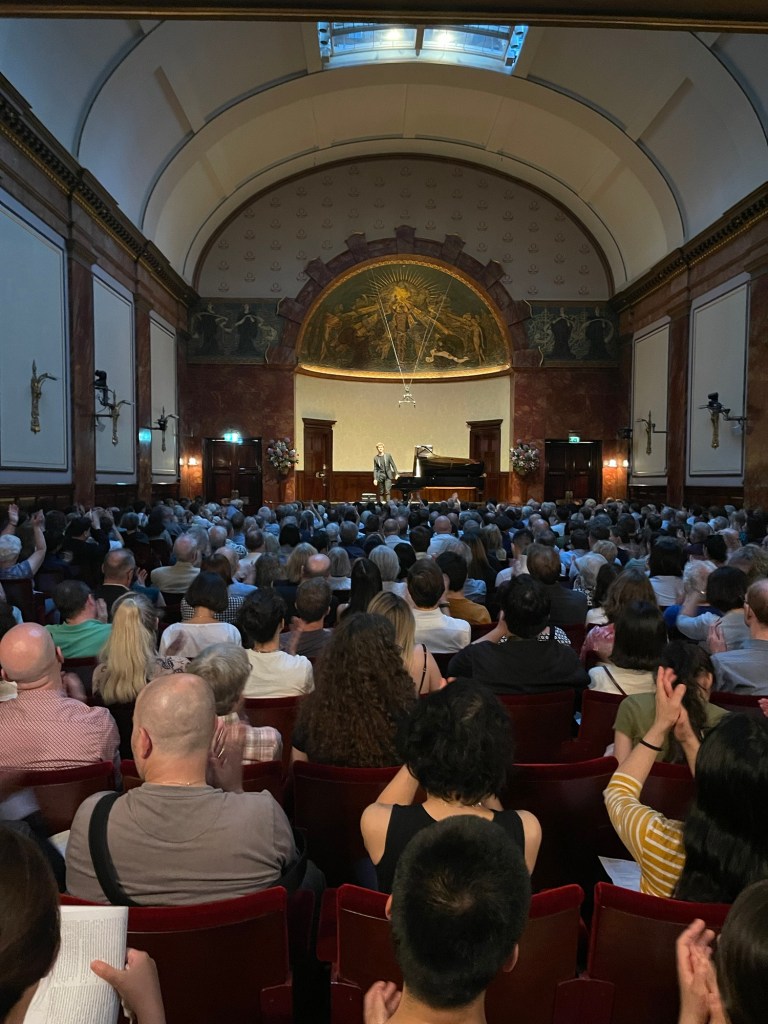
Wonderful to see the young piano prodigy turn into a great artist
I am sure the transition has not been easy but tonight I witnessed the birth of a great artist after having been very concerned at the last recital I heard here ten years ago.
Jan Lisiecki at the Wigmore Hall
Tonight there was not only total authority and aristocratic good taste but a range of sounds that rarely I have heard before .Playing of breathtaking beauty that could turn such well known works into a new discovery with no distortions or contortions but by simply looking closely at the score and with intelligence and supreme artistry shaped phrases with surprising originality.
There was passionate involvement too when needed and a transcendental technical command that could shape the B flat minor Chopin Prelude with supreme authority and fearless abandon.
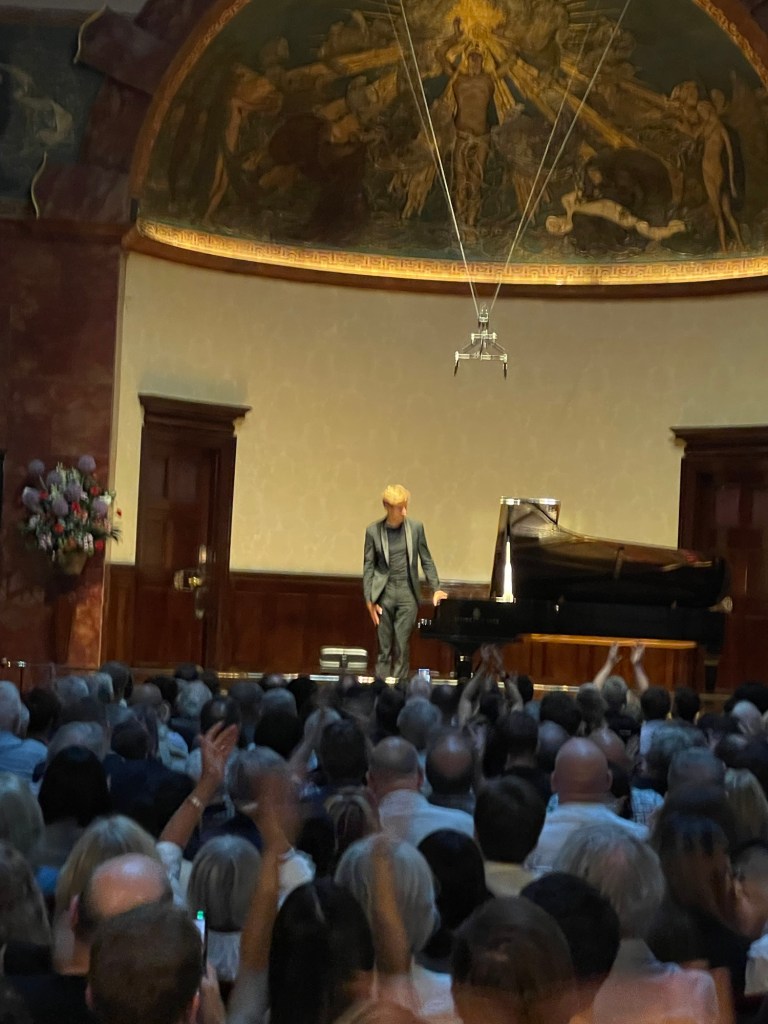
A concert dedicated to the ‘Prelude’ with a first half played without a break, of Preludes by many different composers but culminating of course in a performance of THE Prelude – by Rachmaninov .The one rarely ever heard in concert these days but was the obligatory calling card for the composer.
It was the Chopin prelude op 45 though that will remain in my memory for the sumptuous sounds and the whispered poetic washes of colour out of which was born a melodic outpouring of radiance and glowing fluidity.Reservations about two rather streamlined Bach preludes fell to the wayside as they were incorporated into a carefully constructed whole.There were revelations too with three ravishingly beautiful preludes by Szymanowski and the whispered ethereal sounds of pure magic of three Messiaen early Preludes.A kaleidoscope of sounds with ‘Chant d’extase ‘ bathed in a mist of ravishing beauty and where ‘ Le nombre’ was very energetic with a delicate embroidery of brilliance ending with a single aristocratically placed bass note. The two Gorecki preludes were frightening as he unleashed sudden dynamic power and hammered precision that took us by surprise.A perpetuum mobile of breathtaking brilliance and diabolical tumultuous trills with both hands.The three preludes by Rachmaninov revealed the sumptuous richness of the Philadelphian sound world that Rachmaninov so adored.The D minor op 23 n.3 was played with beguiling rhythmic insistence full of changing colours and capricious changes of gear.The coda a ravishing world of wondrous sounds before the nonchalance of the ending just like his Paganini variations. THE Prelude was played with overwhelming authority and magic sounds that seemed to appear like an apparition out of the majesty of the opening chords.There was grandeur as the gasping phrases lead up to the tumultuous climax which was as breathtaking as I imagine the composer’s command performances always were .The Bach C minor prelude appeared mysteriously out of the end of the Gorecki prelude and seemed to me rather too mistily streamlined and un Tureck like to say the least.The opening Bach Prelude too had seemed too fast but it was the intelligence of this young artist who realised there is no set way to play Bach and he adapted his genius with chameleonic ease to the overall picture that he himself has described above.
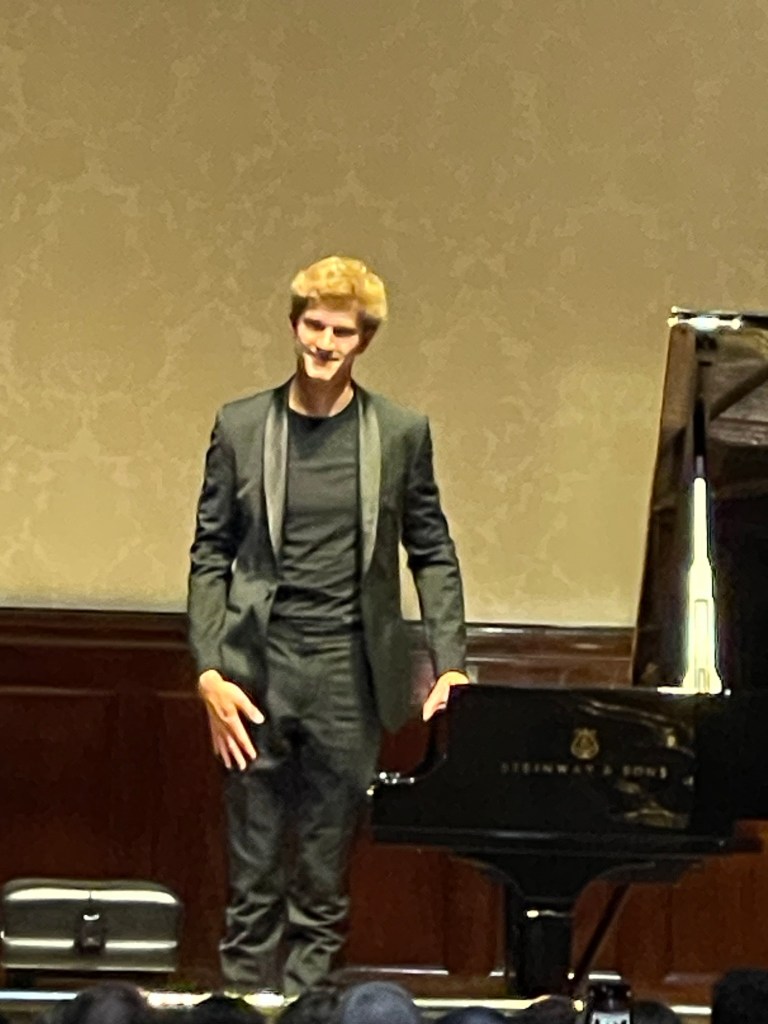
The second half was dedicated to Chopin’s 24 preludes op 28 played as a whole that has only become the habit many years after Chopin’s untimely death.Played together it has an architectural strength that makes the idea of just a group of preludes almost unimaginable.However Jan today, as he has so eloquently written,found it interesting to hear just a single prelude : n 15 ‘Raindrop’ ( admittedly the longest and a real tone poem) and then hear it again in the context of what has become known as a unified whole and one of the great masterpieces of this innovative genius.There was a whispered opening of subtle colouring that immediately blossomed into the brooding second prelude where the long sustained melody was allowed to resonate with sumptuous beauty above such a disturbing turbulence.Suddenly the third sprang to life with brilliance and clarity revealing a temperament of great intensity.There was ravishing beauty to the fourth played with whispered simplicity and phrasing of rare delicacy.Clarity and brilliance of the agitated fifth opened the door for the poetic beauty of the sixth.The gentle pulsating heartbeat allowing the cello melody to sing below it with poignant beauty.We held our breath as the final gasps drew us in to this secret world that this young artist was sharing with us.
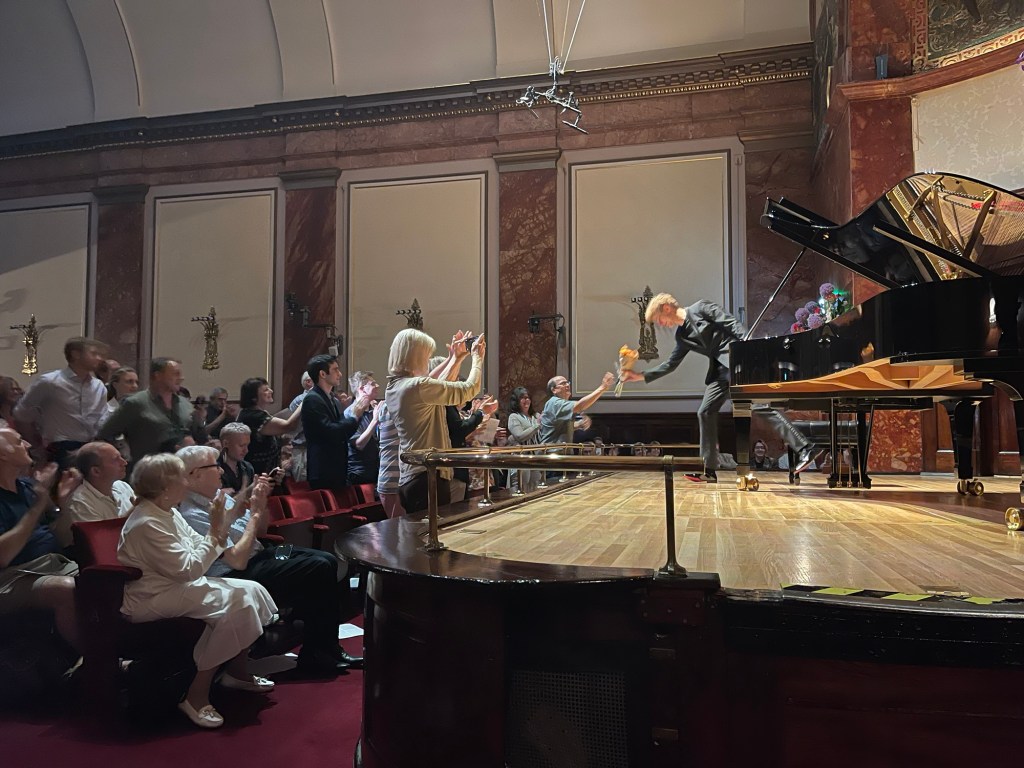
Wondrous phrasing of the shortest prelude before the beautifully shaped moving sounds of passionate intensity of the eighth.An extraordinary sense of balance allowed the solemn Largo to be so ponderously clear and the tenth was thrown off with the ease and grace of pianists of yesteryear with enviable jeux perlé of silf like lightness.A beautiful outpouring of melody shaped the next one with beauty and a sense of improvised freedom.The Presto opening of the twelfth was played with whispered tones as it slyly entered the scene gradually gaining in power before the final abrupt chords.It was the left hand of the thirteenth that was allowed the same voice as the right in a duet of glowing beauty where the visionary ‘piu lento’ was of heart rending beauty. A blast of wind enter the scene ,dry and abrupt, as the whispered beauty of the ‘Raindrop’ Prelude was allowed to resound again on this platform but this time as the culmination of a masterwork.The sixteenth prelude like the 16th Goldberg variation signalled a complete change – Bach of course with a French overture but Chopin a study of breathtaking brilliance and dynamic drive that was played fearlessly by our young poetic virtuoso.

The seventeenth in A flat is also a great tone poem which Jan played with great architectural shape.A mist of A flat at the end allowed the melody to be submerged in a magic mist of sumptuous beauty.The eighteenth just growing quietly out of this mist as this recitativo picked up power with passionate abandon .The nineteenth one of the most trascendentally difficult of all these ‘24 problems’ was played with a sumptuous masterly ease of mellifluous expansiveness.There was the same sense of noble grandeur to the C minor Prelude that Jan had brought to the Rachmaninov op 3.Gradually dying away to a whisper we dared not breathe such was the tension and atmosphere created by this young poet of the piano.The simple glowing beauty of the next prelude was followed by the whispered entry of the octaves that gradually built to a tumultuously passionate climax that was defused only by the glowing fluidity of the penultimate prelude.The opening left hand declaration of the final prelude left us in no doubt of the passion and exhilaration that we were about to enjoy.A relentless tempo in which streams of notes shot from one end of the piano to the the other.Double thirds just cascaded with passionate intensity and fearless abandon but it was the final three D’s that revealed the great artistry of this young musician- each given a voice of its own instead of the more usual pounding to the bottom of the keys of lesser artists.
An ovation and a welcome back for this young musician returning as the great artist he has become.
A single whispered Romance by Schumann was his way of thanking an audience who had listened with baited breath to his wonderful music making.
An artist is born Pappano and Lisiecki in Rome
The Preludes I last heard in Sermoneta many years ago played by Fou Ts’ong.It was the genius of Ts’ong who inspired generations of young musicians in his masterclasses including in Sermoneta but mostly in the piano Academy in Como .He had surprised the world when he was awarded the ‘Mazurka’Prize at one of the very first Chopin Competitions in Warsaw.How could a Chinese pianist understand the soul of a Pole!?Ts’ong simply said that the soul in Chopin was the same soul that was in ancient Chinese poetry of which his father was an expert.A soul knows no boundaries!It was Ts’ong too who declared Chopin’s 24 Preludes to be 24 problems.More than the 24 studies because each of the preludes has a different technical problem that needs to be mastered with technical precision and artistry.
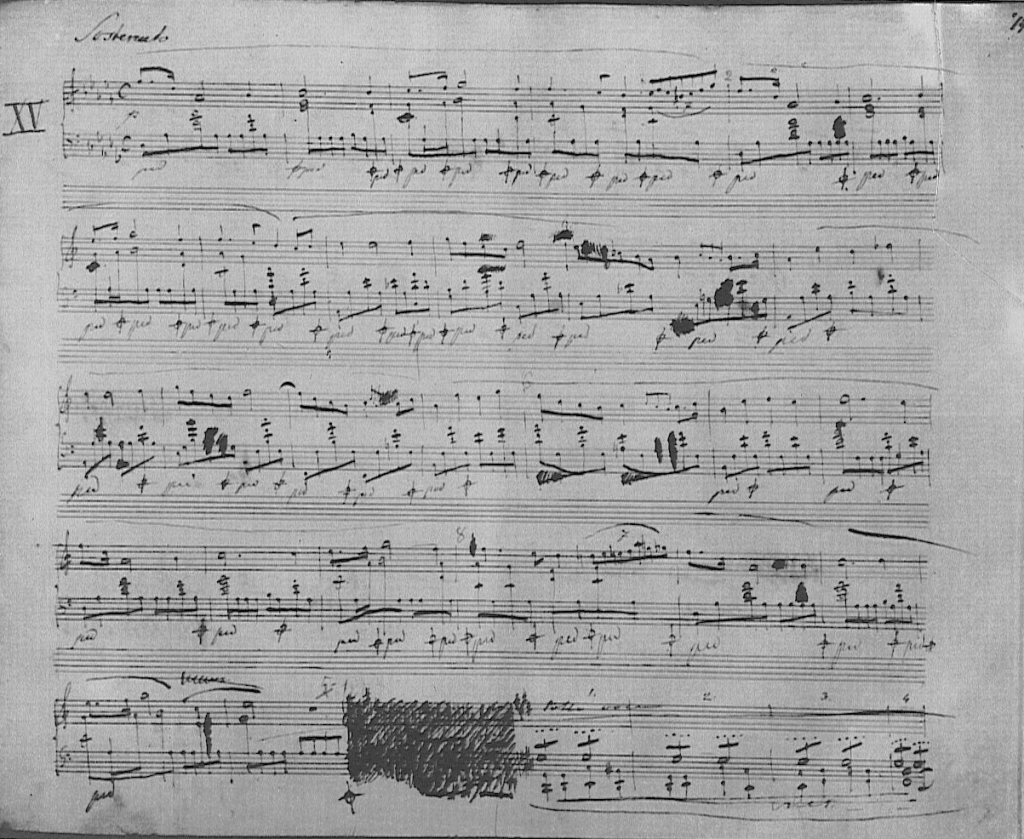
In addition, Chopin wrote three other preludes: a prelude in C♯ minor, Op. 45; a piece in A♭ major from 1834 and an unfinished prelude in E flat minor
Chopin’s 24 Preludes, op .28, are a set of short pieces for the piano, one in each of the twenty-four keys , originally published in 1839.
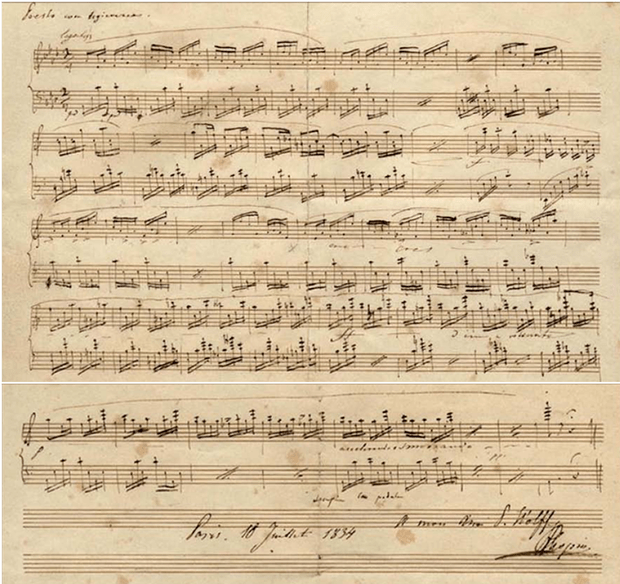
Chopin wrote them between 1835 and 1839, partly at Valldemossa,Mallorca, where he spent the winter of 1838–39 and where he had fled with George Sand and her children to escape the damp Paris weather.
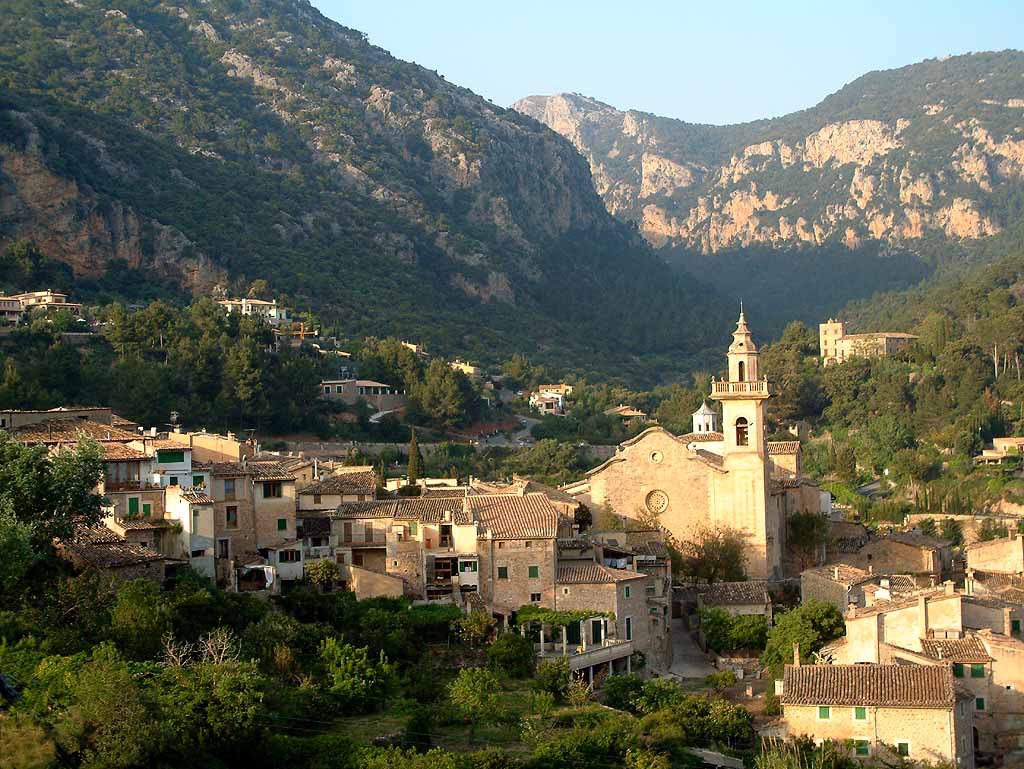
In Majorca, Chopin had a copy of Bach’s ‘48’ and as in each of Bach’s two sets of preludes and fugues, his Op. 28 set comprises a complete cycle of the major and minor keys, albeit with a different ordering.Whereas Bach had arranged his collection of 48 preludes and fugues according to keys separated by rising semitones , Chopin’s chosen key sequence is a circle of fifths , with each major key being followed by its relative minor, and so on (i.e. C major, A minor, G major, E minor, etc.). It is thought that Chopin might have conceived the cycle as a single performance entity for continuous recital.An opposing view is that the set was never intended for continuous performance, and that the individual preludes were indeed conceived as possible introductions for other works.Chopin himself never played more than four of the preludes at any single public performance.Nor was this the practice for the 25 years after his death.
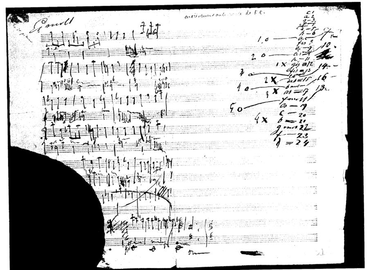
The first pianist to programme the complete set in a recital was probably Anna Yesipova in 1876.Nowadays, the complete set of Op. 28 preludes has become part of the repertoire , and many concert pianists have recorded the entire set, beginning with Busoni in 1915, when making piano rolls for the Duo-Art label. Alfred Cortot was the next pianist to record the complete preludes in 1926.
He would also play the 24 Studies op 10 and 25 together with the 24 Preludes op 28 in the same programme.Something that Fou Ts’ong had done at the Festival Hall in London and on my request at the Ghione Theatre in Rome.
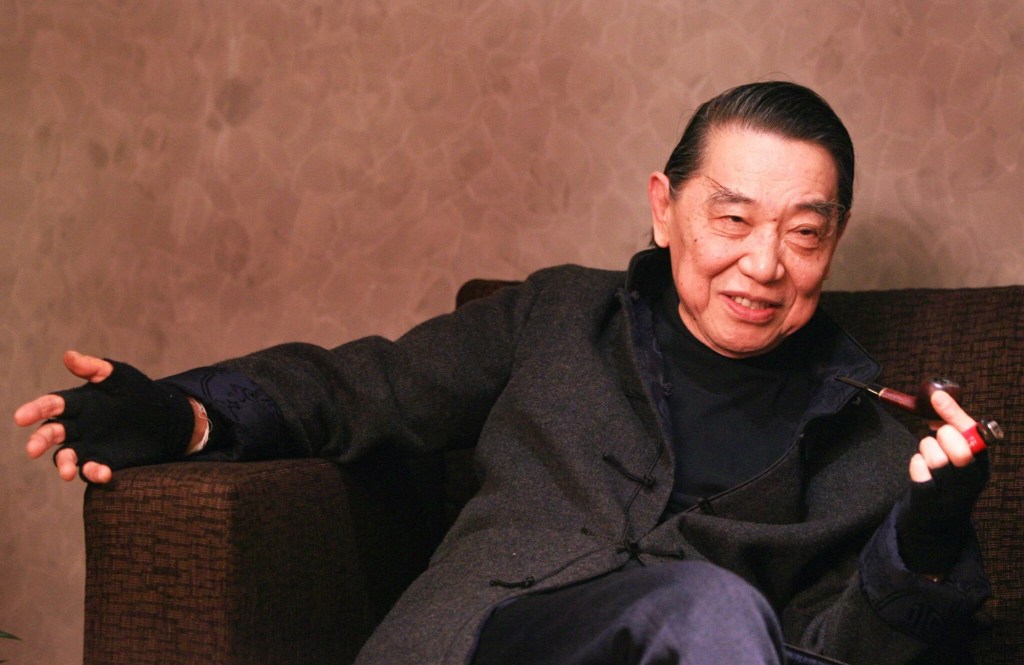
‘ I imagine this is how Chopin would have played – a marvel’ Herman Hesse
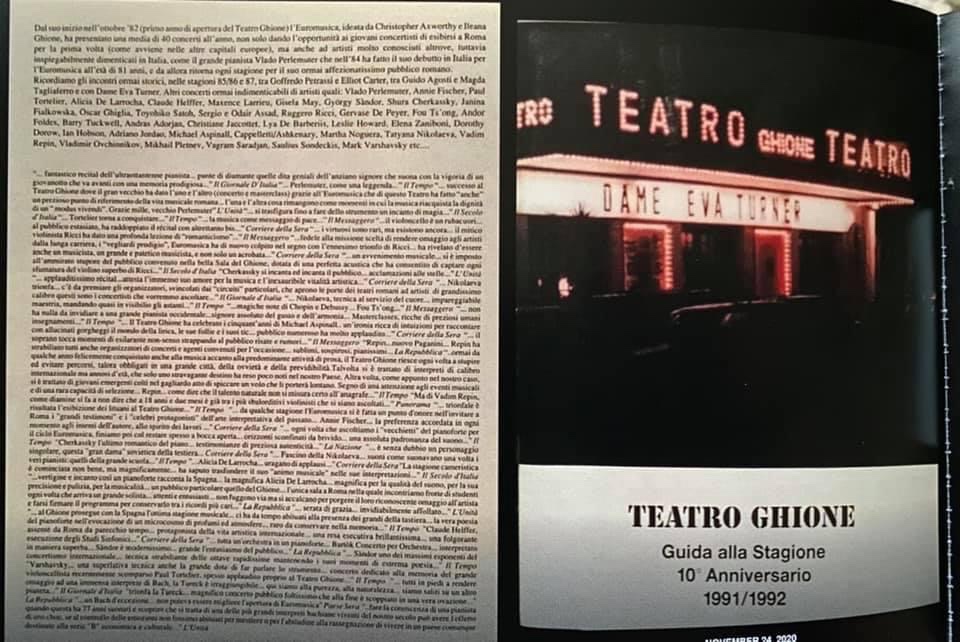
These were the words to describe Fou Ts’ongs playing of Chopin and it was a privilege for me to be able to invite him to Rome to the Teatro Ghione year after year not only to give recitals but to share his inspirational gifts with young musicians in the masterclasses that he held there too.
Roberto Prosseda pays tribute to the genius of Chopin and the inspirational figure of Fou Ts’ong
Francois Dumont remembering the genius of Fou Ts’ong at the Razumovsky Academy

 ChristopherAxworthy-MusicCommentary