SAMSON TSOY: BEETHOVEN’S LAST THREE SONATAS – Mastery and restless conviction reaching for the skies with Fidelian courage
July 17, 2024 6:30 PM
The last three sonatas are the summary of Beethoven’s late style at the keyboard. Written with the idea of a coherent set of works, they speak to listeners of all times and age and they are a spectacular example of synthesis and richness of details.
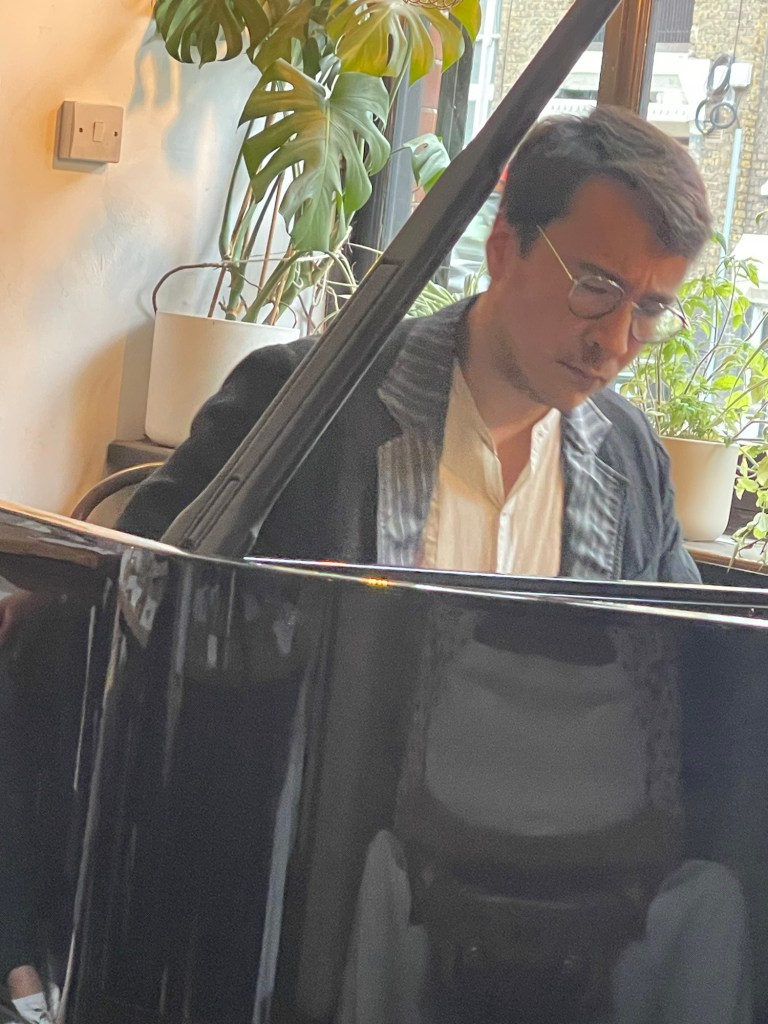
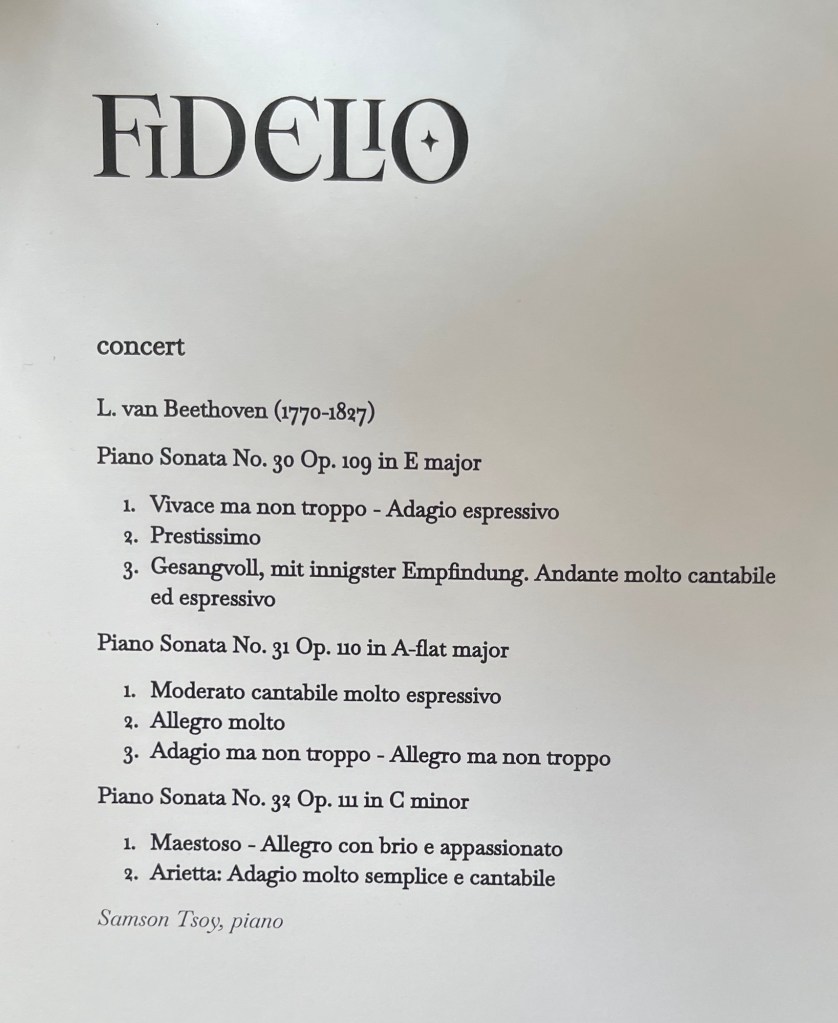
Samson Tsoy brings Beethoven to Fidelio.
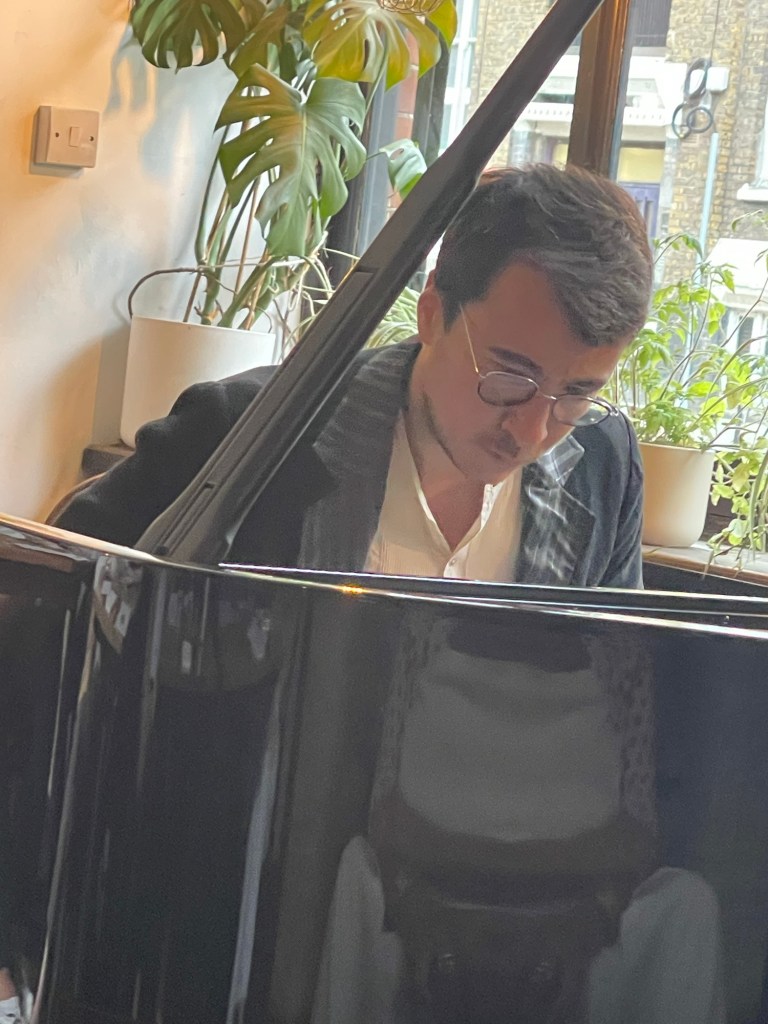
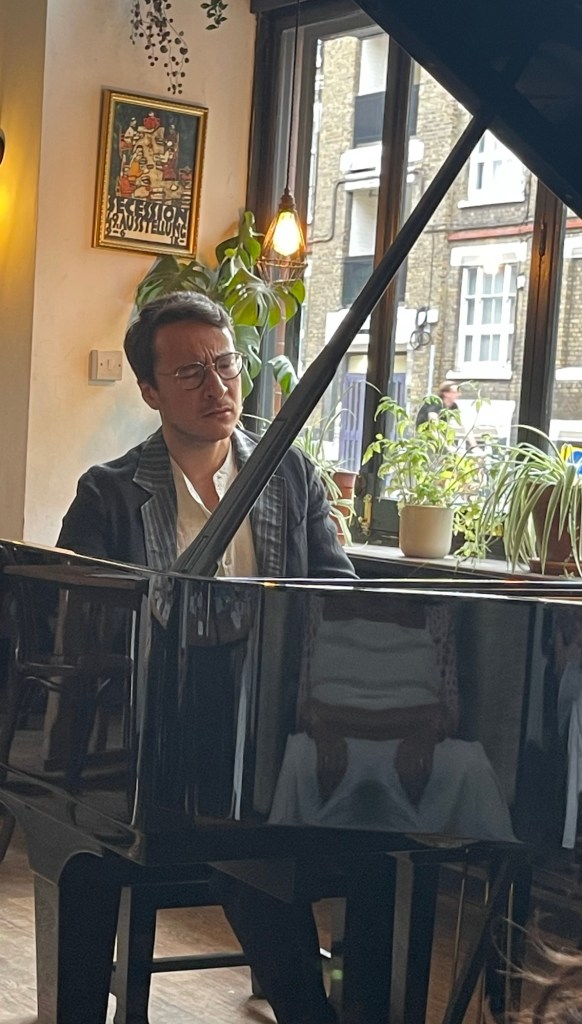
The Trilogy played with mastery and the unrelenting conviction that I have not heard since Serkin.
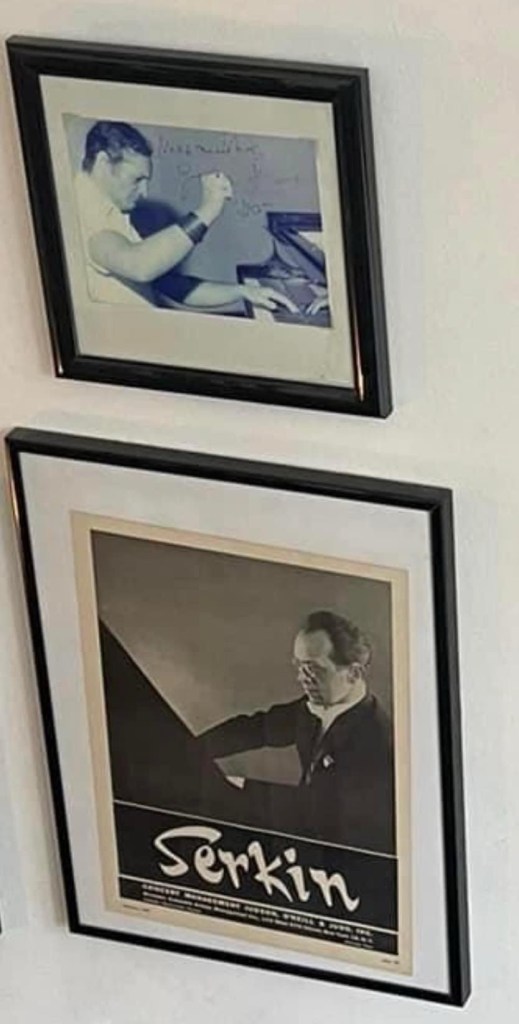
A driving force that united these three last sonatas with the irascible temperament of a tormented soul reaching out to the paradise that only he could envisage awaiting on the horizon.
A remarkable performance in the four day residency that he and Pavel Kolesnikov are sharing over the next days.

On the menu some of the greatest works ever written for the keyboard with the Goldberg Variations,the Beethoven trilogy and Schubert four hands.
Masterpieces played by partners in music and in life as they allow their music making to resound around this warm intimate atmosphere.
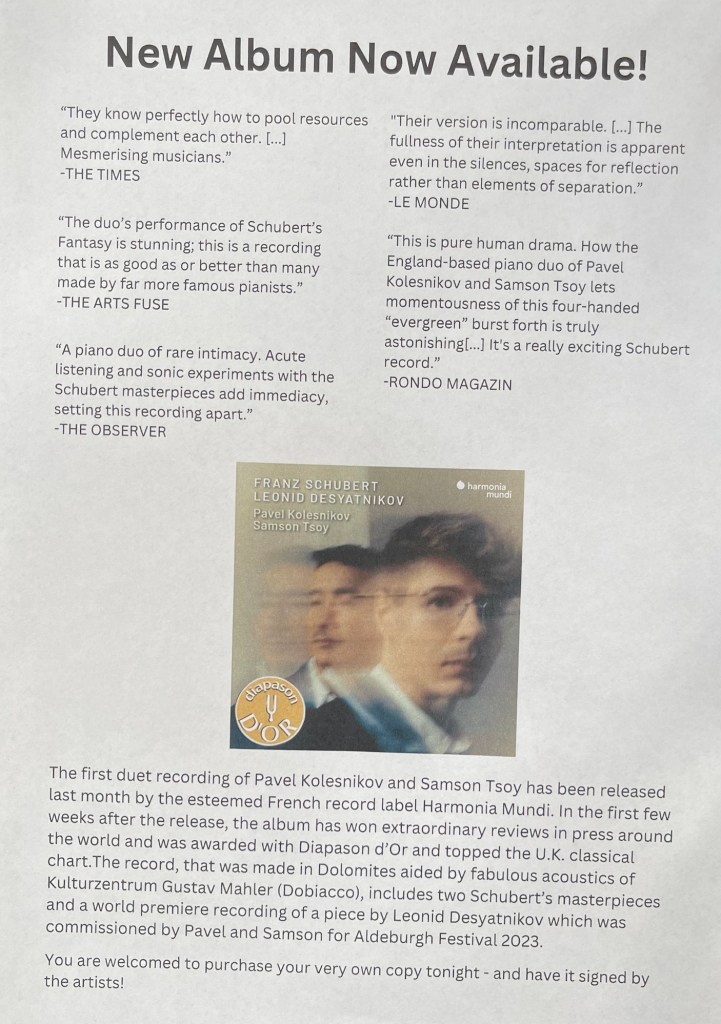
Pavel Kolesnikov and Samson Tsoy triumph with The Rite of Spring.Inspired playing of astonishing clarity and insight

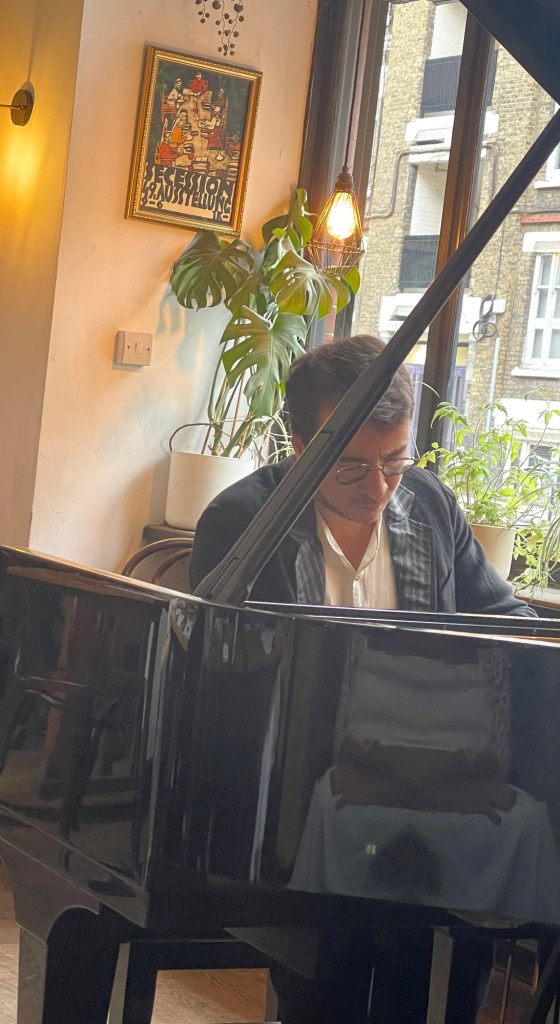
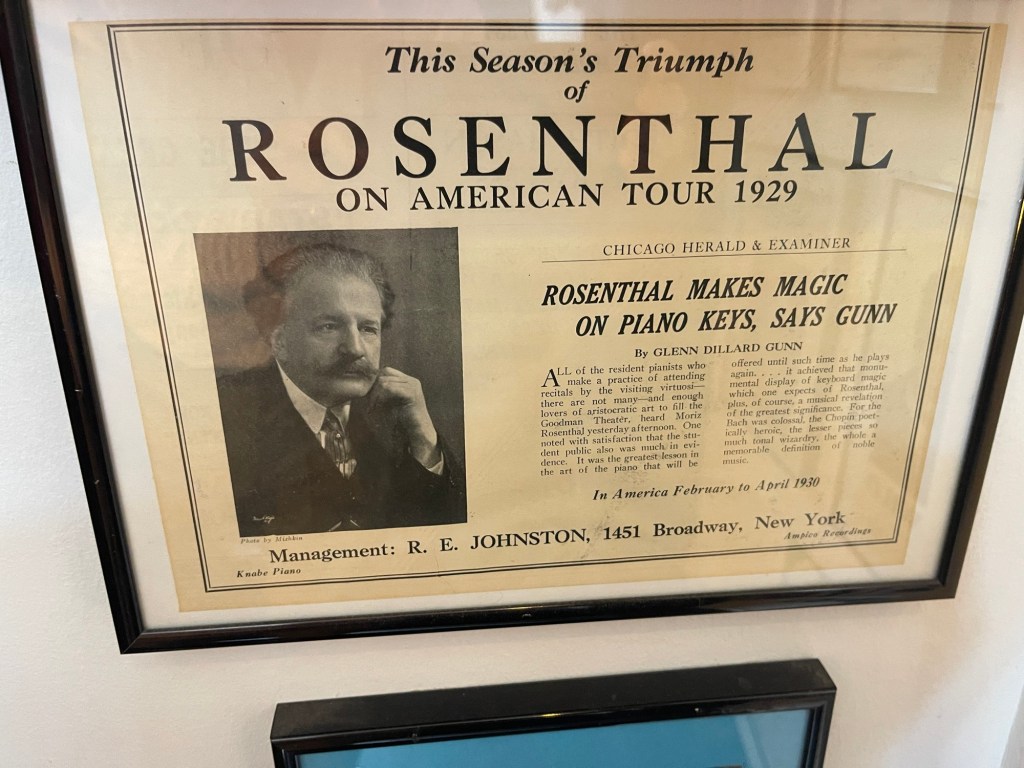
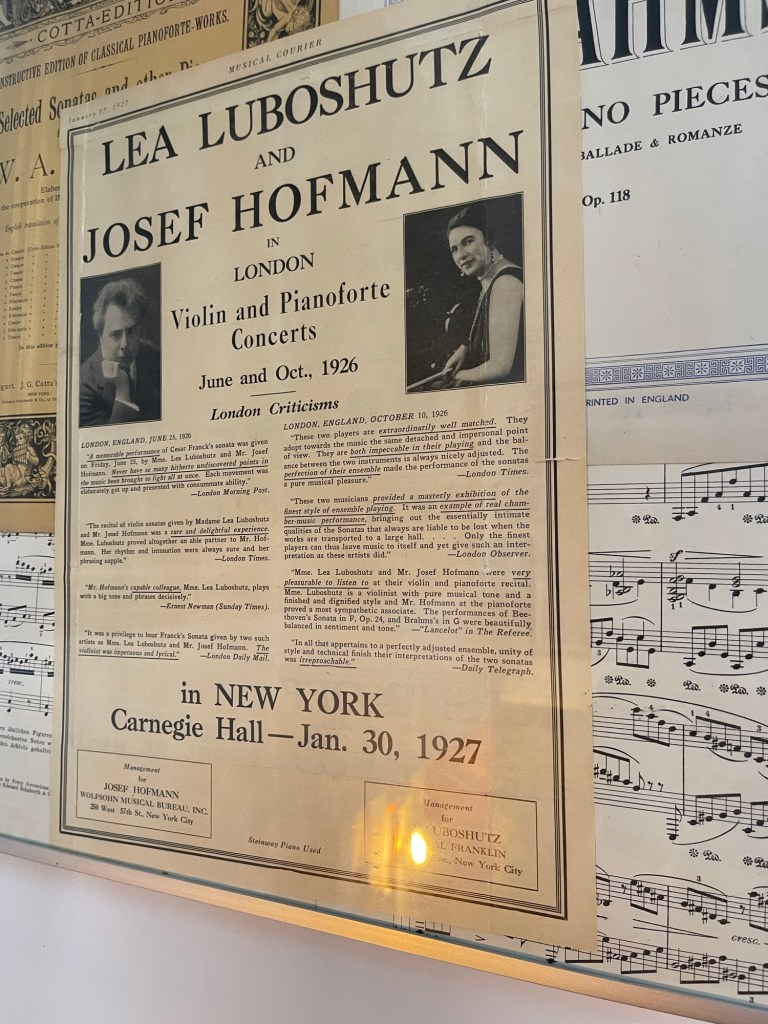
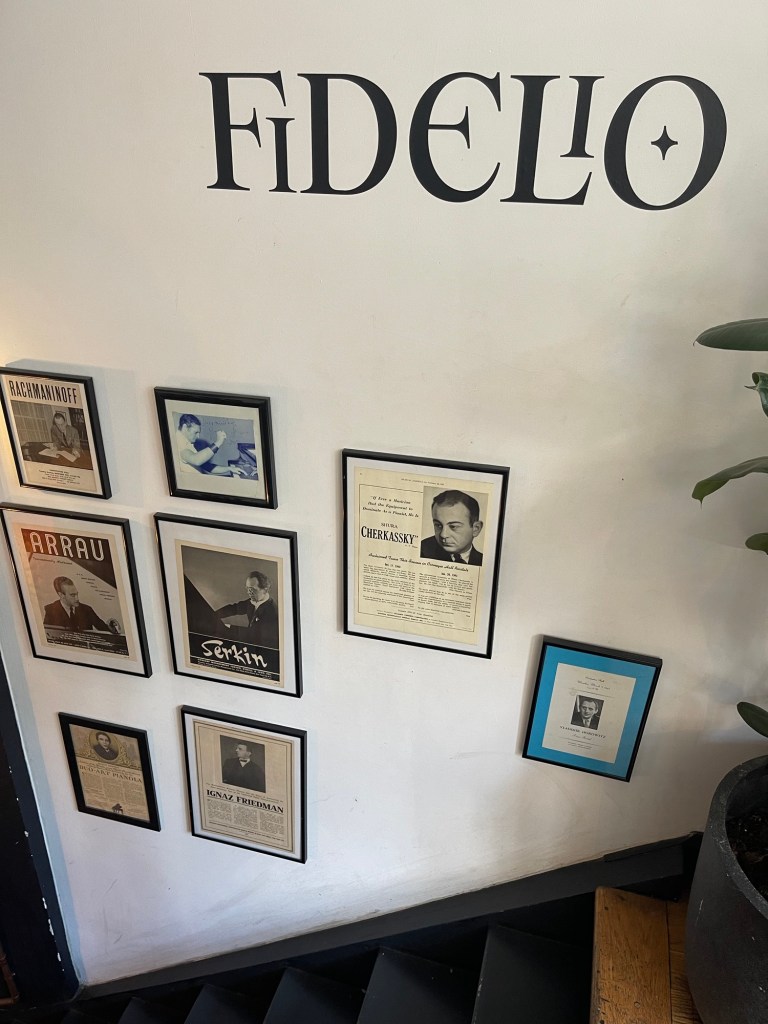
Raffaello Morales ,the conductor,has created in the Italian quarter of the city a venue that exudes his love of music and with refined good taste has adorned every angle of this ‘musical bistro’ with original programmes of some of legendary pianists of the past.
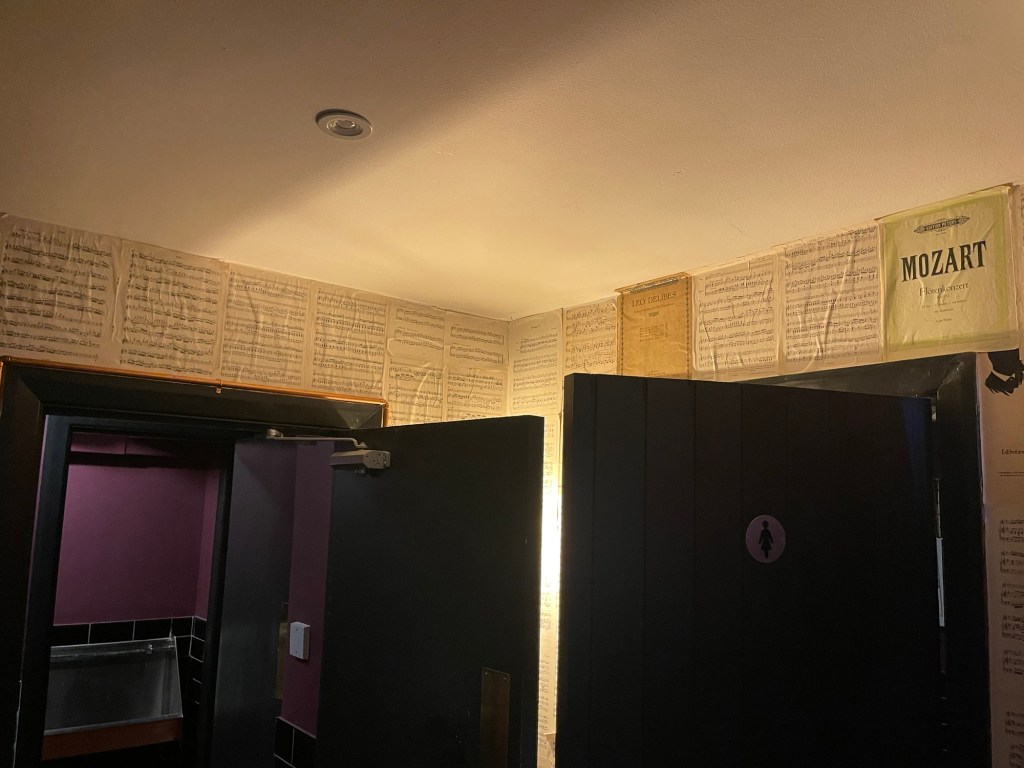
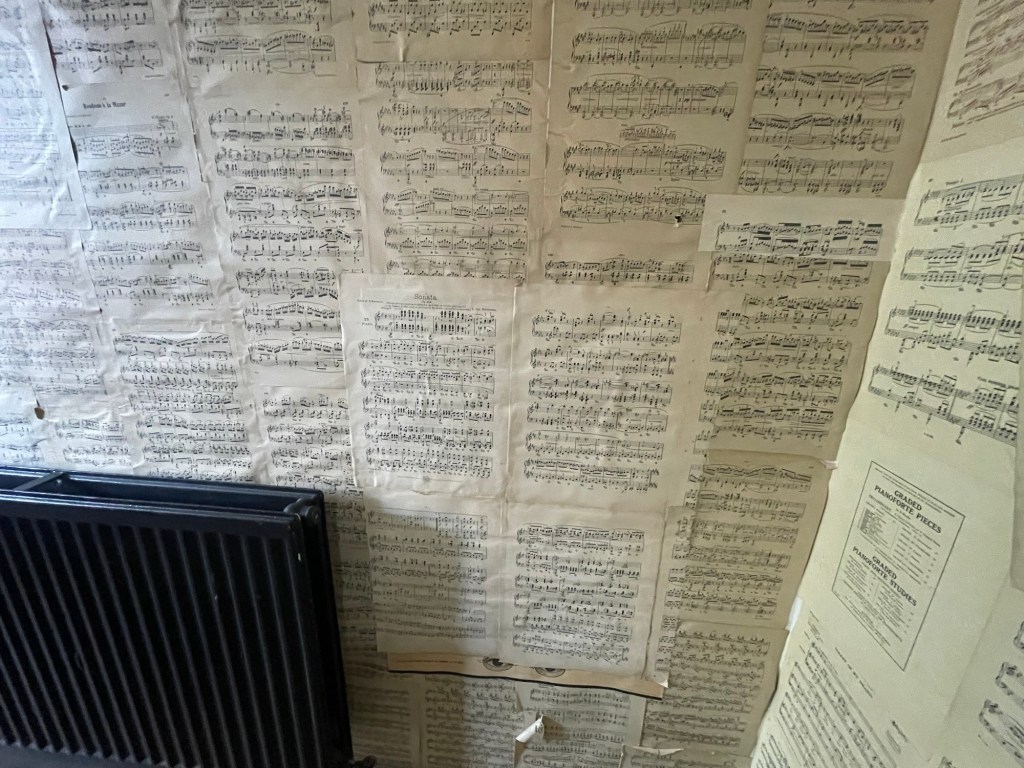
Not content to stop there he has covered parts of the walls with musical scores of works such as Carnaval or the Hammerklavier.
Wherever you look there are objects which exude his passion for music.

Angela Hewitt plays Bach and Brahms with the Fidelio Orchestra of Raffaello Morales
Presenting the concert with quite considerable insights he was later to be seen supervising every detail of the culinary feast that was to follow the musical one.
Cherkassky has pride of place on the wall at Fidelio and he was quoted as saying in Le Monde de la Musique when asked about his playing : ( he too hated talking about music – musicians yes , gossip in particular, but never making himself self conscious about his music making )
‘Je sens – Je Joue- Je transmets’ .
Performers are the servants of the composer as we heard today.
‘Bon appetit‘





POINT AND COUNTERPOINT – thoughts on the Trilogy
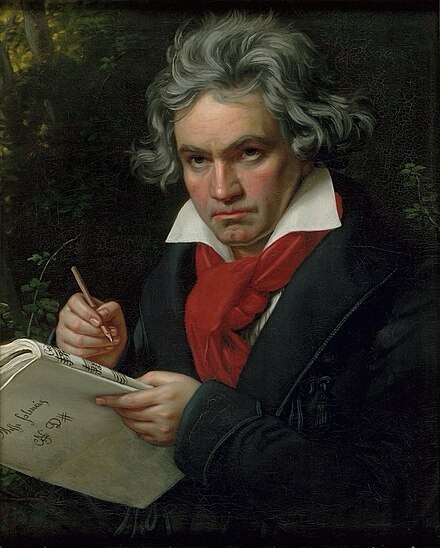
17 December 1770 Bonn 26 March 1827 (aged 56) Vienna

Dedicated to Maximiliane Brentano, the daughter of Beethoven’s long-standing friend Antonie Brentano
https://youtu.be/1jLT7rD-K-c?feature=shared

In the summer of 1819, Adolf Martin Schlesinger , from the Schlesinger firm of music publishers based in Berlin sent his son Maurice to meet Beethoven to form business relations with the composer.The two met in Modling, where Maurice left a favourable impression on the composer.After some negotiation by letter, the elder Schlesinger offered to purchase three piano sonatas for 90 ducats in April 1820, though Beethoven had originally asked for 120 ducats. In May 1820, Beethoven agreed, and he undertook to deliver the sonatas within three months. These three sonatas are the ones now known as Op. 109 ,110, and 111 , the last of Beethoven’s piano sonatas.
https://youtu.be/_ELxpwNuTio?feature=shared
The composer was prevented from completing the promised sonatas on schedule by several factors, including his work on the Missa solemnis (Op. 123), rheumatic attacks in the winter of 1820, and a bout of jaundice in the summer of 1821.Work on Op. 109 can be traced back to early in 1820, even before Beethoven’s negotiations with Schlesinger . Recent research suggests that Friedrich Starke had asked Beethoven for a composition for his piano anthology The Vienna Pianoforte School, and that Beethoven had interrupted work on the Missa Solemnis . In the end, though, he offered Starke numbers 7–11 of the Bagatelles op 119 .The first pianists to undertake bringing Beethoven’s last sonatas to public attention were Franz Liszt , who regularly included them in his programs between 1830 and 1840,and Hans von Bulow who even included several of the late sonatas in one evening.Arabella Goddard is credited as having been the first pianist to program all of Beethoven’s late sonatas in a single concert series.The Sonata op 111 along with Beethoven’s Diabelli Variations op 120 ( 1823) and his two collections of bagatelles — op 119 ( 1822) and op 126 (1823) was one of Beethoven’s last compositions for piano. Nearly ignored by contemporaries, it was not until the second half of the 19th century that it found its way into the repertoire of most leading pianists.
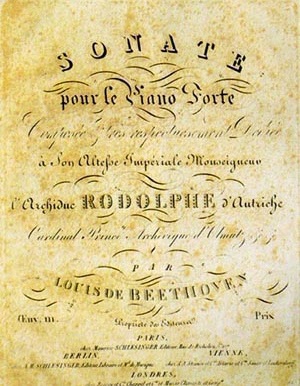
Beethoven’s last sonata op 111 was written between 1821 and 1822.
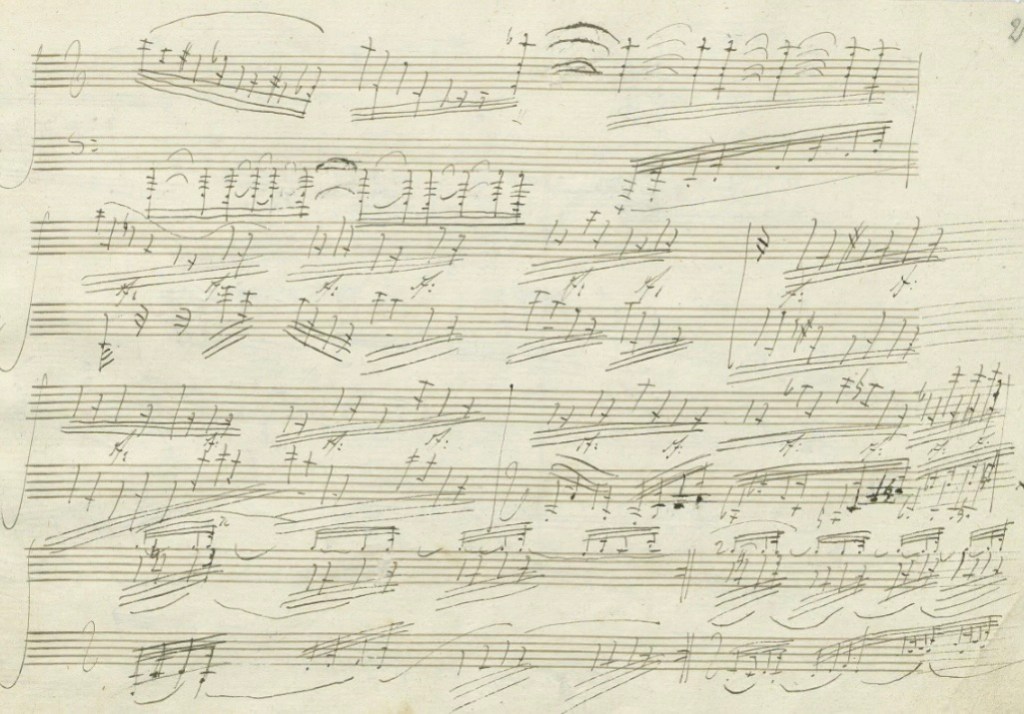
It was dedicated to his friend, pupil, and patron, Archduke Rudolf and consists of only two contrasting movements . The second movement is marked as an arietta with variations that Thomas Mann called “farewell to the sonata form”.Together with Beethoven’s The Diabelli Variations op.120(1823) and his two collections of bagatelles op 119 (1822) and op 126 (1823) the sonata was one of Beethoven’s last compositions for piano. Nearly ignored by contemporaries, it was not until the second half of the 19th century that it found its way into the repertoire of most leading pianists..Beethoven conceived of the plan for his final three piano sonatas (op 109.110 and 111 )during the summer of 1820, while he worked on his Missa solemnis. Although the work was only seriously outlined by 1819, the famous first theme of the allegro ed appassionato was found in a draft book dating from 1801 to 1802, contemporary to his Second Symphony .Moreover, the study of these draft books implies that Beethoven initially had plans for a sonata in three movements, quite different from that which we know: it is only thereafter that the initial theme of the first movement became that of the string Quartet n.13 , and that what should have been used as the theme with the adagio—a slow melody in A flat – was abandoned. Only the motif planned for the third movement, the famous theme mentioned above, was preserved to become that of the first movement. The Arietta, too, offers a considerable amount of research on its themes; the drafts found for this movement seem to indicate that as the second movement took form, Beethoven gave up the idea of a third movement, the sonata finally appearing to him as ideal.

There is also an amusing and revealing story relating to having a ‘cuppa’ after such a monumental chore as the Beethoven Trilogy.I had been intrigued one day to see the final concert in a complete Beethoven Sonata Cycle completely sold out at one of the major concert halls in London.Intrigued to see that the final trilogy would be performed twice by the same pianist on the same day with only time for a quick cup of tea between performances.I listened to the first performance that was relayed on the radio and was able to follow the score with a glass of wine in hand and an easily accessible on/off button on the radio.I was bowled over by a performance where every detail of the score was played to perfection.Needless to say neither the radio or the wine were even contemplated in an hour of extraordinary music making.A renowned critic who had found a ticket for the second performance was equally bowled over but his reaction was surprising as it was revealing .’Well,Chris,it was a quite extraordinary performance.I remember though hearing Claudio Arrau playing the trilogy in the Festival Hall.At the end of the performance not only he was exhausted but the audience was too.There was no way that he could have had a quick cup of tea and done it all over again!’Make of it what you will but I will never forget Serkin too literally shaking at the end of the Hammerklavier or the Diabelli Variations.It is a spiritual journey that carries on long after the last note has sounded.I remember Mitsuko Uchida too pointing out to an audience member that she did not want to be photographed or recorded because a concert should remain in the memory as a wonderful experience and not just a thing printed on a sterile page.I think all those present yesterday too were exhilarated and exhausted judging by the moments of moving collective silence that we shared together at the end of op.111.Awaiting the refined dinner that our genial host had programmed as suitable fare for Late Beethoven !

This is a recently made master of op 111 https://drive.google.com/file/d/1zdb2qjgWnA3HyPph_6FxnxjLHy7APc_f/view?usp=drive_web
https://christopheraxworthymusiccommentary.com/2024/01/03/forli-pays-homage-to-guido-agosti/

In the summer of 1819, Adolf Martin Schlesinger from the Schlesinger firm of music publishers based in Berlin sent his son Maurice to meet Beethoven to form business relations with the composer.The two met in Modling,where Maurice left a favourable impression on the composer.After some negotiation by letter, the elder Schlesinger offered to purchase three piano sonatas for 90 ducats in April 1820, though Beethoven had originally asked for 120 ducats. In May 1820, Beethoven agreed, and he undertook to deliver the sonatas within three months. These three sonatas are the ones now known as Op. 109,110, and 111 the last of Beethoven’s piano
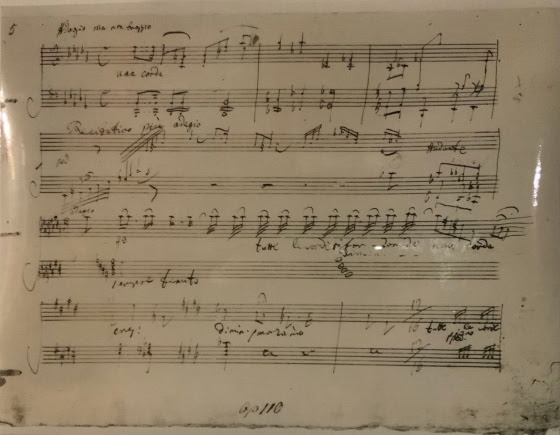
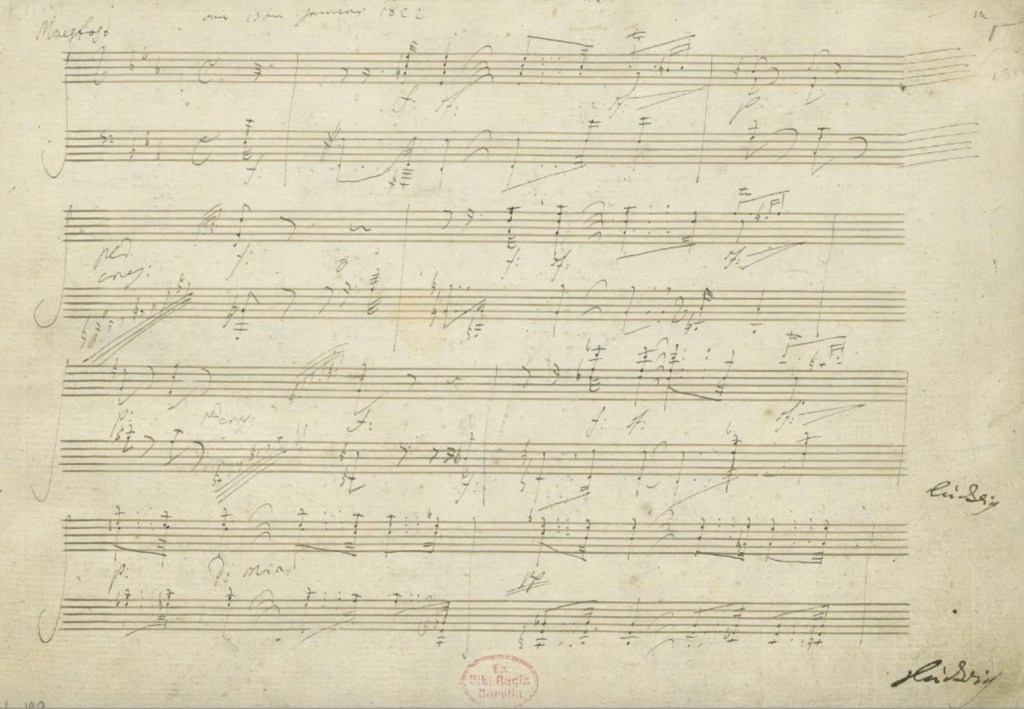
Beethoven’s own markings with the ‘bebung‘ or vibrated notes in the Adagio of op.110
The composer was prevented from completing the promised sonatas on schedule by several factors, including his work on the Missa solemnis (Op. 123),rheumatic attacks in the winter of 1820, and a bout of jaundice in the summer of 1821.Op. 110 “did not begin to take shape” until the latter half of 1821.Although Op. 109 was published by Schlesinger in November 1821, correspondence shows that Op. 110 was still not ready by the middle of December 1821. The sonata’s completed autograph score bears the date 25 December 1821, but Beethoven continued to revise the last movement and did not finish until early 1822.The copyist’s score was presumably delivered to Schlesinger around this time, since Beethoven received a payment of 30 ducats for the sonata in January 1822.
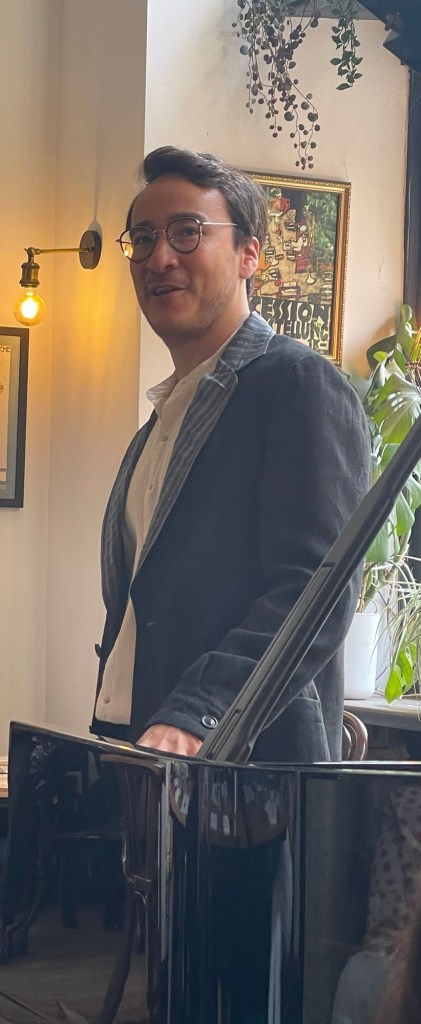
Samson Tsoy – A poet speaks at the Wigmore Hall and a star is born
 ChristopherAxworthy-MusicCommentary
Una risposta a "Samson Tsoy: Mastery and restless conviction reaching for the skies with Fidelian courage"