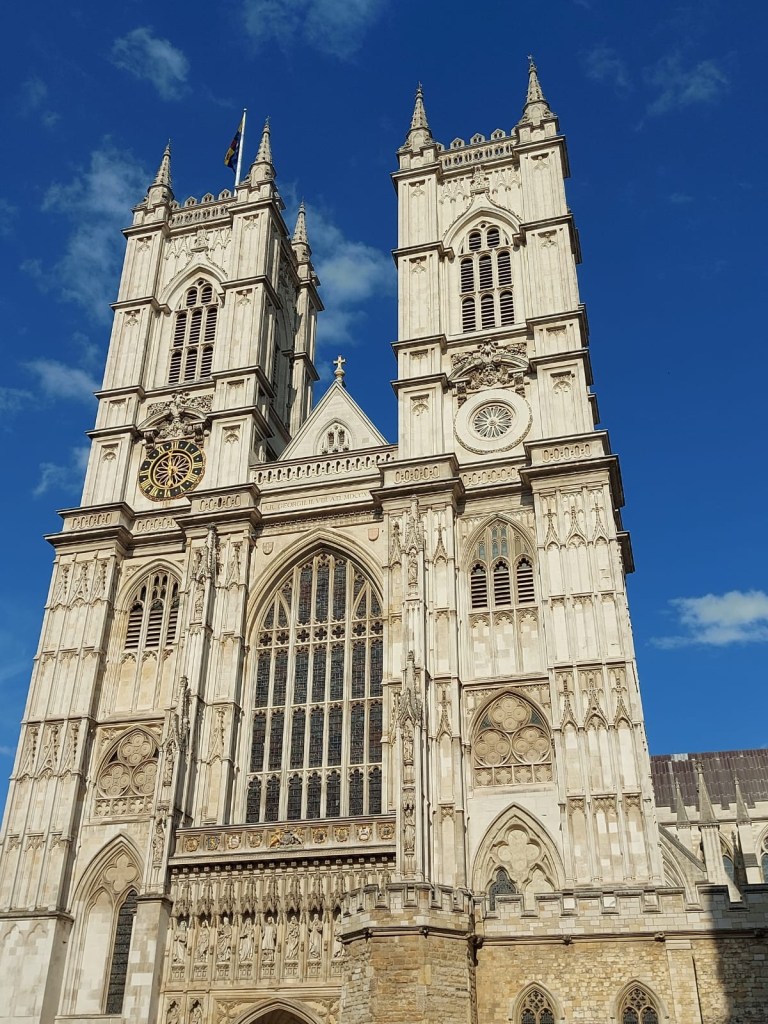
Widor Symphony No. 6, 1st movement
Bach Fantasia in C minor, BWV 562
Schumann Studien für den Pedalflügel: IV. Innig, V. Nicht zu schnel
Thierry Escaich Poèmes pour orgue: III. Vers l’esperance
Sunday 14 July 2024, 5.00pm
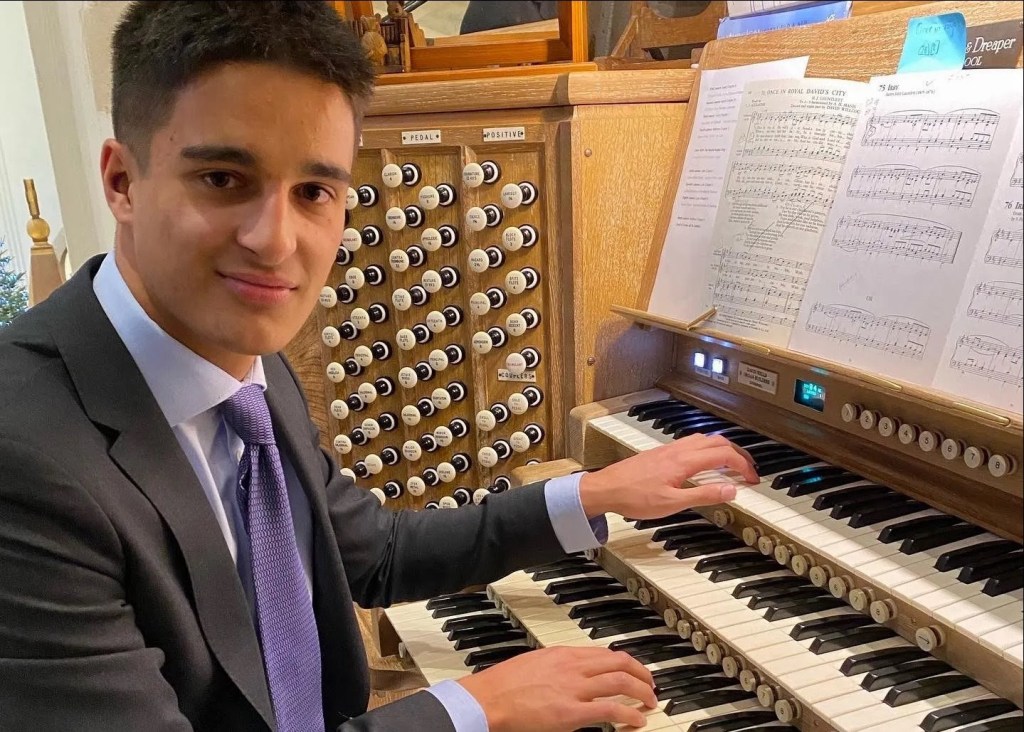
The Keyboard Trust at Westminster Abbey presenting
Timothy Stewart .
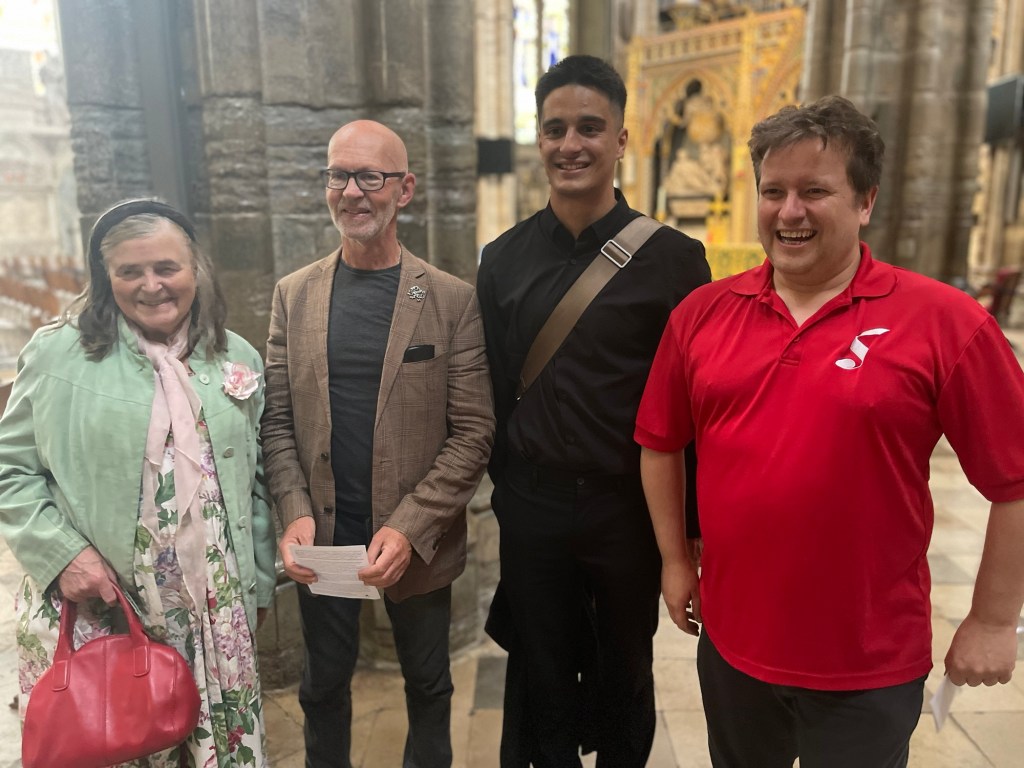
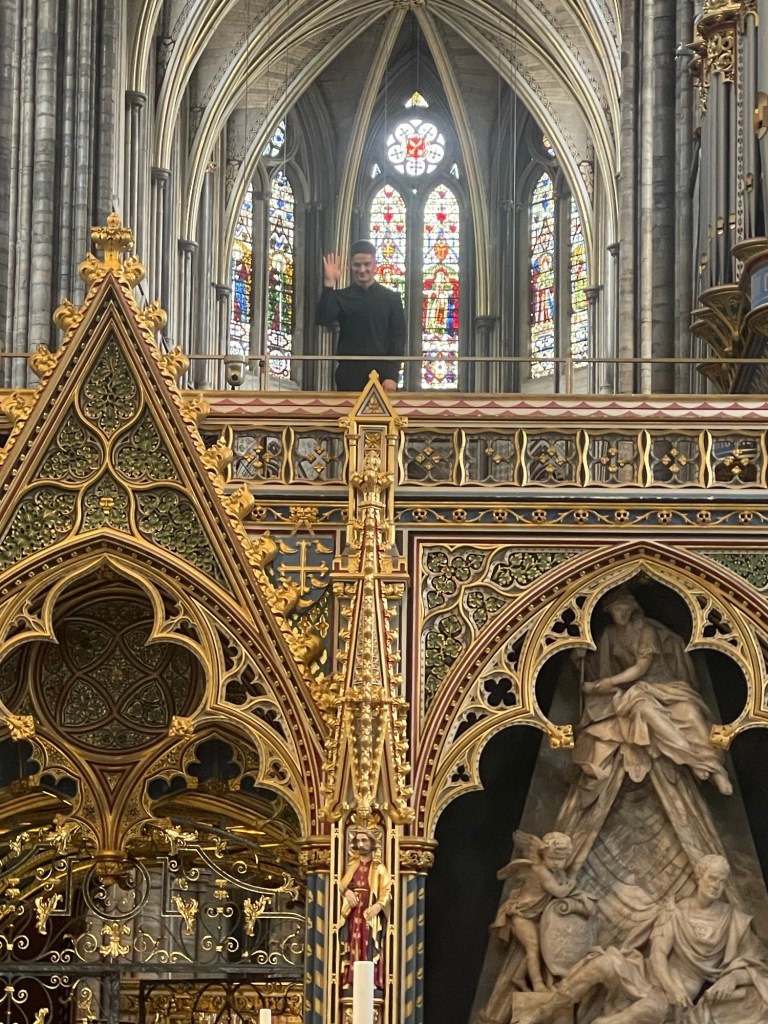
A child prodigy in Guildford and now at the Royal Birmingham Conservatory under the enthusiastic guide of Daniel Moult .At only 20 having won many prestigious prizes with many important recitals under his belt ,today he reached the ultimate goal of all organists to play the mighty organ of Westminster Cathedral .
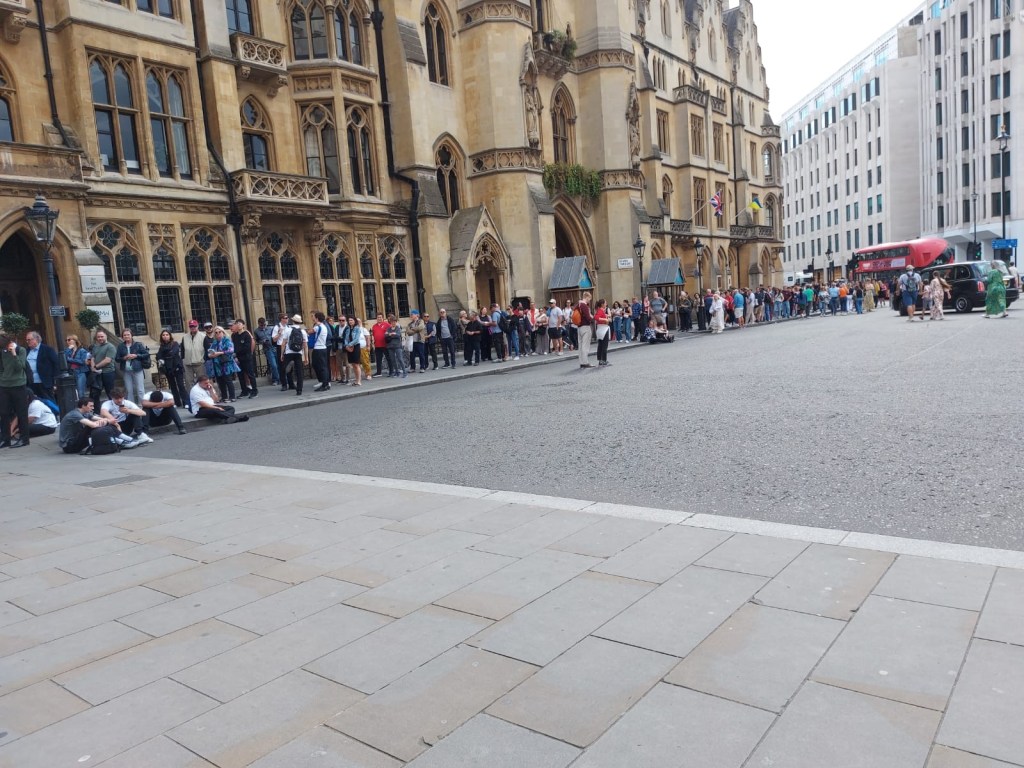
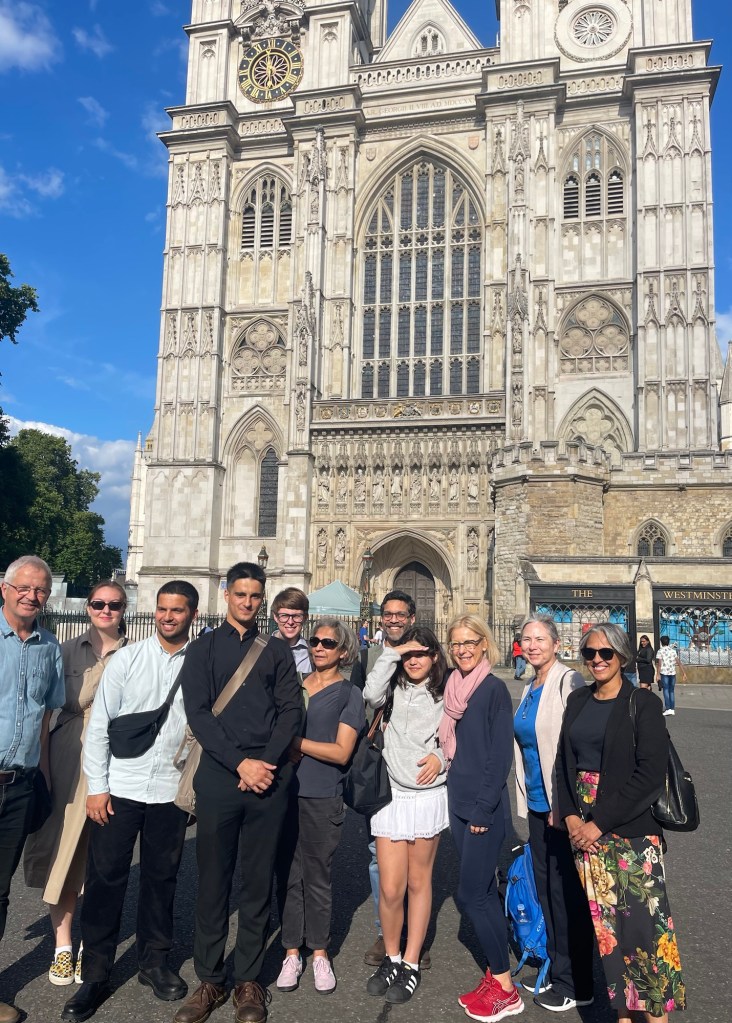
A queue all down the road for a public that filled this vast historic edifice just as Timothy was to fill it with the noblest sounds from such a mighty instrument.
The ping of the tennis ball all but forgotten as many in the queue were watching the closing moments of Wimbledon Men’s Final before being truly overwhelmed by the artistry of this young musician.
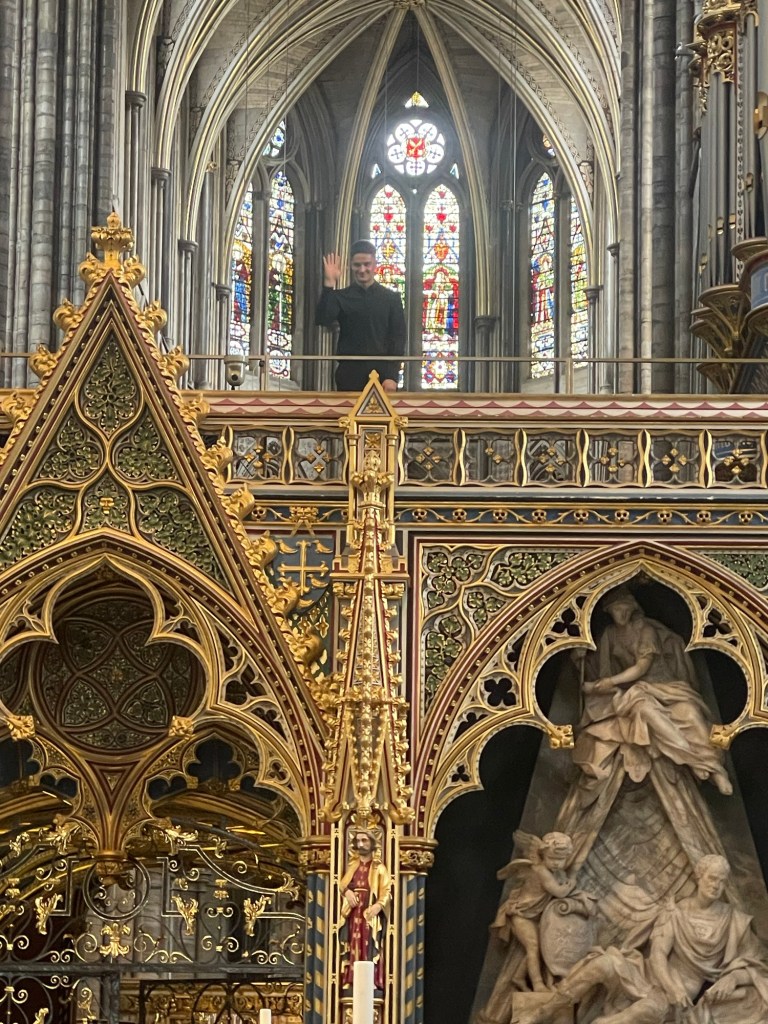
The enormous sonorities of Widor were complemented by the knotty twine of Bach.
There was grace and charm too with two of Schumann’s Pedal Piano Studies op 56.
Finally the wake up call of ‘Vers l’espérance’ from the organ Poèmes of the contemporary Thierry Escaich .
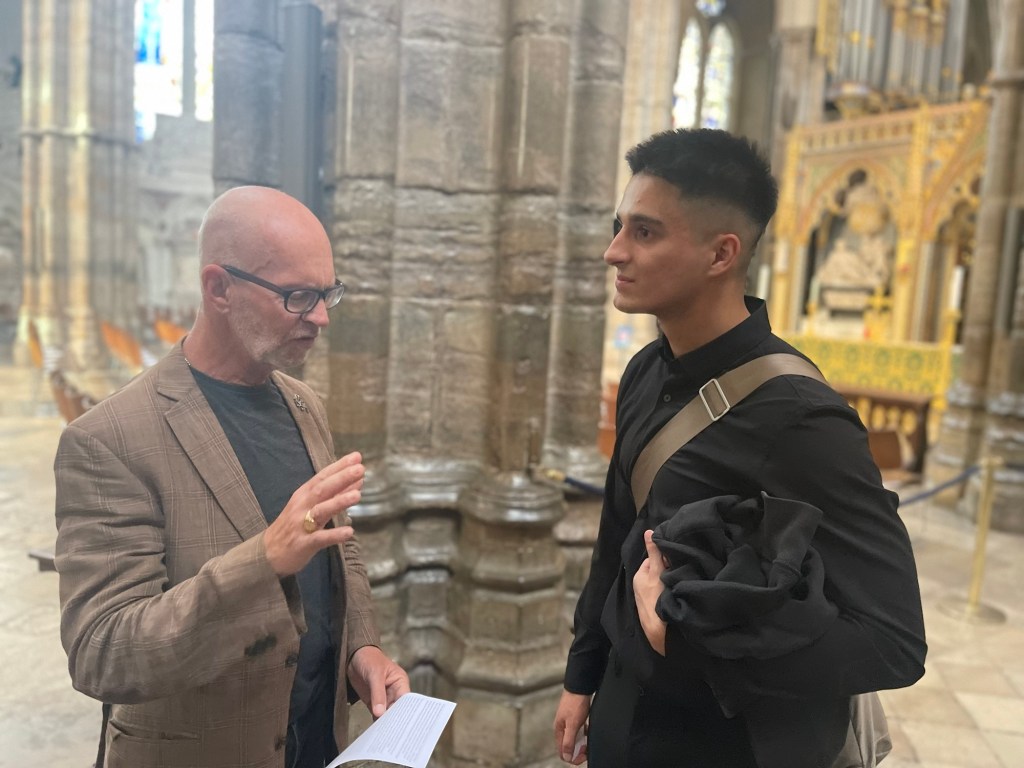
An ovation for this young man who when asked how he found the experience simply replied :’ A dream come true ‘
Dreaming of the ‘ match’ tonight …….could it be a Spanish Inquisition !
Bruce Liu playing as the players go on to the pitch but he will actually be in London with kick off at the Wigmore at the same time as in Berlin.
He is currently in his first year at the Royal Birmingham Conservatoire after having been awarded the DMC McDonald Foundation Scholarship Award. At the Conservatoire, he is studying for a BMus in Organ Performance under Daniel Moult and Nicholas Wearne as well as receiving regular tuition from visiting tutors such as Martin Schmeding, Erwan le Prado and Nathan Laube. Alongside his studies, he holds the post of Organ Scholar at Birmingham Cathedral (St Philip’s) where he assists the Organist and Assistant Organist in the daily music-making of the Cathedral.
Timothy has enjoyed recent competition success after being awarded First Prize at both the London Organ Competition held in St Clement Danes Church, London (2023), and the Leonard Gibbons Organ Competition which was held at St Chad’s Cathedral, Birmingham (2024) and Second Prize at the Kent Organ Competition (2024). In addition, he was a finalist in the Dame Gillian Weir Messiaen Competition (2024). He is active as a recitalist, having given recent performances at Portsmouth, and Chichester Cathedrals, Clare College, Cambridge and many other parish churches around the country. He was also invited to play at l’Abbaye Saint-Sauveur in Redon, France (2020). Future performances include recitals at Westminster Abbey and Coventry Cathedral.
Timothy Stewart began his musical training in singing and piano at the age of six. He started organ lessons aged twelve with Gillian Lloyd at the URC in Guildford. As a chorister at Holy Trinity, Guildford under Martin Holford, he was introduced to the organ’s qualities and potential and was also given opportunities to play voluntaries before and after services. He was then appointed to the post of organist at All Saints’ Church, Dummer, Hants and St Giles’, Ashtead whilst also assisting with organ playing at Holy Trinity and URC churches in Guildford. During this time, studying with Katherine Dienes-Williams (Organist and Master of the Choristers at Guildford Cathedral), he achieved distinctions in both grade 8 piano and organ.
Prior to starting his degree, Timothy took a gap year and was the Organ Scholar of Chichester Cathedral. Alongside this position he was the principal accompanist to the choral society ‘Cantemus’, based in Havant.
Westminster Abbey
20 Deans Yard, London SW1P 3PA
Sunday 14 July 2024, 5.00-5.30pm
Review by Angela Ransley :
‘ HIGH ROMANTICISM ……AND THE UNSEEN MASTER ‘
Timothy Stewart at Westminster Abbey
Organ recital programme:
Widor Symphony No. 6, 1st movement
Bach Fantasia in C minor, BWV 562
Schumann Studien für den Pedalflügel: IV. Innig, V. Nicht zu schnell
Thierry Escaich Poèmes pour orgue: III. Vers l’esperance
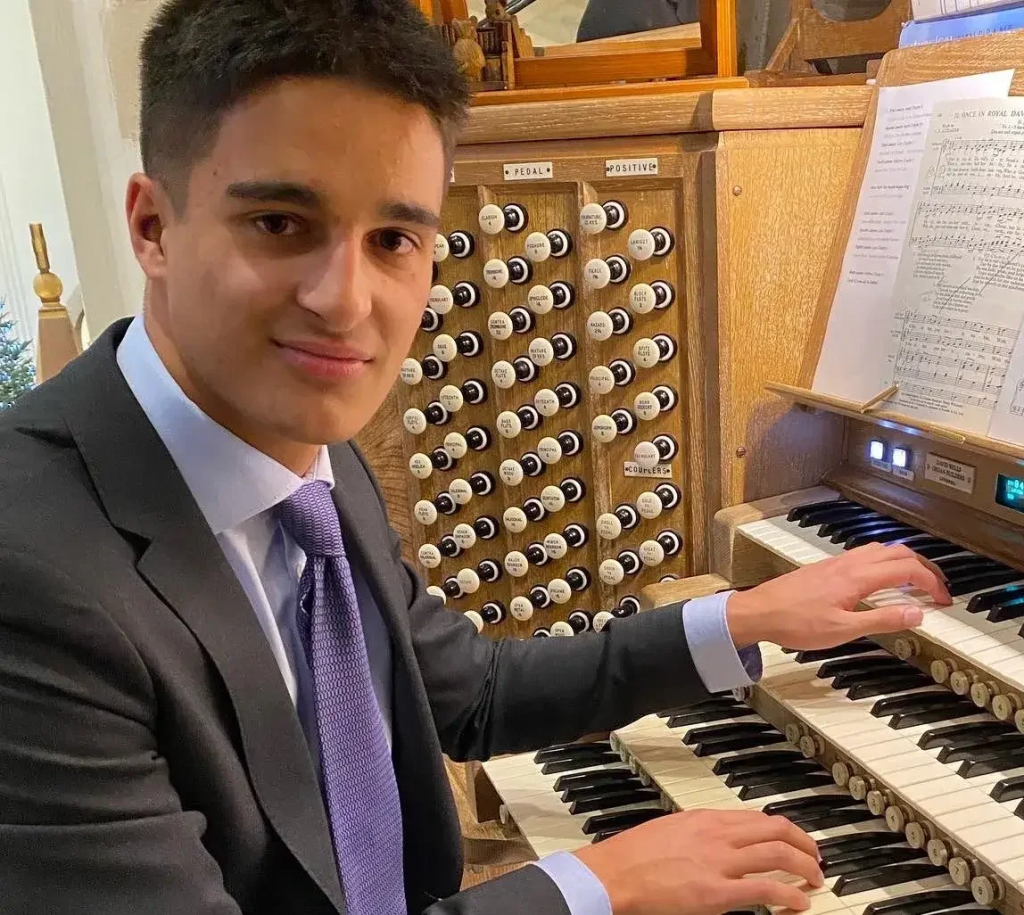
Timothy Stewart
The Westminster Abbey Summer Organ Festival returns once again with its fabulous mix of celebrity recitals and fresh faces on the Young Artists Platform. This year the Keyboard Charitable Trust presented 20-year-old TIMOTHY STEWART a first year student from the Royal Birmingham Conservatoire. Music has been his life since the age of 6: a full account of his progess can be found below.
The Westminster Abbey organ is a majestic instrument of five manuals and 94 stops offering a complex range of solo and combined registration. The recital opened grandly with the first movement of Widor’s Symphonie in G minor Op 42 no 2, first performed in 1876. This is one of ten such works which now form the backbone of the organ repertoire. They were called Symphonie because new organ-building techniques by French organ builder Aristide Cavaille-Coll extended the colour palette of the organ and created a warmer sound. Organists now refer to this type of instrument as Romantic or symphonic, hence Widor’s title.
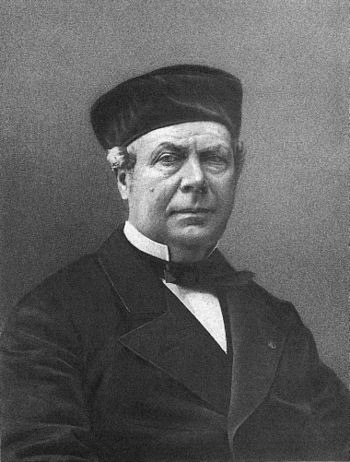
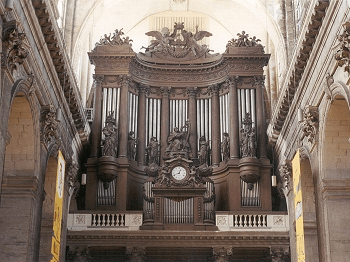
Aristide played a vital role in Widor’s early life, being a friend of the family. He arranged his early tuition in Brussels and then supported his temporary appointment to Saint-Sulpice in Paris which lasted a mere 63 years! Aristide had installed one of his finest instruments there, which prompted a novel response from Widor: this organ demands new music, a new way of writing..Widor combined this post with teaching organ at the Paris Conservatoire before suceeding Dubois as professor of composition.
Both Widor’s prowess as a performing artist and mastery of compositional technique are found in this movement. Forceful chords announce the opening and also the central idea on which the movement is based. The organ has the unique ability to sing at every level and the main motive is used adventurously by Widor throughout the entire range of the instrument. Although marked Allegro, the organist needs to consider the Abbey’s acoustic. Timothywisely opted for a spacious tempo allowing appreciation of the musical detail. Registration was well chosen, with bright reeds lending clarity to the main theme, and darker colours enhancing the sinuous interludes.
The Fantasia in C minor BWV 562 by JS Bach (1685-1750) is an early work dating from his period of service to the Duke of Weimar 1708-17. Its austere, tearful character derives from the long pedal notes extending over many bars and the falling, sighing phrase often associated with mourning: the final chorus of St Matthew Passion comes to mind. It obviously had a special meaning for Bach as he returned to it near the end of his life to add a Fugue, which he never completed. This is consummate counterpoint with the falling phrase hardly absent from the five moving parts. A flurry of semiquavers brings the comfort of a major key – a signature ending for Bach.
The composer leaves us the notes. It is for the artist to make sense of them. Timothy gave us an impassioned account at a surprisingly high dynamic level, which emphasised the architecture of the contrapuntal writing. Solo stops were carefully chosen to emphasise new entries without disrupting the flow.

Weimar in the time of J S Bach
If you pass near a church and you hear the organ playing, go inside and listen.. Never waste an opportunity to practise the organ: there is no other instrument able so swiftly to dispense with all that is impure and imprecise, both in the music itself and in the manner of playing it.
(Rules of House and Life 1850 – Robert Schumann).
Celebrated for his piano works and lieder, it should not be forgotten that Schumann (1810 – 1856) also wrote masterly works for the organ. Two pieces followed from 6 Canonic Studies Op 56: Innig and Nicht zu schnell. Keyboard instruments with a pedalboard existed long before the pedalier, for which these pieces were written, enabling organists to practice at home rather than in a freezing church. Bach owned a pedal harpsichord and Mozart had a pedal fortepiano. Schumann had a pedal piano made in 1843 and his enthusiam for it led to much composition.They were dedicated to his first piano teacher who predicted that Schumann would attain to fame and immortality and that in him the world would possess one if its greatest musicians. These works are now performed on the pipe organ.
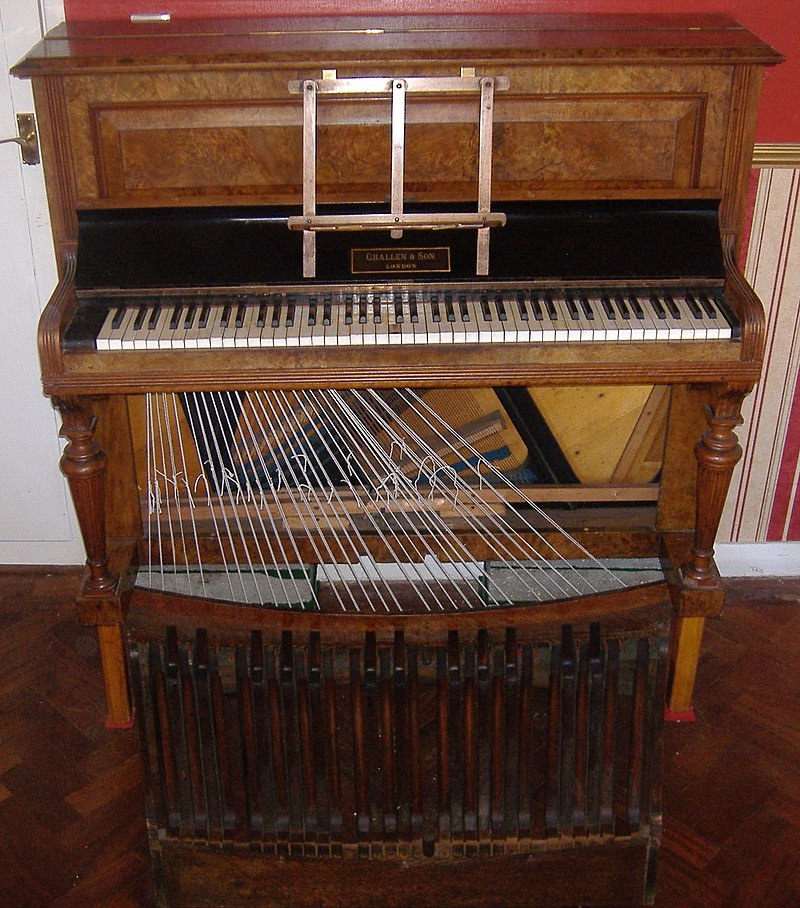
Innig opens with a heart-stopping melody of rare beauty worthy of his greatest love songs. Despite th technical challenge of writing in canon, the expressive quality is always paramount. By contrast, Nicht zu schnell employs a texture of light chords to create a musical romp. In this work we see a different side of Schumann: one, who – unaided – had found his way to Bach when the popular view was that of an outdated contrapuntist. These are character pieces and Timothy found convincingly the individual nature of each. Innig could possibly have been indulged more: a little slower with greater elasticity within the phrase. Nicht zu schnell was delightfully crisp and clear – and huge fun!
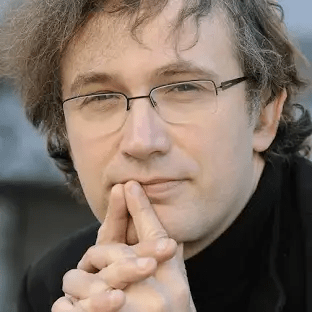
Thierry Escaich (1965-) is a French organist, composer, teacher and improviser much in demand on the international stage. He is a worthy successor to the celebrated organist-composers of the late Romantic: Liszt, Franck, Saint-Saens, holding a senior church post in Paris and teaching at the Paris Conservatoire. He was appointed Organist at Notre-Dame when it reopened in 2024.
He has written over 100 works for a wide variety of forces and particularly for his own instrument.
Vers l’Esperance, the final piece in Timothy’s recital, comes from Poemes pour orgue, composed in 2002. Its subject is highly Romantic, portraying in Escaich’s own words: a frightening flight from death and the hope of something beyond. It was inspired by Tunisian poet Suied:
Qu’est-ce qui nous traque Who is stalking us
et nous tord And twists us
et se joue de nous And plays with us
derrière nos masques? Behind our masks?
Qu’est-ce qui souffre What is suffering
et se révolte And revolts
au fond de nous malgré nos rêves? Deep inside us despite our dreams?
Qui es-tu, triste Who are you, sad
matière silencieuse? Silent matter?
De quel parage du ciel es-tu, From what part of the sky are you messagere oublieuse, Forgetful messenger
De quelle détresse From what distress
Etu le gouffre indéchiffrable? Are you the undecipherable abyss?
Qu-est-ce qui nous porte et nous appelle Which carries us and calls us
Au-dessus de nous Above ourselves dans l’espérance? Into hope?
Escaich’s music is notable for its forceful rhythms and startling dissonances, allowing the King of Instruments a lion’s roar. What a fitting climax to an ambitious half hour recital! His formidable technique fully engaged, Timothy made full use of the 94 stops to create an dramatic sound image with screaming brass reeds – oboe, trumpet and clarion – confirming the inescapable advance of Death. It was both thrilling and chilling..
Cesar Franck made the famous remark about his new Cavaille-Coll instrument: mon nouvel orgue..c’est un orchestre! (my new organ, it’s an orchestra!) There is no doubt that the symphonic organ led to a more expressive style of writing. Today’s composers – Widor, Schumann, Escaich – all empowered the organ to sing high or low and to employ an amazing range of textures and colours. There is another common thread: all three organists were steeped in the music of JS Bach. Widor’s early training was in his works for organ and he astonished his pupils at the Paris Conservatoire by demanding the same. Schumann made his own way to Bach and honoured his debt by composing 6 Fugues on the name BACH. Escaich modelled his Etudes-Chorals on the chorale preludes. The influence of Bach remains regardless of the intervening years as the Unseen Master, ever ready to guide and inspire.
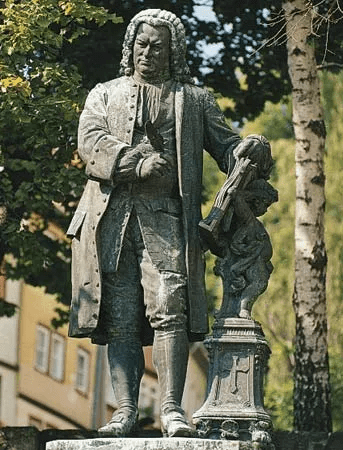
Timothy Stewart began his musical training aged 6 in singing and piano. He started organ lessons aged 12 with Gillian Lloyd at the URC in Guildford. As a chorister at Holy Trinity, Guildford under Martin Holford, he was introduced to the organ’s qualities and potential and was also given opportunities to play voluntary’s before and after services. He was then appointed to the post of organist at All Saints’ Church, Dummer, Hants and St Giles, Ashtead whilst also assisting with organ playing at Holy Trinity and URC churches in Guildford. During this time, studying with Katherine Dienes-Williams (Organist and Master of the Choristers at Guildford Cathedral), he achieved distinctions in both grade 8 piano and organ. Prior to starting his degree, Timothy took a gap year and was the Organ Scholar of Chichester Cathedral and alongside this position he was the principal accompanist to the choral society ‘Cantemus’, based in Havant.
He is currently in his first year at the Royal Birmingham Conservatoire after having been awarded the DMC Mcdonald Foundation Scholarship Award. At the Conservatoire, he is studying for a BMus in Organ Performance under the tutelage of Daniel Moult and Nicholas Wearne, as well as receiving regular tuition from visiting tutors such as Martin Schmeding, Erwan le Prado and Nathan Laube. Alongside his studies, he holds the post of Organ Scholar at Birmingham Cathedral (St Philip’s) where he assists the Organist and Assistant Organist in the daily music making of the Cathedral.
Timothy has enjoyed recent competition success after being awarded first prize at both the London Organ Competition held in St Clement Danes church, London (2023), and the Leonard Gibbons Organ Competition which was held at St Chads Cathedral, Birmingham( 2024) and 2nd prize at the Kent Organ Competition (2024). As well as this, he was a finalist in the Dame Gillian Weir Messiaen Competition (2024). He is active as a recitalist, having given recent performances at, Portsmouth, and Chichester Cathedrals, Clare College, Cambridge, and many other parish churches around the country. He was also invited to play at l’Abbaye Saint-Sauveur in Redon, France (2020). Future performances include Westminster Abbey and Coventry Cathedral.
Angela Ransley is an advanced piano teacher and writer based in London. She is Director of the Harmony School of Pianoforte and works closely with the Keyboard Trust.
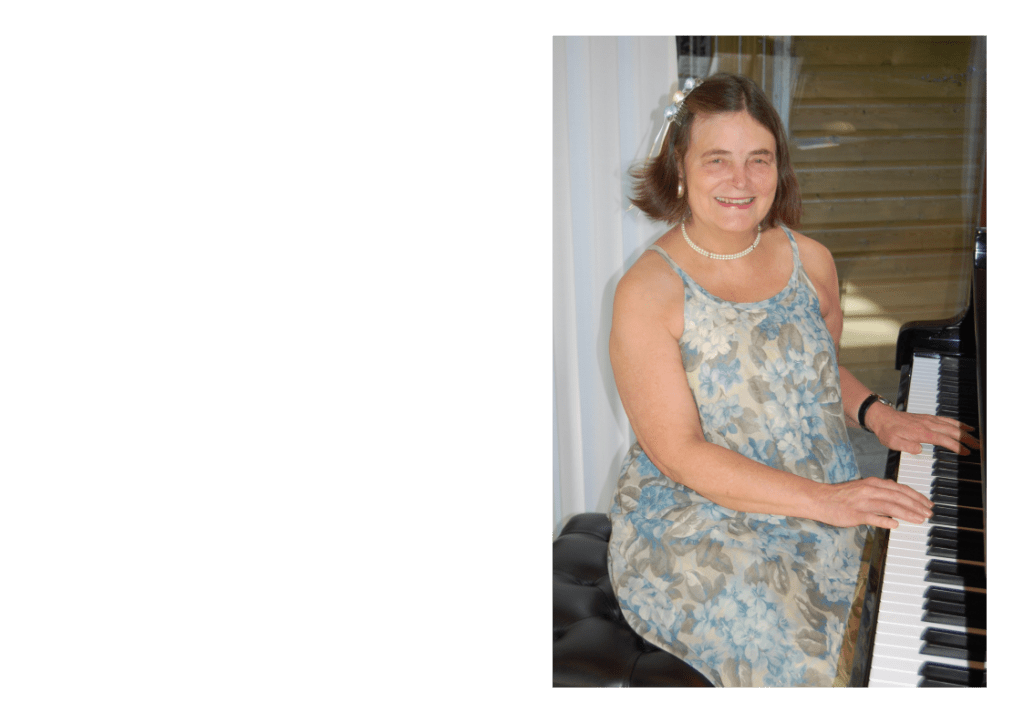

This is a link to one of the KT artists who has played the pedal piano in the Royal Festival Hall in London.The Gounod pedal piano concerto and as an encore a study for pedal piano by Schumann
 ChristopherAxworthy-MusicCommentary