
Johannes Brahms (1833-1897) Rhapsody in B minor Op. 79 No. 1 (1879)
Franz Liszt (1811-1886) Chasse-neige from Etudes d’exécution transcendante
S139 (pub. 1852);
Vallée d’Obermann from Années de pèlerinage,
première année, Suisse S160 (1848-55)
Béla Bartók (1881-1945) Rhapsody Op. 1 (1904)
Interval
Sergei Rachmaninov (1873-1943) Piano Sonata No. 1 in D minor Op. 28 (1907)
I. Allegro moderato • II. Lento • III. Allegro molto
Johann Sebastian Bach (1685-1750) Chaconne from Partita No. 2 in D minor for solo violin
BWV1004 (1720) arranged by Johannes Brahms.
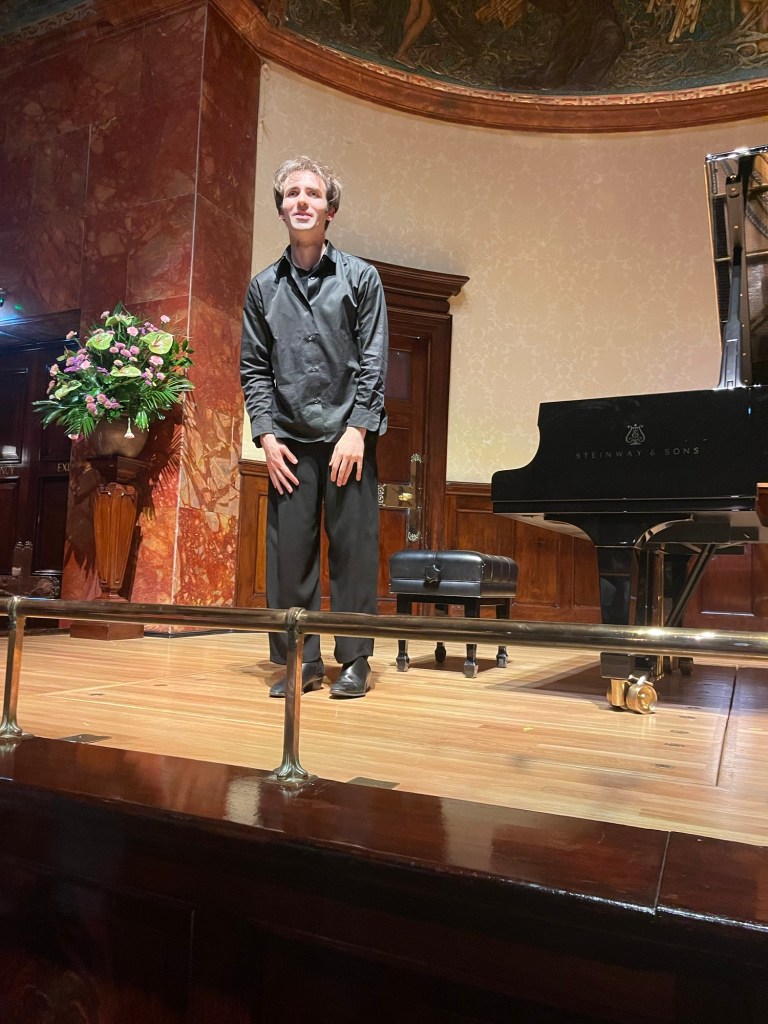
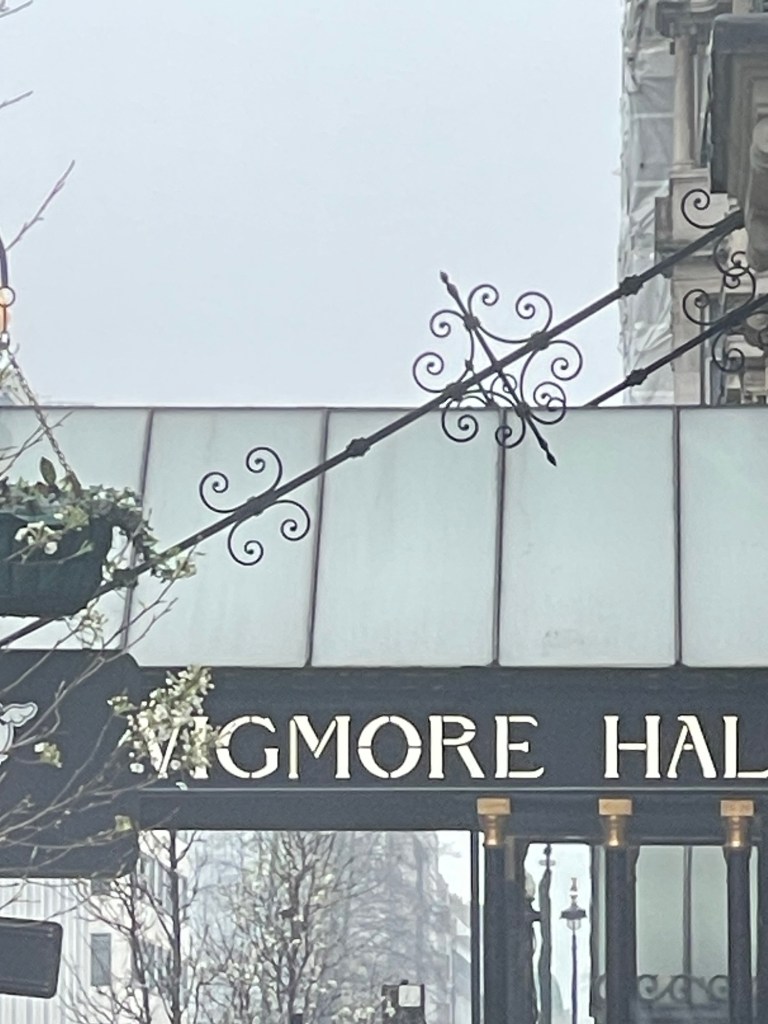
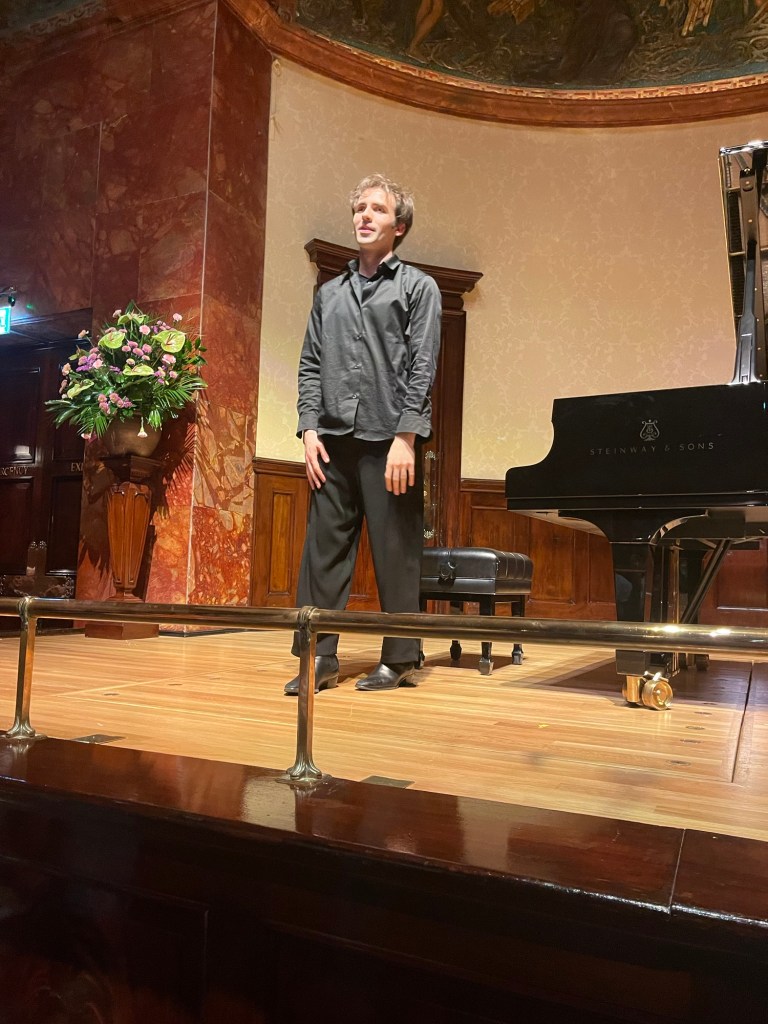
Kantorow bestrides the Wigmore Hall like the colossus he truly is .A burning intensity from the very first notes of Brahms B minor Rhapsody that was truly monumental.A colossal range of sounds of orchestral proportions with deep bass notes added just to open up the sumptuous sonorities of golden beauty .
There was a glow to the sound that I have never heard before in this hall as this unassuming young man seduced and ravished us as probably only Horowitz could have done .
A ‘Chasse Neige’ with such a ravishing sense of balance and a range of sounds from the whispered to the overwhelming with an intensity that was at times almost unbearable.To see this young man looking so intently at the keys as he was truly unfolding a story of unbelievable beauty and passion.Reduced to a murmur as the chromatic snow drifts gradually grew in enormous intensity that I thought the piano might break in two.But never with hardness or ungrateful sounds but the full sumptuous sounds of Stokowski’s Philadelphia.

Leading in from the glowing embers the haunting tenor melody of the Vallée d’Obermann could be heard.There was all the eloquence of opera singers conversing with tender beauty as they courted each other in this wondrous land of make believe looking to discover where and who they are.
The entry on high of the tender reply was one of those magic moments that all those that can remember Caballé will begin to understand what wonders were being enacted at the Wigmore Hall tonight .A deep growling bass signalled the towering storm of transcendental gymnastics that were only at the service of the great story that was unfolding before our incredulous eyes.The magical return of the opening melody barely whispered but glowing like a will o’ the wisp because this magician had barely touched a note deep in the bass that had illuminated the sounds that became a breathing wondrous thing.A tumultuous outpouring of passionately expressive octaves was breathtaking in its unrelenting release of passionate intensity.I have in the past been bowled over by Volodos and Horowitz but it is this young French man whose performance will linger in my heart for long to come.A triumphant frenzied climax and then total silence which spoke louder than any sounds ever could .A final relieving exclamation played almost sotto voce and placed with aristocratic control came as a desperately needed release of tension.
The Bartok Rhapsody n.1 was played with a kaleidoscope of throbbing sounds orchestral in the range and quality of sounds that were being conjured out of this great black box by a master magician.He seems to have a key no one else possesses where all he touches turns to gold.Not only of colour but the character he brought to all he did one can always envisage a great story being told by a master who believes so intensely all he is sharing with us.(It is interesting to note that the Bartok Rhapsody will be substituted for the Fauré 6th Nocturne in Rome where he makes his recital debut on the 10th April )
I heard him play the Rachmaninov Sonata n.1 and the Bach/Brahms Chaconne the very first time that I had heard him streamed live during the pandemic from an empty Philharmonie in 2021.
Alexandre Kantorow takes the Philharmonie de Paris by storm
I was bowled over then and am even more now listening to him live by his understanding of the Rachmaninov which for me has always been a work where you cannot see the wood for the trees. Kantorow though has a vision of this work which is obviously the key that the young Rachmaninov struggled with when trying to give a formal shape to a work that is so obviously based on the leit motif.All through the performance there were the recurring themes of consolation and of throbbing intensity.The massive numbers of notes in his hands are just golden threads that illuminate the path for what in this young man’s hands appears to be a youthful masterpiece.Here was a great actor recreating a performance of vibrant haunting intensity.From the opening menacing bass notes to the searing intensity of luminosity and purity of the Lento to the dynamic breathtaking drive of the Allegro molto.Can this be the case of a master turning a bauble into a gem? Could it be a case where the performer is greater than the composer?It has no importance but what we all felt in the hall was a master convinced and convincing who involved us all in his ecstatic discovery of a work of passionate intensity and beauty.It was the same question I asked myself in Naples where he recreated the First Sonata of Brahms in the same way.
Alexandre Kantarow ignites and delights Naples at San Carlo with his great artistry
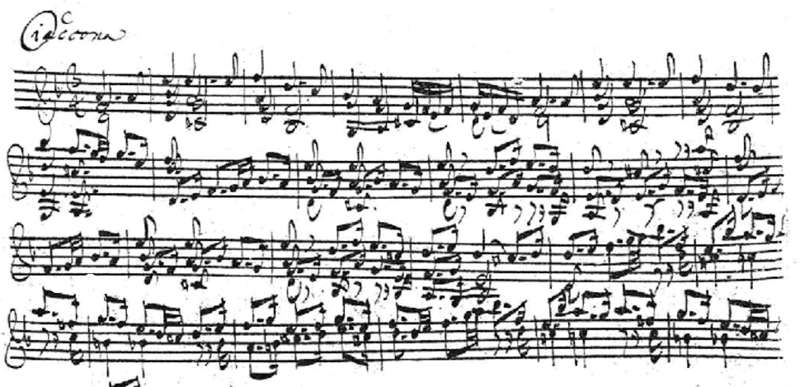
We all know the Bach – Busoni Chaconne but all too rarely we hear the Bach- Brahms Chaconne.So it was breathtaking to hear a masterly performance with the left hand alone recreating this masterpiece as Bach had written it for a single hand on the violin.The colours and driving rhythmic energy were quite overwhelming as he let his right hand rest at the top of the keyboard and would only place it in his lap at moments of particular transcendental gymnastics .His eyes glared at the keys that he dominated with a mastery that will long be remembered in this hall.It was the same mastery I had heard from the Philharmonie .But there was an atmosphere and tension he created last night which was something that makes me thank God for live performances where an artist still has the courage to risk all for the sake of the music! Inspite of and because of his quite phenomenal technical prowess and kaleidoscopic range of colour it was Kantorow’s musicianship that was to be cheered to the rafters.
A star is truly born and long may it shine as brightly as last night and illuminate our musical lives for long to come.An unforgettable experience that will eventually in the farthest distant future possible be given pride of place with the historic archive programmes that adorn this historic venue.
Just one encore that he later told us was by Nina Simone : ‘The Theme from Samson and Delilah’ taken from her historic Carnegie Hall recital on the 30th May 2015
It was played like a great bel canto singer – even better – and was the only way for a great artist to say au revoir.

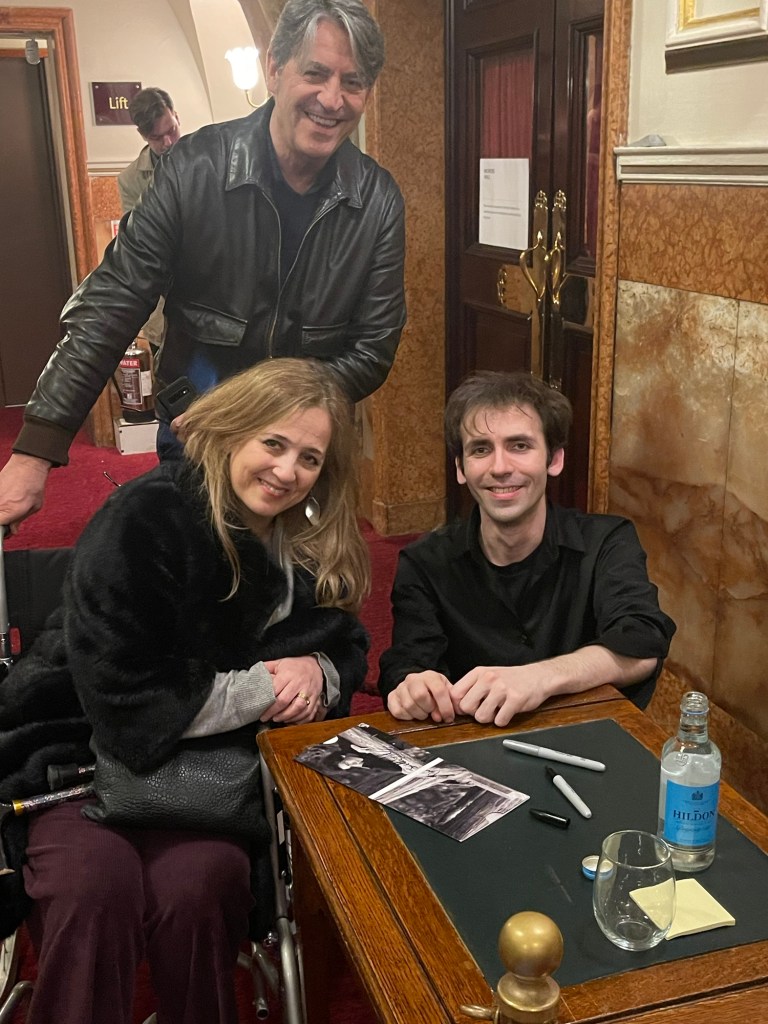
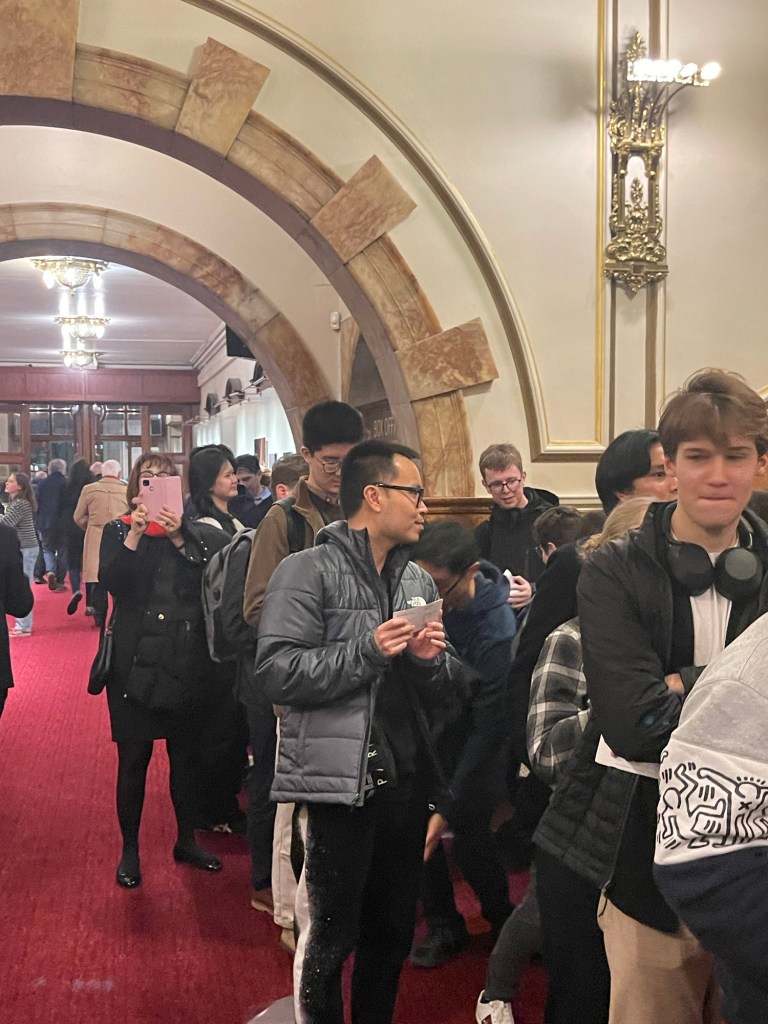
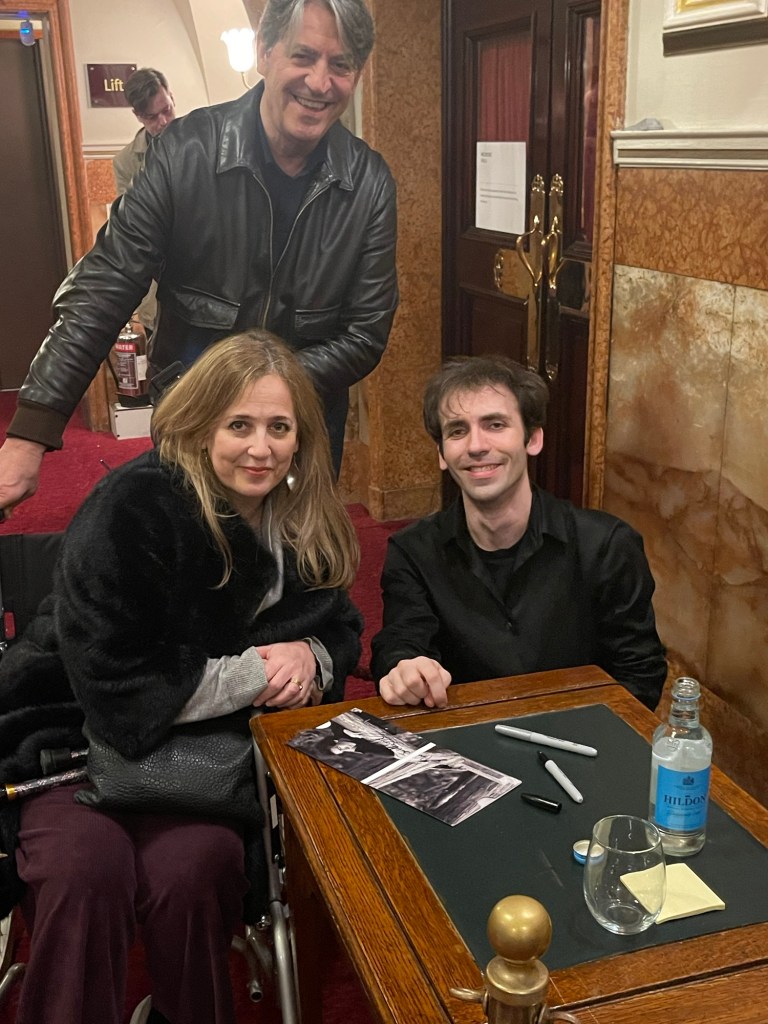
Racing across the hall to sign his CD’s for a queue of people that now stretched for as far as I could see into the street.
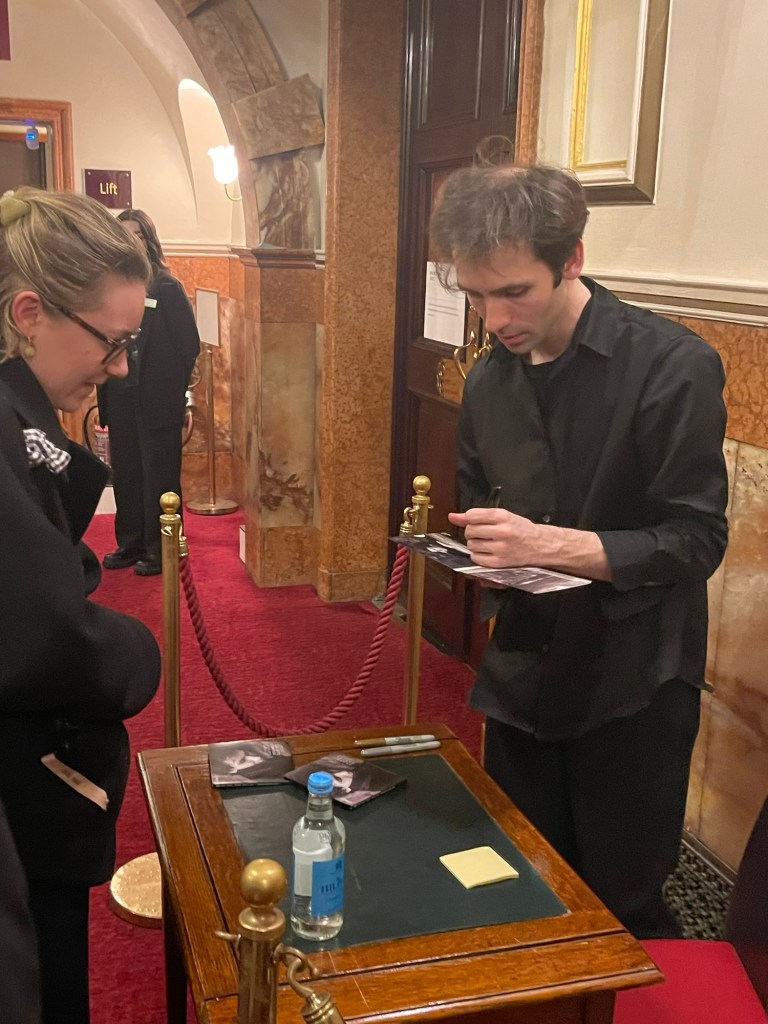

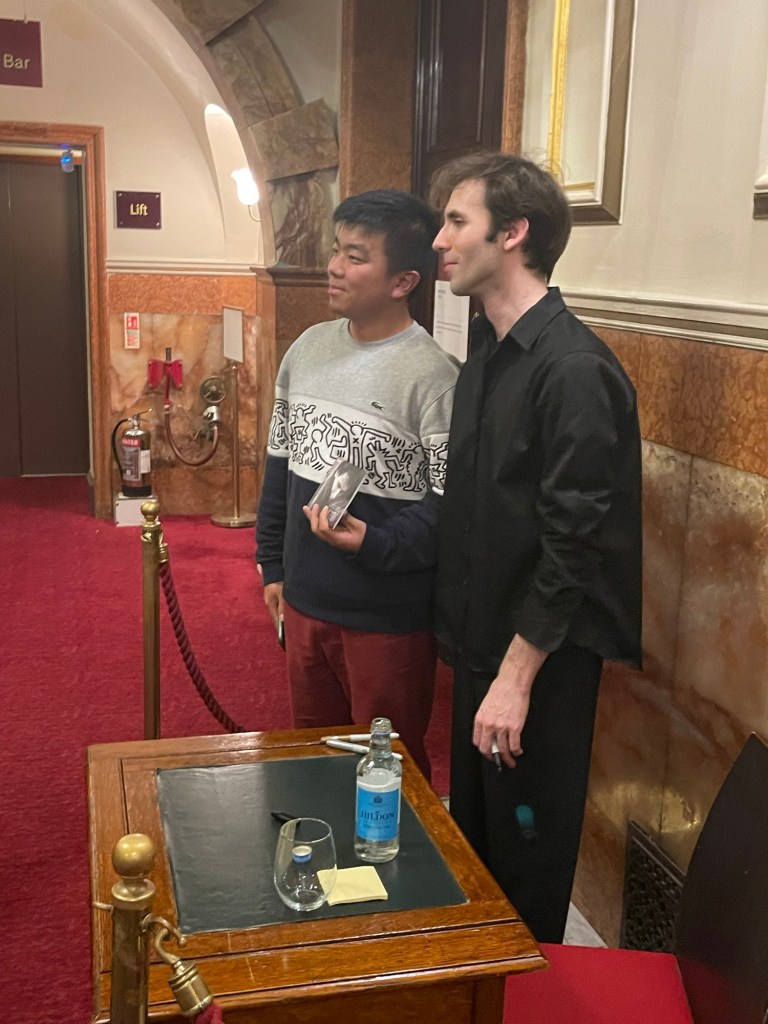
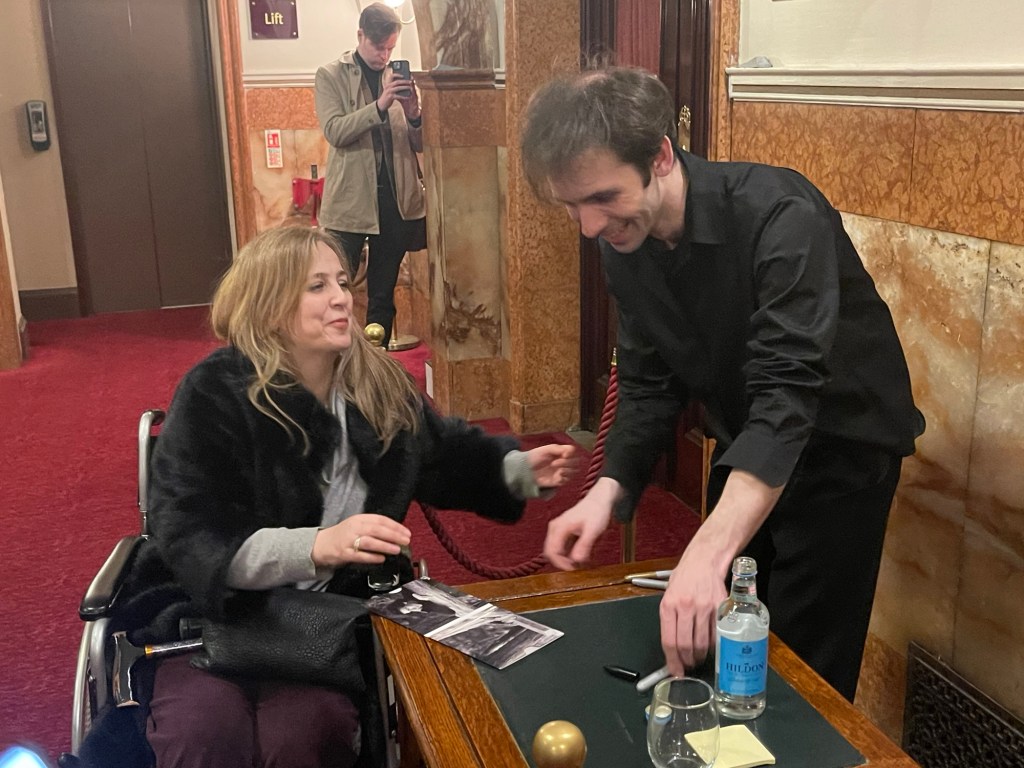
With the simplicity and charm of a great artist he greeted each one with the same rapt attention with which he greeted the music.Love of Music and Love of Life combine in a way we have only witnessed before with Rubinstein.If music be the food of love ……please play on!

Piano Sonata No. 1 in D minor op 28 was completed in 1908.It is the first of three “Dresden pieces”, along with the symphony n.2 and part of an opera, which were composed in the quiet city of Dresden.It was originally inspired by Goethe’s tragic play Faust,although Rachmaninoff abandoned the idea soon after beginning composition, traces of this influence can still be found.After numerous revisions and substantial cuts made at the advice of his colleagues, he completed it on April 11, 1908. Konstantin Igumnov gave the premiere in Moscow on October 17, 1908. It received a lukewarm response there, and remains one of the least performed of Rachmaninoff’s works.He wrote from Dresden, “We live here like hermits: we see nobody, we know nobody, and we go nowhere. I work a great deal,”but even without distraction he had considerable difficulty in composing his first piano sonata, especially concerning its form.Rachmaninoff enlisted the help of Nikita Morozov , one of his classmates from Anton Arensky’s class back in the Moscow Conservatory, to discuss how the sonata rondo form applied to his sprawling work.Rachmaninov performed in 1907 an early version of the sonata to contemporaries including Medtner.With their input, he shortened the original 45-minute-long piece to around 35 minutes and completed the work on April 11, 1908. Igumnov gave the premiere of the sonata on October 17, 1908, in Moscow,
Lukas Geniusas writes about his premiere recording of the Rachmaninov Sonata n. 1 to be issued in October : ‘About a year ago I came across a very rare manuscript of the Rachmaninov’s Sonata no.1 in its first, unabridged version. It had never been publicly performed.
This version of Sonata is not significantly longer (maybe 3 or 4 minutes, still to be checked upon performing), first movement’s form is modified and it is also substantially reworked in terms of textures and voicings, as well as there are few later-to-be-omitted episodes. The fact that this manuscript had to rest unattended for so many years is very perplexing to me. It’s original form is very appealing in it’s authentic full-blooded thickness, the truly Rachmaninovian long compositional breath. I find the very fact of it’s existence worth public attention, let alone it’s musical importance. Pianistic world knows and distinguishes the fact that there are two versions of his Piano Sonata no.2 but to a great mystery there had never been the same with Sonata no.1.’
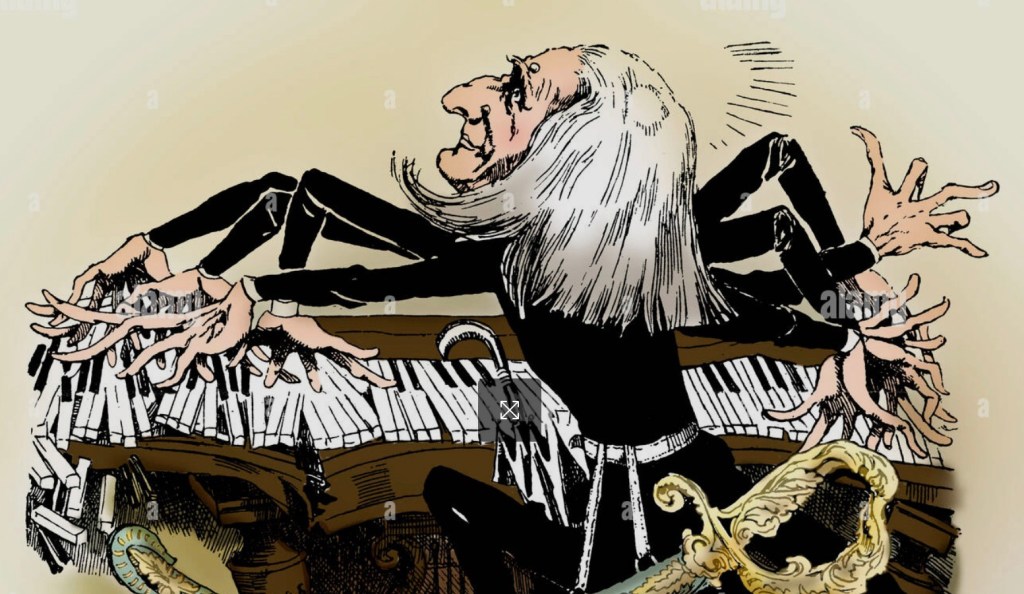
Vallée d’Obermann (Obermann’s Valley) in E minor – Inspired by Etienne Pivert de Senancour’s novel of the same title, set in Switzerland, with a hero overwhelmed and confused by nature, suffering from boredom and longing,finally concluding that only our feelings are true.Liszt’s quotes include one from Byron’s succeeding canto 97 :”Could I embody and unbosom now / That which is most within me,–could I wreak / My thoughts upon expression, and thus throw / Soul–heart–mind–passions–feelings–strong or weak– / All that I would have sought, and all I seek, / Bear, know, feel–and yet breathe–into one word, / And that one word were Lightning, I would speak; / But as it is, I live and die unheard, / With a most voiceless thought, sheathing it as a sword”and two from Senancour’s Obermann, which include the crucial questions, “What do I want? Who am I? What do I ask of nature?”
Liszt was entranced Senacour’s novel Obermann, which he carried with him during his journey across the Swiss Alps in 1835, and which had an enormous influence on the young artists of Liszt’s generation (Liszt was not yet 25, and his mistress Countess Marie d’Agoult was about to give birth to their first child). Obermann is the archetypal romantic recluse, the misunderstood artist, the seer who grapples with the immensity of suffering in the world, his own and mankinds. The Swiss Alps provided the perfect backdrop for cosmic reflection, as described by Marie d’Agoult: Ramparts of granite, inaccessible mountains now arose between ourselves and the world, as if to conceal us in those deep valleys, among the shadowy pines, where the only sound was the murmurng of waterfalls, the distant thunder of unseen precipices.
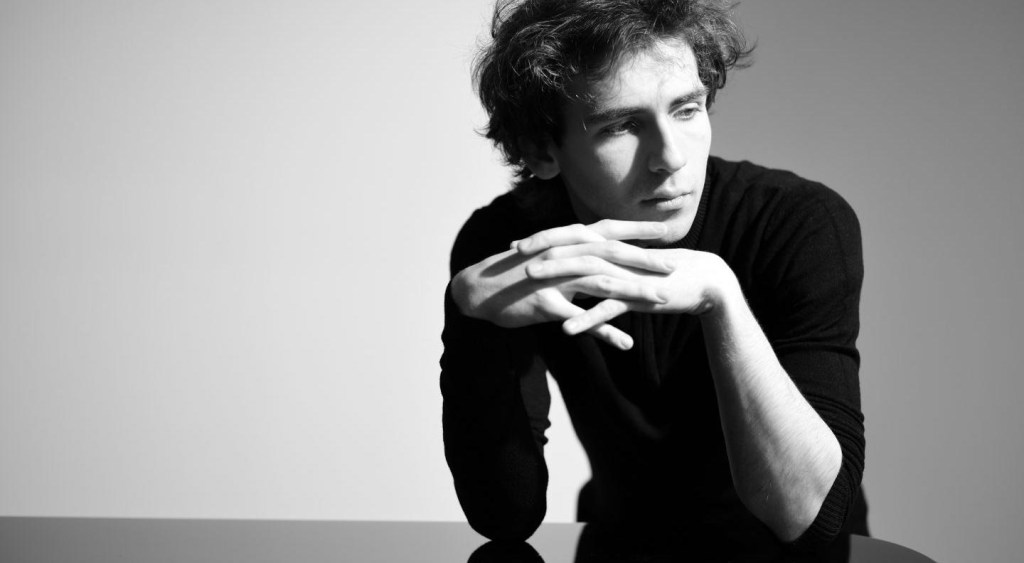
« Alexandre is Liszt reincarnated. I’ve never heard anyone play these pieces, let alone play the piano the way he does. »
Jerry Dubins, Fanfare Magazine
Alexandre Kantorow is the winner of the 2024 Gilmore Artist Award, the youngest pianist and the first French artist toreceive this accolade. Four years ago,at the age of 22, he was the first French pianist to win the Gold Medal at the Tchaikovsky Competition, also receiving the Grand Prix, previously awarded only three times in the competition’s history. Now in demand at the highest level worldwide, he is applauded for his innate poetic charm, luminous clarity, andstunning virtuosity.In recital, Mr. Kantorow appears at major concert halls such as the Concertgebouw Amsterdam, Queen Elizabeth Hall inLondon and Philharmonie de Paris, and in 2023 he makes his debut at Carnegie Hall and Tokyo Opera City. He performs regularly at the most prestigious festivals around the globe, including the Ravinia Festival, Verbier Festival and BBC Proms. Chamber music is one of his great pleasures, and he performs with artists such as violinist Renaud Capuçon, violist Antoine Tamestit,cellist Gautier Capuçon, and baritone Matthias Goerne.Highlights of Mr. Kantorow’s upcoming seasons include concerts with the Pittsburgh Symphony, Berliner Philharmoniker, Orchestre de Paris, Philharmonia, Rotterdam Philharmonic and tours with the Munich Philharmonic and Hong Kong Philharmonic orchestras amongst others, and with conductors including Manfred Honeck, Sir John Eliot Gardiner, Jaap van Zweden, Francois-Xavier Roth and Klaus Mäkelä. Past highlights have included performances with the Boston Symphony, Budapest Festival and Israel Philharmonic orchestras, and with conductors such as Sir Antonio Pappano and Valery Gergiev.
Mr. Kantorow records exclusively for BIS, now part of Apple Music. All his recordings have received the highest critical acclaim internationally as well as multiple awards, including several Diapason d’Or, Victoires de la musique Classique and Trophée d’Année and in 2022 he was featured in Gramophone magazine, with a full front-page cover and Editor’s Choice.
Mr Kantorow is a laureate of the Safran Foundation and of the Banque Populaire Foundation. Born in France and of French British heritage, Mr. Kantorow studied with Pierre-Alain Volondat, Igor Lazko, Frank Braley, and Rena Shereshevskaya.

https://youtube.com/watch?v=TaI06XGM1No&feature=shared
https://youtube.com/watch?v=oswBAnsx1Hw&feature=shared
 ChristopherAxworthy-MusicCommentary
Una risposta a "Alexandre Kantorow bestrides the Wigmore Hall like a Colossus."