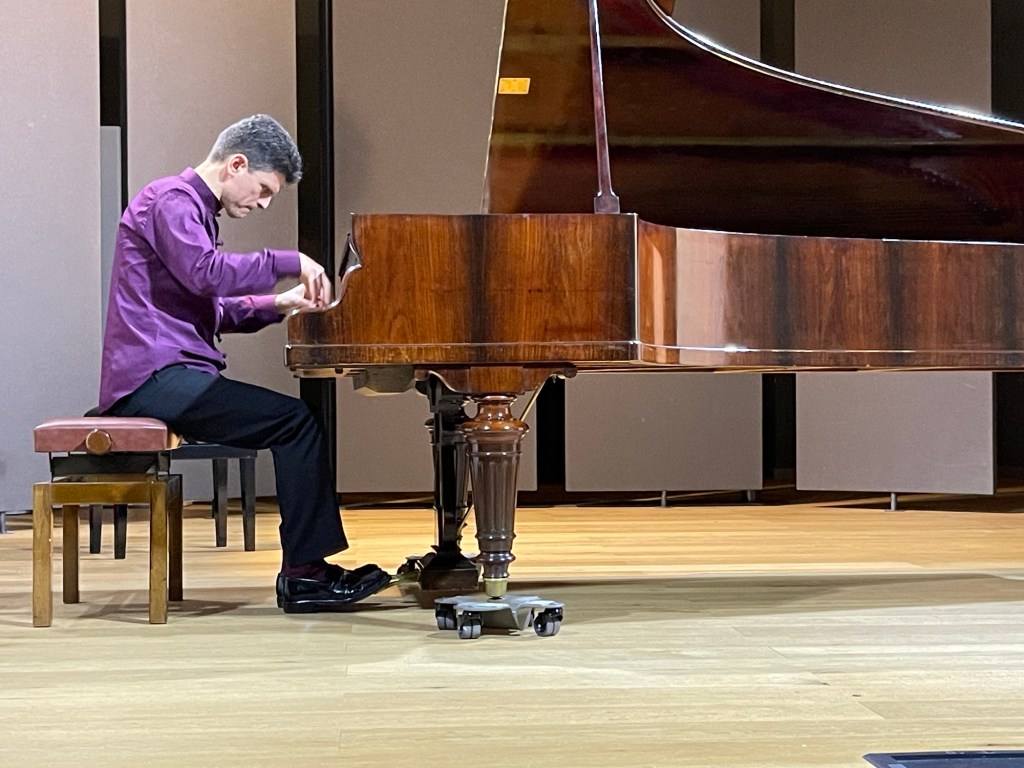
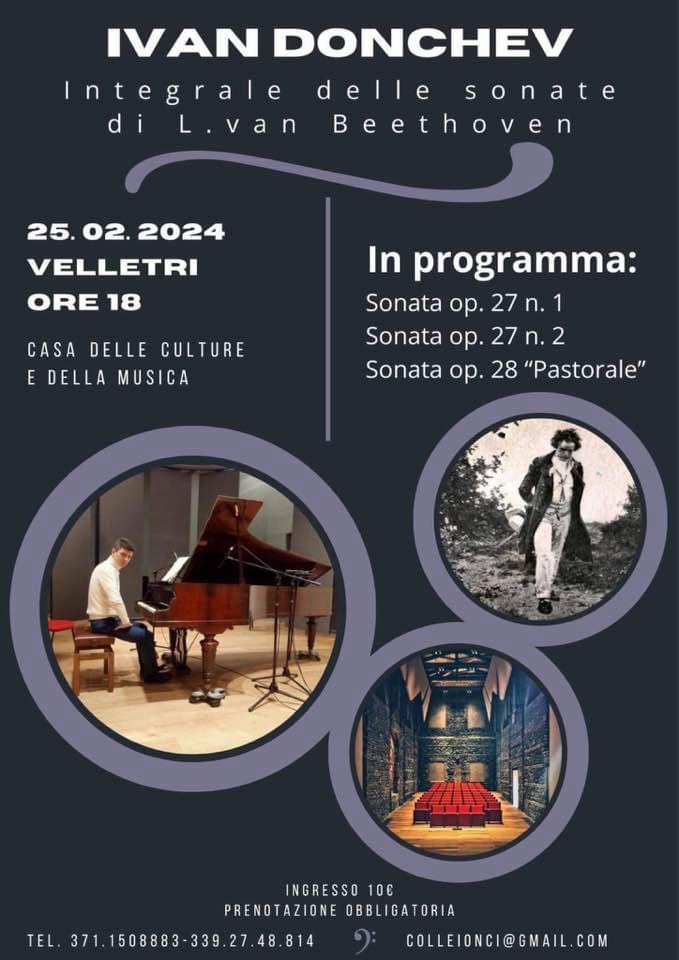
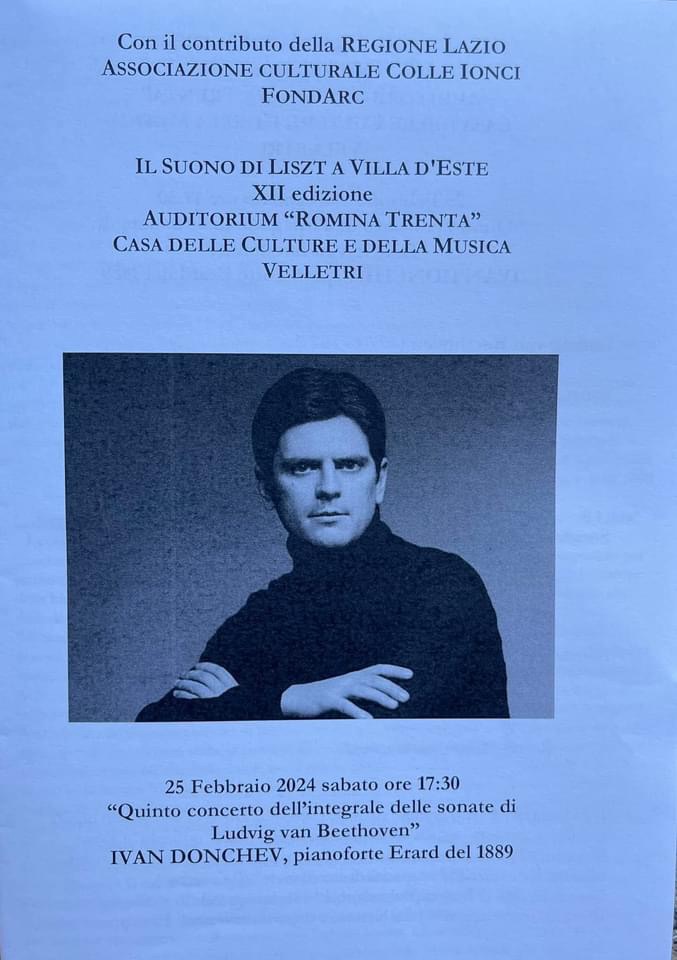
Some remarkable Beethoven playing from Ivan Donchev on an 1889 Erard playing the Sonatas op 27 and 28 with dynamic drive and tempestuous temperament. Even the Adagio sostenuto of the ‘Moonlight’ Sonata was played with viril beauty where the melodic line was played with chiselled beauty above a relentless flow of triplets that sustained and carried the melody forward with an unusually clear architectural shape.The final presto agitato was played with an irascible drive that showed the extraordinary resilience of a piano that is rarely treated with such fearless intelligence and musicianship.
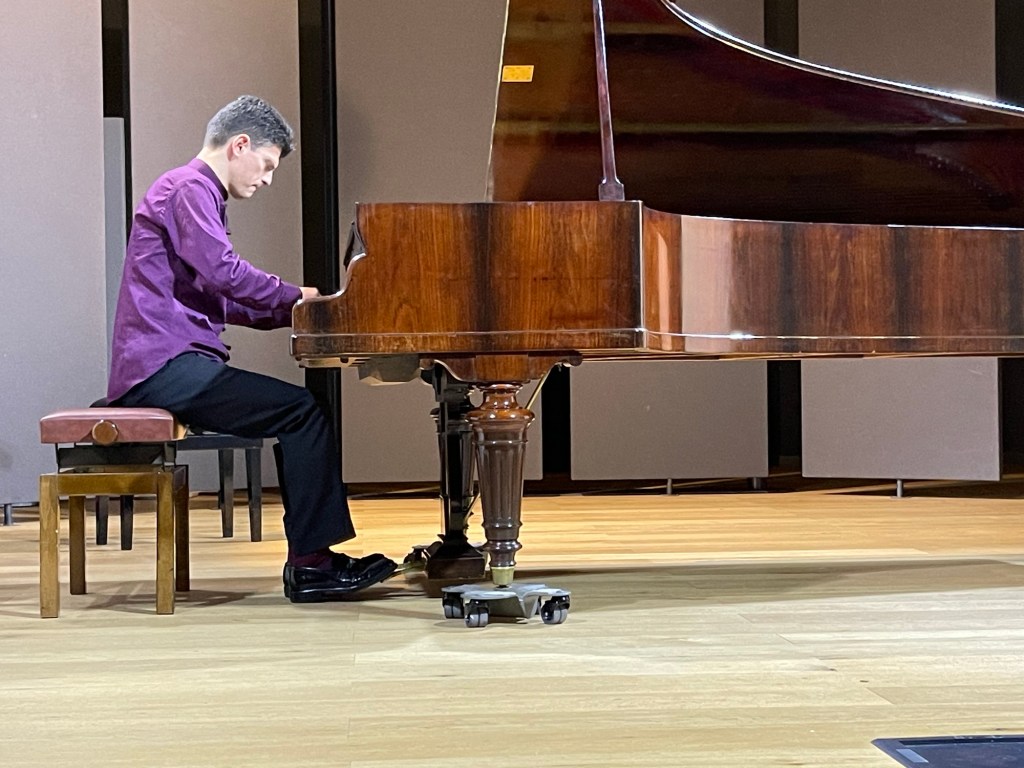
Sensitivity too as the Sonata op 27 n.1 was allowed to unfold with simple natural beauty.Even the Scherzo second movement was an unusual mellifluous outpouring of searing intensity only to be interrupted by the dynamic drive of the Trio . The beautiful Adagio was played with aristocratic nobility even more poignant on is surprise return in the final Allegro vivace that had been chasing up and down the keyboard with beguiling insistence only to be called to order before the helter skelter irascible final few bars .
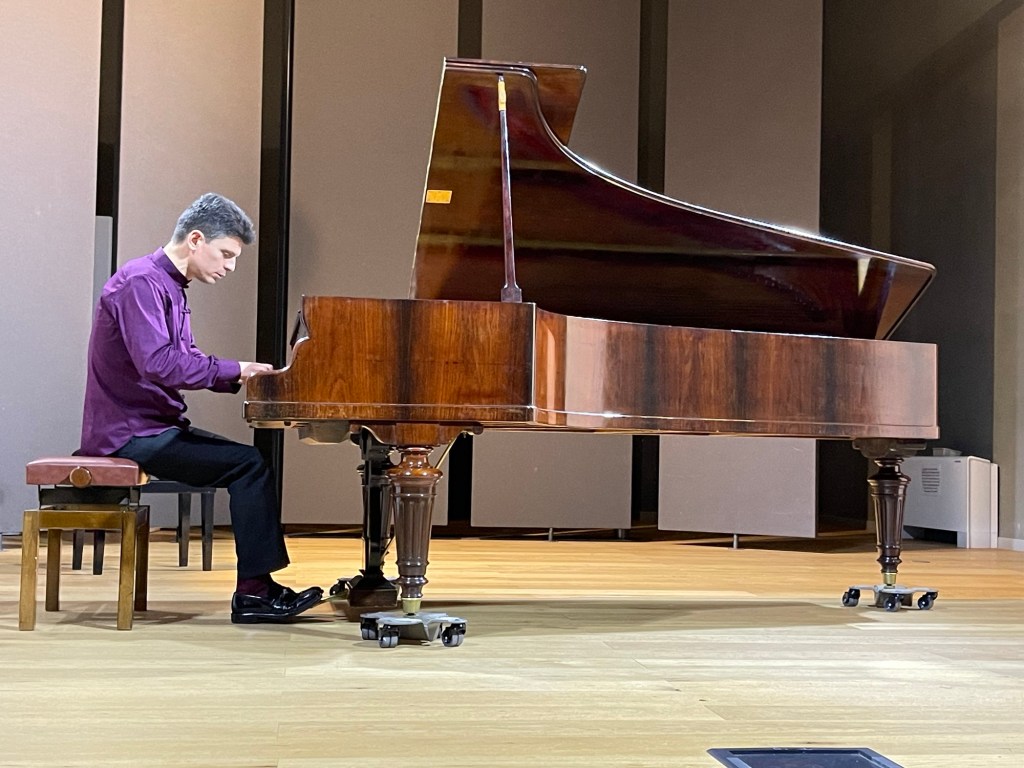
The Pastoral Sonata op 28 was played with great freedom and a subtle almost operatic expansiveness .The Andante,one of Beethoven’s favourite movements was played with orchestral precision with the left hand pizzicato on which floated the sumptuous string quartet melodic line interrupted by the impish good humour of the central episode before the bel canto elaboration of the opening .A playful scherzo full of contrasts and outbursts before the fluidity of the trio swept away on a relentless agitated bass.
There was a beguiling fluidity of pastoral calm to the Rondo that was played with nobility and extraordinary brilliance.

Two waltzes were played as encores demanded by a numerous and very insistent public.
But Ivan is a remarkable musician and shared with us an eclectic waltz that had been written out for him by his beloved mentor Aldo Ciccolini .This ‘Kupelwiezer’ waltz by Schubert was a fragment that had been found scribbled in haste by Schubert and it was Richard Strauss who added the accompaniment.Ciccolini used to play it but had never actually seen the music which he wrote out especially for Ivan without even the help of the piano.
A seemless outpouring of melody that was the perfect conclusion to the irascible youthful Beethoven that Ivan had shared with us .
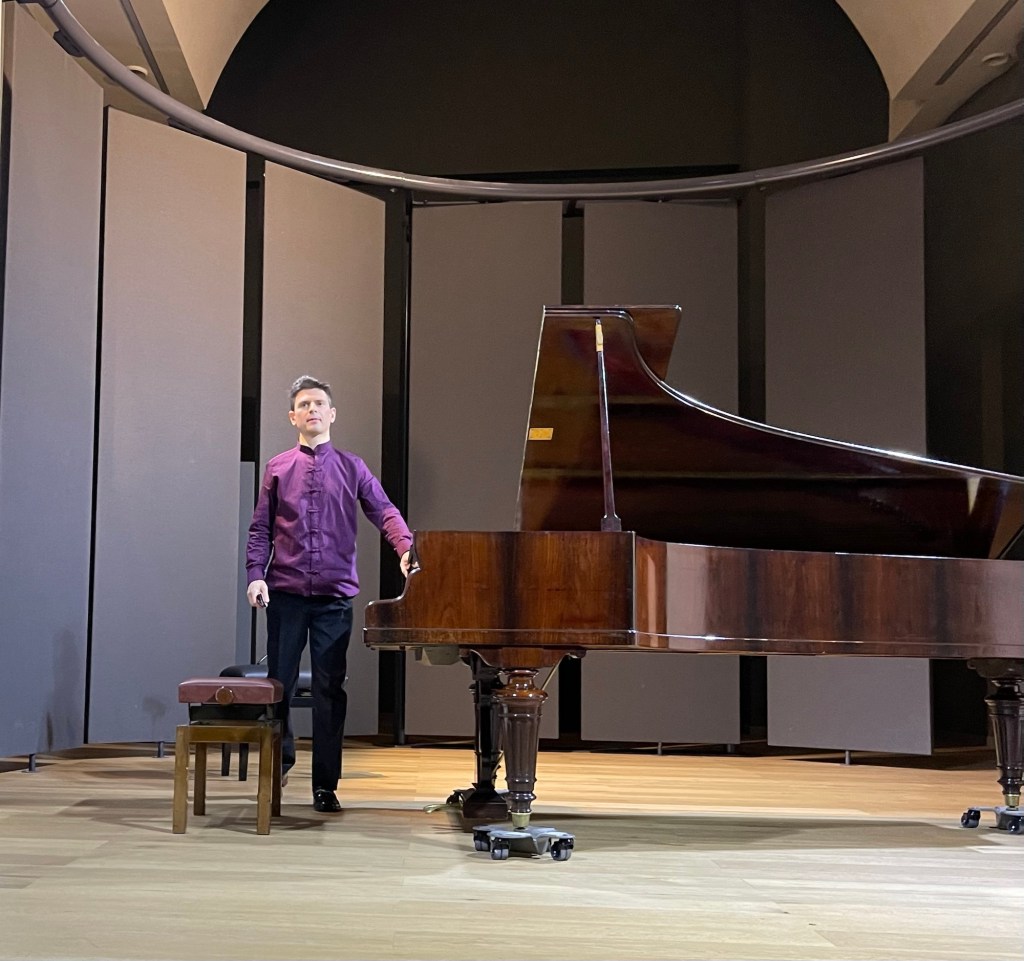
A minute waltz by Chopin was added in record tempo at the end as Ivan’s little son Leo had grown impatient in the wings and had come on stage in search of his father.
It was a joyous performance of well loved Chopin played with the style and aristocratic command that had been the hallmark of the entire recital.
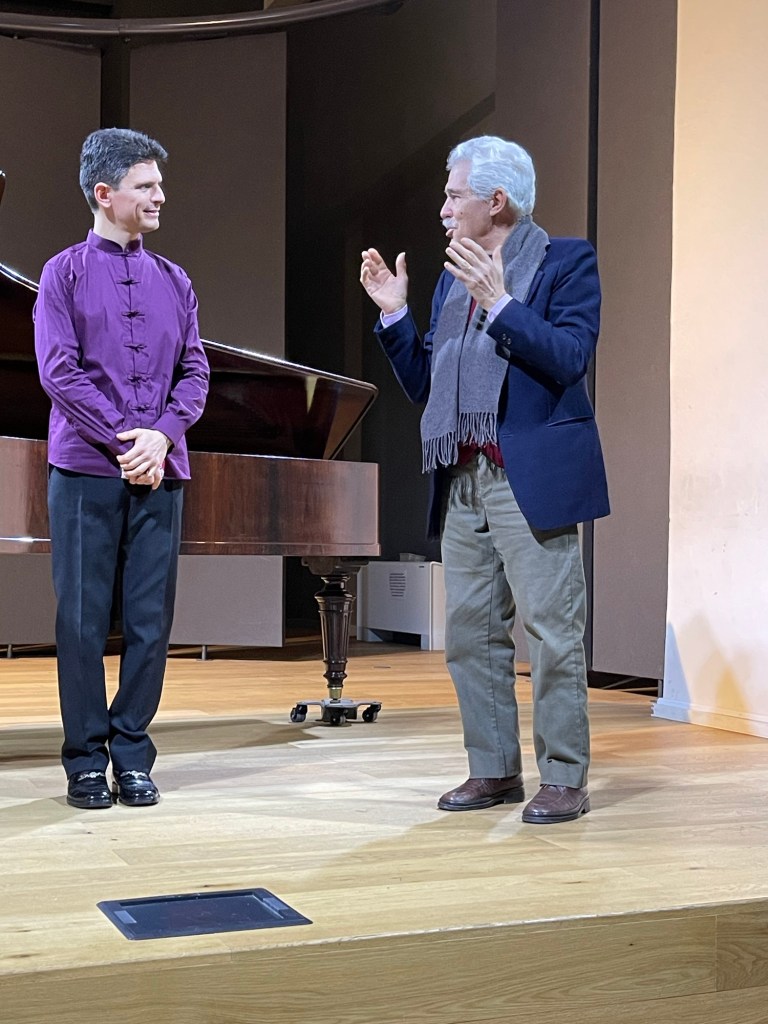
Piano Sonata No. 13 in E-flat major, op 27 No. 1, “Quasi una fantasia”, was written in 1800–1801
Beethoven was about 30 years old when he wrote the sonata. He had already made a name for himself in Vienna as pianist and composer and was beginning to explore alternatives to the classical-era compositional procedures that he had largely adhered to during the 18th century. The most famous works of his “middle period”, often emphasizing heroism, were yet to come.
Beethoven’s sketches for the first, second, and final movements survive, but the original autograph copy is lost.The sonata was published separately from its more famous companion, op 27 n. 2 (the “Moonlight” Sonata), but at the same time,by Cappi in Vienna; the first advertisements for the work appeared 3 March 1802.Both Op. 27 sonatas were originally titled Sonata quasi una fantasia.
The dedicatee of the work was (as was typical of the time) an aristocrat, Princess Josephine von LiechtensteinThe first movement is not in sonata form, as is true for most sonatas and the movements are in extreme contrast with each other, a common trait of the sections of a fantasia.The appearance of a quotation from one movement within another (here, from the third movement within the fourth) is a form of freedom not ordinarily employed in classical sonatas there is also a cyclic return of earlier material later in the sonata, which thus aims to integrate its movements into a unified cycle.
- Andante – Allegro – Andante
- Allegro molto e vivace
- Adagio con espressione
- Allegro vivace
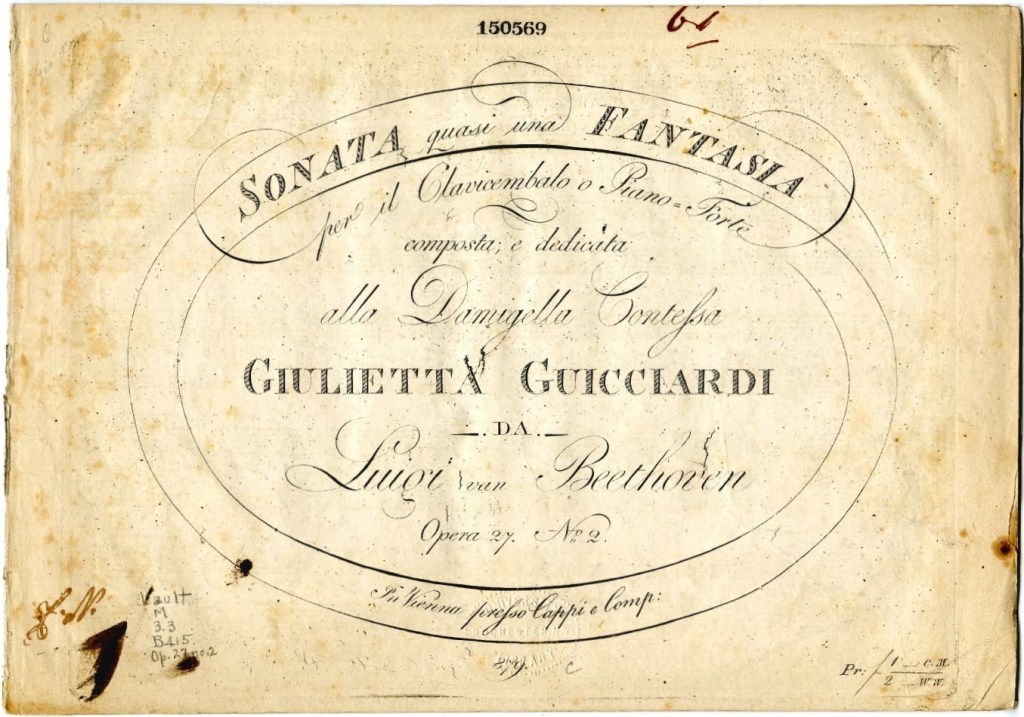
The Piano Sonata No. 14 Quasi una fantasia, op 27 No. 2, t was completed in 1801 and dedicated in 1802 to his pupil Countess Julie ‘Giulietta ‘ Guicciardi .The German music critic and poet Ludwig Rellstab likened the effect of the first movement to that of moonlight shining upon Lake Lucerne where ‘Rellstab compares this work to a boat, visiting, by moonlight, the remote parts of Lake Lucerne .Rellstab made his comment about the sonata’s first movement in a story called Theodor that he published in 1824: “The lake reposes in twilit moon-shimmer [Mondenschimmer], muffled waves strike the dark shore; gloomy wooded mountains rise and close off the holy place from the world; ghostly swans glide with whispering rustles on the tide, and an Aeolian harp sends down mysterious tones of lovelorn yearning from the ruins.”He made no mention of Lake Lucerne, which seems to have been added later but Rellstab met Beethoven in 1825,making it theoretically possible for Beethoven to have known of the moonlight comparison, though the nickname may not have arisen until later.Beethoven’s pupil Czerny described the first movement as “a ghost scene, where out of the far distance a plaintive ghostly voice sounds” and Liszt described the second movement as “a flower between two abysses” At the opening of the first movement, Beethoven included the following direction in Italian: “Si deve suonare tutto questo pezzo delicatissimamente e senza sordino” (“This whole piece ought to be played with the utmost delicacy and without dampers “) The way this is accomplished (both on today’s pianos and on those of Beethoven’s day) is to depress the sustains pedal throughout the movement – or at least to make use of the pedal throughout, but re-applying it as the harmony changes.
The sonata consists of three movements:
- Adagio sostenuto – Czerny called it “a nocturnal scene, in which a mournful ghostly voice sounds from the distance”.The movement was very popular in Beethoven’s day, to the point of exasperating the composer himself, who remarked to Czerny, “Surely I’ve written better things”.
- Allegretto – Liszt described it as ‘a flower between two chasms’
- Presto agitato – Charles Rosen wrote “it is the most unbridled in its representation of emotion. Even today, two hundred years later, its ferocity is astonishing”.
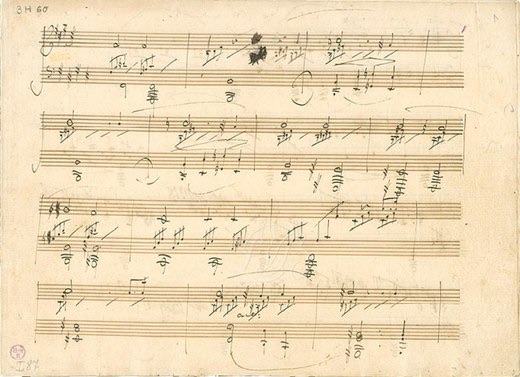
Piano Sonata No. 15 in D major, Op. 28 was published in 1801, the work is dedicated to the Count joseph von Sommemfels .The name Pastoral or Pastorale became known through A. Cranz publishing of Beethoven’s work, but was first coined by a London publisher, Broderip & Wilkinson.
- Allegro
- Andante
- Scherzo Allegro vivace,
- Rondo :Allegro ma non troppo
My compositions are very profitable for me and I can say that I have more orders than are almost possible for me to fulfil.” Beethoven wrote the latter to a friend in 1801.
He had only just completed his “Moonlight Sonata” op. 27 No. 2, when he began writing down the first sketches for his Sonata op. 28. Elements of pastoral music, such as the dance-like triple metre as well as pedal notes and fifths in the bass which seem to imitate bagpipes, are reminiscent of the later 6th Symphony. The rustic character gave rise to the work’s epithet “Sonate Pastorale”.
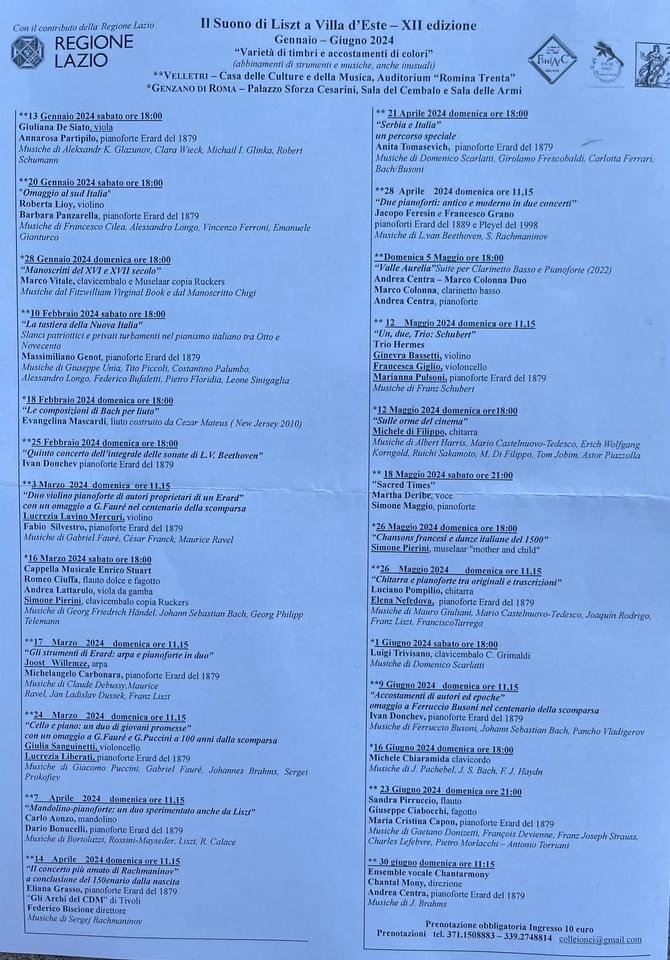
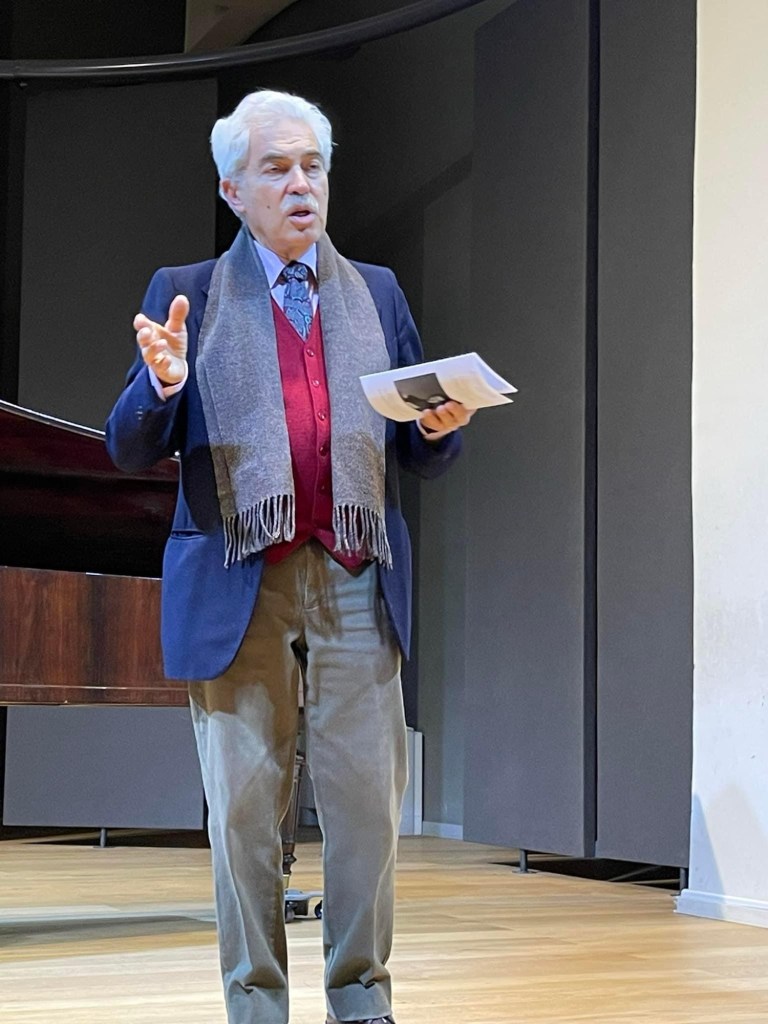
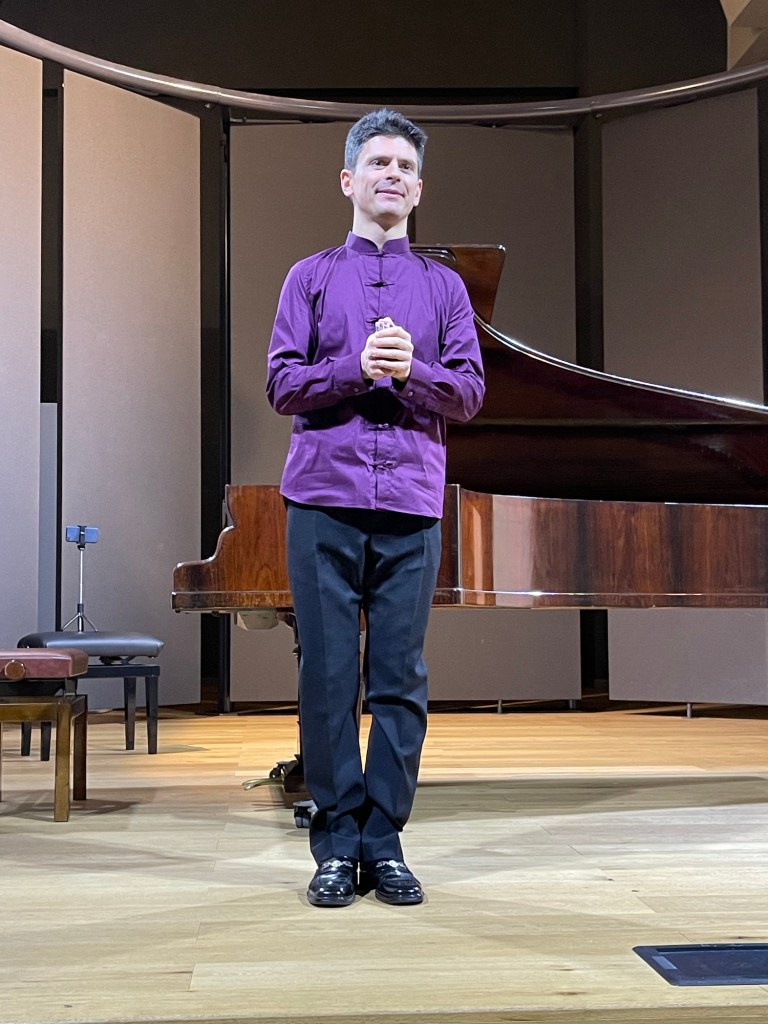
Ivan Donchev complete Beethoven in Formello.The tumultuous Middle period with op 53,54,57.Warmth,humanity and musicianship combined with elegance and style
 ChristopherAxworthy-MusicCommentary