
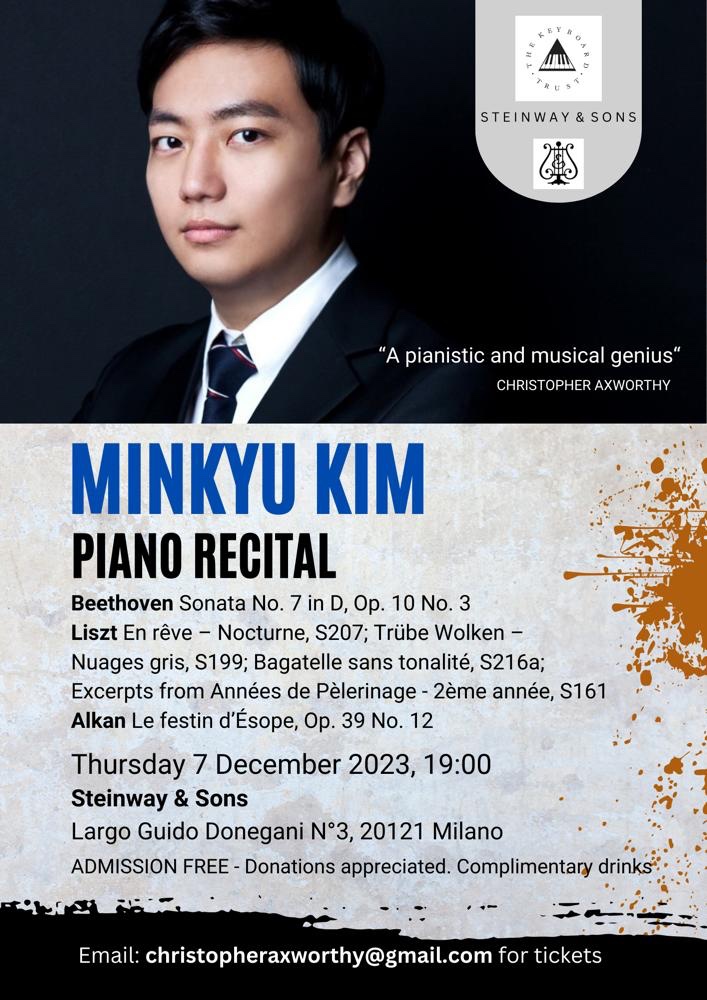
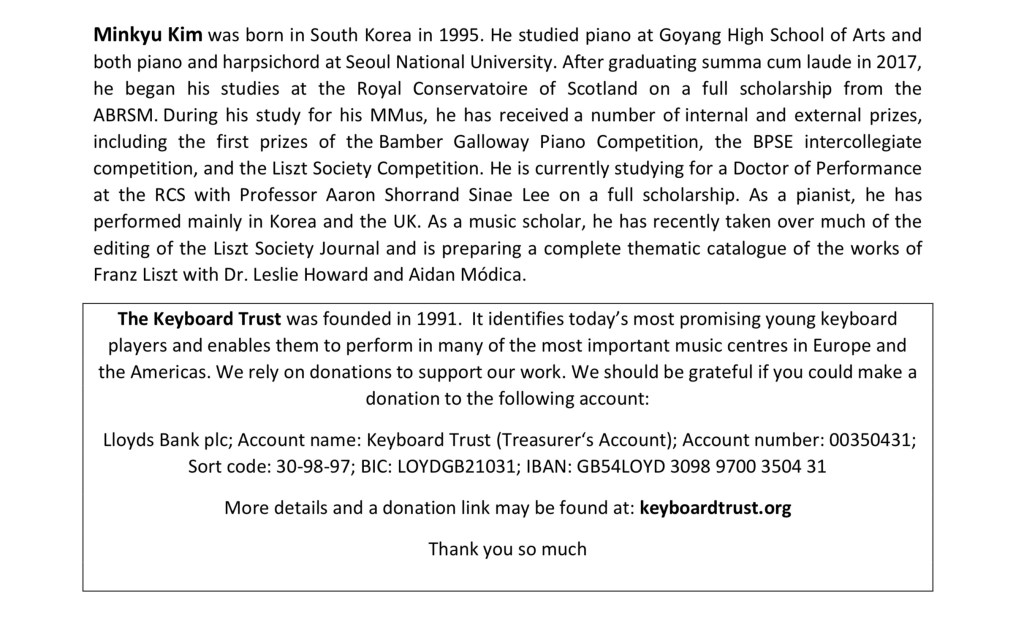
Minkyu Kim was born in South Korea in 1995. In 2017, he began his studies at the Royal Conservatoire of Scotland, where he is currently studying for a Doctor of Performance. Minkyu has performed piano concertos with the Scottish Ensemble and the Royal Scottish National Orchestra, and has had several chamber music concerts with Seoul National University Philharmonic Orchestra. He is a specialist in the sublime music of Franz Liszt

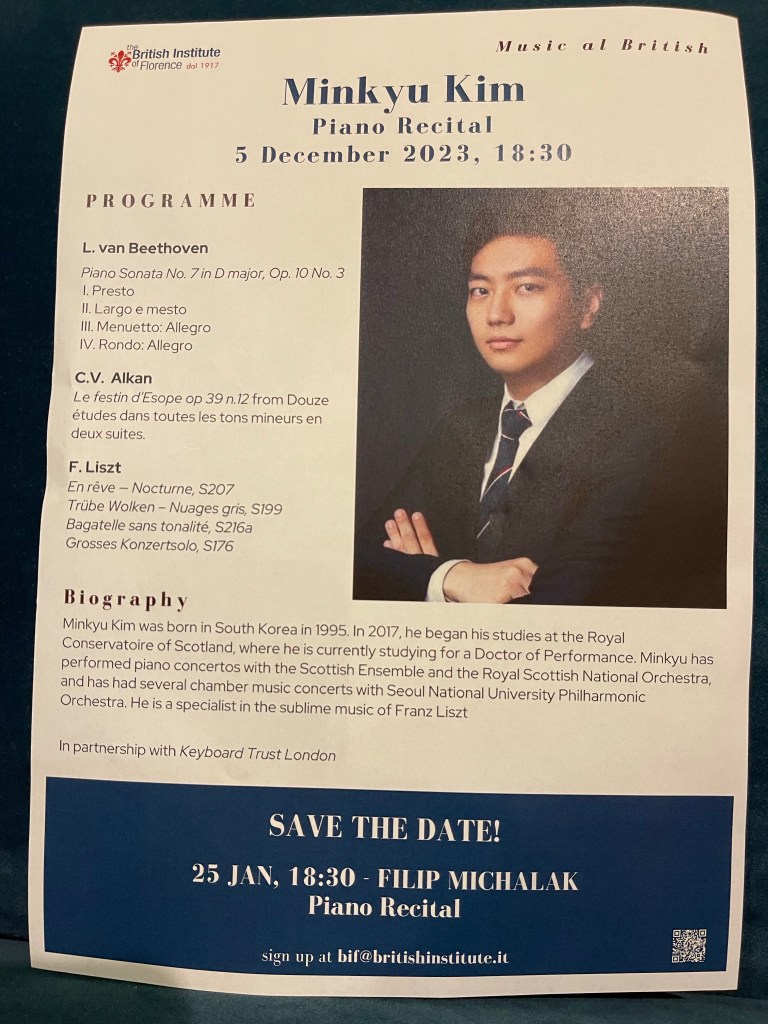
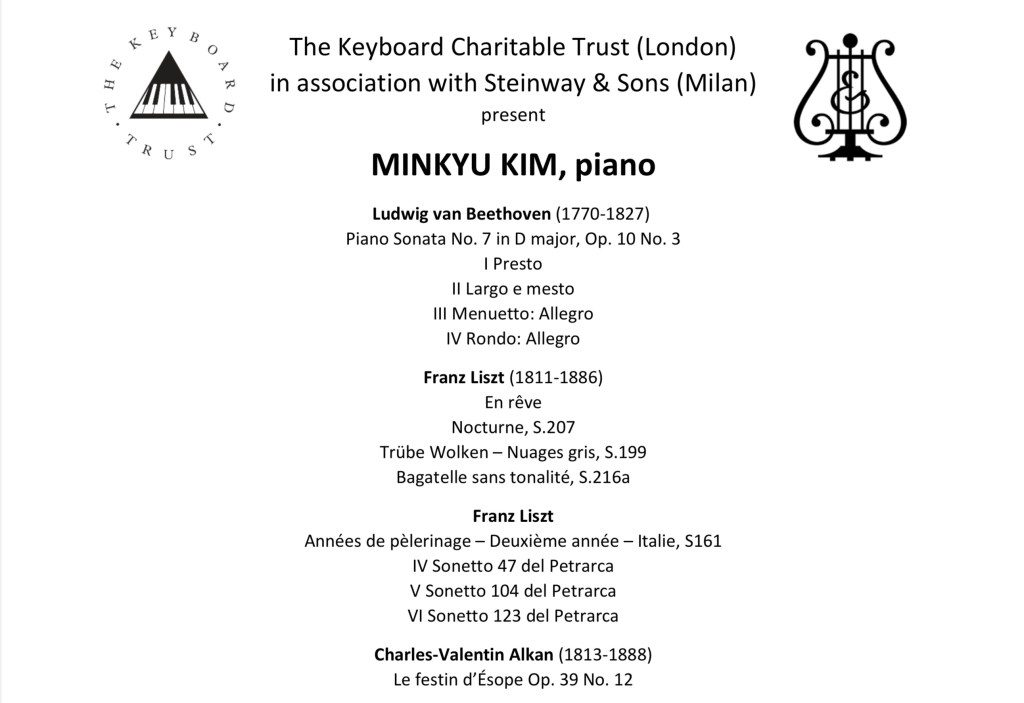
Beethoven: Piano Sonata No. 7 in D major, Op. 10 No. 3
I. Presto
II. Largo e mesto
III. Menuetto: Allegro
IV. Rondo: Allegro
Alkan: Le festin d’Esope op 39 n.12 from Douze études dans toutes les tons mineurs en deux suites.
Liszt:
En rêve — Nocturne, S207
Trübe Wolken – Nuages gris, S199
Bagatelle sans tonalité, S216a
Grosses Konzertsolo, S176.
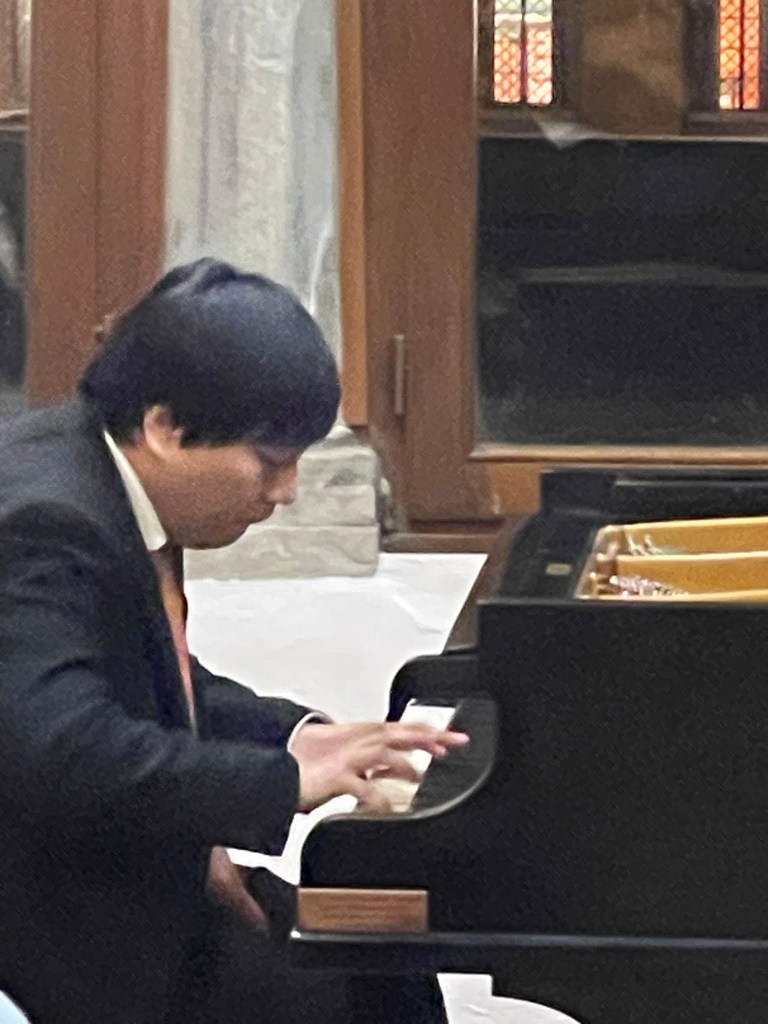
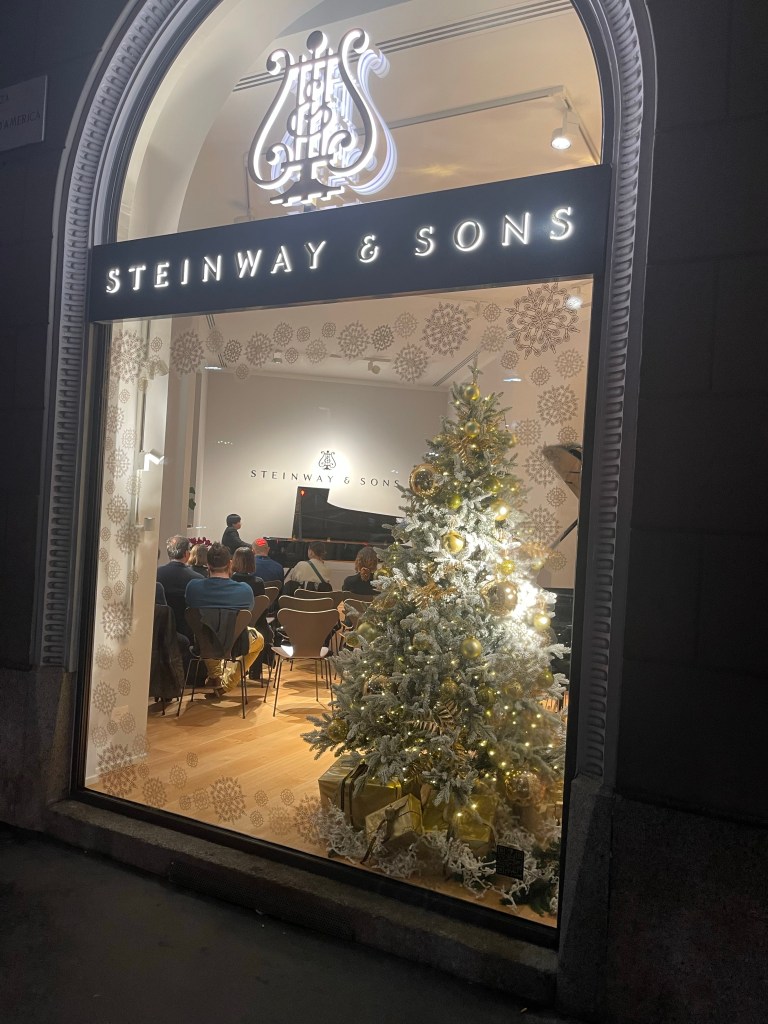
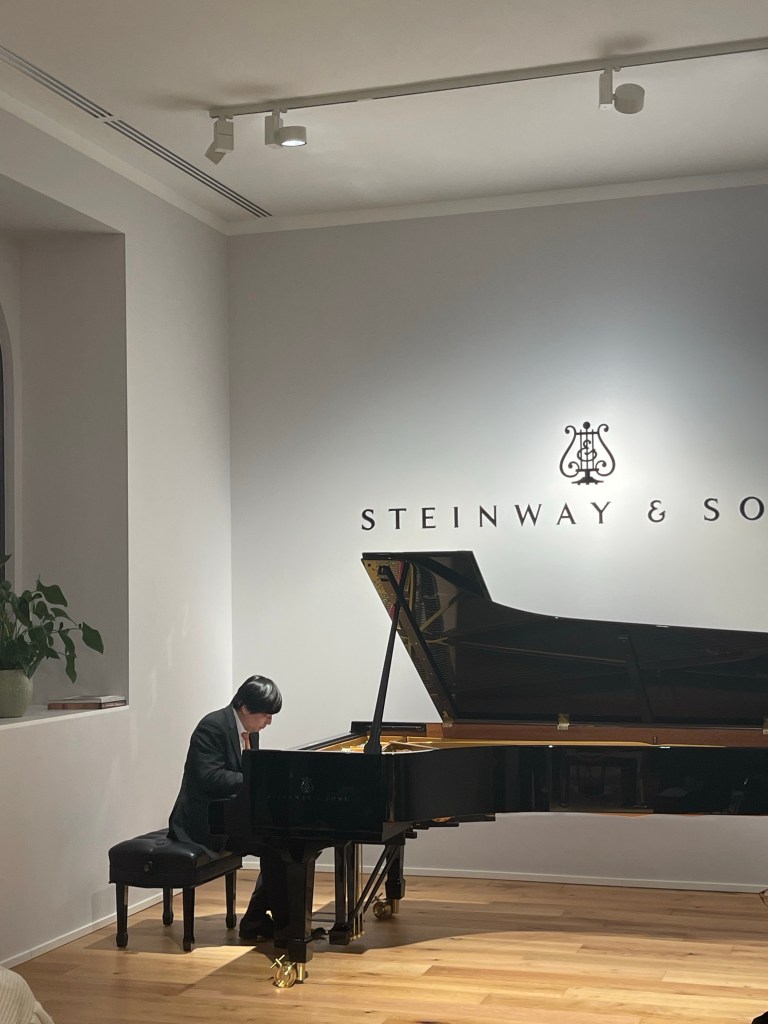
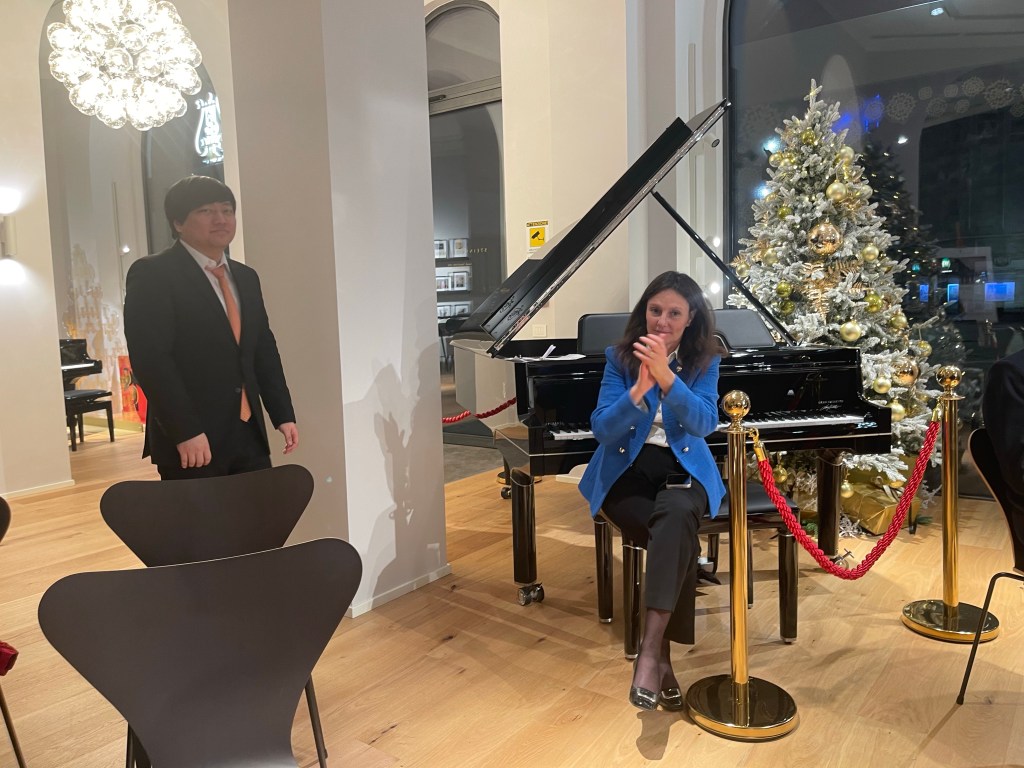
An extraordinary recital by Minkyu Kim in Florence
An eclectic programme played with the simplicity and humility of a great musician with a voracious appetite for many neglected masterpieces.With a transcendental technical commmand he thrilled the audience in the library of the celebrated aesthete Harold Acton with Beethoven’s early Sonata op 10 n. 3 where his genius was already beginning to manifest itself with its profound and intense slow movement.Alkan’s pianistic genius was revealed with astonishing brilliance as his animals were let out of their cage and allowed to sprawl all over this 1876 Bechstein.

Such was the startling originality of Alkan that we see the score scattered with unconventional but very apposite indications for performance.Written in not perfect Italian but their meaning is clear and nowhere more so than in Minkyu’s transcendental performance.
The theme to be played ‘without any license whatever’.’Marziale- Scampanatino (tinkling),Trombato,Leggiermentebut then leggierissimamente’ meaning ever more scintillating as we would have noticed from Minkyu’s well oiled and delicate fingers.’Lamentevole’ as octave’s are played in gasps leading to simple fortississimi chords ‘impavidé?!’ ‘Senza arpeggiare aleuramente’And then on to the ‘caccia’ played with stirling precision and rhythmic drive by Minkyu before the startling ‘Abbajante” (barking) .Leading to ‘tempestoso’ and ‘Tronfalmente’ in a finale of astonishing chordal demands on poor Minkyu who showed no signs of tiring,quite the contrary as he built the excitement to fever pitch with the control and musicianship of a true showman.
This was a quite remarkable ‘tour de force’ of virtuosity in the hands of superb intelligent musicianship.
But it was the Genius of Liszt that Minkyu was to demonstrate to us with the ‘Grosses Konzertsolo’,the much neglected monumental forerunner of the B minor Sonata .He played it with towering committed artistry that will surely astonish the Professors of the Royal Scottish Academy where he is about to complete his doctorate before embarking on an obligatory military career in the Korean army!
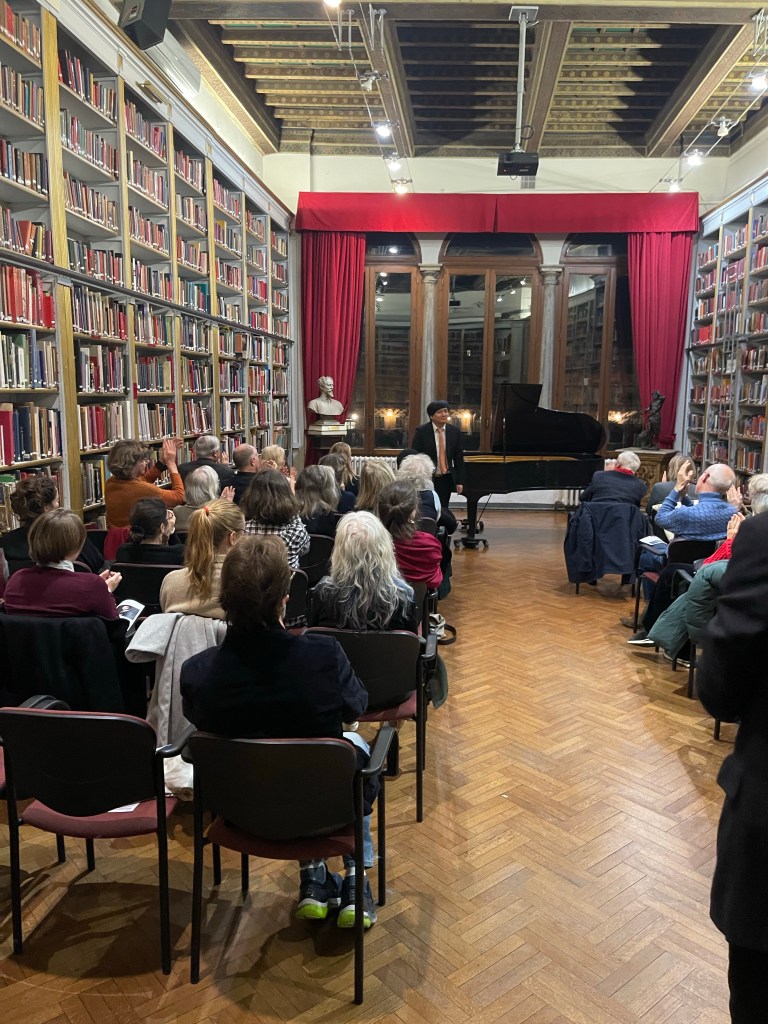
Liszt was always looking to the future and nowhere more than in his later pieces when his youthful showmanship was transformed into penitence and devotion and he was able to anticipate the direction in which music was moving developing ,leading eventually to the twelve tone music of Schoenberg etc.A world where there is no formal or tonal centre but sounds that create a form in themselves.Nowhere is this transition more clear than in the three late pieces that Minkyu offered today.
‘En rève’ is a beautiful nocturne played by Minkyu with ravishing glowing sounds of delicacy but it is a nocturne,barely a page long,that has no ending as it finishes with a question mark.
As does the extraordinary ‘Nuages Gris’ with its strange meandering phrases of such desolation with glimpses of melody that shone like stars sparkling in the mist.
The opening dissonance of what was to be the Fourth Mephisto Waltz is nothing like the famous First Mephisto Waltz that we are used to hearing from the hands of dashing virtuosi.There is a tantalising jeux perlé of dancing notes but short lived as this work too ends in suspense with Liszt opening a door to who knows what is to come next.
The ‘Grosses Konzertsolo’ is a fairly early work in comparison and is Liszt trying ,thanks to Schubert’s Wanderer Fantasy, to find a less formal form than the standard ‘Sonata’.A form where the themes represent an image or personality and are part of a story that are then in themselves transformed as the story progresses – the so called Leit motif .
It was to open the door for Liszt’s son in law Richard Wagner just a few years later.A performance where the leit motif was so clearly outlined in Minkyu’s very intelligent hands that we could appreciate the final extraordinary pages where the motif becomes heartrendingly exhausted after its long journey.I hope one day Minkyu will record the performance and place it where it belongs side by side with its monumental twin the B minor Sonata.Only now recognised as a masterpiece even though Clara Schumann on receiving it ( it was dedicated to her husband who was already institutionalised ) described it as a horrible noise.Brahms famously fell asleep listening to it .It is now considered together with the Schumann Fantasie a pinnacle of the romantic piano repertoire.
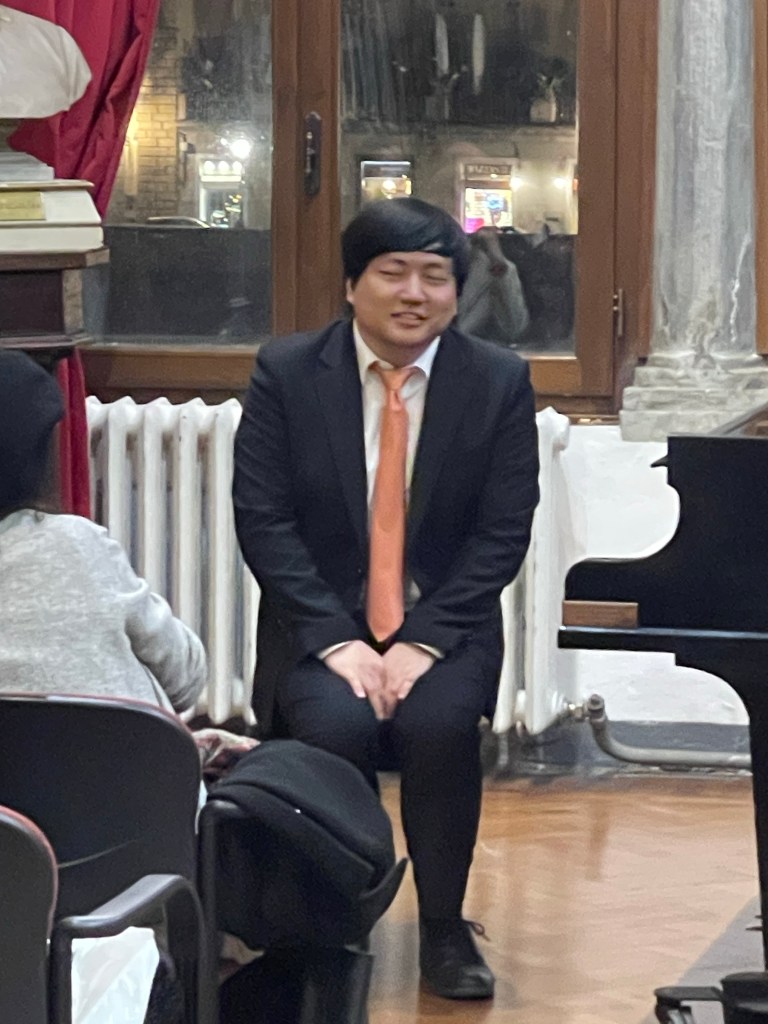
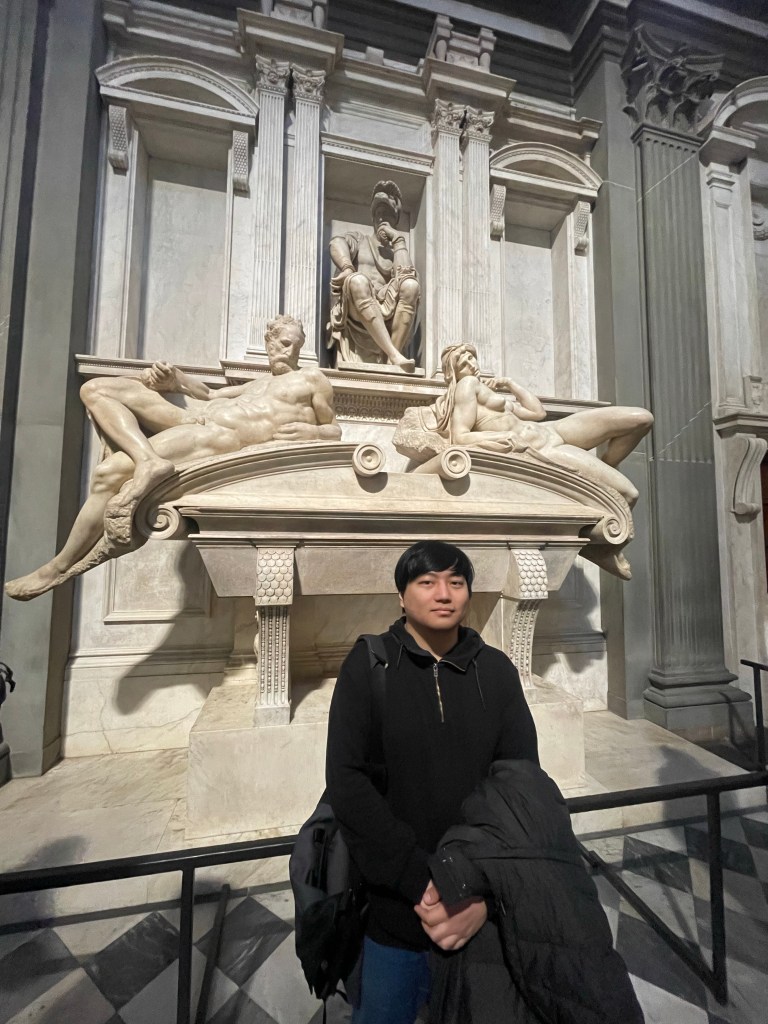
“Il penseroso” a poem and sculpture by Michelangelo that sits in the Medici Chapel that had inspired Liszt to write a piece for his ‘Years of Travel’ when he visited the city in 1838 .Minkyu had learnt it especially as a homage to Liszt and to Florence on this occasion …..an encore from an eclectic thinking musician and superb virtuoso pianist.It was fascinating to hear him explain the ‘preludes’ he had improvised between pieces as was the practice in the 18th Century to prepare the public for the next piece.And to know that the ‘prelude’ to the Grosses Konzertsolo was from the orchestral introduction of it that Liszt had insisted be played before his orchestral version (left unfinished by Liszt but completed and recorded by Leslie Howard )
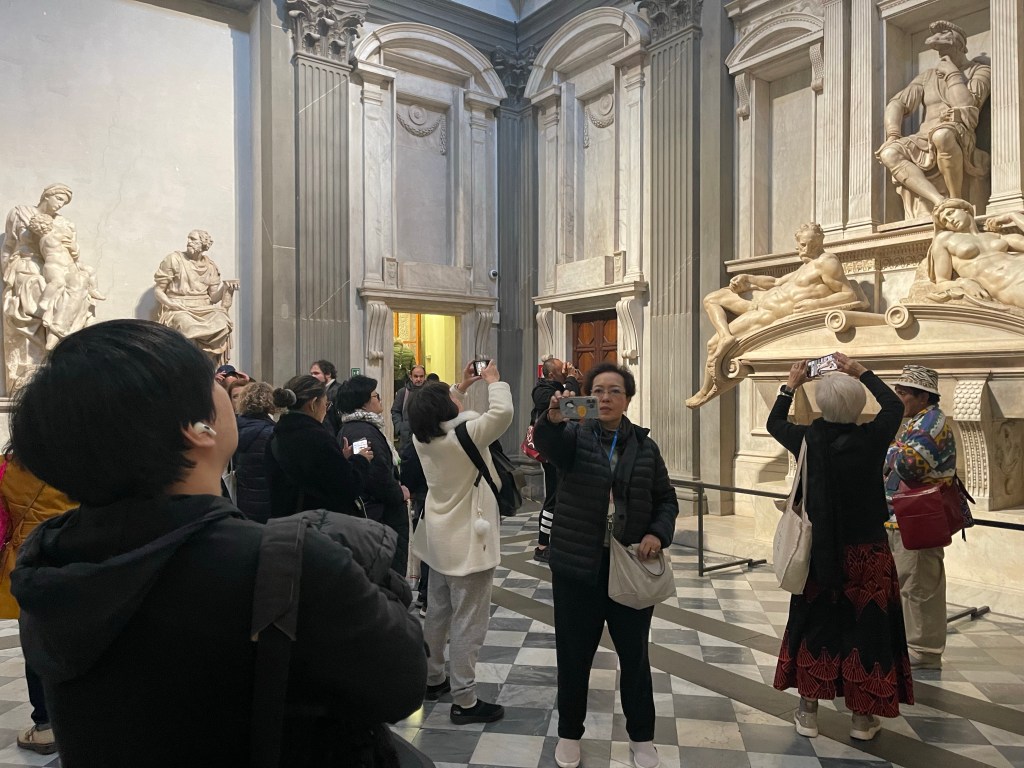
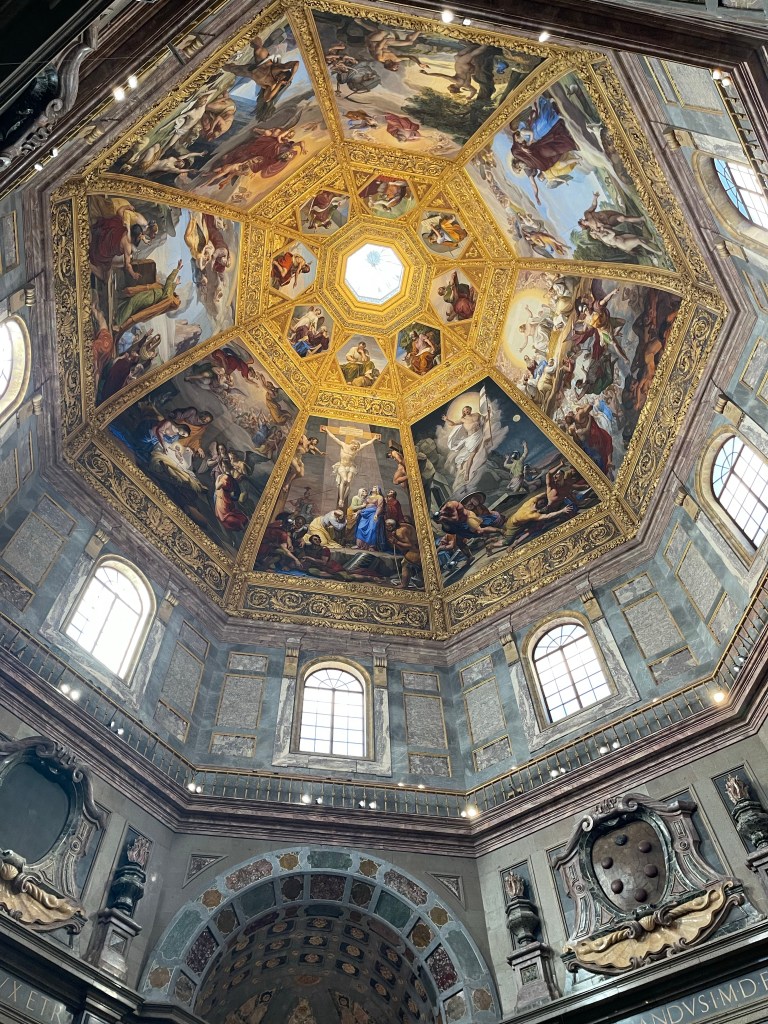
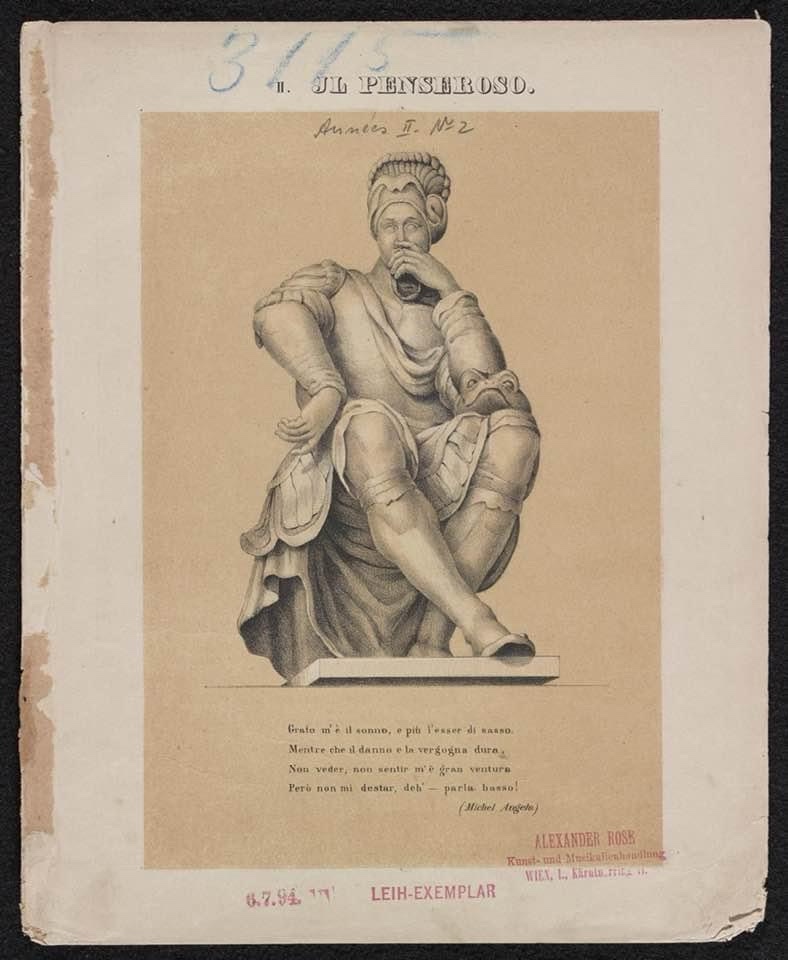
Michelangelo shows Lorenzo as a man deep in thought. Liszt must have interpreted these thoughts as a dark place, as if he were receding into the shadows. Matching this depiction, Il penseroso is a very dark piece. There is not much movement, and it is confined to the the lower registers of the piano, with many slow chords.
Minkyu Kim a pianistic and musical genius at St Mary’s
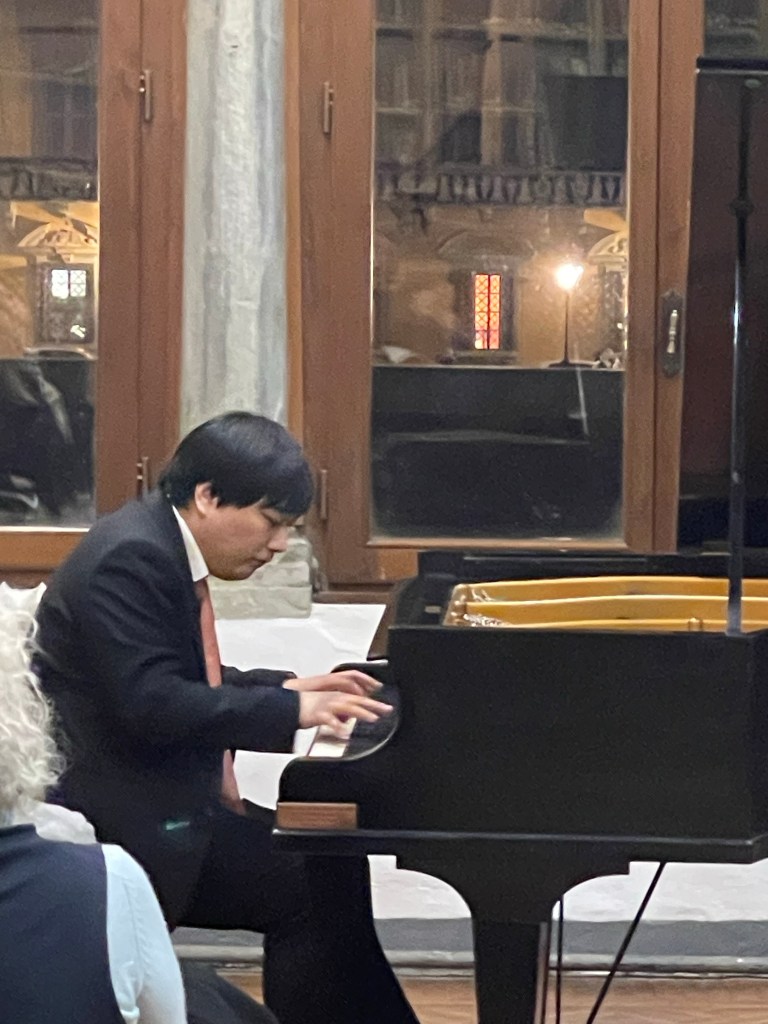
Minkyu Kim – mastery exults to the glory of Liszt
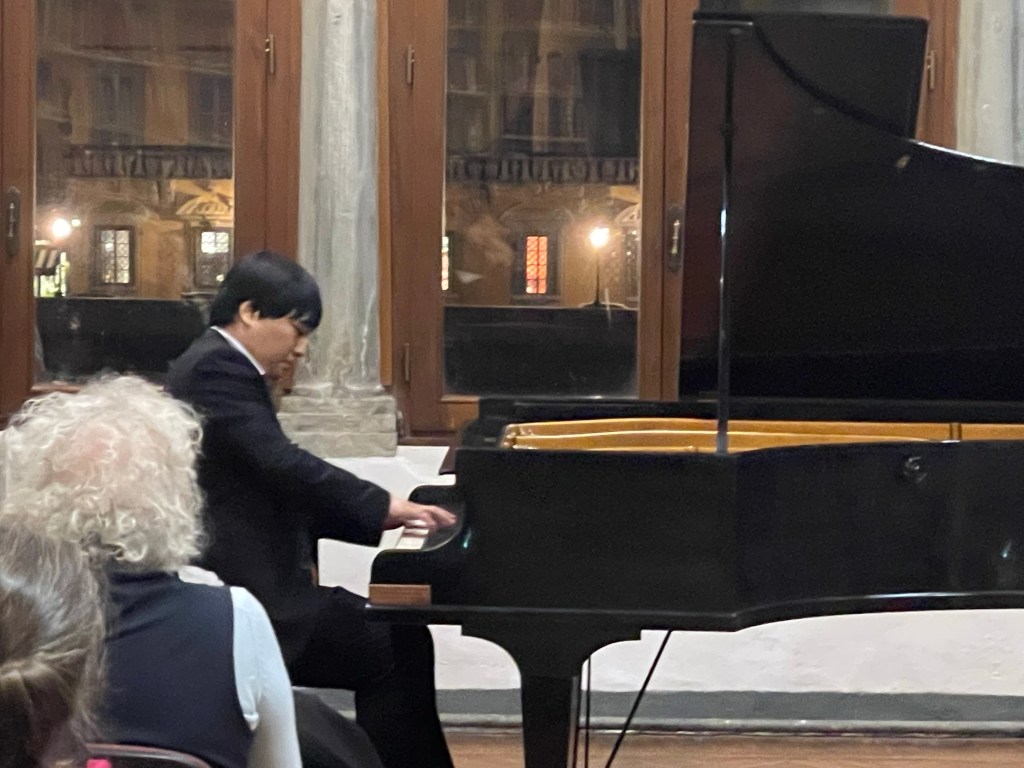
Minkyu Kim at St Mary’s Viva Franz Liszt – the poet of the piano!

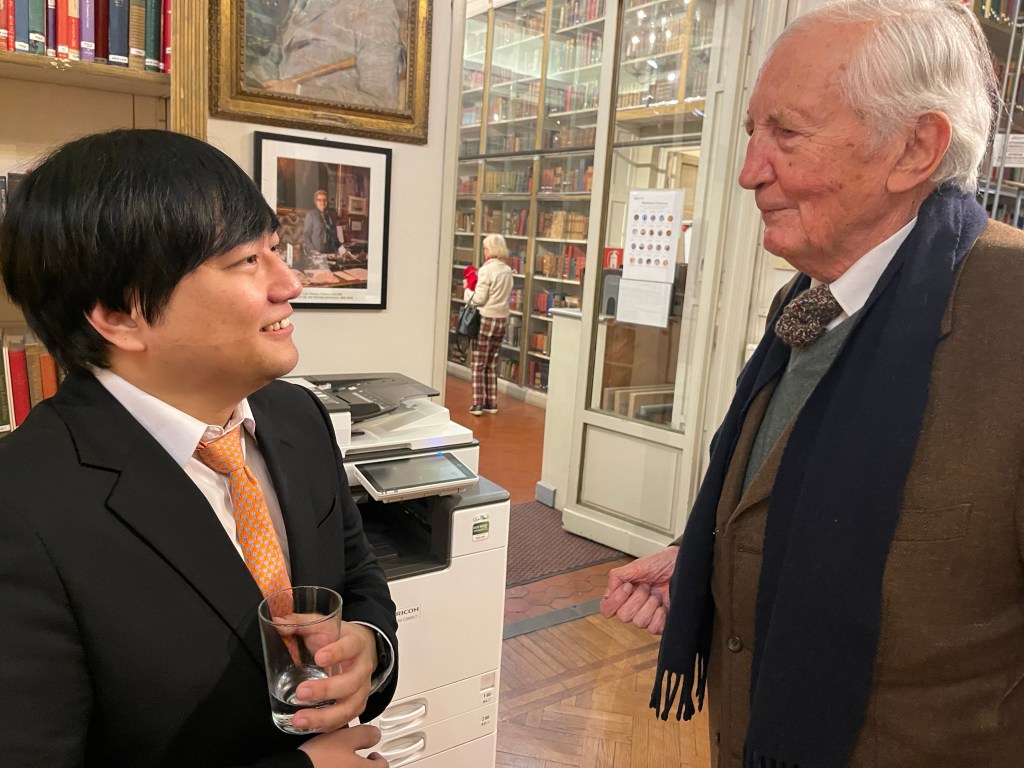
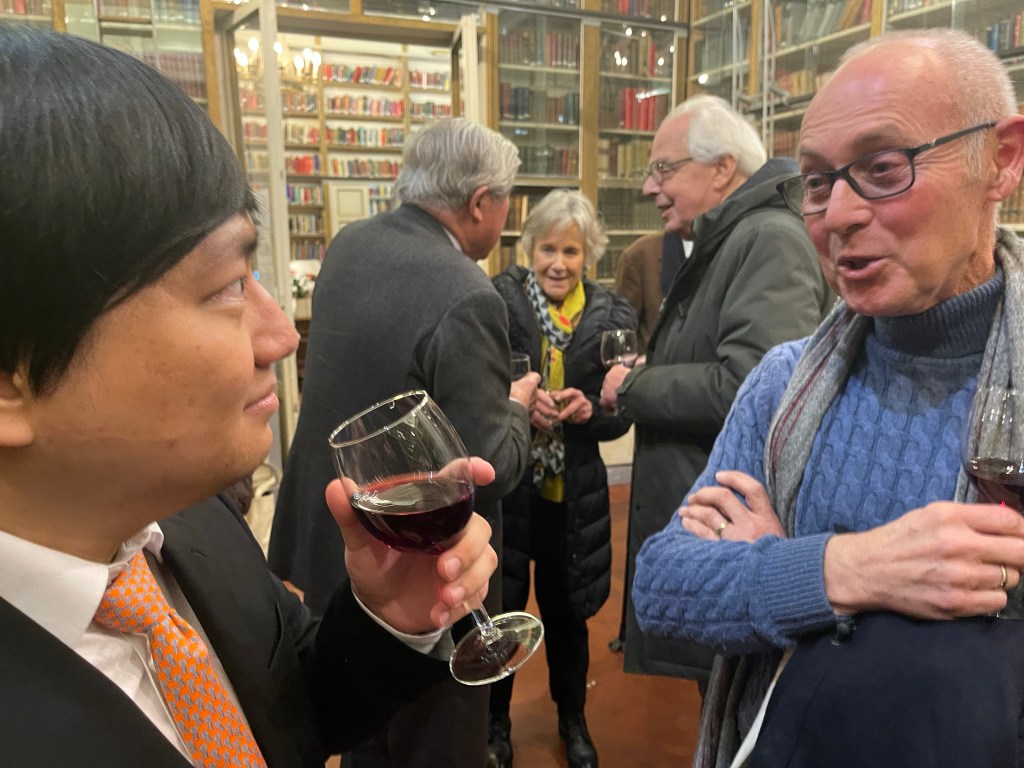




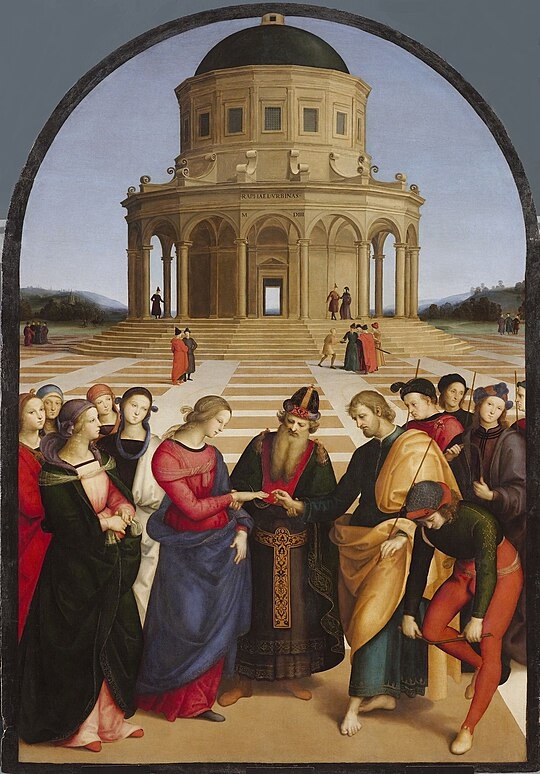
Sposalizio is the title of the first piece in Liszt’s Deuxième Annie de Pèlerinage :Italie (Second Year of Pilgrimage: Italy), published in 1858. The composition starts out with a simple pentatonic melody, described as a “bell-like motif”,turning into a complex musical architecture. The melody then changes to a type of wedding march, continually embellished leading to the grand climax before ending quietly.





This important relationship helped Artaria secure the rights to the works of other important classical composers such as Luigi Boccherini and, most notably, Wolfgang Amadeus Mozart.
During his lifetime, Artaria was Mozart’s principal publisher and starting in 1793, Artaria published several early works of Beethoven until a bitter dispute over the publishing rights of Beethoven’s String Quartet op 29 which culminated in a court case from 1803 until 1805.Yet, Artaria also published Beethoven’s Hammerklavier Sonata in 1819.
The dispute with Beethoven highlights the role the company played in helping determine early copyright laws.
Artaria continued to be a leading publisher through the 19th century, until it finally ceased its music publication business in the twentieth century. Artaria publishing house was dissolved in 1932. The art dealership closed in 2012.
Beethoven’s Piano Sonata No. 7 in D major, Op. 10, No. 3, was dedicated to the Countess Anne Margarete von Browne, and written in 1798. This makes it contemporary with his three string trios op 9 , his three Op. 12 violin sonatas, and the violin and orchestra romance that became his op 50 when later published. The year also saw the premiere of a revised version of his second piano concerto whose original form had been written and heard in 1795.The three Op. 10 sonatas are usually described as angular or experimental, as Beethoven began moving further and further away from his earlier models. This third sonata of the set is the longest and is the only one of the Op. 10 sonatas that has four movements and Beethoven’s pupil the teacher of Franz Liszt described it as ‘grand and significant’


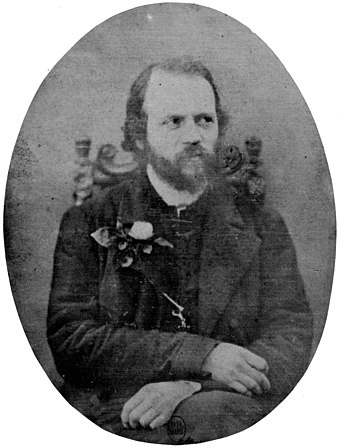
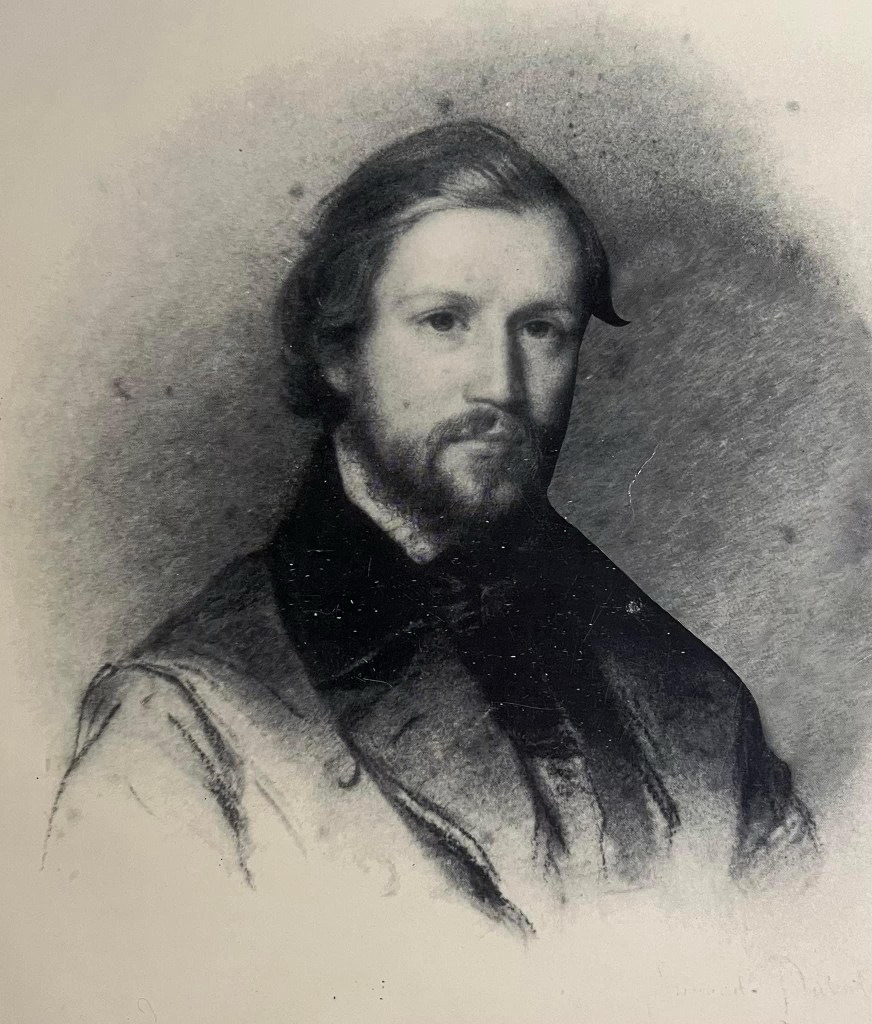
In 1848 Alkan was bitterly disappointed when the head of the Conservatoire,Auber,replaced his teacher the retiring Zimmerman with the mediocre Antoine Marmontel as head of the Conservatoire piano department, a position which Alkan had eagerly anticipated, and for which he had strongly lobbied with the support of Sand, Dumas, and many other leading figures.A disgusted Alkan described the appointment in a letter to Sand as “the most incredible, the most shameful nomination”;and Delacroix noted in his journal: “By his confrontation with Auber, [Alkan] has been very put out and will doubtless continue to be so.”The upset arising from this incident may account for Alkan’s reluctance to perform in public in the ensuing period. His withdrawal was also influenced by the death of Chopin; in 1850 he wrote to Masarnau “I have lost the strength to be of any economic or political use”, and lamented “the death of poor Chopin, another blow which I felt deeply.”Chopin, on his deathbed in 1849, had indicated his respect for Alkan by bequeathing him his unfinished work on a piano method, intending him to complete it , and after Chopin’s death a number of his students transferred to Alkan.After giving two concerts in 1853, Alkan withdrew, in spite of his fame and technical accomplishment, into virtual seclusion for some twenty years.For many years it was believed that Alkan met his death when a bookcase toppled over and fell on him as he reached for a volume of the Talmud from a high shelf.The story of the bookcase may have its roots in a legend told of Aryeh Leib ben Asher , rabbi of Metz,the town from which Alkan’s family originated.
Le festin d’Ésope (Aesop’s Feast), op .39 No. 12, is the final étude in the set Douze études dans tours le tons miners (Twelve studies in all minor keys), Op. 39, published in 1857 (although it may have been written during the previous decade). It is a work of twenty-five variations based on an original theme and is in E minor. The technical skills required in the variations are a summation of the preceding études.
The work requires exceptional virtuosic skills, with extremely fast overlapping octaves, fast scales with left accompaniments, enormous leaps, rapid octave chords, tremolos, double octaves and trills. A typical performance of this piece lasts 10 minutes.

https://christopheraxworthymusiccommentary.com/2020/11/15/mark-viner-at-st-marys-faustian-struggles-and-promethean-prophesis/




22 October 1811 Doborjan ,Hungary – 31 July 1886 (aged 74)Bayreuth ,Hungary
At a later stage in his life Liszt experimented with “forbidden” things such as parallel 5ths in the “Csárdás macabre”and atonality in the Bagatelle sans tonality (“Bagatelle without Tonality”). Pieces like the “2nd Mephisto-Waltz” are unconventional because of their numerous repetitions of short motives. Also showing experimental characteristics are the Via crucis of 1878, as well as Unstern!, Nuages Gris and the two works entitled La lugubre gondola of the 1880s.
En rève (‘Dreaming’) was composed in 1885 and unlike in many of the works from the last years of Liszt’s life, nothing disillusioned or bleak, but rather a note of acceptance and reconciliation.
Nuages gris or Trübe Wolken,was composed on August 24, 1881. It is one of Liszt’s most haunting and at the same time one of his most experimental works, representing , “a high point in the experimental idiom with respect to expressive compositional procedure.” Yet it was only in the second half of the twentieth century that the significance of Liszt’s late experimental works began to be appreciated. “Arguably, Liszt was the first composer to establish the augmented triad as a truly independent sonority, to consider its implications for modern dissonance treatment, and to ponder its meaning for the future course of tonality. Liszt’s accomplishments were summarised in Busoni’s phrase, as the ‘master of freedom’.Debussy probably had Nuages gris in mind when he composed his own Nuages .On a more mundane note it was used in the shocking scene at the morgue in Stanley Kubrick’s last film Eyes Wide Shut.
Bagatelle sans tonalité was written by in 1885. The manuscript bears the title “Fourth Mephisto Waltz”and may have been intended to replace the piece now known as the Fourth Mephisto Waltz when it appeared Liszt would not be able to finish it; the phrase Bagatelle ohne Tonart actually appears as a subtitle on the front page of the manuscript.
While it is not especially dissonant, it is extremely chromatic becoming what Liszt’s contemporary Fétis called “omnitonic”in that it lacks any definite feeling for a tonal center.Like the Fourth Mephisto Waltz, however, it was not published until 1955.
Années de pèlerinage S.160-161-162-163is a set of three suites for solo piano by . Much of it derives from his earlier work, Album d’un voyageur, his first major published piano cycle, which was composed between 1835 and 1838 and published in 1842.Années de pèlerinage is widely considered as the masterwork and summation of Liszt’s musical style. The third volume is notable as an example of his later style Composed well after the first two volumes, it displays less virtuosity and more harmonic experimentation.
The title Années de pèlerinage refers to Goethe’s famous novel of self-realization, whose original title Wilhelm Meisters Wanderjahre meant Years of Wandering or Years of Pilgrimage, the latter being used for its first French translation.Liszt clearly places these compositions in line with the Romantic literature of his time, prefacing most pieces with a literary passage from writers such as Schiller, Byron or Senancour, and, in an introduction to the entire work, writing:
“Having recently travelled to many new countries, through different settings and places consecrated by history and poetry; having felt that the phenomena of nature and their attendant sights did not pass before my eyes as pointless images but stirred deep emotions in my soul, and that between us a vague but immediate relationship had established itself, an undefined but real rapport, an inexplicable but undeniable communication, I have tried to portray in music a few of my strongest sensations and most lively impressions.”
Deuxième année: Italie” (“Second Year: Italy”), S.161, was composed between 1837 and 1849 and published in 1858 by Schott. Nos. 4 to 6 are revisions of Tre sonetti del Petrarca which was composed around 1839–1846 and published in 1846.All three are based on Sonnets, or Canzone, by the Italian Renaissance poet Francesco Petrarca (1304-1374). They are meditations on love, specifically the poet’s passionate love for Laura de Noves. In the first, Benedetto sia ‘L giorno -Blessed be the day…., Canzone LXI, sometimes erroneously noted as Sonnet 104), he prays for divine blessing on the joys and sufferings of love. The second, Pace non trovo – I find no peace….. Canzone CXXXIV; sometimes erroneously noted as Sonnet 47is more agitated. In it, the poet ponders the confused state love has put him in. Enthralled to his lady, he feels imprisoned yet free, he burns with love, yet feels he is made of ice: in modern psychological parlance, a true state of ‘limerence’. The third, lividi in terra angelici costumi – I Beheld on Earth Angelic Grace…., Canzone CLVI; sometimes incorrectly listed as Sonnet 123, is an ardent love poem in which the poet describes the perfect beauty and purity of his love and its effect on all of Heaven and Nature.
In 1851 Breitkopf & Härtel published the solo piano work Grosses Konzertsolo S.176. Though not as popular as the later Sonata in B minor the work achieves significance by the fact that it anticipates the Sonata as a large-scale nonprogrammatic work. It shows structural similarities to the Sonata and obvious thematic relationship to both the Sonata and the Faust Symphony.
One unpublished earlier version of the work exists, titled in French in the manuscript Grand Solo de concert (S.175a). This version differs structurally from the published Grosses Concert-Solo, thus revealing the existence of interesting material for a study on the genesis of Liszt’s gradual innovations in constructing a large-scale musical organism, which were to come to full fruition in the Sonata.
In 1866 a two-piano version was published under the title Concerto pathétique (S.258/2) which, though not differing structurally from the Grosses Concert-Solo, introduces a more effective layout of the musical thoughts, mainly due to an innovative concerto-like treatments of the two piano version.The fact that the solo Grosses Concert-Solo has been overshadowed by the later two-piano version has obscured the importance of the former as one of Liszt’s largest and most ambitious original works for the instrument. The Grosses Concert-Solo anticipates several of the most salient features of Liszt’s undisputed masterwork, the Sonata in B minor , namely the nonprogrammatic “four-movements-in-one” form.The piece was written between 1849 and 1850, and dedicated to Adolf Henselt who professed himself unable to play it, even though Liszt had intended it as a competition piece for the Paris Conservatoire.
Leslie Howard the noted Liszt expert having recorded all the works of Liszt on over 100 CD’s .He is an Artistic Director of the Keyboard Trust and is president of the Liszt Society in London and is seen here talking about and playing the Grosses Konzertsolo :
Exploring Liszt with Leslie Howard
 ChristopherAxworthy-MusicCommentary
3 risposte a "Minkyu Kim in Florence and Milan An eclectic musician and astonishing virtuoso"