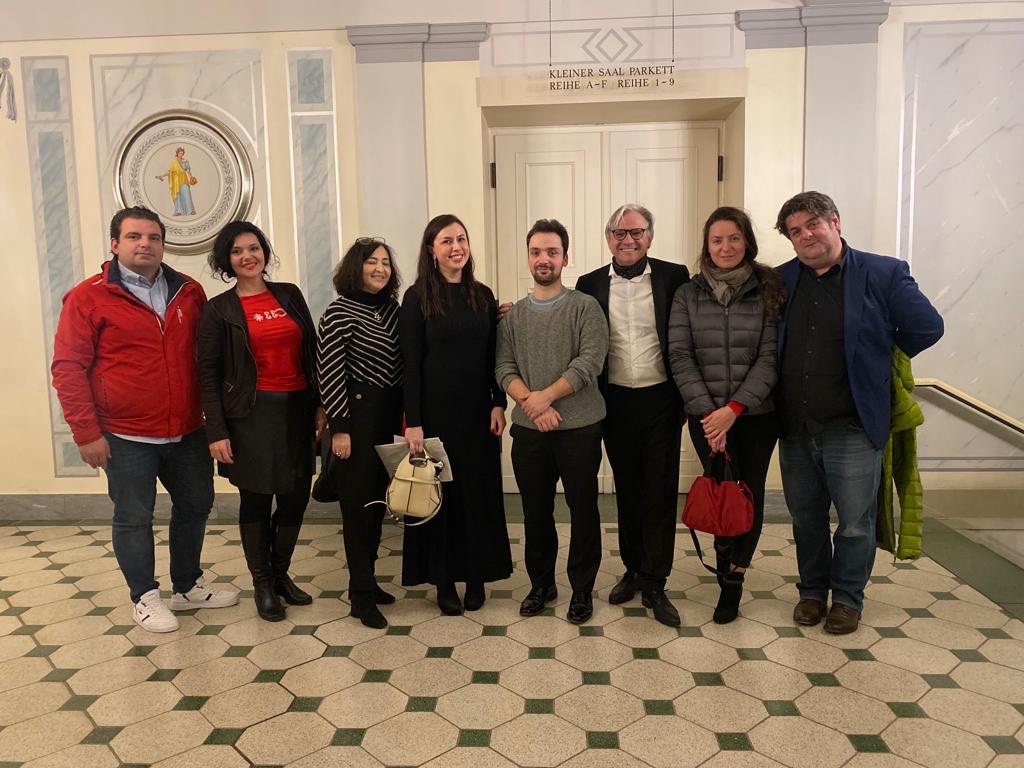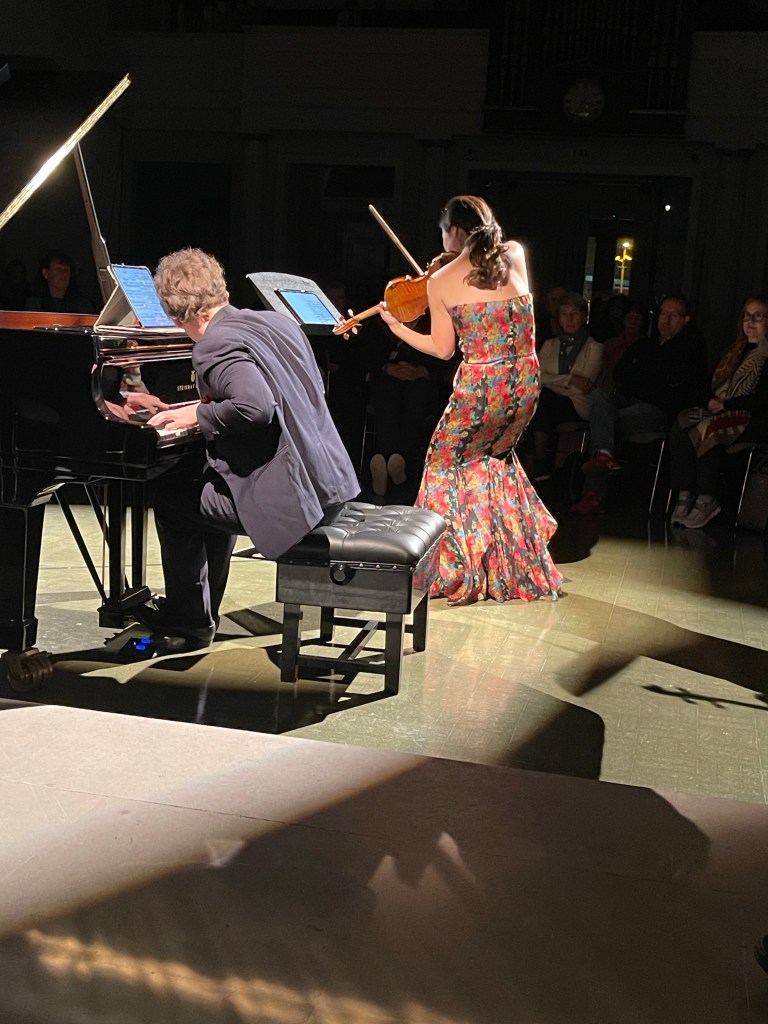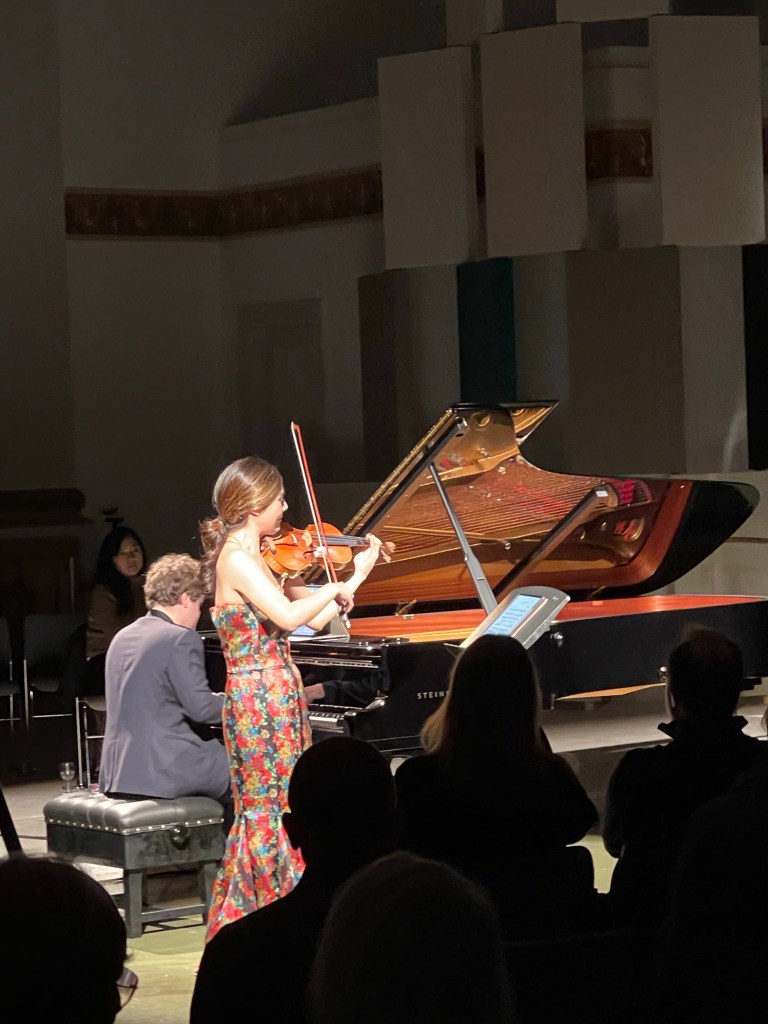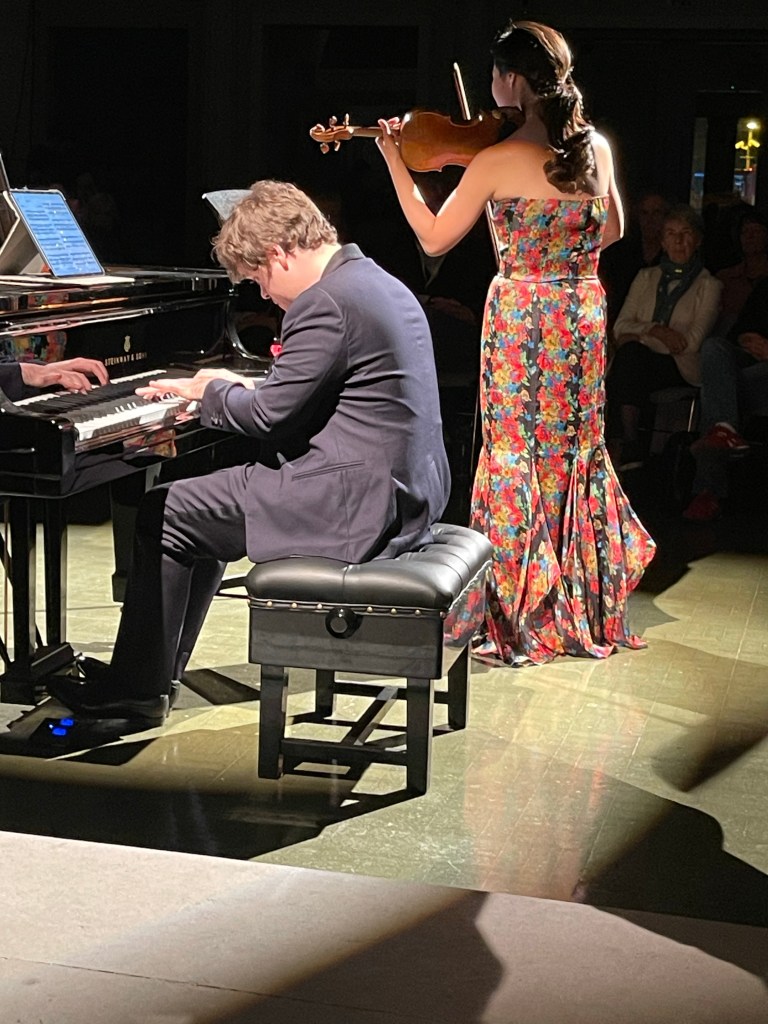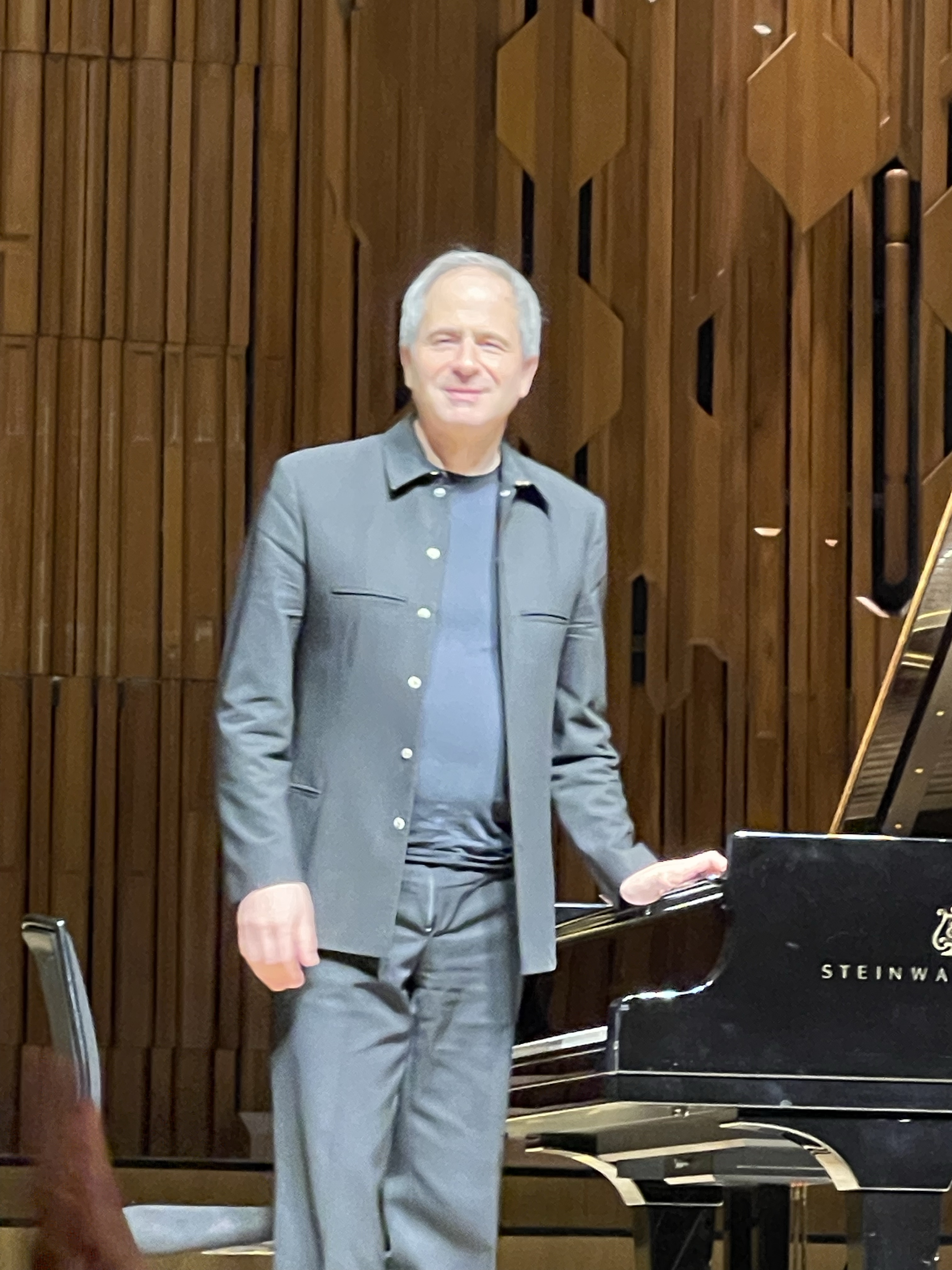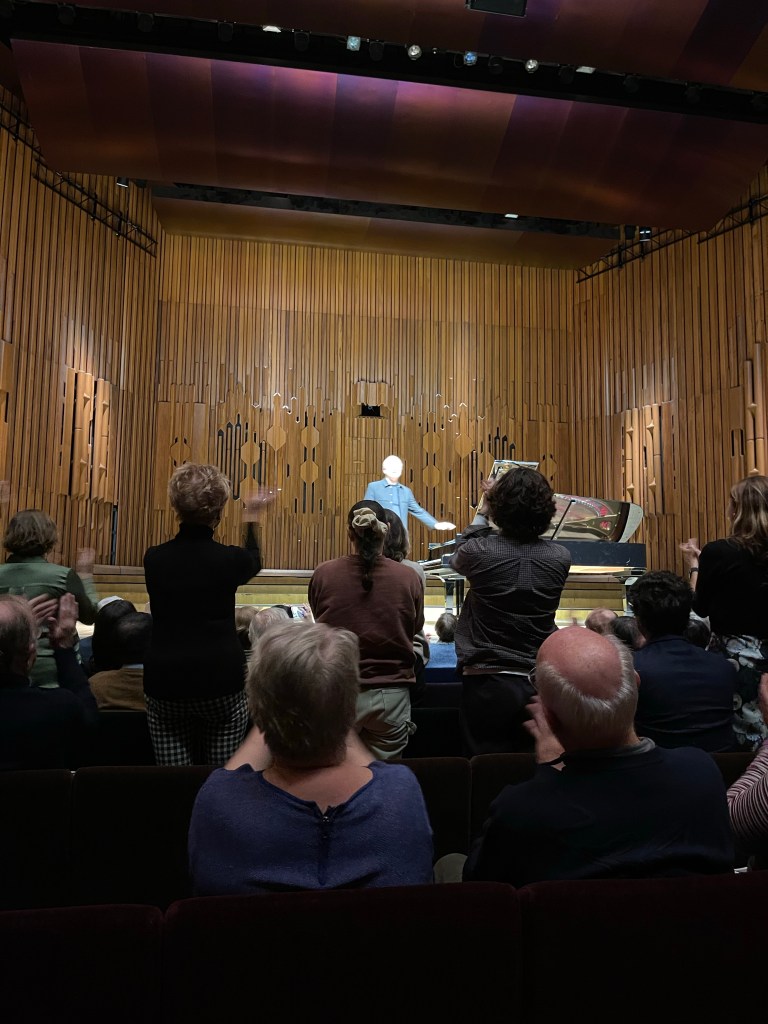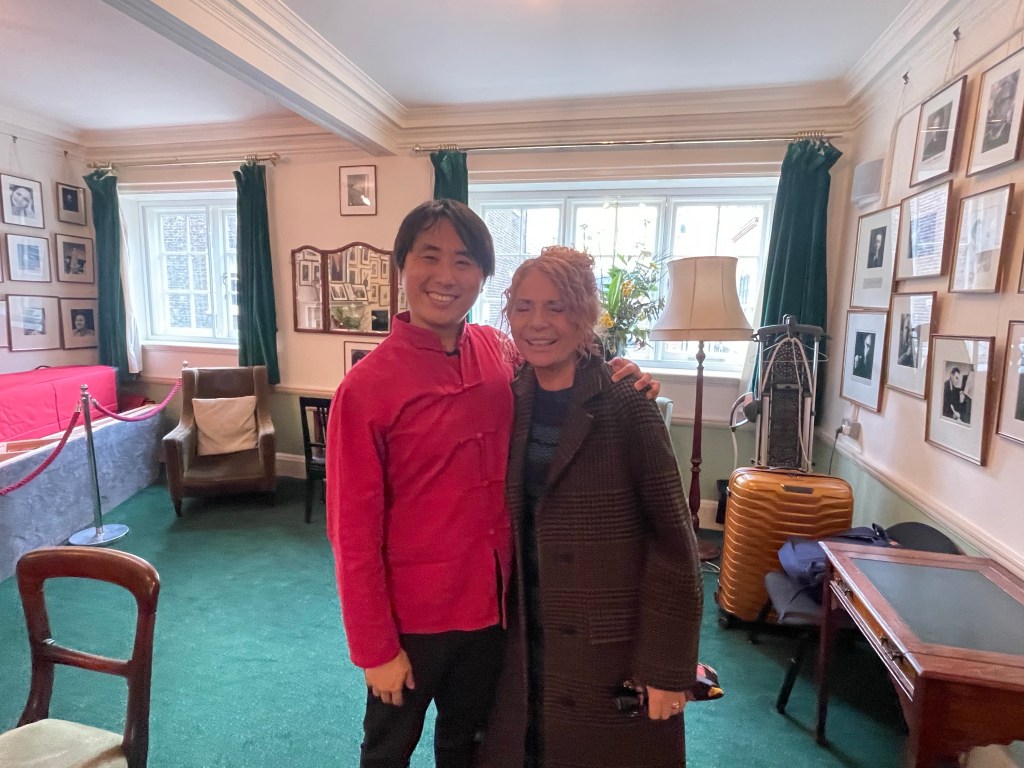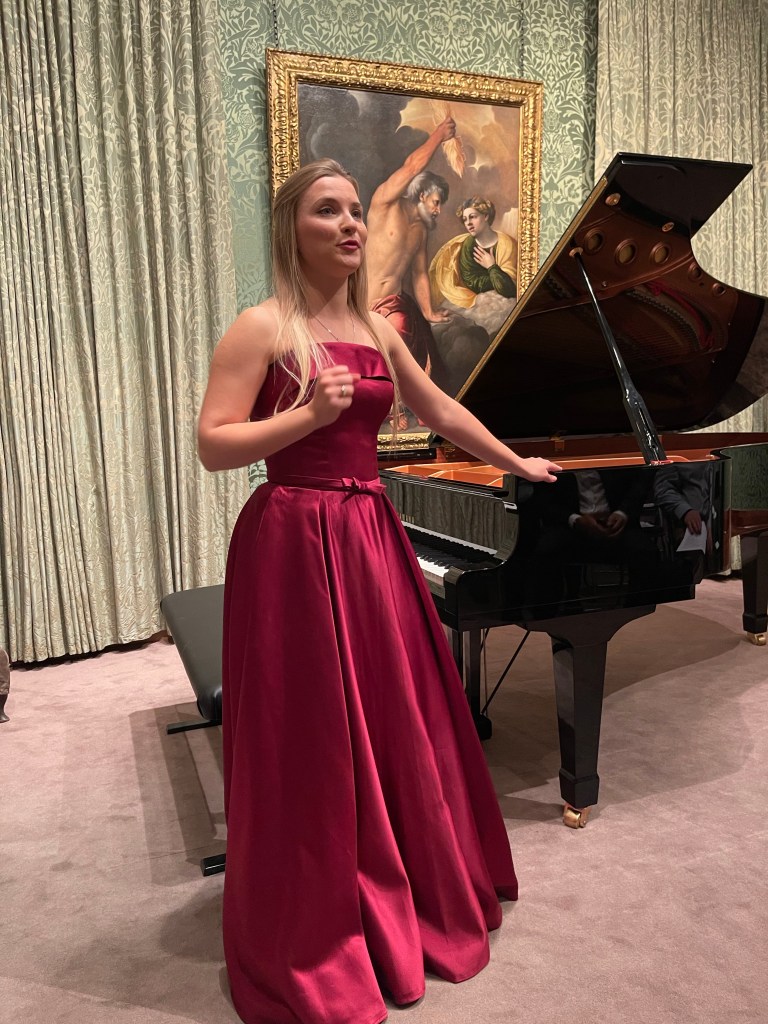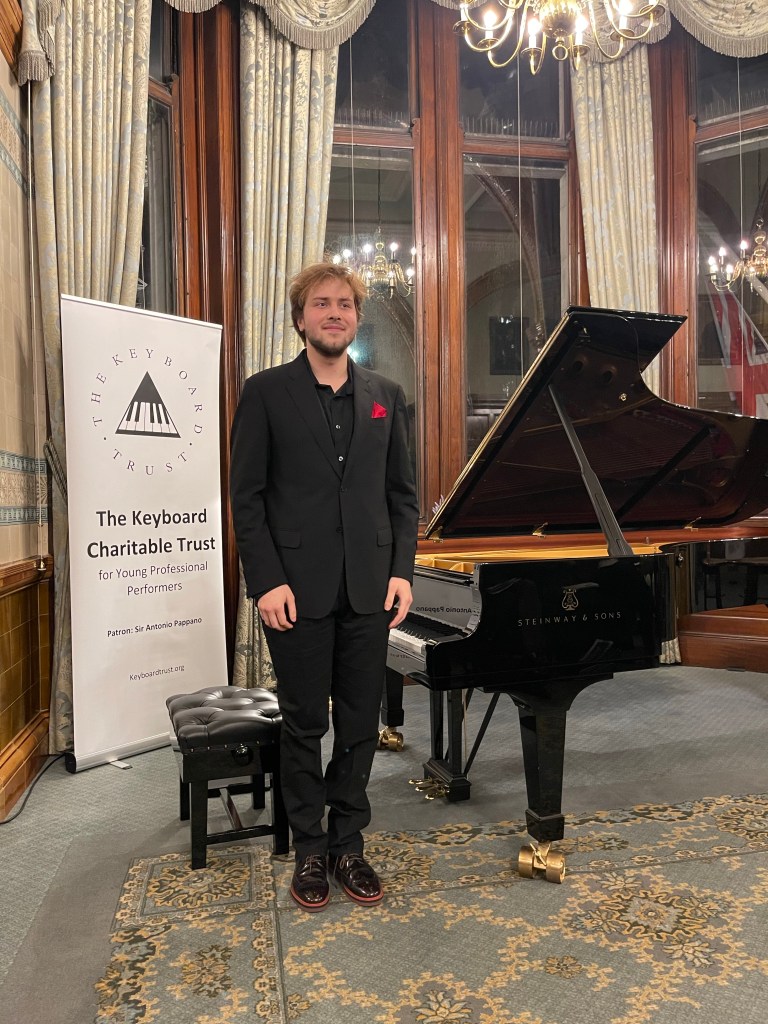
Nikita Lukinov at the National Liberal Club ‘A supreme stylist astonishes and seduces’

Lukinov Gramophone review review and Lagrasse festival

https://christopheraxworthymusiccommentary.com/2022/07/15/two-young-giants-cross-swords-in-verbier-giovanni-bertolazzi-and-nikita-lukinov/

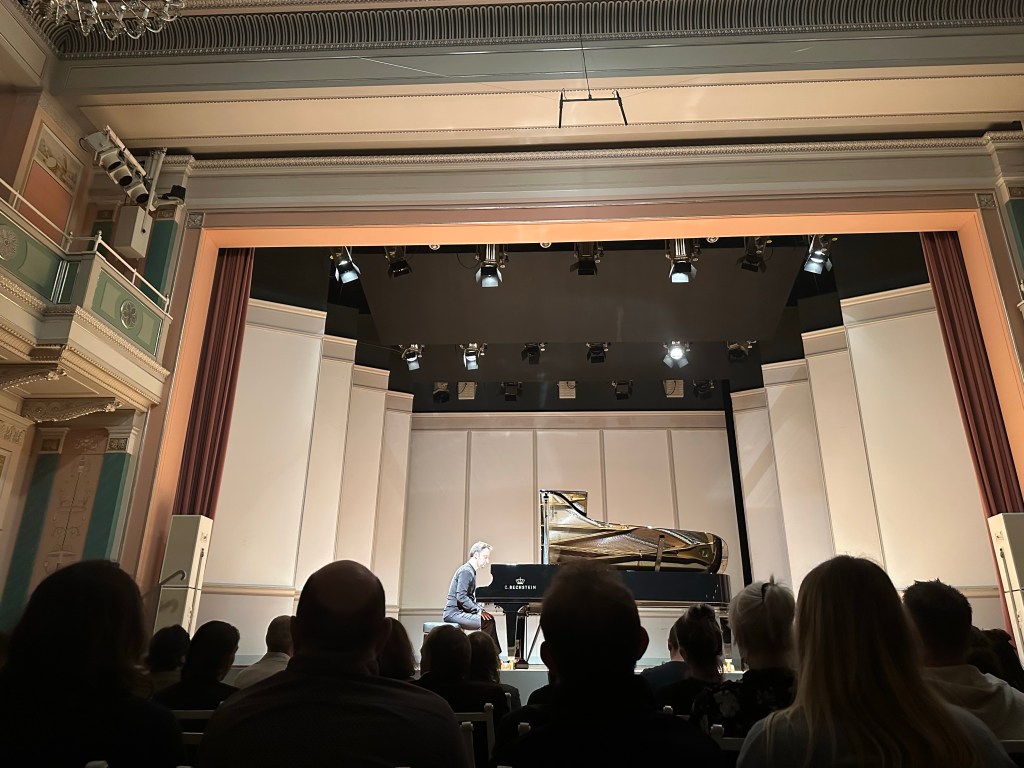
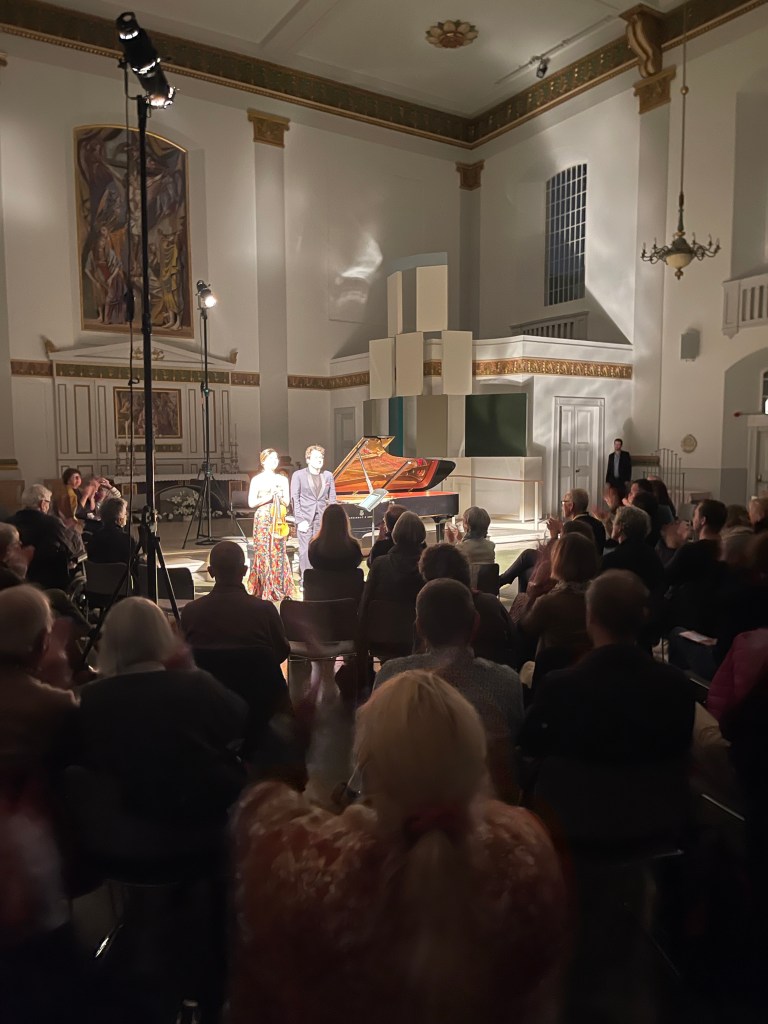
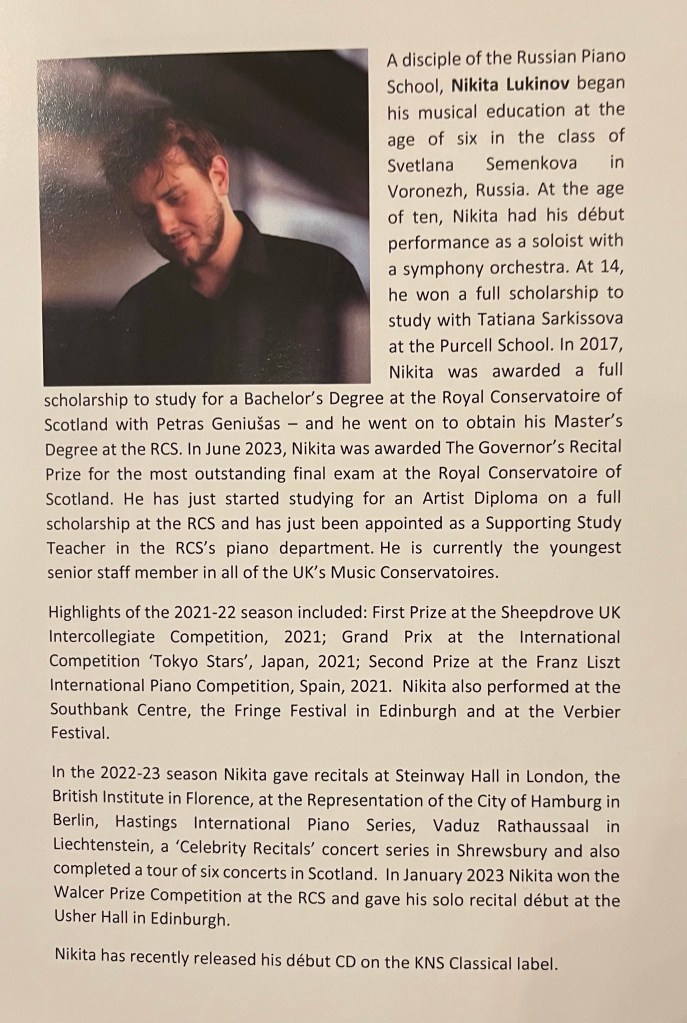
A full house for Nikita Lukinov at the Liberal Club with a display of a supreme stylist blessed with an elegance and a kaleidoscopic range of sounds.
Schumann’s Symphonic Studies that shone like newly minted jewels that astonishingly they could still take us by surprise with his sensitive artistry and passionate commitment.
Moulding such well known phrases into streams of sounds of ravishing beauty where even the posthumous studies seemed at last to have found their true home as he incorporated them into the whole with such sensitive intelligence.
Five of Tchaikowsky’s little pieces op 72 ,having such fun at the end of his life baking his little ‘pancakes’ ,were transformed into miniature tone poems of striking beauty and mastery.
Pletnev’s transcription of four pieces from Sleeping Beauty by contrast paled into insignificance even though played with the mastery that had held us mesmerised from this dashing young Russian who had flown down from his home in Glasgow to enchant and seduce us.
He is by the way the youngest staff member at The Royal Conservatory of Scotland and of all UK’s Music Conservatories.
He and his companion Anastasia ,a renowned novelist,are truly a golden couple who relish the Glaswegian air.
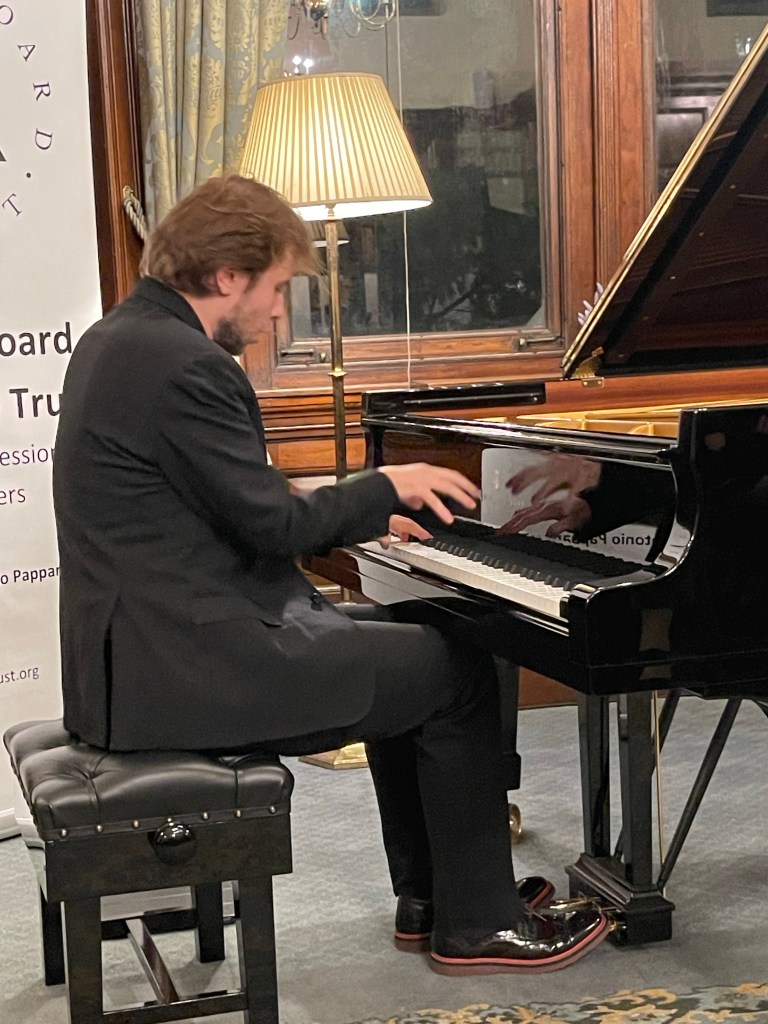
The Symphonic Studies were played by a superb stylist who was able to conjure moments of astonishing beauty from a work we have known for a lifetime.
His artistry and remarkable sense of balance combined to produce and illuminate the score with moments of pure magic.Nowhere more than in the Posthumous studies that he so intelligently inserted after the 7th variation. Guido Agosti the great pedagogue,a disciple of Busoni,likened this variation to a Gothic Cathedral.
Schumann does not specify where or if they should be inserted into the final version approved by the him but when done like today it is an added wing to a great monument.It was indeed Brahms who decided to add these miniature variations to the original whole.
They have much in common with the introspective world of the later works of Brahms.with the swirling effusions of the first and the simple purity of the melodic line in the second with its sudden daring interruptions only to dissolve into whispers.It was here that our Russian hero jumped a variation on the spur of the moment and unconsciously,so he tells me,moving to the fourth variation with its notes that drop like petals onto the keys creating just the magic for the sublime musings of the fifth .Like the fourteenth dance of Schumann’s Davidsbundler this is one of those wondrous moments of genius where time seems to stand still and it is often played as an encore by many great pianists.
The spell was broken with a ‘coup du theatre’ and the rude interruption of the transcendental ‘presto possibile’.A study that make most pianists tremble with fear but not for Nikita who played it with the same ease that he had brought to all of the studies because he had seen the true musical content and it was this that was the underlying motor behind all he did.
Even in the finale that in lesser hands can seem so repetitive his sudden change of gear with a corner turned more gracefully than the driving rhythms would have him believe,or a phrase in crescendo that suddenly he played quietly and that opened up new vistas for his genial poetic palette.All this was done without the slightest taking away from the overall architectural shape and without any idea of personal gratuitous distortions for effect!
The opening theme had been rather slow but his kaleidoscope of colour filled every phrase with infinite possibilities that were to be discovered as the curtain went up on the first whispered variation.The startling difference between the whispered staccato left hand and the gradually more legato right showed a transcendental mastery of sound.
The second variation took me by surprise as he gave more prominence to the bass than the romantic outpouring of the right hand.A voyage of discovery indeed that was reversed on the repeat as it built to its passionate climax.
An extraordinarily subtle voicing in the tenor register drew us in to eavesdrop on this wondrous web of sounds that were fluttering over the keys whilst the tenor, with the ease of the great Belcanto singers, was shaping his phrases with emotional elasticity.
The chords of the third variation were played with unusual lightness which lead so meaningfully into the fifth variation where Schumann declares himself more openly.
Passionate virtuosity of the fifth ( all too similar to the posthumous variation that Nikita had quite rightly omitted and I hope he will always continue to do so!) .In this context it is one of the most romantic outpourings similar to the 8th Novelette and it was played with sumptuous full sounds of pure velvet never hard or ungratefully energetic!
A remarkable performance that with his recent performances of Liszt’s B minor Sonata show him to be one of the most remarkable intelligently artistic young pianists of his generation .
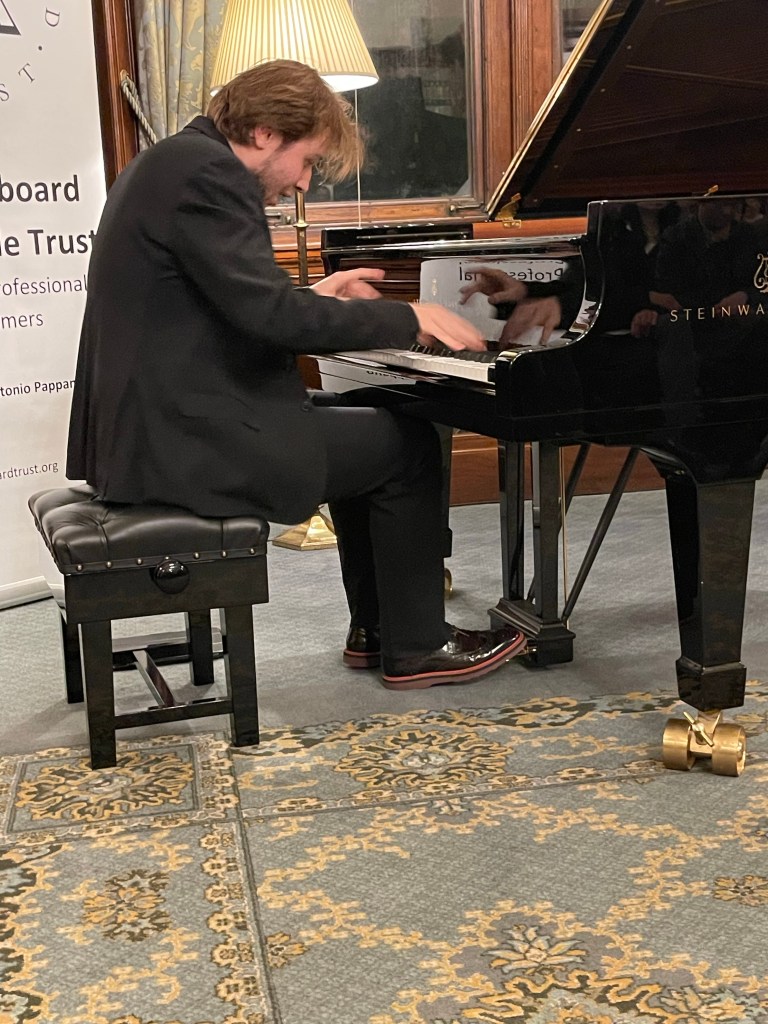
Tchaikovsky was next with five very carefully chosen pieces from the 18 that had so delighted and surprised the composer himself.
As Leslie Howard confided why are they not played more often as they are ravishing tone poems that seem to flow so easily from his pen to the keys?
An almost improvised ‘Un poco di Schumann’ with the dotted rhythms so prevalent in Schumann transformed by Tchaikovsky into a melody of great intimacy.
Ravishing beauty of ‘Meditation’ with its sumptuous colours and romantic outpouring of grandeur and beauty.
The dynamic quicksilver drive of the ‘Valse’ was followed by the gentle insistent rocking of the ‘Berceuse’.The ‘Scherzo – Fantasie’ where Nikita unknotted this very ungratefully written piece (according to LH)
Such wonders written by a master one can imagine why Pletnev would want to continue in the same way with ‘The Nutcracker ‘ and the ‘Sleeping Beauty.’ Wheras in the ‘Nutcracker’ he succeeded ,the four pieces that Nikita played from the ‘Sleeping Beauty’ sounded flat and ungrateful even though our Russian Prince played them magnificently and tried valiantly to bring them to life.Something that not even Pletnev could do when he played them for us in Rome some years ago.Lets have more of the original ‘pancakes’ of a Genius say I !
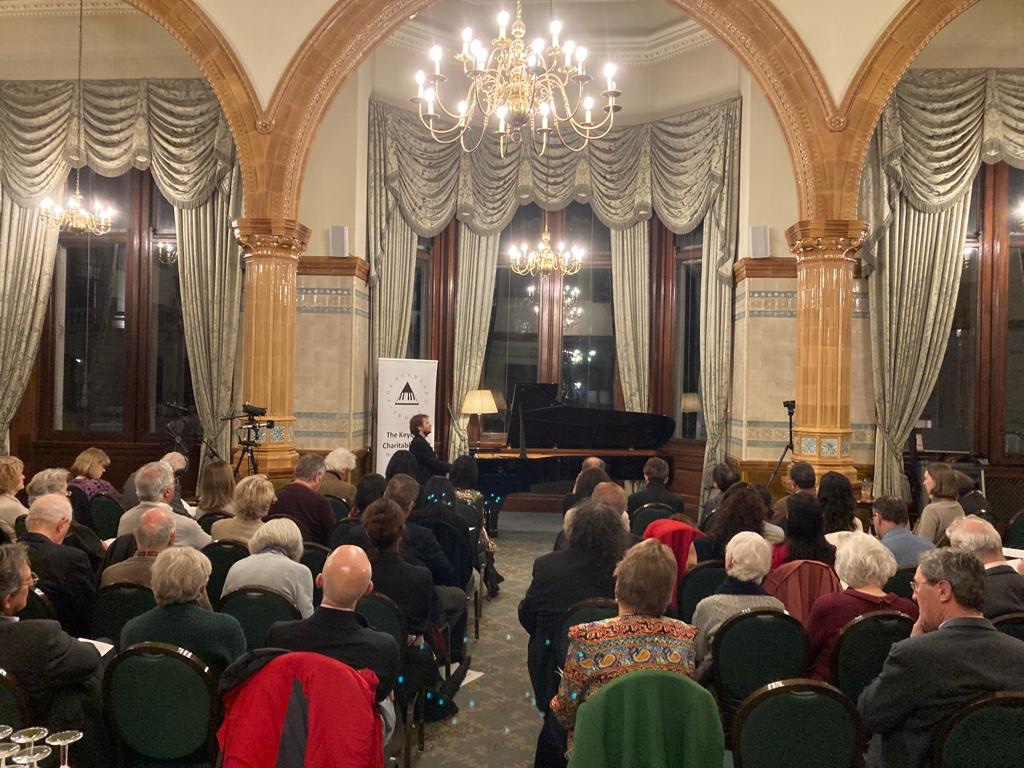
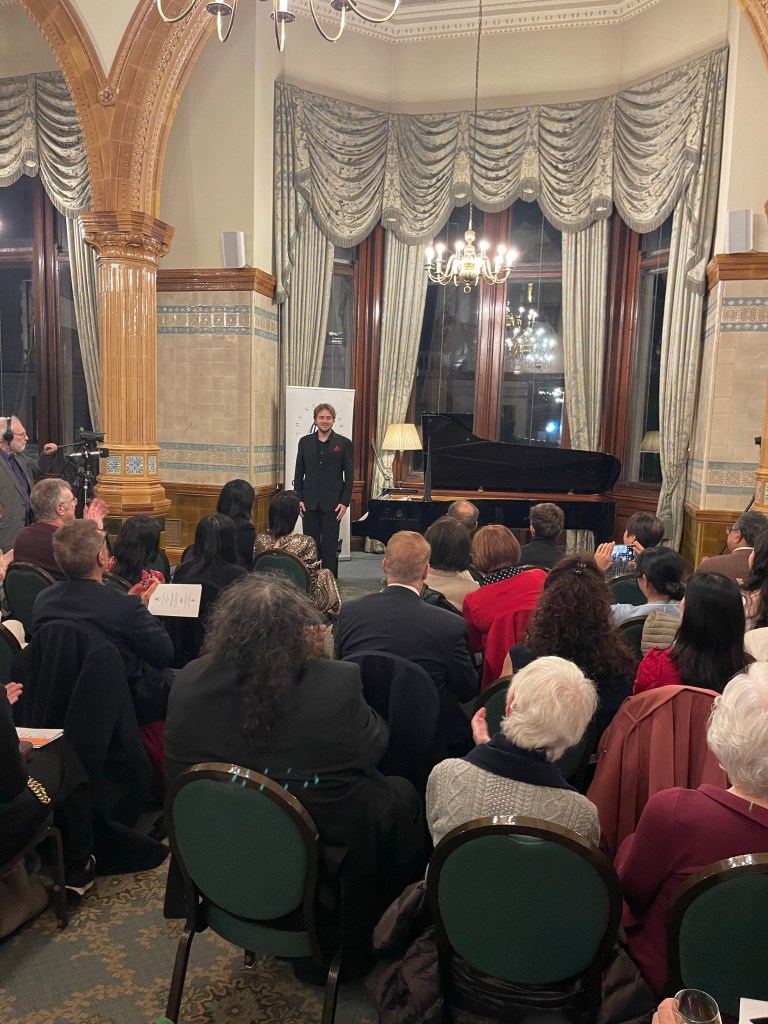
Not a spare seat or a dry eye in the house tonight
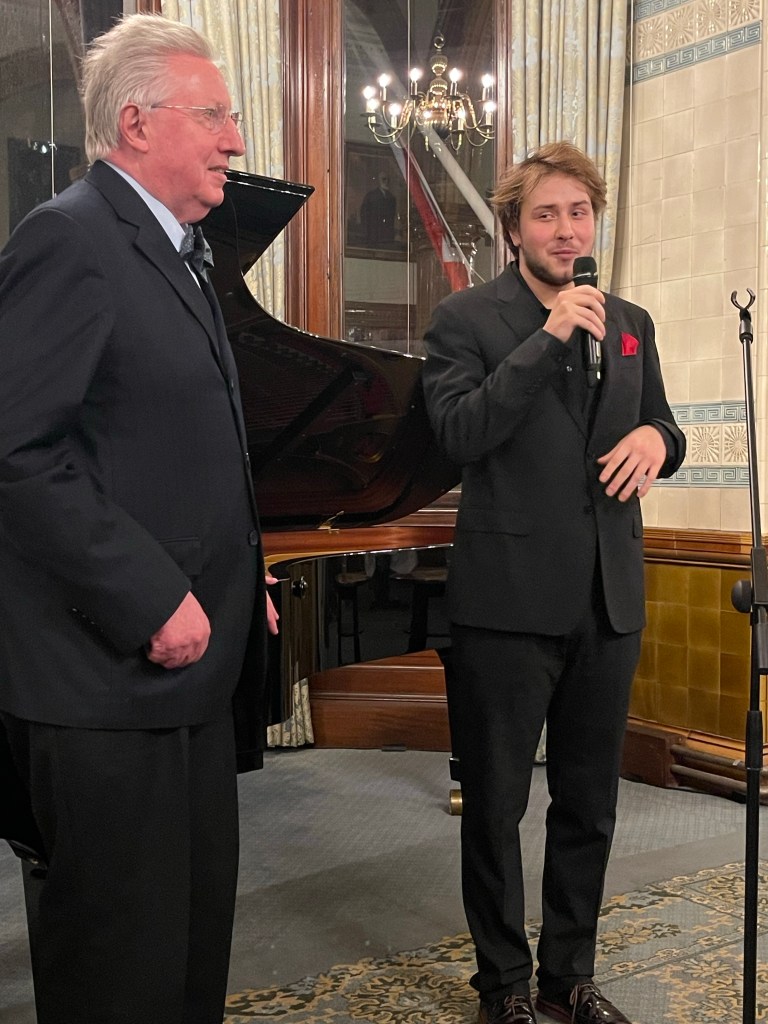
Nikita in brief conversation with Leslie Howard ………..He lost his voice on his way down south but as Leslie said what does it matter when you can play like that!
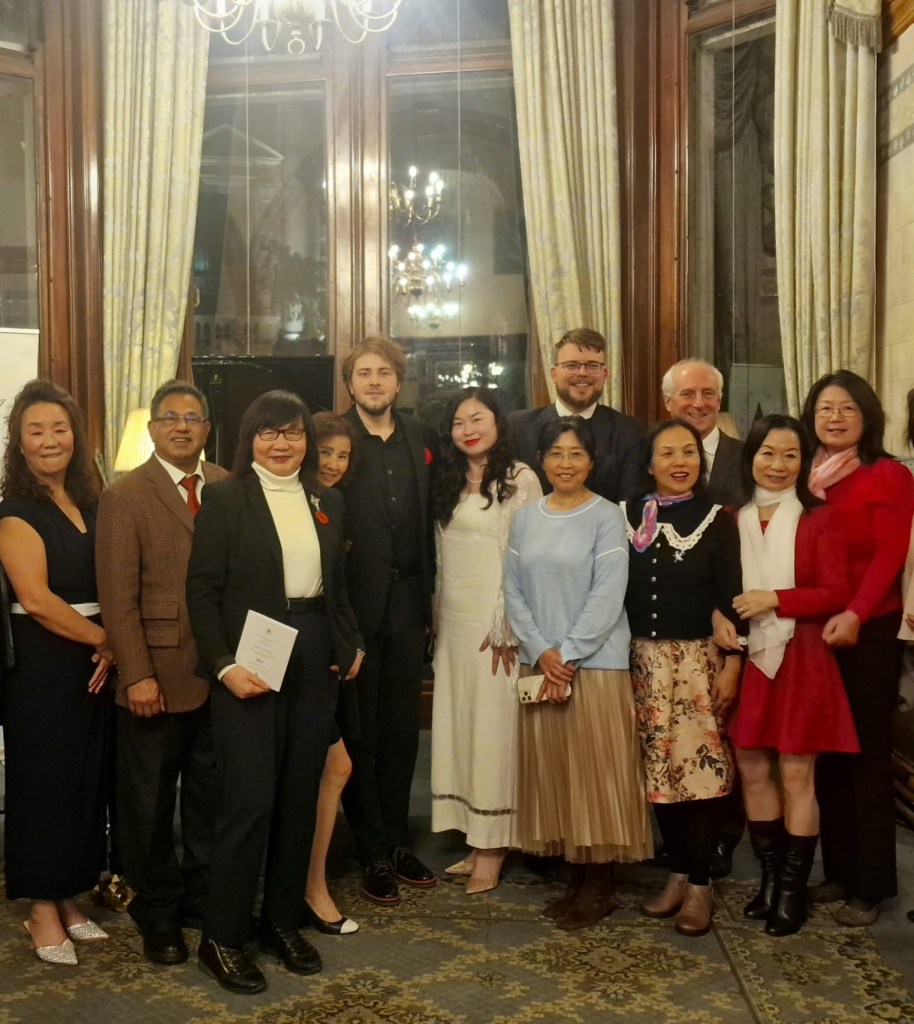
Yisha Xue our hostess for the Asia Circle at the National Liberal Club
A full house for another superb young pianist from the KT studio
Derek West ,chairman of the National Liberal Club Ltd adding his compliments to the pianist but also saying how proud he was ,as he was on the treasury committee, that the club’s money was invested so wisely in this superb Steinway D Concert Grand
A special greeting from the Circle Square members in the sumptuous Club library
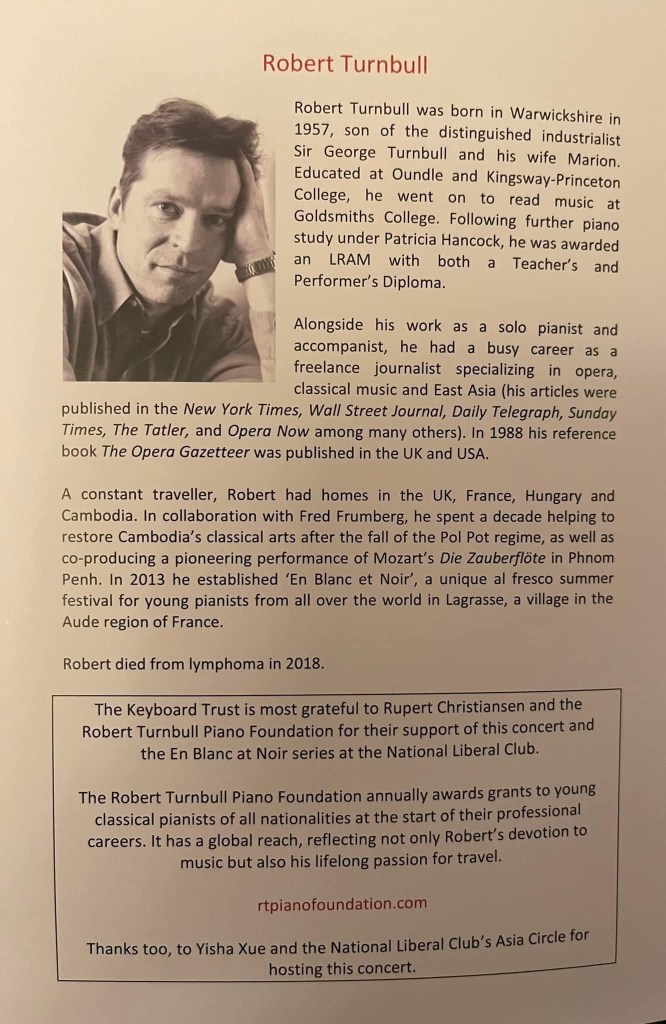
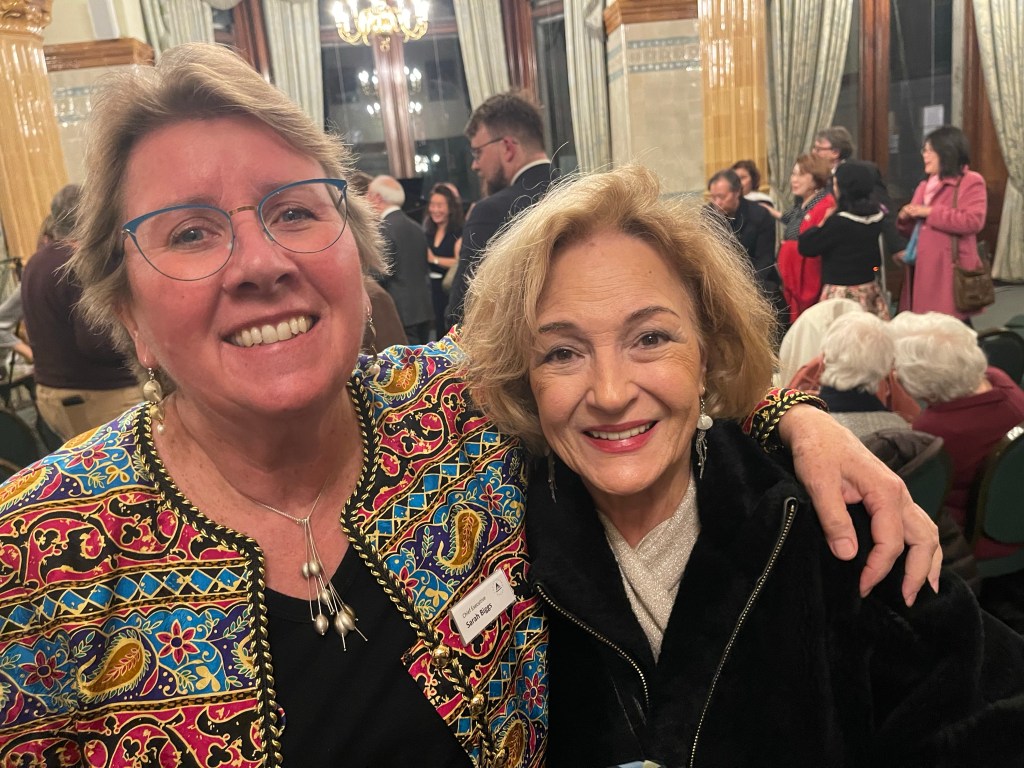
Sarah Biggs KT CEO,Rupert Christiansen of the Robert Turnbull Piano Foundation ,Leslie Howard,KT Artistic Director ,Yisha Xue of the Asia Circle
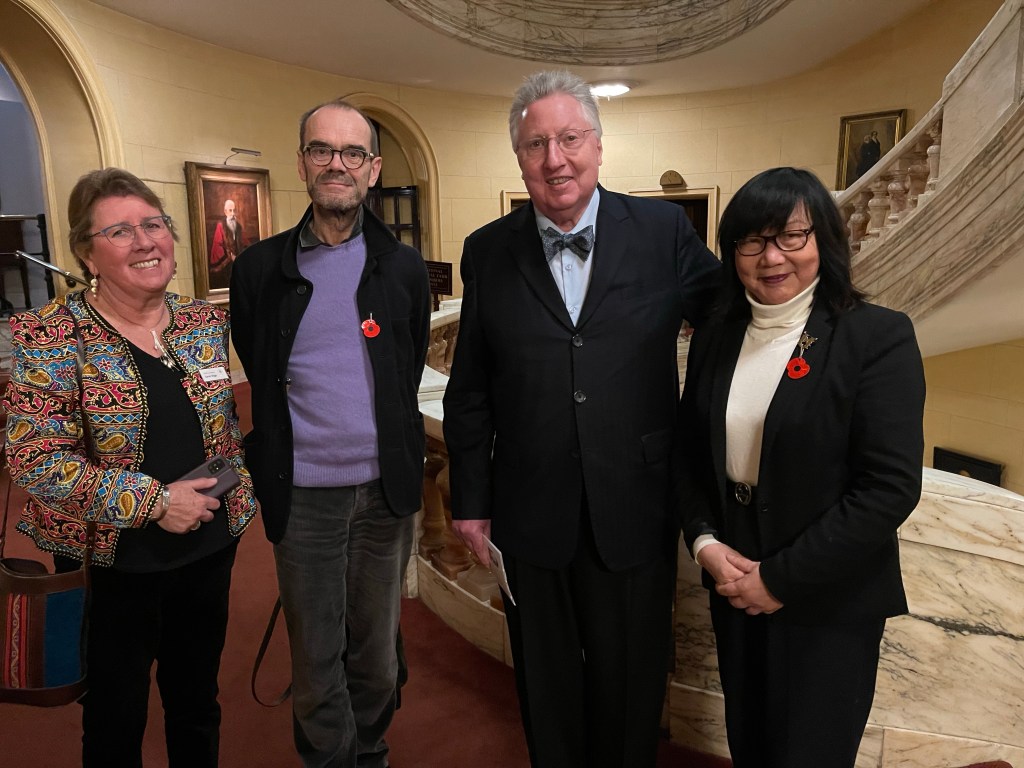
Anastasia -Yisha Xue- Rupert Christiansen -James Kreiling
All very happy to see Leslie Howard back on top form presenting the concert having also prepared the very concise programme notes

Nikita Lukinov plays breathtaking charity recital for Ukraine in Berlin.
Nikita Lukinov at St Marys The charm and aristocratic style of a star

Nikita Lukinov at St Mary’s a masterly warrior with canons covered in flowers

Robert Schumann in 1839
Born
8 June 1810
Zwickau,Saxony
Died
29 July 1856 (aged 46)
Bonn , Rhine Province, Prussia

The Symphonic Studies Op. 13, began in 1834 as a theme and sixteen variations on a theme by Baron von Fricken, plus a further variation on an entirely different theme by Heinrich Marschner.The first edition in 1837 carried an annotation that the tune was “the composition of an amateur”: this referred to the origin of the theme, which had been sent to Schumann by Baron von Fricken, guardian of Ernestine von Fricken, the Estrella of his Carnaval op. 9. The baron, an amateur musician, had used the melody in a Theme with Variations for flute. Schumann had been engaged to Ernestine in 1834, only to break abruptly with her the year after. An autobiographical element is thus interwoven in the genesis of the Études symphoniques (as in that of many other works of Schumann’s).Of the sixteen variations Schumann composed on Fricken’s theme, only eleven were published by him. (An early version, completed between 1834 and January 1835, contained twelve movements). The final, twelfth, published étude was a variation on the theme from the Romance Du stolzes England freue dich (Proud England, rejoice!), from Heinrich Marschner’s opera Der Templer und die Judin based on Sir Walter Scott’s Ivanhoe (as a tribute to Schumann’s English friend, William Sterndale Bennett to whom it is dedicated )The earlier Fricken theme occasionally appears briefly during this étude. The work was first published in 1837 as XII Études Symphoniques. Only nine of the twelve études were specifically designated as variations. The entire work was dedicated to Schumann’s English friend, the pianist and composer, and Bennett played the piece frequently in England to great acclaim, but Schumann thought it was unsuitable for public performance and advised his wife Clara not to play it.The highly virtuosic demands of the piano writing are frequently aimed not merely at effect but at clarification of the polyphonic complexity and at delving more deeply into keyboard experimentation.

  • Theme – Andante [C minor]
  • Etude I (Variation 1) – Un poco più vivo [C minor]
  • Etude II (Variation 2) – Andante [C minor]
  • Etude III – Vivace [E Major]
  • Etude IV (Variation 3) – Allegro marcato [C minor]
  • Etude V (Variation 4) – Scherzando [C minor]
  • Etude VI (Variation 5) – Agitato [C minor]
  • Etude VII (Variation 6) – Allegro molto [E Major]
  • Etude VIII (Variation 7) – Sempre marcatissimo [C minor]
  • Etude IX – Presto possibile [C minor]
  • Etude X (Variation 8) – Allegro con energia [C minor]
  • Etude XI (Variation 9) – Andante espressivo [G minor]
  • Etude XII (Finale) – Allegro brillante (based on Marschner’s theme) [D Major]

On republishing the set in 1890, Johannes Brahms restored the five variations that had been cut by Schumann. These are now often played, but in positions within the cycle that vary somewhat with each performance; there are now twelve variations and these five so-called “posthumous” variations which exist as a supplement.

The five posthumously published sections (all based on Fricken’s theme) are:

  • Variation I – Andante, Tempo del tema
  • Variation II – Meno mosso
  • Variation III – Allegro
  • Variation IV – Allegretto
  • Variation V – Moderato.

In 1834, Schumann fell in love with Ernestine von Fricken, a piano student of Friedrich Wieck, and for a time they seemed destined to marry. The relationship did not last—Schumann got cold feet after he learned that she had been born out of wedlock—but it inspired some notable music. Carnaval, Op. 9, a set of character pieces for piano, is based on a four-note motive derived from the name of Ernestine’s home town. The Etudes symphoniques, Op. 13, are variations on a theme by Ernestine’s father, Ignaz Ferdinand von Fricken, a nobleman and amateur composer. Of course, Schumann eventually transferred his affections to Clara Wieck, and it was she who gave the first performance of the Etudes symphoniques, in 1837. The piece was published by Haslinger that same year, with a dedication to the English composer William Sterndale Bennett rather than to Ernestine. A revised version appeared in 1852.

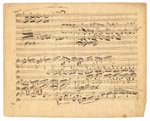
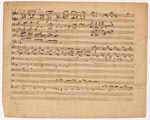
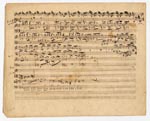
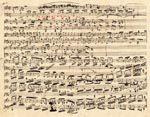
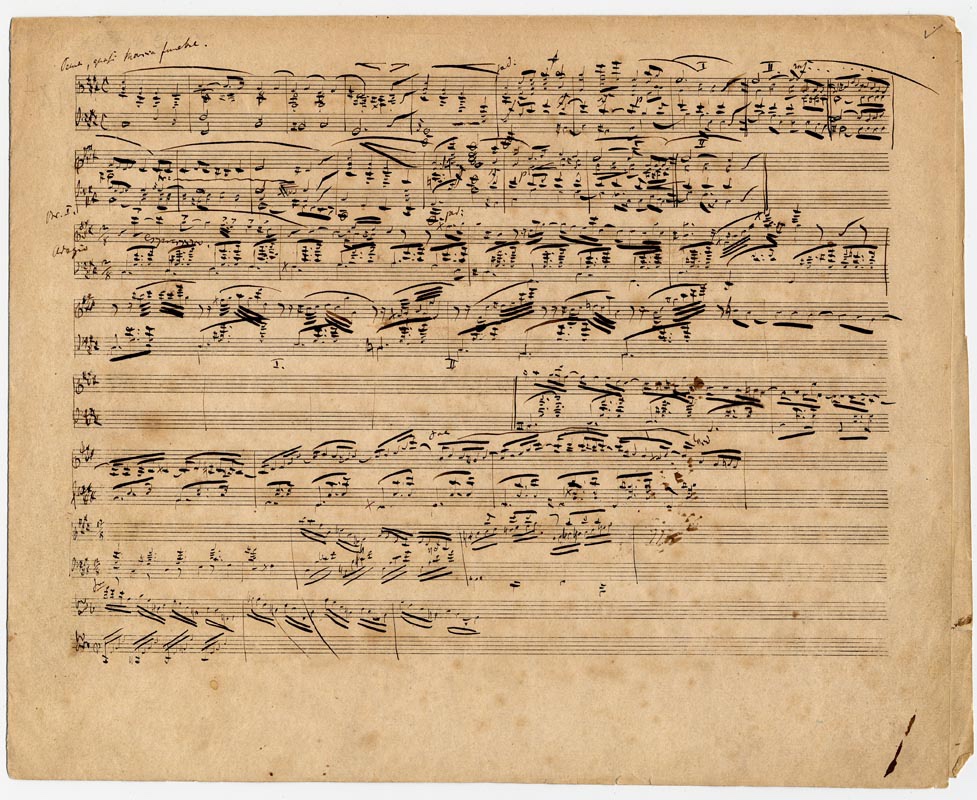
Our manuscript is a sketch that includes the theme and variations 1, 2, 5, 10, 12, as well as five others that were not published until 1873, in an appendix edited by none other than Johannes Brahms. It formerly belonged to Alice Tully (1902–1993), the philanthropist whose name graces a concert hall in Lincoln Center. She gave it to Vladimir Horowitz (who counted Schumann’s music among his many specialties in the piano repertoire), and two years after his death, his widow Wanda Toscanini Horowitz donated it to Yale. The other principal manuscript source for this piece belongs to the library of the Royal Museum of Mariemont, in Belgium.
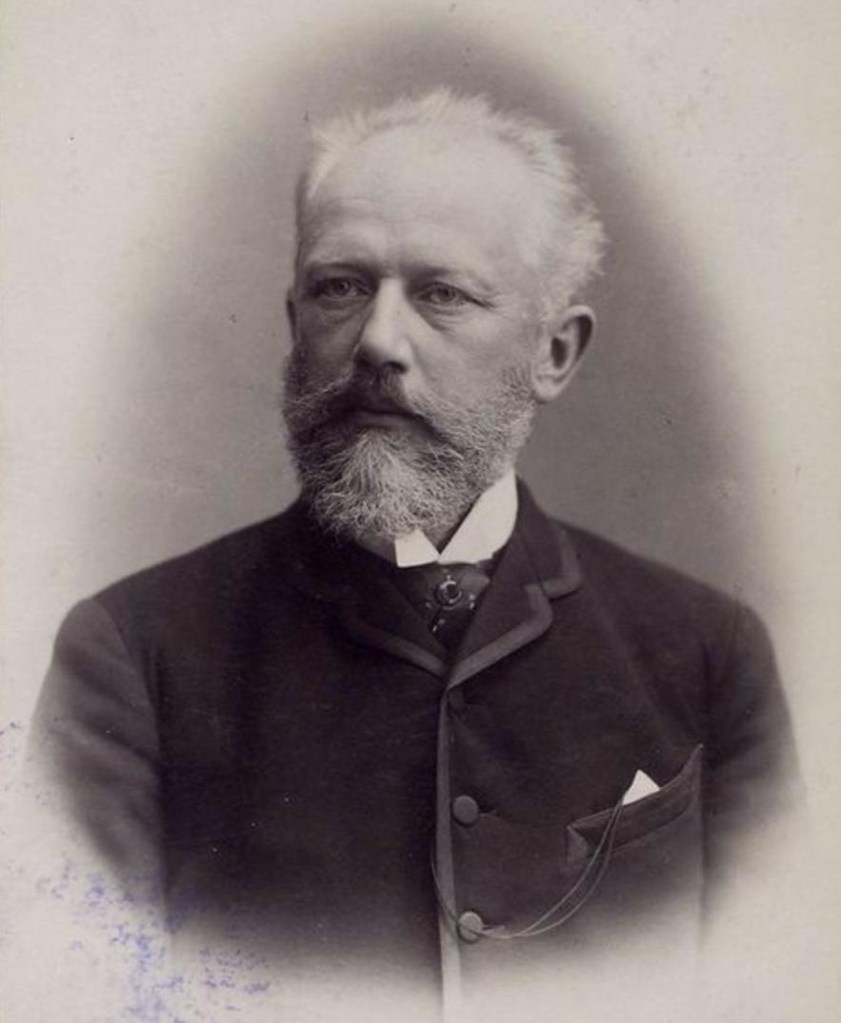
Pyotr Ilyich Tchaikovsky
7 May 1840
Votkinsk,Russian Empire
Died
6 November 1893 (aged 53)
Saint Petersburg, Russian Empire

Tchaikovsky’s 18 Pieces (18 Morceaux), Op. 72 were his last works for solo piano, completed in April 1893 at Klin.Returning to Klin on 3/15 February 1893 after a long period of absence, Tchaikovsky straight away set to work on composing his Symphony n.6 At around this time he also assembled materials which were to form the basis for a series of piano pieces. On 5/17 February the composer told his brother Modest : “In the meantime, in order to earn some money, I will compose a few piano pieces and romances”

Tchaikovsky only began to compose these pieces in April, after completing the sketches of his Symphony n.6 and fulfilling a number of concert engagements, from which he returned on 5/17 April 1893.On 5/17 April 1893, Tchaikovsky wrote to ilya Slatin from Klin :’I have been on holiday in Saint Petersburg with my family, which was very nice. I came back today and began collecting my thoughts to compose a whole series of miniature

By 15/27 April, ten pieces had already been written. “In the 10 days since returning from Petersburg , I have decided, for the want of money, to write a few little piano pieces, and have conditioned myself to write at least one a day during this month”, Tchaikovsky wrote to Ilya Slatin on 15/27 April :”I’m continuing to bake my musical pancakes”, he wrote on the same day to Vladimir Davydov : “Today the tenth is being prepared. It’s remarkable that the further I get, the easier and more enjoyable the job becomes. At the beginning it went slowly, and the first two or three items were merely the result of an effort of will, but now I cannot stop my ideas, which appear to me one after another, at all hours of the day”
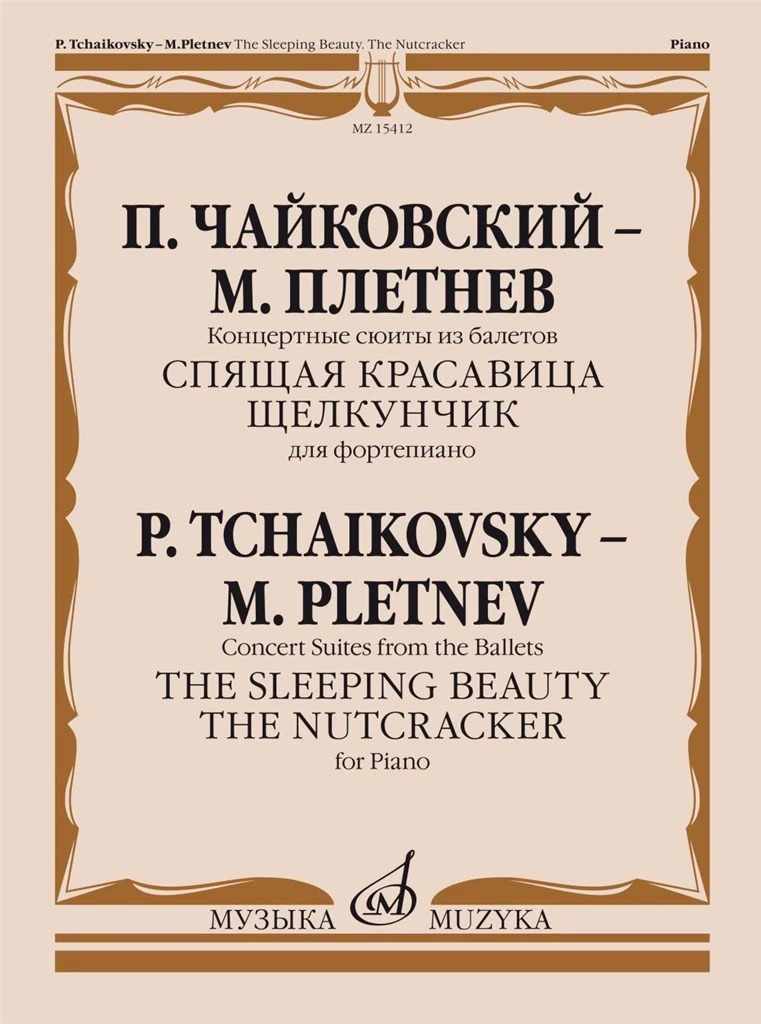
Concert Suite from the Ballet ‘The Sleeping Beauty’
Prologue
Dance of Pages
Vision
Andante
Fairy of Silver
The Pussed Tom-Cat and the White Cat
Gavotte
The Singing Canary
Little Red Riding Hood and Wolf
Adagio
Finale
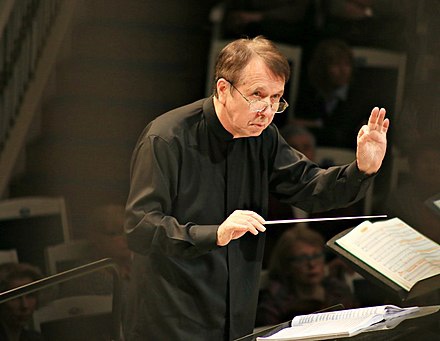
https://christopheraxworthymusiccommentary.com/2023/10/08/the-secret-world-of-pletnev-in-eindhoven-private-musings-of-ravishing-beauty/

Mikhail Pletnev was born 14 April 1957 into a musical family in Arkhangelsk, then part of the Soviet Union .He studied for six years at the Special Music School of the Kazan Conservatory before entering the Moscow Central Music School at the age of 13, where he studied under Evgeny Timakin. In 1974, he entered the Moscow Conservatory , studying under Yakov Flier and Lev Vlassenko.At age 21, he won the Gold Medal at the VI International Tchaikovsky Competition in 1978, which earned him international recognition and drew great attention worldwide.

ttps://christopheraxworthymusiccommentary.com/2023/06/02/the-gift-of-music-the-keyboard-trust-at-30/
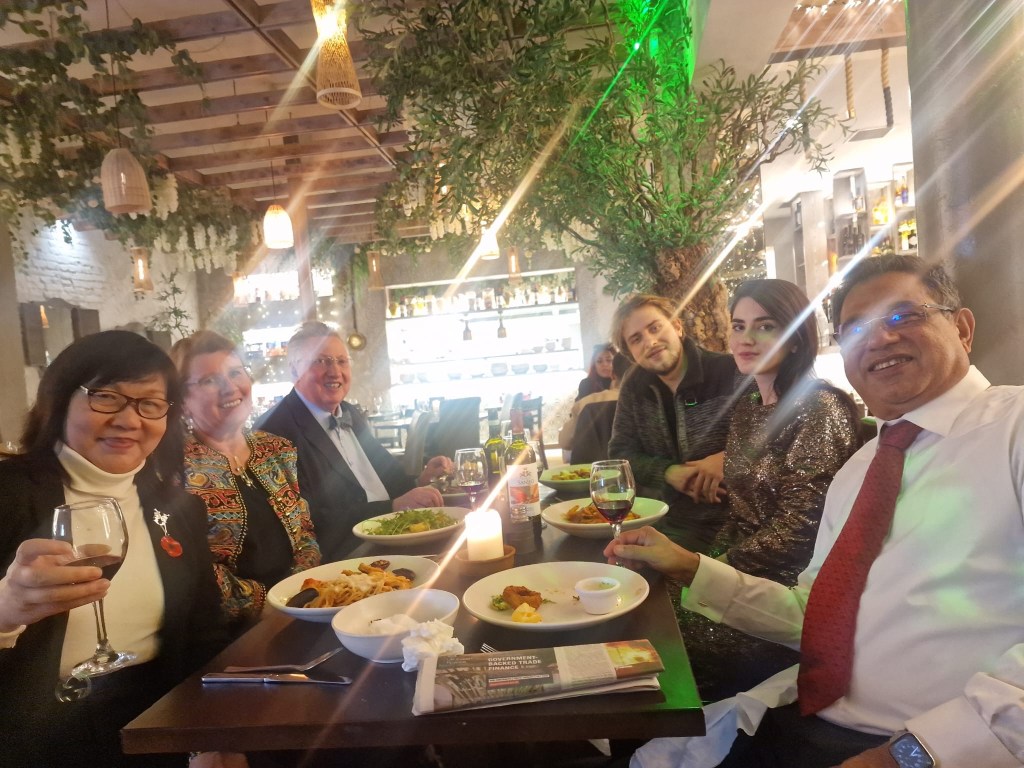
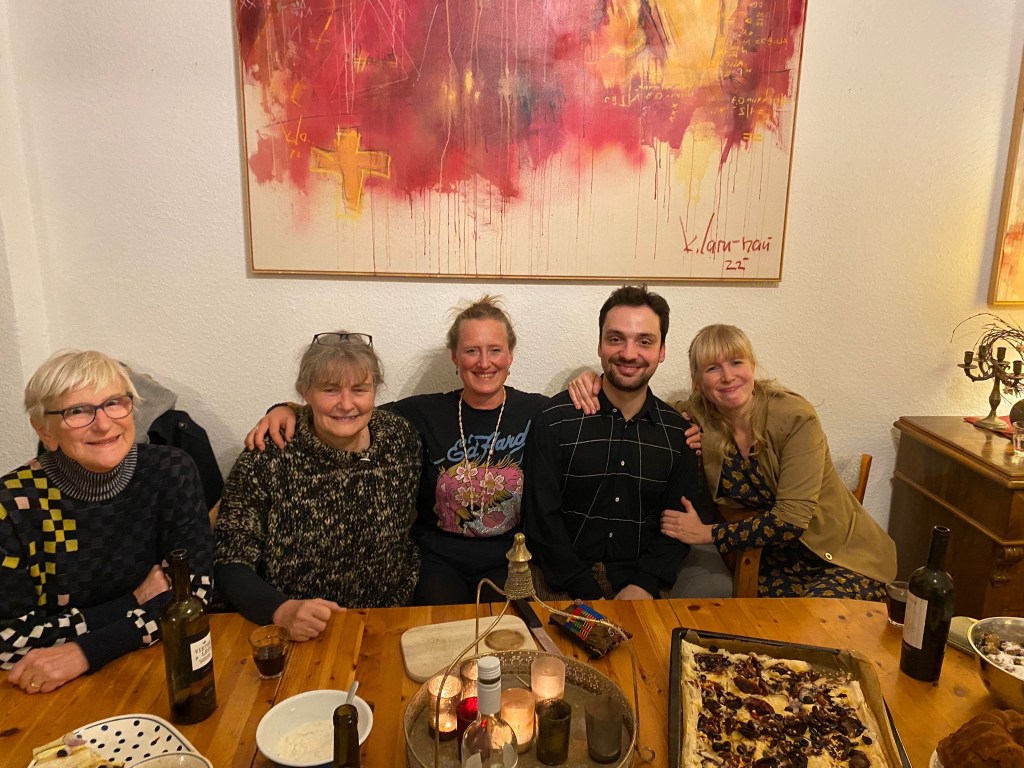
After concert dinner with Yisha Xue ,Roger Pillai,Sarah Biggs,
Leslie Howard,Nikita and Anastasia
Asia Circle of Yisha Xue
Sarah Biggs with Canan Maxton of Talent Unlimited
Yisha Xue with the man with the red scarf

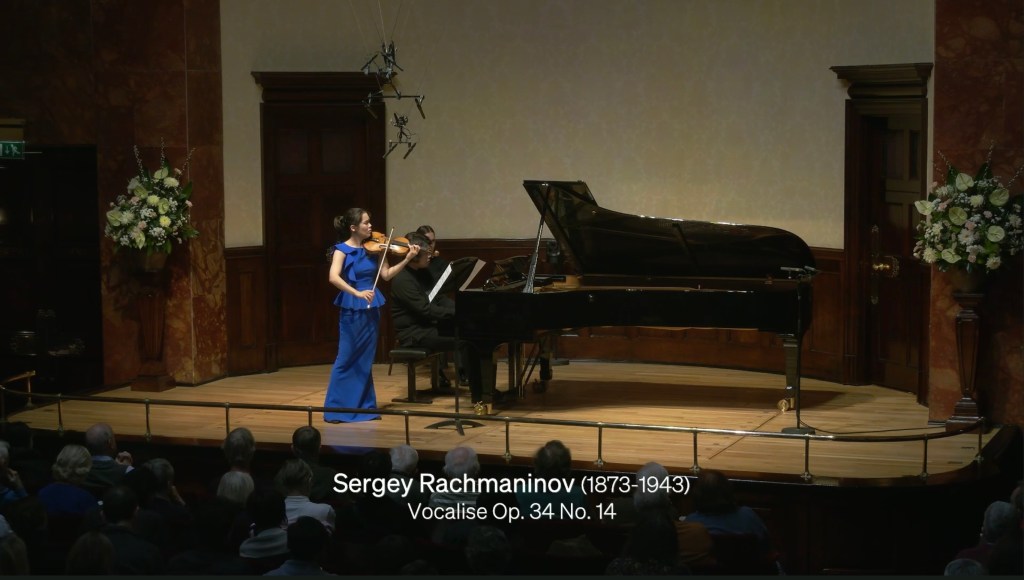
Esther Yoo violin; Jae Hong Park – BBC Wigmore Hall – A partnership made in heaven-“On the crest of a wave”

Following a series of international awards, the American violinist has gone on to enjoy an impressive career in the recording studio as well as on the concert platform. Reviewing a recent disc combining the Bruch First and Barber concertos, The Sunday Times described ‘tones of breathtaking beauty in the Bruch Adagio and the Barber Andante’.

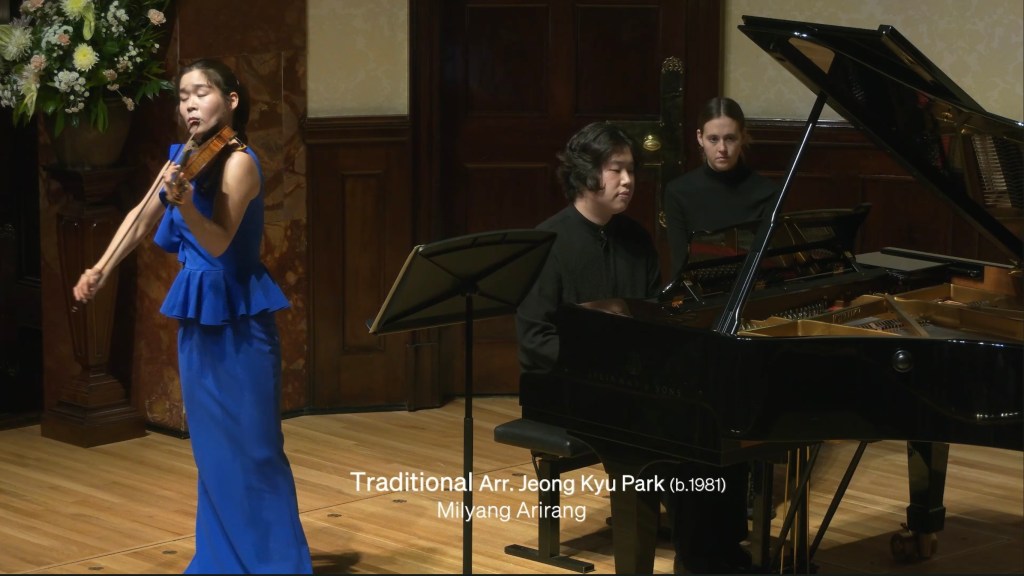
Some superb playing advertised as a duo but they truly played as one.Have the etherial passionate sounds of these last utterings of Debussy ever sounded so fresh and improvised?There was magic in the air with the lightness and insinuating sounds of the second movement that were rediscovered together as though for the first time .The concealed passion and throbbing heart beat of the last movement drew this world – Debussy’s – to a conclusion in only thirteen minutes.There was passion too in the Grieg sonata but it was the heartrending intimacy that was so touching. Looking at each other and both on the same wave just waiting for each other to emerge and submerge with a continual movement.Each swaying with the music indeed as Chopin said :the roots firmly in the ground but the branches free to move in the breeze.I did not think the ravishing beauty of Jae Hong’s Allegretto could be more lovingly tender or beautiful but then Esther’s violin took over with different sounds less luminous but of even greater intensity.An exhilarating prestissimo was played with extraordinary rhythmic energy bringing these two Sonatas to a magnificent end.Rachmaninov’s Vocalise was pure magic as the violin gently conversed with the piano in a duet of ravishing beauty but also of extraordinary balance.Jae Hong playing with the piano lid fully opened but there was never any moment when he might have overpowered this single violin.Two superb musicians listening to each other as they created a single unified whole .A lesson in humility and artistry as they thought more of the music they were making together than themselves.Yankee Doodle was a way to release the tension that had been created by so much wonderful music making.Jae Hong patiently accompanying the hi jinx of his partner and every so often letting the brass band in his hands and feet take over ……it was fun but it was the desolate Korean Melody and the deeply nostalgic Morning Song by Elgar that stole our hearts.

Jae Hong Park at Steinway Hall

(Achille) Claude Debussy.
22 August 1862 – 25 March 1918

The Debussy sonata for violin and piano in G minor, L.140, was written in 1917. It was the composer’s last major composition.The premiere took place on 5 May 1917, the violin part played by Gaston Poulet , with Debussy himself at the piano. It was his last public performance.

The work has three movements:

  1. Allegro vivo
  2. Intermède: Fantasque et léger
  3. Finale: Très animé

The unfinished sonatas

Six sonatas for various instruments (French: Six sonates pour divers instruments) was a projected cycle of sonatas that was interrupted by the composer’s death in 1918, after he had composed only half of the projected sonatas. He left behind his sonatas for cello and piano 1915), flute, viola and harp (1915), and violin and piano (1916–1917).Debussy wrote in the manuscript of his violin sonata that the fourth sonata should be written for oboe, horn,and harpsichord and the fifth for trumpet, clarinet, bassoon and piano.

From 1914, the composer, encouraged by the music publisher Jacques Durand intended to write a set of six sonatas for various instruments, in homage to the French composers of the 18th century. The effects of the First World War and an interest in baroque composers Couperin and Rameau inspired Debussy as he was writing the sonatas.

Durand, in his memoirs entitled Quelques souvenirs d’un éditeur de musique, wrote the following about the sonatas’ origin:

‘After his famous String Quartet, Debussy had not written any more chamber music. Then, at the Concerts Durand, he heard again the Septet with trumpet by Saint-Saëns and his sympathy for this means of musical expression was reawoken. He admitted the fact to me and I warmly encouraged him to follow his inclination. And that is how the idea of the six sonatas for various instruments came about.

In a letter to the conductor Bernard Molinari, Debussy explained that the set should include “different combinations, with the last sonata combining the previously used instruments”. His death on 25 March 1918 prevented him from carrying out his plan, and only three of the six sonatas were completed and published by Durand, with a dedication to his second wife, Emma Bardac.

For the final and sixth sonata, Debussy envisioned a concerto where the sonorities of the “various instruments” combine, with the gracious assistance of the double bass.

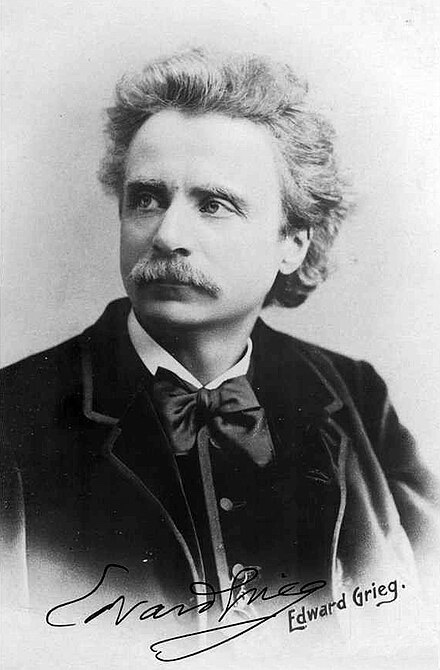
Edvard Hagerup Grieg 15 June 1843 – 4 September 1907

Grieg began composing his third and final violin sonata in the autumn of 1886. Whereas the first two sonatas were written in a matter of weeks, this sonata took him several months to complete.Although there were only two years between the first two violin sonatas, the Violin Sonata No 3 in C minor, Op 45, was not to follow for almost two decades: the last piece of chamber music Grieg completed, it was composed—at Grieg’s home, Troldhaugen, outside Bergen—in the second half of 1886, just spilling into the first days of 1887.The sonata is in three movements The second movement opens with a serene piano solo in E major with a lyrical melodic line. In the middle section, Grieg uses a playful dance tune. It also exists in a version for cello and piano that Grieg composed during the same time as the violin version and given to his brother as a birthday gift in May 1887, but appeared in print only in 2005 (by Henle).

Allegro molto ed appassionato – Allegretto espressivo alla Romanza – Allegro animato – Prestissimo 

The sonata remains the most popular of the three works, and has established itself in the standard repertoire. The work was also a personal favorite of Grieg’s. Grieg played the piano part in the premiere, in the Leipzig Gewandhaus on 10 December 1887; the violinist was the eminent Adolph Brodsky, who had given the first performance of the Tchaikovsky Concerto six years earlier (and was later head of the Royal Manchester School of Music)To a certain extent, Grieg built on Norwegian folk melodies and rhythms in this three-movement sonata. However, Grieg considered the second sonata as the “Norwegian” sonata, while the third sonata was “the one with the broader horizon.” This was the last piece Grieg composed using sonata form.

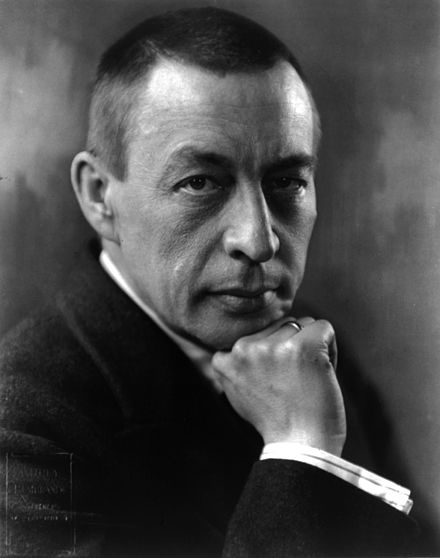
Rachmaninoff in 1921
Born
1 April [20 March] 1873
Semyonovo, Staraya Russa ,Novgorod Governorate .Russian Empire
Died
28 March 1943 (aged 69)
Beverly Hills California, U.S.

“Vocalise” is a song composed and published in 1915 as the last of his 14 Songs or 14 Romances, Op.34.Written for high voice (soprano or tenor)it contains no words, but is sung using only one vowel of the singer’s choosing It was dedicated to soprano singer Antonina Nezhdanova. It is performed in various instrumental arrangements more frequently than in the original vocal version.In this case arranged by Jascha Heifetz.

Henri François Joseph Vieuxtemps 17 February 1820 – 6 June 1881) was a Belgian composer and violinist. He occupies an important place in the history of the violin as a prominent exponent of the Franco-Belgian violin school during the mid-19th century. He is also known for playing what is now known as the Vieuxtemps Guarneri del Gesù.At Vieuxtemps’ funeral the violin was carried upon a pillow behind the hearse carrying the body.[5] The instrument was later played by noted violin masters like Yehudi Menuhin,Itzhak Perlman and Pinchas Zukerman .In January 2012 the instrument was purchased, by a private collector, for an undisclosed sum and lifetime use of it bequeathed to violinist Anne Akiko Meyers.

The French violinist Henri Vieuxtemps wrote Souvenir d’Amérique, opus 17 for violin and piano, in 1843, during his first concert tour in the United States. This set of variations, based on the melody of the popular song Yankee Doodle, became the entertaining surprise encore piece at Vieuxtemps’ recitals. Its humorous spirit, together with its virtuosic firework displays and imaginative use of playing techniques, made Souvenir d’Amérique an instant audience favorite.

https://christopheraxworthymusiccommentary.com/2022/10/13/jae-hong-park-at-steinway-hall/

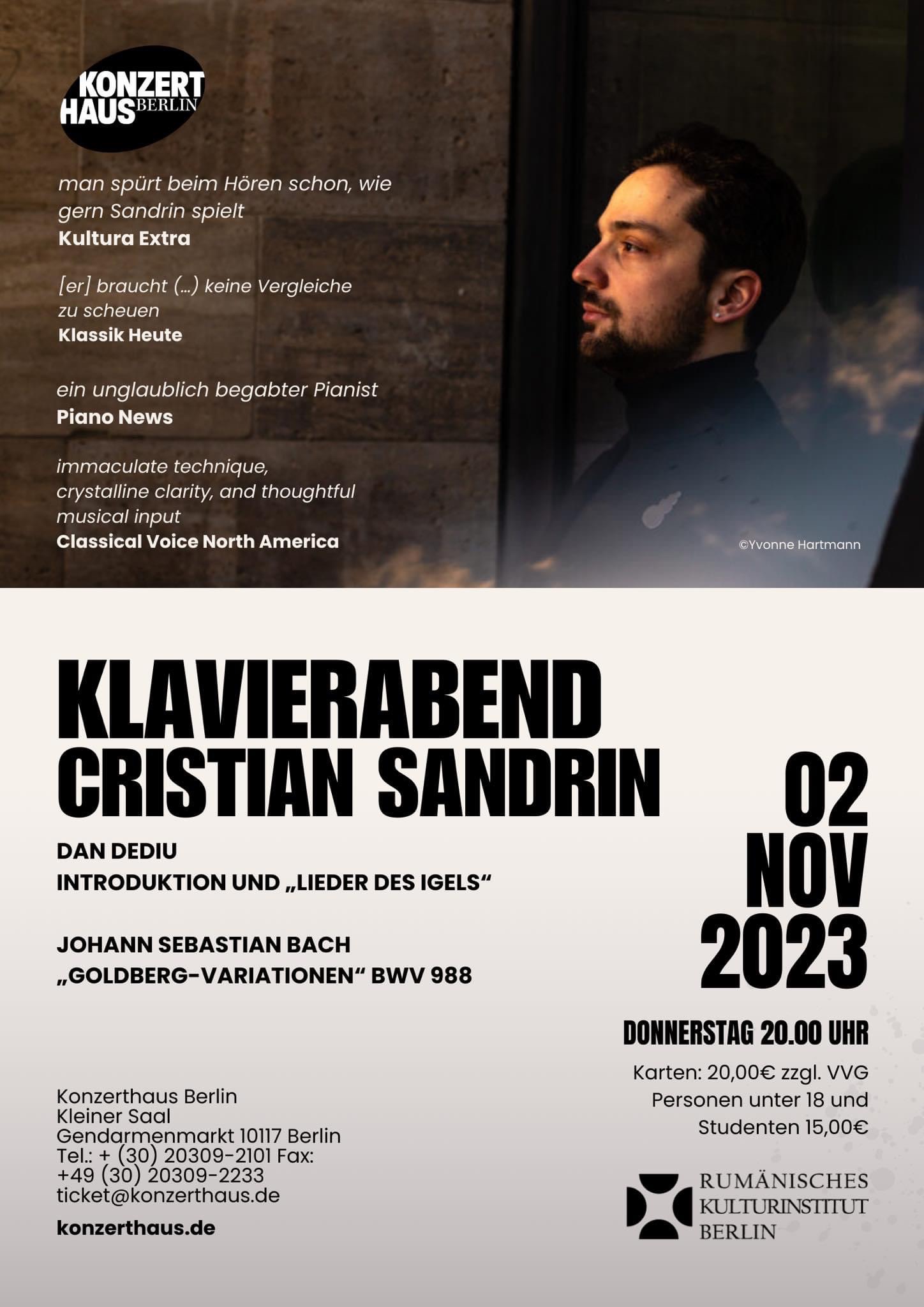
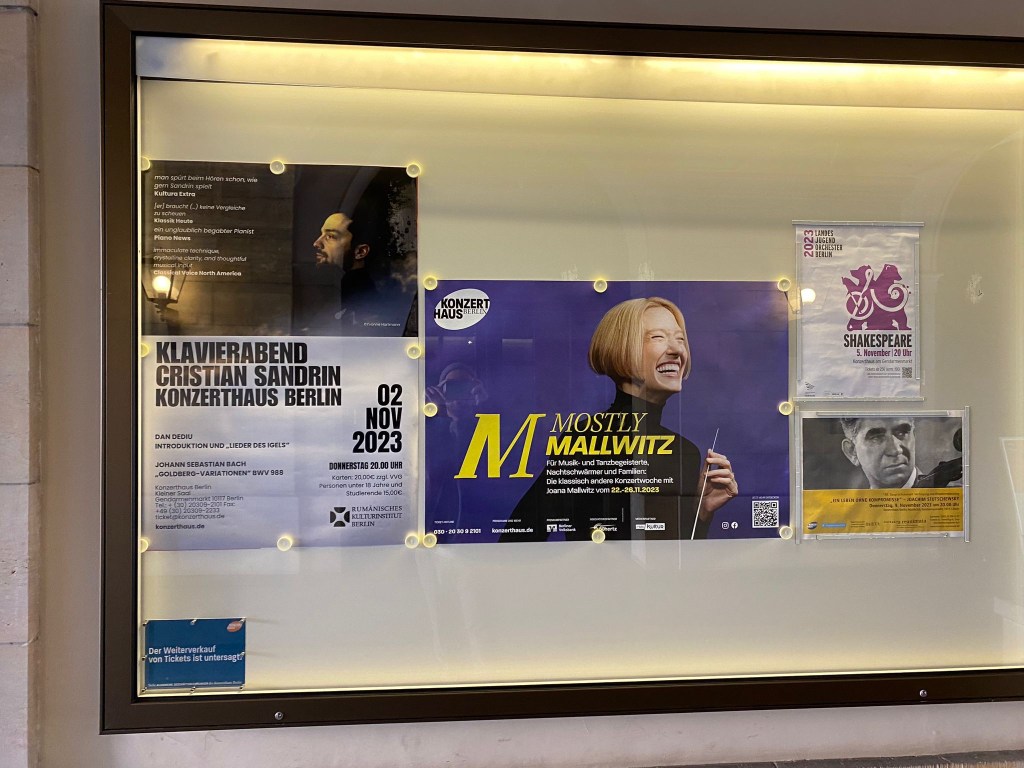
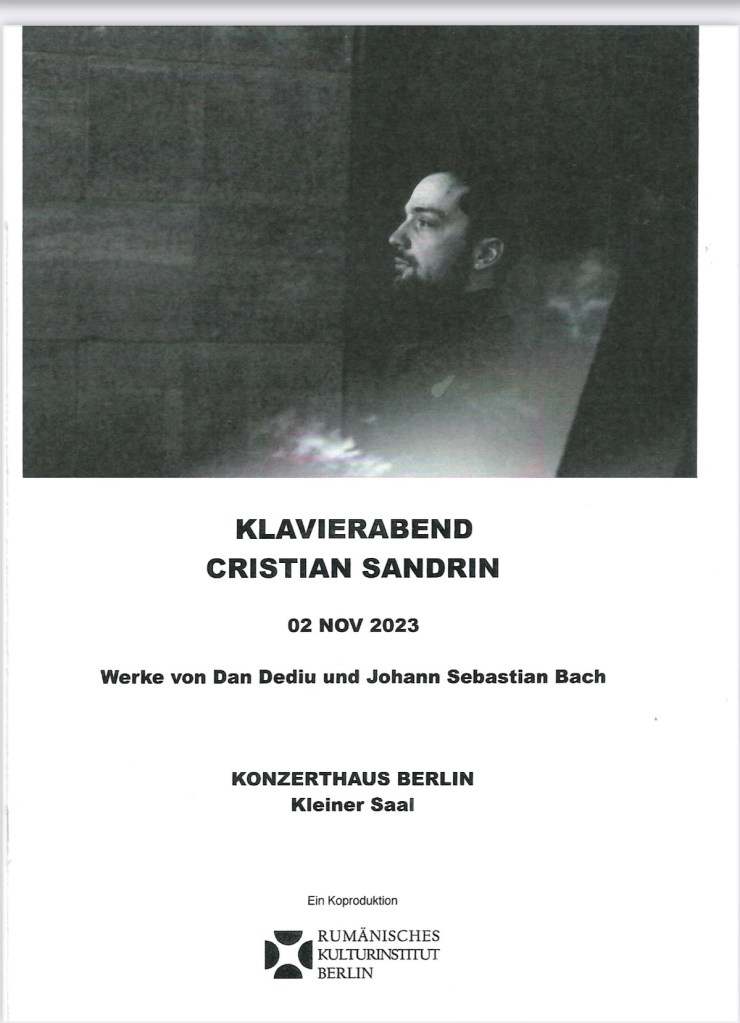
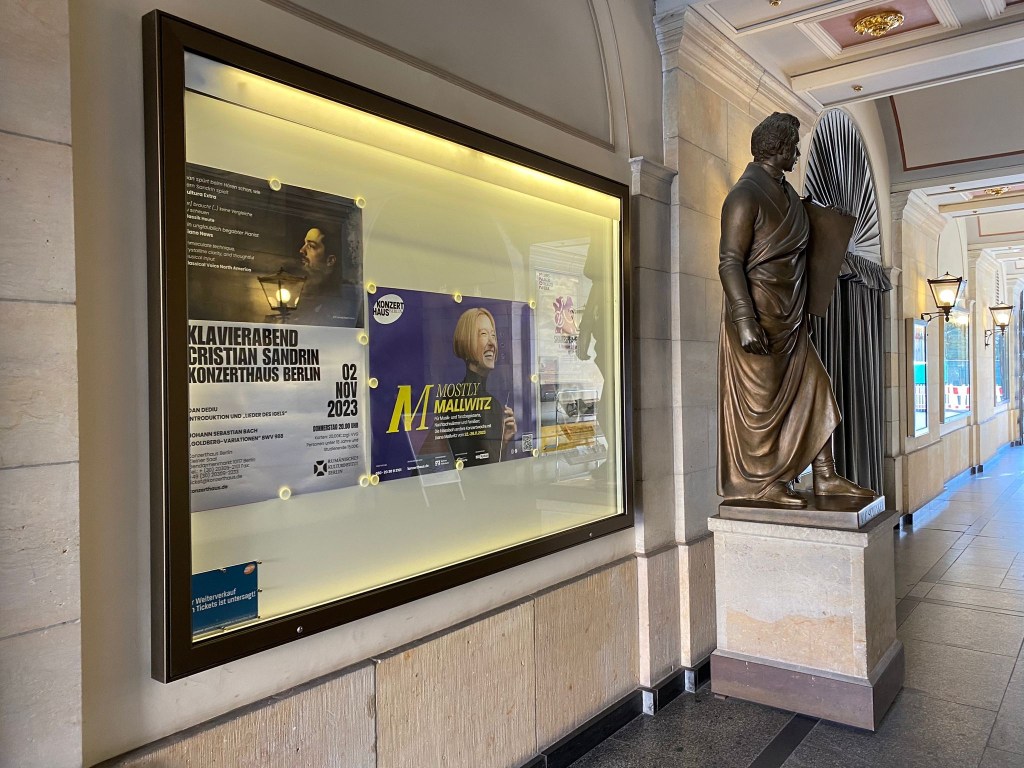
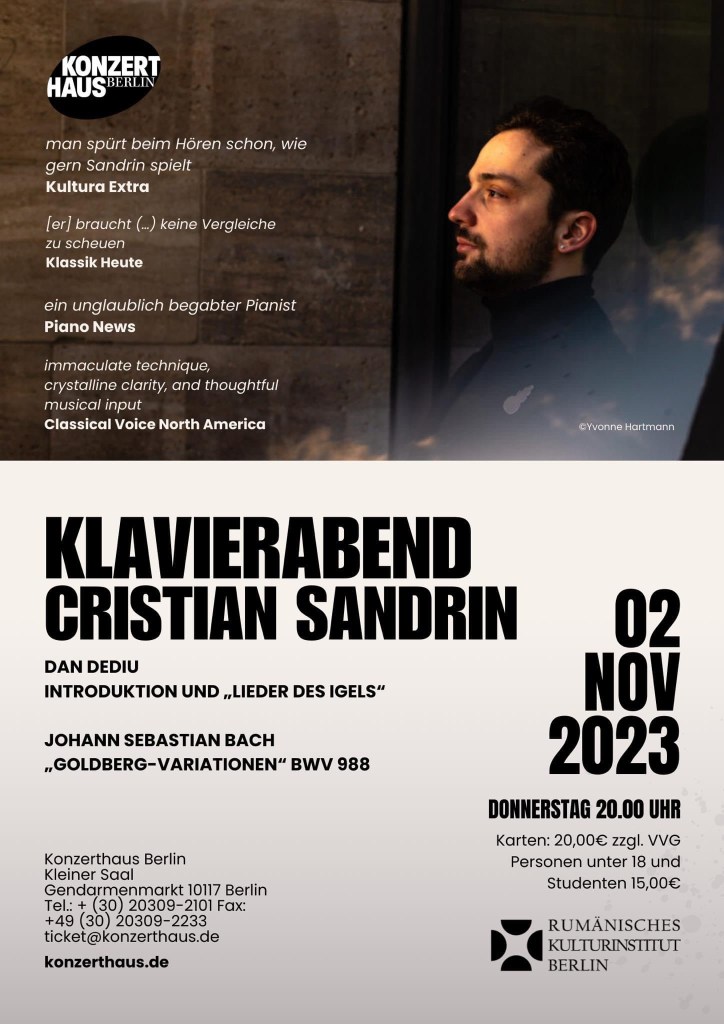
Goldberg triumphs in Berlin dedicated to Sandu Sandrin by his son Cristian

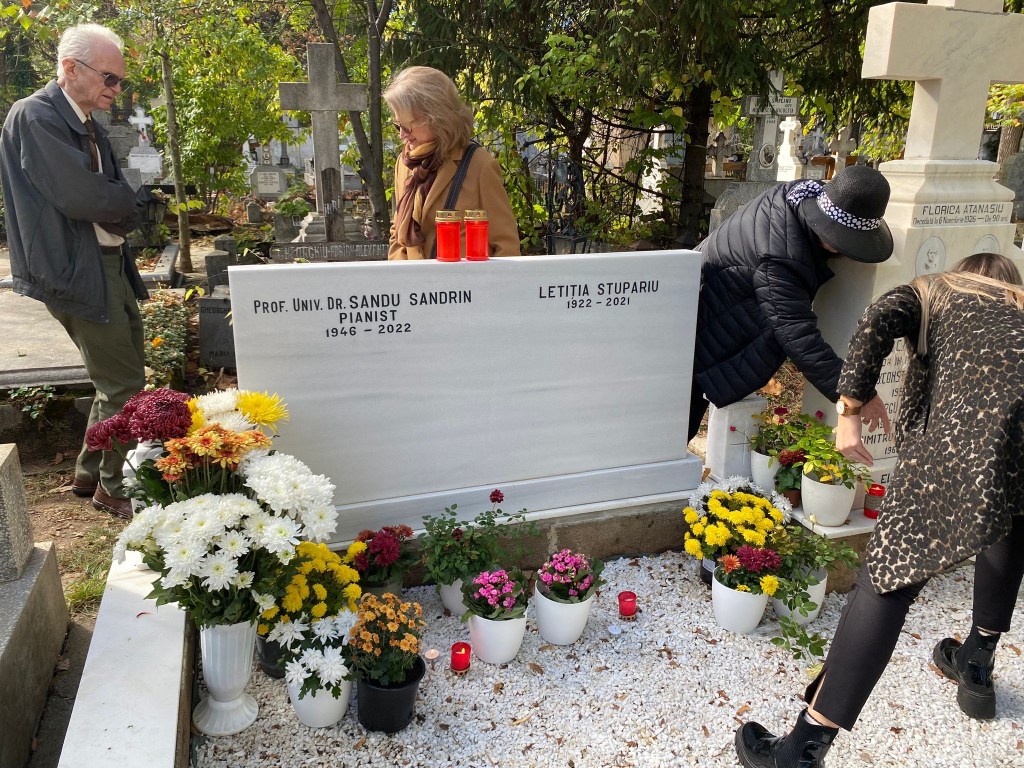
Cristian Sandrin triumphs last night in Berlin with the ‘Goldberg Variations’ dedicated to his father the distinguished pianist and pedagogue Sandu Sandrin who would have been 77 years old this day.A commemoration for him a year on took place in Bucharest on the 5th November (the actual day is the 15th )

Cristian Sandrin Visions of Life dedicated to his father Sandu Sandrin .

Cristian Sandrin plays Goldberg Variations the start of a lifetime journey of discovery from Perivale to Bucharest

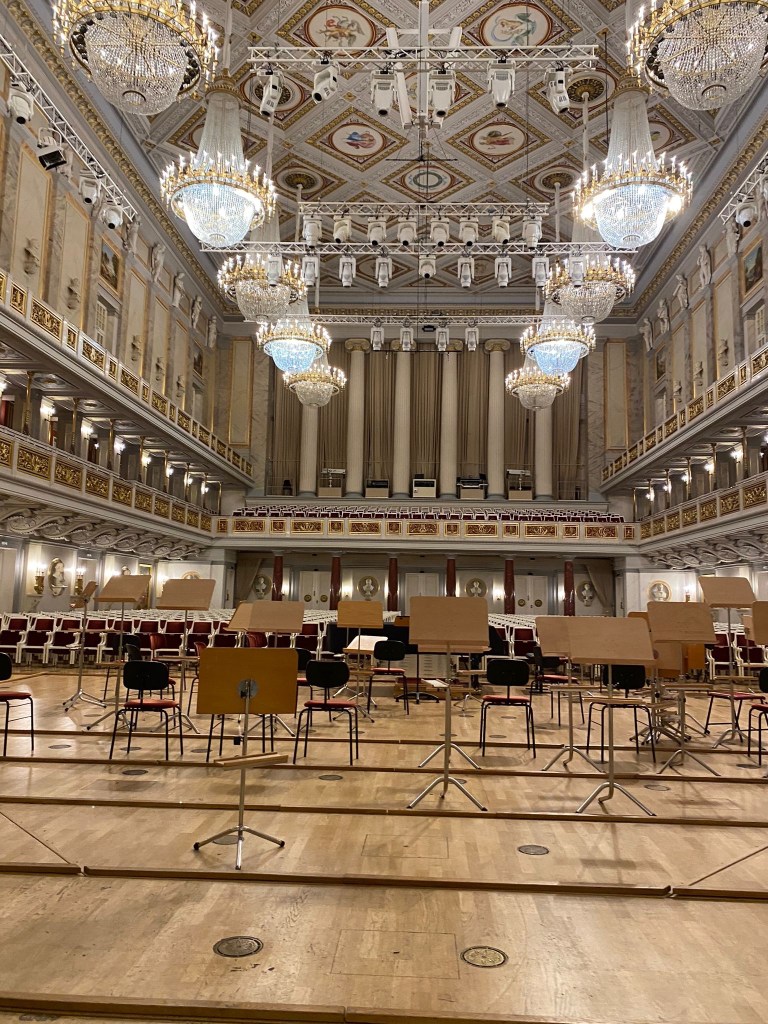
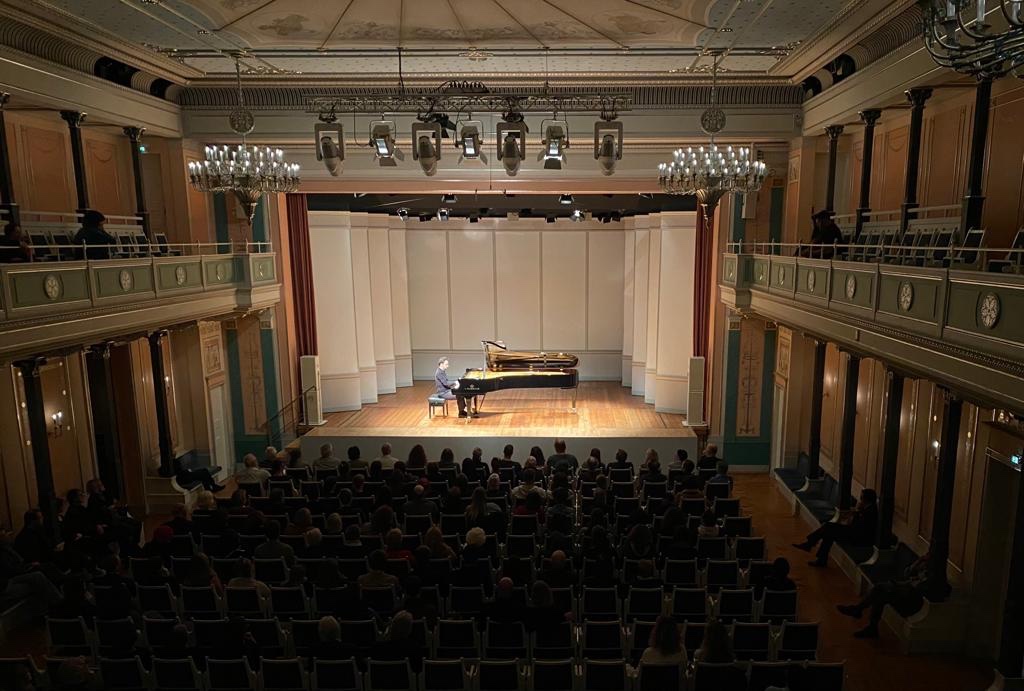
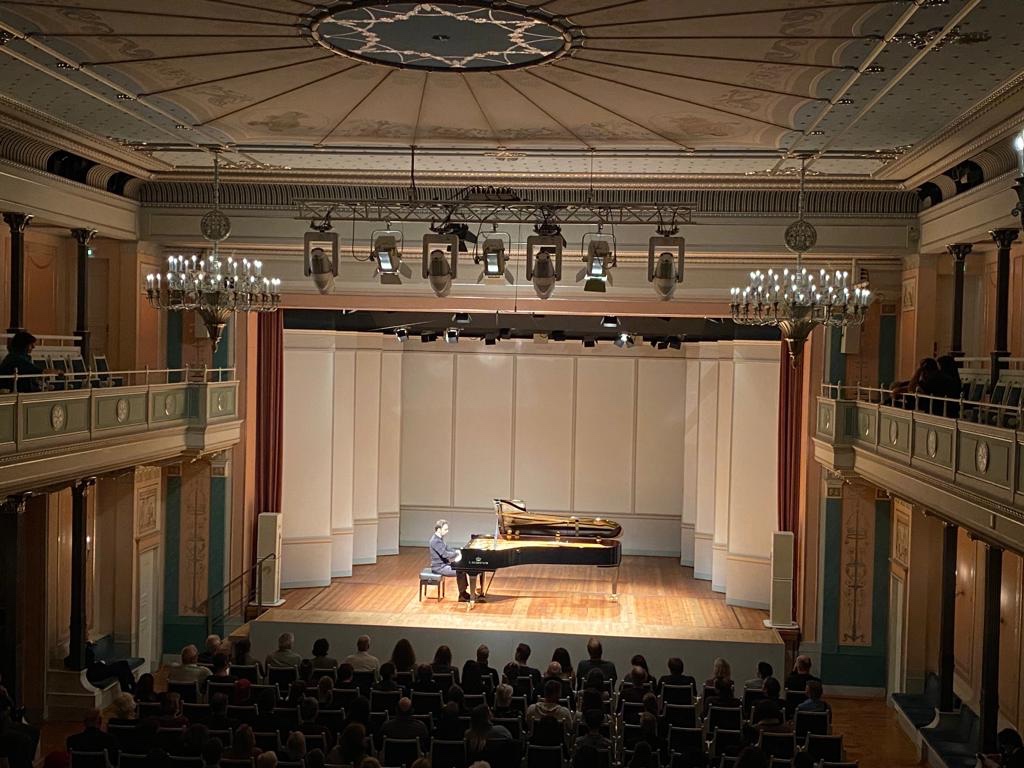
A history of the Konzerthaus Berlin.

Designed by the famous Prussian architect Karl Friedrich Schinkel, who oversaw the rebuilding of Berlin after Napoleon’s comprehensive defeat at Leipzig and Waterloo. The concert hall is in restrained and elegant Noclassical style, the perfect setting for the music of the period. It was ceremoniously opened in 1821 with a prologue specially written by Goethe and saw the premiere of Carl Maria von Weber’s opera Der Freischütz. Prussia was determined that Berlin would vie with Vienna and Prague as the cultural centre of Europe.
The building was completely destroyed by fire in the last weeks of World War 2 and Berliners were torn with whether to faithfully rebuild Schinkel’s masterpiece or build a modern concert hall. We can only be grateful that they chose the former option that recaptures the moment when the Age of Enlightenment meets the spirit of Romanticism.

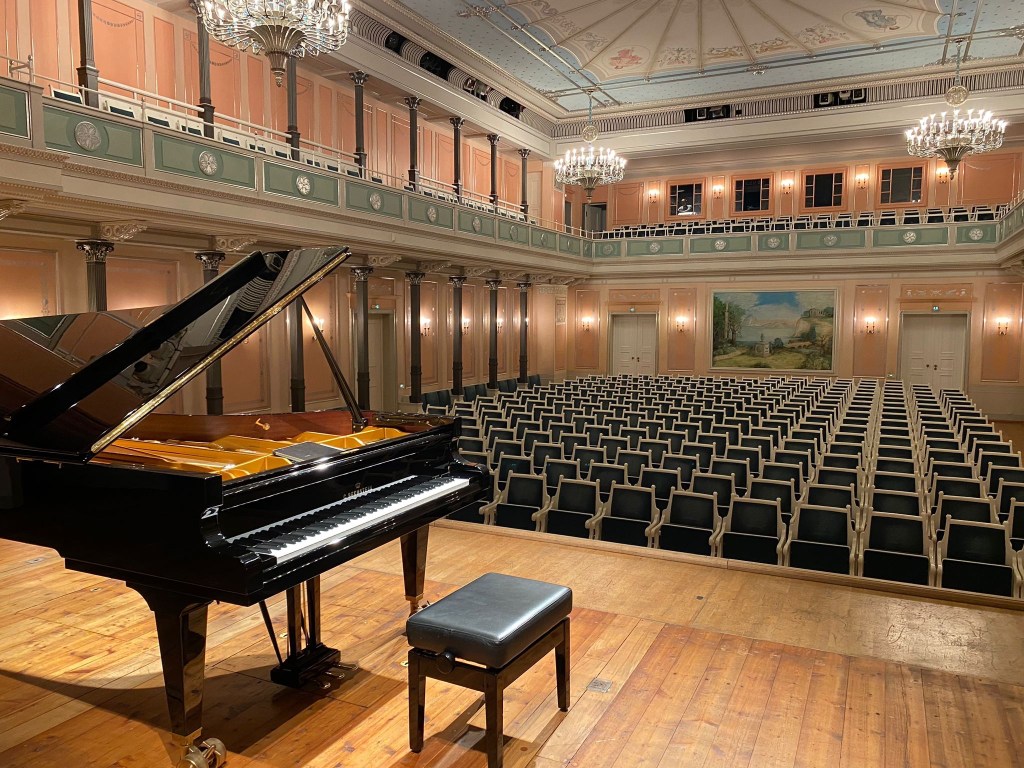
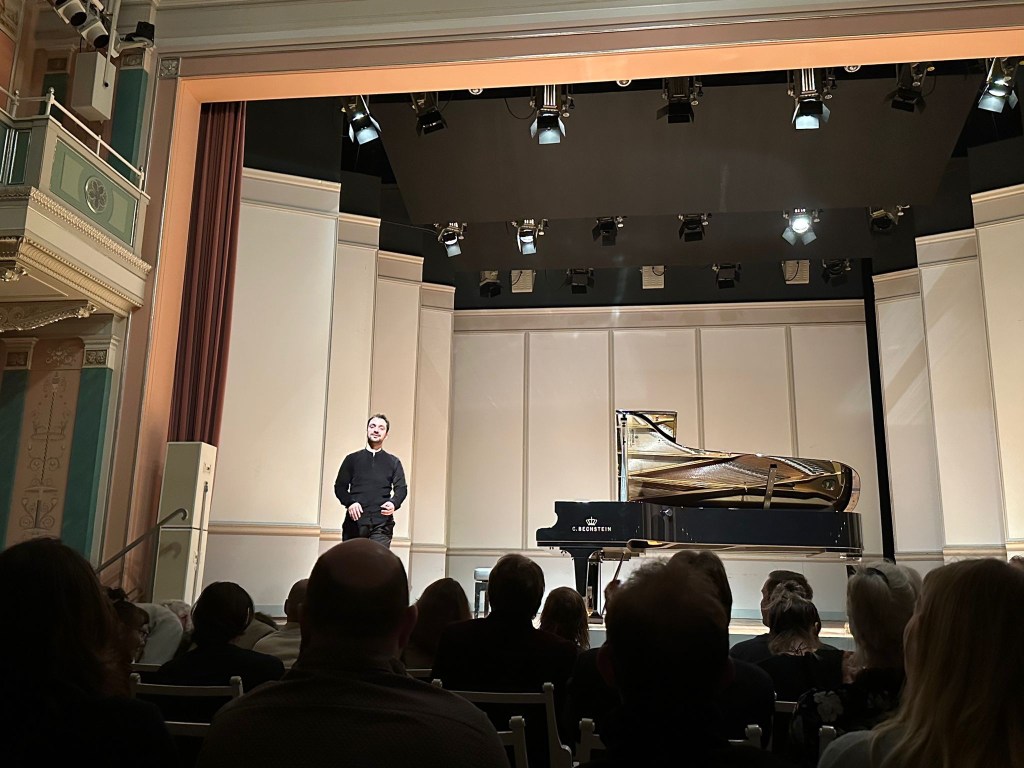
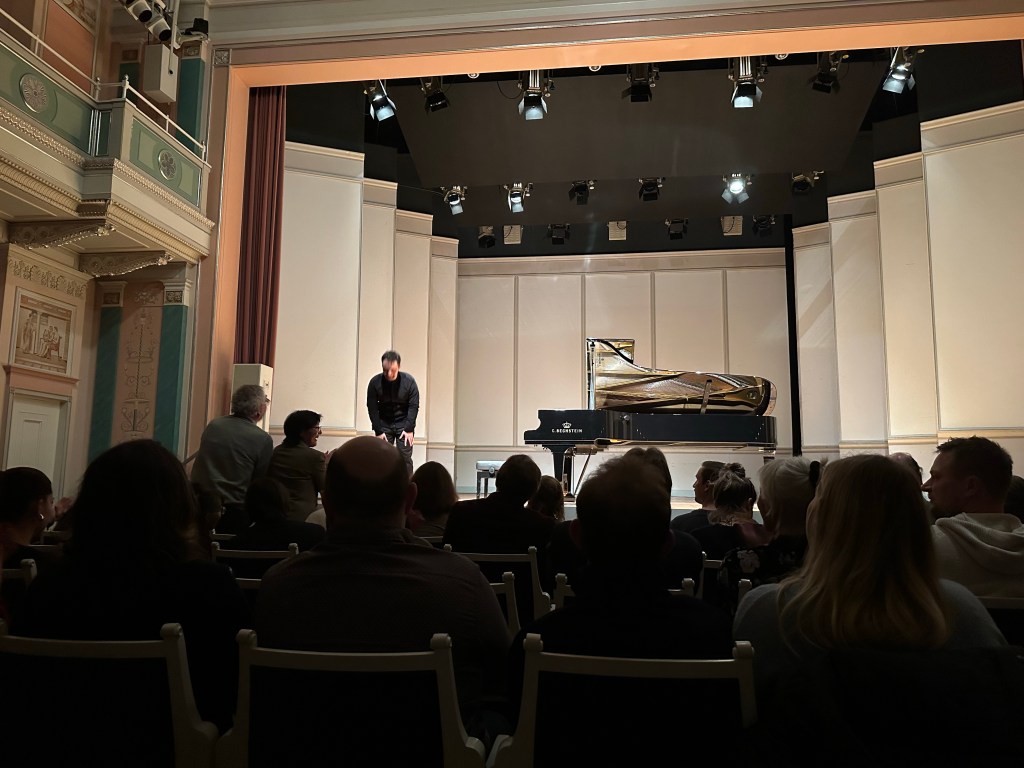
Cristian’s rendering of the Goldberg Variations could not have taken place at a more fitting venue. The packed audience was hypnotised by the performance. After Cristian had soaked up the rapturous applause and the shouts of bravo, bravo he said it had been the best moment in all his life.

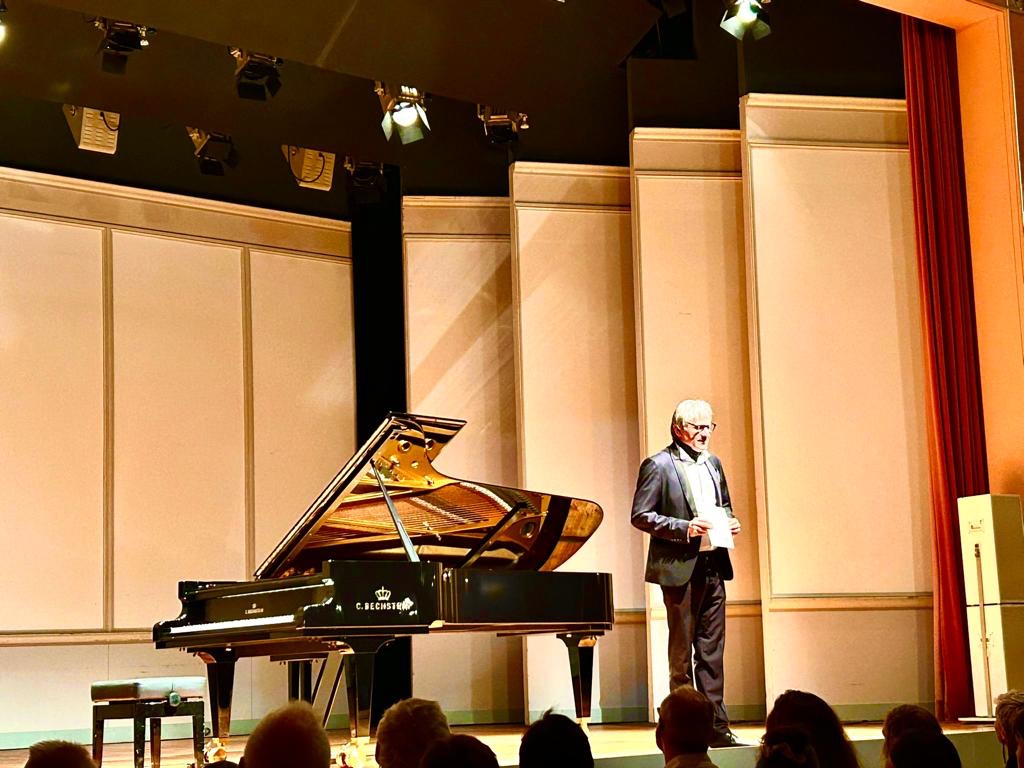
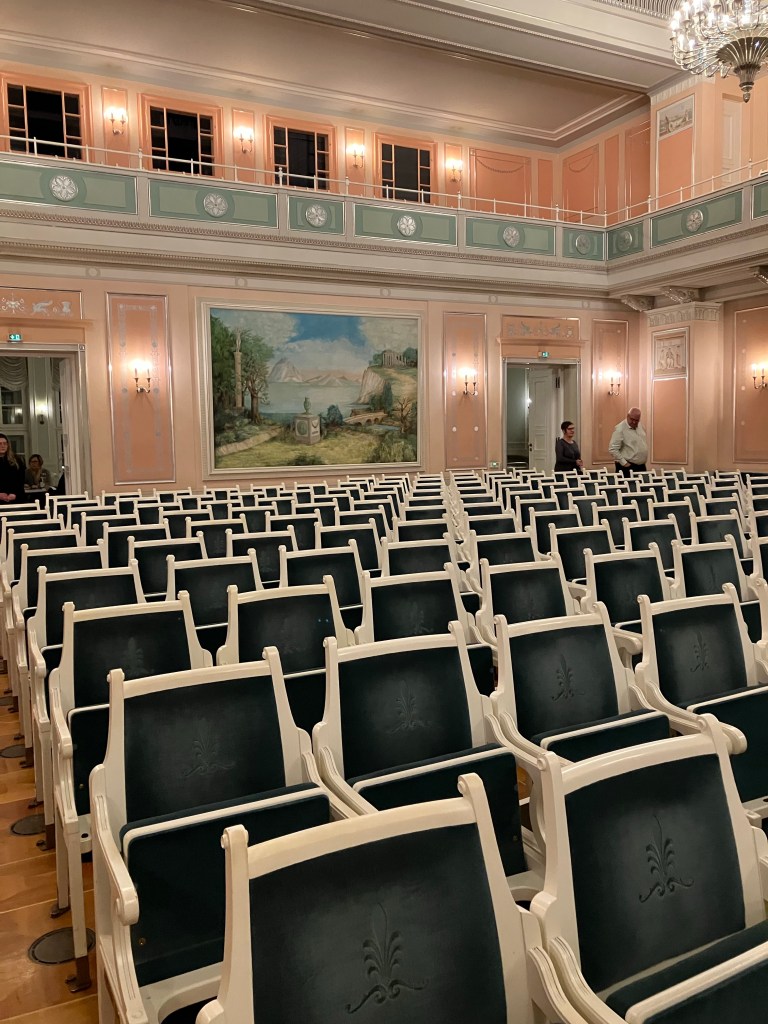
Photos show the Kleinersalle, the Bechstein concert grand – which had been tuned to perfection – the bells rang and the keys sang. Cristian loved the piano.

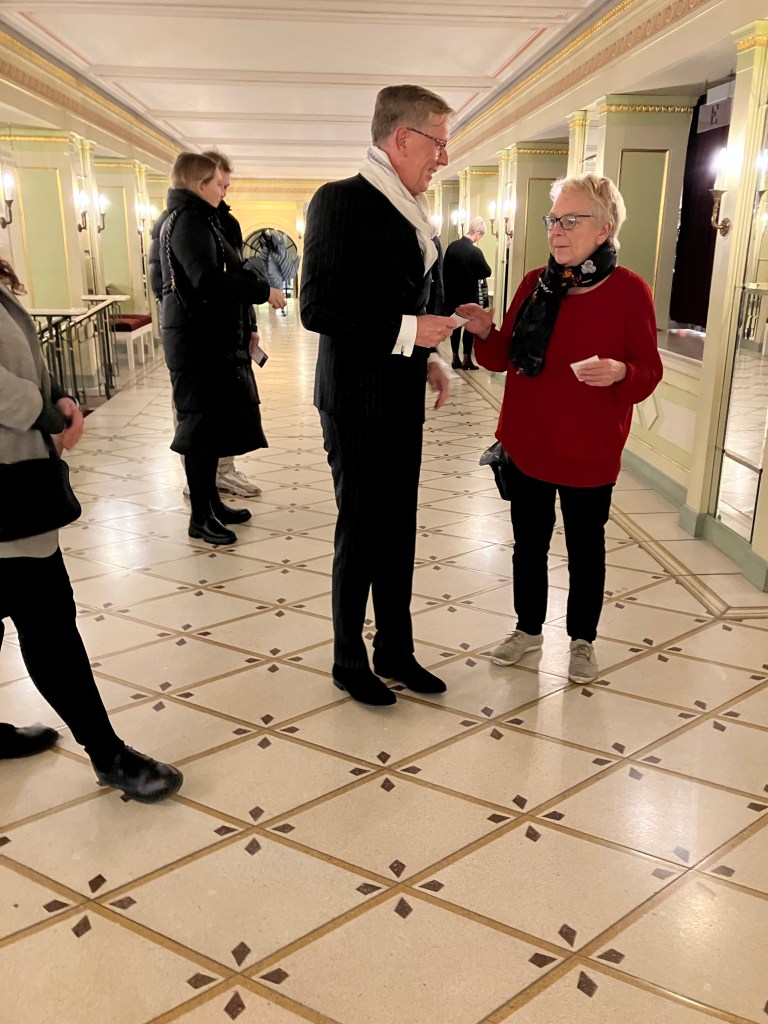
Photos of Dr. Rainer Braunschweig with Gerlinde Otto, Professor at the University of Music Franz Liszt in Weimar since 1992 and now emeritus lecturer.

Mary Orr of the Matthiesen Foundation and a mentor of Cristian since her days organising the Imogen Cooper Music Trust in Berlin for his debut

https://christopheraxworthymusiccommentary.com/2023/09/20/trio-cristian-sandrin-enyuan-khong-charlotte-kaslin-a-feast-of-exhilaration-and-seduction-for-mary-orr-for-the-matthiesen-foundation-at-the-matthiesen-gallery/
The rehearsal performance a day before with friends in Berlin
A try out with friends whom he met at a recent performance in Tropea

https://bachtrack.com/interview-cristian-sandrin-new-goldberg-variations-bach-kettner-society-december-2024/amp=1

Park- Grosvenor ‘A sumptuous duo,spot on at St John’s where their light was shining brightly’

St John’s Waterloo – opposite the station

The ‘Spotlight’ was certainly on St John’s Waterloo tonight with a superb concert by Hyeoon Park and Benjamin Grosvenor
Superb chamber music playing each listening to the other as they played with cat and mouse like attention.

A continuous stream of music making that was like circus entertainers on the high wire who with superb balance and control manage to stay on high without ever even the thought that they might fall off. Ravishing sumptuous sounds from the piano were matched by the searing intensity of the violin.
From the piano’s very first sombre chords of quiet brooding intensity in the Vaughan Williams the violin just soared into the heights.A magic spell was cast from the Lark allowed to ascend into truly celestial regions on high.
Passing through Takemitsu’s evocative ‘Distance de fée’ we were treated to an astonishingly insinuating performance of the Debussy Sonata that was a very welcome addition to the programme .It was remarkable for its ravishing colour and passionate intensity.
Even Grieg’s C minor Sonata was played with the care,burning intensity and intelligent musicianship usually reserved only for the ‘Kreutzer’.
A monumental performance where the piano’s heart rending delicacy in the second movement was matched by the ravishing intensity of the violin.
A magnificent performance of a much neglected work that tonight was restored to all it’s glory by these two great artists that was eagerly devoured by all those lucky to be present.


But the best was still to come with a heart rending performance of Elgar’s ‘Salut D’Amour’ that will remain in my memory for long to come.

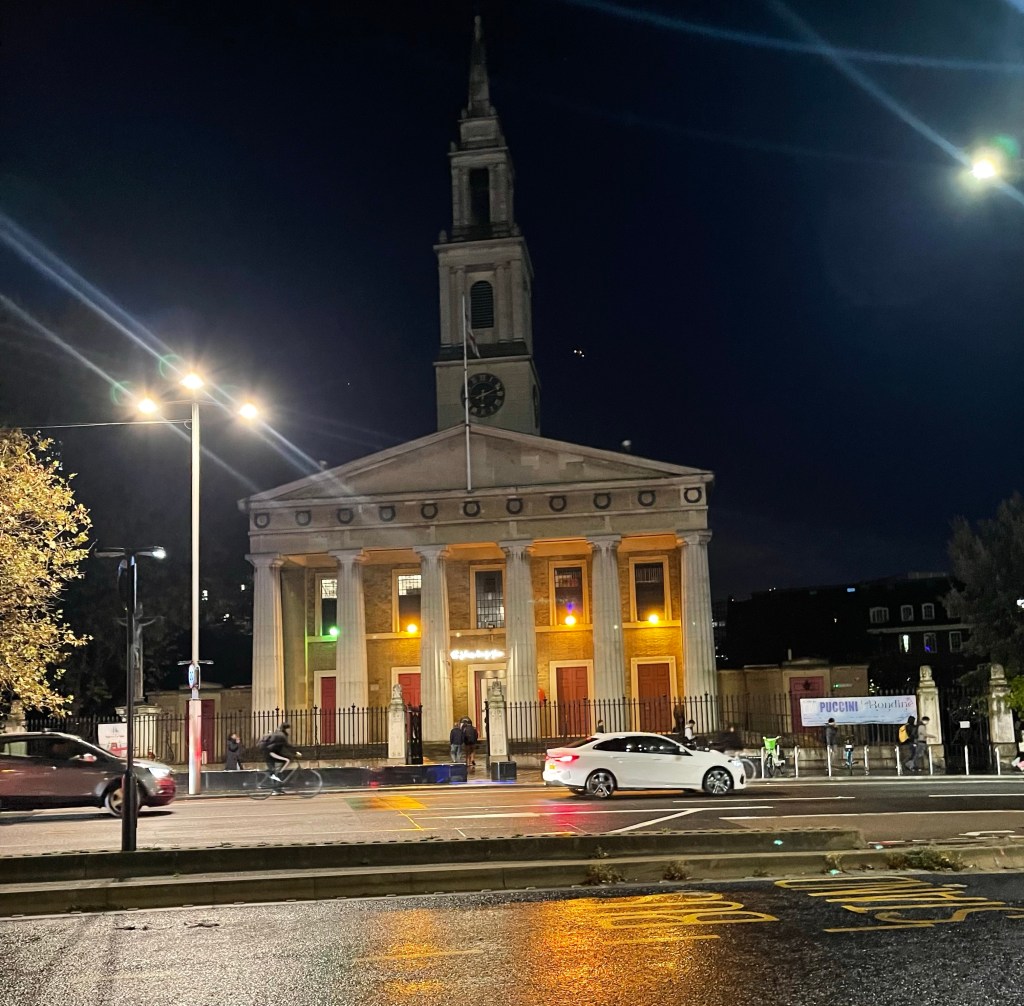
And outside …what surprises there are still to be had in London
(Achille) Claude Debussy.
22 August 1862 – 25 March 1918

The Debussy sonata for violin and piano in G minor, L.140, was written in 1917. It was the composer’s last major composition.The premiere took place on 5 May 1917, the violin part played by Gaston Poulet , with Debussy himself at the piano. It was his last public performance.

The work has three movements:

  1. Allegro vivo
  2. Intermède: Fantasque et léger
  3. Finale: Très animé

The unfinished sonatas

Six sonatas for various instruments (French: Six sonates pour divers instruments) was a projected cycle of sonatas that was interrupted by the composer’s death in 1918, after he had composed only half of the projected sonatas. He left behind his sonatas for cello and piano 1915), flute, viola and harp (1915), and violin and piano (1916–1917).Debussy wrote in the manuscript of his violin sonata that the fourth sonata should be written for oboe, horn,and harpsichord and the fifth for trumpet, clarinet, bassoon and piano.

From 1914, the composer, encouraged by the music publisher Jacques Durand intended to write a set of six sonatas for various instruments, in homage to the French composers of the 18th century. The effects of the First World War and an interest in baroque composers Couperin and Rameau inspired Debussy as he was writing the sonatas.

Durand, in his memoirs entitled Quelques souvenirs d’un éditeur de musique, wrote the following about the sonatas’ origin:

‘After his famous String Quartet, Debussy had not written any more chamber music. Then, at the Concerts Durand, he heard again the Septet with trumpet by Saint-Saëns and his sympathy for this means of musical expression was reawoken. He admitted the fact to me and I warmly encouraged him to follow his inclination. And that is how the idea of the six sonatas for various instruments came about.

In a letter to the conductor Bernard Molinari, Debussy explained that the set should include “different combinations, with the last sonata combining the previously used instruments”. His death on 25 March 1918 prevented him from carrying out his plan, and only three of the six sonatas were completed and published by Durand, with a dedication to his second wife, Emma Bardac.

For the final and sixth sonata, Debussy envisioned a concerto where the sonorities of the “various instruments” combine, with the gracious assistance of the double bass.

Edvard Hagerup Grieg 15 June 1843 – 4 September 1907

Grieg began composing his third and final violin sonata in the autumn of 1886. Whereas the first two sonatas were written in a matter of weeks, this sonata took him several months to complete.Although there were only two years between the first two violin sonatas, the Violin Sonata No 3 in C minor, Op 45, was not to follow for almost two decades: the last piece of chamber music Grieg completed, it was composed—at Grieg’s home, Troldhaugen, outside Bergen—in the second half of 1886, just spilling into the first days of 1887.The sonata is in three movements The second movement opens with a serene piano solo in E major with a lyrical melodic line. In the middle section, Grieg uses a playful dance tune. It also exists in a version for cello and piano that Grieg composed during the same time as the violin version and given to his brother as a birthday gift in May 1887, but appeared in print only in 2005 (by Henle).

Allegro molto ed appassionato – Allegretto espressivo alla Romanza – Allegro animato – Prestissimo

The sonata remains the most popular of the three works, and has established itself in the standard repertoire. The work was also a personal favorite of Grieg’s. Grieg played the piano part in the premiere, in the Leipzig Gewandhaus on 10 December 1887; the violinist was the eminent Adolph Brodsky, who had given the first performance of the Tchaikovsky Concerto six years earlier (and was later head of the Royal Manchester School of Music)To a certain extent, Grieg built on Norwegian folk melodies and rhythms in this three-movement sonata. However, Grieg considered the second sonata as the “Norwegian” sonata, while the third sonata was “the one with the broader horizon.” This was the last piece Grieg composed using sonata form.


Ralph Vaughan Williams
October 1872 – 26 August 1958)

The Lark Ascending was inspired by the 1881 poem by the English writer George Meredith . It was originally for violin and piano, completed in 1914, but not performed until 1920. The composer reworked it for solo violin and orchestra after the First World War and it is this version, in which the work is chiefly known, was first performed in 1921.

The composer’s second wife, Ursula wrote that in The Lark Ascending Vaughan Williams had “taken a literary idea on which to build his musical thought … and had made the violin become both the bird’s song and its flight, being, rather than illustrating the poem from which the title was taken”.At the head of the score, Vaughan Williams wrote out twelve lines from Meredith’s 122-line poem:

He rises and begins to round,
He drops the silver chain of sound,
Of many links without a break,
In chirrup, whistle, slur and shake.

For singing till his heaven fills,
‘Tis love of earth that he instils,
And ever winging up and up,
Our valley is his golden cup
And he the wine which overflows
to lift us with him as he goes.

Till lost on his aerial rings
In light, and then the fancy sings.

The soloist for whom the work was written and to whom it is dedicated was Marie Hall ,a leading British violinist of the time, a former pupil of Edward Elgar and celebrated for her interpretation of that composer’s violin concerto .She gave the first performance with the pianist Geoffrey Mendham (1899–1984) at the Shirehampton Hall on 15 December 1920 and was again the soloist in the first performance of the orchestral version, in the Queen’s Hall , London, on 14 June 1921, at a concert presented by the British Music Society. The british Symphony Orchestra was conducted by Adrian Boult

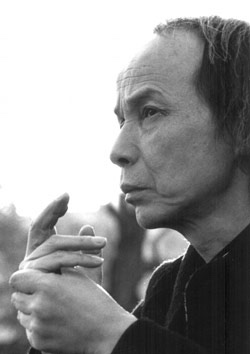
Tōru Takemitsu (8 October 1930 – 20 February 1996) was a Japanese composer and writer on aesthetics and music theory .Largely self-taught, Takemitsu was admired for the subtle manipulation of instrumental and orchestral timbre. He is known for combining elements of oriental and occidental philosophy and for fusing sound with silence and tradition with innovation

“Distance de fée” created in 1951, one of the best pieces of Takemitsu’s early period. The spirit of Debussy and Messiaen are fully felt in this work of approximately 7 and 1/2 minutes duration. Messiaen’s octatonic scale is used in the tonal language. The opening lyrical theme is repeated several times, and finds a new pathway upon each return – this is a version of variation as well as rondo form, two of Takemitsu’s favorite compositional procedures. This piece, like many others by Takemitsu, was inspired by poetry, in this case, a poem of the same title by Shuzo Takiguchi (1903-1979). This work describes, with lightly mythological imagery, an elusive, transparent creature living in “air’s labyrinth … it lives in the spring breeze That barely resembled the balance of a small bird”

Elgar’s Salut d’Amour (Liebesgruß), Op. 12 was written in July 1888, when he was romantically involved with Caroline Alice Roberts and he called it “Liebesgruss” (‘Love’s Greeting’) because of Miss Roberts’ fluency in German. On their engagement she had already presented him with a poem “The Wind at Dawn ” which he set to music and, when he returned home to London on 22 September from a holiday he gave her Salut d’Amour as an engagement present.The dedication was in French: “à Carice”. “Carice” was a combination of his wife’s names Caroline Alice, and was the name to be given to their daughter born two years later.Salut d’amour” is one of Elgar’s best-known works and has inspired numerous arrangements for widely varying instrumental combinations. There are also versions with lyrics in different languages, for example the song “Woo thou, Sweet Music” with words by A. C. Bunten,[5] and “Violer” (Pansies) in Swedish.

Benjamin Grosvenor at the Proms The reincarnation of the Golden Age of piano playing

Piotr Anderszewski at the Barbican ‘A world of ravishing beauty and refined whispers’

Johann Sebastian Bach Partita No 6 in E minor
1. Toccata
2. Allemande
3. Corrente
4. Air
5. Sarabande
6. Tempo di Gavotta
7. Gigue
Karol Szymanowski Mazurkas, Op 50
No 3 Moderato
No 7 Poco vivace
No 8 Moderato
No 5 Moderato
No 4 Allegramente, risoluto

Anton Webern Variations, Op 27
Ludwig van Beethoven Piano Sonata No 31
1. Moderato cantabile, molto espressivo
2. Allegro molto
3. Adagio, ma non troppo – Arioso dolente – Fuga: Allegro, ma non troppo – L’istesso tempo di Arioso – L’inversione della Fuga

Performances of ravishing beauty with a kaleidoscope of sounds.An extraordinary palette of colours that gave new life to Bach’s monumental 6th Partita.There was delicacy and poise but nobility and clarity always with refined good taste and with very little use of the pedal.His fingers seemed instinctively to search out sounds and colours without ever disturbing the overall pulse or architectural shape.
A whispered luminosity he brought to Szymanowski’s extraordinary Mazurkas op 50.A subtle world of insinuating sounds and dance rhythms.
This was the ideal world for Webern’s variations too where the delicacy and multicoloured sounds drew these seemingly isolated notes into shapes of eloquence giving meaning to such a seemingly abstract art.There were pungent sounds too but rarely called upon as Anderewski inhabited a secret world that he chose to allow us to eavesdrop on.
A change of piano during the interval but the palette of sounds and whispered secrets were still the same .
Beethoven too slipped in on the final ethereal wave of the Webern variations.
But by now we had experienced his secret world of refined multicoloured sounds and in some way I found in need of something with more backbone and contrast.
This was Beethoven as seen from afar.A world of ravishing beauty and refined whispered sounds but was it the real Beethoven if we moved in closer?
An audience that sat in awed silence as he drew us in to a secret world that even the three encores inhabited.(Bach and Bartok)
The only chiselled sounds above mezzo forte were momentarily in the Beethoven Scherzo but with hard ungrateful sounds that had no place in the world he inhabited.
A final note of the evening hammered into the bass which reminded me of his Schumann Piano Concerto that he had played with Pappano with such chiselled ungrateful sounds that I turned to a friend and said I thought he must hate it.It was obviously not part of the world that he inhabits.
A master pianist and a cult figure with a great following of admirers but who lives on a cloud of his own of extremes of sound that somehow do not always seem to connect.
A concert inhabited by Eusebius ………but Florestan where were you!
A concert full of wondrous things and a unique world that is wonderful to visit occasionally but a world where it would be hard to take up permanent residence.
A standing ovation for a unique artist and I too found myself on my feet.
Chapeau Maestro!

The Barbican presents Piotr Anderszewski:

From Bach to Webern, pianist Piotr Anderszewski finds fascinating connections between composers whose visionary ideas would change keyboard music forever.

Anderszewski is renowned for his interpretations of Bach and brings that special affinity to the monumental Partita No 6 which, in the words of musicologist David Schulenberg, is ‘the crowning work of the set and Bach’s greatest suite’. Rooted in traditional European dance styles, this is music that reveals Bach’s awe-inspiring ability to weave whole worlds of sound from the simplest ideas.
Fast forward 200 years, and Szymanowski – from Anderszewski’s homeland of Poland – infuses his mazurkas with the mind-bending rhythms and melodies of Polish folk dance. With his Variations, Webern takes an historical form and places it firmly in the 20th century, and Beethoven brings us full circle in his emotional penultimate piano sonata – a piece with echoes of Bach but that’s peppered with Romantic innovations.

Piotr Anderszewski is an artist who has long embraced the unexpected, whether in his repertoire choices or his interpretations. Bach has long been central to his art, but always with a fresh slant – as in his most recent recording of the composer’s music, where he boldly took selected preludes and fugues from the Second Book of the 48 and presented them in his own re-ordering.

Bach’s E minor Partita, BWV830 – the final one in a set of six that the composer proudly published as his ‘opus 1’ in 1731. Although it’s actually one of the earlier partitas to have been written, it’s easy to see why Bach placed it last, with its striking combination of sweeping brilliance and profundity.

For one of the greatest colourists of the 20th century, Karol Szymanowski the piano functioned as both inspiration and musical laboratory throughout his composing life. The 20 Mazurkas of Op 50 (1924–5), from which we hear Nos 3, 7, 8, 5 and 4, are from the final phase of Szymanowski’s style, one in which his own musical language became inextricably suffused with Polish nationalism.

A decade later Anton Webern was taking piano writing to a new level of concision in his Variations, Op 27 (1936). Webern was a member of the Second Viennese School, the movement founded by Arnold Schoenberg whose founding principle was that of ‘serialism’ (in which, unlike in time-honoured system of traditional tonality, all 12 notes of the chromatic scale are used to create a ‘row’ or ‘series’, determining not only the melodic lines of a piece but also its harmonies).

Webern’s three brief movements are all built from the same tone row.The yearning opening phrases of the first movement, via the capricious spikely energetic second, to the contrasts within the last, from introspection to buoyancy.
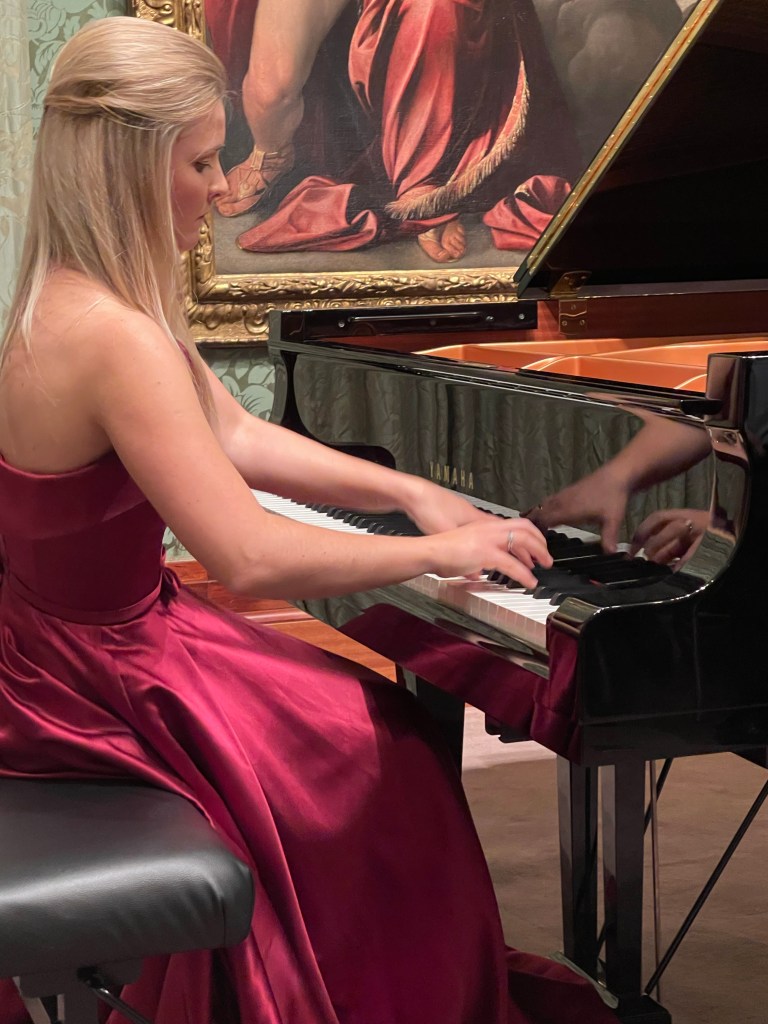
Beethoven’s A flat major Sonata, Op 110, was his penultimate sonata, written in 1821,

The outward gentleness of the opening movement belies its tautness of form, and the contrast with the brief second, a scherzo marked Allegro molto – capricious, gruffly humorous, even violent – is extreme. Beethoven subversively sneaks in references to two street songs popular at the time: Unsa Kätz häd Katzln ghabt (‘Our cat has had kittens’) and Ich bin lüderlich, du bist lüderlich (‘I’m dissolute, you’re dissolute’)! 
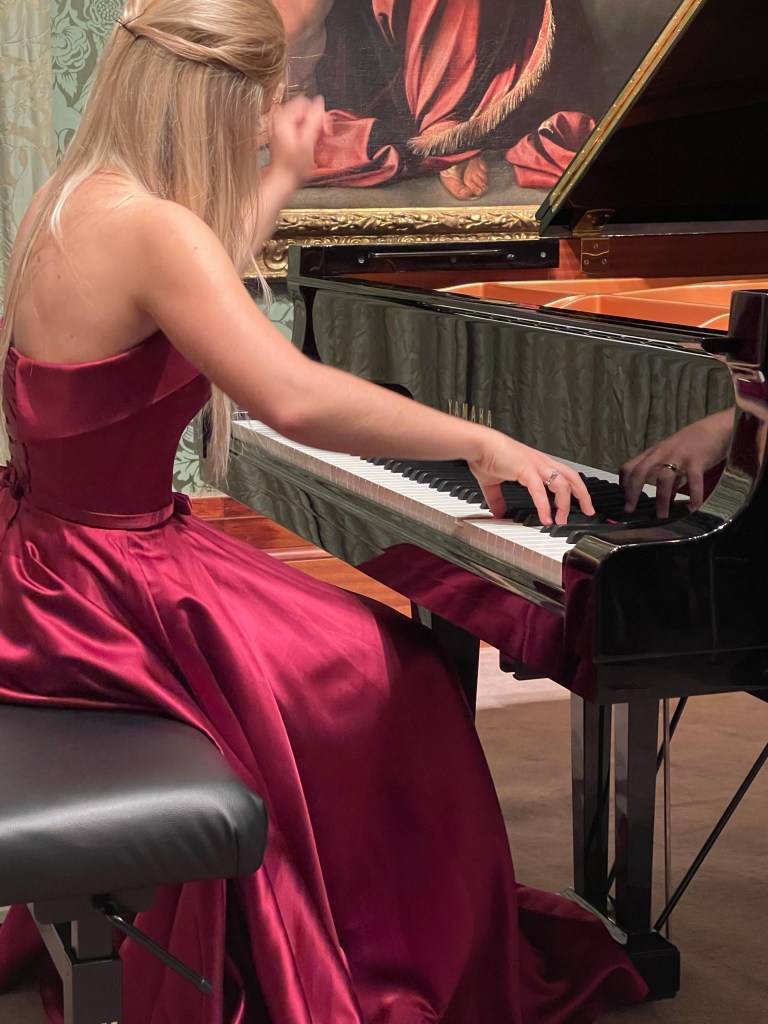
But it’s in the finale that the weight of the sonata lies, and it begins with a declamatory, recitative-like passage that starts in the minor, moving to an emotionally pained aria-like section.Beethoven introduces a quietly authoritative fugue, based on a theme reminiscent of the one that opened the sonata. Its progress interrupted by the aria once more, its line now disjunct and almost sobbing for breath. The way in which the composer moves into the major via a sequence of G major chords is a passage of pure radiance, that Edwin Fischer described as ‘like a reawakening heartbeat’. This leads to a second appearance of the fugue in inversion culminating in a magnificently triumphant conclusion.

Piotr Anderszewski is regarded as one of the outstanding musicians of his generation. 

He appears regularly in recital at such concert halls as the Vienna Konzerthaus, Berlin Philharmonie, Wigmore Hall, Carnegie Hall, Théâtre des Champs-Élysées and Concertgebouw Amsterdam. His collaborations with orchestra have included appearances with the Berlin Philharmonic, Berlin Staatskapelle, London and NHK Symphony orchestras and Philharmonia Orchestra. He has also placed a special emphasis on playing and directing, working with Scottish Chamber Orchestra, Chamber Orchestra of Europe and Camerata Salzburg, among others. 

He has been an exclusive artist with Warner Classics/Erato (previously Virgin Classics) since 2000. His first recording for the label was Beethoven’s Diabelli Variations, which went on to receive a number of prizes. He has also recorded Grammy-nominated discs of Bach’s Partitas Nos 1, 3 and 6 and Szymanowski’s solo piano works, the latter receiving a Gramophone Award in 2006. His recording devoted to works by Robert Schumann received BBC Music Magazine’s Record of the Year Award in 2012. His disc of Bach’s English Suites Nos 1, 3 and 5, released in 2014, went on to win Gramophone and ECHO Klassik awards in 2015. His most recent release, featuring a selection of Preludes and Fugues from Bach’s Well-Tempered Clavier Book 2, won a Gramophone Award in 2021. 

The intensity and originality of his interpretations have been recognised with the Gilmore Award, the Szymanowski Prize and a Royal Philharmonic Society Award. 

He has also been the subject of several documentaries by the film maker Bruno Monsaingeon. Piotr Anderszewski plays Diabelli Variations (2001) explores his particular relationship with Beethoven’s iconic work, while Unquiet Traveller (2008) is an unusual artist portrait, capturing Piotr Anderszewski’s reflections on music, performance and his Polish-Hungarian roots. 

In 2016 he got behind the camera himself to explore his relationship with his native Warsaw, creating a film entitled Je m’appelle Varsovie

Last season he gave a new recital programme at the Philharmonie de Paris, Vienna Musikverein, Alte Oper Frankfurt and other major concert halls in Europe and Asia. He also performed with leading orchestras including the Leipzig Gewandhausorchester, Kammerakademie Potsdam, Finnish Radio and NHK Symphony orchestras and Orchestre Philharmonique de Radio France. 

This season includes solo recitals throughout Europe at prestigious venues including the Muziekgebouw Amsterdam, Konserthuset Stockholm, Gulbenkian Portugal and Philharmonie Cologne, as well as on tour in Japan and Singapore. Concerto highlights include concerts with the Zurich Tonhalle, NDR Hamburg, Taiwan Symphony Orchestra and a tour with Sinfonia Varsovia.

Ashley Fripp at St Marys ‘The authority and impeccable musicianship of a great artist’

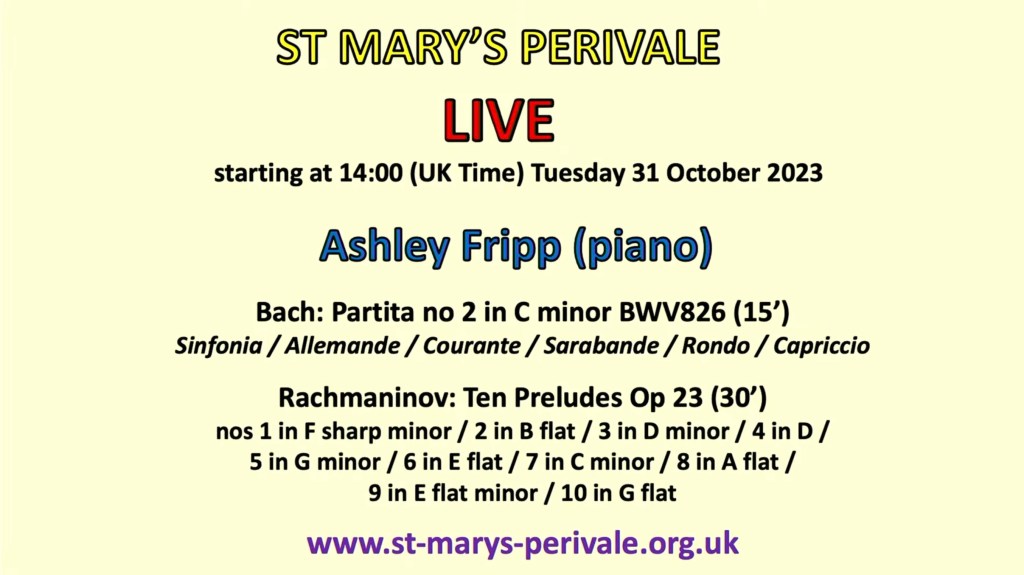
https://youtube.com/live/WrfyXpT2g-g?feature=shared

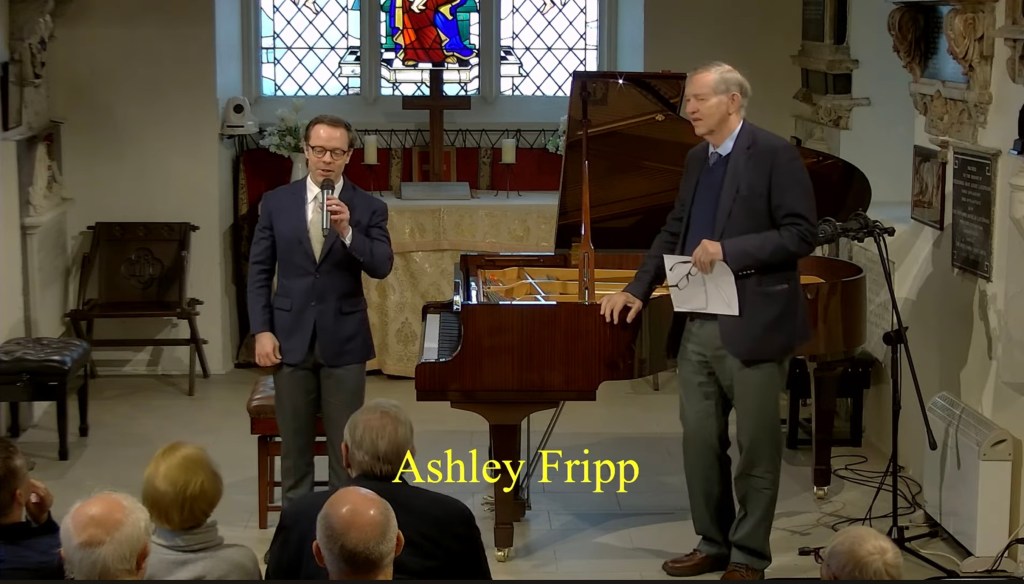
Ashley Fripp’s 37th appearance at St Mary’s since 2005 was marked quite rightly by an unusually full and appreciative audience.Ashley is one of the finest most serious musicians I know who I had first encountered in the village of Sermoneta in Italy where every year during the summer months the Pontine Festival brings some of the greatest musicians to the hills near to Rome to give concerts and masterclasses.A festival that had started in the ‘60’s with Yehudi Menuhin and Josef Szigeti and every year since brings great music to where I luckily have a holiday home on the seashore.He had come to study with Eliso Virsaladze,the great Russian pianist and pedagogue much admired by Sviatoslav Richter.It was she who pointed out to me a young very talented British boy who had joined her class and she was very impressed by his pianistic and musical artistry.I later found Ashley in Fiesole overlooking Florence where Eliso was holding her masterclasses five times a year.Ashley was already on the threshold of a career in music in London ,having won the Gold medal at the Guildhall School of Music ,but was still keen to perfect his skills with one of the greatest musicians of our time.

Ashley Fripp in Florence – A walk to the Paradise Garden

While he was there he also gave a recital in the Harold Acton Library,part of the British Institute ,where he gave a truly memorable performance of Chopin’s B minor Sonata.It was he who introduced me to this beautiful venue and the director and thanks to him we now hold a series of concerts there every year for the Keyboard Trust.

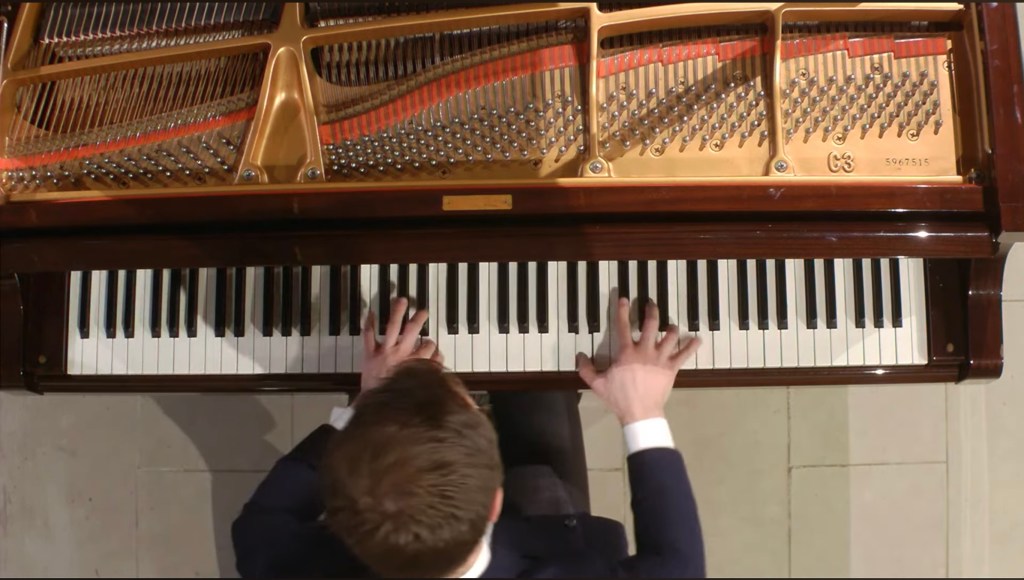
Today Ashley presented two major works and his eloquent introductions illuminated the journey we were about to take together with simple clarity and intelligence.It was the same qualities that he brought to his performances with superb technical control and artistry.An architectural shape to all he did and an impeccable sense of style that made for a great contrast from the non legato world of Bach where the song and the dance reign to the sumptuous romantic sounds of Rachmaninov. But even in Rachmaninov he was able to link the ten miniature tone poems or preludes into one emotional whole.As he pointed out there was a link between the first prelude in the minor and last in the major with the first prelude in F sharp minor and the last in G flat ( F sharp) major.The same sense of unity and form that Bach had brought to his Partita Ashley’s superb musicianship could see in Rachmaninov too.Superbly played throughout without any showmanship but with simplicity and an attention to the composers wishes that gave great strength and authority to all he did .

Nobility and rhythmic drive but also surprising tenderness to the opening Sinfonia with the lyricism of the Andante and the impulsive rhythmic energy of the (Allegro).The Allemande just seemed to drift in with a flowing pastoral outpouring interrupted only by the energetic Courante.A beautifully poised Sarabande where I felt he could almost wallow more in the sounds of the modern piano that Bach of course would not have known but that can imitate so well the human voice.However Ashley is a very serious musician with an impeccable sense of style and the delicacy of the Sarabande did contrast so well with the scintillating brilliance of the Rondeaux and the imperious final Capriccio.The honesty of a great artist saw Ashley admitting what a technically ungrateful piece the last Capriccio is .Any slight sins committed were totally unnoticed as we followed with rapt attention the driving overall line that he was creating.

There was a beautiful unfolding to the first Prelude like the beginning of a great story that was yet to be told.The question and answer between the hands becoming ever more anguished until deflating back to the disarming simplicity with which it had opened.The passionate explosion of the second prelude was played with sumptuous full sounds and technical mastery.I have never heard the tenor melody played so beautifully or with such a simple sense of line as it belied the technical difficulty of all the notes that embroider it.What character Ashley brought to the rumbustuous left hand that continually interrupted the delightfully capricious third prelude.A beautiful ending that was just thrown into the wind with great nonchalance.The D major Prelude is one of the most beautiful things that Rachmaninov has written.A disarming simplicity accompanied by a continual flow of delicate sounds.The melodic line appearing in the tenor register with delicate notes caressing it with such fluidity and beauty with ravishing playing of aristocratic emotional poise.A dynamic relentless drive to the well known G minor Prelude dying to a whisper to allow the central episode to bewitch and enchant with sumptuous sounds in a duet of ravishing beauty.The gradual return to the march was played with dynamic drive and passion only to disappear into thin air at the end with consummate featherlight ease and charm.The long romantic outpouring of the sixth prelude was played with a luminosity of sound with undulating emotions before dying to a mere whisper on a magic trail of golden notes.The seventh was a spinning web of continuous motion on which the nobility of the melodic line is allowed to float with grandeur and nobility contrasting with the scintillating jeux perlé of the coda.The eighth was a sumptuous wave of moving harmonies of great subtlety and beauty but it was the beguiling charm of the double notes of the ninth that was quite astonishing.The transcendental difficulty of the notes was hidden by a musical shape that was both beguiling and tantalising.An extraordinary tour de force where technical mastery is at the total service of the music.Nostalgic beauty of the tenth brought us full circle with the beauty of the tenor melodic line accompanied so delicately as it began to duet with the soprano line with a kaleidoscope of glistening sounds of great beauty.

British pianist Ashley Fripp has performed extensively as recitalist, concerto soloist and chamber musician throughout Europe, Asia, North America, Africa and Australia in many of the world’s most prestigious concert halls. Highlights include the Carnegie Hall (New York), Musikverein (Vienna), Concertgebouw (Amsterdam), the Philharmonie halls of Cologne, Paris, Luxembourg and Warsaw, the Bozar (Brussels), the Royal Festival, Barbican and Wigmore Halls (London), the Laeiszhalle (Hamburg), Palace of Arts (Budapest), the Megaron (Athens), Konzerthaus Dortmund, the Gulbenkian Auditorium (Lisbon) and the Konserthus (Stockholm). 

He has won prizes at more than a dozen national and international competitions, including at the Hamamatsu (Japan), Birmingham and Leeds International Piano Competitions, the Royal Over-Seas League Competition, the Concours Européen de Piano (France) and the coveted Gold Medal from the Guildhall School of Music & Drama. Ashley was awarded the Worshipful Company of Musicians’ highest award, The Prince’s Prize, and was chosen as a ‘Rising Star’ by the European Concert Hall Organisation (ECHO). He has also performed in the Chipping Campden, Edinburgh, Brighton, Bath, Buxton, City of London, and St. Magnus International Festivals as well as the Oxford International Piano Festival, the Festival Pontino di Musica (Italy) and the Powsin International Piano Festival (Poland). Ashley also gave an open-air Chopin recital beside the world-famous Chopin monument in Warsaw’s Royal Lazienki Park to an audience of 2,500 people. 

Ashley Fripp studied at the Guildhall School of Music & Drama with Ronan O’Hora and with Eliso Virsaladze at the Scuola di Musica di Fiesole (Italy). In 2021 he was awarded a doctorate for his research into the piano music of British composer Thomas Adès. Future engagements include his debut at the Mecklenburg-Vorpommern Festival (Germany) and a commercial film production of Rachmaninoff Piano Concertos Nos. 1 & 2 with accompanying concert tours in Germany and the Czech Republic with the Prague International Youth Orchestra.

The Partita for keyboard No. 2 in C minor, BWV.826, is a suite of six movements written for the .It was announced in 1727,issued individually, and then published as Bach’s Clavier-Ubung in 1731.

Born
1 April [O.S.20 March] 1873
Semyonovo, Staraya Russa,Novgorod Russa ,Novgorod Governorate ,Russian Empire
Died
28 March 1943 (aged 69)
Beverly Hills California, U.S.A
Cover of the first edition (A. Gutheil, 1904)

Ten Preludes, op 23, was composed in 1901 and 1903. Together with the Prelude in C sharp minor op 3/2 and the 13 Preludes op 32 this set is part of a full suite of 24 preludes in all the major and minor keys.Rachmaninoff completed Prelude No. 5 in 1901. The remaining preludes were completed after Rachmaninoff’s marriage to his cousin Natalia Satina: Nos. 1, 4, and 10 premiered in Moscow on February 10, 1903, and the remaining seven were completed soon thereafter.The years 1900–1903 were difficult for Rachmaninoff and his motivation for writing the Preludes was predominantly financial.He composed the works in the Hotel America, financially dependent on his cousin Alexander Siloti , to whom the Preludes are dedicated.Of the comparative popularity of his Ten Preludes and his early Prelude op.3 n.2 ,a favourite of audiences, Rachmaninoff remarked: “…I think the Preludes of Op. 23 are far better music than my first Prelude, but the public has shown no disposition to share in my belief….”The composer never played all of the Preludes in one sitting, instead performing selections of them, consisting of preludes from both his Op. 23 and Op. 32 sets which were of contrasting character

Ashley Fripp ignites Bach and Chopin with supreme artistry and musicianship

Ashley Fripp at St Mary’s poetry and intelligence of a great musician

Ashley Fripp with Dr Hugh Mather

George Xiaoyuan Fu at the Wigmore Hall with feats of musical trickery and mastery

  • Serghei Rachmaninov 1873 -1943
    • Suite from Violin Partita in E by JS Bach:
    • –II. Gavotte
  • George Xiaoyuan Fu b. 1991
    • Transformation on Gigue from Bach’s Violin Partita No. 2
  • Matthew Aucoin b. 1990
    • The tracks have vanished (world première) Commissioned by the Irving S. Gilmore Piano Festival for Kirill Gerstein
  • Claude Debussy 1862-1918
    • Etudes Book I:
    • –Pour les cinq doigts
    • –Pour les tierces
  • Etudes Book II:
  • –Pour les agréments
  • –Pour les sonorités opposées
  • –Pour les arpèges composés
  • Etudes Book I:
  • –Pour les octaves
  • –Pour les huit doigts

Etudes are an endless source of fascination, inviting composers to push both physical and musical possibilities – from the ethereal to the virtuosic. George Xiaoyuan Fu presents Debussy’s Etudes alongside three works by pianist-composers that discover possibilities through transcriptions for solo piano.

Promoted by the Royal Academy of Music

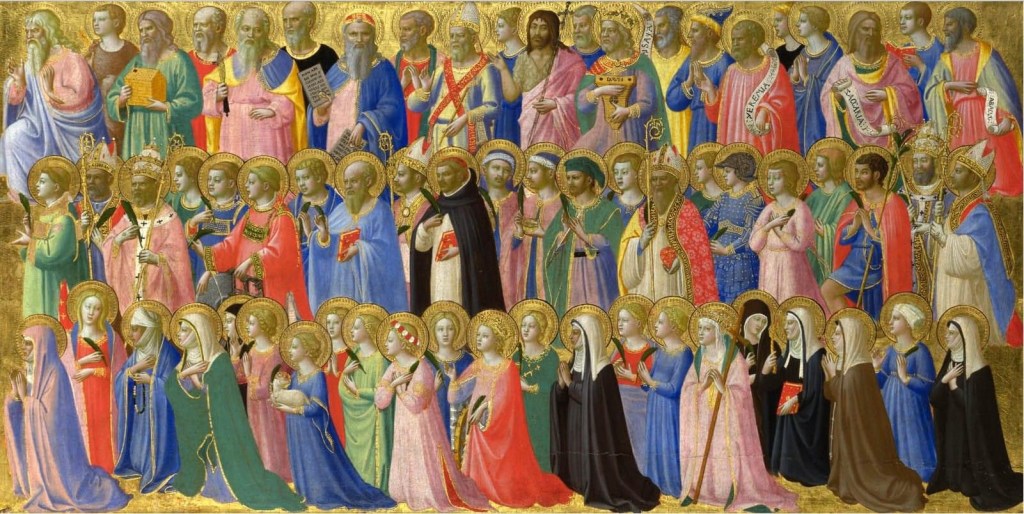
The amazing Mr Fu must be amongst these Fra Angelico Ognissanti as after all it is All Saints today.
Lent to the Wigmore Hall by the Royal Academy for a lunchtime concert where he astonished and amazed us with his superhuman feats of musical trickery and mastery.
The centre piece an absolutely mind boggling world premiere of a ‘friend ‘ Matthew Aucoin.Just a years’difference united them and it would need a year for any mortal to master a work of such diabolical intricacy.
George only early thirties with degrees from Harvard,Curtis ,a Fellowship from the Royal Academy and recently married amazes and delights us all with his simple open intelligence and complete mastery of music matters.
He is also one of the nicest people I know and I am proud to call a friend.
The only defect is his applauding with hands raised high, so be sure to never sit behind him in a concert !

From the very first notes of Rachmaninov’s genial transcription of Bach’s famous Gavotte it was obvious that we were in the presence of a supreme stylist and master pianist.Charm,authority and colour were mixed up in a whirl of sumptuous sounds that are unmistakably those of Rachmaninov with just a hint of J.S. B.
The same inspiration of J.S.Bach solo violin inspired George to make a ‘transformation’ of the Gigue from his 2nd violin Partita .A transcendental transformation with astonishing pianistic trickery and an ingenious use of the entire range of the keyboard.There were continuous meanderings and things that go ‘ bump in the night ‘ , glissandi that swept everything before it .Cascades of ingenious counterpoints that would have turned J.S.B green with envy.
The main piece in this short recital was undoubtedly the world premiere of a work commissioned by the Irving S Gilmore piano Festival for Kirill Gernstein.A work by Matthew Aucoin based on ‘The Demons’ by Dostoevsky also known as ‘The Possessed’ or ‘The Devils’. It is an allegory of the potentially catastrophic consequences of the political and moral nihilism that were becoming prevalent in Russia in the 1860s.
In two movements and lasting about 20 minutes it is a work of transcendental technical difficulty with a massive number of notes that must outdo even Messiaen’s Vingt Regards .Chiselled sounds play over ponderous bass chords with the first movement gradually growing in searing intensity with a diabolical technical tour de force of extraordinary difficulty.
No matter the complexity George managed to convey a line and architectural sense that made a coherent whole and an extraordinarily intese experience. The second movement was of more tender melodic outpourings and with a whispered luminosity of echoing reverberations growing in intensity.
There had also been a cohesion of sound between Rachmaninov,Fu and Aucoin ,that was to open up into the extraordinarily visionary sound world of the last work for piano of Debussy.
The seven Debussy Studies were played with a kaleidoscopic sense of colour and a transcendental control of sound .I doubt Monsieur Czerny could ever have imagined five finger exercises as these.Astonishing clarity and shape to this extraordinarily modern work .Streams of sound on which were revealed fragments of melody of towering importance.Have double thirds ever sounded so beautiful or so legato as they became just a maze of sounds that were a living and breathing stream?Extreme delicacy of the agréments with evocative mysterious sounds .Sumptuous moulded sounds in ‘les sonorités opposé’and a magical luminosity of ‘les arpèges’ with sounds moving like quicksilver sand.Phenomenal technical prowess of ‘les octaves’ lead straight into the tongue in cheek eight finger exercise – three more than at the beginning!
This was indeed Art that conceals Art as this is Debussy’s greatest work for piano but as the composer himself said they were ‘a warning to pianists not to take up the musical profession unless they have remarkable hands’.And I would add a super sensitive palette of sounds and a musical intelligence that can weave its way through a seeming maze of notes.
And what better way to finish than with the insinuating sounds of the fourth of Debussy’s Preludes :’Les sons et les perfumes tournent dans l’air du soir’.
With Joanna MacGregor Head of Keyboard Studies RAM
Matthew Aucoin (born April 4, 1990) is an American composer, conductor, pianist, and writer best known for his operas. Aucoin has received commissions from the Metropolitan Opera,Carnegie Hall,Lyric Opera of Chicago,the American Repertory Theatre ,the Peabody Essex Museum,Harvard University .He was appointed as Los Angeles Opera’s first-ever Artist-in-Residence in 2016.He is a 2018 MacArthur Fellow.
“Mr. Aucoin demonstrated his piano virtuosity in his own parts, from rumblings in the bass register to right-hand minor key trills that set the teeth on edge.” – Superconductor

Claude Debussy’s Études ( L 136) are a set of 12 études composed in 1915. Debussy described them as “a warning to pianists not to take up the musical profession unless they have remarkable hands”.They are broadly considered his late masterpieces.

George Fu his joy and exhilaration saves the day and uplifts our spirits

George X Fu ravishing the senses as a young eagle descends on St Mary’s

Varvara Tarasova at The Matthiesen Gallery a true Oasis of beauty – If music be the food of Love – ravishing playing of refined artistry

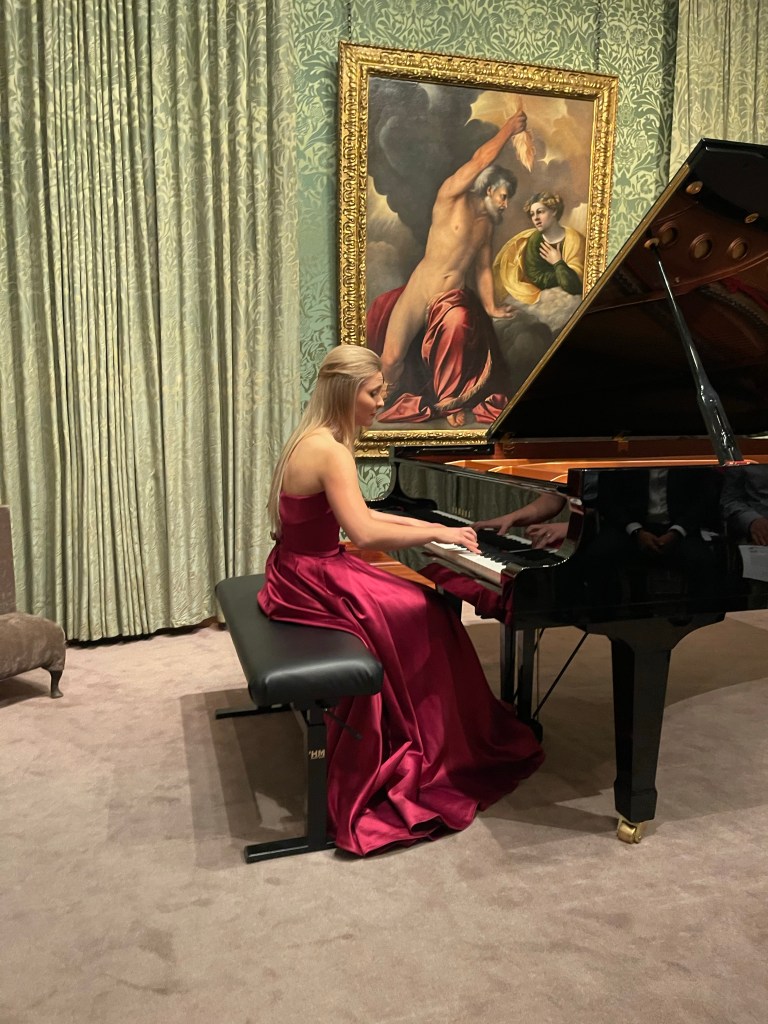
Beautiful music surrounded by magnificent paintings and played by a beautiful young pianist .

Mary Orr welcoming the distinguished audience and thanking the Imogen Cooper Music Trust for allowing their magnificent piano to be used for this new series


Thank you Mary Orr for arranging such a treat for Halloween.
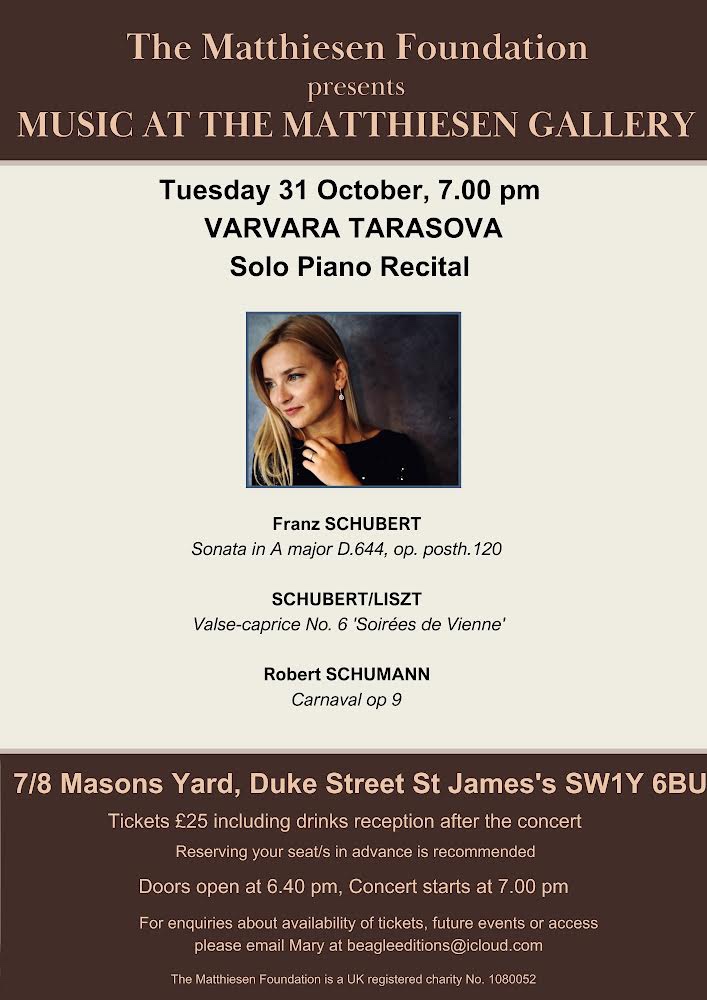
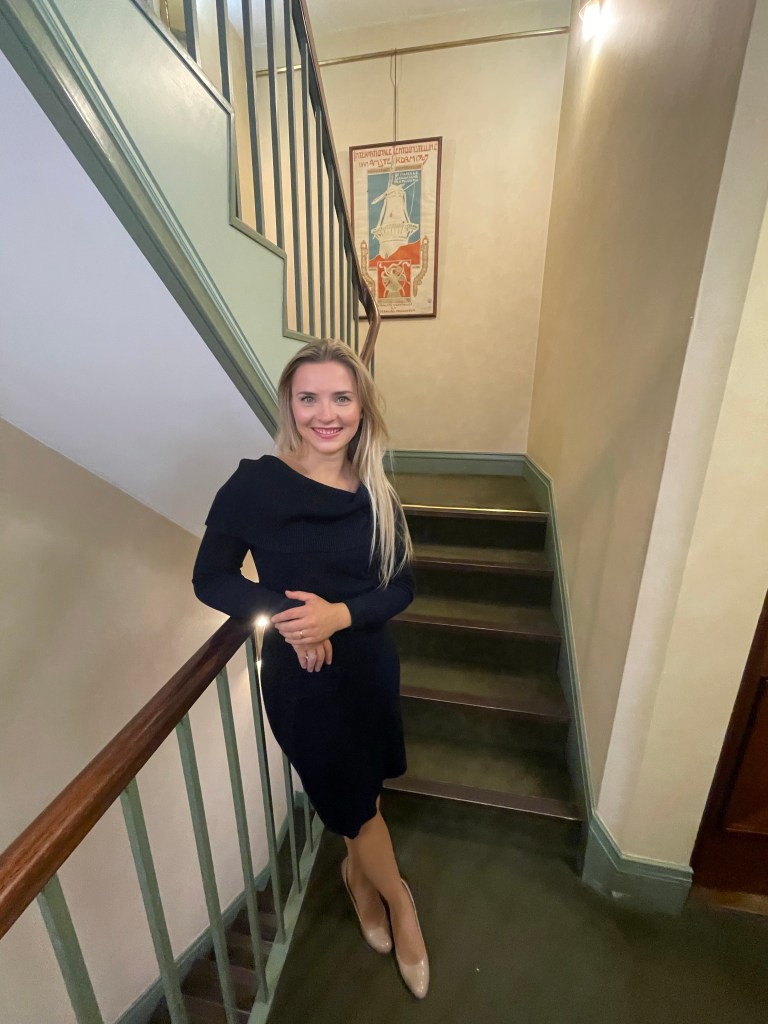
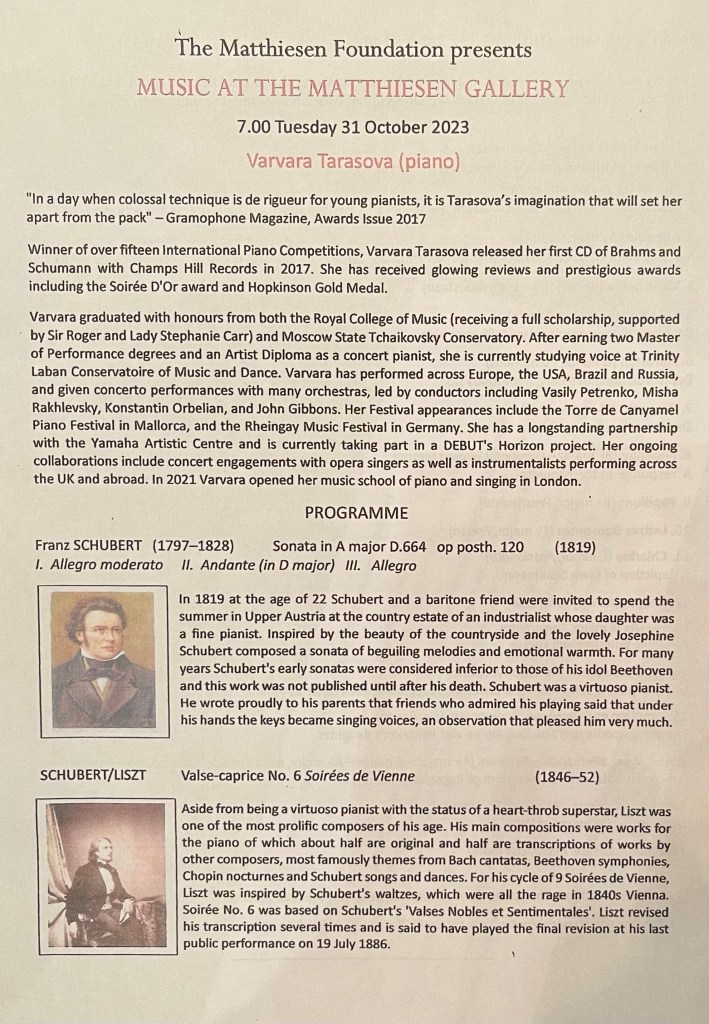
In the sumptuous Matthiesen Gallery in Mayfair Varvara Tarasova started her programme with the shortest but most mellifluous Sonata by Schubert of pure innocent beauty.
Schumann’s monumental Carnaval filled this rarified atmosphere with a parade of mignons aided and abetted by Schumann’s duel characters of Florestan and Eusebius.
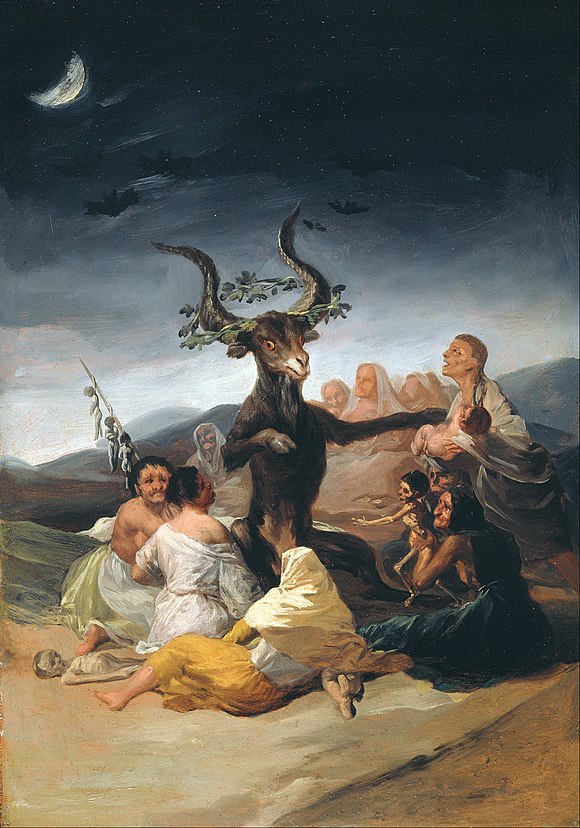
Scintillating charm and exquisite playing of two of Liszt’s most beguiling miniatures:.Liszt’s irresistible elaboration of Schubert with his Soirées de Vienne n.6 and one of his three concert studies ,La Leggerezza,completed this oasis of peace and beauty on La notte delle streghe (The witches sabbath)
Rain and confusion all around but reinforced by such beauty after only an hour we are ready to go into battle in the big city outside.

Her flowing tempo in Schubert’s early A major Sonata was played with simple beauty where the music was allowed to unfold so naturally in these sumptuous surrounds. There was dynamic playing too when called for but always with the architectural line and mellifluous style to the fore.
She shared beautifully whispered secrets in the Andante with us,the pulsating melodic line played so sensitively.The final apparition of the theme was shadowed so miraculously as it drew this sumptuous oasis to an exquisite close.The Allegro just sprang from her well oiled fingers with innocent charm and playfulness.Sweeping harmonies were spread over the entire keyboard with consummate ease reaching to an almost passionate climax.But it was the innocent charm of the Rondo theme that stole our hearts .
The majestic opening to the Liszt ‘Soirées de Vienne’ belied the beguiling charm and glittering jeux perlé that Liszt endowed to this simple Schubert waltz.’All that glitters is not gold’ but in this case Liszt had turned a beautiful Viennese bauble into a glittering gem.It was played with the ease and teasing naturalness of a true artist.
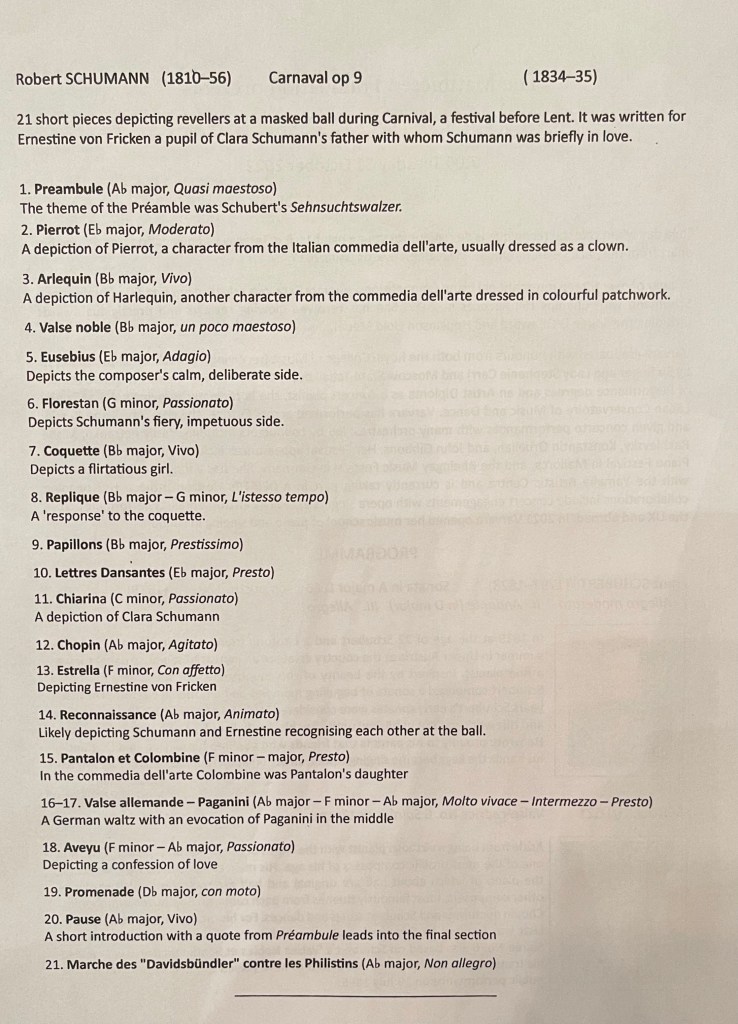
Schumann Carnaval was played with great character with each one of the 21 mignons shaped with musicianship and artistry.
The arresting opening of ‘Préamble’ was immediately answered by the weary antics of ‘Pierrot’ gently being given a shove by Florestan.’Arlequin’flew in from this window with quixotic charm and vivacity.The ‘Valse Noble’ played with passion and ravishing colour.There was a whispered gentleness to her playing of ‘Eusebius’ which was immediately encountered by the hi-jinx again of ‘Florestan’ with Varvara’s agile fingers able to keep his leaping around and sudden nostalgic memories of forgotten butterflies ( op.2) under control.The insinuating charm of ‘Coquette’ was simply commented on by ‘Réplique’ before these fleeting ‘Papillons’ a few years on fluttered with ease over the keyboard.What fun Varvara had too with the ‘Lettres dansantes’ leaping so freely around the keyboard.’Chiarina’ was played with slow deliberate passion and lead to the delicately embroidered bel canto outpouring of a seemingly sickly ‘Chopin’ of tradition.Rudely interrupted by ‘Estrella’ (Schumann’s former flame)as ‘Reconnaissance’ just bounced from Varvara’s agile fingers with its beautifully sung central duet.’Pantalon et Colombine’ managing to converse with such disarming legato in between their agitated quarrelling.’Paganini’ was presented as a musician rather than the greatest show man on earth and was shaped with beautiful care leaving a mere echo on which the ‘Valse Allemande’ could continue it charming journey after such an interruption.’Aveu’ was played really delicately with some beautifully highlighted inner counterpoints as it glided so naturally into the ‘Promenade’.A stimulating ‘Pause’ lead into the great ‘March against the Philistines’.There was grandeur and eloquence but also great charm as Schumann looks back with a potpourri of reminiscences.
A beautiful performance from a very beautiful young pianist.
A treat indeed for the eyes and the ears on this bleak,dark Halloween in every worldly sense!
Varvara had introduced the programme in an inimitable way.
She appeared as though she had just stepped out of one of those magnificent paintings that adorn this Gallery in the heart of Mayfair.
Although she admitted that the virtuoso showman Liszt was not for her she did however manage to find ,from the vast repertoire of his genius, two gems that suited her refined artistic palette.
‘Soirées de Vienne n.6’ and finally an encore of ‘La Leggerezza’.A refined performance a true stylist with a technical ease that could allow her to shape the meandering embellishments with the grace and charm that I am sure Liszt intended.She recreated a miniature tone poem that made us question her words.But then music speaks louder than any words!Q.E.D.
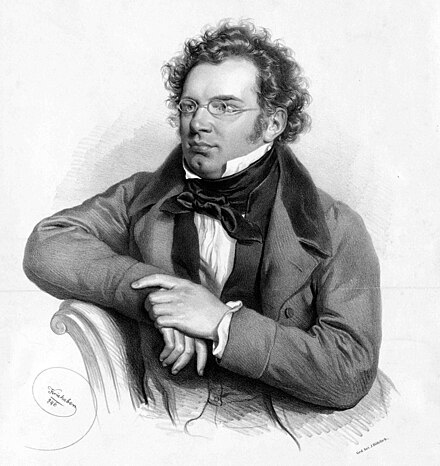
Franz Schubert Portrait of the composer in 1819

The Piano Sonata in A major D.664, op posth 120 was written in the summer of 1819.The manuscript, completed in July 1819, was dedicated to Josephine von Koller of Steyr in Upper Austria, whom he considered to be “very pretty” and “a good pianist”. The lyrical, buoyant, in spots typically poignant nature of this sonata fits the image of a young Schubert in love, living in a summery Austrian countryside, which he also considered to be “unimaginably lovely”.

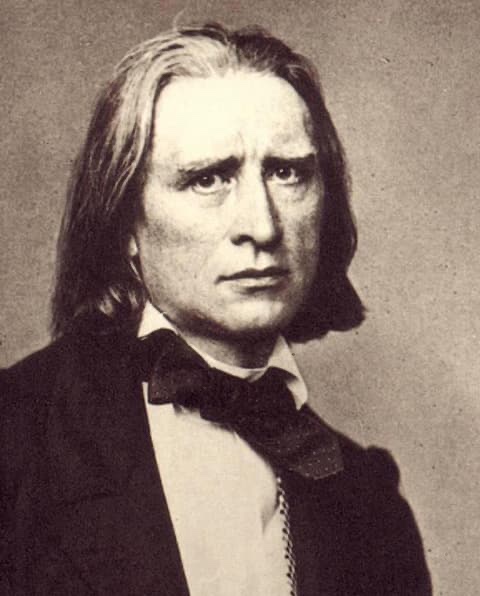
Franz Liszt
Born
22 October 1811
Doborjan,Kingdom of Hungary,Austrian Empire
Died
31 July 1886 (aged 74)
Bayreuth,Kingdom of Bavaria ,German Empire

Liszt was very fond of the Soirées and they featured in many of his performances in the mid-19th century. His Soirée No. 6 in A minor was based on themes from Schubert’s 12 Valses nobles, D.969, and Valses sentimentales, D.779, and was revised at least twice. The final revision, done in 1869, was said to be part of the last recital he gave in Luxembourg, in July 1886. The 1869 revision was made for his pupil, Sophie Menter, who, after the death of Liszt was ‘regarded by some as the incarnation of Liszt’. Liszt himself proclaimed Menter as his successor (on the other hand, she wasn’t the only one of his pupils that he so declared).In the Liszt cycle Soirées de Vienne, composed between 1846 and 1852, Liszt looked at Schubert’s dances for his inspiration. He chose Schubert’s Waltzes, Ländler, Ecossaisen, and German dances, all of which were Viennese dances in ¾ time. For the nine parts of the Soirées, Liszt chose themes from Schubert’s 38 Waltzes, Ländler, and Ecossaises, D.145 (composed 1815–1821); 36 Originaltänze, D.365; Wiener Damen-Ländler und Ecossaisen, D.734 (1816–1821); Valses sentimentales, D.779 (ca 1823); 18 German Dances and Ecossaises, D.783 (1823-1824); and 12 Valses nobles, D.969 (1826).

Three Concert Études (Trois études de concert), S 144,were composed between 1845–49 and published in Paris as Trois caprices poétiques with the three individual titles as they are known today.

As the title indicates, they are intended not only for the acquisition of a better technique, but also for concert performance. Liszt was himself a virtuoso pianist and was able to easily play many complex patterns generally considered difficult. The Italian subtitles now associated with the études—Il lamento (“The Lament”), La leggierezza (“Lightness”), and Un sospiro (“A sigh”)—first appeared in the French edition.

Robert Schumann, lithograph by Josef Kriehuber (1839)
Born
8 June 1810
Zwickau ,Kingdom of Saxony 
Died
29 July 1856 (aged 46)
Bonn, Rhine Province, Prussia

Carnaval. Scènes mignonnes sur quatre notes Robert Schumann 

Carnaval had its origin in a set of variations on a Sehnsuchtswalzer by Franz Schubert , whose music Schumann had discovered only in 1827. The catalyst for writing the variations may have been a work for piano and orchestra by Schumann’s close friend Ludwig Schuncke,a set of variations on the same Schubert theme. Schumann felt that Schuncke’s heroic treatment was an inappropriate reflection of the tender nature of the Schubert piece, so he set out to approach his variations in a more intimate way, working on them in 1833 and 1834.

Schumann’s work was never completed, however, and Schuncke died in December 1834, but he did re-use the opening 24 measures for the opening of Carnaval

The 21 pieces are connected by a recurring motif . The four notes are encoded puzzles, and Schumann predicted that “deciphering my masked ball will be a real game for you.”

Both Schumann and his wife Clara considered his solo piano works too difficult for the general public. ( Chopin is reported to have said that Carnaval was not music at all.Chopin did not warm to Schumann on the two occasions they met briefly and had a generally low opinion of his music.) Consequently, the works for solo piano were rarely performed in public during Schumann’s lifetime, although Liszt performed selections from Carnaval in Leipzig in March 1840, omitting certain movements with Schumann’s consent. Six months after Schumann’s death, Liszt later wrote that Carnaval was a work “that will assume its natural place in the public eye alongside Beethoven’s Diabelli Variations, which in my opinion it even surpasses in melodic invention and conciseness”.

Sphinxs consists of three sections, each consisting of one bar on a single staff in bass (F) clef, with no key, tempo, or dynamic indications. The notes are written as breves . The pitches given are the notes E♭C B A (SCHA) and A♭C B (AsCH) and A E♭C B (ASCH). Many pianists and editors, including Clara Schumann, advocate for omitting the Sphinxs in performance.

These are musical cryptograms , as follows:

  • A, E♭, C, B – German: A–Es–C–H (the Es is pronounced as a word for the letter S)
  • A♭, C, B – German: As–C–H
  • E♭, C, B, A – German: as Es–C–H–A

The first two spell the German name for the town of Asch (now As in the Czech Republic), in which Schumann’s then fiancée, Ernestine von Fricken, was born.The sequence of letters also appears in the German word Fasching, meaning carnival. In addition, Asch is German for “Ash”, as in Ash Wednesday , the first day of Lent. Lastly, it encodes a version of the composer’s name, Robert Alexander Schumann. The third series, S–C–H–A, encodes the composer’s name again with the musical letters appearing in Schumann, in their correct order.

The indomitable Mary Orr leaving no stone unturned in her quest to help young artists reach their goal.In fact she is flying to Berlin to hear Cristian Sandrin make his debut in the Konzerthaus where he will play the Goldberg Variations dedicated to his father’s memory the distinguished pianist Sandu Sandrin a year from his passing.
https://christopheraxworthymusiccommentary.com/2023/04/26/cristian-sandrin-visions-of-life-dedicated-to-his-father-sandu-sandrin/
https://christopheraxworthymusiccommentary.com/2023/09/20/trio-cristian-sandrin-enyuan-khong-charlotte-kaslin-a-feast-of-exhilaration-and-seduction-for-mary-orr-for-the-matthiesen-foundation-at-the-matthiesen-gallery/https:/
Russian pianist Varvara Tarasova was born in St Petersburg. In 2014 she won a scholarship from London’s Royal College of Music as a postgraduate student in Master of Performance under the tutelage of Professor Dina Parakhina. At the Royal College of Music she is a Soiree d’Or Scholar. Varvara.A former Artistic Diploma student at the Royal College of Music assisted by Sir Roger and Lady Carr Soiree d’Or Scholar, supported by the David Young Prize and the Olive Rees Prize. In 2016 she received her Master of Performance from the Royal College of Music under Dina Parakhina, and in 2015 Varvara received a postgraduate degree with honours under the supervision of Professor Elena Kuznetsova at the Moscow State Conservatory, also winning the Award of the President of Russian Federation.
In 2014, she was awarded first prize at the 21 Concorso International De Piano Rotary Club Palma Ramon Llull (Palma de Mallorca, Spain) and triumphed at the 17th Grand Prix International Piano et Recontres “Jeunes Talents” (Montrond-les-Bains, France). In 2015 in Varvara won the 3rd Sussex International Piano Competition (Worthing), audience prize and best performance of the compulsory piece; she also received the Hopkinson Gold Medal at the Chappell Medal Competition (London). In 2016 Varvara won “Sonderpries Kunststation Kleinsassen”, “Sonderpreis Bridgewater Sinfonia” and “Steingraeber and Sohne Sonderpreis” at the PIANALE International Academy and Competition (Fulda, Germany); and the “Peppino e Elsa Orlando” prize at the 54th International Piano Competition A.Speranza (Taranto, Italy).
Varvara has performed concertos with a number of orchestras and conductors, including the Kremlin Chamber Orchestra under Misha Rakhlevkiy, the St. Petersburg State Capella Symphony Orchestra with Alexander Chernushenko, the Russian Chamber Orchestra under Konstantin Orbelian and the Worthing Symphony and Northampton Symphony Orchestras with John Gibbons. Varvara currently collaborates with the Yamaha Artistic Centre and St. Petersburg International Performing Arts Centre.
Varvara has performed in the UK, France, Italy, Spain, Germany, Austria, Finland, Sweden and Portugal, as well as in the USA, Brazil and, of course, Russia. She participated in the ‘Torre de Canyamel’ Piano Festival (Mallorca), Rheingay Music Festival (Germany),‘Creative Youth’ Music Festival (Moscow) and Medtnerfest (London).
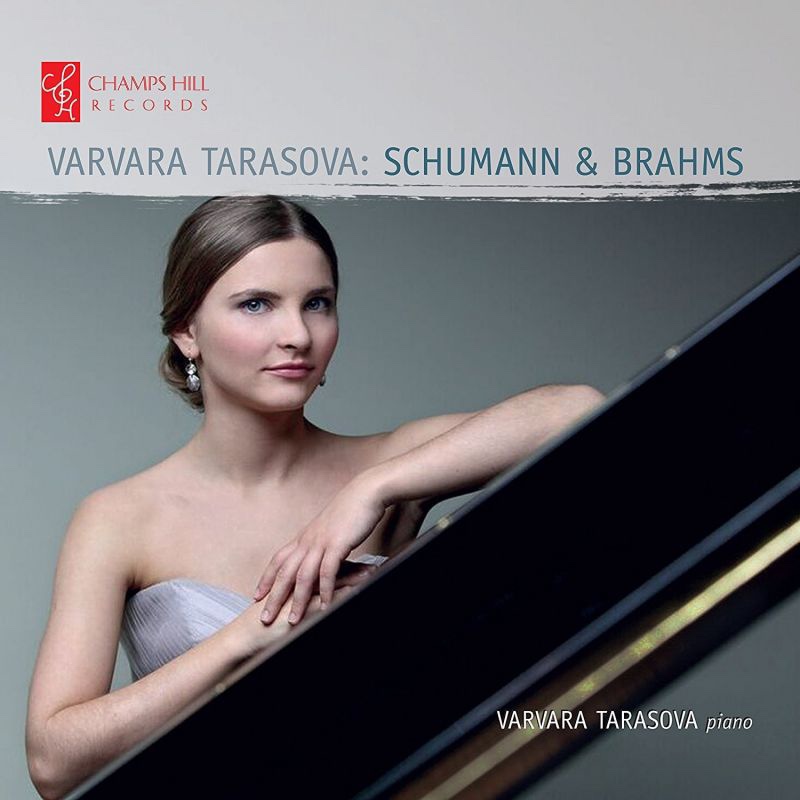
This Champs Hill recording is Varvara Tasarova’s first CD release and part of her prize as the winner of the Sussex International Piano Competition in 2015.
A native of St Petersburg, Varvara Tarasova studied at the Moscow Conservatory and, more recently, at London’s Royal College. She took first prize at the 2015 Sussex International Piano Competition and this new Champs Hill release of Brahms and Schumann is her debut recording.
Tarasova’s bona fides as a Brahms player are quickly established in her traversal of Op 76. Her beguiling cantabile is a given and she foregrounds inner voices in the thickest textures with confidence. If more robust cross rhythms could enhance the interest of the Capriccio (No 5), the Intermezzo (No 3) comes off with an enchanting music-box precision, while the famous Capriccio (No 2) maintains just the right balance of whimsy and melancholy.
The strong sense of musical architecture evidenced throughout the Klavierstücke is somewhat less pronounced in the more interpretatively challenging Schumann Variations. Here Tarasova’s eagerness to imbue each variation with a distinct character tends to diminish the narrative flow of the whole set.
However, fragmentation can be a virtue in the ‘scènes mignonnes’ of Carnaval. Schumann’s most popular piano cycle has become so encrusted with the received wisdom of innumerable performances and recordings that developing an original point of view poses challenges. Tarasova happily meets them, and with a minimum of fuss or eccentricity, in a persuasive performance distinguished by bright colours, resilient rhythmicality and considerable charm.
In a day when colossal technique is de rigueur for young pianists, it is Tarasova’s imagination that will set her apart from the pack. I look forward to watching her artistic growth which, from all indications, will be inevitable. GRAMOPHONE MAGAZINE ,Awards Issue 2017
Aquelarre – Spanish Witches’ Sabbath; circa 1797-1798 by Francesco Goya
Fascinating Saatchi Gallery next door
Beauty and the beast?