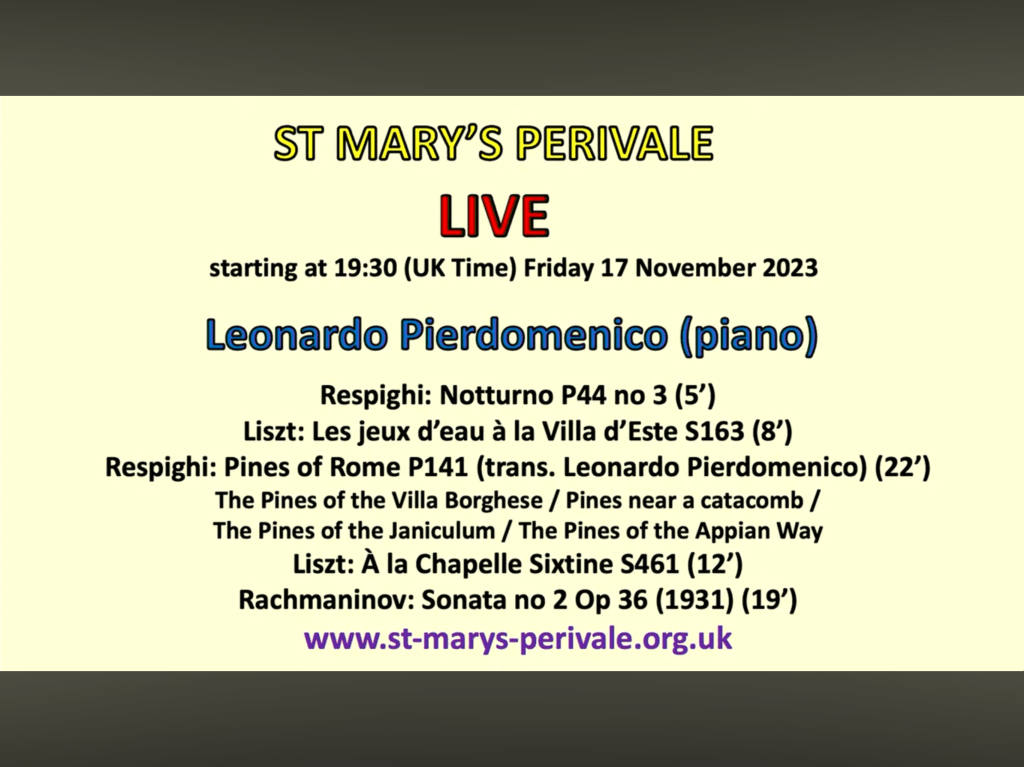
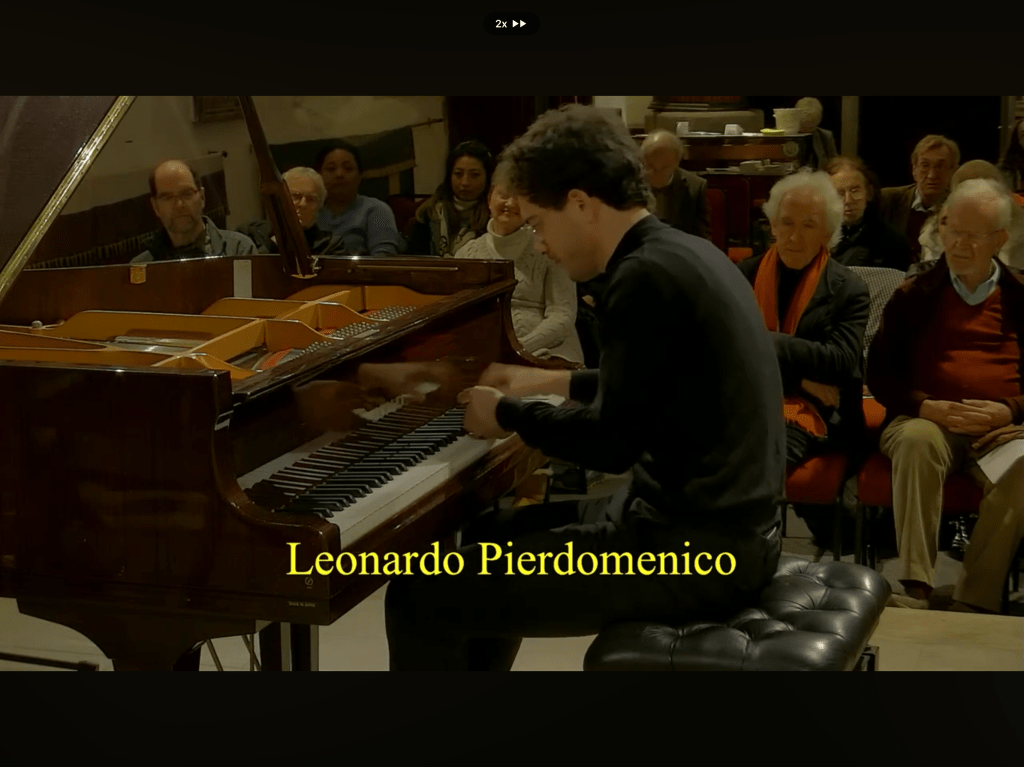
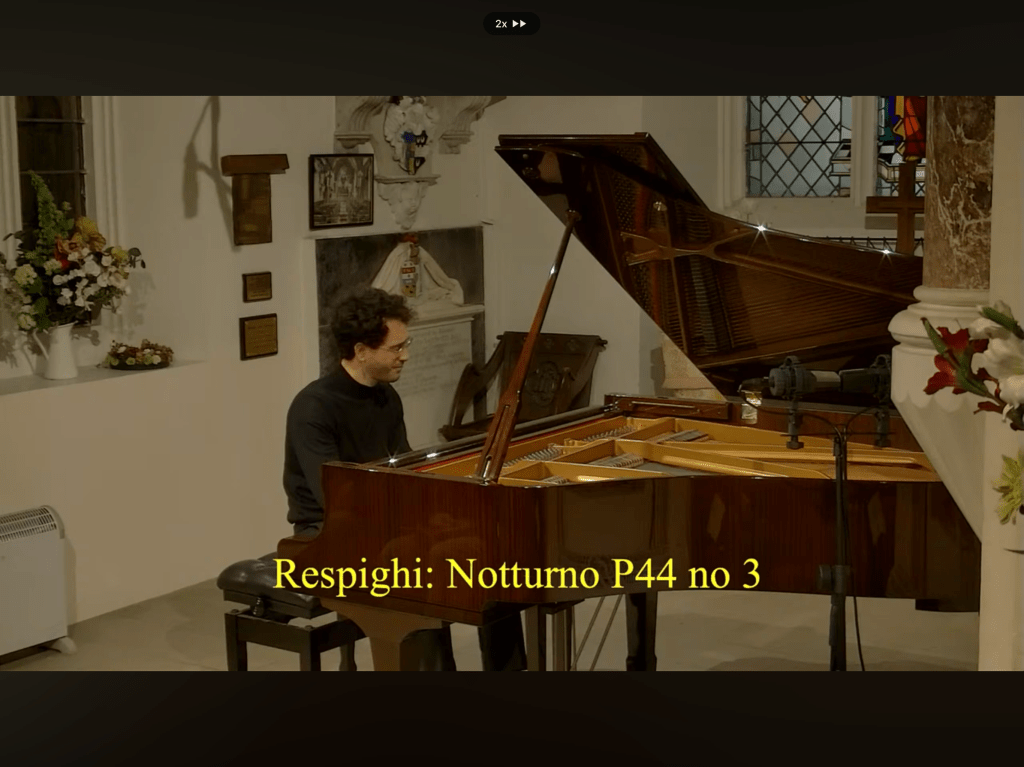
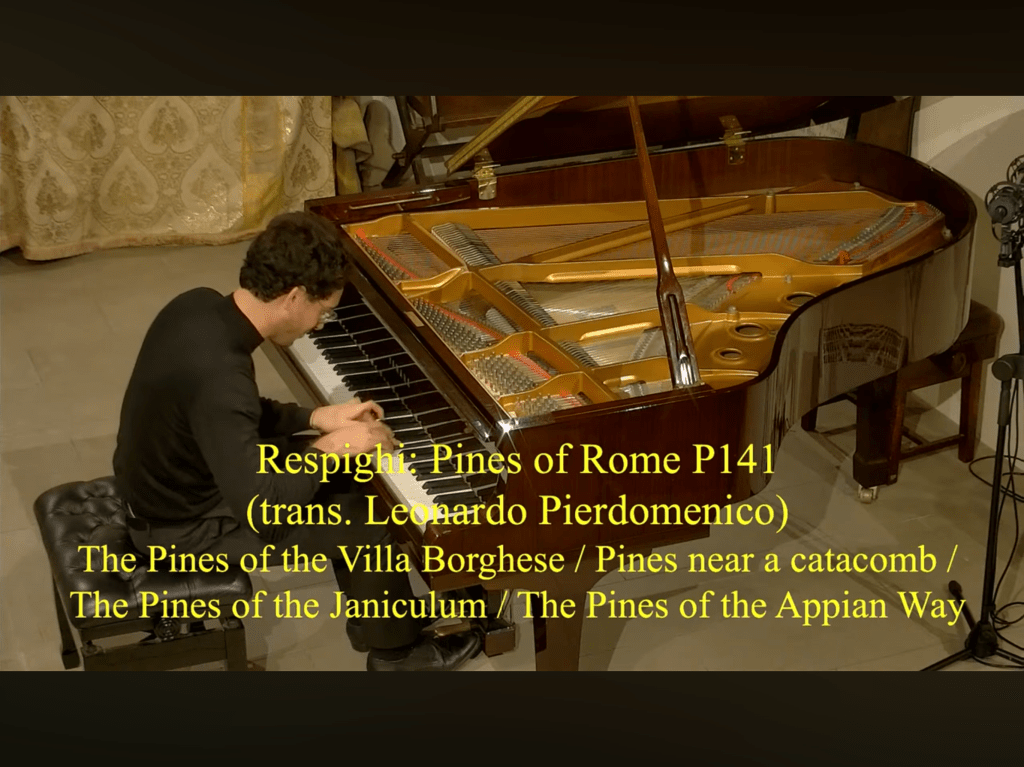
Some remarkable playing from Leonardo Pierdomenico who after a week of concerts in London solo and with the distinguished ‘cellist Erica Piccotti was able to produce such a memorable final recital in Perivale.From the very first notes of Respighi’s atmospheric ‘Notturno’ there was a dynamic range of sounds with a wondrous sense of balance.A way of caressing the keys that no matter how intricate or tumultuous ,the sound was never hard but always luminous and fluid .A kaleidoscope of sounds that allowed his remarkable musicianship to delve deep into the scores and reveal secrets that are rarely shared with others.A musicianship that allowed him to make a piano transcription of one of Respighi’s best known works for full orchestra which has never been attempted on the piano before.Respighi was very precise about the multicoloured sounds he wanted from the orchestra and to bring this to a single instrument was a tour de force of musicianly craftsmanship .Just as Agosti in 1928 had miraculously been able to transcribe Stravinsky’s ‘Firebird’ to a single instrument .It has become an important part of the piano repertoire just as this transcription will become for all those that can attempt the gargantuan technical difficulties as Leonardo could with such masterly ease.The ‘Firebird’ too is a showpiece only for the greatest of pianists requiring not only a technical mastery of the instrument but above all a range of sounds and sense of architectural shape that is only for the greatest musicians to contemplate.The build up of sonority in the final piece of the ‘Appian Way’ was done with the same mastery that Agosti brings to his transcription.It is done with a masterly use of pedal and a sense of balance allied to the superhuman dexterity of someone who is a true illusionist and can turn this box of hammers and strings into an orchestra of such overwhelming power.The build up to the final few bars was truly masterly both as transcriber and as performer.
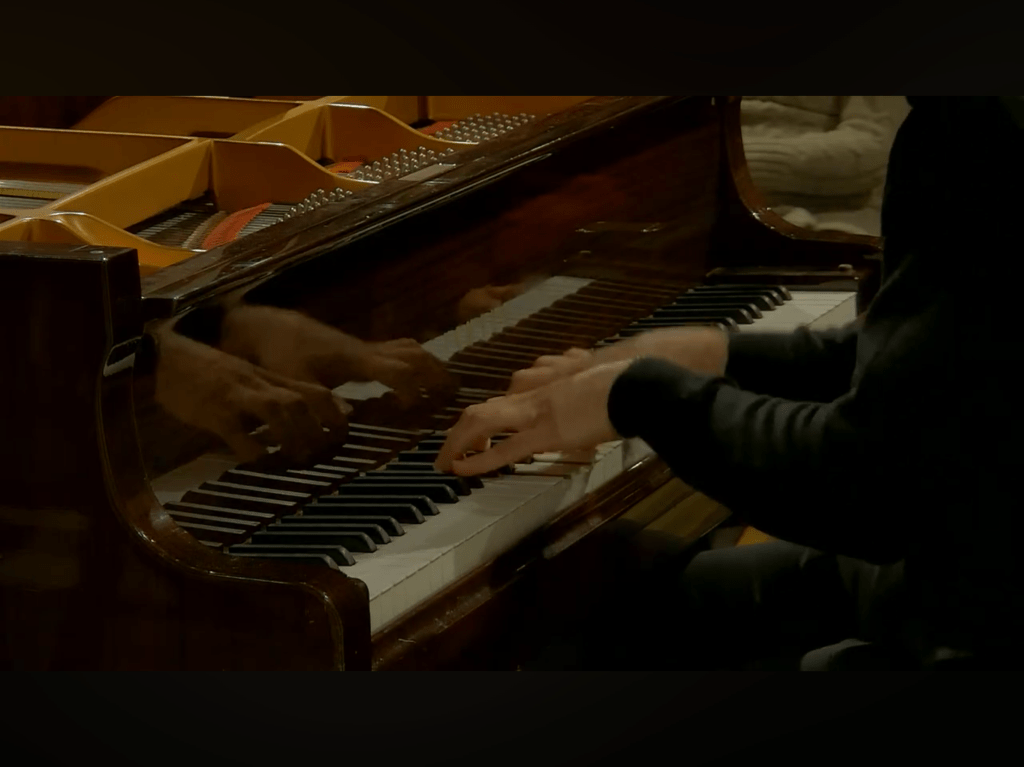
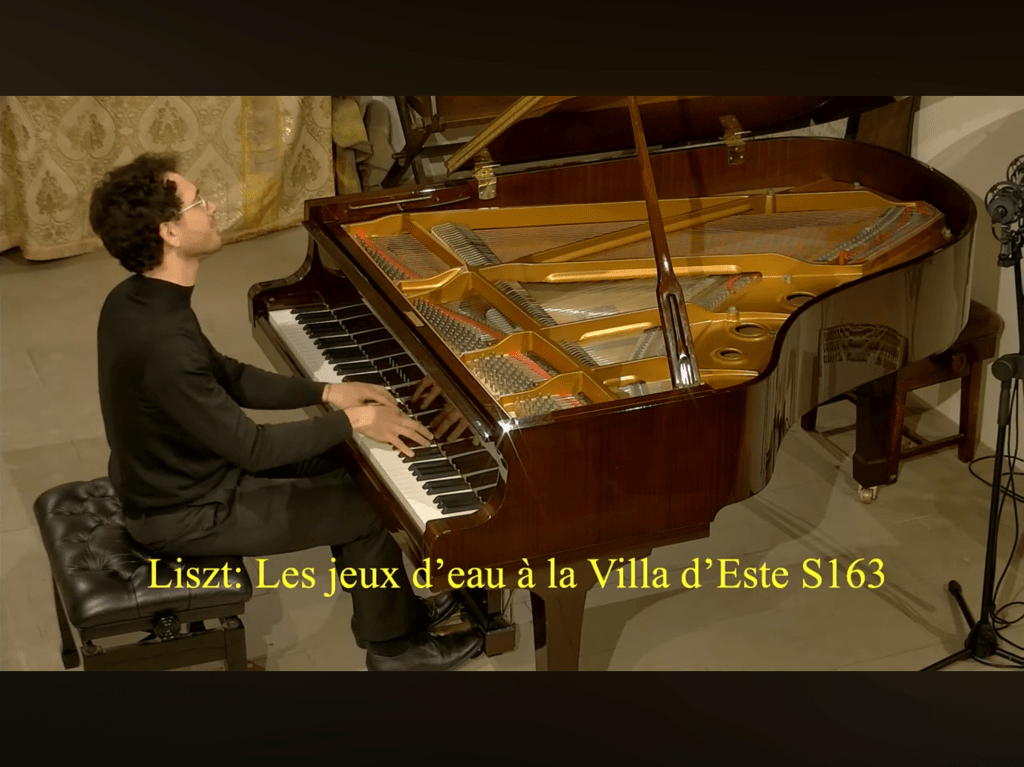
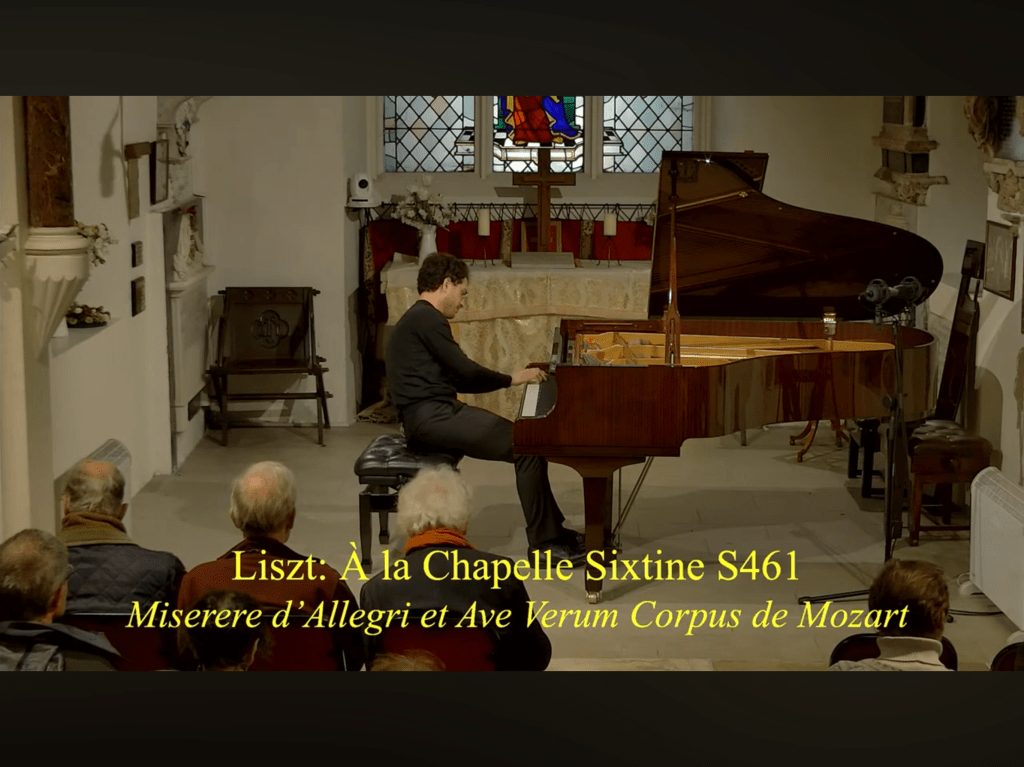
It was an interesting combination with Liszt’s rarely heard ‘A la Chapelle Sixtine’ and ‘Les Jeux d’eau a la Villa d’Este.’Obviously Leonardo had in mind a voyage to Rome with Respighi and Liszt.Rachmaninov was not just a filler as the composer had begun working on the sonata whilst living for a brief period in Rome.A tour de force of playing of transcendental technical mastery allied to a sense of colour and architectural form that was quite remarkable .The clarity he brought to all he played gave a luminosity and glow to the sound whether in the whispered seductive intricacies or passionate outbursts.It was less hysterical than Horowitz but the technical mastery was the same.Like Horowitz ,Leonardo barely moved but was listening carefully to the sounds he was producing as we were able to watch his hands that seemed to squeeze every ounce of sound out of the keys in such a natural way that made it all look so easy.But behind the notes there was also a great artist with a heart that beat with passionate commitment and dynamic energy.Rachmaninov too used to appear on stage as though he had just swallowed a knife but the sounds he made at the piano ,according to Vlado Perlemuter, were the most ravishingly romantic sounds he had ever heard!
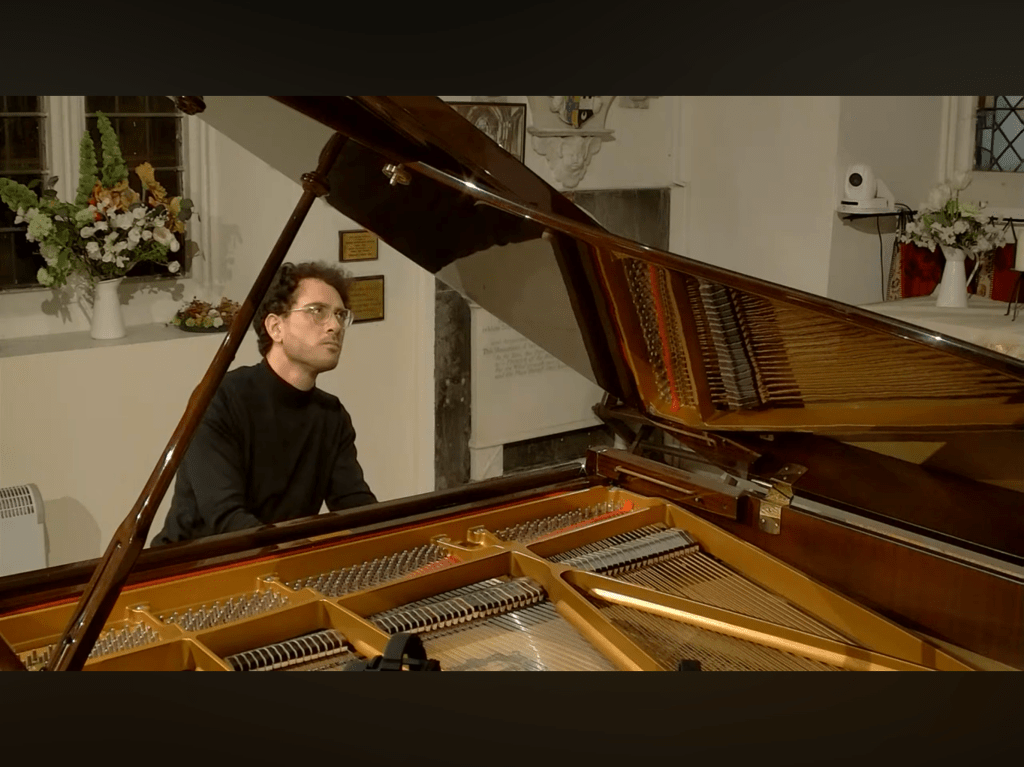
Having ravished and seduced us with his multicoloured playing,as an encore he chose a Scarlatti Sonata of refined purity and simplicity.Ornaments that unwound like springs with playing of a clarity and buoyancy of infectious good humour .A driving rhythmic energy that was like rays of light shooting in all directions from a prism.An exhilarating performance that was a breath of fresh air after the sumptuous seductive sounds of Rachmaninov.
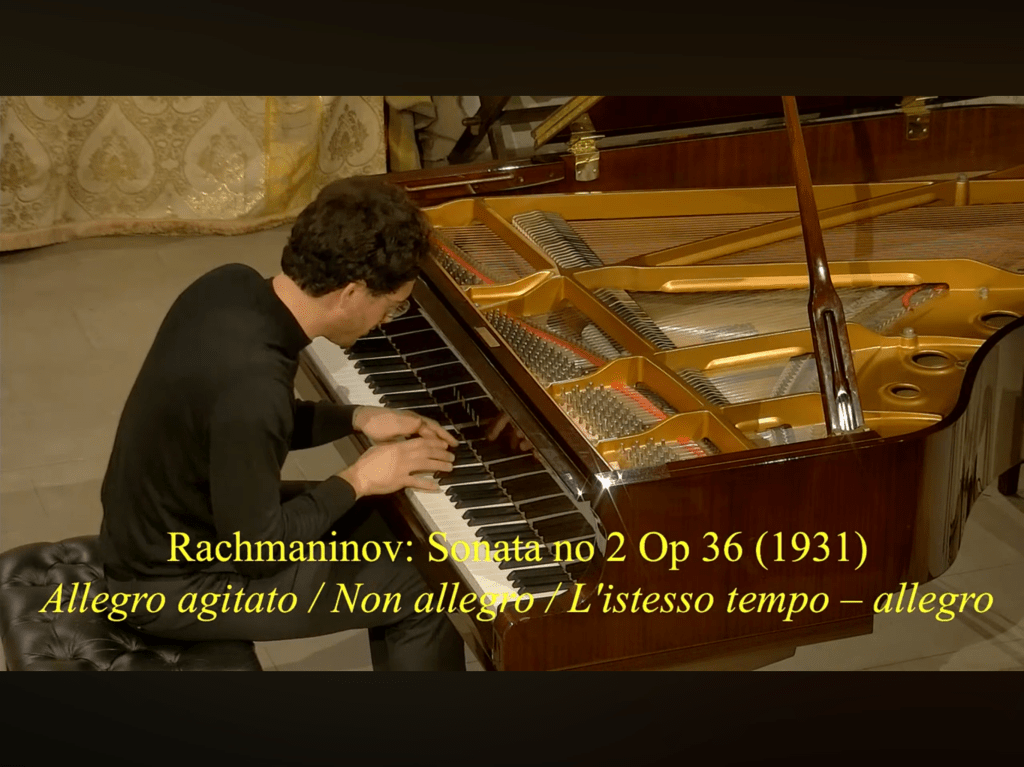
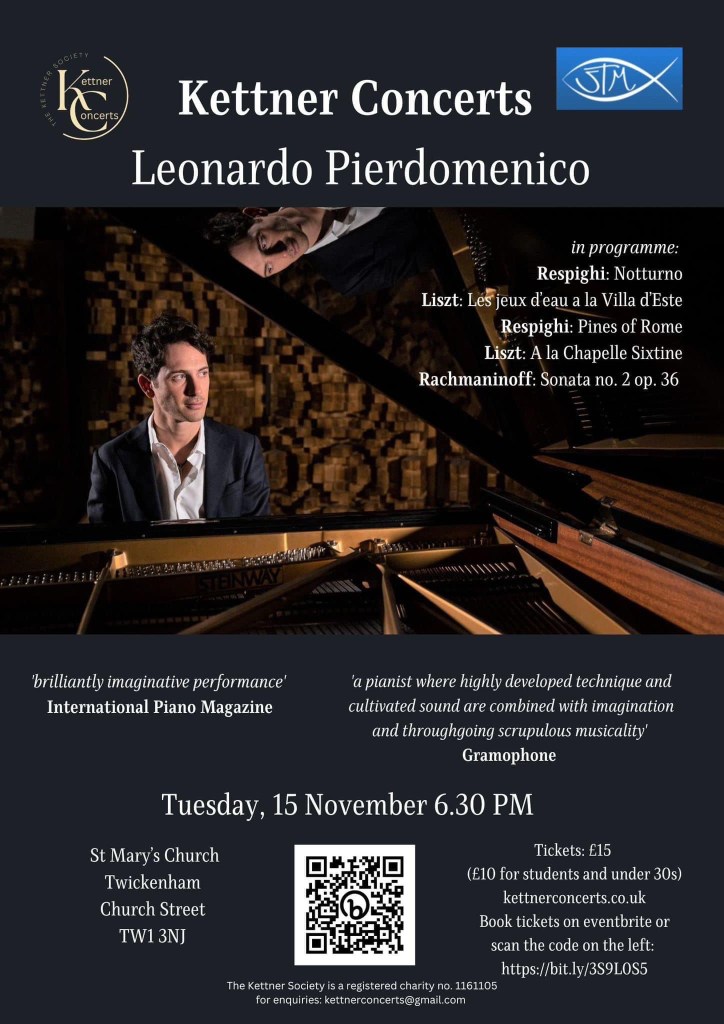
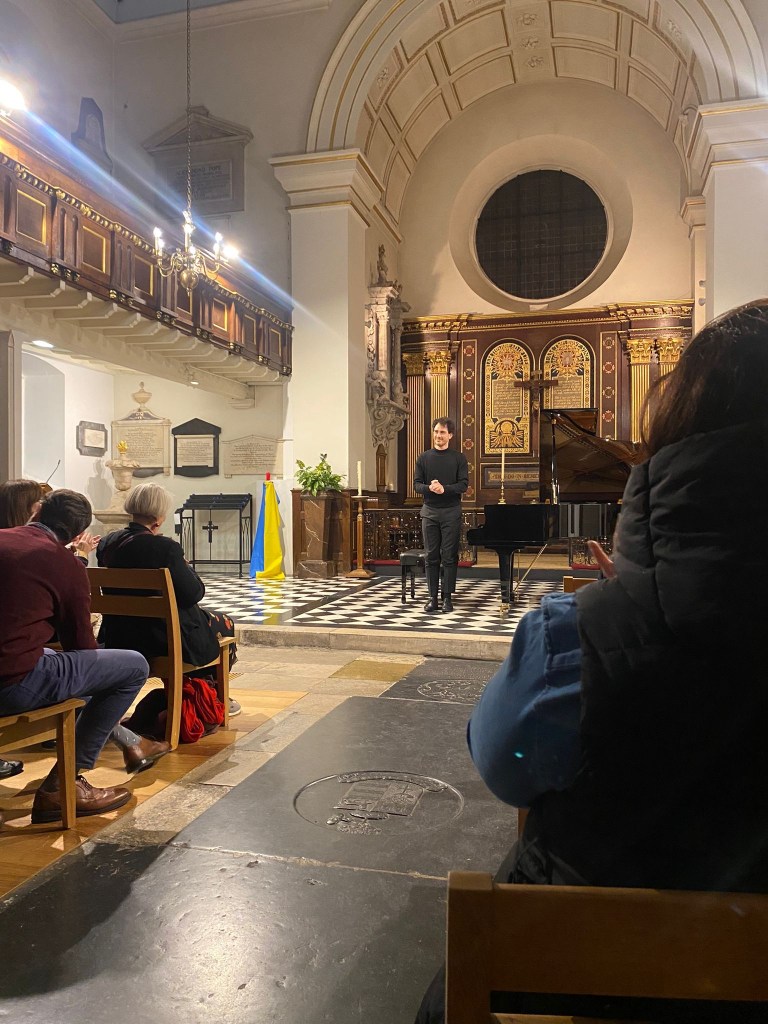
Leonardo Pierdomenico A master at St Mary’s A memorable recital by a great artist
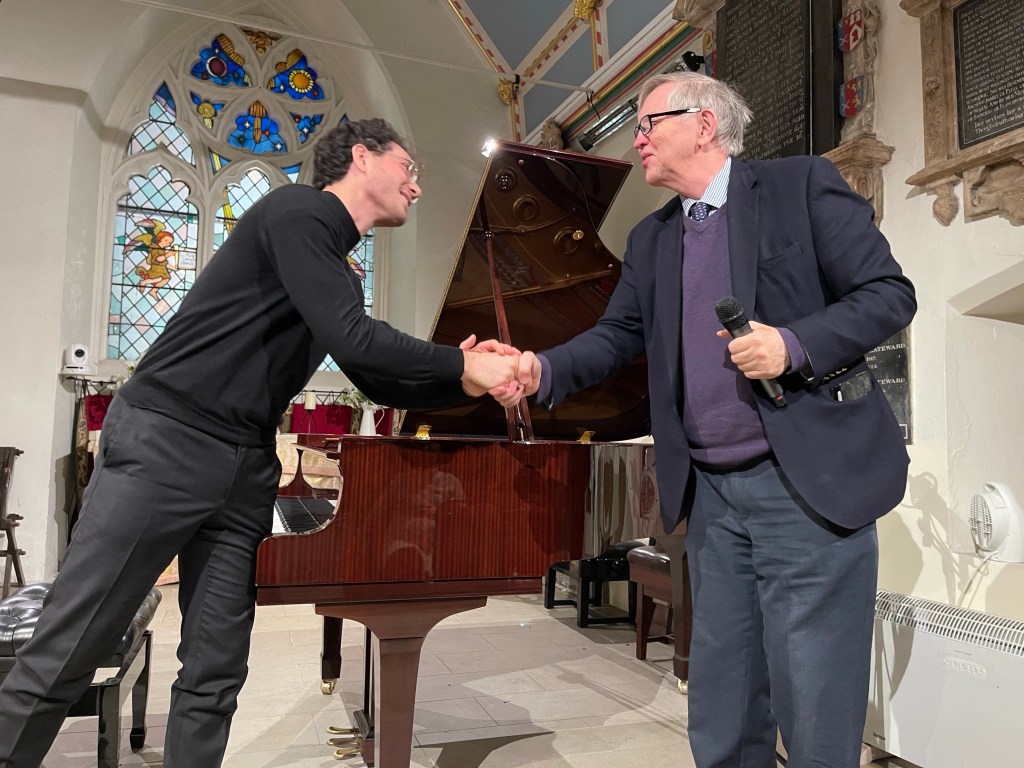
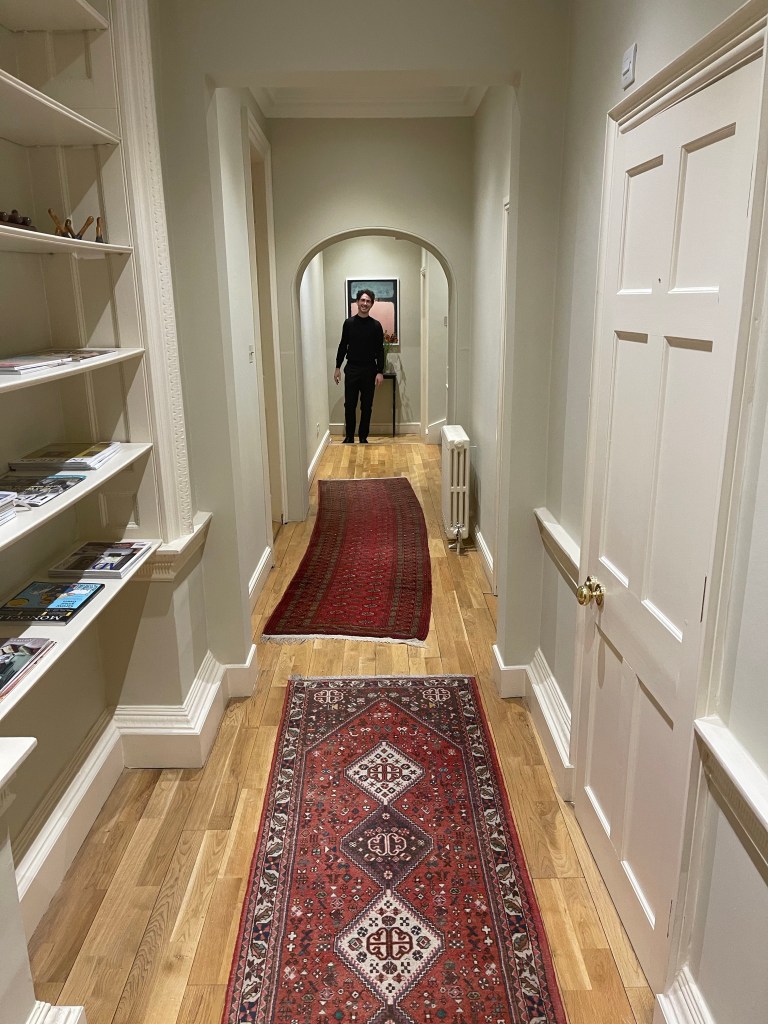
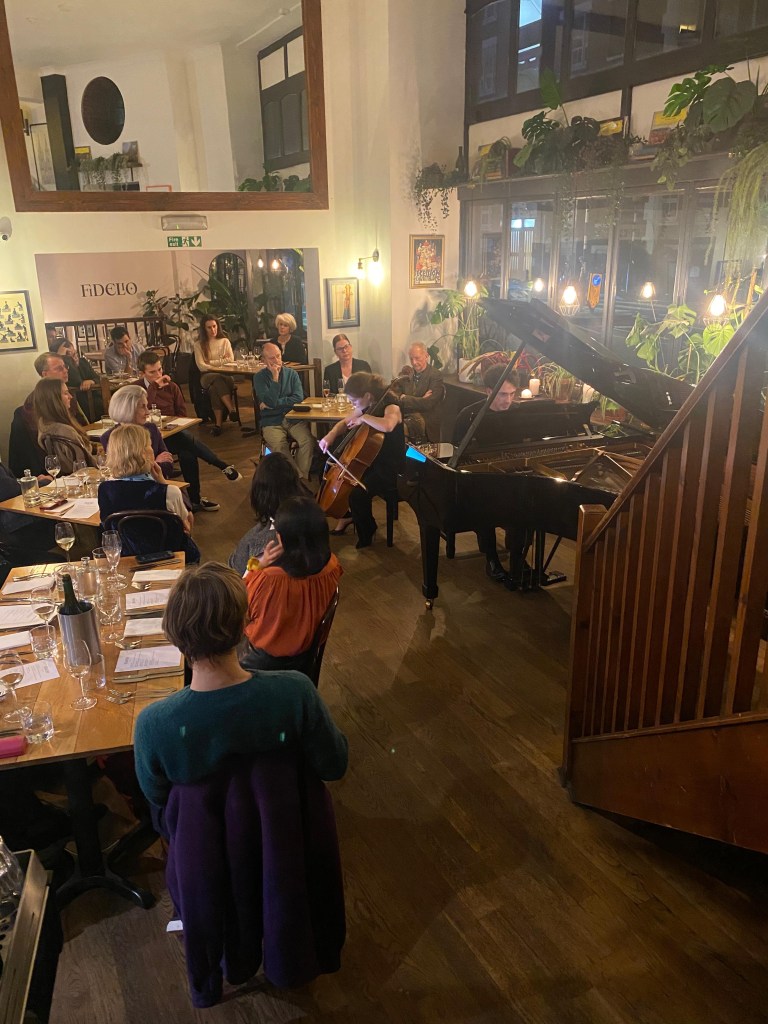
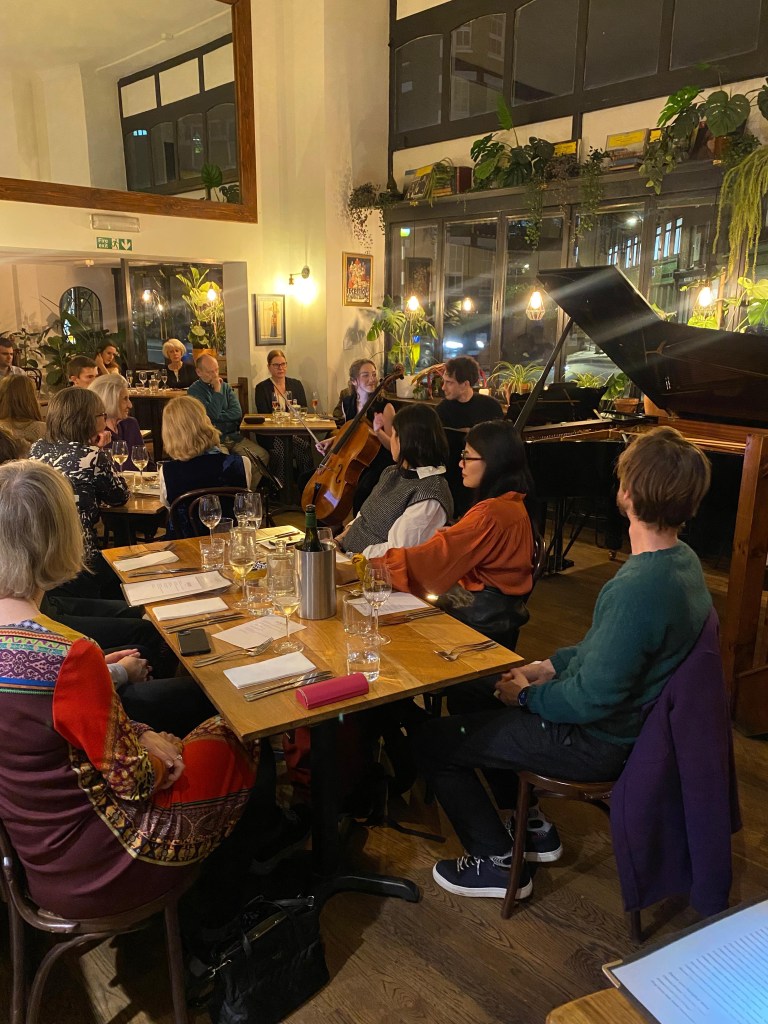
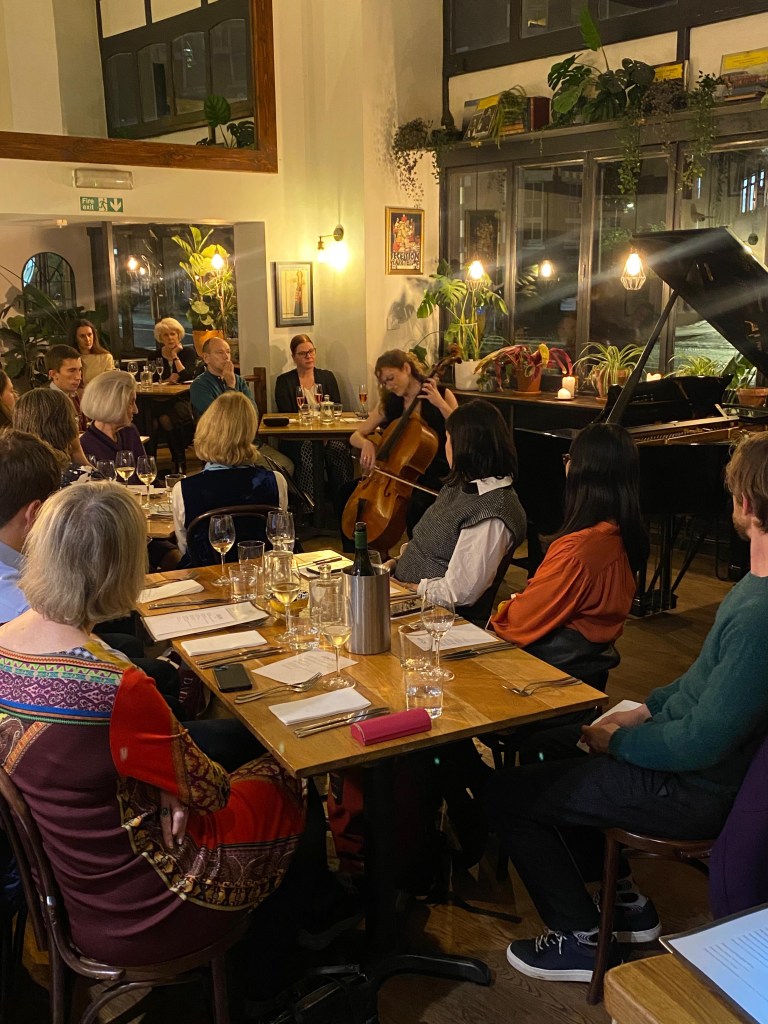
Fun and games on and off stage last night ……but what music !
Thanks again to Hugh Mather and his team Leonardo can still be heard in every corner of the globe via St Mary’s superb streaming Impeccable,dynamic,astonishing were just some of the comments from various parts of the world but above all it was the intelligence and beauty of a complete artist that he shared with us that was so remarkable.
E pure semplice e simpatico ……che non guasta!
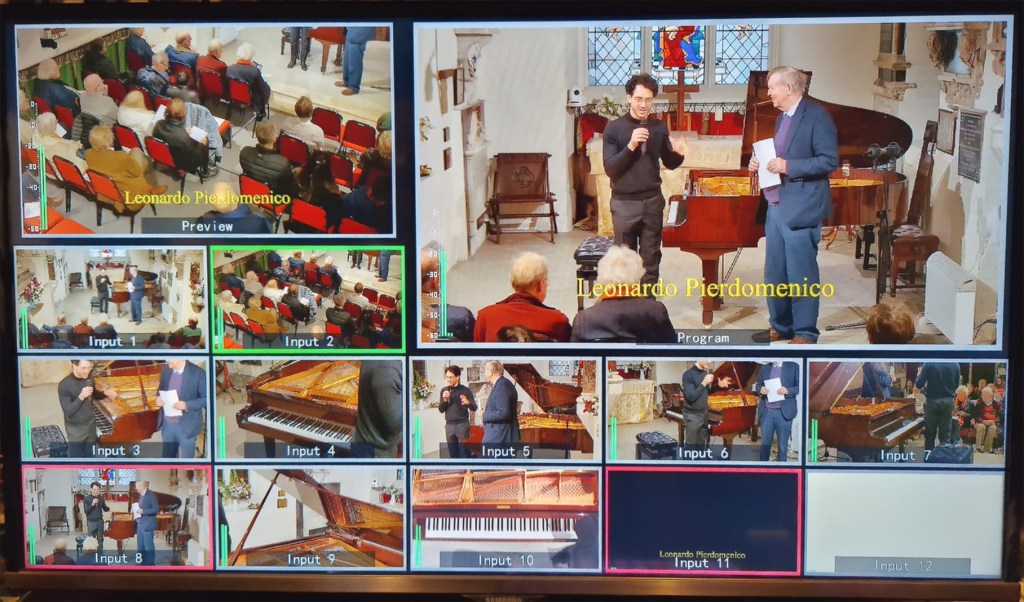
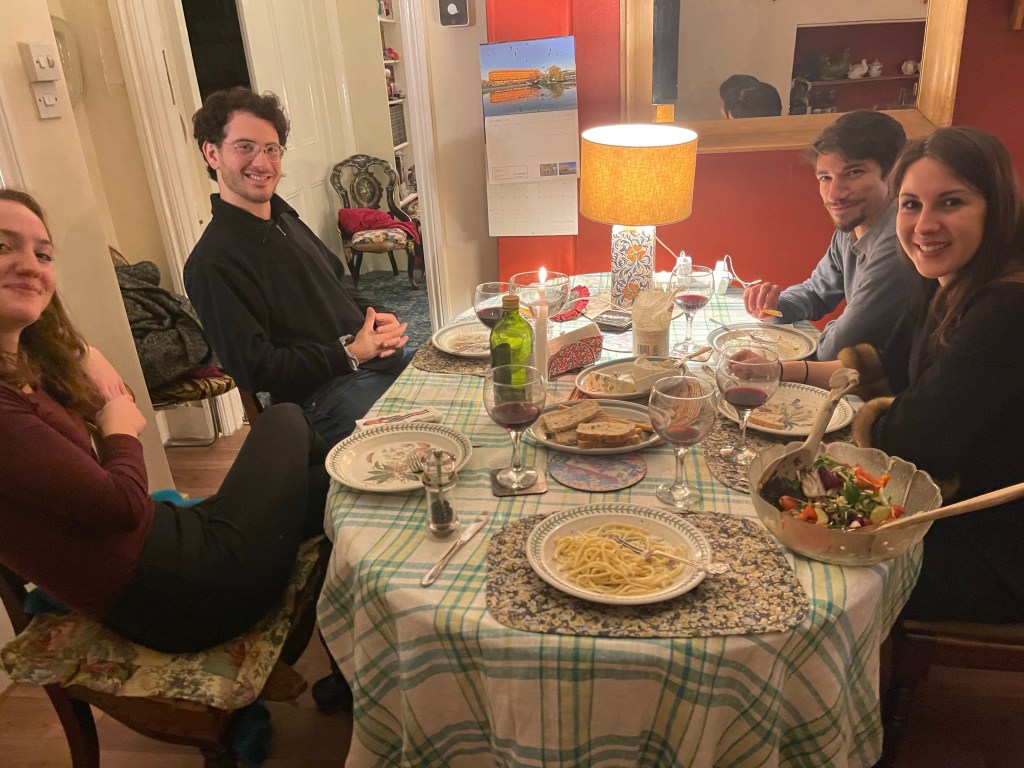
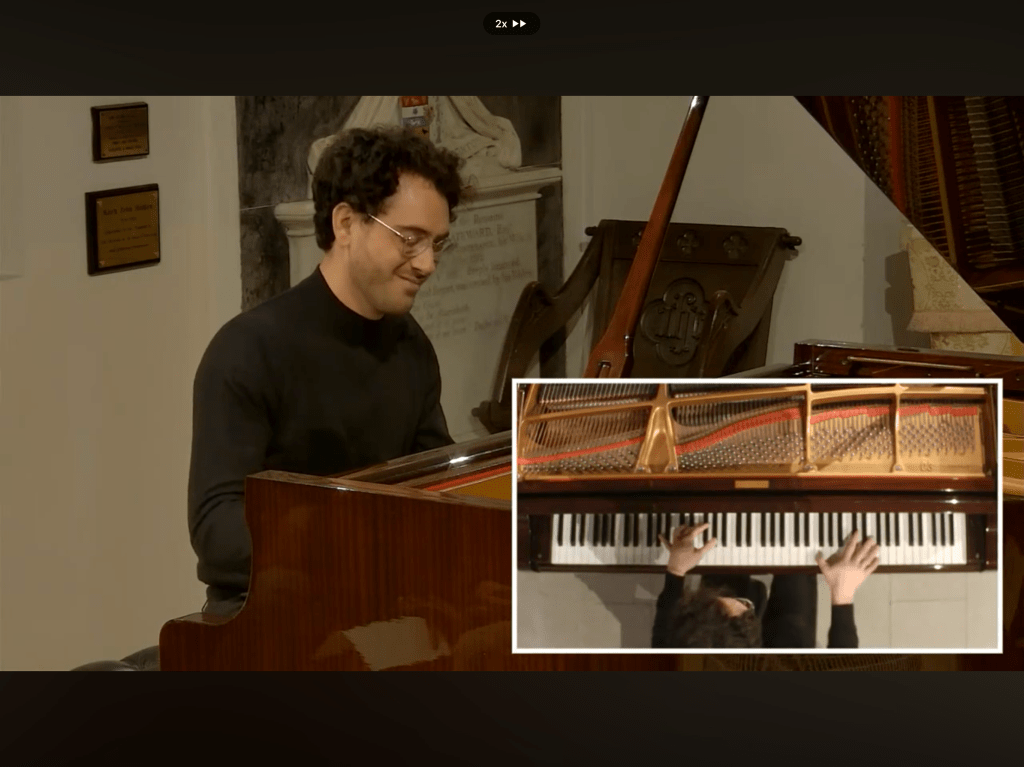
Winner of the “Raymond E. Buck” Jury Discretionary Award at the 2017 Van Cliburn international piano competition , Leonardo Pierdomenico is described by the critics as “a pianist where highly developed technique and cultivated sound are combined with imagination and thoroughgoing, scrupulous musicality”. He is also the first prize winner, aged 18, of the “Premio Venezia” piano competition, held in Teatro La Fenice: hence the collaboration with orchestras such as the Fort Worth Symphony , Orchestre Royal De Chambre de Wallonie, Teatro La Fenice Symphony Orchestra, LaVerdi Orchestra in Milan, Nordwestdeutsche Philharmonie, Wuhan Philharmonic Orchestra, North Czech Philharmonic and with conductor like Yves Abel, Diego Matheuz and Nicholas McGegan , among the others. In the 2022 season he makes his debut in the chamber music season of the Accademia Nazionale di Santa Cecilia, with the italian premiere of Stravinsky’s Symphony of Psalms in Shostakovic’s arrangement for piano duo and choir. He has already released three albums with the label Piano Classics : his debut album, dedicated to works by Liszt, earned him an Editor’s Choice from Gramophone UK magazine and a nomination for recording of the year at the Preis der DeutschenSchallplattenkritik. Born in Abruzzo, Italy, Leonardo completed the piano master’s degree with honors at the Accademia di S. Cecilia in Rome in the class of M° Benedetto Lupo and then continued his studies at the Foggia Conservatory, under the guidance of M° Alessandro Deljavan . Leonardo is currently a student of William Grant Nabore’ at the Lake Como International Piano Academy
arrivederci……. a prestissimo
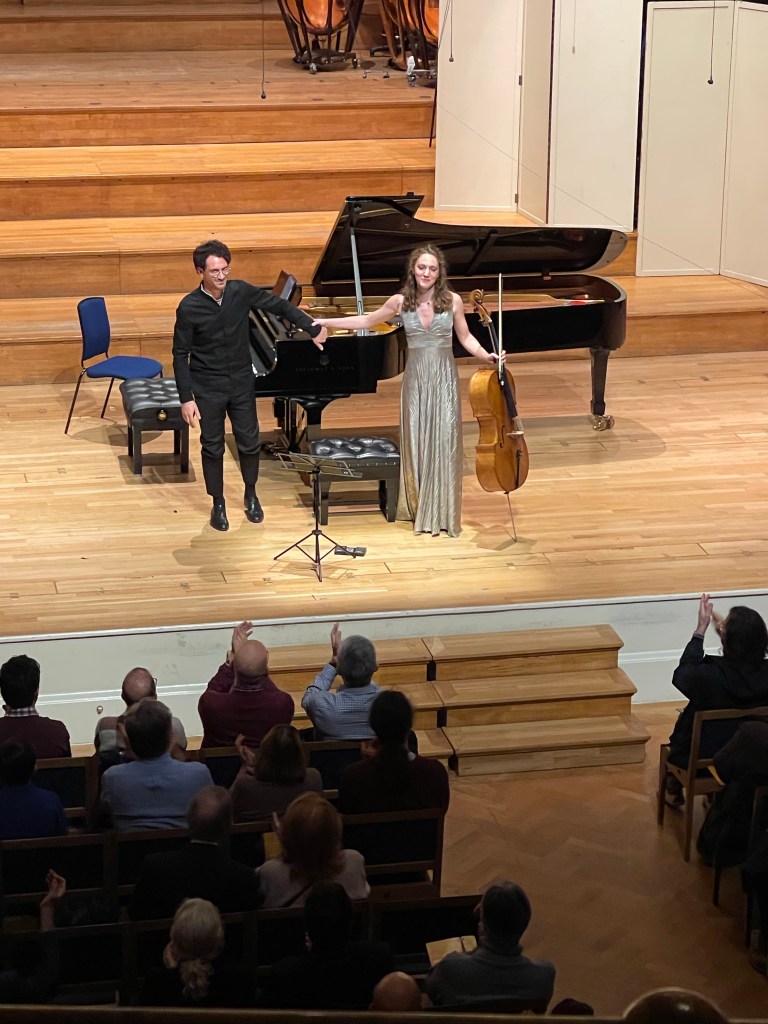
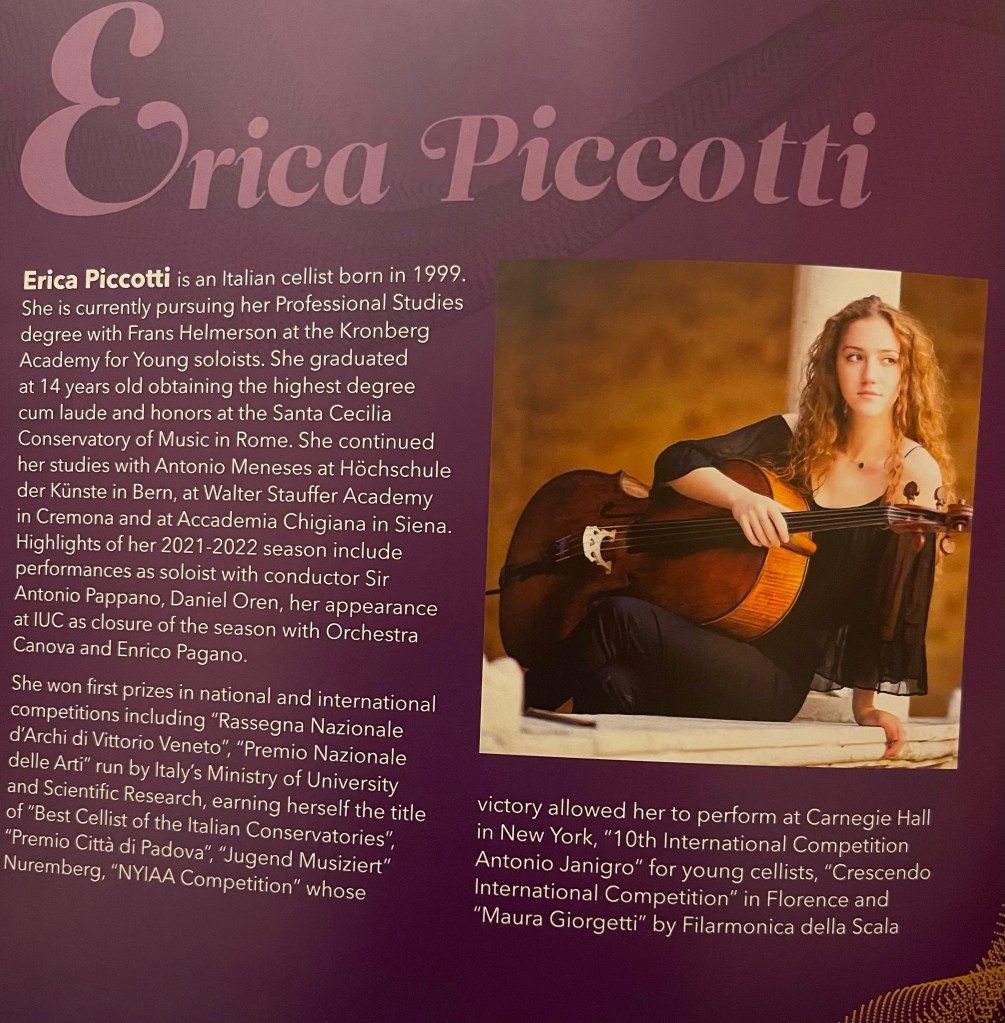
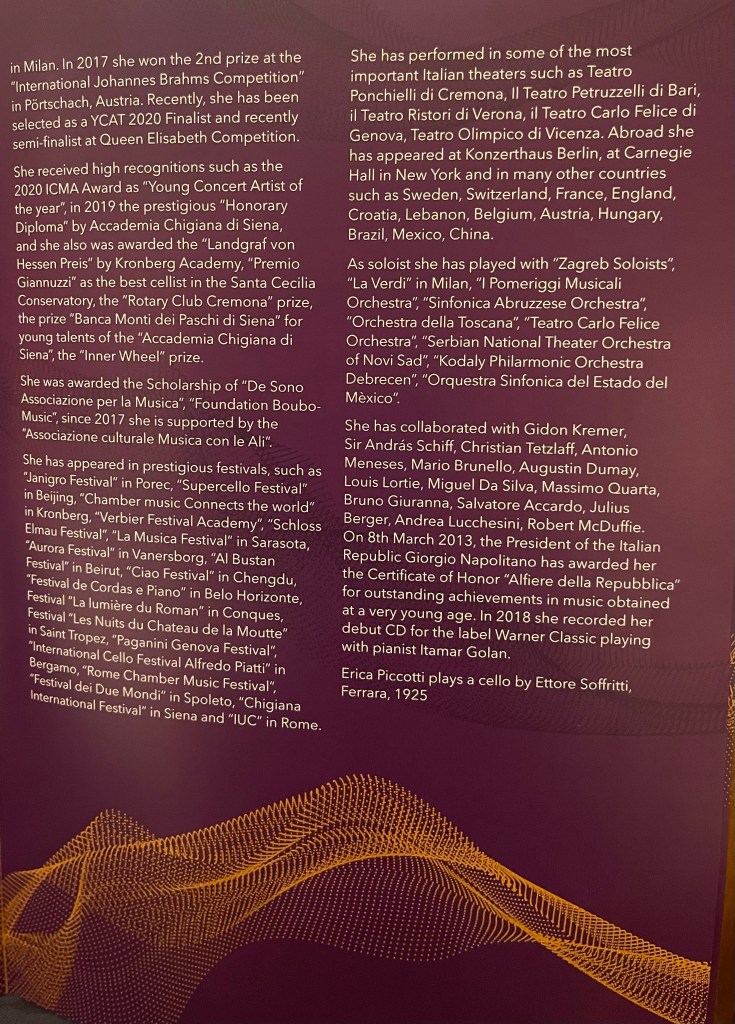
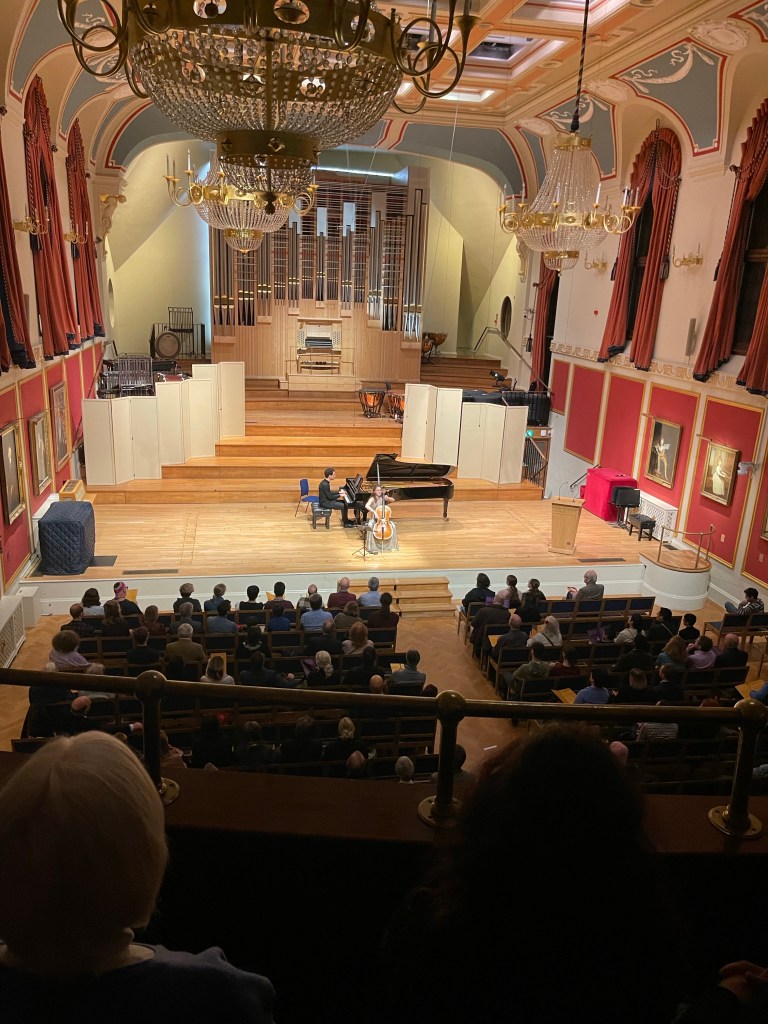
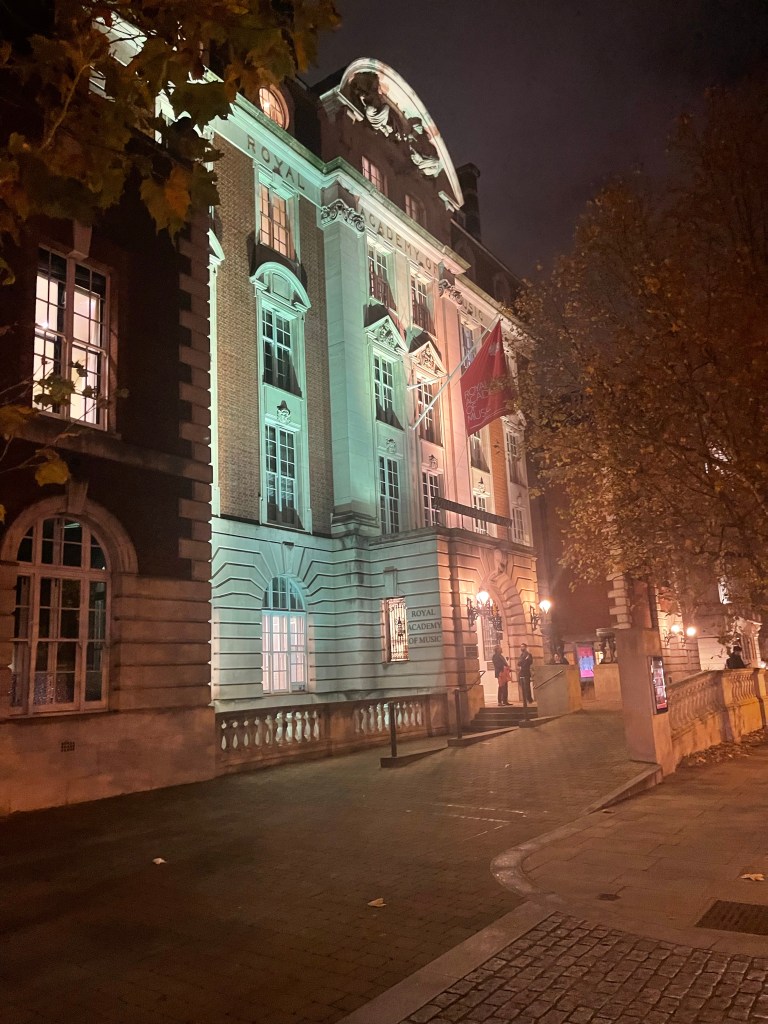
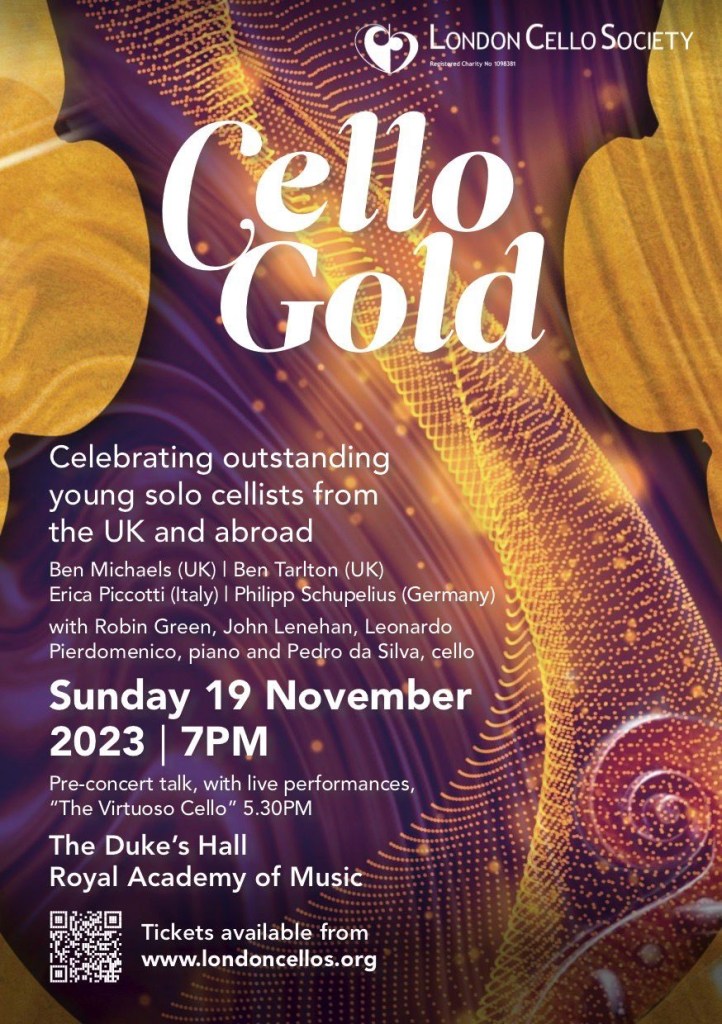
All week in London with Leonardo Pierdomenico – Friday 17th streamed live from Perivale with Fidelio cafe on 14 ;St Mary’s Ywickenham on 15 ; Bob Boas 16;Dukes Hall RAM 19.
https://christopheraxworthymusiccommentary.com/2022/09/26/william-grant-nabore-thoughts-and-afterthoughts-of-a-great-teacher/
https://christopheraxworthymusiccommentary.com/2023/11/05/goldberg-triumphs-in-berlin-dedicated-to-sandu-sandrin-by-his-son-cristian/
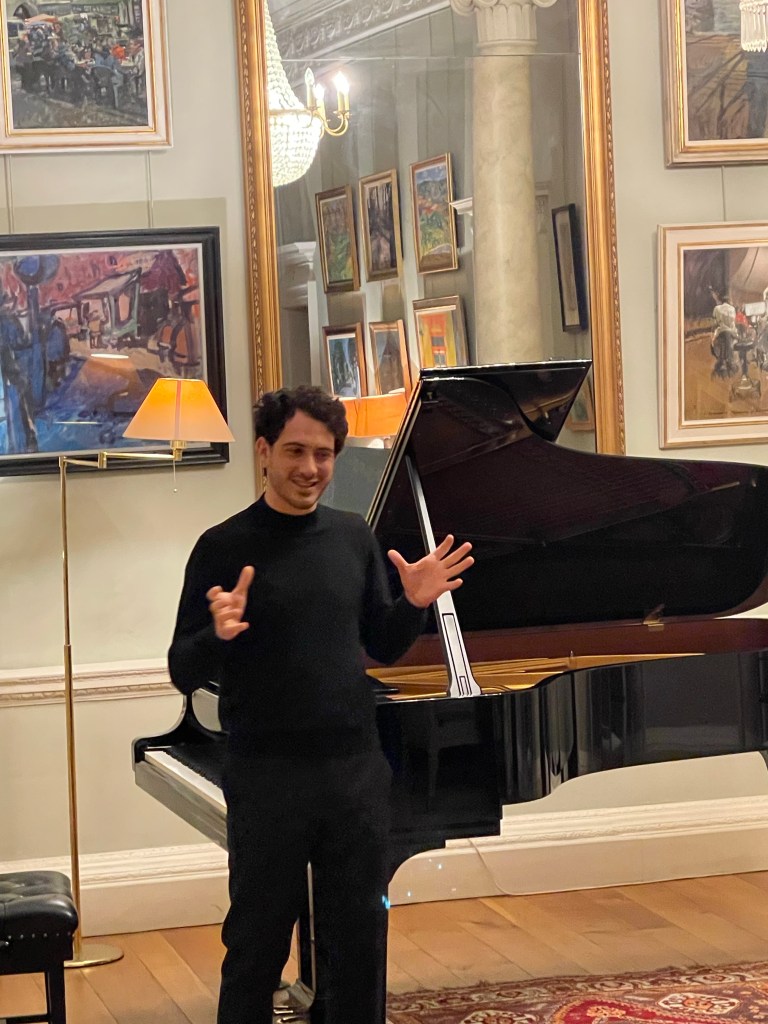
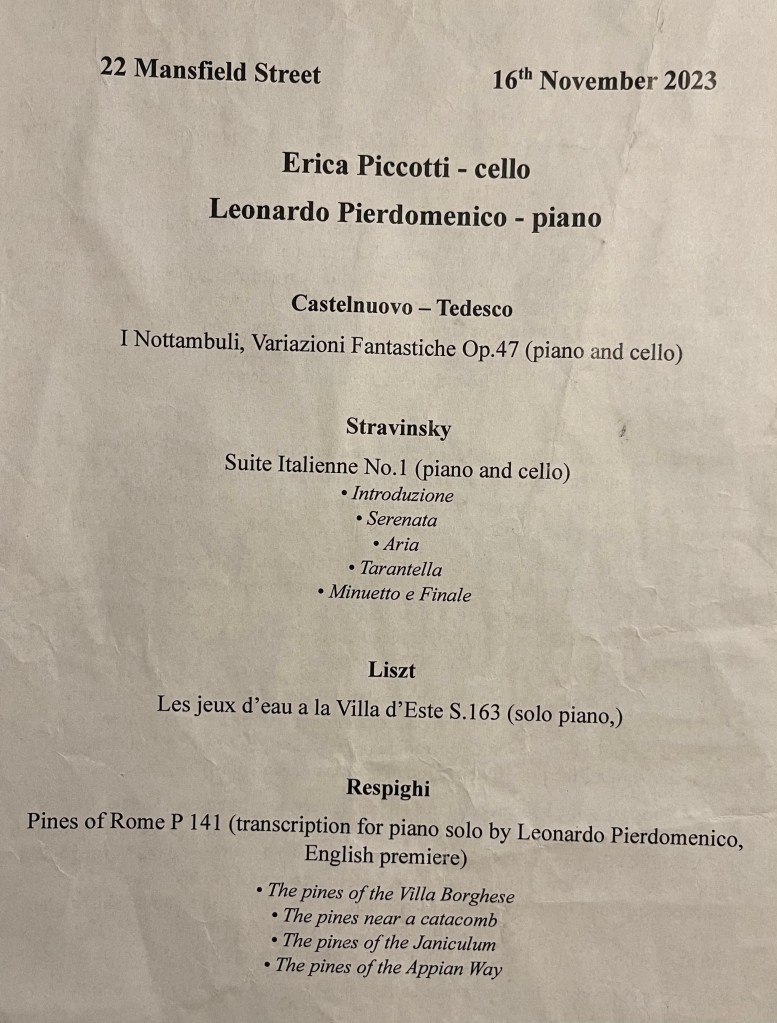
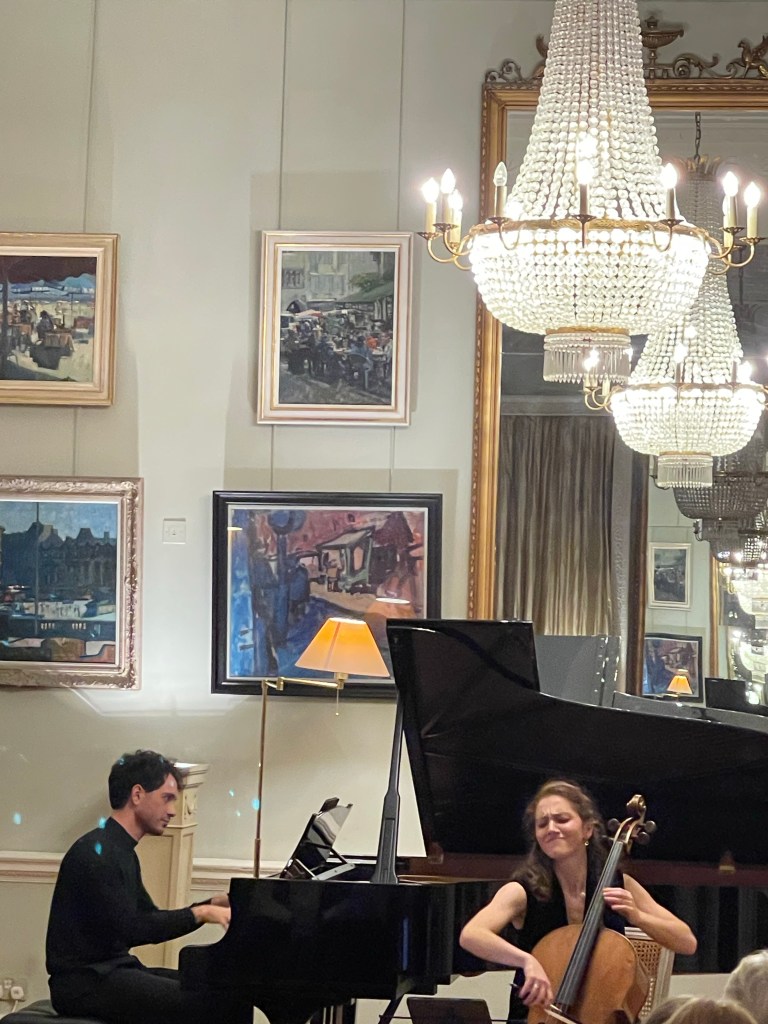
An English premiere performance of Leonardo’s own transcription of Respighi’s Pines of Rome washed down with Water from the Villa d’Este thanks to Liszt.
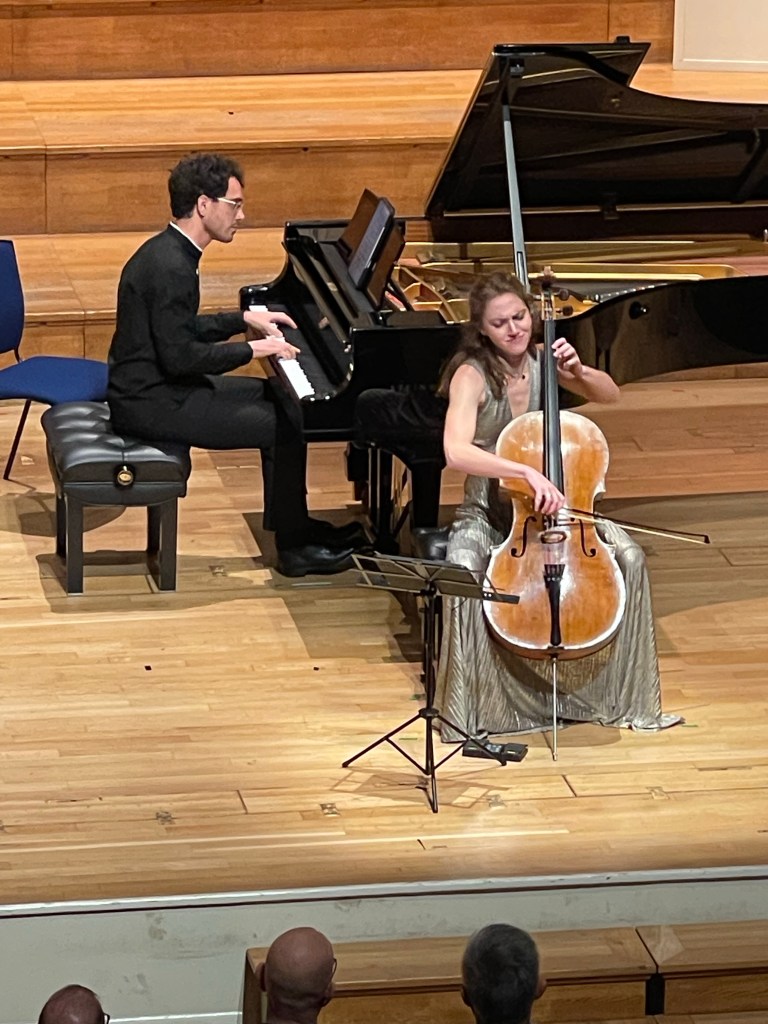
Champagne was flowing but not before the ravishing performances from a wonderful cello in the hands of a true artist: Erica Piccotti.
Castelnuovo-Tedesco and Stravinsky’s Suite Italienne in a suoerb duo with Leonardo.
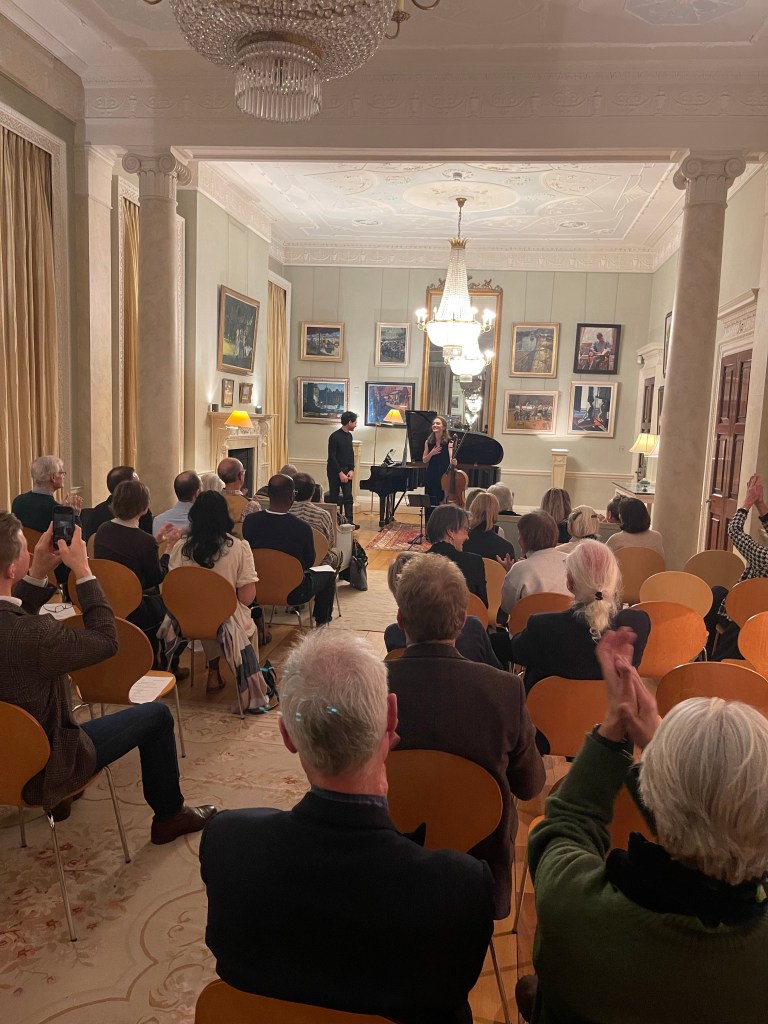
But it was the ravishing beauty of the Chopin Largo op 65 that reverberated around this salon that must have been very similar to the one where Chopin and Franchomme played in Paris only eight months before the composers untimely death at the age of 39.
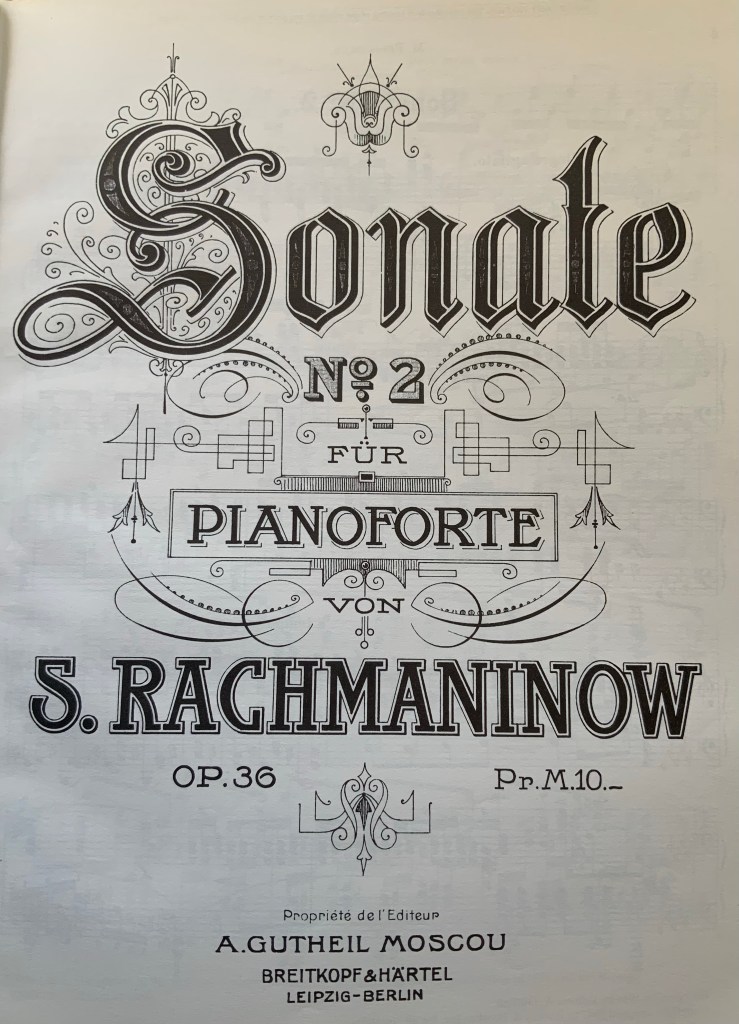
Rachmaninov worked on his Second Sonata over several months in 1913, commenced whilst in Rome and later completing it in Russia and including it in his concerts that Autumn prior to its publication the following Spring.Although conceived in three movements (Allegro agitato, non allegro, Allegro molto), the Second Sonata flows as one astonishing piece, its bravura technical demands matched by that dark emotional intensity which runs through so much of Rachmaninov’s music. The movements are bound together by thematic cross-references and transformation; in particular, the opening descending passage pervades all three movements in different guises.The original version is not without its problems however; not only is the scale of the work daunting, so too some of the passage-work makes very significant demands on the performer.
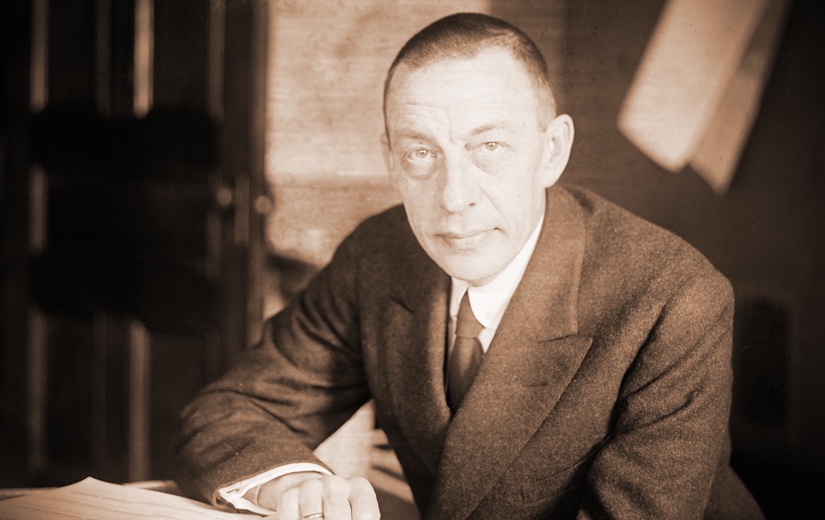
Rachmaninov’s own thoughts were expressed when he himself later wrote:”I look at some of my earlier works and see how much there is that is superfluous. Even in this Sonata so many voices are moving simultaneously, and it is so long. It was no doubt to address these points that Rachmaninov set about revising the Sonata in the summer of 1931, just as he was also composing his final solo piano work, the Corelli Variations.In this revised version Rachmaninov makes significant changes to the piano writing throughout, both giving the piece a cleaner, more transparent texture and at the same time making the piece easier to play. In addition to these changes, he reduced the overall length of the Sonata by some 120 bars, tightening the structure considerably.
The question of whether Rachmaninov really altered the Sonata to its advantage is disputed to the present day among pianists and music critics. While many authors consider the significant cuts as a successful tightening up and elimination of unnecessary virtuoso ballast, the opposing faction criticises this intervention as a mutilation that upsets the Sonata’s formal balance and thematic conception.While the revised version is the one frequently heard, some such as Zoltán Kocsis have advocated a return to the unaltered first version, while many others (notably Horowitz and Van Cliburn) have produced their own composite versions, based on their preferred elements from both.
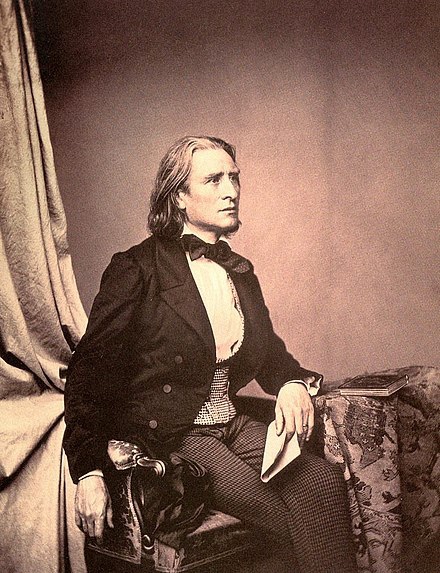
22 October 1811 Doborjan,Hungary – 31 July 1886 (aged 74) Bayreuth Germany
Années de pèlerinage ( Years of Pilgrimage) (S.160/161/162/163) is a set of three suites for solo piano by Franz Liszt .Much of it derives from his earlier work, Album d’un voyageur, his first major published piano cycle, which was composed between 1835 and 1838 and published in 1842.The title Années de pèlerinage refers to Goethe’s famous novel of self-realization, Wilhelm Meister’s Apprenticeship, and especially its sequel Wilhelm Meister’s Journeyman Years.Liszt writes: ‘Having recently travelled to many new countries, through different settings and places consecrated by history and poetry; having felt that the phenomena of nature and their attendant sights did not pass before my eyes as pointless images but stirred deep emotions in my soul, and that between us a vague but immediate relationship had established itself, an undefined but real rapport, an inexplicable but undeniable communication, I have tried to portray in music a few of my strongest sensations and most lively impressions.’
“Troisième année” (“Third Year”), S.163, was published 1883; Nos. 1–4 and 7 composed in 1877; No. 5, 1872; No. 6, 1867.Les jeux d’eaux à la Villa d’Este (The Fountains of the Villa d’Este) in F♯ major – Over the music, Liszt placed the inscription, “Sed aqua quam ego dabo ei, fiet in eo fons aquae salientis in vitam aeternam” (“But the water that I shall give him shall become in him a well of water springing up into eternal life,” from the Gospel of John ). This piece, with its advanced harmonies and shimmering textures, is in many ways a precursor of musical Impressionism
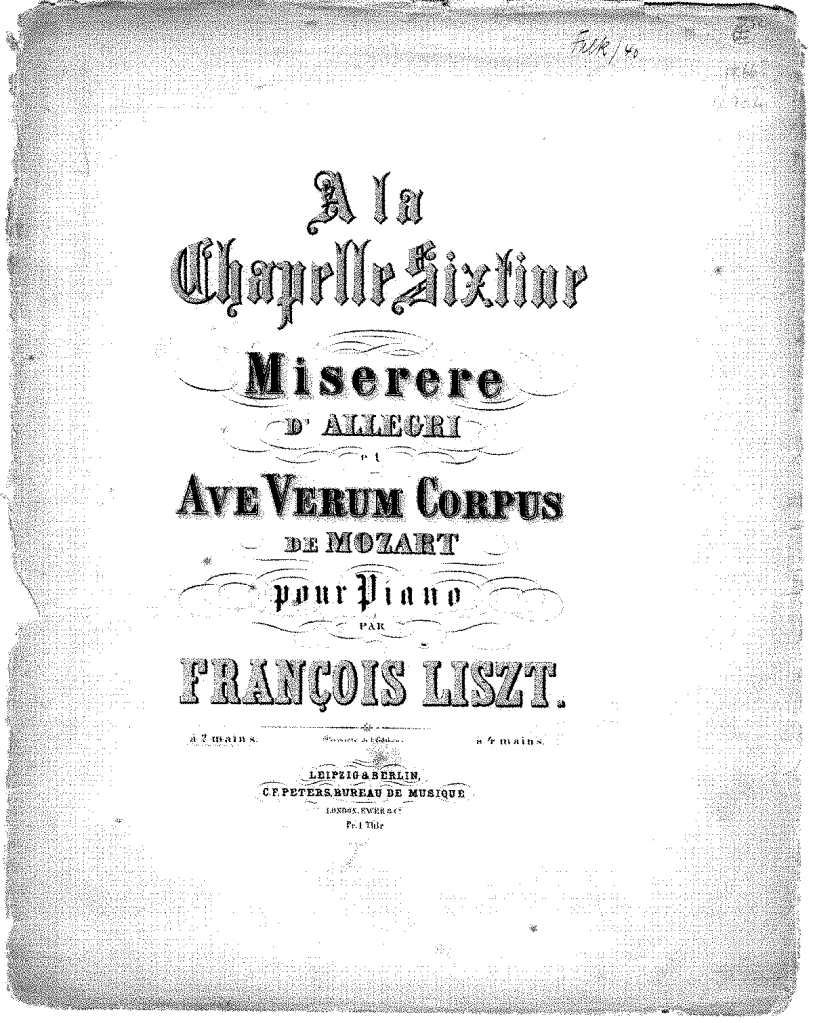
Leslie Howard the renowned Liszt expert writes :”A la Chapelle Sixtine is a very unusual work, inspired by Liszt’s hearing two very different motets in the Sistine Chapel: the famous Miserere mei Deus by Gregorio Allegri (1582–1652), and Mozart’s last work of this kind—the Ave verum corpus, K618, of 1791. The story of Allegri’s work is well-known: composed for the papal choir at the time of Urban VIII, the work was not permitted to be published, and it circulated for centuries in a handful of written copies. The fourteen-year-old Mozart copied the piece from memory. Although the original piece is famous for its antiphonal chorus with high Cs, Liszt concentrates on the marvellous harmonies of its beginning, and uses them to generate a passacaglia in G minor whose variations come to a stormy climax before the Mozart piece is revealed in the simplest transcription in B major. By way of one of Liszt’s finest modulatory passages, the variations return, much shortened, before the Mozart reappears, this time in F sharp—incidentally, it is this passage which Tchaikovsky used as the basis for the slow movement of his fourth orchestral Suite, opus 61, ‘Mozartiana’. Liszt extends Mozart’s music to allow a gentle modulation to G major, and the piece finishes with distant hints of the Allegri in the bass. Liszt made an orchestral version of the piece which has, at the time of writing, never been published or performed, a version for piano duet, and a rather more frequently performed version for organ—with the title improved by the adding of the initial word ‘Évocation’.”
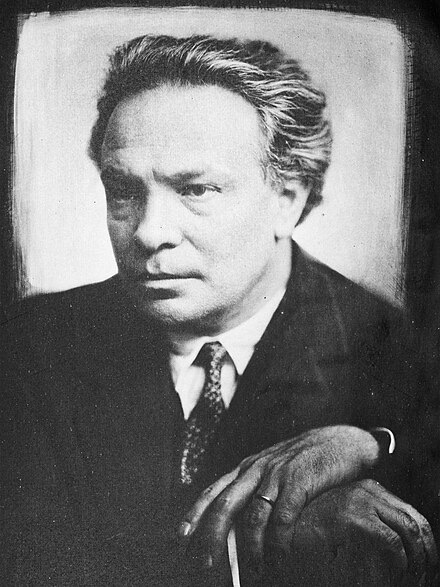
Elsa survived her husband for nearly 60 years, unfailingly championing her husband’s works and legacy. A few months after Respighi’s death, Elsa wrote to Guastalla: “I live because I can truly still do something for him. And I shall do it, that is certain, until the day I die.”
The Sei pezzi per pianoforte (“Six pieces for piano”), P.044, is a set of six pieces written between 1903 and 1905. These predominantly salonesque pieces are eclectic drawing influence from music of earlier periods, and demonstrate Respighi’s neoclassical compositional style. A more mature compositional technique brought on from studying abroad with the composers Nikolai Rimsky-Korsakov and Max Bruch is also seen.The set contains various musical forms: waltz,canon,nocturne,minuet,etude and intermezzo and were composed separately between 1903 and 1905, and then published together between 1905 and 1907 in a set under the same title. Although they were published together, Respighi had not composed them as a suite , and therefore did not intend to have uniformity among the pieces; thus, publishing them together was merely an editorial decision
- “Valse Caressante” – (“Tempo lento di Valzer.”)
- “Canone” – (“Andantino”)
- “Notturno” – (“Lento. (. = 50)”)
- “Minuetto” – (No tempo marking)
- “Studio” – (“Presto”)
- “Intermezzo-Serenata” – (“Andante calmo”)
Pines of Rome P. 141, is a tone poem in four movements for orchestra completed in 1924 by Ottorino Respighi . It is the second of his three tone poems about Rome , following Fontane di Roma (1916) and preceding Feste Romane (1928). Each movement depicts a setting in the city with pine trees , specifically those in the Villa Borghese , near a catacomb on the Gianicolo , and along the Appian Way . The premiere was held at the Teatro Augusteo ( cruelly pulled down by Mussolini in the name of archaeologial excavations) in Rome on 14 December 1924, with Bernardino Molinari conducting the Augusteo Orchestra (later renamed S.Cecilia Orchestra ), and the piece was published by Casa Ricordi in 1925.The four movements are :
- I pini di Villa Borghese” (“The Pines of the Villa Borghese”) –
- “Pini presso una catacomba” (“Pines Near a Catacomb”) – Lento
- “I pini del Gianicolo” (“The Pines of the Janiculum”) – Lento
- “I pini della via Appia” (“The Pines of the Appian Way”) – Tempo di marcia
I pini di Villa Borghese”

This movement portrays children playing by the pine trees in the Villa Borghese , dancing the Italian equivalent of the nursery rhyme “Ring a Ring o’Roses”and “mimicking marching soldiers and battles; twittering and shrieking like swallows”.The Villa Borghese , a villa located within the grounds, is a monument to the Borghese family , who dominated the city in the early seventeenth century. Respighi’s wife Elsa recalled a moment in late 1920, when Respighi asked her to sing the melodies of songs that she sang while playing in the gardens as a child as he transcribed them, and found he had incorporated the tunes in the first movement.
“Pini presso una catacomba”
In the second movement, the children suddenly disappear and shadows of pine trees that overhang the entrance of a Roman catacomb dominate.It is a majestic dirge, conjuring up the picture of a solitary chapel in the deserted Campagna ; open land, with a few pine trees silhouetted against the sky. A hymn is heard (specifically the Kyrie ad libitum 1, Clemens Rector; and the Sanctus from Mass IX, Cum jubilo), the sound rising and sinking again into some sort of catacomb, the cavern in which the dead are immured. An offstage trumpet plays the Sanctus hymn. Lower orchestral instruments, plus the organ pedal at 16′ and 32′ pitch, suggest the subterranean nature of the catacombs, while the trombones and horns represent priests chanting
I pini del Gianicolo”
The end of the third movement features this recording of the song of a nightingale which Respighi incorporated into the score.
It is a nocturne set on the Janiculum Hill and a full moon shining on the pines that grow on it. Respighi called for the clarinet solo at the beginning to be played “come in sogno” (“As if in a dream”).
The movement is known for the sound of a nightingale that Respighi requested to be played on a phonograph during its ending, which was considered innovative for its time and the first such instance in music. In the original score, Respighi calls for a specific gramophone record to be played–“Il canto dell’Usignolo” (“Song of a Nightingale, No. 2”) from disc No. R. 6105, the Italian pressing of the disc released across Europe by the Gramophone Record label between 1911 and 1913.The original pressing was released in Germany in 1910, and was recorded by Karl Reich and Franz Hampe. It is the first ever commercial recording of a live bird.Respighi also called for the disc to be played on a Brunswick Panatrope record player. There are incorrect claims that Respighi recorded the nightingale himself, or that the nightingale was recorded in the yard of the McKim Building of the American Academy in Rome , (The Medici Palace where Liszt also performed ) also situated on Janiculum hill.
I pini della via Appia”

Respighi recalls the past glories of the Roman empire in a representation of dawn on the great military road leading into Rome. The final movement portrays pine trees along the Appian Way in the misty dawn, as a triumphant legion advances along the road in the brilliance of the newly-rising sun. Respighi wanted the ground to tremble under the footsteps of his army and he instructs the organ to play bottom B♭ on the 8′, 16′ and 32′ organ pedals. The score calls for six buccine – ancient circular trumpets that are usually represented by modern flugelhorns, and which are sometimes partially played offstage. Trumpets peal and the consular army rises in triumph to the Capitoline Hill . One day prior to the final rehearsal, Respighi revealed to Elsa that the crescendo of “I Pini della Via Appia” made him feel “‘an I-don’t-know-what’ in the pit of his stomach”, and the first time that a work he had imagined turned out how he wanted it.
 ChristopherAxworthy-MusicCommentary
Una risposta a "Leonardo Pierdomenico A master at St Mary’s A memorable recital by a great artist"