Haydn – Sonata in C major Hob.XVI:50
I.Allegro. II.Adagio. III. Allegro molto
Brahms – Sonata No.2 Op.2 in F sharp minor
I.Allegro non troppo ma energico
II. Andante con espressione
III. Scherzo. IV. Finale
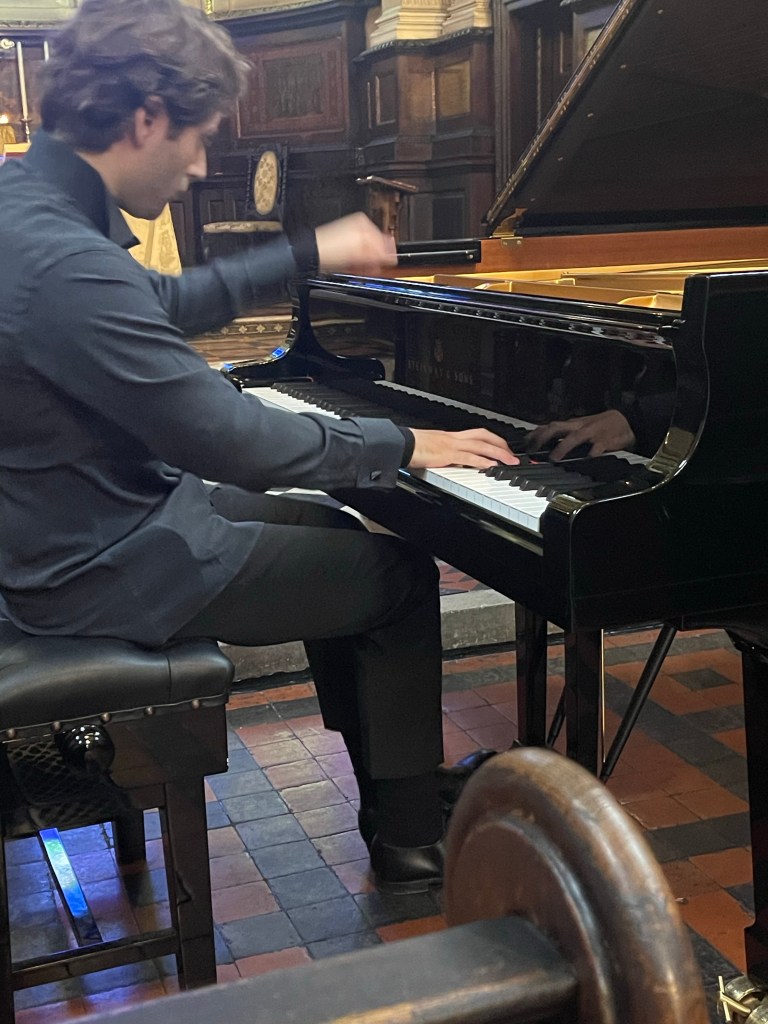
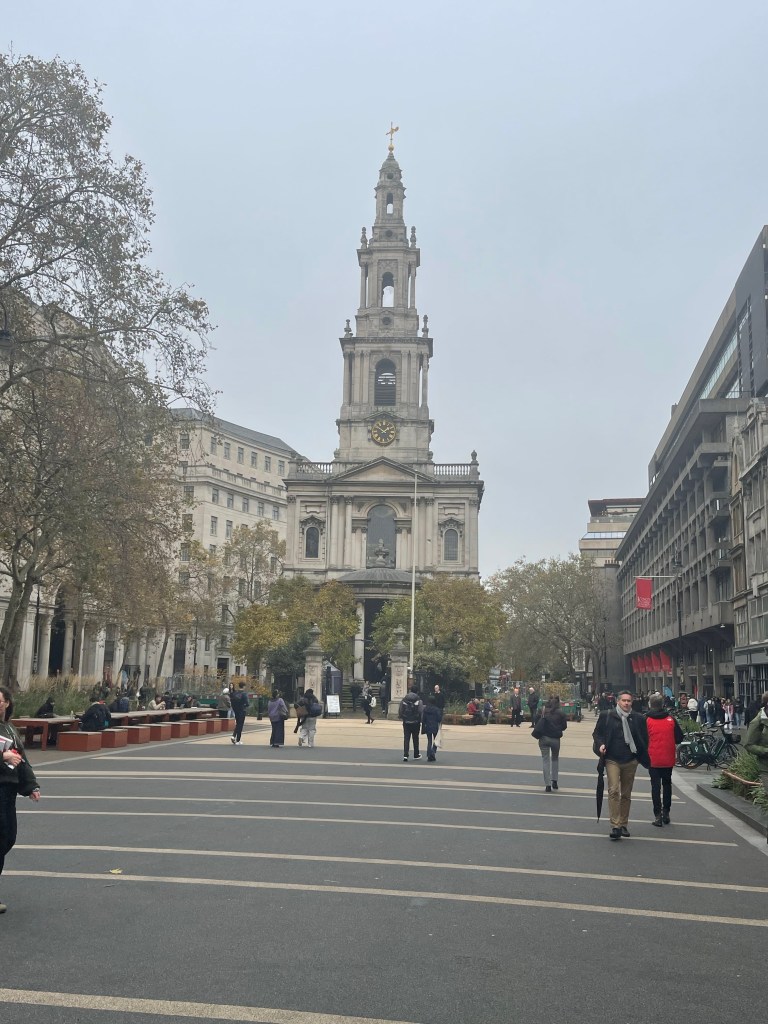
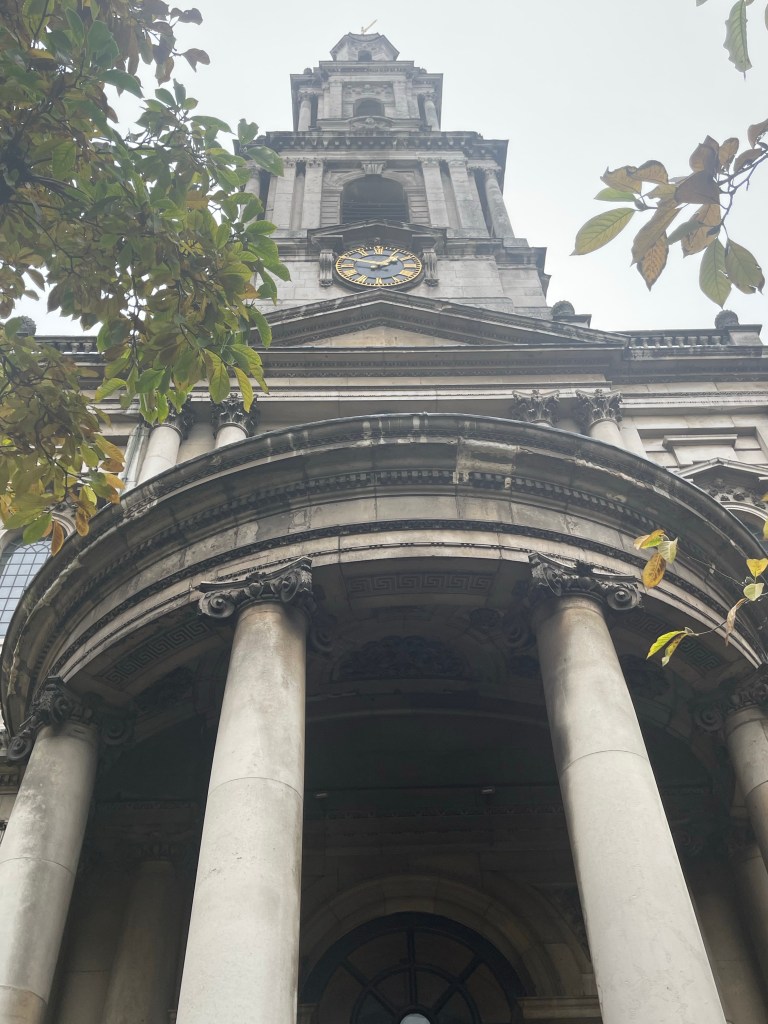
Nicolas Ventura played at St Mary Le Strand, this beautiful church now let out to pasture as the roundabout of roads that until recently encircled it have been trasformed into a pedestrian paradise.
Now we can relish the beauty of this church as it echoes to the sounds of great music .
A gleaming Steinway piano at the foot of the gold and white cupola is where wondrous sounds can now reverberate freely.
And what sounds we heard today!
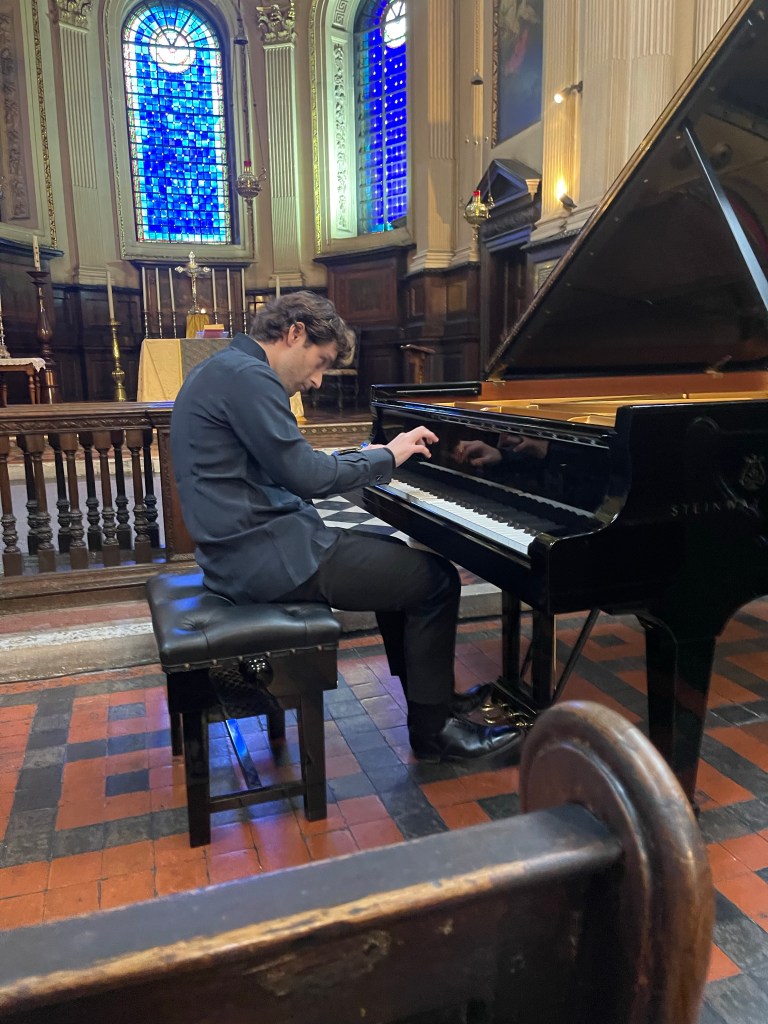
A young Tuscan pianist who was born in Massa the place that provided Michelangelo with the marble that he transformed into eternal masterpieces.
But this young man had come to study music at the Royal Academy and Royal College with two Russian master trainers of great pianists.Tatyana Sarkissova for his Masters at the RAM and Dina Parakhina for his Artists Diploma at the RCM .
They have bequeathed him a technical mastery and authority that was evident from the very first notes of Haydn’s ebullient English sonata in C .
A rhythmic drive and subtle contrast in dynamics with ornaments that unwound with jewel like precision as they added sparkle to Haydn’s joyously playful Sonata.A real interpreter as he translated Haydn’s music box pedal markings into a magic box of glistening sounds.
An Adagio that was grandiloquent as the melodic line was allowed to unfold with purity and simplicity.Elegance and beauty combined with intelligence and charm.And what fun he had as he gave irresistible character to Haydn in truly jocular mood.
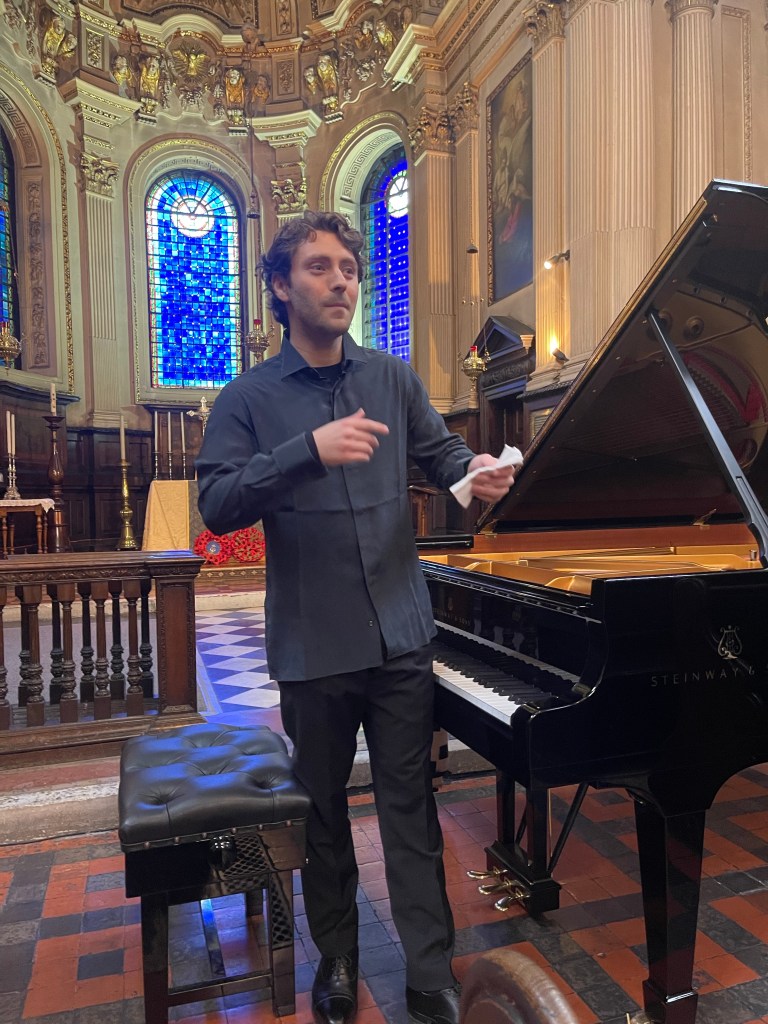
This was just a curtain raiser for a masterly performance of Brahms’s epic second sonata.An opening that had revealed the remarkable gifts of this sensitive musician.
A work of both orchestral and virtuosistic form with so many changes of character that it is difficult to find a cohesive architectural shape.I have often found these early sonatas rather longwinded and episodic as indeed I had until recently Rachmaninov’s first Sonata.
Kantarow was the one who unlocked the mysterious form of Rachmaninov as he had also the First Brahms Sonata – both op.1 of the respective composers.It was this young Tuscan pianist who unlocked today the elusive Sonata op 2 of Brahms.Grandeur and exhilarating virtuosity combined with orchestral colours.The secret of course comes from thinlking always from the bass upwards with a rhythmic drive like riding on a great wave.Moments of subtle ravishing sounds combine with the enormous sonorities of symphonic proportions.All linked together with an overall sound palette that no matter how passionate or exciting was alway sumptuous and full and never hard or brittle.The excitement of the ‘Più mosso’ coda was immediately defused by the two quiet closing chords that opened the gate for the ‘Andante con espressione’.A movement that in this young artists hands was poignant and deeply moving with a wondrous sense of colour as the tenor melodic line became ever more intense with merely whispered comments from on high.The ‘Scherzo’ too entering on the last note of the ‘Andante’. With dynamic contrasts and rhythmic drive very similar but more grandiose that the rarely heard scherzo in E flat minor op 4.The Trio was bathed in pedal as Brahms asks and contrasted so beautifully with the rhythmic precision of the ‘Scherzo’.A beautiful sense of improvisation as Brahms searches for the last movement ‘Allegro non troppo e rubato’.A simple melodic line continually interrupted by ever more dynamic episodes until the final page that is cadenza like and that was played with filigree care and beauty.A sense of improvised freedom but always with the overall view of a true musician.A masterly performance of youthful passion and control that held the audience in his hands as he took them on a wondrous musical journey .
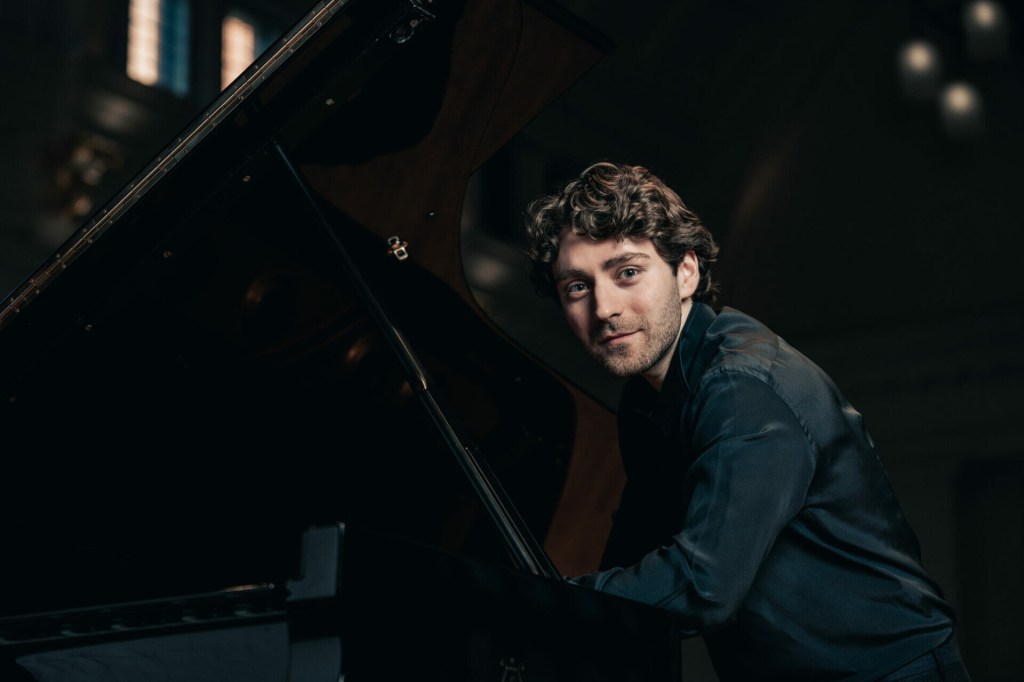
He extensively played throughout Italy, Belgium, Norway, Sweden, the Netherlands, Poland, Hungary, Spain and the UK. His last appearances include such halls as the Jacqueline Du Pré Music Building in Oxford, Duke’s Hall and the Brazilian Embassy in London, Palau de la Music Catalana in Barcelona, Fazioli Concert Hall, Teatro Manzoni in Pistoia, Teatro la Fenice in Venice, the Castle of Kalmar, Florianka Concert Hall in Kraków and Danube Palace in Budapest among many others.
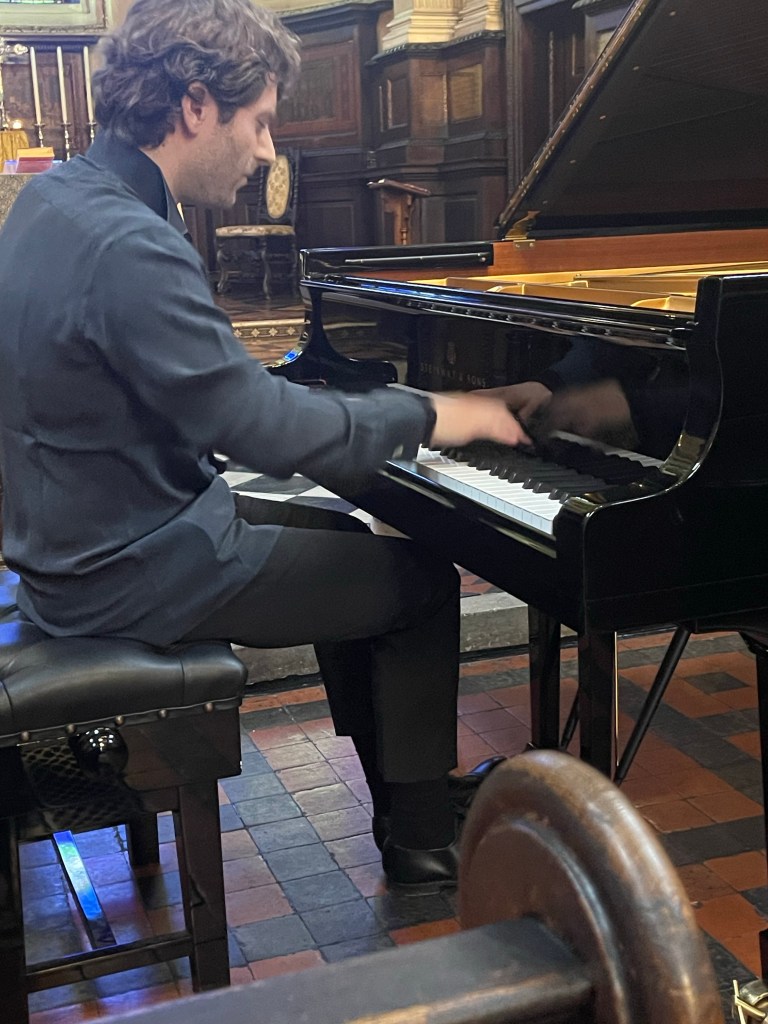
In recent years he received many awards among which the “Sir Reginald Thatchers Prize”, “Franz Simmons Prize”, as well as the “Goetze Bequest Award” and the Diploma of the Royal Academy of Music for and outstanding performance in his final recital. Nicolas regularly performs as soloist and with orchestra, recently he performed works by Beethoven, Liszt and Rachmaninov collaborating with the Orchestra Sinfonica di Chioggia, the Philharmonic Orchestra of Bacau and the Danube Symphony Orchestra. Nicolas is an active chamber musician and transcriber, among his latest activities are his original piano transcription of Prokofiev’s “Scythian Suite” and Copland’s “Lincoln Portrait”.
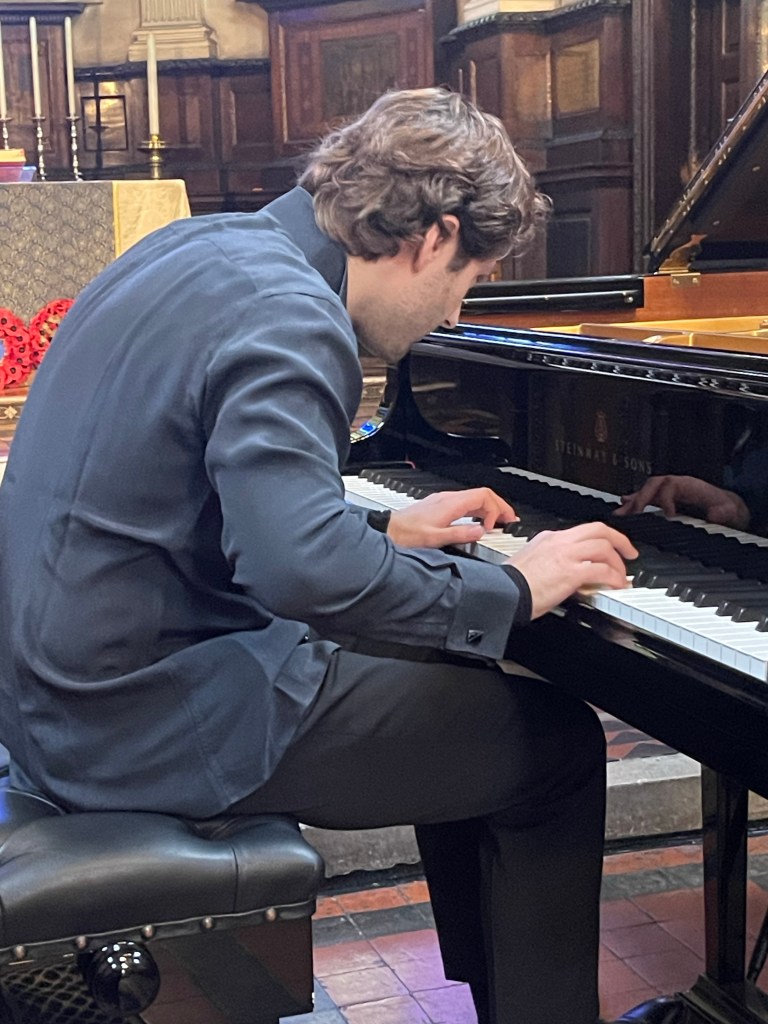
Nicolas is supported by the Oleg Prokofiev Trust and the following months will see him involved in the production and publication of his first commercial recording entirely devoted to Prokofiev and in a series of recitals in halls including the Impavidi Theatre, the Austrian Cultural Forum, Southwark Cathedral and Wigmore Hall in London.

Born in Tuscany, Nicolas studied with Konstantin Bogino and Tatiana Sarkissova. He is an alumnus of the Conservatorio “Cesare Pollini” of Padua, where he graduated with the highest honours and a special mention, and the Royal Academy of Music in London, graduating with First Class. He has just obtained his Artist Diploma at the Royal College of Music under the guidance of Dina Parakhina. He participated in masterclasses and had important musical influences from such artists as Boris Berman, Benedetto Lupo, Anna Malikova, Håkon Autsbo, Imogen Cooper, Dmitri Alexeev, Marios Papadopoulos, Peter Donohoe, Vanessa Latarche and Federico Colli.
Nicolas is an avid reader and writer about classic literature and philosophy.
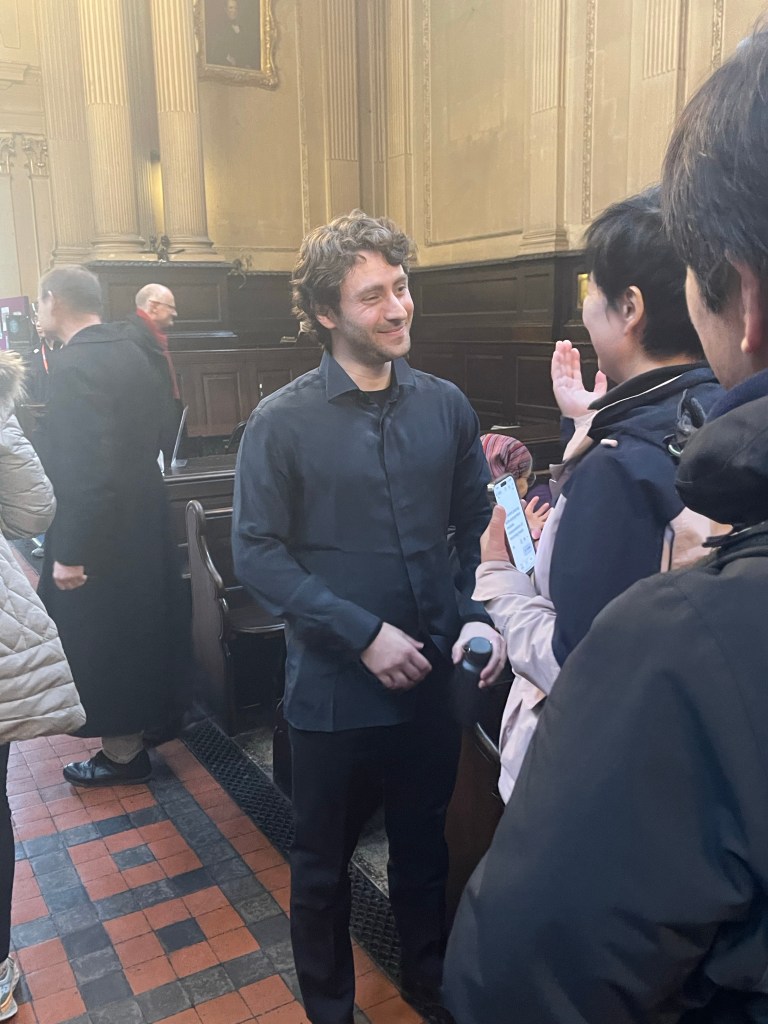
 ChristopherAxworthy-MusicCommentary