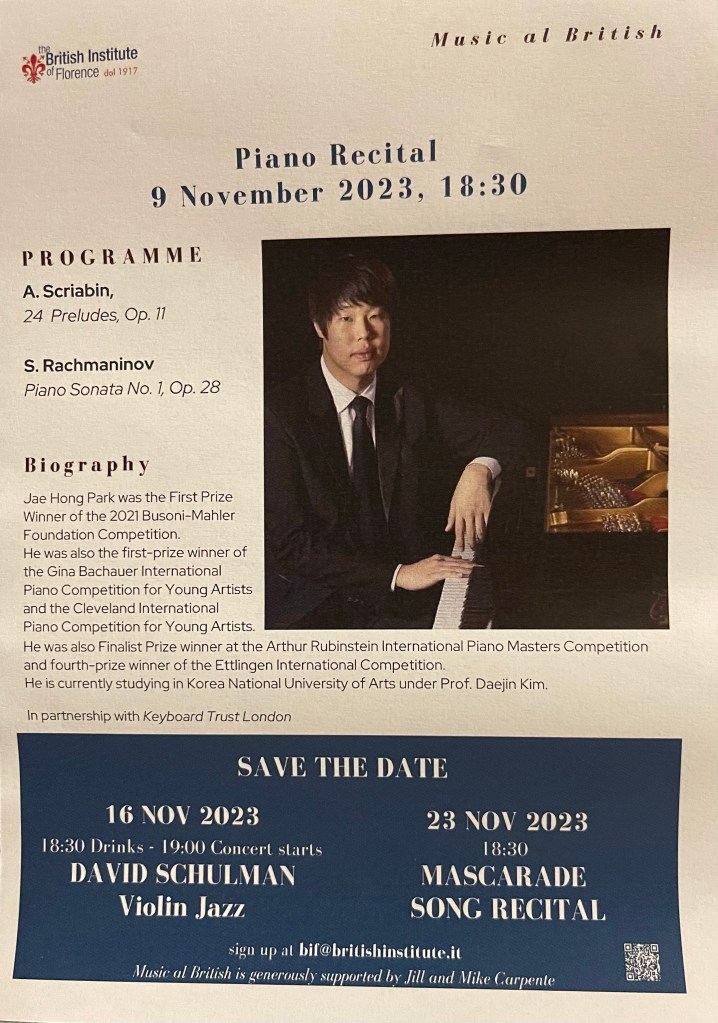
A standing ovation for the 2021 Busoni Winner in the Harold Acton Library in Florence with a ‘Bouquet of Flowers ‘ from Scriabin with his 24 Preludes op 11 and the Canons covered in Flowers of Rachmaninov with his elusive First Sonata op.1 . The last in the present series of Busoni winners presented by the Keyboard Trust going British in Florence.

A quite extraordinary ‘tour de force’ of poetic sensibility and virtuosity but above all intelligence from the refined palette of a deeply dedicated musician.Jae Hong had swept the board in Bolzano with a ‘Hammerklavier’ that will go down in the history of the competition.
Busoni International Piano Competition 2021
His Scriabin was full of insinuating perfumed sounds and sudden bursts of passion.His extraordinary control of sound allowed these 24 gems to glisten and shine on a 1898 Bechstein bequeathed by that never forgotten aesthete Harold Acton.
Not an easy task , as he said later, this is a piano with a unique voice for Beethoven and Schubert but for the Russian school it was missing a few gears!
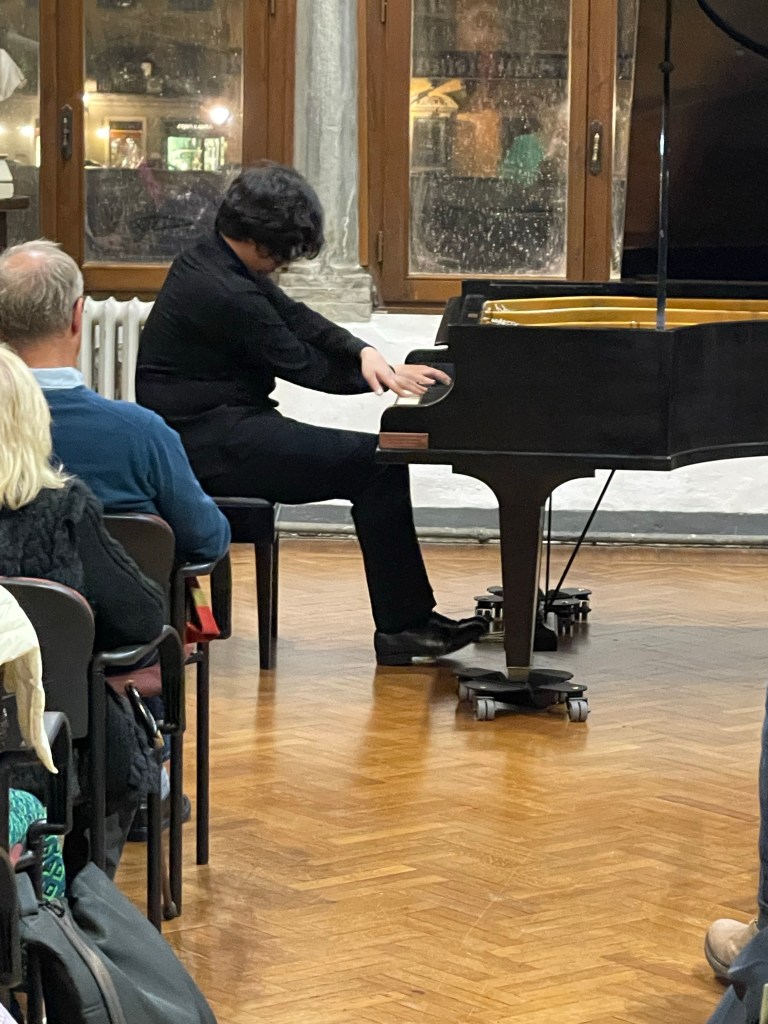
Such was his mastery that he was able to persuade us,as Richter could do,that this was an instrument that could detonate the bomb shells and range of sounds that this repertoire demands.
Like a man possessed he threw himself into the cauldron of sounds that make up Rachmaninov’s early sonata.As he explained to me afterwards he had to pace himself and find the point of arrival in both Scriabin and Rachmaninov that would give a coherant architectural shape to these two hidden masterpieces.
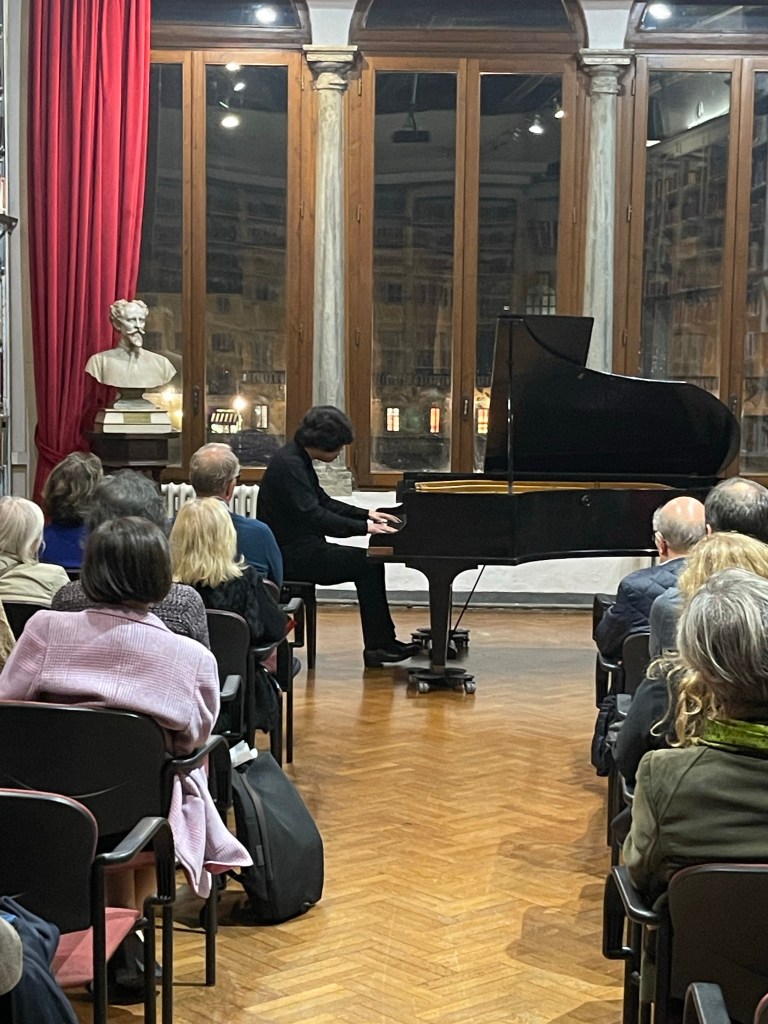
It was Rachmaninov himself in 1908 who had had such difficulty in finding a form for his op.1 as he struggled with the idea of a sonata based on Goethe’s Faust.He was persuaded to abandon that idea for a more formal form by Medtner and other colleagues trimming down the sonata from 45 to 35 minutes.But little did they realise that this leit motiv was so ingrained that it is there for all those that can find this secret web.It is the formula for a master work that has been misunderstood for too long. It takes the intelligent searching minds of the young super sensitive virtuosi of today to show us the way.
For me it had been Kantarow recently who illuminated a work I had always struggled with since Ogdon brought it to light ( by coincidence with 50 years difference both winners of the Tchaikowsky Competition in Moscow ).It was a light like the ‘star’ in Scriabin that had been shining brightly but only for those with super sensitive antennae able to follow its seemingly impenetrable rays.
Jae Hong with his complete mastery and ultra sensitivity brought it vibrantly alive to all those lucky enough to be present in the cradle of culture that is Florence.
A breathtaking performance where a Guinness book of record of notes were turned into shimmering sounds of gossamer gold and silver out of which emerged fragments that gradually were pieced together to give a coherant form to this gargantuanly sprawling work.
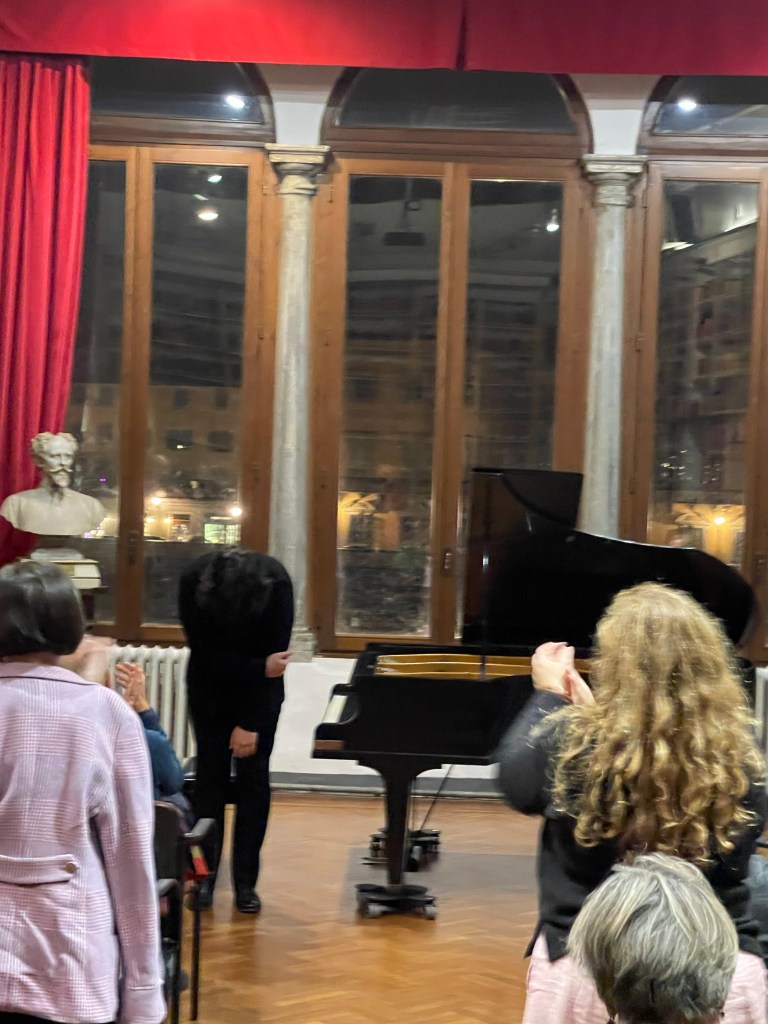
A spontaneous standing ovation greeting this ‘tour de force’and with disarming simplicity this extraordinary artist simply said :‘and now I will show you what this instrument can really do!’
The heavens truly openened as he unlocked the intimate secrets of Brahms’ Intermezzo op 117 n.1 with rarified luminous sounds of delicate whispered secrets.The minutes of aching silence that greeted the last chord were golden indeed .
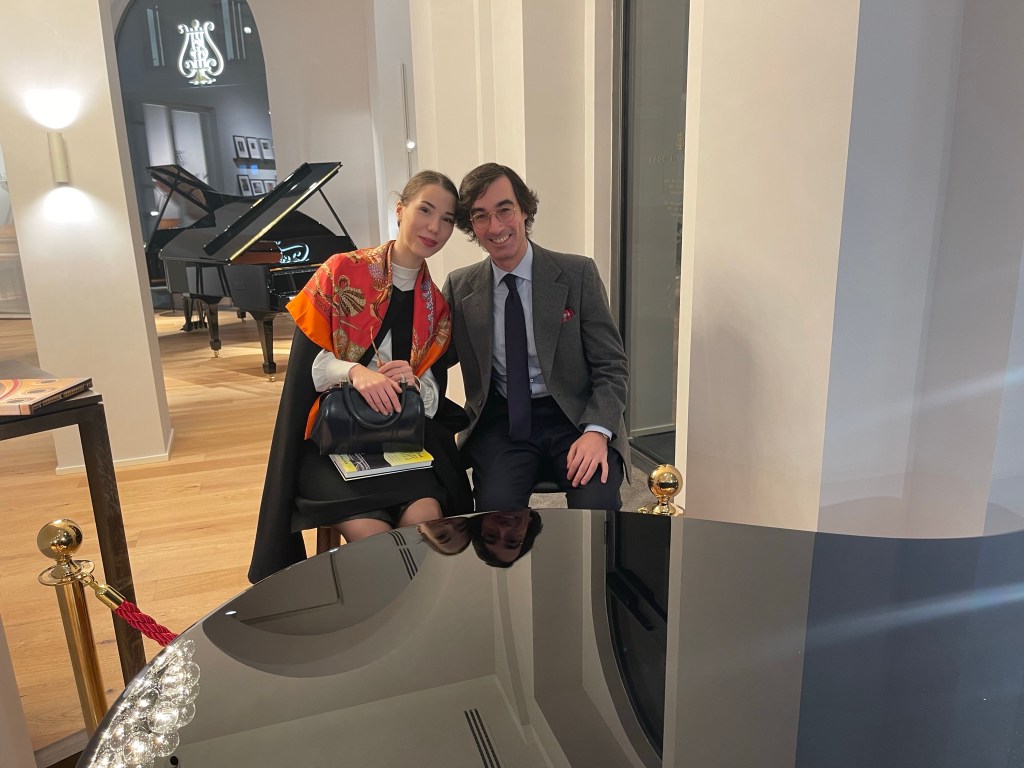
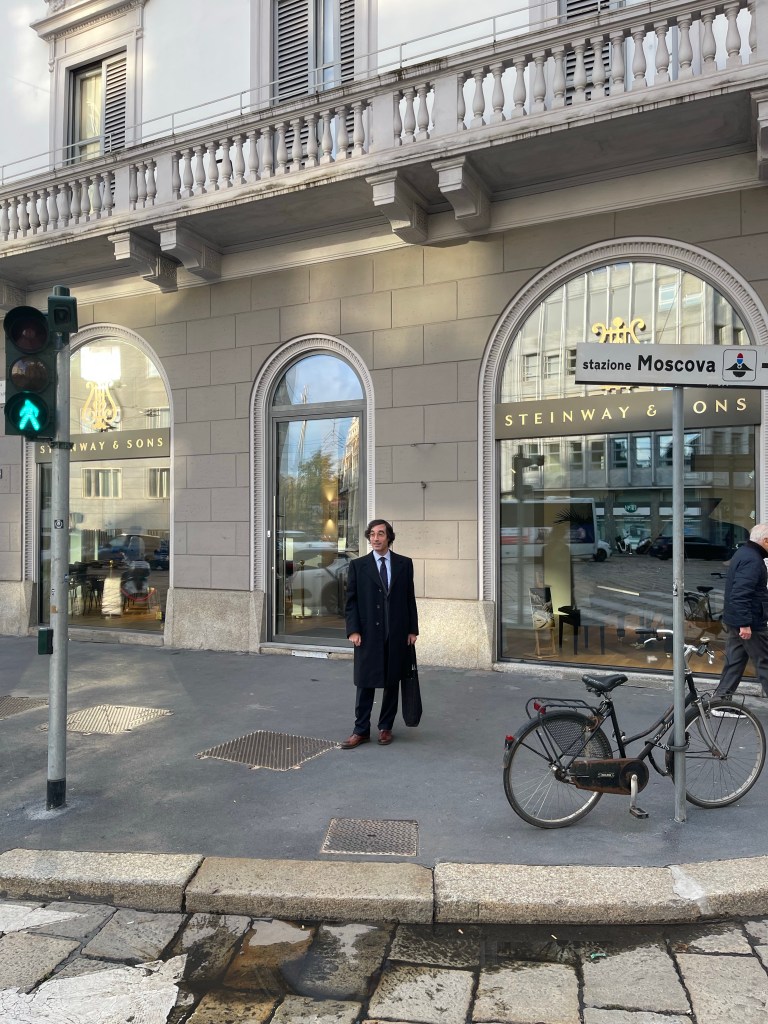
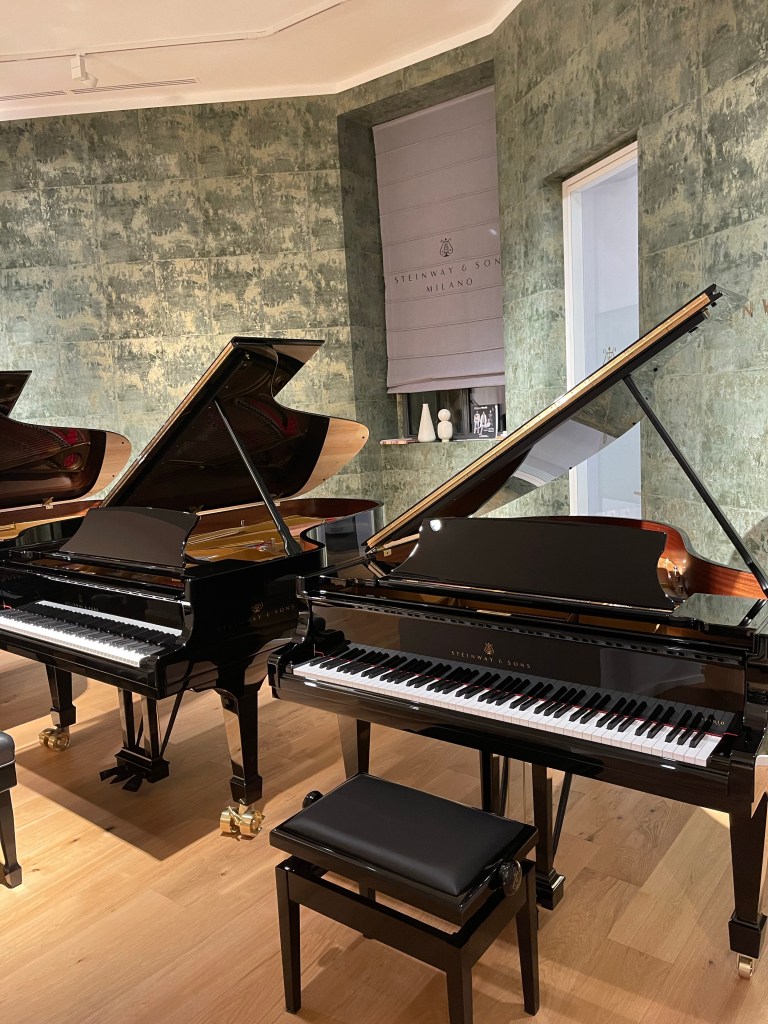
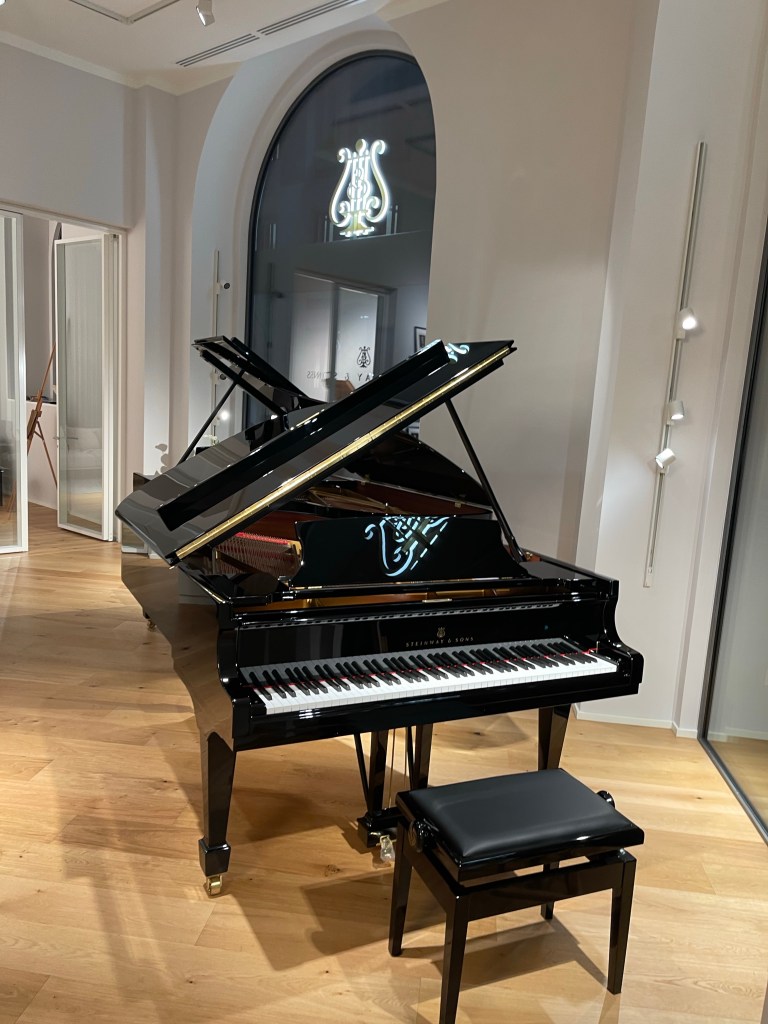
Lucky Milan that will be able to experience such wonders today in the magnificent new Steinway Studio in the hands of Maura Romano the true saviour for all discerning musicians.
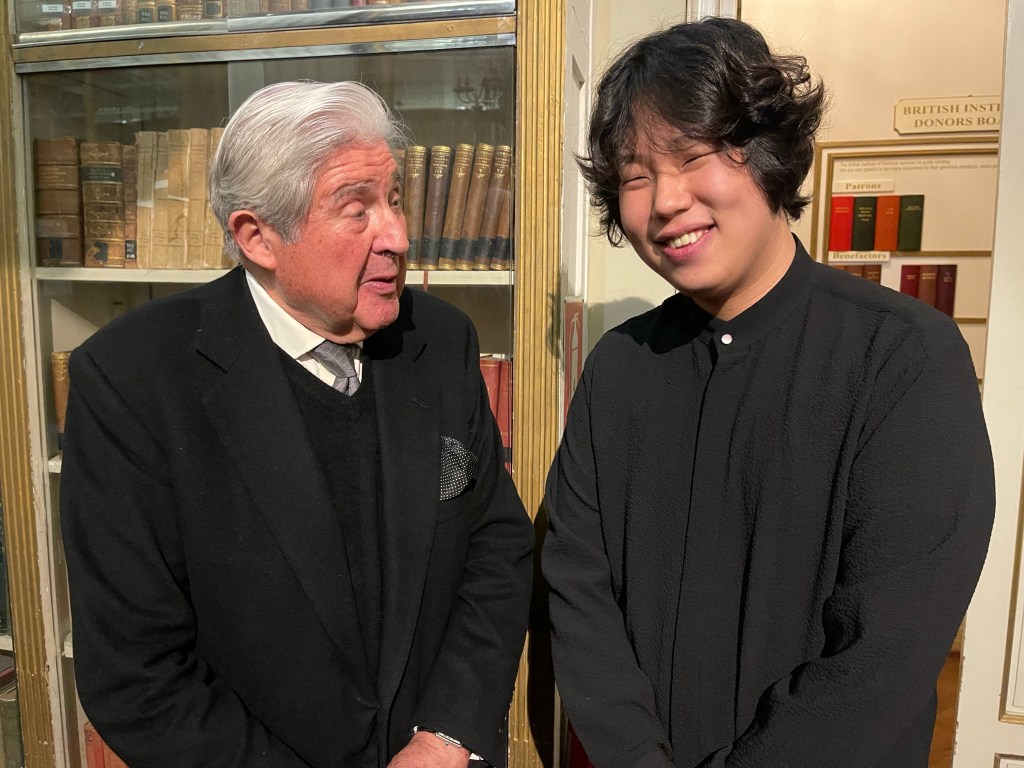
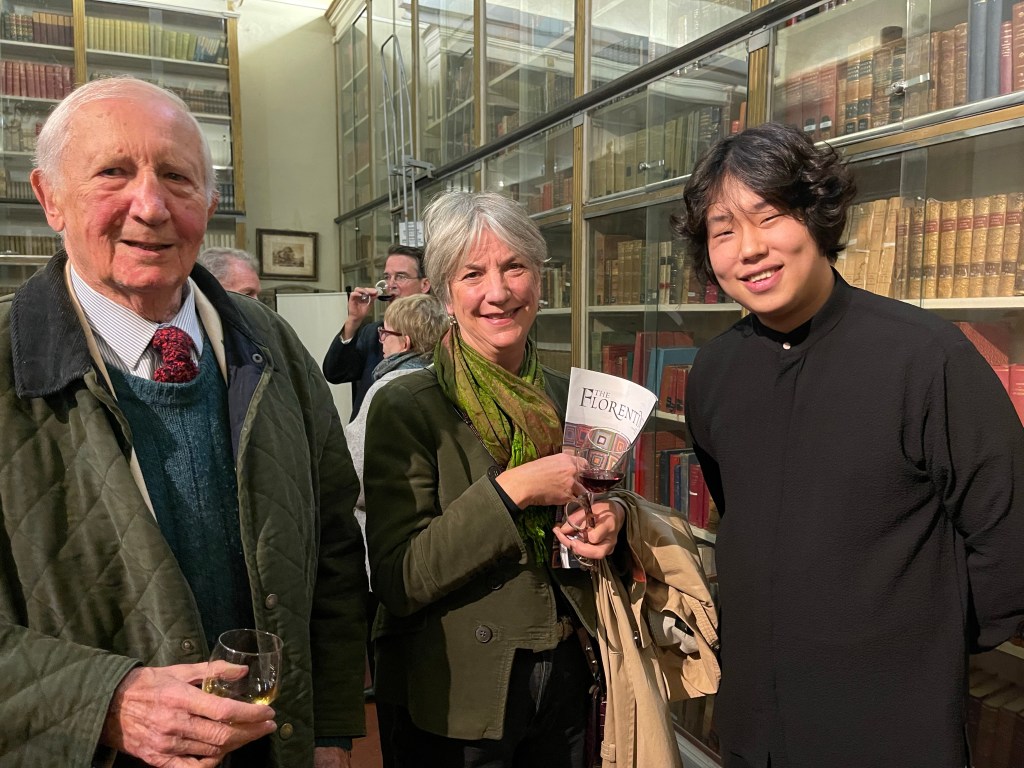
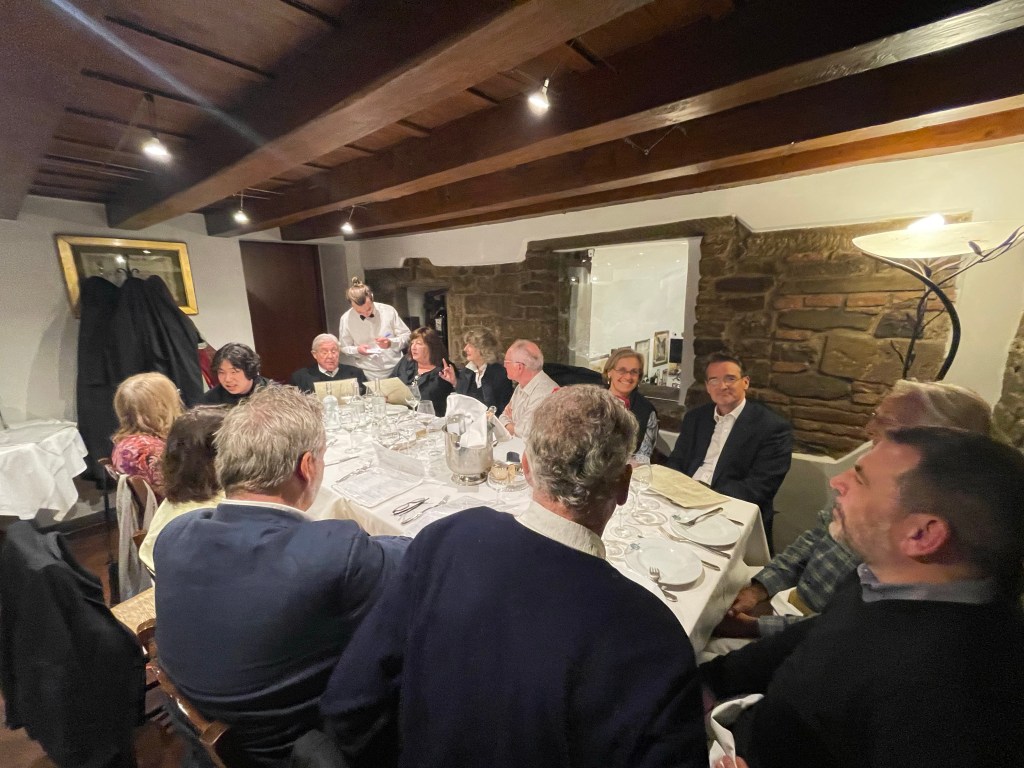
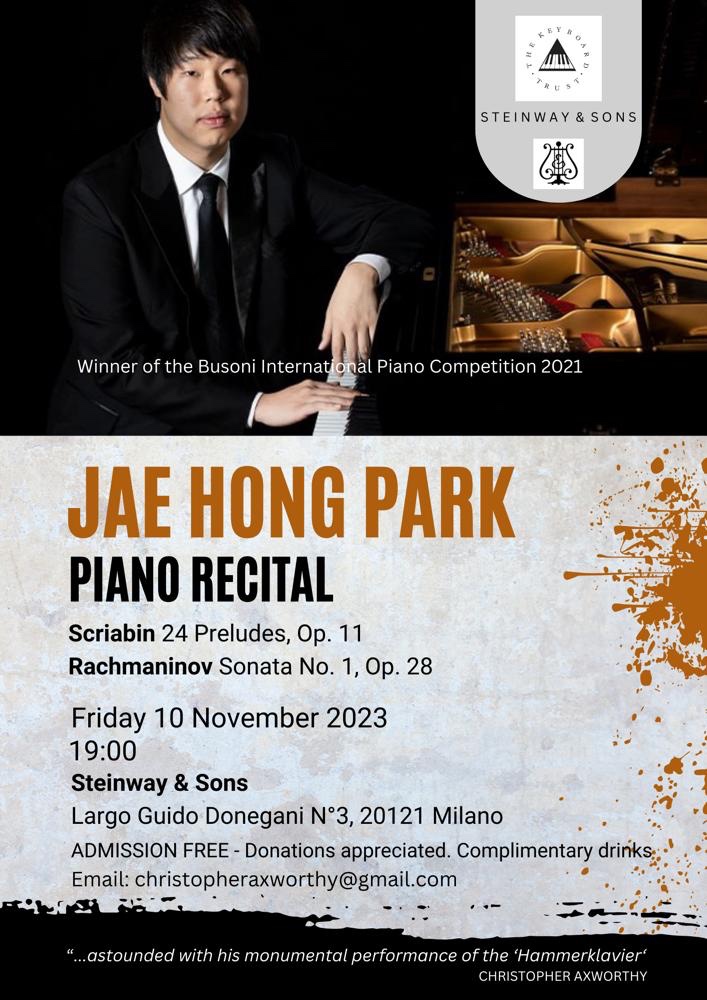
Jae Hong Park at Steinway Hall
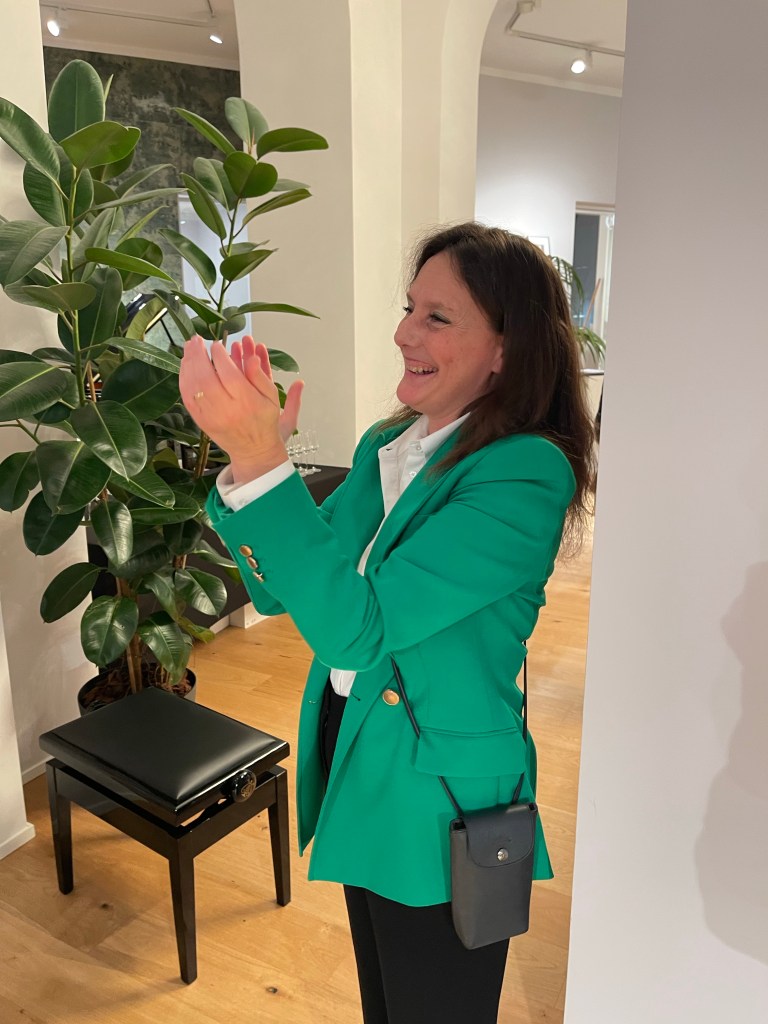
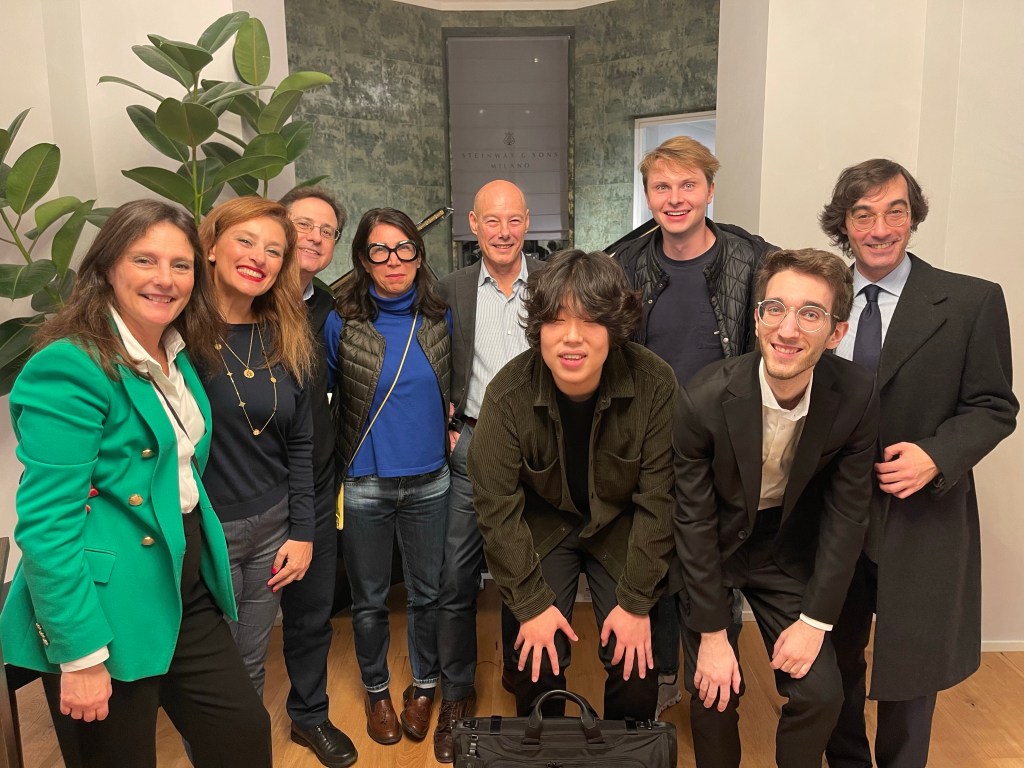
And so to the adorable Maura Romano in the new Steinway Flagship in Milan with Jae Hong Park …..a triumph pre-announced with breathtaking performances of Scriabin and Rachmaninov but then really letting his hair down Debussy style with Flaxen locks of ravishing colour.The last word of course went to the miracles that only Bach can offer with the Prelude in B minor bathed in the Russian sound world of Rachmaninov in Siloti’s magical transcription.
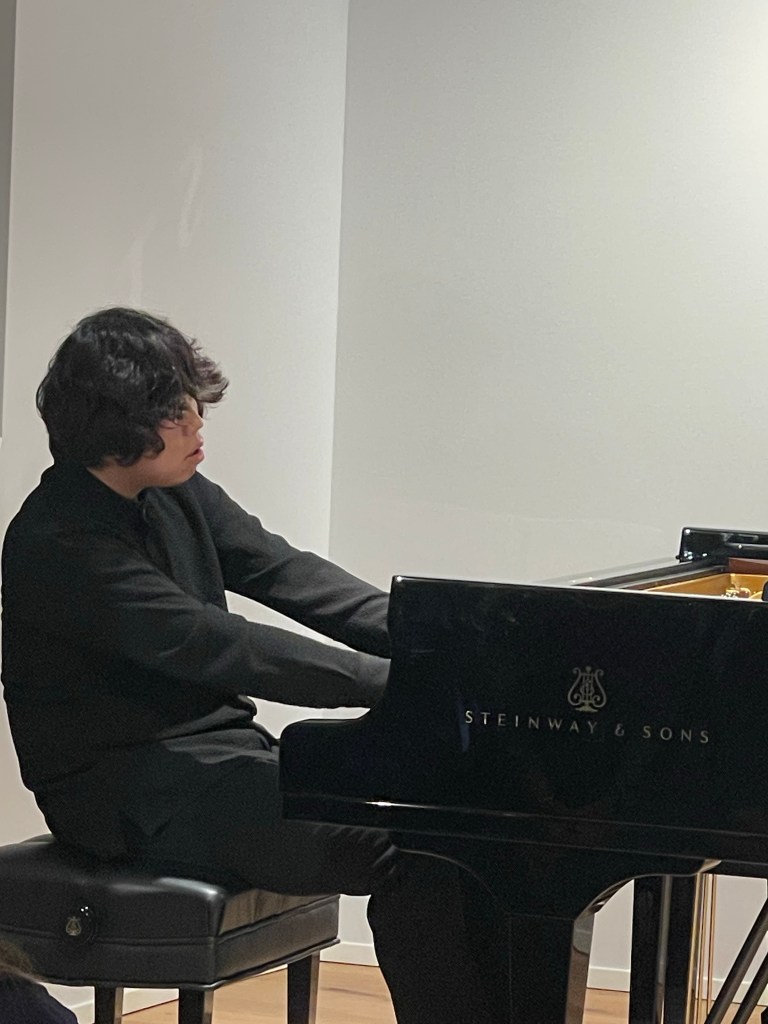
A joyous occasion for the first collaboration between Milan and the Keyboard Trust.Jae Hong spending the day hypnotised by the most beautiful piano that Steinways keep for special guests.A day that heard all five Beethoven concertos and the trilogy of late sonatas from the hands of a young master about to play them in two day cycles in Seol on his return on Monday.
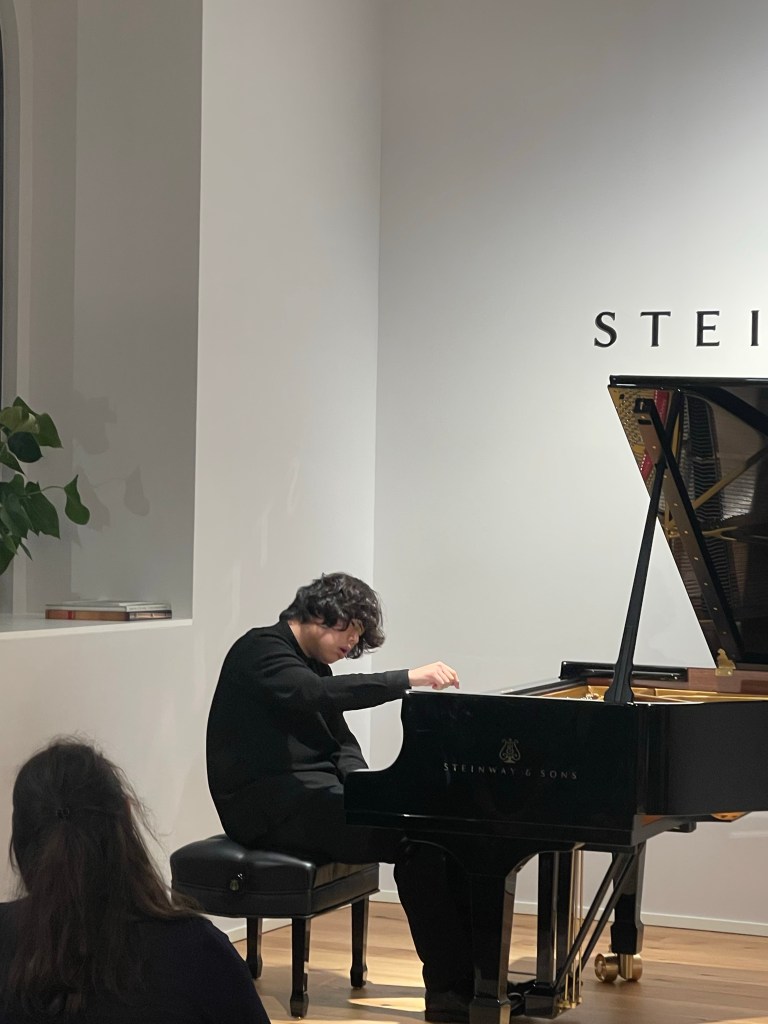
All that before his beguiling, breathtaking performances of Scriabin and Rachmaninov for a select invited audience on the magnificent Concert Grand that sits in this magnificent new Steinway Flagship just a stones throw from La Scala.
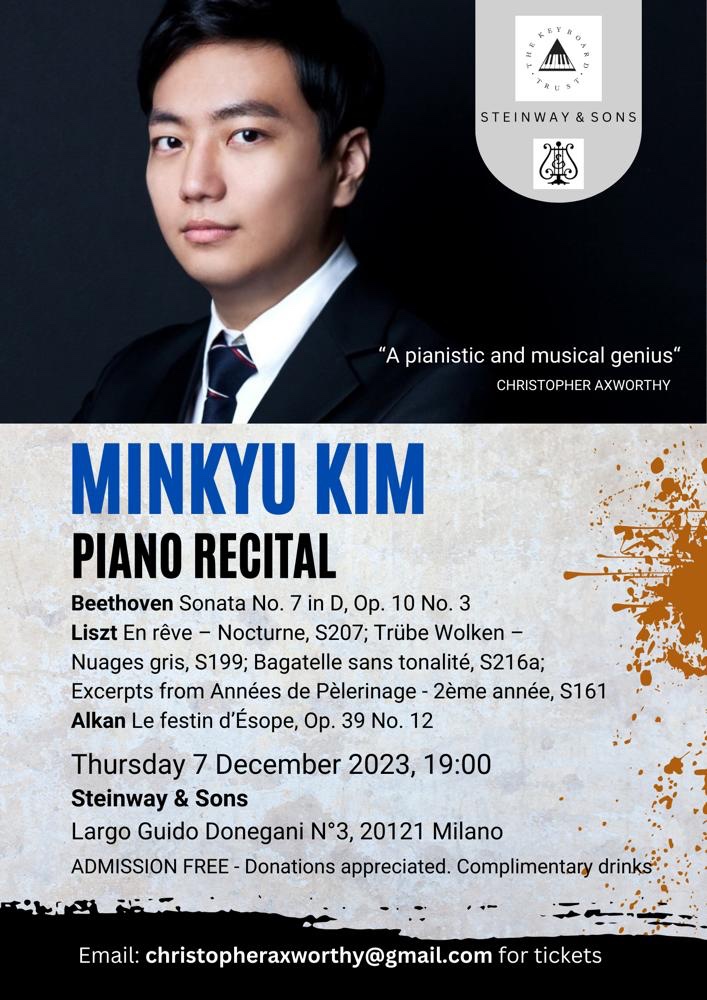
Next concert on the 7th December with Minkyu Kim.
Minkyu Kim a pianistic and musical genius at St Mary’s


https://christopheraxworthymusiccommentary.com/2022/01/24/alberto-chines-artistry-and-scholarship-in-rome/



https://christopheraxworthymusiccommentary.com/2022/04/18/minkyu-kim-a-pianistic-and-musical-genius-at-st-marys/

Jae Hong Park was the First Prize Winner of the 2021 Busoni-Mahler Foundation Competition.
He was also the first-prize winner of the Gina Bachauer International Piano Competition for Young Artists and the Cleveland International Piano Competition for Young Artists. He was also Finalist Prize winner at the Arthur Rubinstein International Piano Masters Competition and fourth-prize winner of the Ettlingen International Competition.
He has performed recitals in many countries including Italy, Argentina, Netherlands, Poland, Spain and the United States. He has performed with the Israel Philharmonic Orchestra, Jerusalem Camerata, Utah Symphony Orchestra and many other orchestras.
He has been invited to the Washington Piano Festival, the Gina Bachauer Piano Festival, Grachten Festival and other festivals to give recitals. He is currently studying in Korea National University of Arts under Prof. Daejin Kim.

Piano Sonata No. 1 in D minor op 28 was completed in 1908.It is the first of three “Dresden pieces”, along with the symphony n.2 and part of an opera, which were composed in the quiet city of Dresden.It was originally inspired by Goethe’s tragic play Faust,although Rachmaninoff abandoned the idea soon after beginning composition, traces of this influence can still be found.After numerous revisions and substantial cuts made at the advice of his colleagues, he completed it on April 11, 1908. Konstantin Igumnov gave the premiere in Moscow on October 17, 1908. It received a lukewarm response there, and remains one of the least performed of Rachmaninoff’s works.He wrote from Dresden, “We live here like hermits: we see nobody, we know nobody, and we go nowhere. I work a great deal,”but even without distraction he had considerable difficulty in composing his first piano sonata, especially concerning its form.Rachmaninoff enlisted the help of Nikita Morozov , one of his classmates from Anton Arensky’s class back in the Moscow Conservatory, to discuss how the sonata rondo form applied to his sprawling work.Rachmaninov performed in 1907 an early version of the sonata to contemporaries including Medtner.With their input, he shortened the original 45-minute-long piece to around 35 minutes and completed the work on April 11, 1908. Igumnov gave the premiere of the sonata on October 17, 1908, in Moscow,
Lukas Geniusas writes about his premiere recording of the Rachmaninov Sonata n. 1 to be issued in October : ‘About a year ago I came across a very rare manuscript of the Rachmaninov’s Sonata no.1 in its first, unabridged version. It had never been publicly performed.
This version of Sonata is not significantly longer (maybe 3 or 4 minutes, still to be checked upon performing), first movement’s form is modified and it is also substantially reworked in terms of textures and voicings, as well as there are few later-to-be-omitted episodes. The fact that this manuscript had to rest unattended for so many years is very perplexing to me. It’s original form is very appealing in it’s authentic full-blooded thickness, the truly Rachmaninovian long compositional breath. I find the very fact of it’s existence worth public attention, let alone it’s musical importance. Pianistic world knows and distinguishes the fact that there are two versions of his Piano Sonata no.2 but to a great mystery there had never been the same with Sonata no.1.’
Lukas Geniušas Maturity and mastery in Duszniki

Alexander Nikolayevich Scriabin
25 December 1871
(6 January 1872)
Moscow
Died
14 April 1915 (aged 43)
Moscow,
Alexander’s 24 Preludes, Op. 11 is a set of preludes composed in the course of eight years between 1888–96,being also one of Scriabin’s first published works with M.P.Belaieff in 1897,in Leipzig , together with his 12 Études, Op. 8 (1894–95).
Scriabin’s 24 preludes were modeled after Chopin’s own set of op .They also covered all 24 major and minor keys and they follow the same key sequence: C major, A minor, G major, E minor, D major, B minor and so on, alternating major keys with their relative minors, and following the ascending circle of fifths .
 ChristopherAxworthy-MusicCommentary
Una risposta a "Jae Hong Park in Florence and Milan – ‘The poetic sensibility and virtuosity of a great musician.’"