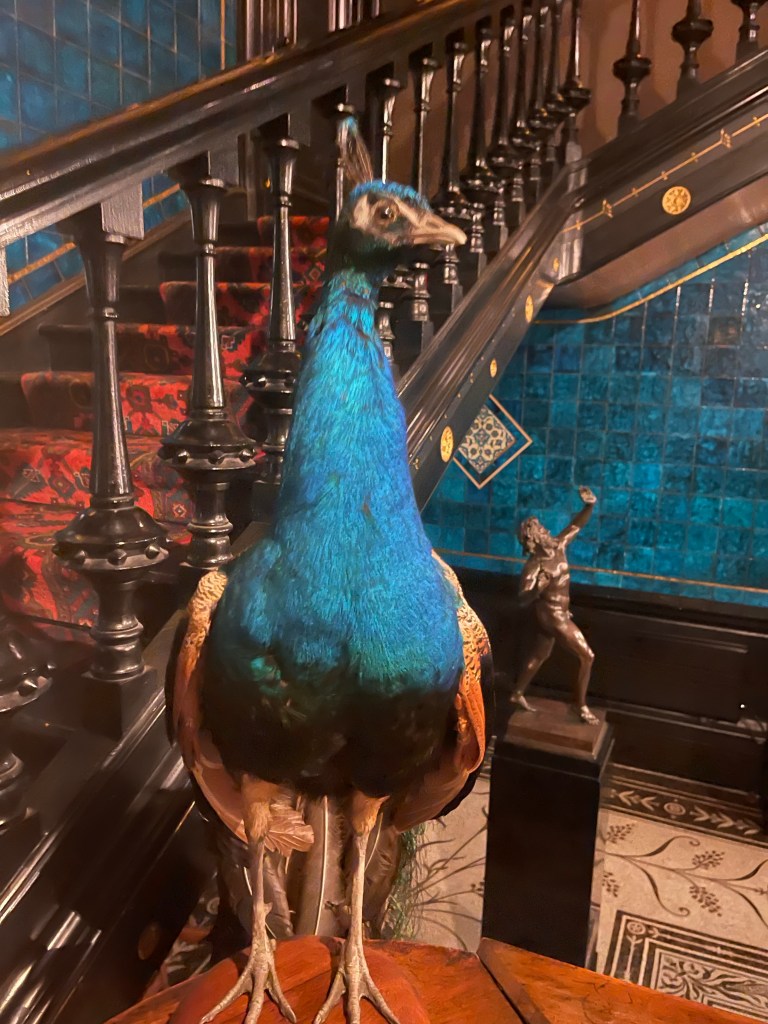
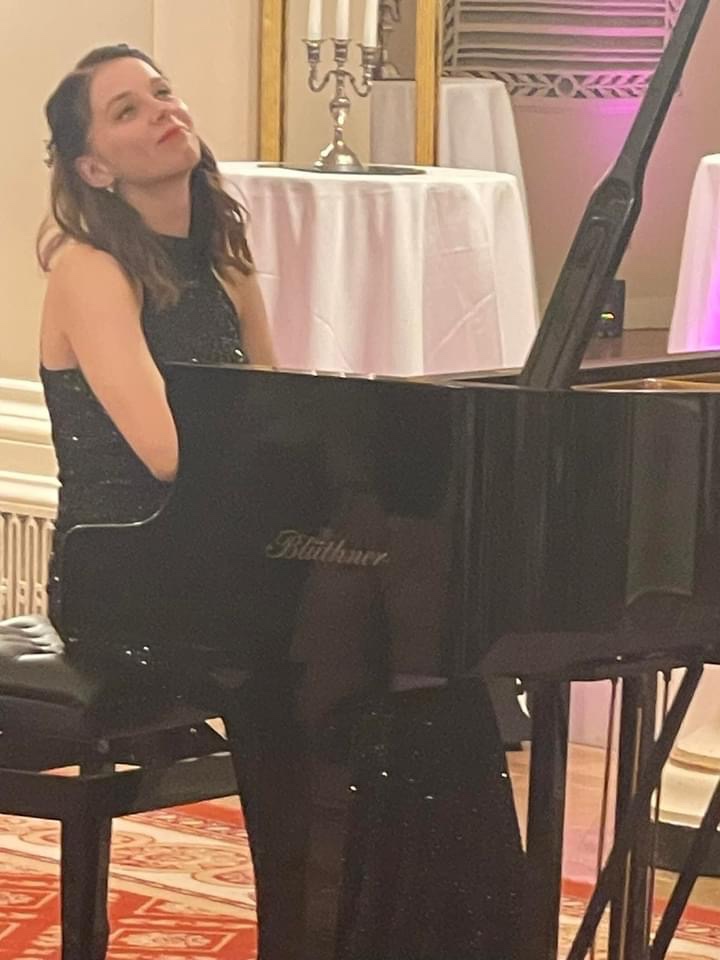
Birds of a feather they say but at Leighton house tonight it was pure coincidence that Gabrielé Sutkuté chose the same ravishing colour as the bird that sits at the foot of the imposing staircase up to the music room
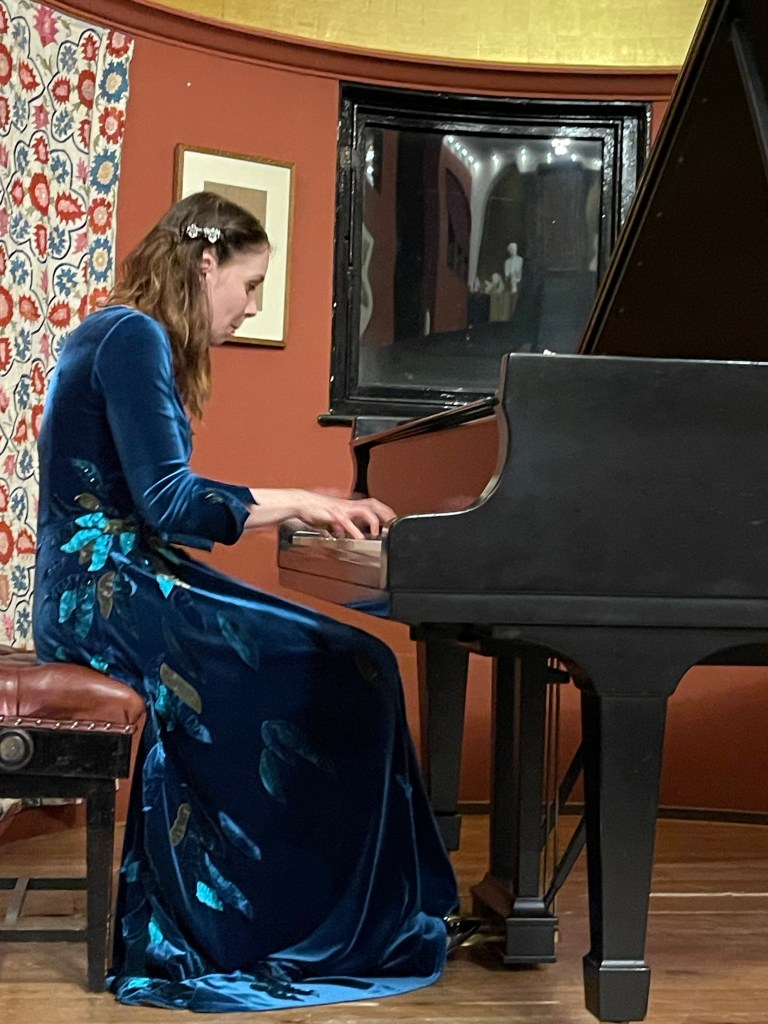
Changing in the interval into a black lamé dress worthy of Marlene Dietrich her wonderful attire paled into insignificance with playing of such of such mastery.
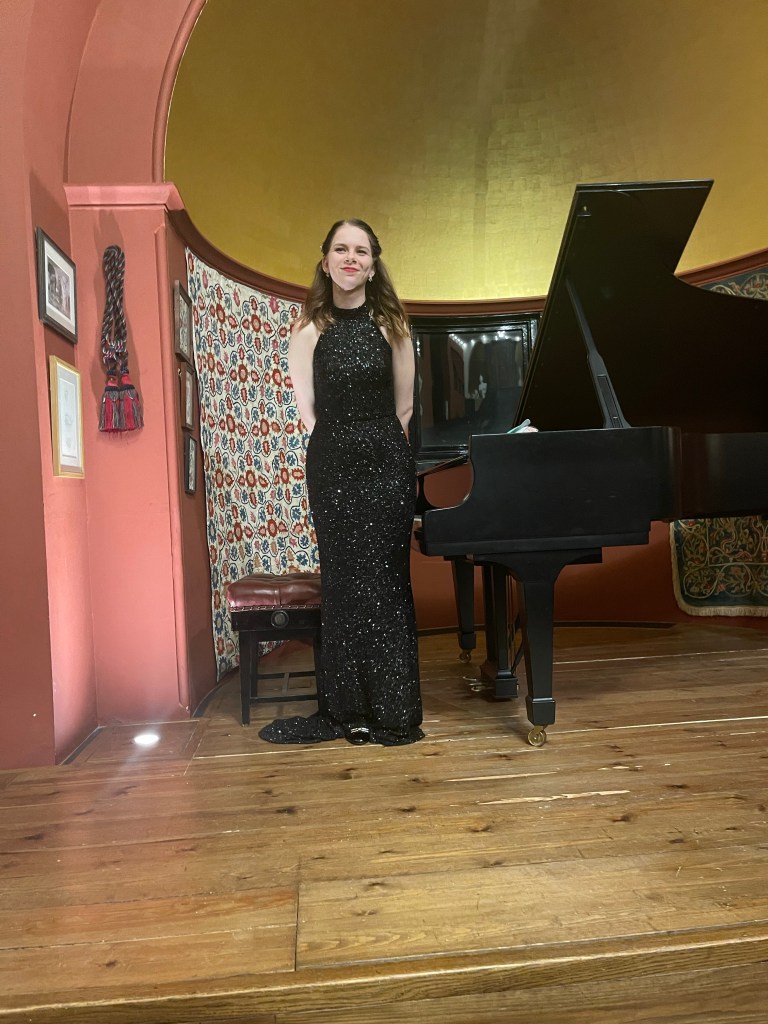
A star was truly in our midst as was obvious from the moment she was on stage hardly able to wait to tickle the keys in this sumptuous art deco music room.What fun she had looking for the ‘farmers cat’ in Haydn’s hilarious Capriccio before the earth shattering Drums and pipes of Bartok exploded onto the scene.If only our star would smile and show us how much fun she was having.
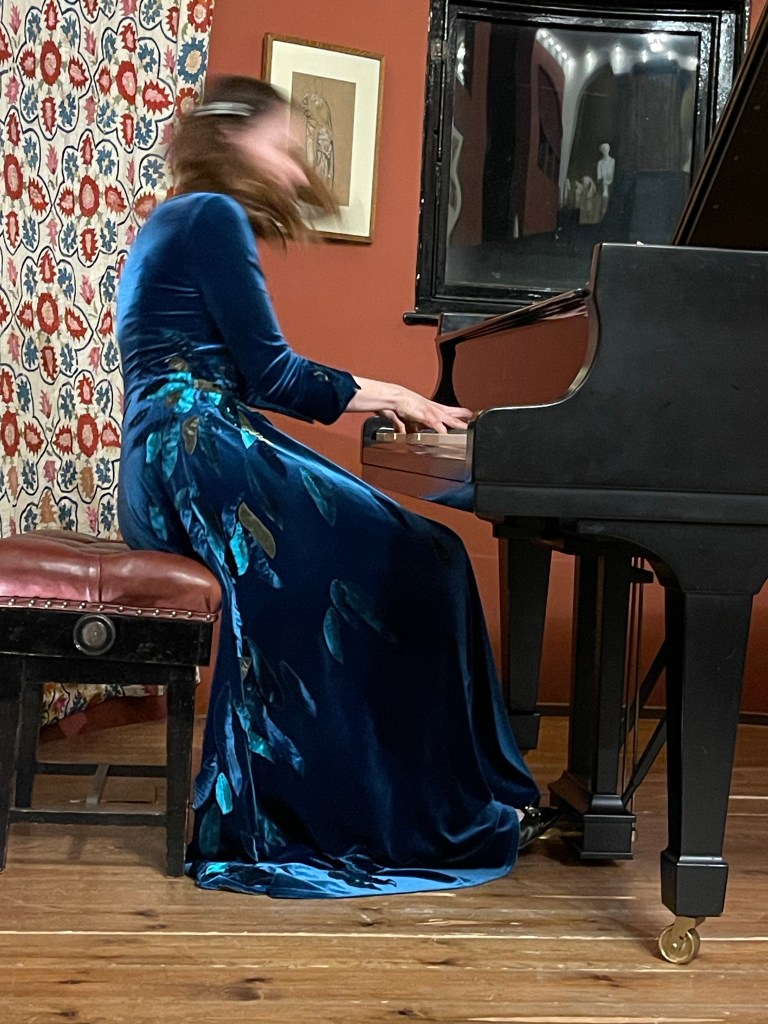
The Bartok was like an atom bomb as she attacked the piano with very unseemly vehemence.A transcendental control that took us into the bleak night mists where creatures buzzed all around the keyboard in an astonishing display of dynamic fantasy.The ‘Chase’ was now on but,who was chasing whom! No time to stop and question with such exhilaration and driving excitement.
Liszt’s delicious memories of Italy were revealed by Gabrielé with subtlety and showmanship.The Italian temperament of warmth and passionate participation for the good things in life brought Liszt’s ‘biondina’ beguilingly to life as a great Italian tenor entered the scene intoning ‘ no greater pain than this ‘ .But it was the ‘Tarantella’ that truly astonished and seduced with scintillating fireworks and mouth watering heart on sleeve sentiments.

After the interval she was transformed into a true Hollywood star with a slinky sparkling gown with the pure Parisian charm and passionate commitment of a Piaf with Debussy’s ‘La plus que lente.’
Birds that sang with such ravishingly sweet tones ,how could they ever be sad?!
It was the insinuating waltz of Ravel that astonished though as it crept in almost unobserved , gradually building in frenzied tones to a climax where all hell was let loose as our scintillating star turned into a wild animal of bravura.
Scriabin’s ‘Fantasy Sonata’ had been played with passionate involvement and glistening refined sounds never for a moment losing control of the architectural shape and swooping phrases of red hot passion.
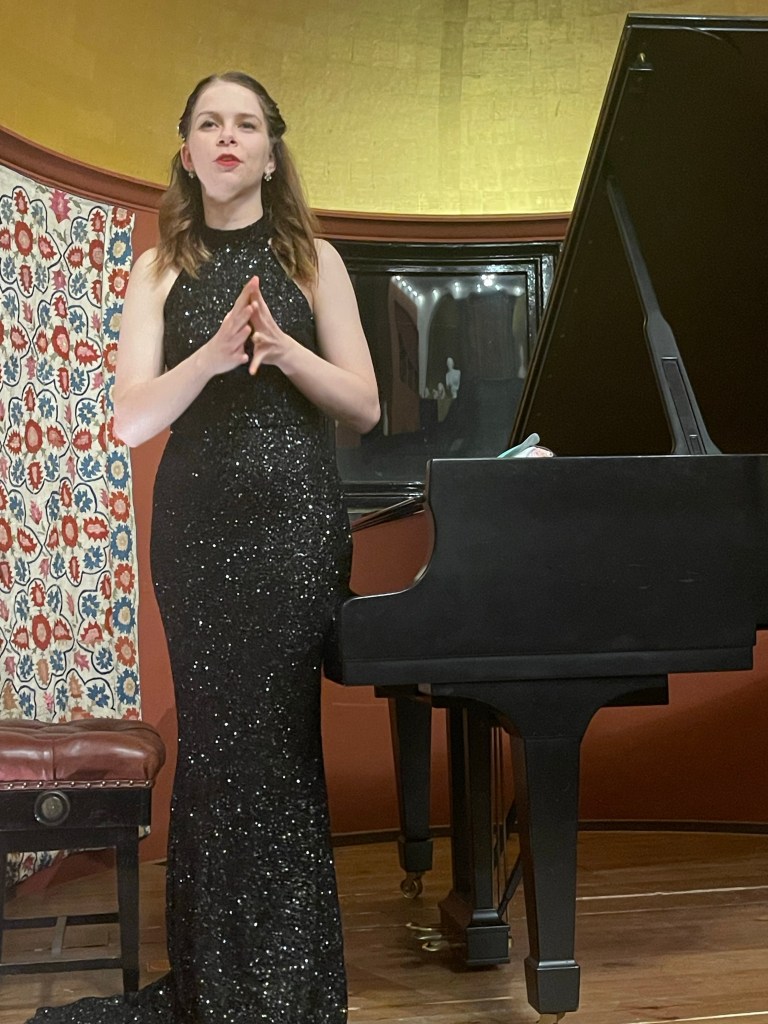
Raring to go even at the end of such a ‘tour de force’ of bravura she offered her public,most of whom were by now on their feet to cheer such a star,an even more scintillating ‘Etude Tableau’ by Rachmaninov op 39 n 1 .
A full more detailed review of the programme can be seen here in recent recitals in London :
Gabrielé Sutkuté takes Mayfair by Storm ‘passion and power with impeccable style’
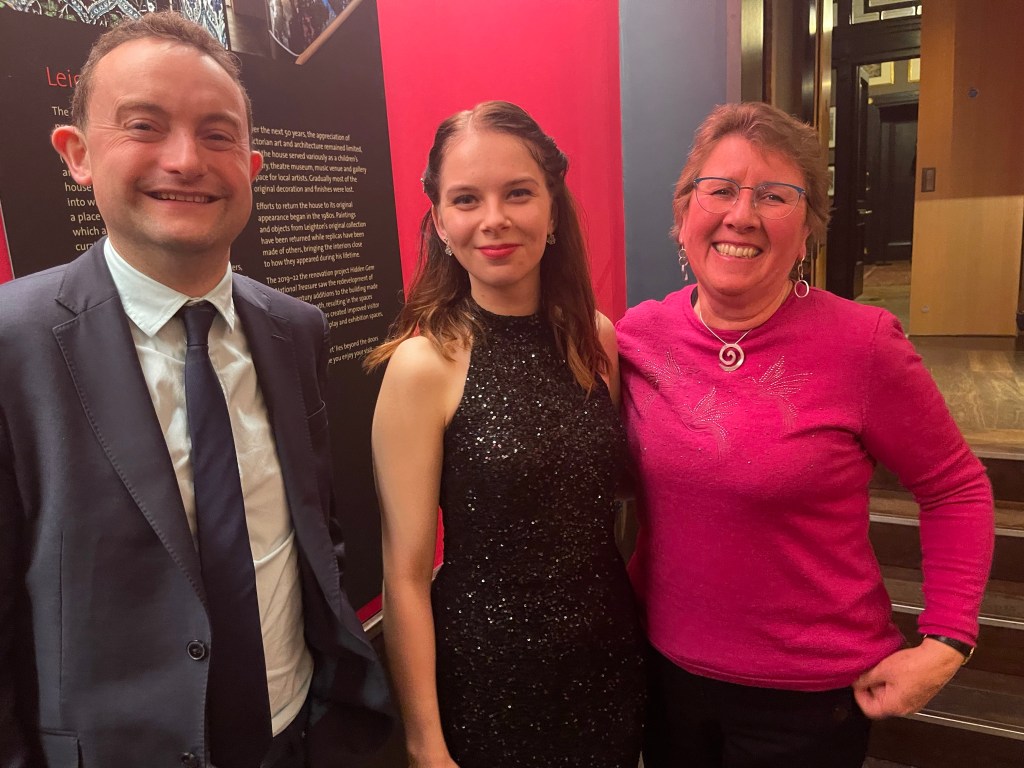
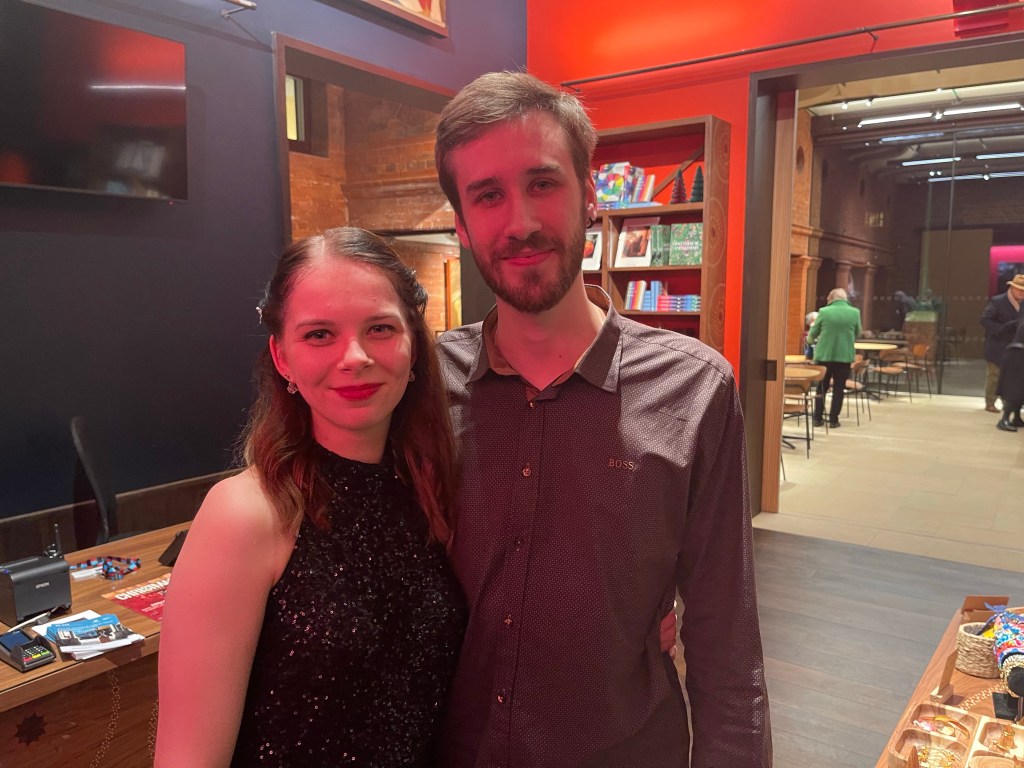

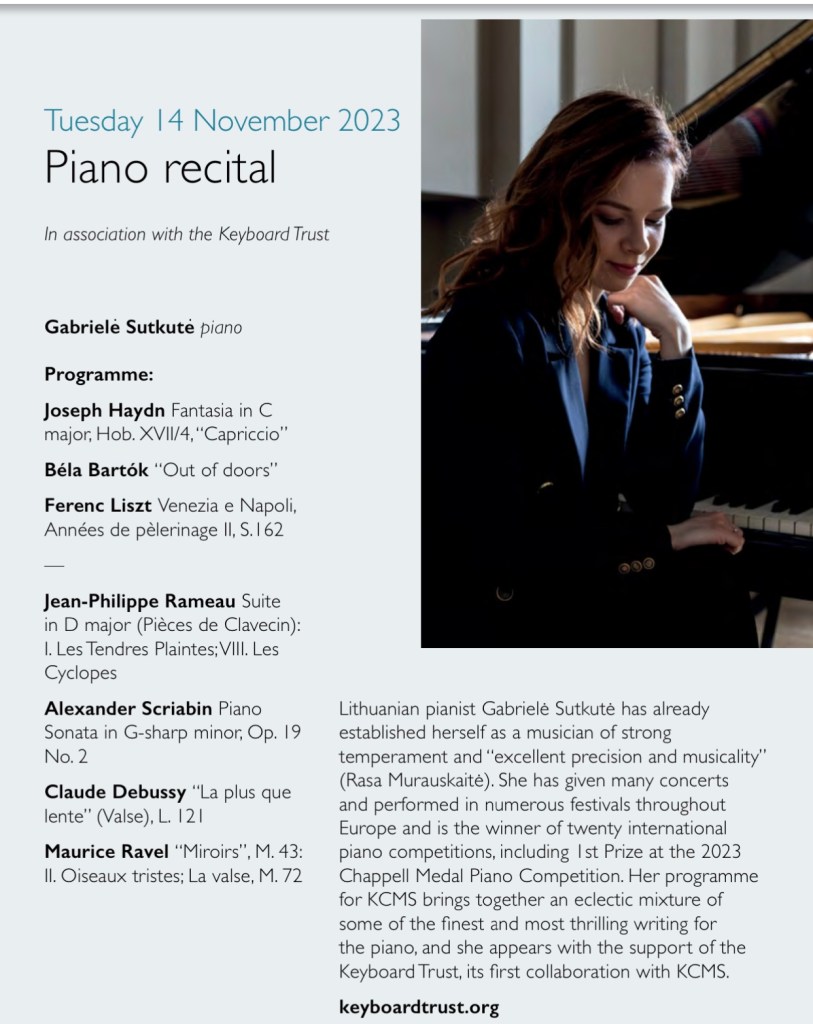
Lithuanian pianist Gabrielė Sutkutė has already established herself as a musician of strong temperament and “excellent precision and musicality” (Rasa Murauskaitė from 7 days of Art). She has given many concerts and performed in numerous festivals throughout Europe and appeared in famous halls such as the Wigmore Hall, Cadogan Hall, the Steinway Hall UK, the Musikhuset Aarhus and Lithuanian National Philharmonic Hall.
In addition to being a soloist, Gabrielė frequently performs with chamber ensembles and symphony orchestras. This year she performed Grieg’s Piano Concerto with the YMSO at the Cadogan Hall, conducted by James Blair. In 2020, she performed Rachmaninov’s 2nd Piano Concerto with the Grammy-nominated Kaunas Symphony Orchestra, conducted by Markus Huber, and was also invited to play with the renowned Kaunas String Quartet in Lithuania twice.
Gabrielė is a winner of twenty international piano competitions where she also received numerous special awards. She was awarded 1st Prize at the Chappell Medal Piano Competition 2023 and won the 2nd Prize and the Audience Prize at the Birmingham International Piano Competition 2022. For her musical achievements she received Lithuanian Republic Presidents’ certificates of appreciation six times. The pianist is also an artist at Talent Unlimited the Keyboard Trust and is the recipient of the prestigious Mills Williams Junior Fellowship 2022/23.
From 2016-22, she had been studying with Professor Christopher Elton and received her Bachelor of Music Degree (First Class Honours) and Master of Arts Degree with Distinction from the Royal Academy of Music. For the outstanding performance in her Postgraduate Final Recital, she also received a Postgraduate Diploma (DipRAM). Gabrielė was awarded a full scholarship for the Artist Diploma course at the Royal College of Music and began her studies there with Professor Vanessa Latarche and Professor Sofya Gulyak in September 2022 and graduated with honours in 2023.
https://christopheraxworthymusiccommentary.com/2023/09/13/gabriele-sutkute-takes-mayfair-by-storm-passion-and-power-with-impeccable-style/

On 26 May Haydn played his “Emperor’s Hymn” with unusual gusto three times; the same evening he collapsed and was taken to what proved to be to his deathbed.He died peacefully in his own home at 12:40 a.m. on 31 May 1809, aged 77.On 15 June, a memorial service was held in the Schottenkirche at which Mozart’s Requiem was performed. Haydn’s remains were interred in the local Hundsturm cemetery until 1820, when they were moved to Eisenstadt by Prince Nikolaus. His head took a different journey; it was stolen by phrenologists shortly after burial, and the skull was reunited with the other remains only in 1954, now interred in a tomb in the north tower of the Bergkirche!
Fantasia in C major, Hob XVII/4, “Capriccio“, is based on the Austrian folk song D’ Bäurin hat d’Katz verlor’n (“The farmer’s wife has lost her cat”).
In March 1789,Joseph Haydn wrote to the publishing company Artaria saying, “In a moment of great good humour I have completed a new Capriccio for fortepiano, whose taste, singularity and special construction cannot fail to receive approval from connoisseurs and amateurs alike. In a single movement, rather long, but not particularly difficult.”The fact that Haydn wrote the fantasia “for connoisseurs and amateurs alike” was most likely a nod to C.P.E Bach’s Für Kenner und Liebhaber (“For Connoisseurs and Amateurs”) that he had requested from Artaria the year before.However, the piece was more difficult than Haydn thought it would be, with zany virtuosity and orchestral effects, recalling the last movement of his Sonata No. 48.

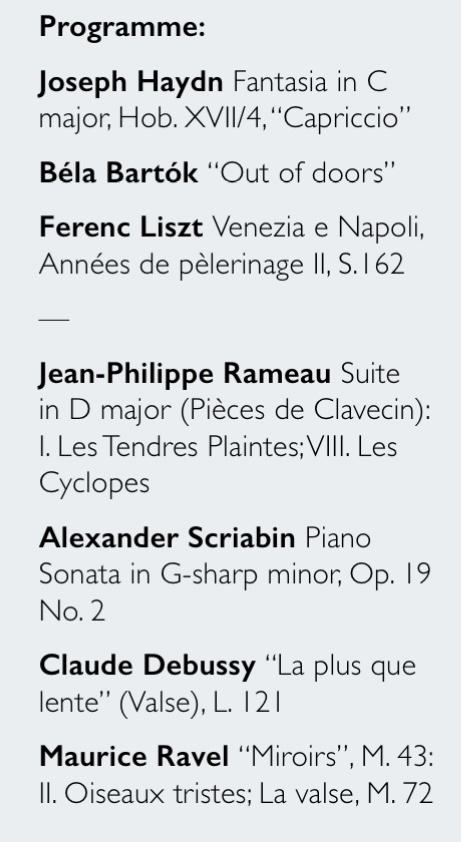
Out of Doors ,sz.81, BB 89, was written in 1926 and is among the very few instrumental compositions by Bartók with programmatic titles.A suite of five pieces :
- “With Drums and Pipes” – Pesante
- “Barcarolla” – Andante
- “Musettes” – Moderato.
- “The Night’s Music” – Lento – (Un poco) più andante
- “The Chase” – Presto.
After World War 1 (1914–1918), Bartók was largely prevented from continuing his folk music field research outside Hungary.This increased the development of his own personal style, marked by a sublimation of folk music into art music. Bartók composed Out of Doors in the ‘piano year’ of 1926,together with his Piano Sonata , his First Piano Concerto and Nine Little Pieces.
This particularly fruitful year followed a period of little compositional activity. The main trigger to start composing again was a performance on 15th March 1926 of Stravinsky’s Concerto for piano and wind instruments in Budapest with the composer as pianist. Bartók’s compositions of 1926 are thus marked by the treatment of the piano as a percussion instrument writing early 1927:
‘It seems to me that the inherent nature [of the piano tone] becomes really expressive only by means of the present tendency to use the piano as a percussion instrument.’Written for his new wife, the pianist Ditta Pásztory-Bartók – Bartok ,whom he had married in 1923 shortly after divorcing his first wife, and who had given him his second son in 1924.
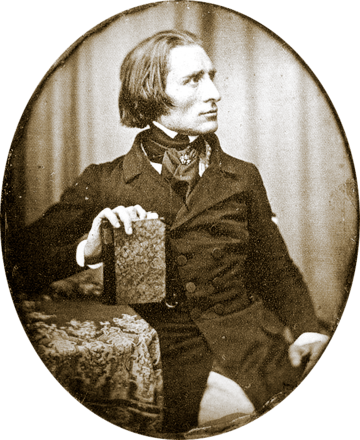
Born
22 October 1811
Doborjan,Kingdom of Hungary,Austrian Empire
Died
31 July 1886 (aged 74)
Bayreuth ,Kingdom of Bavaria German Empire,
Earliest known photograph of Liszt (1843) by Hermann Biow
Venezia e Napoli S.162 was composed in 1859 as a partial revision of an earlier set with the same name composed around 1840. There are three movements :
- Gondoliera (Gondolier’s Song) in F♯ major – Based on the song “La biondina in gondoletta” by Giovanni Battista Peruchini.
- Canzone (Canzone ) in E♭ minor – Based on the gondolier’s song “Nessun maggior dolore” from Rossini’s Otello
- Tarantella in G minor – Uses themes by Guillaume-Louis Cottrau, 1797–1847. It is interesting to note as Leslie Howard has pointed out that Canzone and Tarantella are linked by a very specific pedal indication by the composer.
Published in 1861 as a supplement to the Second Year of Années de pèlerinage which are widely considered as the masterwork and summation of Liszt’s musical style and are in three volumes Liszt wrote ‘Having recently travelled to many new countries, through different settings and places consecrated by history and poetry; having felt that the phenomena of nature and their attendant sights did not pass before my eyes as pointless images but stirred deep emotions in my soul, and that between us a vague but immediate relationship had established itself, an undefined but real rapport, an inexplicable but undeniable communication, I have tried to portray in music a few of my strongest sensations and most lively impressions.’
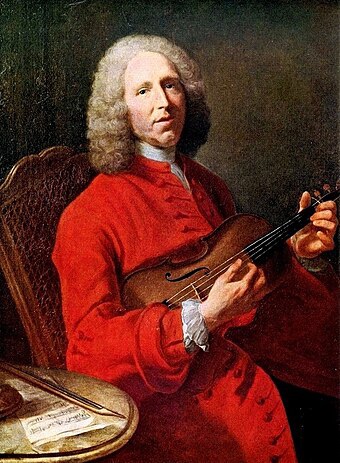
Jean-Philippe Rameau, by Joseph Aved, 1728
The French Baroque composer Jean – Philippe Rameau wrote three books of Pièces de clavecin for the harpsichord .The first, Premier Livre de Pièces de Clavecin, was published in 1706 ; the second, Pièces de Clavessin, in 1724; and the third, Nouvelles Suites de Pièces de Clavecin, in 1726 or 1727. They were followed in 1741 by Pièces de clave in En concerts, in which the harpsichord can either be accompanied by violin (or flute) and viola da gamba or played alone. An isolated piece, “La Dauphine“, survives from 1747.
The two played tonight are from 1724 and are the first and eighth from his Suite in D : Les Tendres Plaintes – Les Cyclopes
- Les Tendres Plaintes. Rondeau .An almost tongue-in-cheek character piece, with a title so hackneyed that Rameau was surely poking a bit of fun: Les tendres plaintes (‘The tender sighs ‘) It is nevertheless a ravishing pearl piece , and Rameau clearly thought enough of it to rework it as a ballet movement in Zoroastre (1749).
- Les Niais de Sologne – Premier Double des Niais – Deuxième Double des Niais
- Les Soupirs. Tendrement
- La Joyeuse. Rondeau
- La Follette. Rondeau
- L’Entretien des Muses
- Les Tourbillons. Rondeau
- Les Cyclopes. Rondeau. Is the jewel of the set with a musical description of the mythological smithies who forged Jupiter’s thunderbolts in the deep recesses of the Earth. Here Rameau uses his special technique of ‘batteries’ which he claimed to have invented. As he explains in the preface to the 1724 collection: ‘In one of the batteries the hands make between them the consecutive movement of two drumsticks; and in the other, the left hand passes over the right to play alternately the bass and treble.’ Incidentally, Les cyclopes is believed to be one of the pieces played by the Jesuit Amiot before the Chinese Emperor; sadly, it seems to have not made much of an impression.
- Le Lardon. Menuet
- La Boiteuse
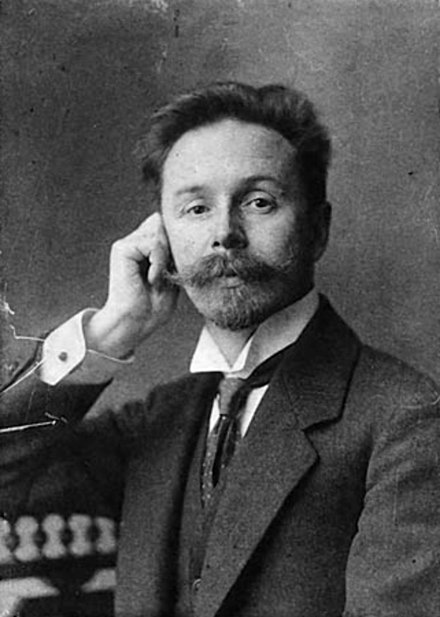
Alexander Nikolayevich Scriabin
Born
25 December 1871 ( 6 January 1872) Moscow Russian Empire
Died
14 April 1915 (aged 43)
Moscow Russian Empire
Scriabin’s Piano Sonata No. 2 in G-sharp minor,op 19, Sonata-Fantasy took five years for him to write. It was finally published in 1898, at the urging of his publisher.It is the second of ten sonatas plus an early but youthful Sonata published after his death which shows an astonishingly sure hand developing in the fourteen-year-old.
There are two movements, with a style combining Chopin -like Romanticism with an impressionistic touch. Scriabin described the Sonata : “The first section represents the quiet of a southern night on the seashore; the development is the dark agitation of the deep, deep sea. The E major middle section shows caressing moonlight coming up after the first darkness of night. The second movement represents the vast expanse of ocean in stormy agitation.”
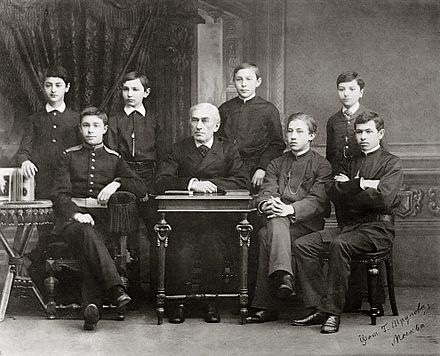
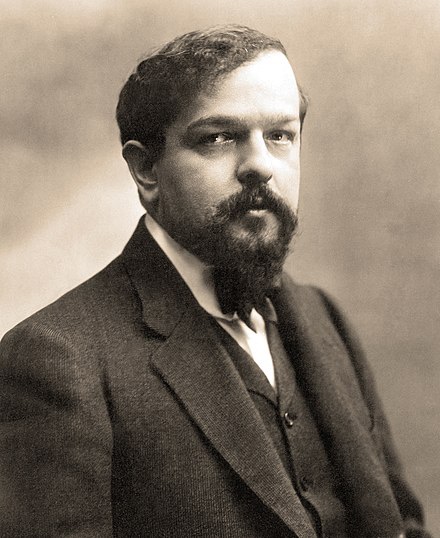
(Achille) Claude Debussy
22 August 1862 – 25 March 1918
La plus que lente L.121 was written for solo piano in 1910,shortly after his publication of the Préludes Book 1.It was first played at the New Carlton Hotel in Paris, where it was transcribed for strings and performed by the popular ‘gipsy’ violinist, Léoni, for whom Debussy wrote it (and who was given the manuscript by the composer).”La plus que lente is, in Debussy’s wryly humorous way, the valse lente to outdo all others.”It is marked “Molto rubato con morbidezza” indicating Debussy’s encouragement of a flexible tempo.
During the same year of its composition, an orchestration of the work was conceived, but Debussy opposed the score’s heavy use of percussion and proposed a new one, writing to his publisher:
“Examining the brassy score of La plus que lente, it appears to me to be uselessly ornamented with trombones,kettle drums,triangles , etc., and thus it addresses itself to a sort of de luxe saloon that I am accustomed to ignore!—there are certain clumsinesses that one can easily avoid! So I permitted myself to try another kind of arrangement which seems more practical. And it is impossible to begin the same way in a saloon as in a salon. There absolutely must be a few preparatory measures. But let’s not limit ourselves to beer parlours. Let’s think of the numberless five-o’-clock teas where assemble the beautiful audiences I’ve dreamed of.” Claude Debussy, 25 August 1910
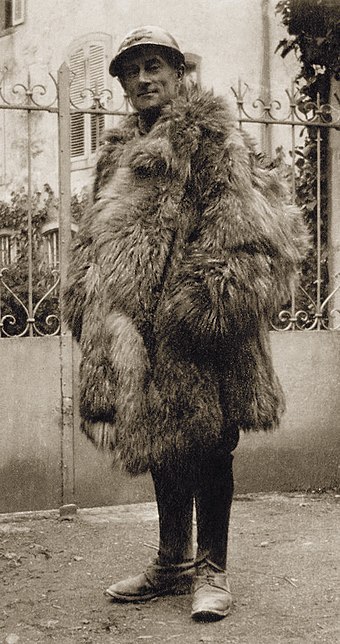
Photo of Ravel in the French Army in 1916.
Ravel finally joined the Thirteenth Artillery Regiment as a lorry driver in March 1915, when he was forty.Stravinsky expressed admiration for his friend’s courage: “at his age and with his name he could have had an easier place, or done nothing”.Some of Ravel’s duties put him in mortal danger, driving munitions at night under heavy German bombardment.
Oiseaux tristes” (“Sad Birds”) is dedicated to Ricardo Vines, and is a lone bird whistling a sad tune, after which others join in. The excited middle section is offset by a cadenza which brings back the melancholy mood of the beginning.Written between 1904 and 1905 and first performed by Vines in 1906, Miroirs contains five movements, each dedicated to a fellow member of the French avant-Garde artist group ‘Les Apaches’.
The idea of La valse began first with the title “Vienne” as early as 1906, where Ravel intended to orchestrate a piece in tribute to the waltz form and to Johann Strauss.As he himself stated:’You know my intense attraction to these wonderful rhythms and that I value the joie de vivre expressed in the dance much more deeply than Franckist puritanism.’Ravel completely reworked his idea of Wien into what became La valse, which was to have been written under commission from Diaghilev as a ballet. However, he never produced the ballet after hearing a two-piano reduction performed by Ravel and Marcelle Meyer saying it was a “masterpiece” but rejected Ravel’s work as “not a ballet. It’s a portrait of ballet”. Ravel, hurt by the comment, ended the relationship and when the two men met again during 1925, Ravel refused to shake Diaghilev’s hand. Diaghilev challenged Ravel to a duel, but friends persuaded Diaghilev to recant. The men never met again.Ravel described La valse with the following preface to the score:
‘Through whirling clouds, waltzing couples may be faintly distinguished. The clouds gradually scatter: one sees at letter A an immense hall peopled with a whirling crowd. The scene is gradually illuminated. The light of the chandeliers bursts forth at the fortissimo letter B. Set in an imperial court, about 1855.’
 ChristopherAxworthy-MusicCommentary
Una risposta a "Gabrielé Sutkuté at Leighton House ‘a star is born’"