

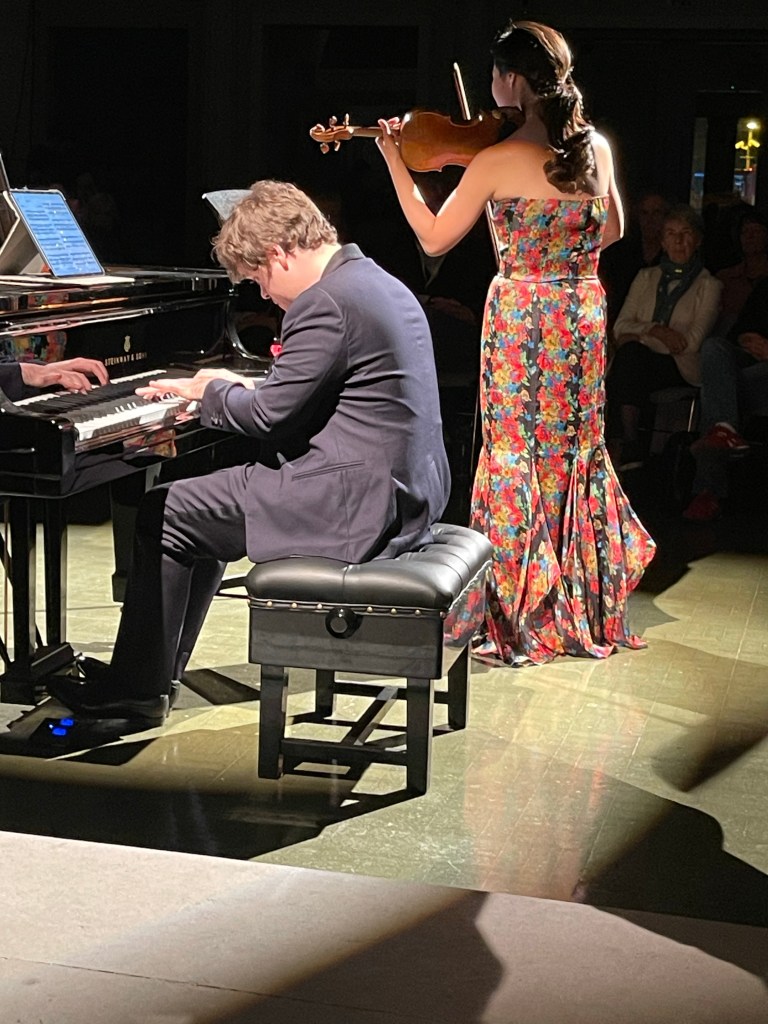
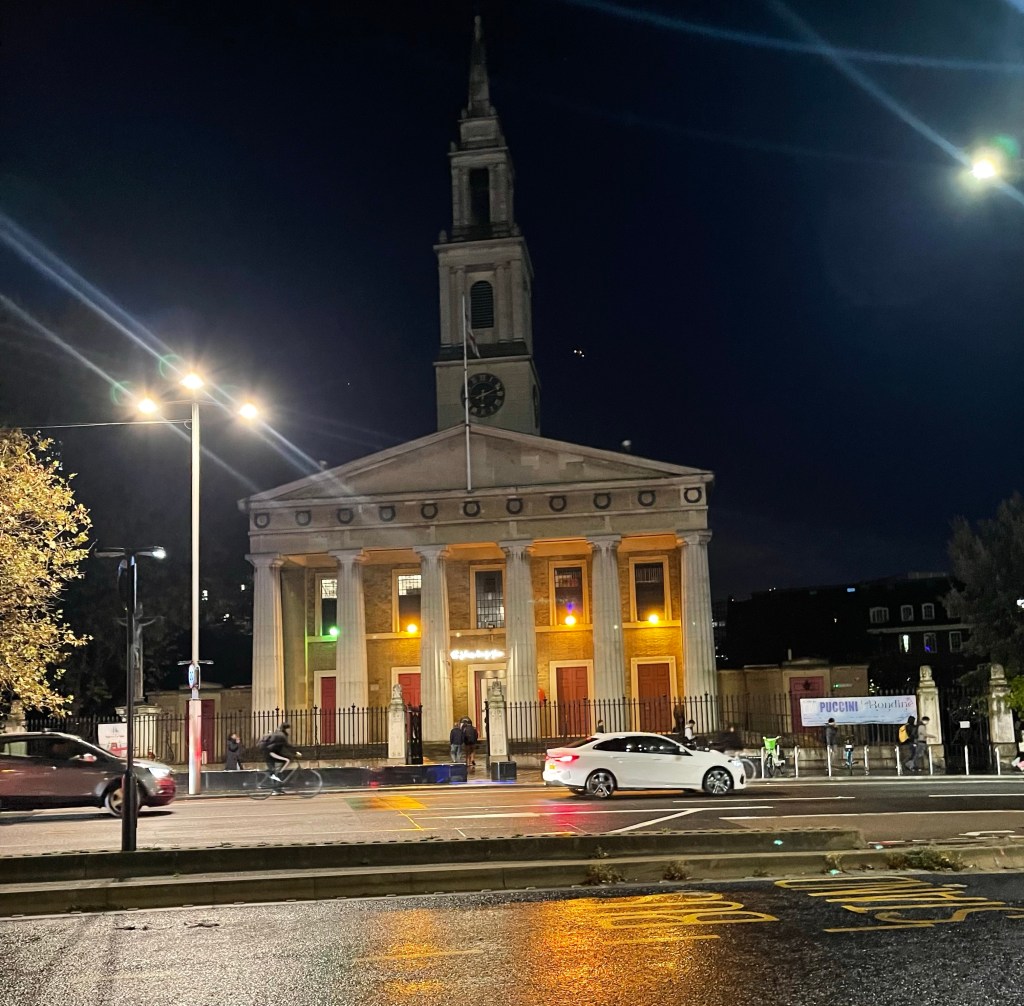
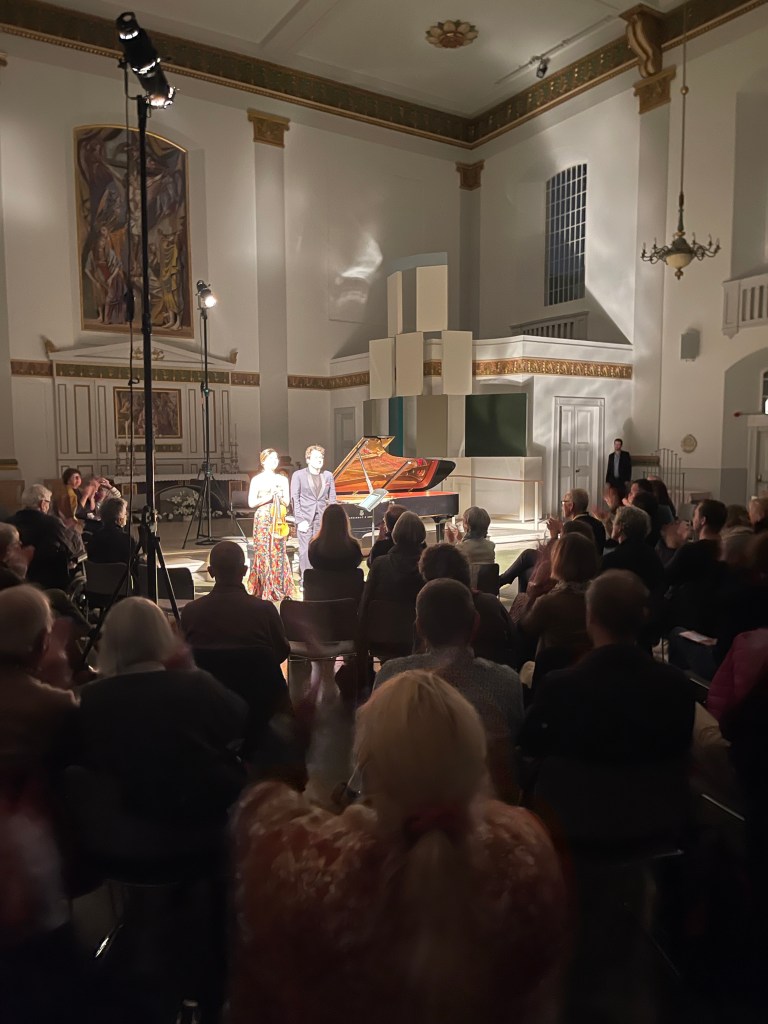
The ‘Spotlight’ was certainly on St John’s Waterloo tonight with a superb concert by Hyeoon Park and Benjamin Grosvenor
Superb chamber music playing each listening to the other as they played with cat and mouse like attention.
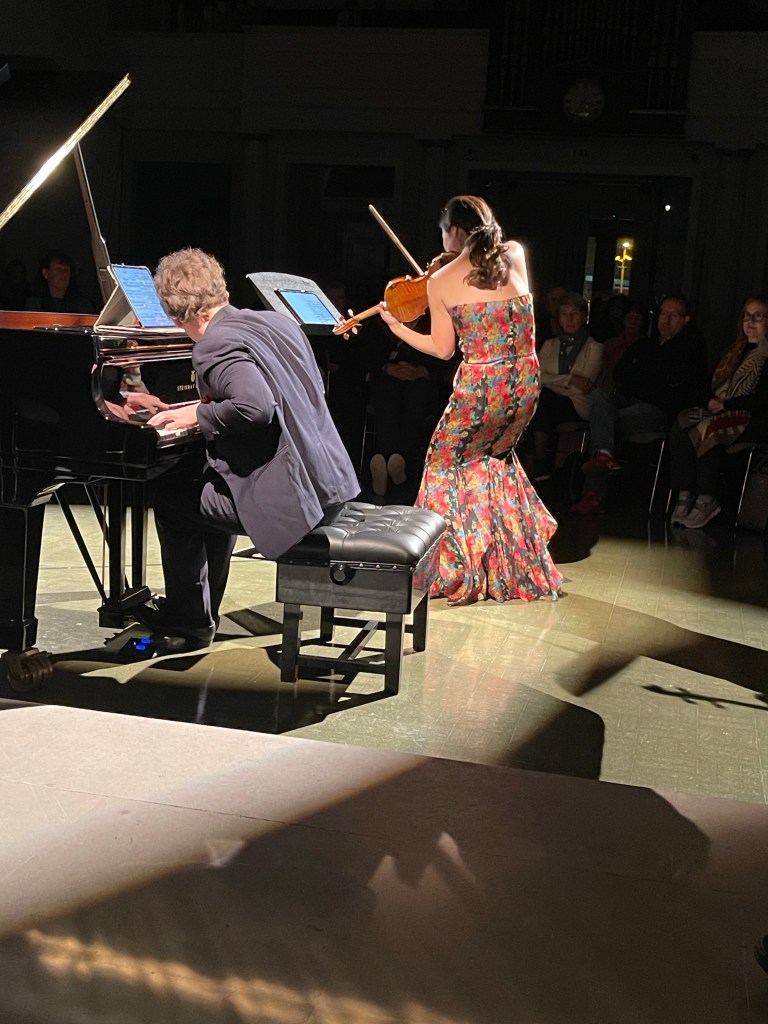
A continuous stream of music making that was like circus entertainers on the high wire who with superb balance and control manage to stay on high without ever even the thought that they might fall off. Ravishing sumptuous sounds from the piano were matched by the searing intensity of the violin.
From the piano’s very first sombre chords of quiet brooding intensity in the Vaughan Williams the violin just soared into the heights.A magic spell was cast from the Lark allowed to ascend into truly celestial regions on high.
Passing through Takemitsu’s evocative ‘Distance de fée’ we were treated to an astonishingly insinuating performance of the Debussy Sonata that was a very welcome addition to the programme .It was remarkable for its ravishing colour and passionate intensity.
Even Grieg’s C minor Sonata was played with the care,burning intensity and intelligent musicianship usually reserved only for the ‘Kreutzer’.
A monumental performance where the piano’s heart rending delicacy in the second movement was matched by the ravishing intensity of the violin.
A magnificent performance of a much neglected work that tonight was restored to all it’s glory by these two great artists that was eagerly devoured by all those lucky to be present.
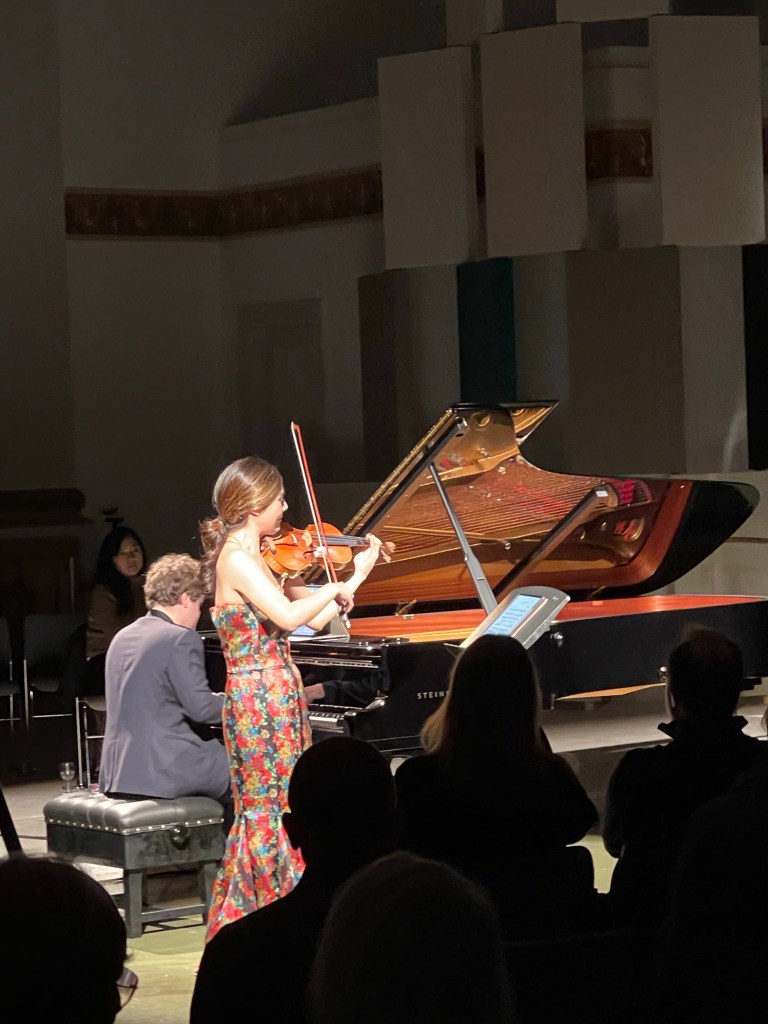
But the best was still to come with a heart rending performance of Elgar’s ‘Salut D’Amour’ that will remain in my memory for long to come.





22 August 1862 – 25 March 1918
The Debussy sonata for violin and piano in G minor, L.140, was written in 1917. It was the composer’s last major composition.The premiere took place on 5 May 1917, the violin part played by Gaston Poulet , with Debussy himself at the piano. It was his last public performance.
The work has three movements:
- Allegro vivo
- Intermède: Fantasque et léger
- Finale: Très animé
The unfinished sonatas
Six sonatas for various instruments (French: Six sonates pour divers instruments) was a projected cycle of sonatas that was interrupted by the composer’s death in 1918, after he had composed only half of the projected sonatas. He left behind his sonatas for cello and piano 1915), flute, viola and harp (1915), and violin and piano (1916–1917).Debussy wrote in the manuscript of his violin sonata that the fourth sonata should be written for oboe, horn,and harpsichord and the fifth for trumpet, clarinet, bassoon and piano.
From 1914, the composer, encouraged by the music publisher Jacques Durand intended to write a set of six sonatas for various instruments, in homage to the French composers of the 18th century. The effects of the First World War and an interest in baroque composers Couperin and Rameau inspired Debussy as he was writing the sonatas.
Durand, in his memoirs entitled Quelques souvenirs d’un éditeur de musique, wrote the following about the sonatas’ origin:
‘After his famous String Quartet, Debussy had not written any more chamber music. Then, at the Concerts Durand, he heard again the Septet with trumpet by Saint-Saëns and his sympathy for this means of musical expression was reawoken. He admitted the fact to me and I warmly encouraged him to follow his inclination. And that is how the idea of the six sonatas for various instruments came about.’
In a letter to the conductor Bernard Molinari, Debussy explained that the set should include “different combinations, with the last sonata combining the previously used instruments”. His death on 25 March 1918 prevented him from carrying out his plan, and only three of the six sonatas were completed and published by Durand, with a dedication to his second wife, Emma Bardac.
For the final and sixth sonata, Debussy envisioned a concerto where the sonorities of the “various instruments” combine, with the gracious assistance of the double bass.
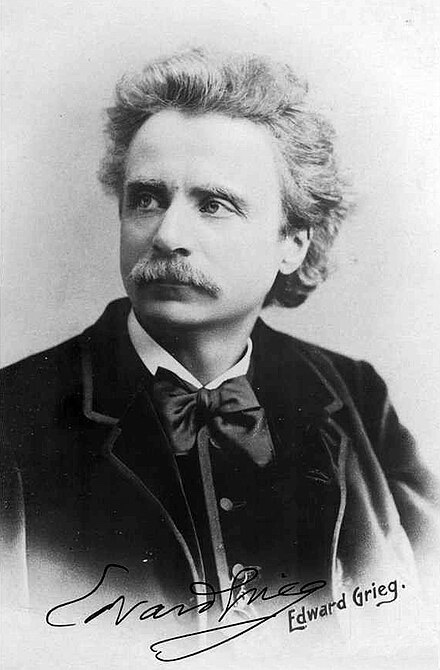
Grieg began composing his third and final violin sonata in the autumn of 1886. Whereas the first two sonatas were written in a matter of weeks, this sonata took him several months to complete.Although there were only two years between the first two violin sonatas, the Violin Sonata No 3 in C minor, Op 45, was not to follow for almost two decades: the last piece of chamber music Grieg completed, it was composed—at Grieg’s home, Troldhaugen, outside Bergen—in the second half of 1886, just spilling into the first days of 1887.The sonata is in three movements The second movement opens with a serene piano solo in E major with a lyrical melodic line. In the middle section, Grieg uses a playful dance tune. It also exists in a version for cello and piano that Grieg composed during the same time as the violin version and given to his brother as a birthday gift in May 1887, but appeared in print only in 2005 (by Henle).
Allegro molto ed appassionato – Allegretto espressivo alla Romanza – Allegro animato – Prestissimo
The sonata remains the most popular of the three works, and has established itself in the standard repertoire. The work was also a personal favorite of Grieg’s. Grieg played the piano part in the premiere, in the Leipzig Gewandhaus on 10 December 1887; the violinist was the eminent Adolph Brodsky, who had given the first performance of the Tchaikovsky Concerto six years earlier (and was later head of the Royal Manchester School of Music)To a certain extent, Grieg built on Norwegian folk melodies and rhythms in this three-movement sonata. However, Grieg considered the second sonata as the “Norwegian” sonata, while the third sonata was “the one with the broader horizon.” This was the last piece Grieg composed using sonata form.
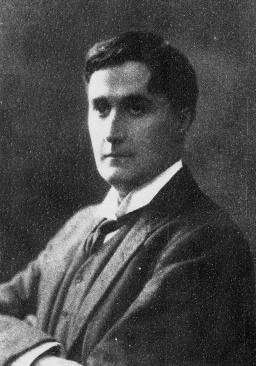
Ralph Vaughan Williams
October 1872 – 26 August 1958)
The Lark Ascending was inspired by the 1881 poem by the English writer George Meredith . It was originally for violin and piano, completed in 1914, but not performed until 1920. The composer reworked it for solo violin and orchestra after the First World War and it is this version, in which the work is chiefly known, was first performed in 1921.
The composer’s second wife, Ursula wrote that in The Lark Ascending Vaughan Williams had “taken a literary idea on which to build his musical thought … and had made the violin become both the bird’s song and its flight, being, rather than illustrating the poem from which the title was taken”.At the head of the score, Vaughan Williams wrote out twelve lines from Meredith’s 122-line poem:
He rises and begins to round,
He drops the silver chain of sound,
Of many links without a break,
In chirrup, whistle, slur and shake.
For singing till his heaven fills,
‘Tis love of earth that he instils,
And ever winging up and up,
Our valley is his golden cup
And he the wine which overflows
to lift us with him as he goes.
Till lost on his aerial rings
In light, and then the fancy sings.
The soloist for whom the work was written and to whom it is dedicated was Marie Hall ,a leading British violinist of the time, a former pupil of Edward Elgar and celebrated for her interpretation of that composer’s violin concerto .She gave the first performance with the pianist Geoffrey Mendham (1899–1984) at the Shirehampton Hall on 15 December 1920 and was again the soloist in the first performance of the orchestral version, in the Queen’s Hall , London, on 14 June 1921, at a concert presented by the British Music Society. The british Symphony Orchestra was conducted by Adrian Boult
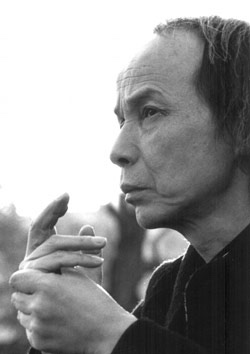
“Distance de fée” created in 1951, one of the best pieces of Takemitsu’s early period. The spirit of Debussy and Messiaen are fully felt in this work of approximately 7 and 1/2 minutes duration. Messiaen’s octatonic scale is used in the tonal language. The opening lyrical theme is repeated several times, and finds a new pathway upon each return – this is a version of variation as well as rondo form, two of Takemitsu’s favorite compositional procedures. This piece, like many others by Takemitsu, was inspired by poetry, in this case, a poem of the same title by Shuzo Takiguchi (1903-1979). This work describes, with lightly mythological imagery, an elusive, transparent creature living in “air’s labyrinth … it lives in the spring breeze That barely resembled the balance of a small bird”

Elgar’s Salut d’Amour (Liebesgruß), Op. 12 was written in July 1888, when he was romantically involved with Caroline Alice Roberts and he called it “Liebesgruss” (‘Love’s Greeting’) because of Miss Roberts’ fluency in German. On their engagement she had already presented him with a poem “The Wind at Dawn ” which he set to music and, when he returned home to London on 22 September from a holiday he gave her Salut d’Amour as an engagement present.The dedication was in French: “à Carice”. “Carice” was a combination of his wife’s names Caroline Alice, and was the name to be given to their daughter born two years later.Salut d’amour” is one of Elgar’s best-known works and has inspired numerous arrangements for widely varying instrumental combinations. There are also versions with lyrics in different languages, for example the song “Woo thou, Sweet Music” with words by A. C. Bunten,[5] and “Violer” (Pansies) in Swedish.
Benjamin Grosvenor at the Proms The reincarnation of the Golden Age of piano playing
 ChristopherAxworthy-MusicCommentary