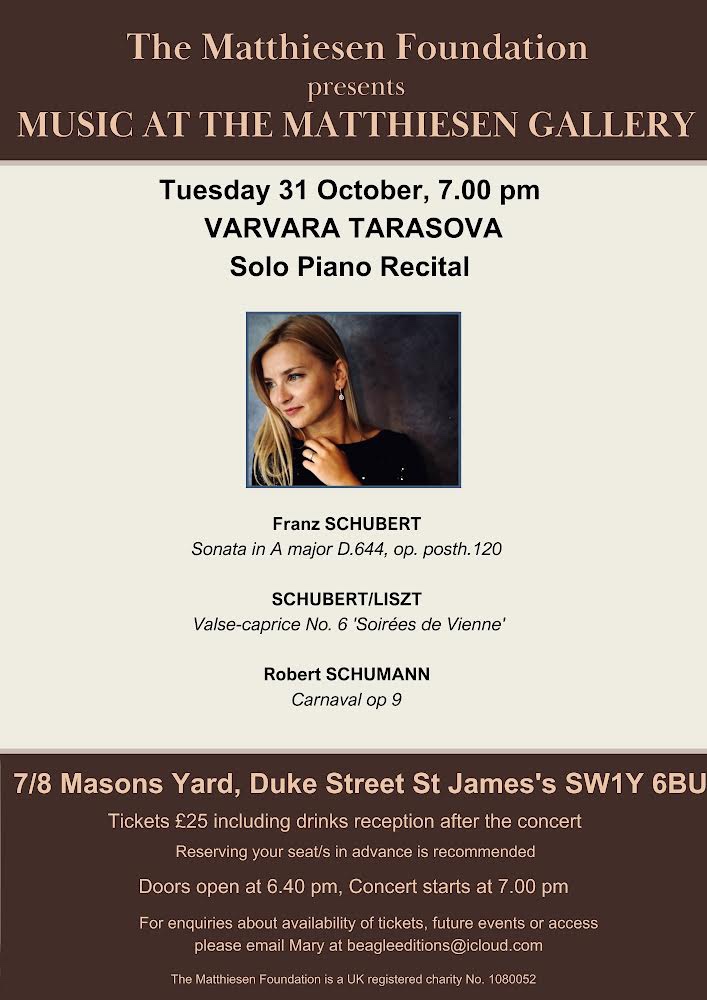

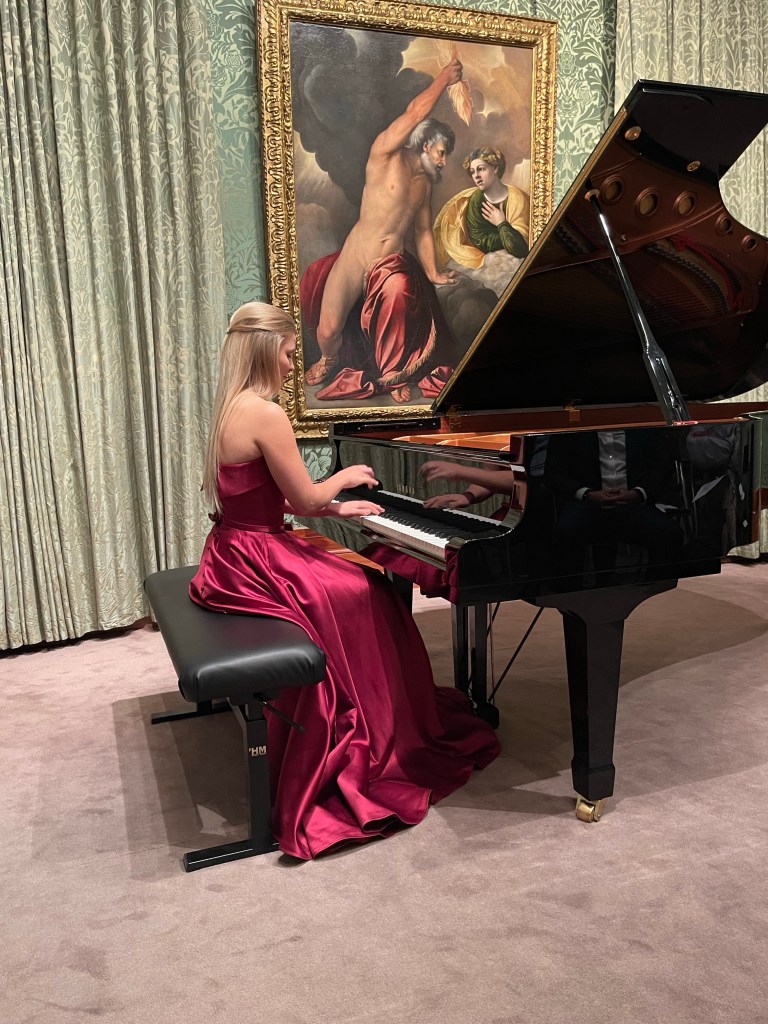
Beautiful music surrounded by magnificent paintings and played by a beautiful young pianist .
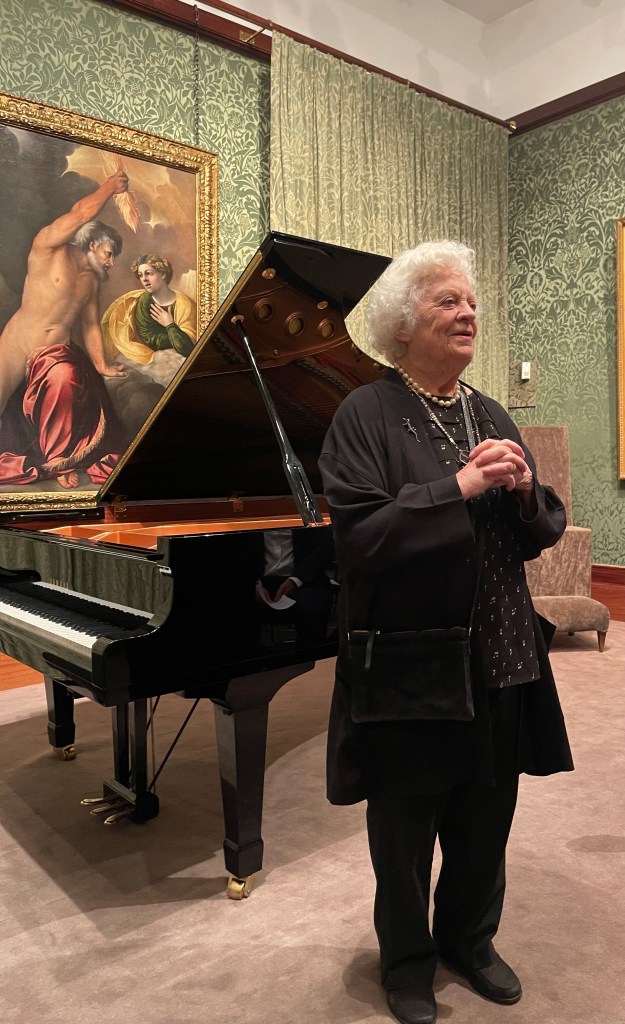
Thank you Mary Orr for arranging such a treat for Halloween.
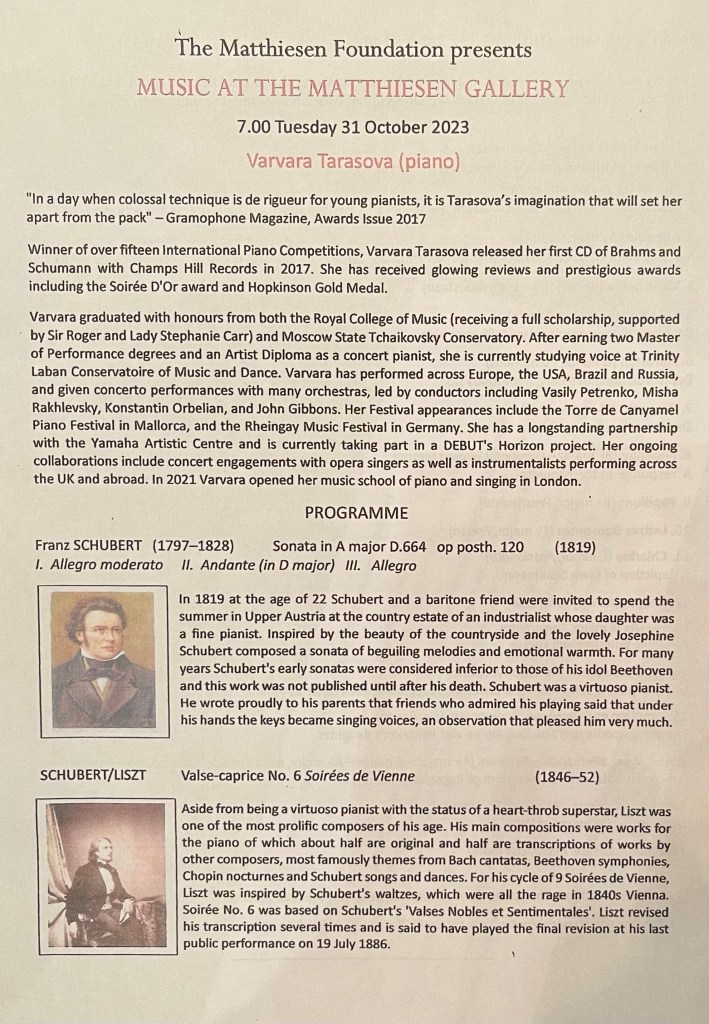
In the sumptuous Matthiesen Gallery in Mayfair Varvara Tarasova started her programme with the shortest but most mellifluous Sonata by Schubert of pure innocent beauty.
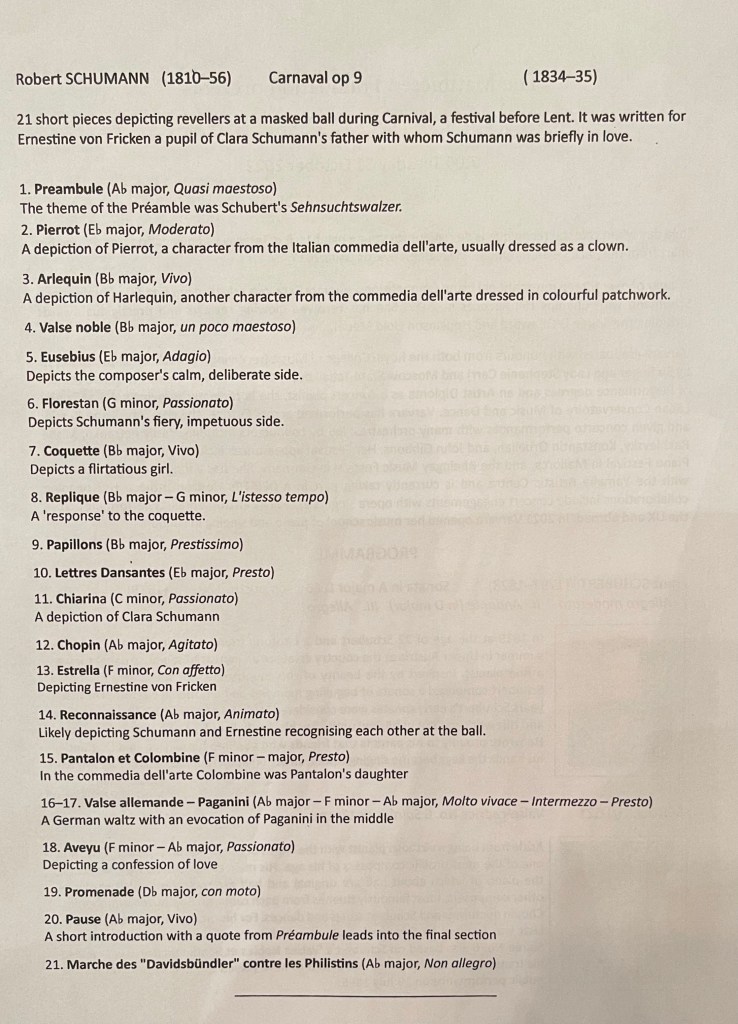
Schumann’s monumental Carnaval filled this rarified atmosphere with a parade of mignons aided and abetted by Schumann’s duel characters of Florestan and Eusebius.
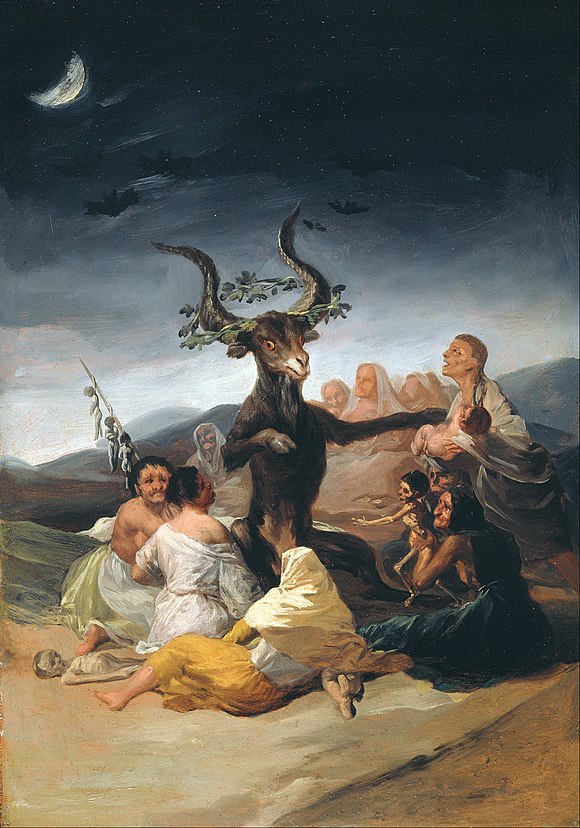
Scintillating charm and exquisite playing of two of Liszt’s most beguiling miniatures:.Liszt’s irresistible elaboration of Schubert with his Soirées de Vienne n.6 and one of his three concert studies ,La Leggerezza,completed this oasis of peace and beauty on La notte delle streghe (The witches sabbath)
Rain and confusion all around but reinforced by such beauty after only an hour we are ready to go into battle in the big city outside.
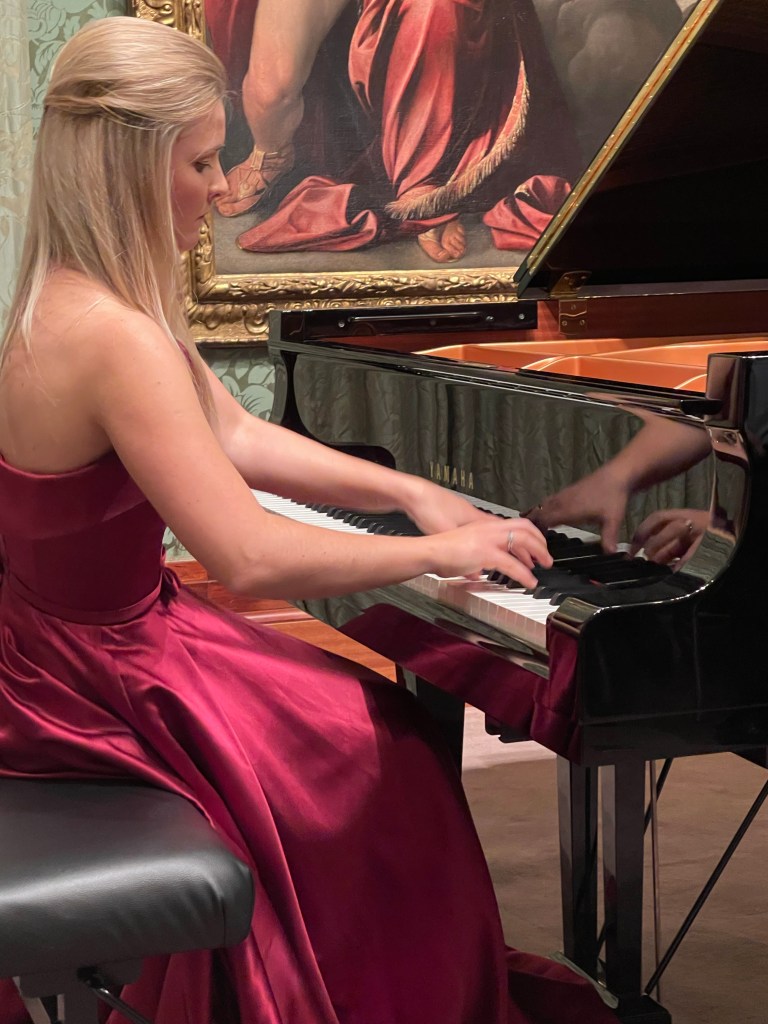
She shared beautifully whispered secrets in the Andante with us,the pulsating melodic line played so sensitively.The final apparition of the theme was shadowed so miraculously as it drew this sumptuous oasis to an exquisite close.The Allegro just sprang from her well oiled fingers with innocent charm and playfulness.Sweeping harmonies were spread over the entire keyboard with consummate ease reaching to an almost passionate climax.But it was the innocent charm of the Rondo theme that stole our hearts .
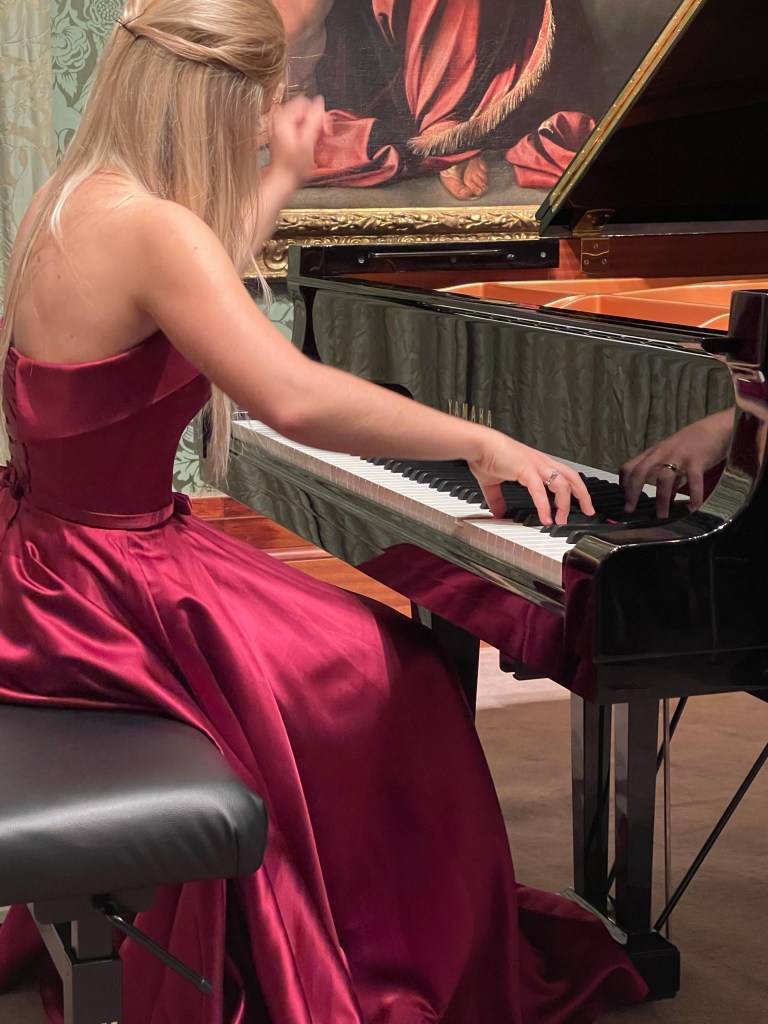
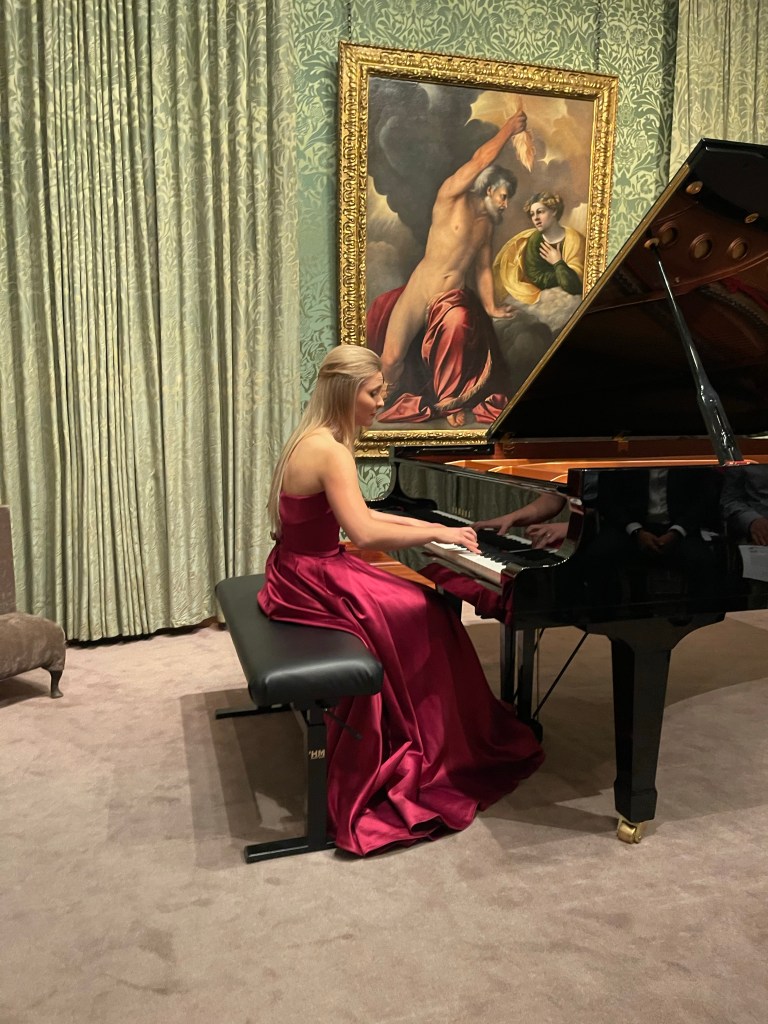
The arresting opening of ‘Préamble’ was immediately answered by the weary antics of ‘Pierrot’ gently being given a shove by Florestan.’Arlequin’flew in from this window with quixotic charm and vivacity.The ‘Valse Noble’ played with passion and ravishing colour.There was a whispered gentleness to her playing of ‘Eusebius’ which was immediately encountered by the hi-jinx again of ‘Florestan’ with Varvara’s agile fingers able to keep his leaping around and sudden nostalgic memories of forgotten butterflies ( op.2) under control.The insinuating charm of ‘Coquette’ was simply commented on by ‘Réplique’ before these fleeting ‘Papillons’ a few years on fluttered with ease over the keyboard.What fun Varvara had too with the ‘Lettres dansantes’ leaping so freely around the keyboard.’Chiarina’ was played with slow deliberate passion and lead to the delicately embroidered bel canto outpouring of a seemingly sickly ‘Chopin’ of tradition.Rudely interrupted by ‘Estrella’ (Schumann’s former flame)as ‘Reconnaissance’ just bounced from Varvara’s agile fingers with its beautifully sung central duet.’Pantalon et Colombine’ managing to converse with such disarming legato in between their agitated quarrelling.’Paganini’ was presented as a musician rather than the greatest show man on earth and was shaped with beautiful care leaving a mere echo on which the ‘Valse Allemande’ could continue it charming journey after such an interruption.’Aveu’ was played really delicately with some beautifully highlighted inner counterpoints as it glided so naturally into the ‘Promenade’.A stimulating ‘Pause’ lead into the great ‘March against the Philistines’.There was grandeur and eloquence but also great charm as Schumann looks back with a potpourri of reminiscences.
A beautiful performance from a very beautiful young pianist.
A treat indeed for the eyes and the ears on this bleak,dark Halloween in every worldly sense!
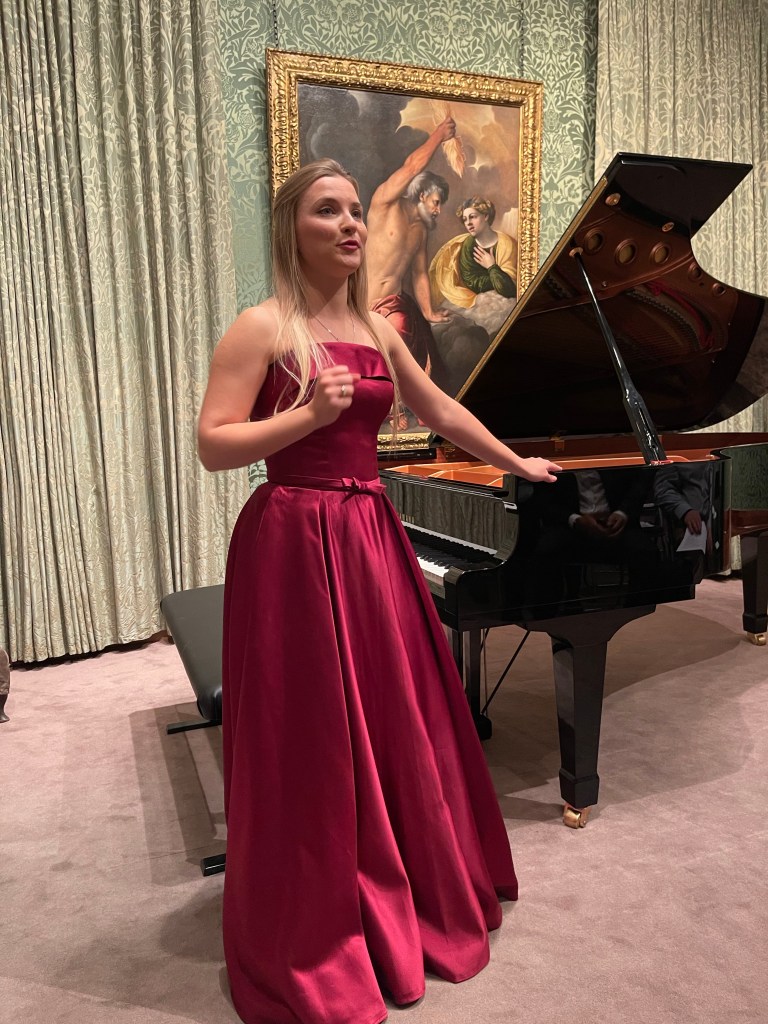
She appeared as though she had just stepped out of one of those magnificent paintings that adorn this Gallery in the heart of Mayfair.
Although she admitted that the virtuoso showman Liszt was not for her she did however manage to find ,from the vast repertoire of his genius, two gems that suited her refined artistic palette.
‘Soirées de Vienne n.6’ and finally an encore of ‘La Leggerezza’.A refined performance a true stylist with a technical ease that could allow her to shape the meandering embellishments with the grace and charm that I am sure Liszt intended.She recreated a miniature tone poem that made us question her words.But then music speaks louder than any words!Q.E.D.
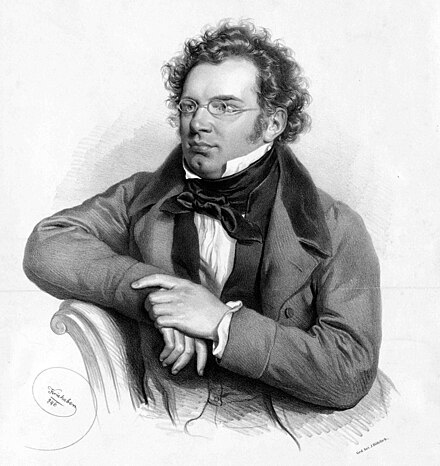
The Piano Sonata in A major D.664, op posth 120 was written in the summer of 1819.The manuscript, completed in July 1819, was dedicated to Josephine von Koller of Steyr in Upper Austria, whom he considered to be “very pretty” and “a good pianist”. The lyrical, buoyant, in spots typically poignant nature of this sonata fits the image of a young Schubert in love, living in a summery Austrian countryside, which he also considered to be “unimaginably lovely”.
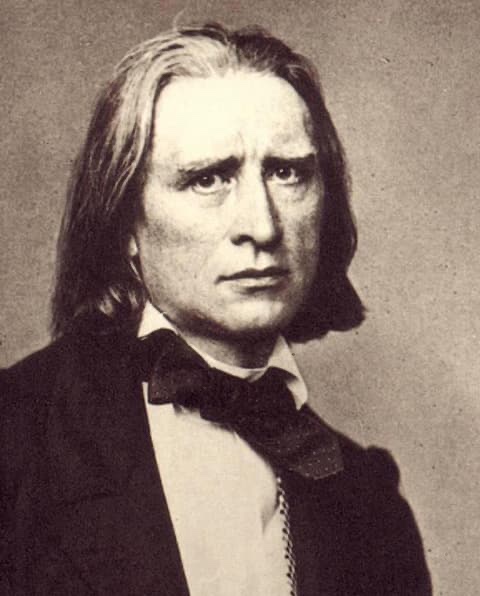
Born
22 October 1811
Doborjan,Kingdom of Hungary,Austrian Empire
Died
31 July 1886 (aged 74)
Bayreuth,Kingdom of Bavaria ,German Empire
Liszt was very fond of the Soirées and they featured in many of his performances in the mid-19th century. His Soirée No. 6 in A minor was based on themes from Schubert’s 12 Valses nobles, D.969, and Valses sentimentales, D.779, and was revised at least twice. The final revision, done in 1869, was said to be part of the last recital he gave in Luxembourg, in July 1886. The 1869 revision was made for his pupil, Sophie Menter, who, after the death of Liszt was ‘regarded by some as the incarnation of Liszt’. Liszt himself proclaimed Menter as his successor (on the other hand, she wasn’t the only one of his pupils that he so declared).In the Liszt cycle Soirées de Vienne, composed between 1846 and 1852, Liszt looked at Schubert’s dances for his inspiration. He chose Schubert’s Waltzes, Ländler, Ecossaisen, and German dances, all of which were Viennese dances in ¾ time. For the nine parts of the Soirées, Liszt chose themes from Schubert’s 38 Waltzes, Ländler, and Ecossaises, D.145 (composed 1815–1821); 36 Originaltänze, D.365; Wiener Damen-Ländler und Ecossaisen, D.734 (1816–1821); Valses sentimentales, D.779 (ca 1823); 18 German Dances and Ecossaises, D.783 (1823-1824); and 12 Valses nobles, D.969 (1826).
Three Concert Études (Trois études de concert), S 144,were composed between 1845–49 and published in Paris as Trois caprices poétiques with the three individual titles as they are known today.
As the title indicates, they are intended not only for the acquisition of a better technique, but also for concert performance. Liszt was himself a virtuoso pianist and was able to easily play many complex patterns generally considered difficult. The Italian subtitles now associated with the études—Il lamento (“The Lament”), La leggierezza (“Lightness”), and Un sospiro (“A sigh”)—first appeared in the French edition.

Born
8 June 1810
Zwickau ,Kingdom of Saxony
Died
29 July 1856 (aged 46)
Bonn, Rhine Province, Prussia
Carnaval. Scènes mignonnes sur quatre notes Robert Schumann
Carnaval had its origin in a set of variations on a Sehnsuchtswalzer by Franz Schubert , whose music Schumann had discovered only in 1827. The catalyst for writing the variations may have been a work for piano and orchestra by Schumann’s close friend Ludwig Schuncke,a set of variations on the same Schubert theme. Schumann felt that Schuncke’s heroic treatment was an inappropriate reflection of the tender nature of the Schubert piece, so he set out to approach his variations in a more intimate way, working on them in 1833 and 1834.
Schumann’s work was never completed, however, and Schuncke died in December 1834, but he did re-use the opening 24 measures for the opening of Carnaval.
The 21 pieces are connected by a recurring motif . The four notes are encoded puzzles, and Schumann predicted that “deciphering my masked ball will be a real game for you.”
Both Schumann and his wife Clara considered his solo piano works too difficult for the general public. ( Chopin is reported to have said that Carnaval was not music at all.Chopin did not warm to Schumann on the two occasions they met briefly and had a generally low opinion of his music.) Consequently, the works for solo piano were rarely performed in public during Schumann’s lifetime, although Liszt performed selections from Carnaval in Leipzig in March 1840, omitting certain movements with Schumann’s consent. Six months after Schumann’s death, Liszt later wrote that Carnaval was a work “that will assume its natural place in the public eye alongside Beethoven’s Diabelli Variations, which in my opinion it even surpasses in melodic invention and conciseness”.
Sphinxs consists of three sections, each consisting of one bar on a single staff in bass (F) clef, with no key, tempo, or dynamic indications. The notes are written as breves . The pitches given are the notes E♭C B A (SCHA) and A♭C B (AsCH) and A E♭C B (ASCH). Many pianists and editors, including Clara Schumann, advocate for omitting the Sphinxs in performance.
These are musical cryptograms , as follows:
- A, E♭, C, B – German: A–Es–C–H (the Es is pronounced as a word for the letter S)
- A♭, C, B – German: As–C–H
- E♭, C, B, A – German: as Es–C–H–A
The first two spell the German name for the town of Asch (now As in the Czech Republic), in which Schumann’s then fiancée, Ernestine von Fricken, was born.The sequence of letters also appears in the German word Fasching, meaning carnival. In addition, Asch is German for “Ash”, as in Ash Wednesday , the first day of Lent. Lastly, it encodes a version of the composer’s name, Robert Alexander Schumann. The third series, S–C–H–A, encodes the composer’s name again with the musical letters appearing in Schumann, in their correct order.

https://christopheraxworthymusiccommentary.com/2023/04/26/cristian-sandrin-visions-of-life-dedicated-to-his-father-sandu-sandrin/
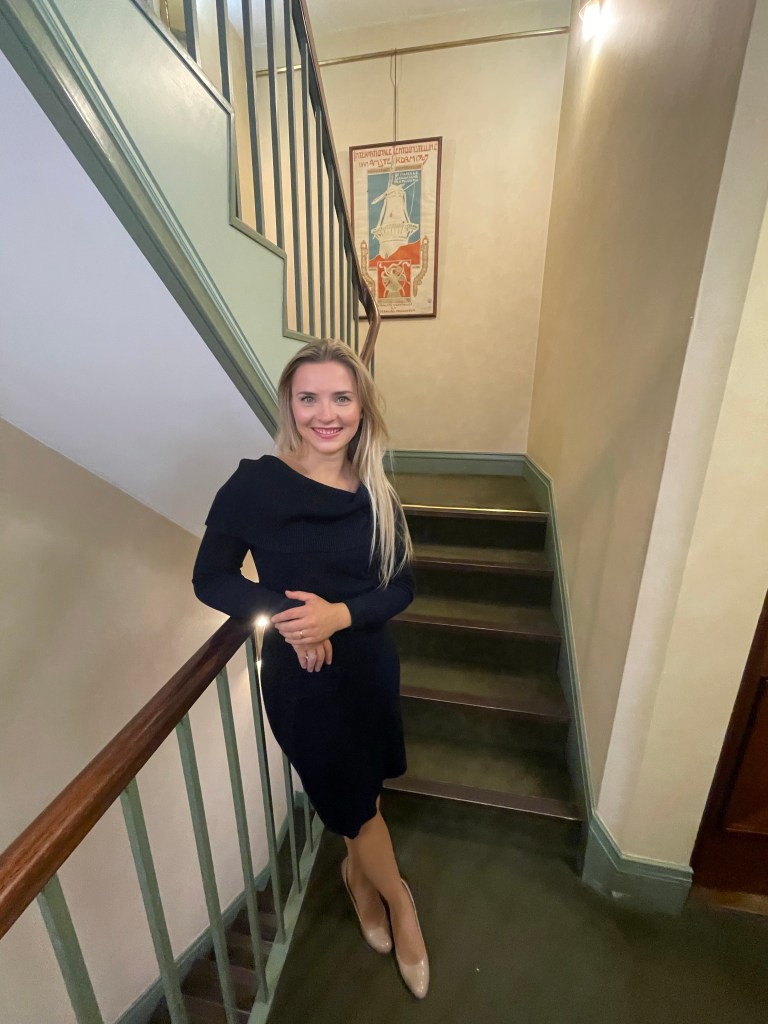
In 2014, she was awarded first prize at the 21 Concorso International De Piano Rotary Club Palma Ramon Llull (Palma de Mallorca, Spain) and triumphed at the 17th Grand Prix International Piano et Recontres “Jeunes Talents” (Montrond-les-Bains, France). In 2015 in Varvara won the 3rd Sussex International Piano Competition (Worthing), audience prize and best performance of the compulsory piece; she also received the Hopkinson Gold Medal at the Chappell Medal Competition (London). In 2016 Varvara won “Sonderpries Kunststation Kleinsassen”, “Sonderpreis Bridgewater Sinfonia” and “Steingraeber and Sohne Sonderpreis” at the PIANALE International Academy and Competition (Fulda, Germany); and the “Peppino e Elsa Orlando” prize at the 54th International Piano Competition A.Speranza (Taranto, Italy).
Varvara has performed concertos with a number of orchestras and conductors, including the Kremlin Chamber Orchestra under Misha Rakhlevkiy, the St. Petersburg State Capella Symphony Orchestra with Alexander Chernushenko, the Russian Chamber Orchestra under Konstantin Orbelian and the Worthing Symphony and Northampton Symphony Orchestras with John Gibbons. Varvara currently collaborates with the Yamaha Artistic Centre and St. Petersburg International Performing Arts Centre.
Varvara has performed in the UK, France, Italy, Spain, Germany, Austria, Finland, Sweden and Portugal, as well as in the USA, Brazil and, of course, Russia. She participated in the ‘Torre de Canyamel’ Piano Festival (Mallorca), Rheingay Music Festival (Germany),‘Creative Youth’ Music Festival (Moscow) and Medtnerfest (London).
This Champs Hill recording is Varvara Tasarova’s first CD release and part of her prize as the winner of the Sussex International Piano Competition in 2015.
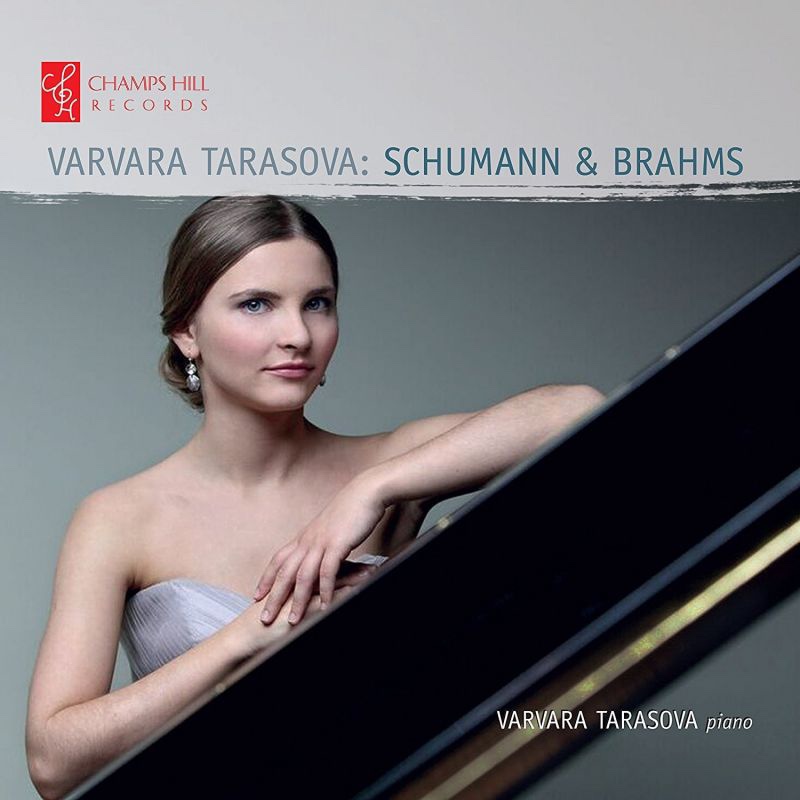
Tarasova’s bona fides as a Brahms player are quickly established in her traversal of Op 76. Her beguiling cantabile is a given and she foregrounds inner voices in the thickest textures with confidence. If more robust cross rhythms could enhance the interest of the Capriccio (No 5), the Intermezzo (No 3) comes off with an enchanting music-box precision, while the famous Capriccio (No 2) maintains just the right balance of whimsy and melancholy.
The strong sense of musical architecture evidenced throughout the Klavierstücke is somewhat less pronounced in the more interpretatively challenging Schumann Variations. Here Tarasova’s eagerness to imbue each variation with a distinct character tends to diminish the narrative flow of the whole set.
However, fragmentation can be a virtue in the ‘scènes mignonnes’ of Carnaval. Schumann’s most popular piano cycle has become so encrusted with the received wisdom of innumerable performances and recordings that developing an original point of view poses challenges. Tarasova happily meets them, and with a minimum of fuss or eccentricity, in a persuasive performance distinguished by bright colours, resilient rhythmicality and considerable charm.
In a day when colossal technique is de rigueur for young pianists, it is Tarasova’s imagination that will set her apart from the pack. I look forward to watching her artistic growth which, from all indications, will be inevitable. GRAMOPHONE MAGAZINE ,Awards Issue 2017


 ChristopherAxworthy-MusicCommentary