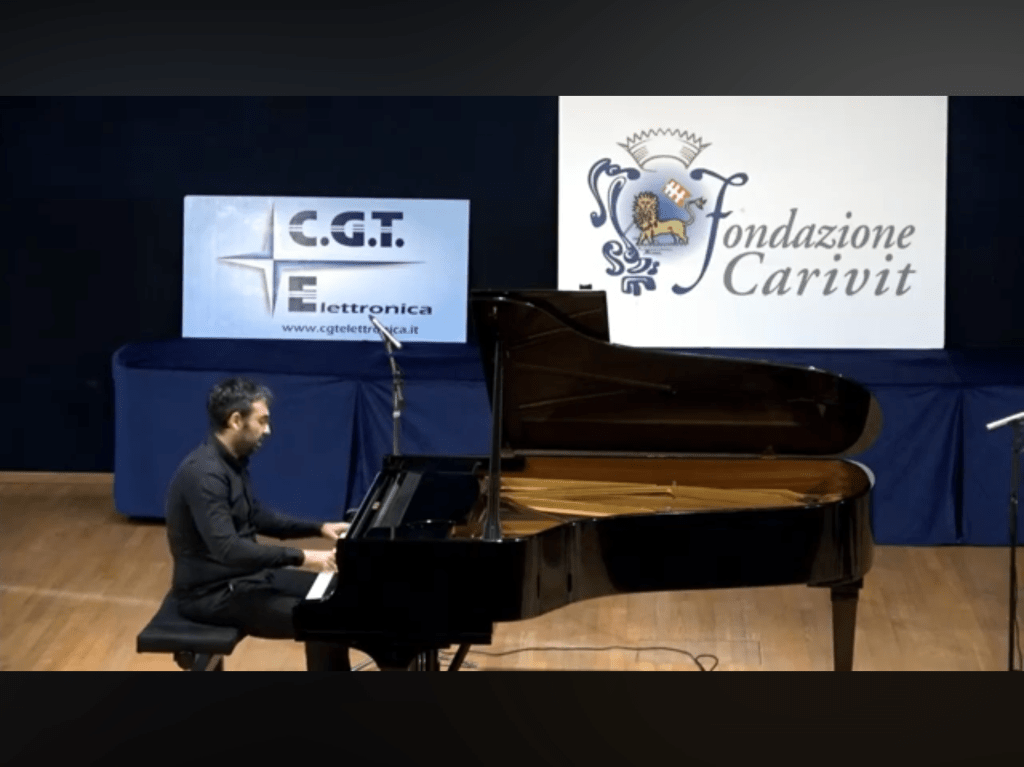
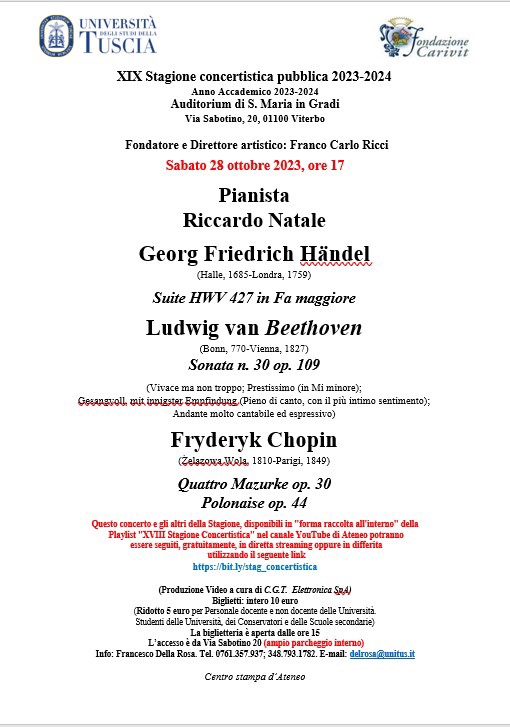
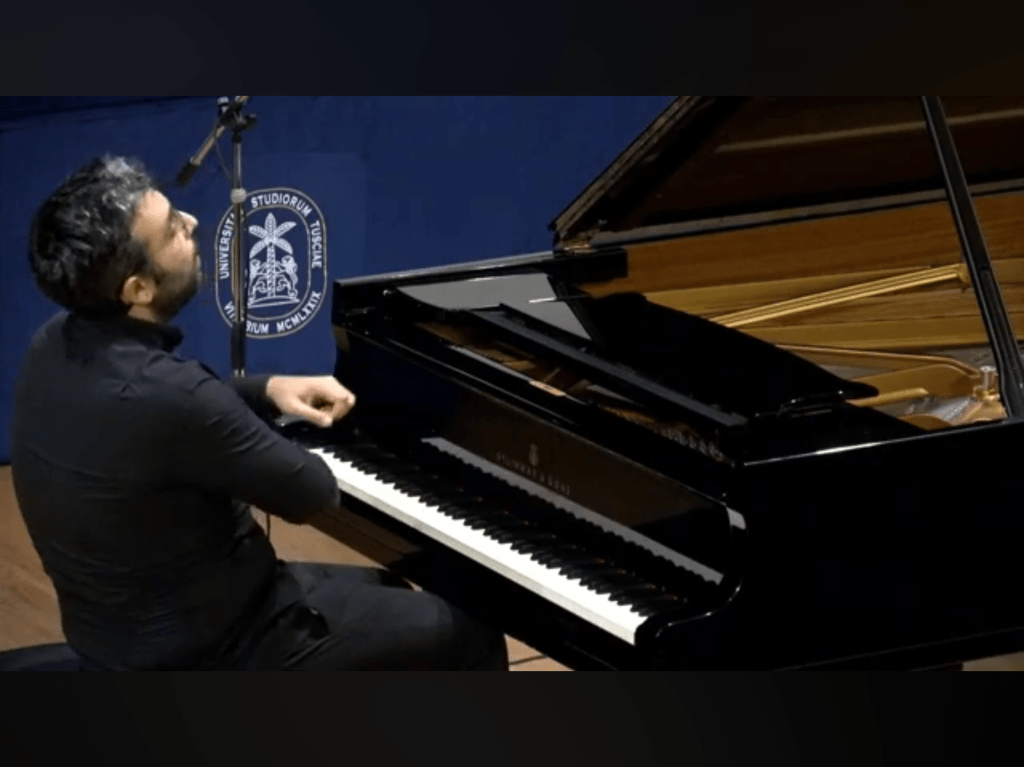
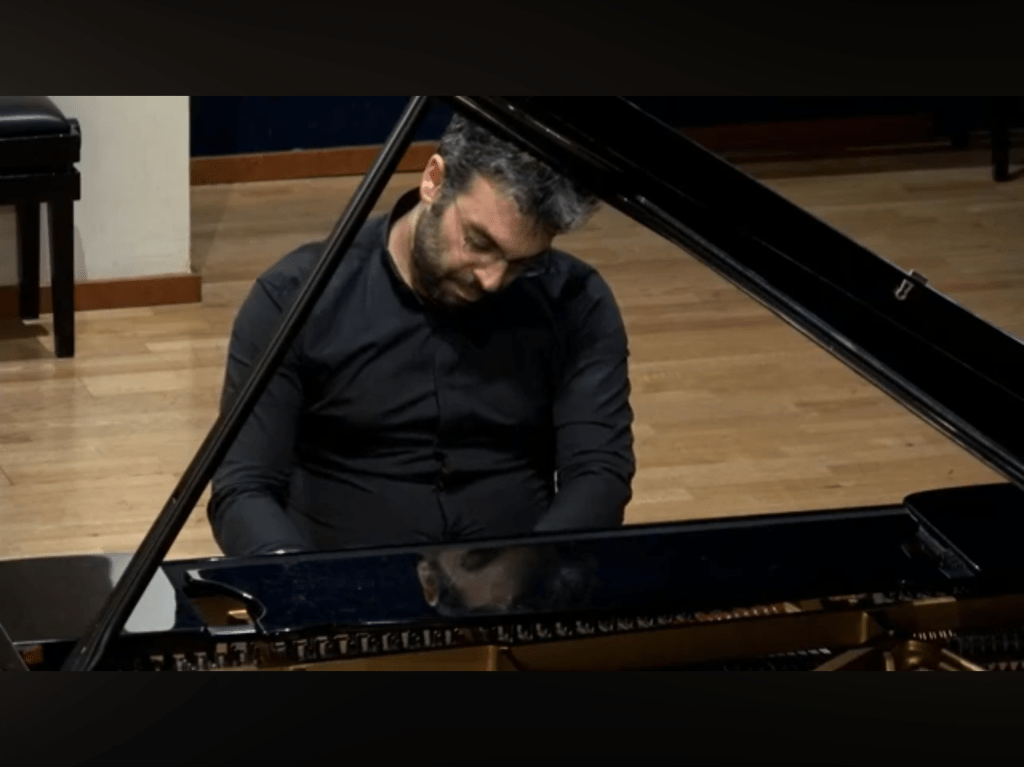
A beautiful programme for Riccardo Natale who was substituting at the last minute another indisposed pianist.The Handel Suites are a rarity in the concert hall but both Richter and Gavrilov included them in their repertoire and have even made recordings together but they are always considered unjustly in the shadow of Johann Sebastian Bach .So it was refreshing to hear the second suite open the programme and played with great clarity and rhythmic energy with very discreet contrasts in dynamics. I was only able to listen to the last two movements due to a technical problem with the streaming but they showed Riccardo’s superb musicianship and understanding allied to a technical skill which certainly demonstrated that Handel was quite a virtuoso too in his early years.
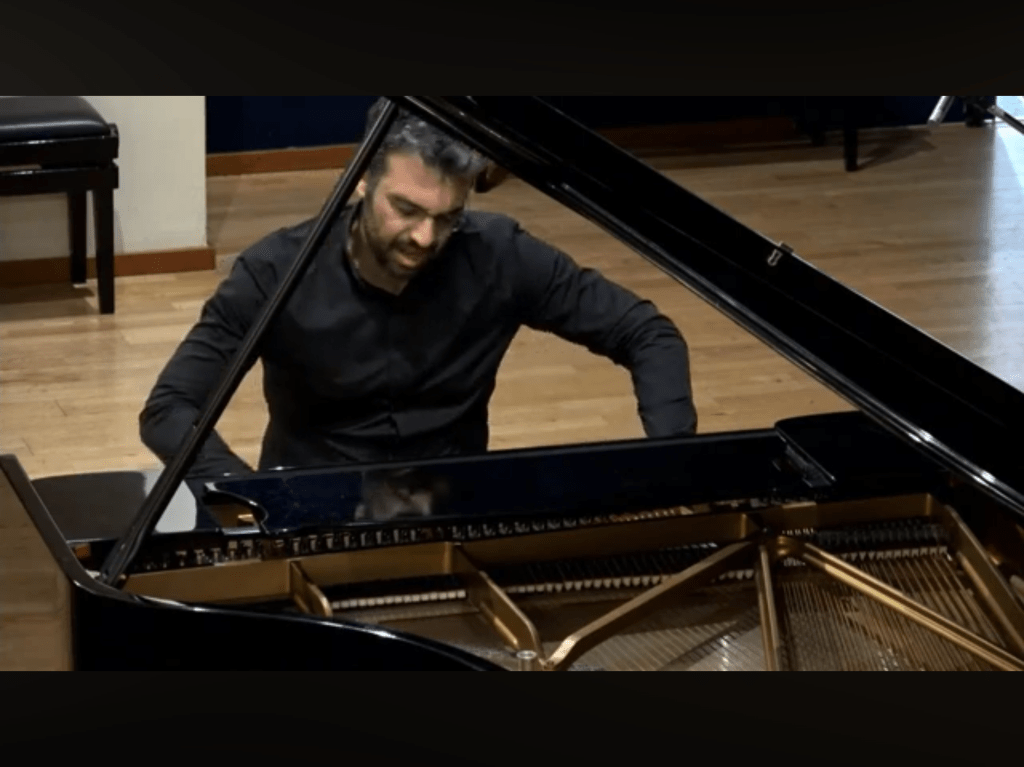
The first Sonata op 109 of Beethoven’s last trilogy of 32 Sonatas was played with great understanding and temperament.It was sometimes this temperament and freedom that did not allow for the simplicity that is the very essence of this last oasis of Beethoven when he had come to terms with a turbulent and difficult life.Riccardo’s playing was always with a very solid beautiful sound but sometimes his temperament in the first movement took over from his head which disturbed the continual undercurrent that flows through these sonatas.The Prestissimo was played with real Beethovenian fire and technical assurance and was the bridge that was to lead to one of Beethoven’s most beautiful melodic outpourings.Here in the last movement Riccardo played with simplicity and beauty allowing the music to unfold so naturally.I would have actually played the ornaments in the first variation on the beat but that was a mere detail when his understanding of this movement was so complete.The Allegro vivace third variation was played at a furious pace with great technical assurance but the fourth was a little too fast for Beethoven’s indication to be played a little slower than the theme.It rather gave the game away for the fifth variation where the non legato long notes sounded rather out of place lacking the contrast with the knotty twine that follows .But it was in the last variation that all came together with a superb performance allowing Beethoven’s trills to resonate like mere vibrations on which the theme magically evolves.Dissolving so beautifully into the final simple beauty of the theme where Beethoven had at last found the peace that had long been denied him.
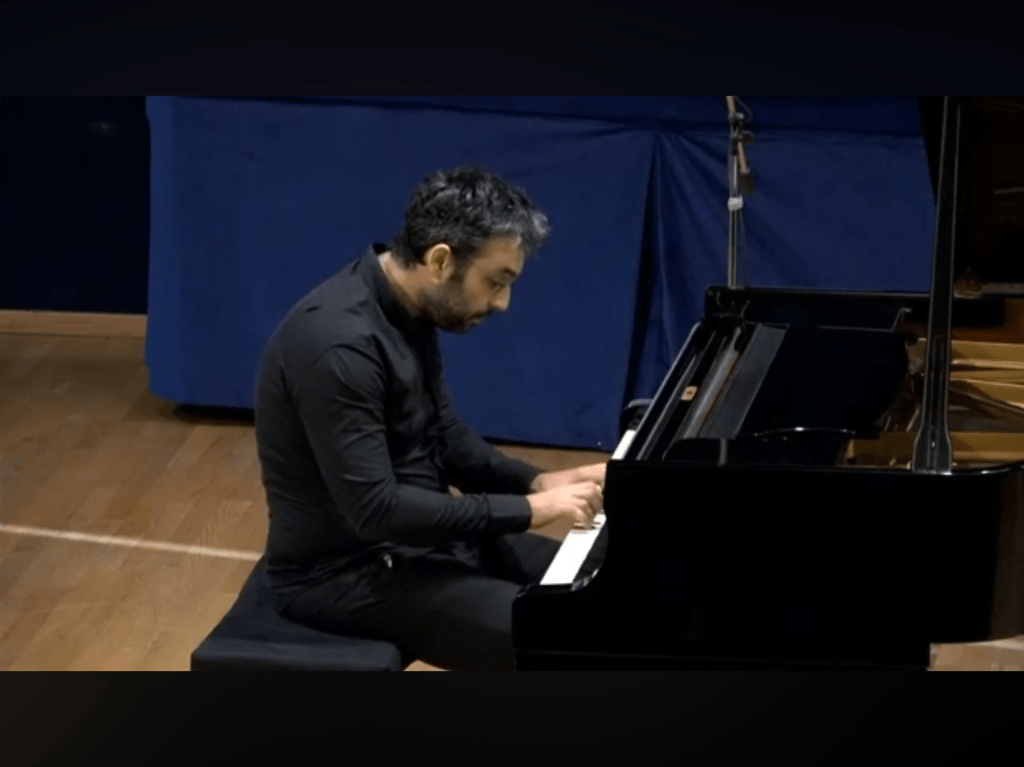
The Chopin Mazukas were played with great style and contrast but wonder if the phrases should be less disjointed and a more overall architectural shape should prevail.It was however in the great F sharp Minor Polonaise the Riccardo showed his true colours with a performance that was heroic,noble and passionate.The long Mazurka central episode was superbly interpreted with beauty and simplicity allowing the long lines to shape into an architectural whole.A very fine performance that showed the technical and poetic mastery of this young musician a student of Delvayan who is himself such an individual musician of great fantasy.
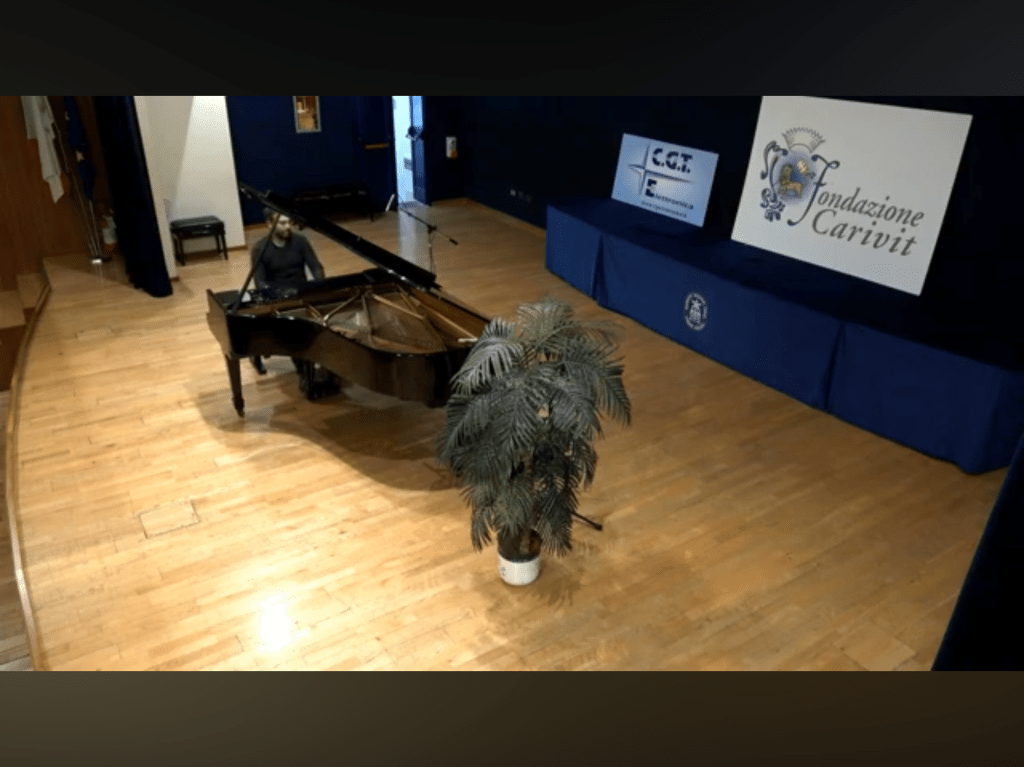
The fourteenth dance from Schumann’s Davidsbundler op 6 was played as an encore with ravishing sound but not allowing the utter simplicity of Schumann’s genius to speak for itself without any personal effusions.
GEORG FRIEDRICH HANDEL (1685–1759)
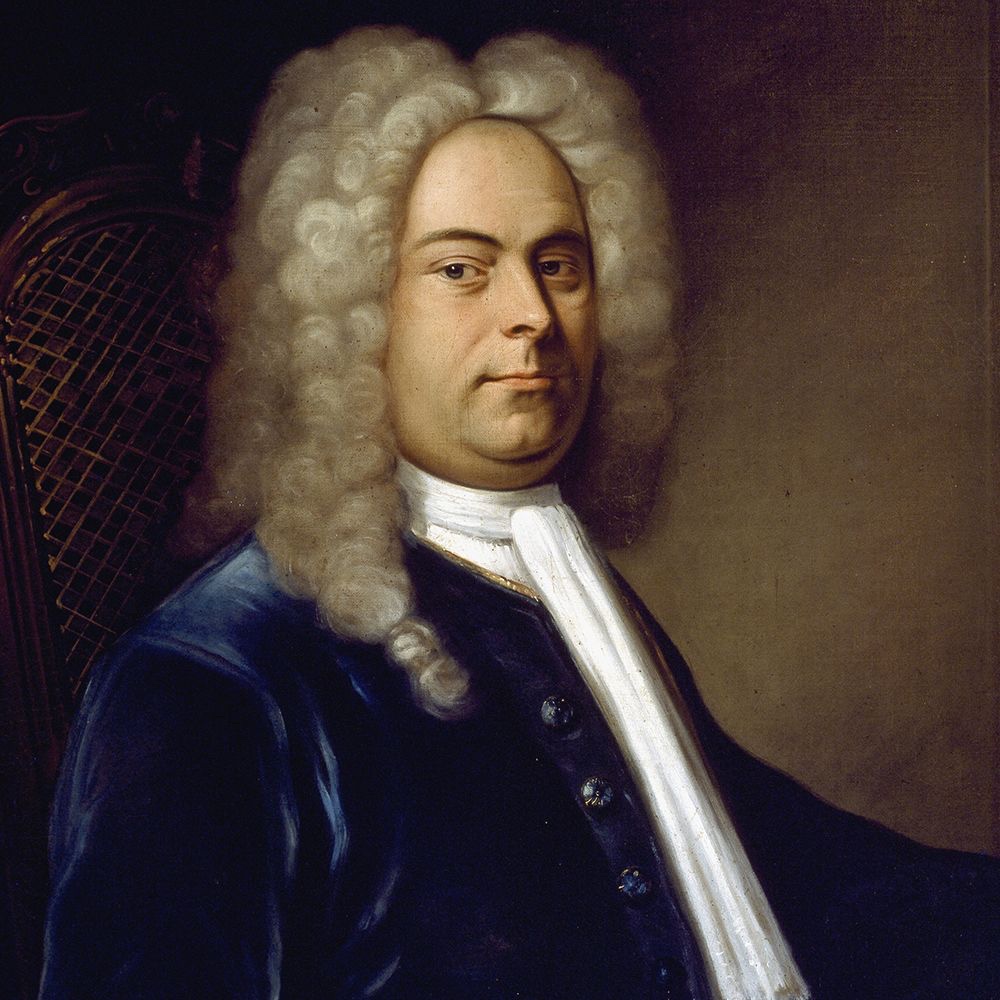
Suite No. 2 in F major HWV 427
from 8 Suites de Pièces pour le Clavecin, 1720
1. Adagio
2. Allegro
3. Adagio
4. Allegro [Fugue] Handel was known as a superb keyboard player, and these dance suites exploit the expressive and technical resources of his instrument with no less mastery than that of his Leipzig counterpart, and with a joie de vivre that makes listening a constant diversion and delight. Suite No 2 in F major is closer to an Italian slow–quick–slow–quick sonata than to a French suite proper. F major was traditionally a pastoral, ‘down-to-earth’ key, but Handel’s first movement, far from being a quasi-improvised keyboard exercise, is a civilized and highly ornamented quasi-operatic aria, while the bustling allegro which follows is a vigorously Italianate two-part invention, more urban than rustic in harmonic solidity and neatness of texture. The next movement, in the relative, D minor, has the pulse of a sarabande, but it is also an operatic aria in miniature, ending with a written-out, quasi-vocal cadenza. This leads back to the tonic F major and into a powerful fugue, initially in three parts but introducing a fourth after chromatic intensification.
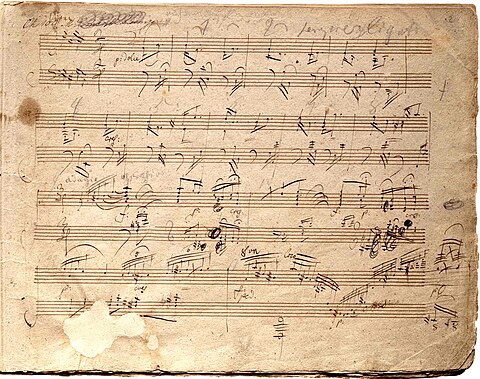
The Sonata op 109 is dedicated to Maximiliane Brentano, the daughter of Beethoven’s long-standing friend Antonie Brentano for whom Beethoven had already composed the short Piano Trio in B flat Wo039 in 1812.There is an April entry in Beethoven’s conversation book describing a “small new piece” that is, according to William Meredith, identical to the first movement of Op. 109. In fact, the outline of the movement makes the idea of a Bagatelle interrupted by fantasia-like interludes seem very plausible.Beethoven’s secretary Franz Oliva then allegedly suggested the idea of using this “small piece” as the beginning of the sonata that Schlesinger wanted.The date of the first performance is unknown. The first pianists to undertake bringing Beethoven’s last sonatas, including Op. 109, to public attention were Franz Liszt,who regularly included them in his programs between 1830 and 1840,and Hans von Bulow, who even included several of the late sonatas in one evening.
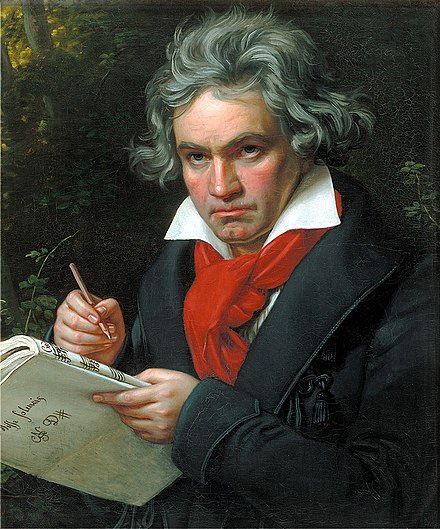
The three movements of this sonata are:
- Vivace ma non troppo — Adagio espressivo
- Prestissimo.
- Gesangvoll, mit innigster Empfindung. Andante molto cantabile ed espressivo.
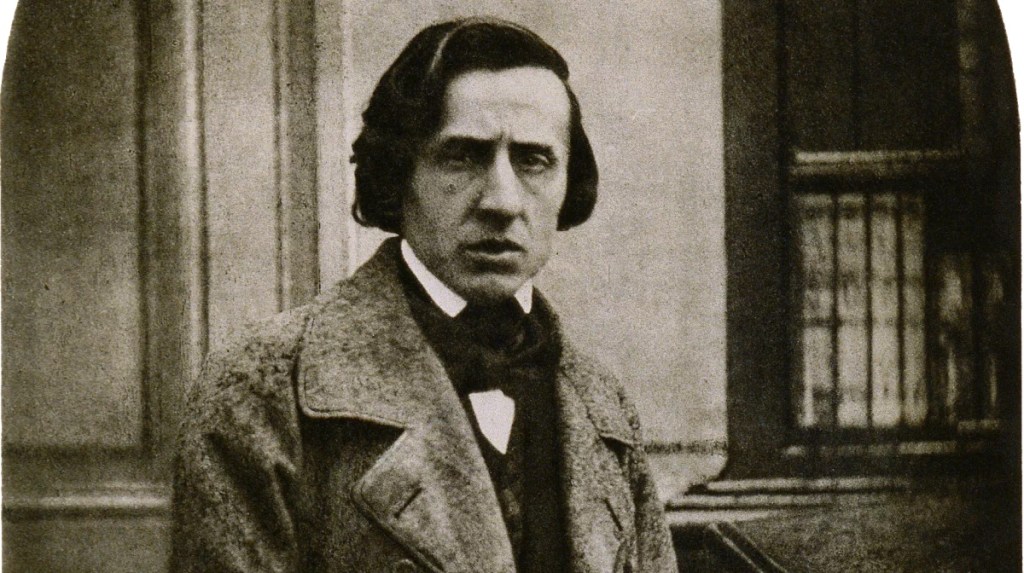
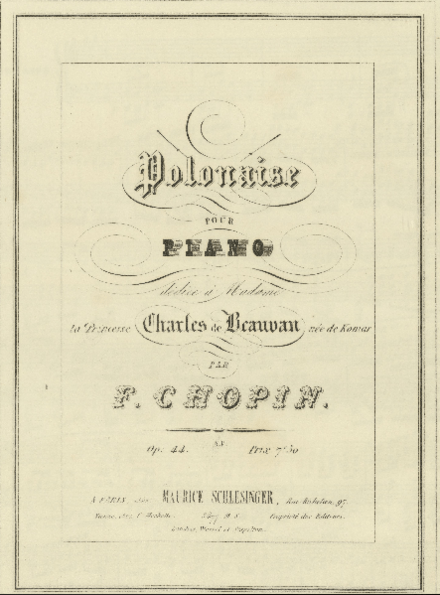
The mazurka is a Polish musical form based on stylised folk dances in triple meter , usually at a lively tempo, with character defined mostly by the prominent mazur’s “strong accents ,unsystematically placed on the second or third beat “.The mazurka, alongside the polka dance, became popular at the ballrooms and salons of Europe in the 19th century, particularly through the notable works by Frederic Chopin .The mazurka (in Polish mazur, the same word as the mazur ) and mazurek (rural dance based on the mazur) are often confused in Western literature as the same musical form.Over the years 1825–1849, Chopin wrote at least 59 Mazurkas for piano .Chopin started composing his mazurkas in 1825, and continued composing them until 1849, the year of his death. The number of mazurkas composed in each year varies, but he was steadily writing them throughout this time period.In 1852, three years after Chopin’s death, Liszt published a piece about Chopin’s mazurkas, saying that Chopin had been directly influenced by Polish national music to compose his mazurkas. Liszt also provided descriptions of specific dance scenes, which were not completely accurate, but were “a way to raise the status of these works [mazurkas].”However, in 1921, Bela Bartok published an essay in which he said that Chopin “had not known authentic Polish folk music.” He suggested that Chopin instead had been influenced by national, and not folk music.The soprano and composer Pauline Viardot was a close friend of Chopin and his lover George Sand , and she made a number of arrangements of his mazurkas as songs, with his full agreement. He gave Viardot expert advice on these arrangements, as well as on her piano playing and her other vocal compositions.The Polonaise op 44 is often considered the first of three “grand polonaises”, (the other two being the Polonaise ‘Heroic’ op 53,and the Polonaise- Fantasie op.61) in which Chopin largely abandoned the old formula derived directly from dance practice. The time had come for polonaises subjected to free fantasy, for more heroic dance poems.In fact, Chopin was known to have said to the publisher, ‘I have a manuscript for your disposal. It is a kind of fantasy in polonaise form. But I call it a Polonaise’.
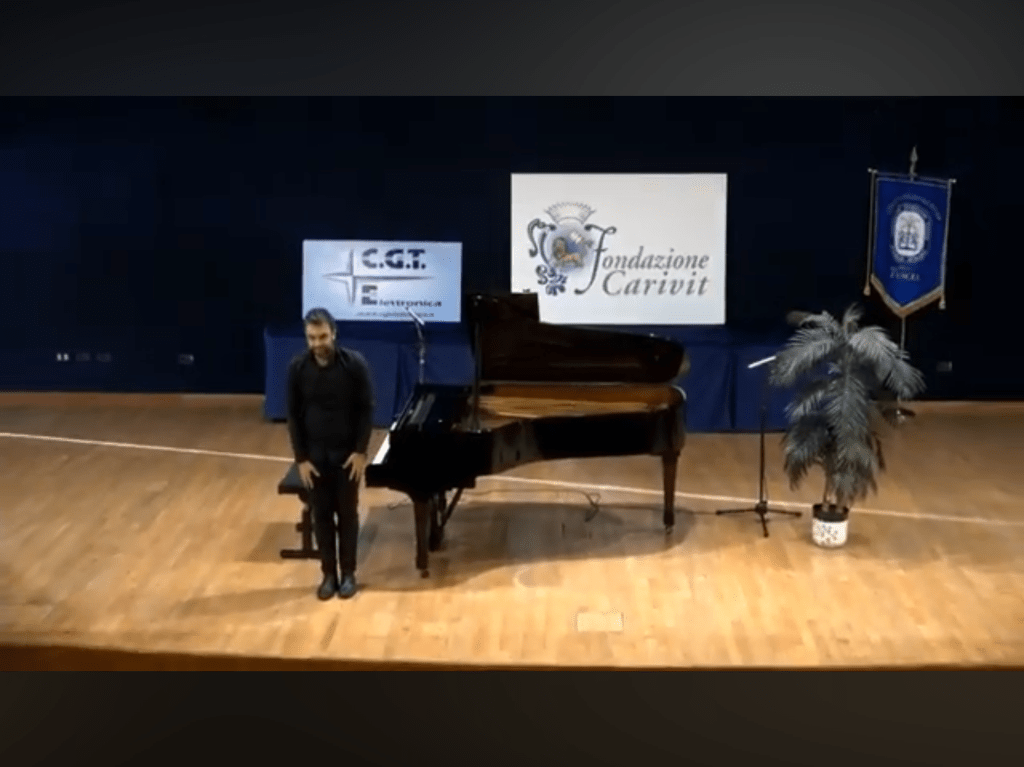
Riccardo Natale intraprende lo studio del pianoforte all’età di 4 anni e si diploma sotto la guida di Marino Mercurio nel 2012 presso il Conservatorio “Nicola Sala” di Benevento con lode e menzione speciale. Sin da giovanissimo si è affermato in concorsi nazionali e internazionali tra cui: “Rassegna Spoltore musica”, concorso nazionale “Hyperion”, concorso nazionale “Antonello da Caserta”, concorso internazionale “Luigi Denza”, concorso internazionale “Note in Armonia”. Recentemente è risultato finalista al concorso internazionale “Arcangelo Speranza” di Taranto.
Ha frequentato le masterclass tenute da Marino Mercurio, Boris Petrushansky, Antonio Pompa-Baldi, Roberto Plano, Filippo Gamba, Ferenc Rados, Aleksandar Madzar, Benedetto Lupo, Enrico Pace, Alessandro Deljavan, Giuseppe Andaloro e da Lilya Zilberstein presso l’Accademia Chigiana di Siena.
Come vincitore del Progetto IMC, nel 2013 esordisce come solista con l’Orchestra Sinfonica Abruzzese presso il Teatro Ridotto dell’Aquila eseguendo il Concerto per pianoforte e orchestra n. 3 di Beethoven.
Si dedica anche alla musica da camera e si esibisce sia come solista che in formazioni cameristiche in tutta Italia. Si è esibito, tra l’altro, per il “Maggio dei Monumenti” di Napoli, presso l’Università “Sapienza” di Roma, presso lo showroom Fazioli di Milano, per “Polincontri classica” presso il Politecnico di Torino, a Portogruaro per il Festival internazionale di musica, per il Monferrato Classic Festival, a Spoleto per musica in casa Menotti, ad Alassio per l’Associazione Pantheon, presso la Sala Chopin di Napoli per l’Associazione Napolinova. Nel 2015 si è inoltre esibito presso il teatro Sanzio di Urbino accompagnato dall’orchestra “I cameristi del Montefeltro” ed eseguendo il Concerto per pianoforte e orchestra K. 467 di Mozart.
Ha frequentato i corsi di Direzione d’Orchestra e di Composizione presso il Conservatorio “San Pietro a Majella di Napoli” e il corso di alto perfezionamento pianistico presso l’Accademia musicale Varesina sotto la guida del M° Roberto Plano. Nel 2017 ha ottenuto una borsa di studio dall’Associazione “De Sono” di Torino e ha terminato il Master in music performance presso la Hochschule für Musik di Basilea sotto la guida del M° Filippo Gamba. Ha studiato sotto la guida del M° Enrico Pace presso l’Accademia di musica di Pinerolo.
Dal 2017 ha frequentato il corso di Pianoforte tenuto dal M° Benedetto Lupo all’Accademia Nazionale di Santa Cecilia dove si è diplomato nel 2020, contestualmente ha frequentato il Master di Musica da Camera con il M° Andrea Lucchesini. Da qui si è formato il Trio Wieck, insieme alla violinista Fjorela Asqeri e alla violoncellista Silvia Gira, con il quale si è esibito per l’Accademia Filarmonica Romana e il festival di musica camera “Classiche Forme”.
Recentemente ha inciso il disco “Poiesis” in collaborazione col violinista Rocco Roggia con musiche di autori napoletani quali Martucci, D’Ambrosio, Curci e De Felice.
Attualmente prosegue i suoi studi sotto la guida del M° Alessandro Deljavan.
Concerto inaugurale XIX Stagione Concertistica Università della Tuscia dedicated to the genius of Mozart
 ChristopherAxworthy-MusicCommentary