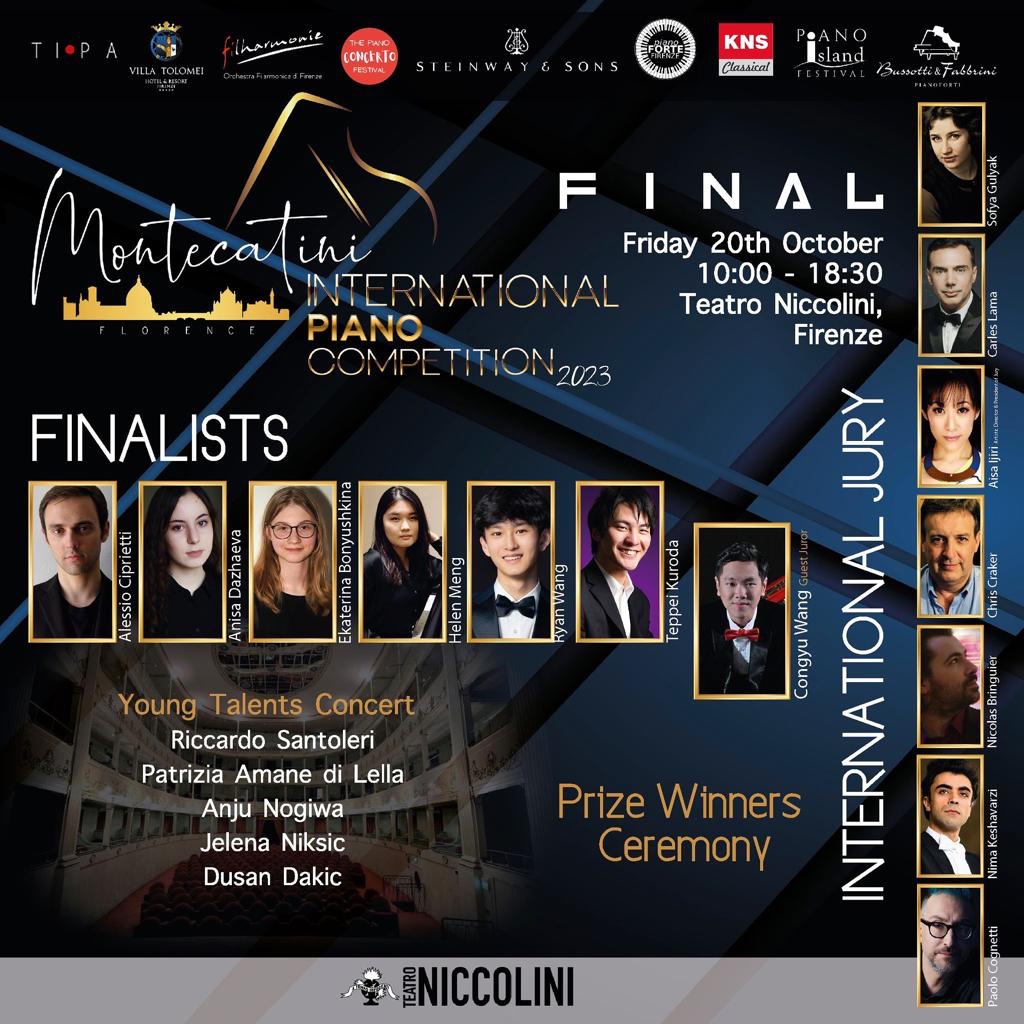
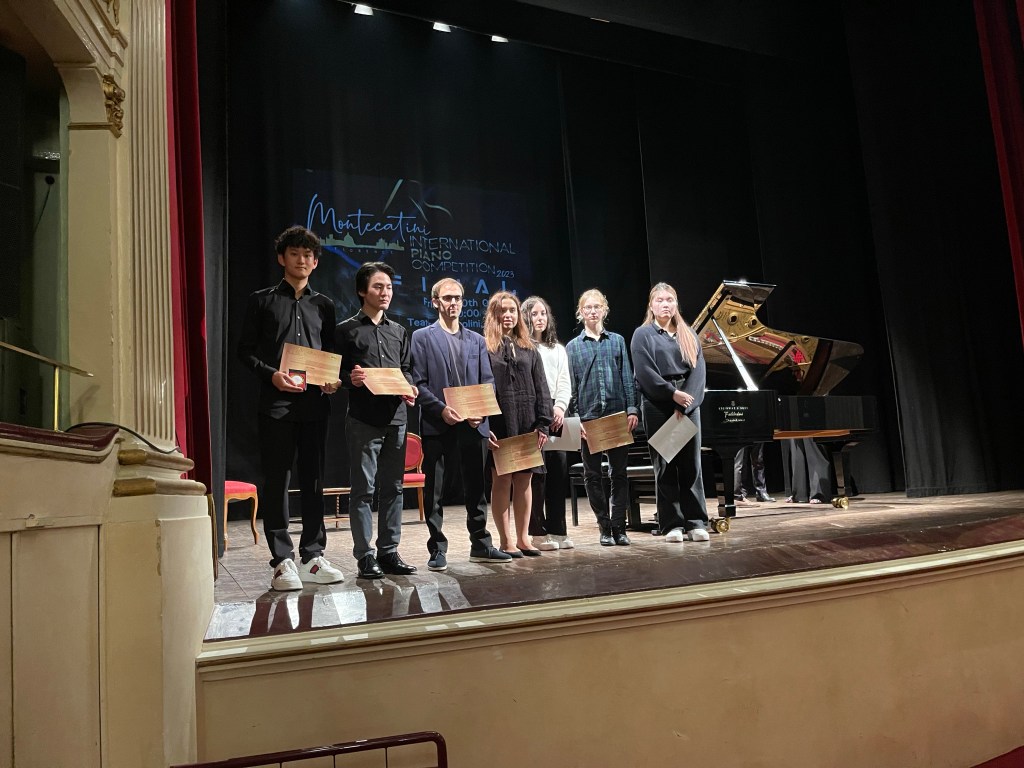
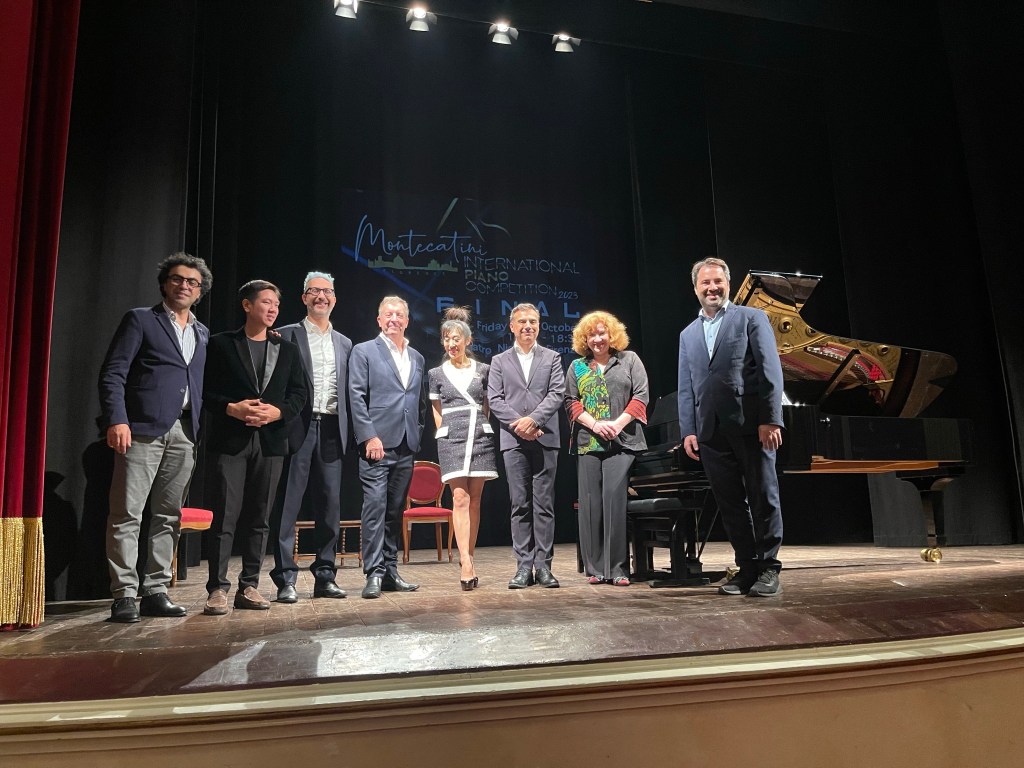
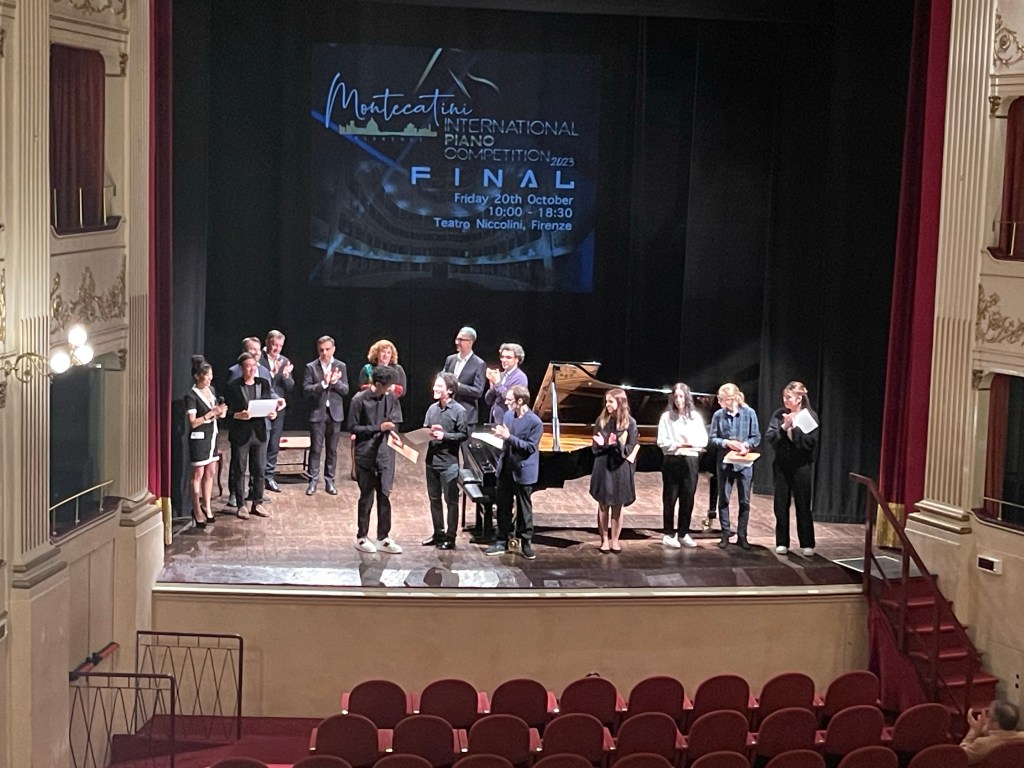
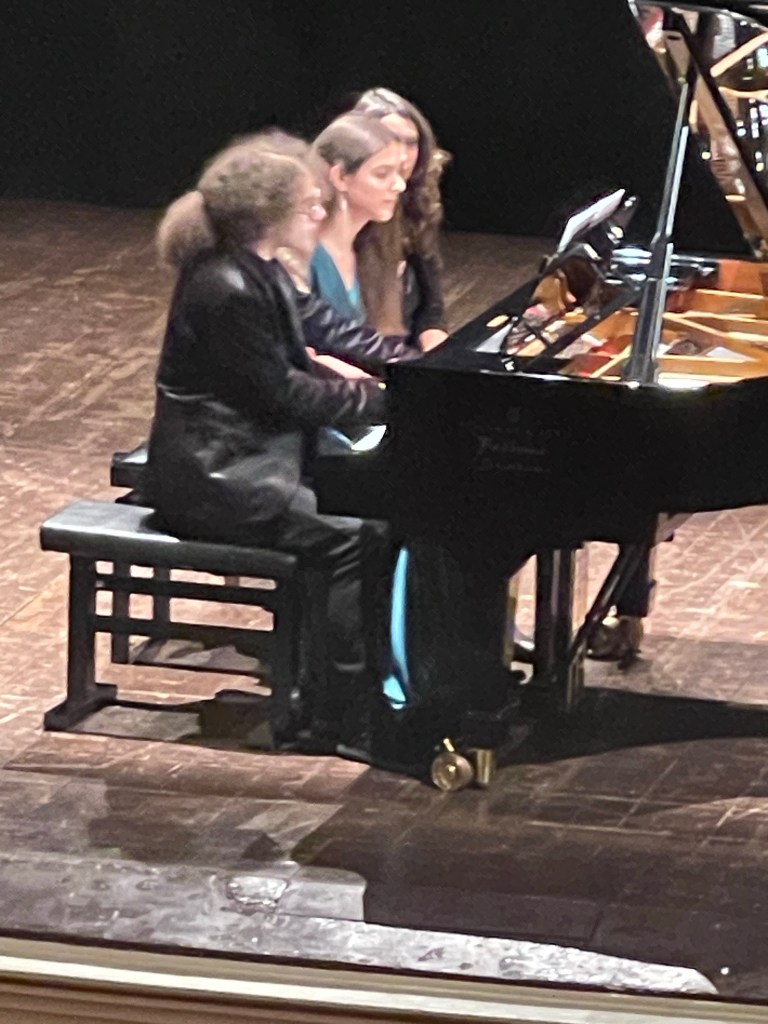
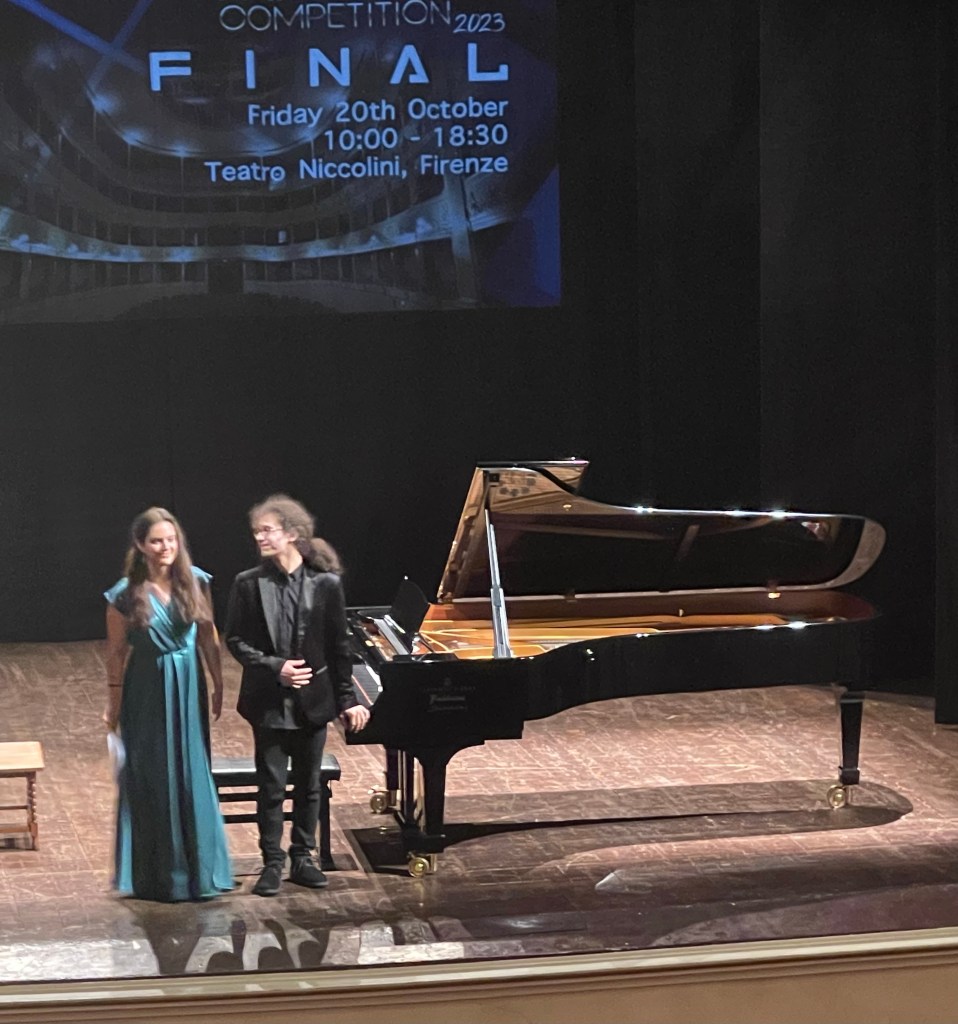
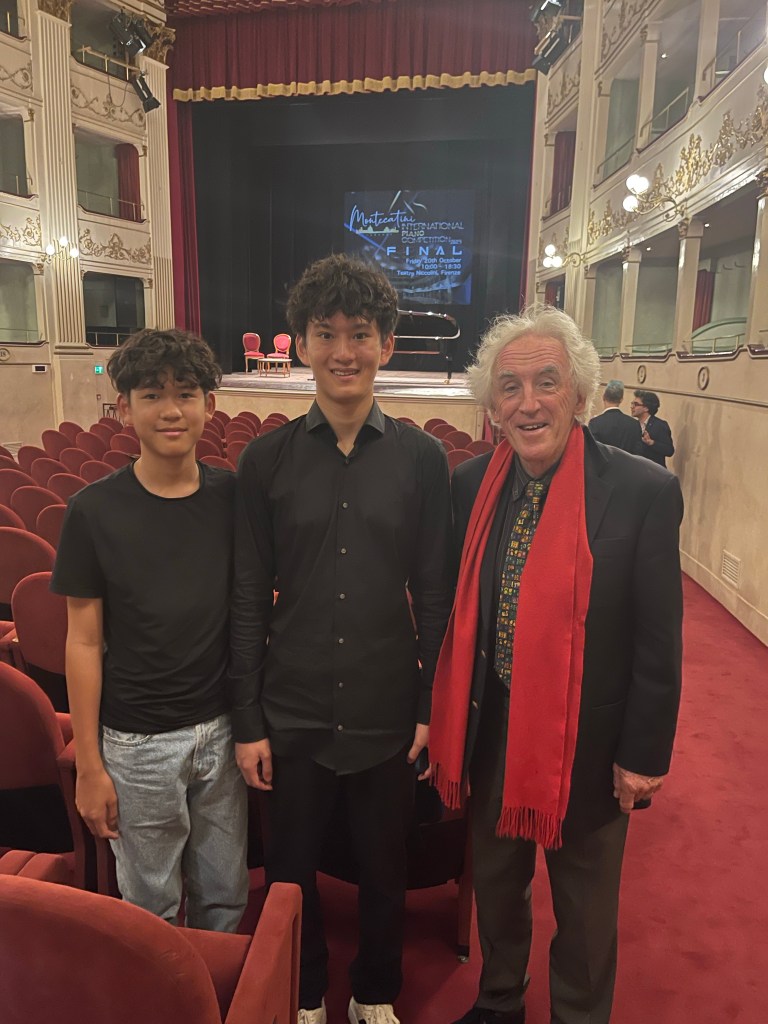
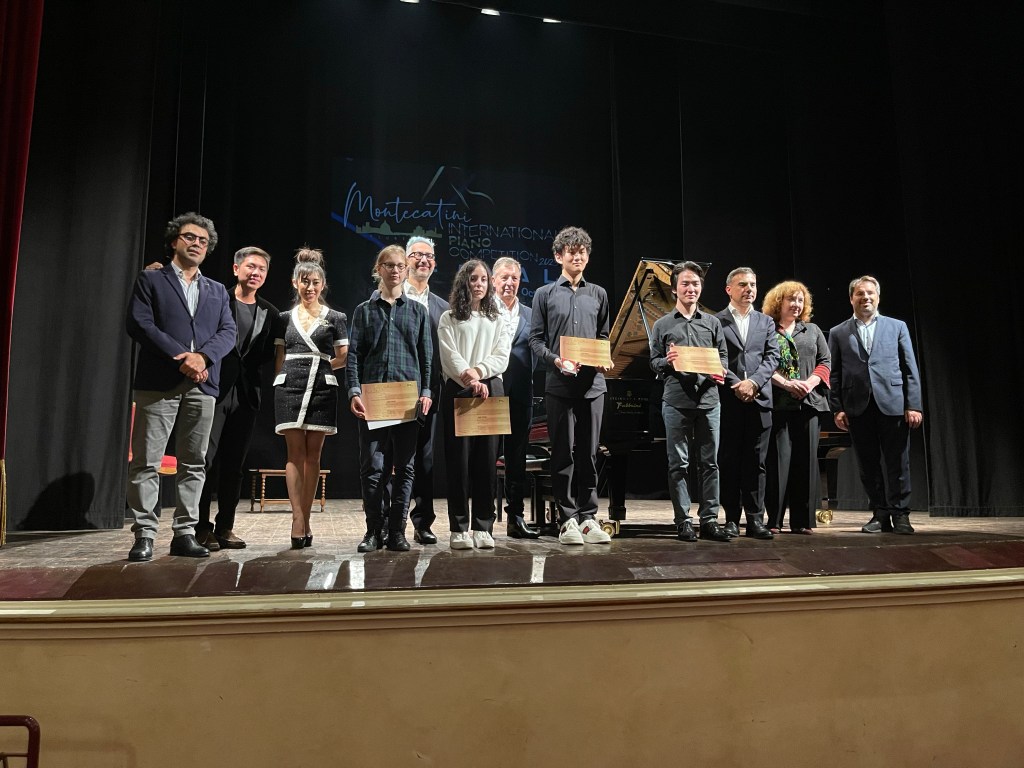
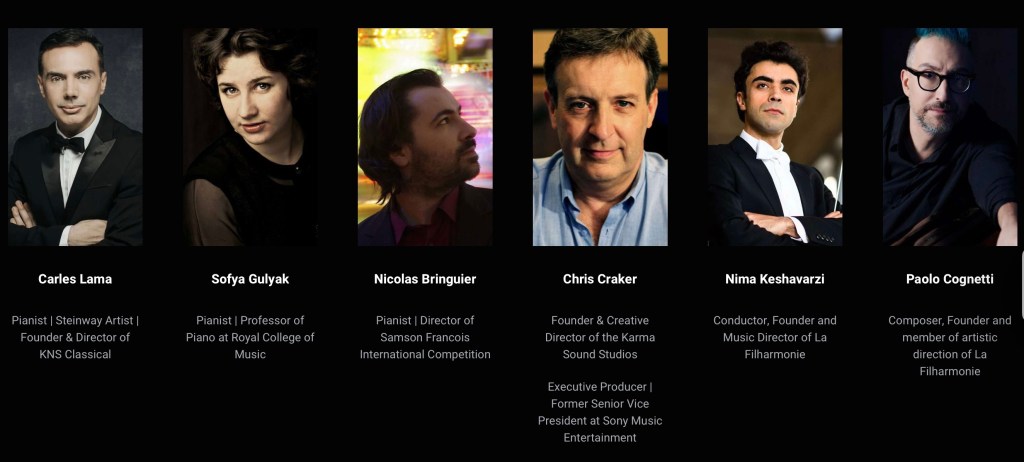
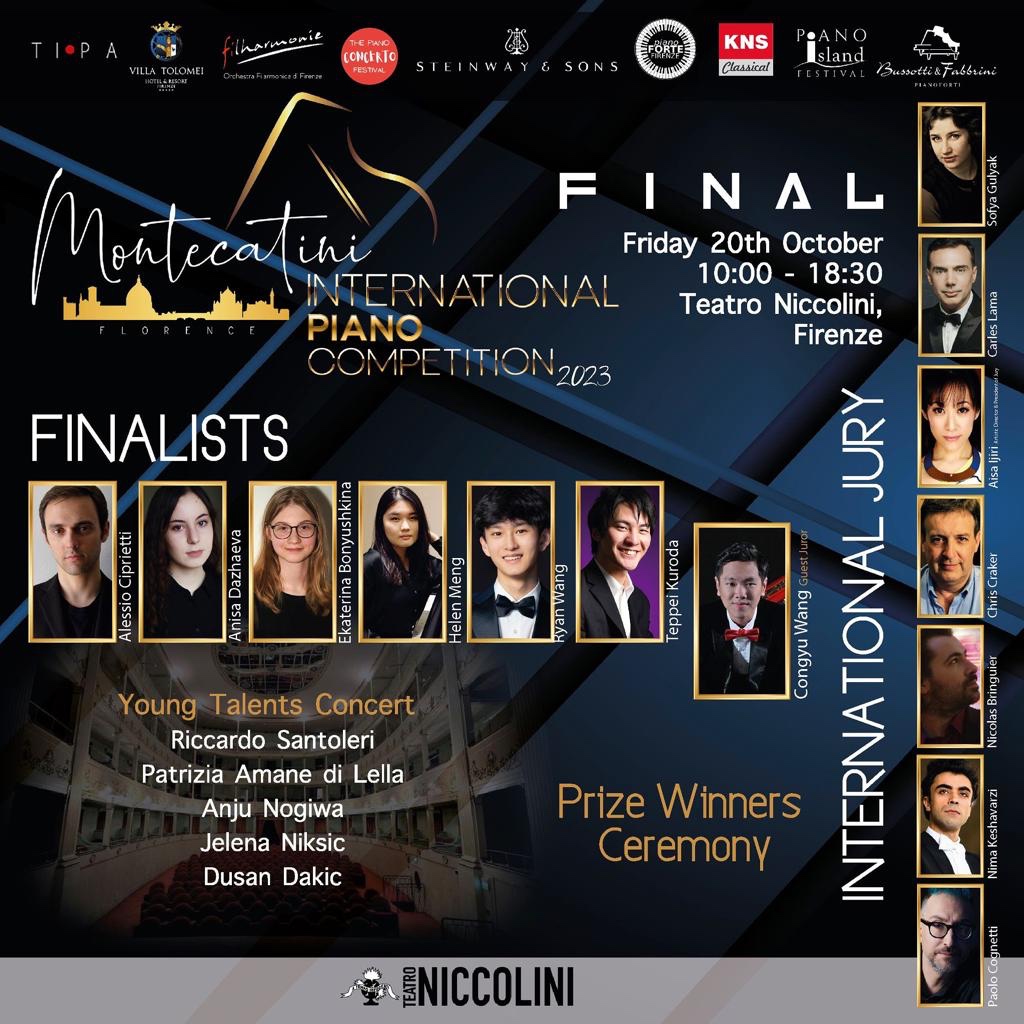
A very special day in Florence for the final concert of the Montecatini International Piano competition with 7 very fine pianists playing to an International jury including Sofya Gulyak and many other illustrious colleagues from the world of music.

https://christopheraxworthymusiccommentary.com/2023/05/01/sofya-gulyak-the-mastery-and-poetic-vision-of-a-great-artist/
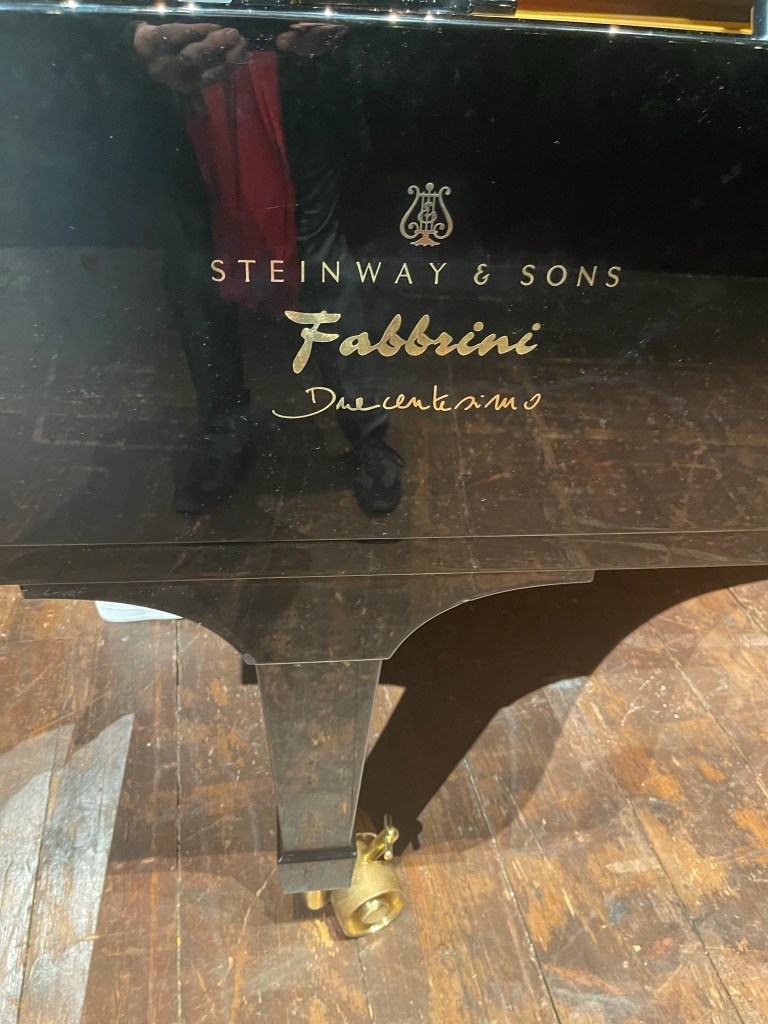
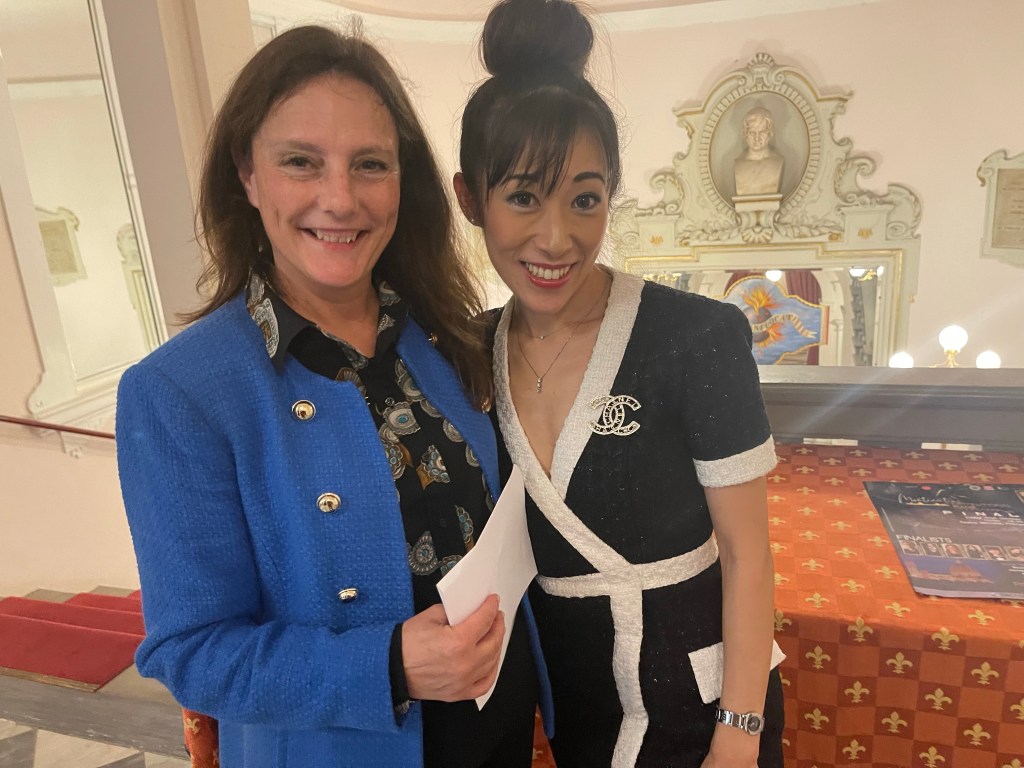
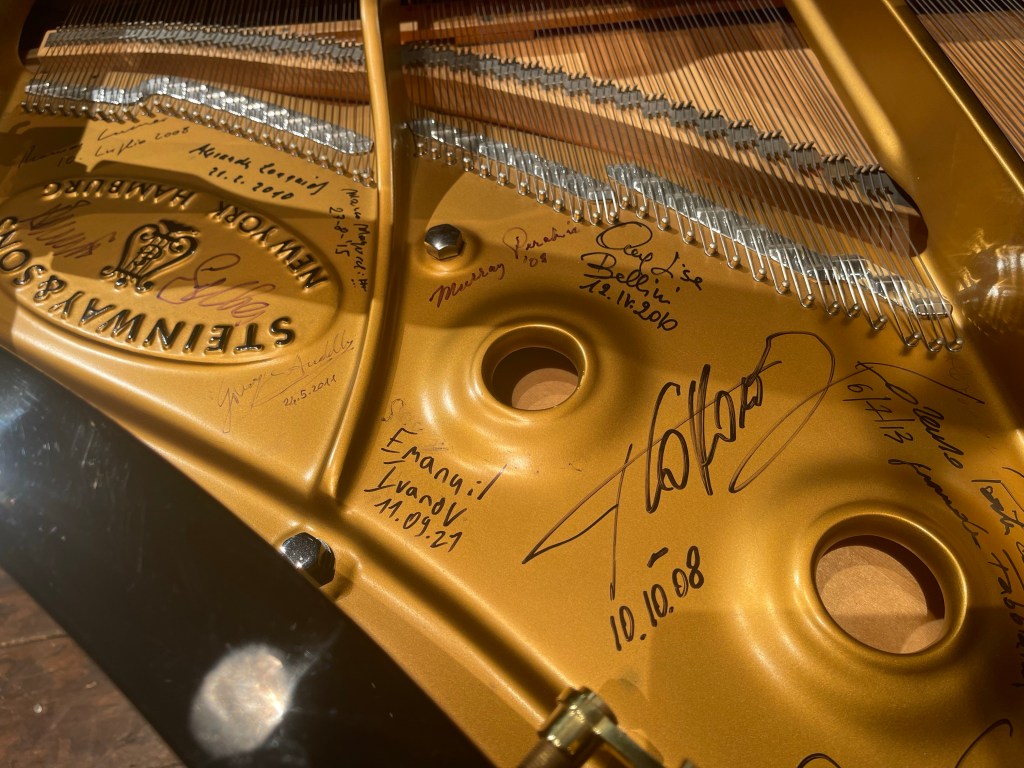
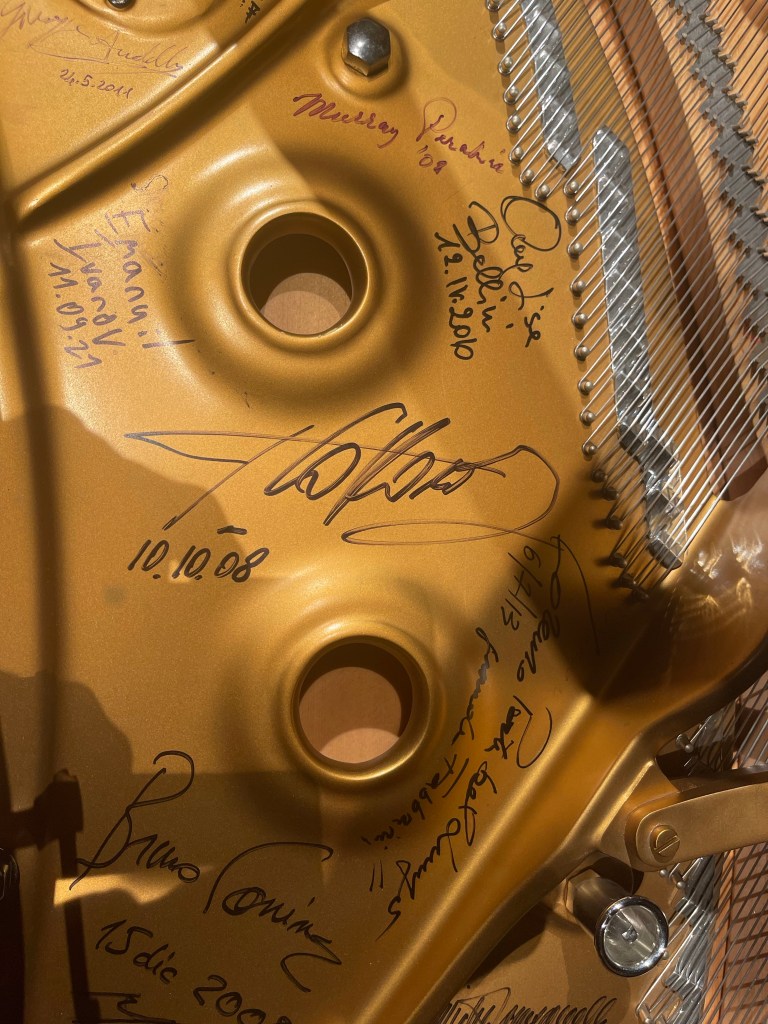
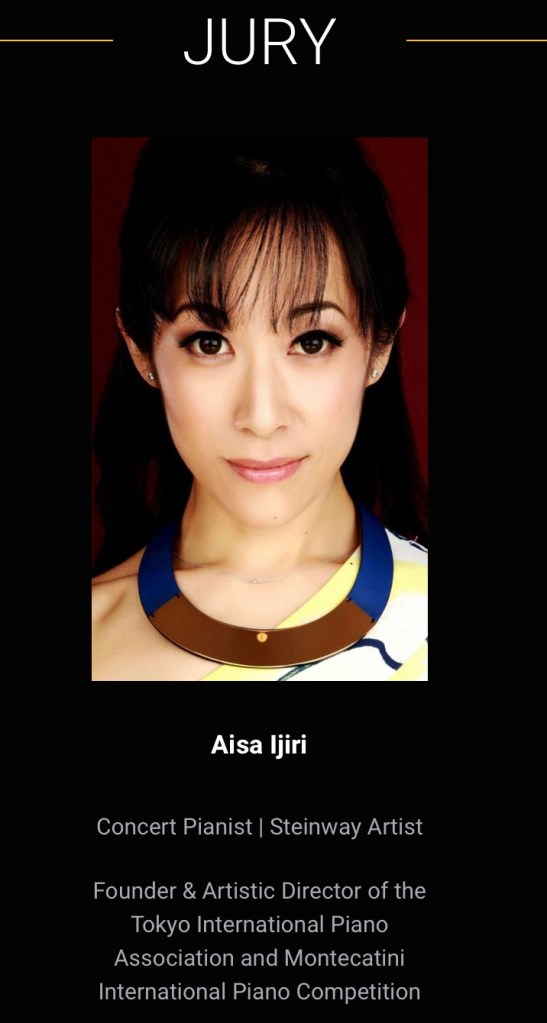
All assembled around the indomitable Aisa Ijiri.But the real star of the occasion was the wonderful 200th piano of Angelo Fabbrini.
Maestro Fabbrini has long been the indispensable friend to most of the greatest pianists of our time.This piano was specially made to celebrate a very special marriage between Steinway and Fabbrini.Signed by many of the pianists that have been fathifully served by a technician who is above all a magician.
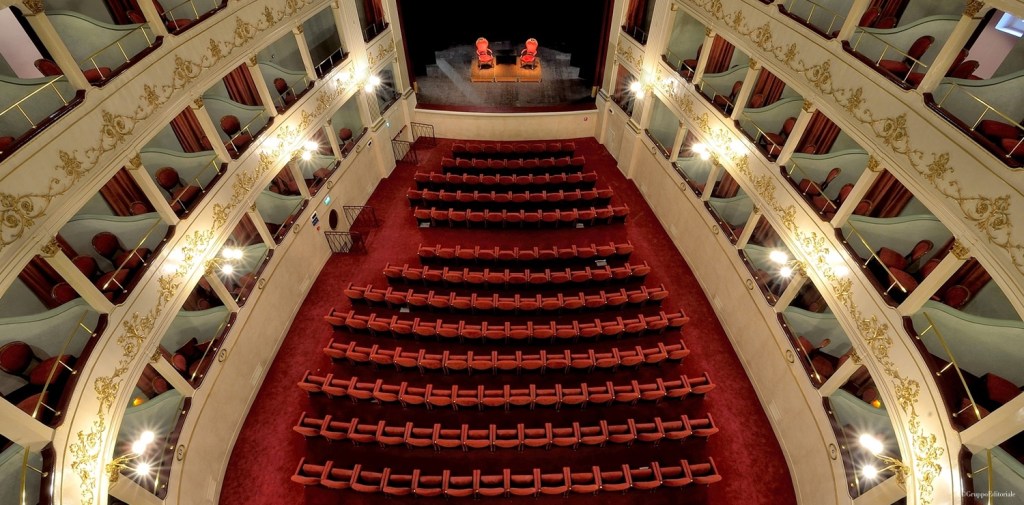
And so it was with the very first pianist of the day Alessio Ciprietti that the sumptuous sounds of this instrument wrapped themselves so warmly around us like the sumptuous decor of what is the oldest theatre in Florence.Built in 1648 and has reopened in 2016 after a 20 year restoration project to bring it back to its original splendour.
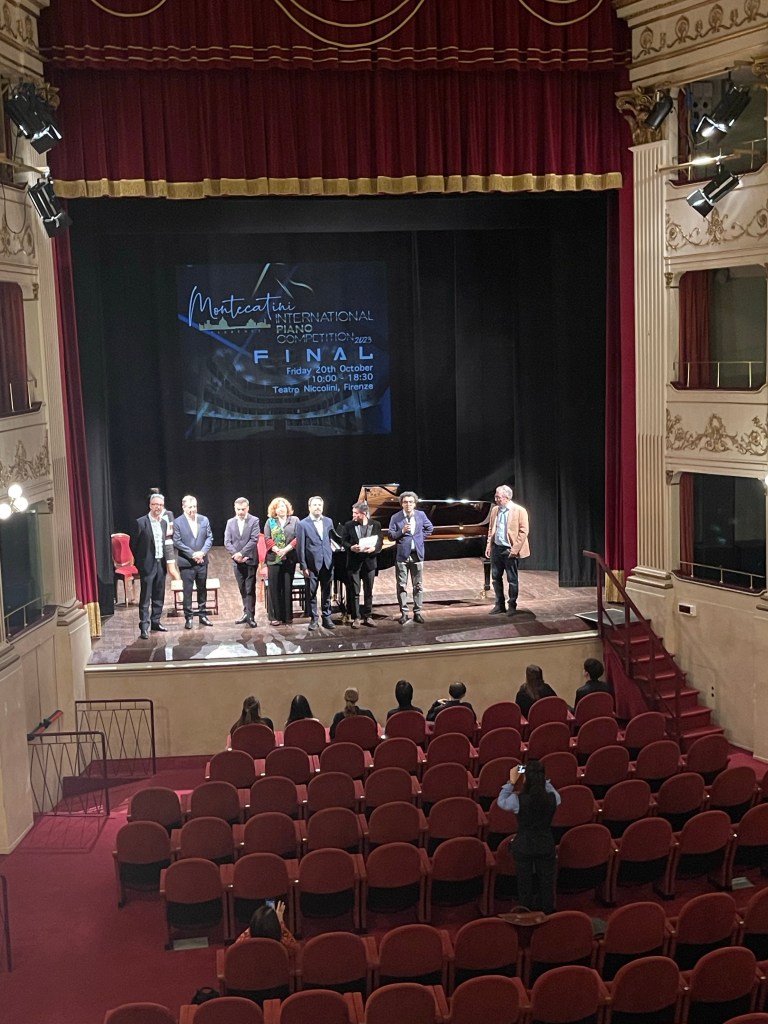
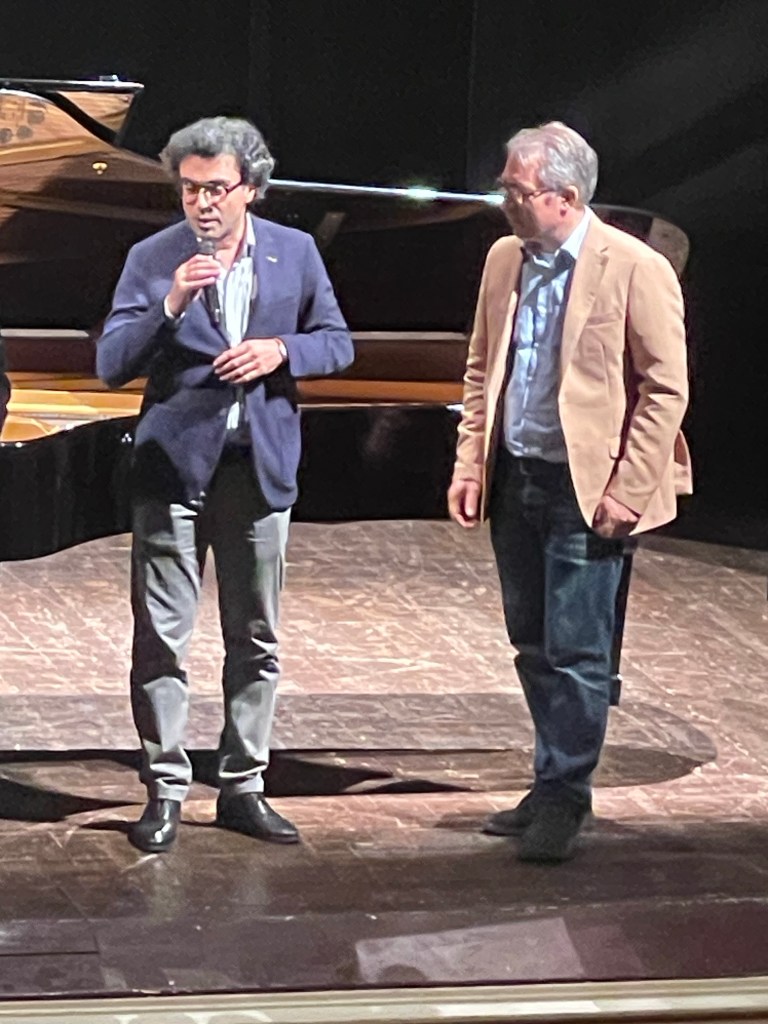
The director of the theatre had told us that in 1707 an opera of the young Handel ‘Vincer se stesso è la maggior vittoria’ received its first performance in this theatre that is just a stones throw from Florence Cathedral.
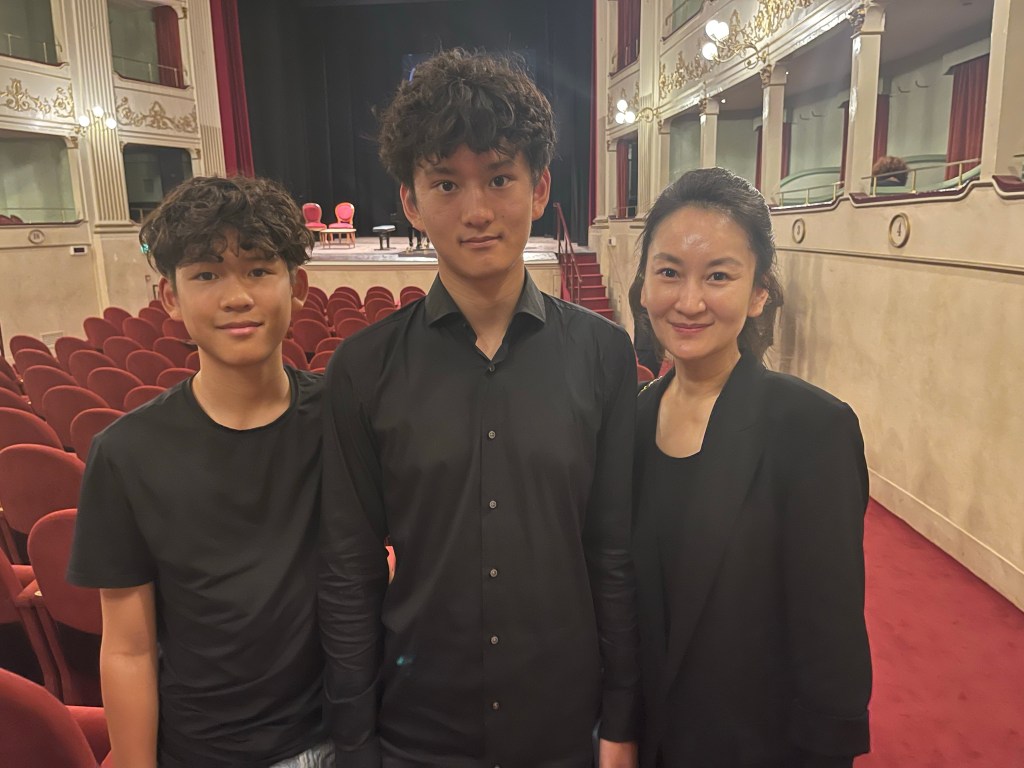
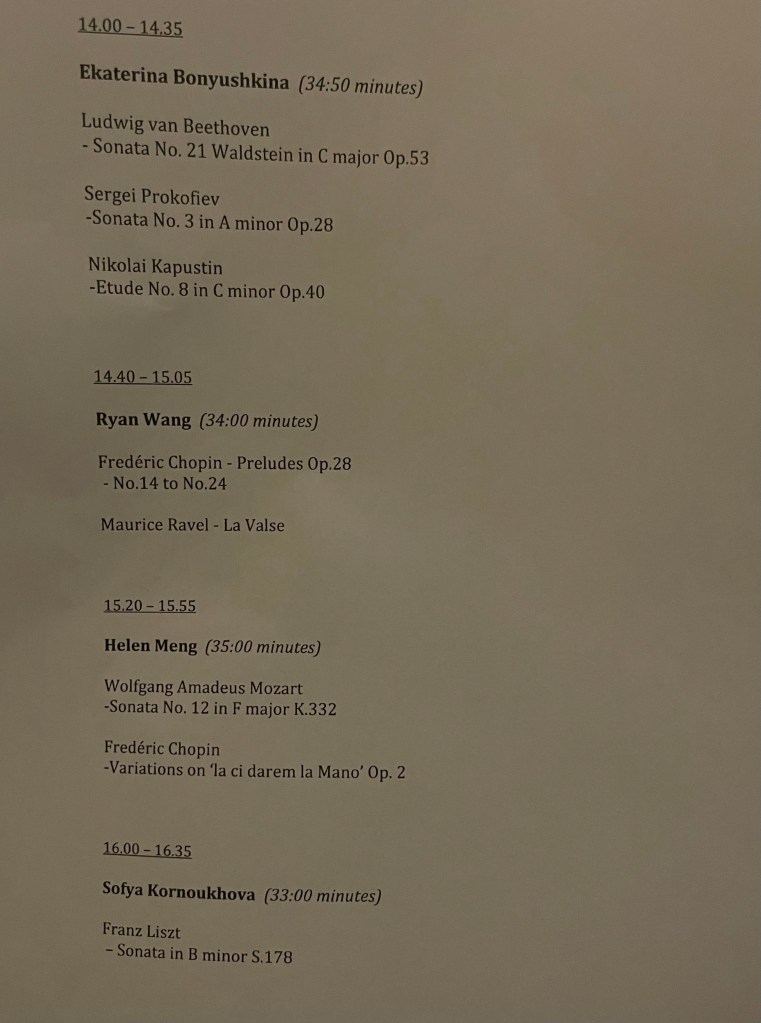
A young Chinese Canadian Ryan Wang at only 16 played like a real artist with a disarming simplicity and beauty and won first prize.
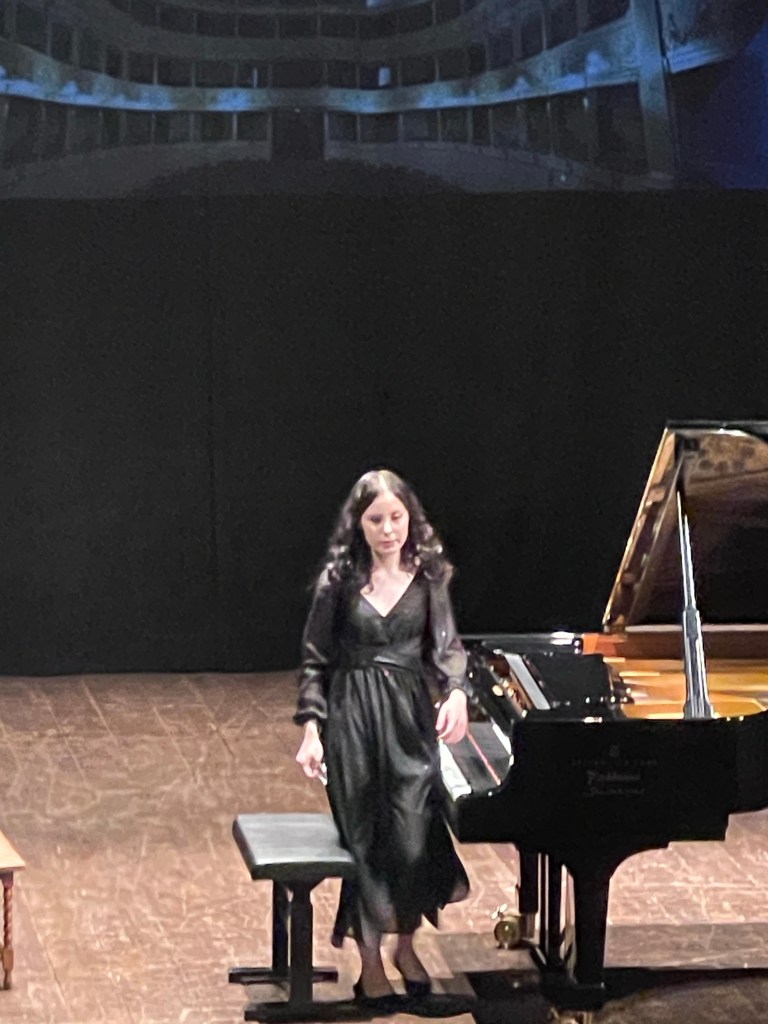
Anisa Dazhaeva at the ripe old age of 20 came a close second untangling the knotty twine of Rachmaninov’s first sonata with real mastery.
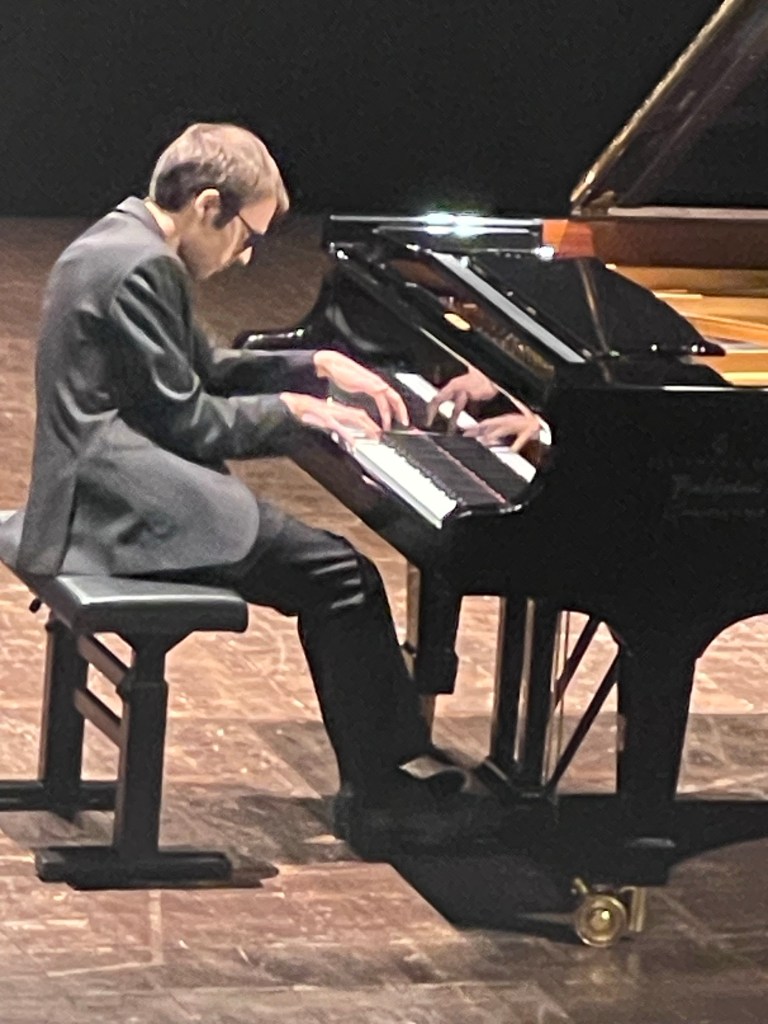
Alessio was awarded a Special Prize of a concerto performance with the Orchestra Filharmonie of Florence.
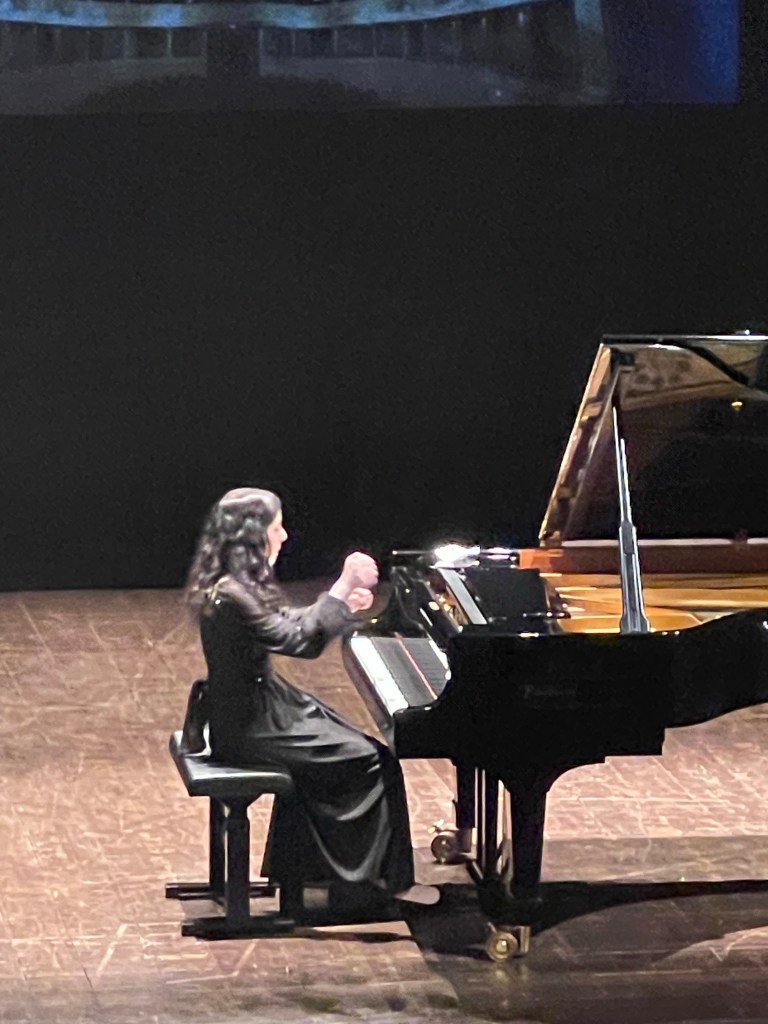
A brooding mysterious leit motif that pervades the thirty five minutes with an enormous amount of notes.Notes that in Anisa’s hands were just streams of golden sounds.A slow movement with a ravishing sense of balance with flights of fantasy in Anisa’s magic world of sounds.The last movement was played with real technical mastery and changing temperament until the clouds cleared and the opening melody was revealed in all its disarming simplicity.One might say from the sublime to the ridiculous!
A real artist who I would like to hear in a more varied repertoire too.
A very close second prize to a real artist.
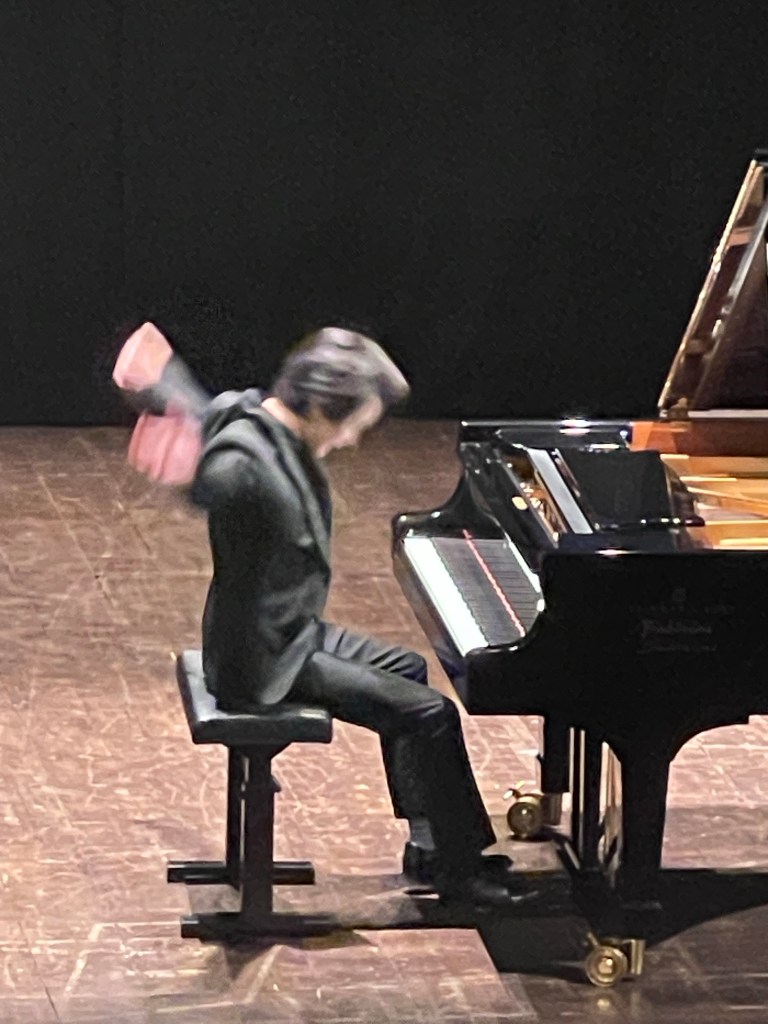
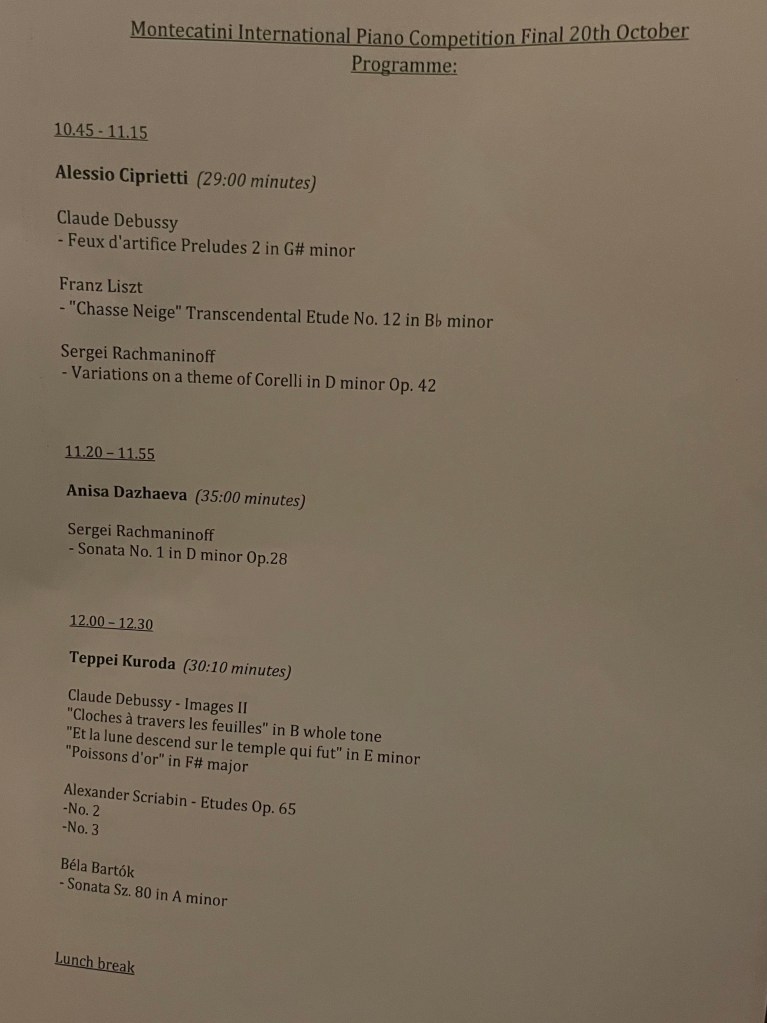
Scriabin studies were played with great clarity if just missing the fluidity that he had revealed in Debussy.
Bartok’s demonic sonata was played with real musicianship revealing a kaleidoscope of sounds and rhythmic drive.Beautiful sonorities in the slow movement before the dynamic drive of the last.Crisp and clear with the architectural shape of a true musician but just missing the red hot Hungarian passion.
It was good to see that he tied third with Ekaterina and was awarded the Special Prize ,generously offered by Steinway Artist and jury member Congyu Wang, of a concert in his Piano Island Festival in Indonesia .
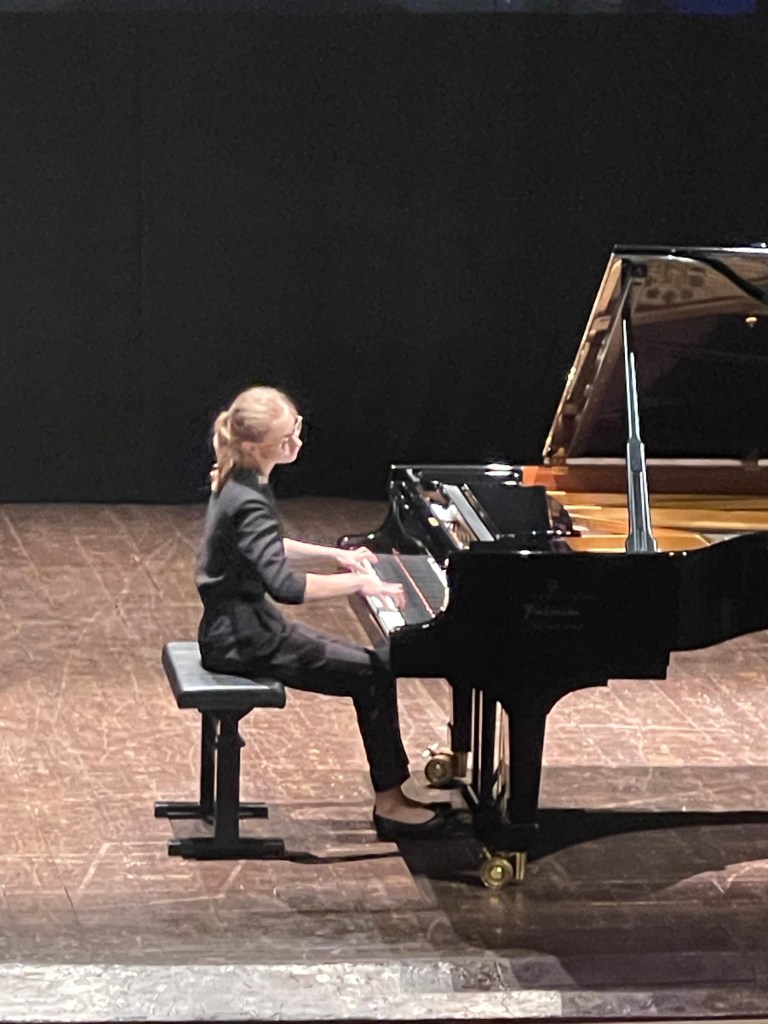
The Prokofiev Sonata was played with unusual sensitivity of a sonata that so often is played like a bull in a china shop.There was dynamic drive and real beauty that was so refreshing to hear.
But it was the Kapustin Study that ignited her true brilliance and superb jeux perlé as she relished this jazz oriented virtuoso world of Kapustin.
It was no doubt this above all that decided the jury to award her joint third prize with Teppei Kuroda.
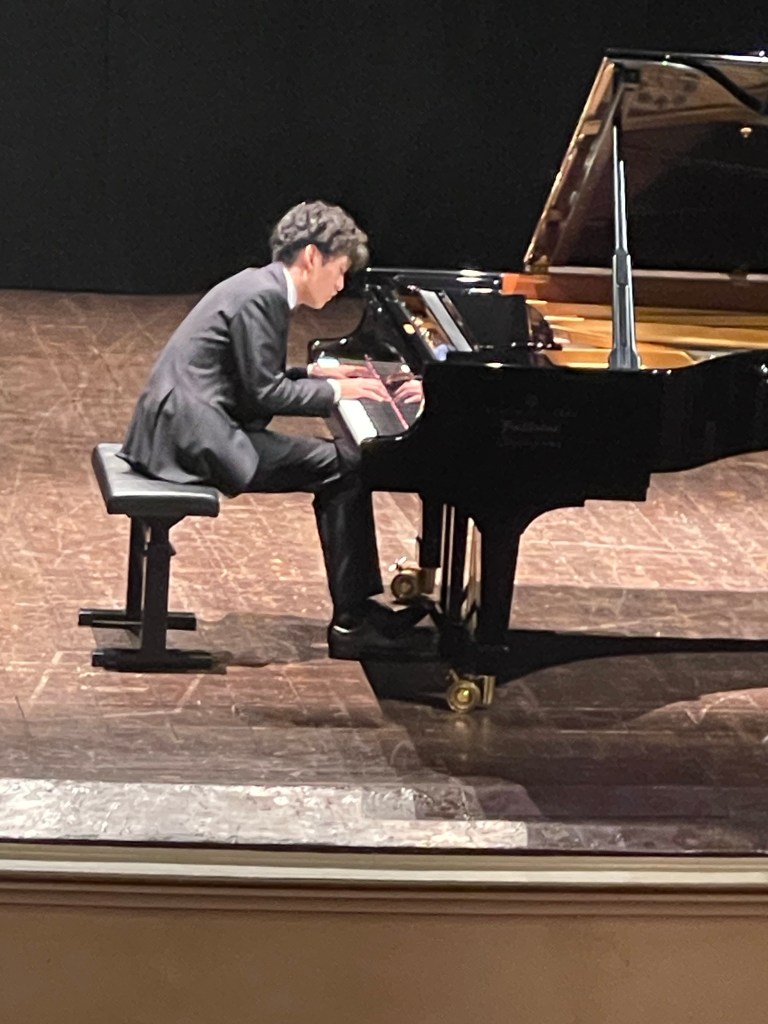
La Valse in Ravel’s own demonic transciption showed off his astonishing technical mastery but also a clarity that could allow him ,no matter what challenges he faced,to keep the shadow of the waltz ever present.Double glissando shot from his agile fingers like rays of light over the keys in a remarkable display of musicianship and technical mastery.
At only 16 it is no surprise that the Jury awarded him first prize.
He was also awarded two special prizes of a recording for KNS classical and a Concert in the Faro Festival in Portugal offered by the ever generous Congyu Wang.
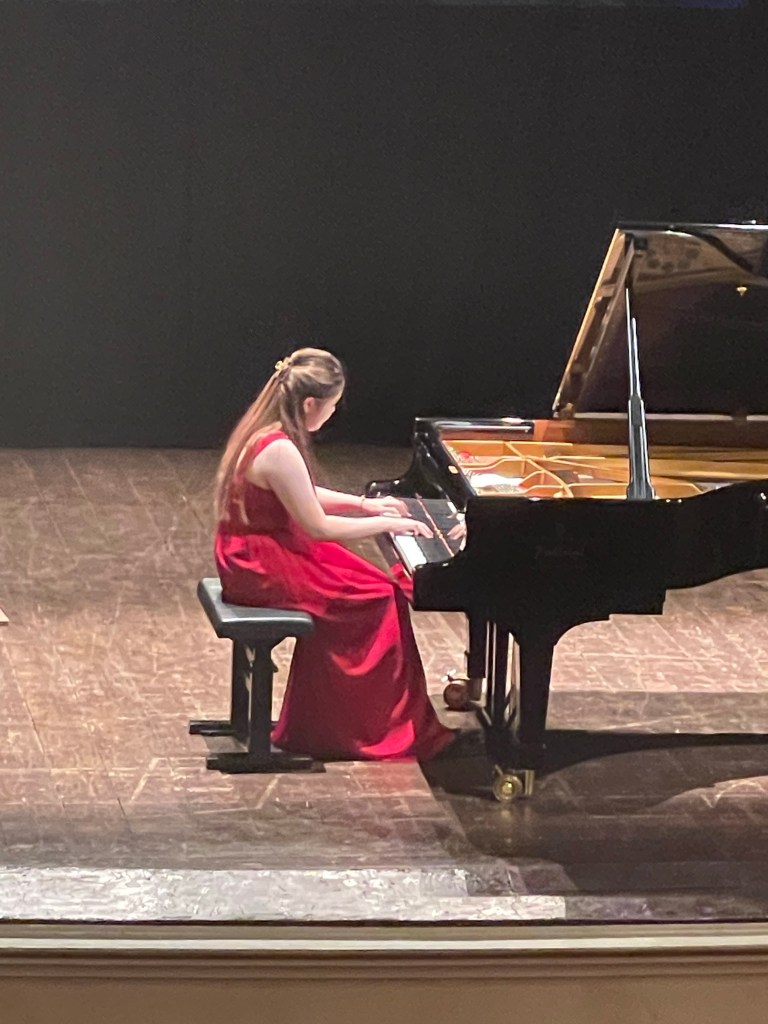
The Chopin Variations op 2 are the ones that Schumann on hearing Chopin play them in Paris was to remark ‘Hats off a genius’.A very well prepared performance of great musicality and intelligence where the technical difficulties were incorporated into a musical shape of beguiling style.A jeux perlé that flowed with teasing ease from her agile fingers.A fine performance that just missed the charm and grace of a show piece written especially as a visiting card for the young Chopin as he played in the Salons of the aristocratic Parisian families of his day.
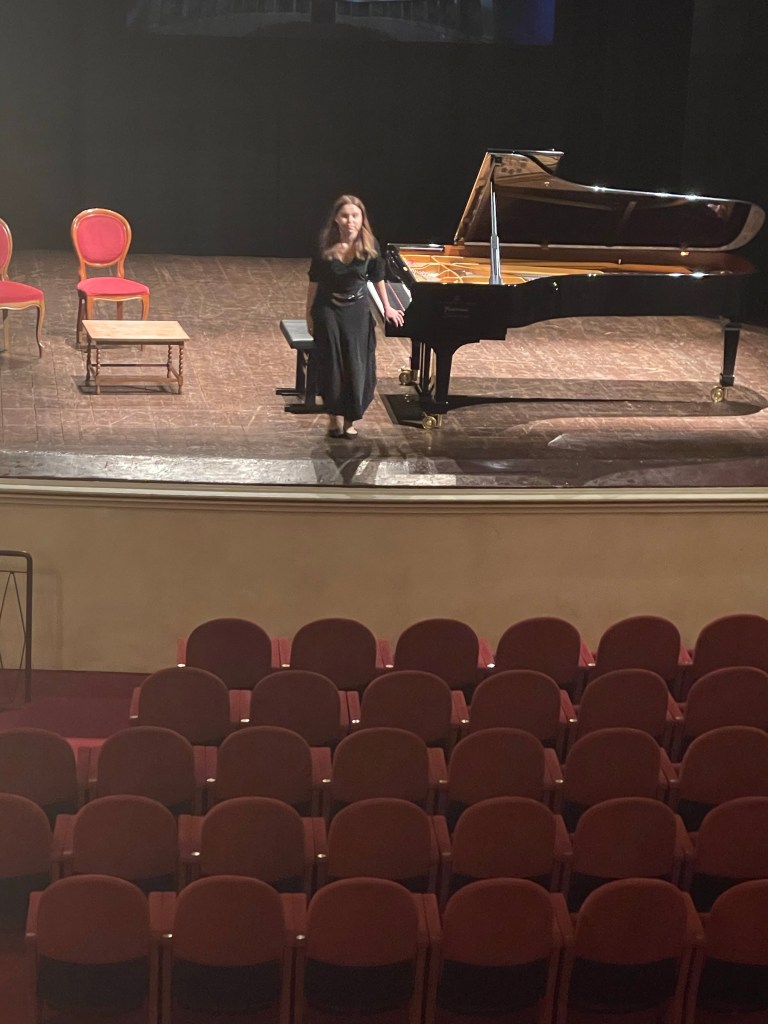
It is a work that is the pinnacle of the Romantic piano repertoire and can present interpretative problems that for a competition can easily lead to discussions also amongst the jury members themselves!
Sofya courageously presented the Sonata with her own personal interpretation from the so called ‘Liszt Tradition’ rather than looking deep into what Liszt had actually written in the score.Her impulsive rhetoric sometimes took her into deep and muddy waters but there were also some moments of great beauty especially in the Andante and the final visionary page.
Liszt had originally conceived a final in great Romantic style with all the guns being fired but he then cancelled it and wrote one of the most visionary pages in all music.There were many beautiful things but from the very first page Sofya had shown us her Romantic intent.The three main germs of the music are exposed piano/mezzo forte and forte with the fortissimo only on the second page before the real beginning of the Sonata where these three themes are in continual evolution in Liszt’s genial recreation of the Sonata form.A very talented young pianist that now needs to realise that classical music can sometimes benefit from a certain Romantic freedom whereas Romantic music needs to be kept more in a classical frame otherwise one looses the sense of architectural whole.However interpretation should always start with scrupulous attention to the composers markings and Liszt wrote detailed indications of the notes but also the pedal in his scores that are too often ignored at the peril of the performer and detriment of the composer!
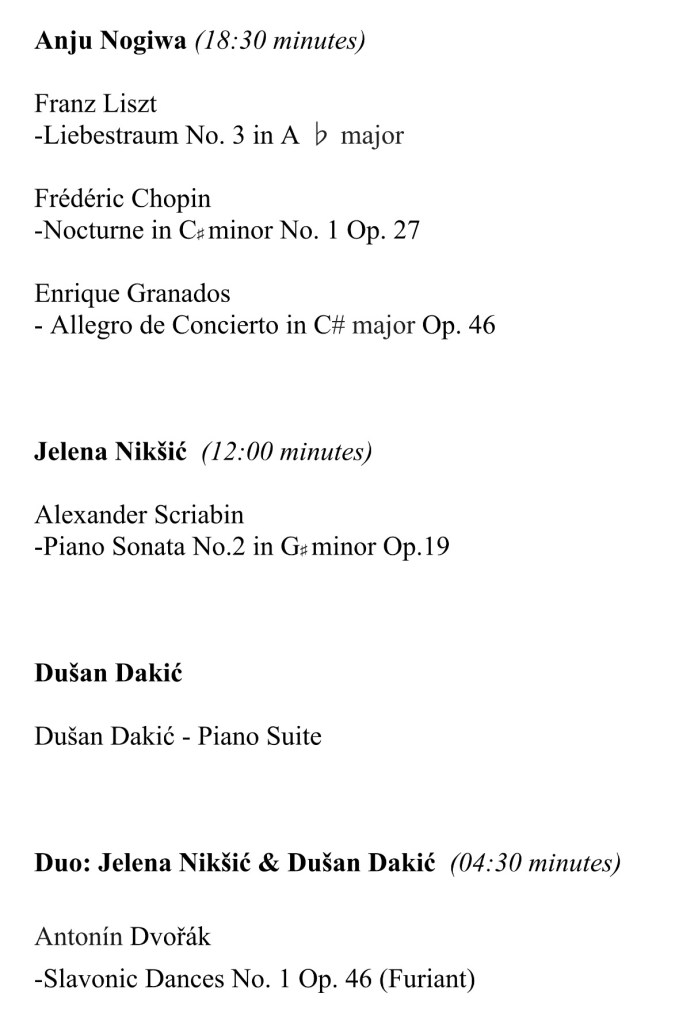
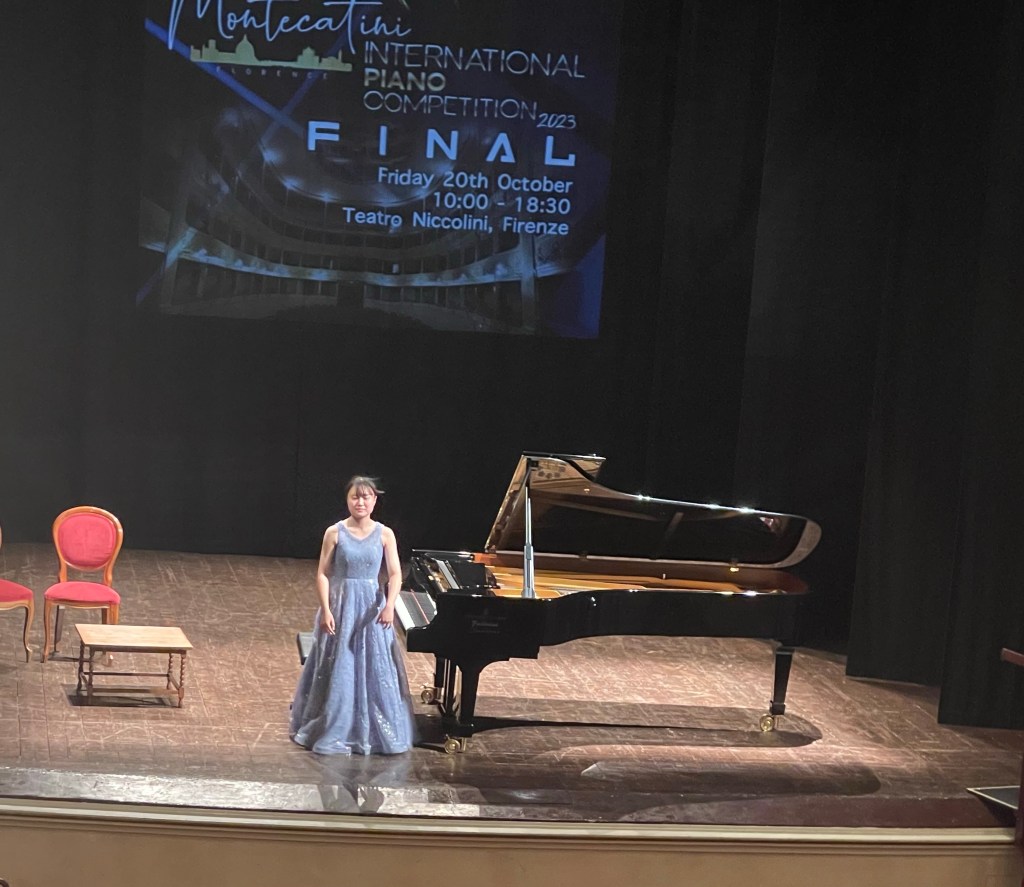
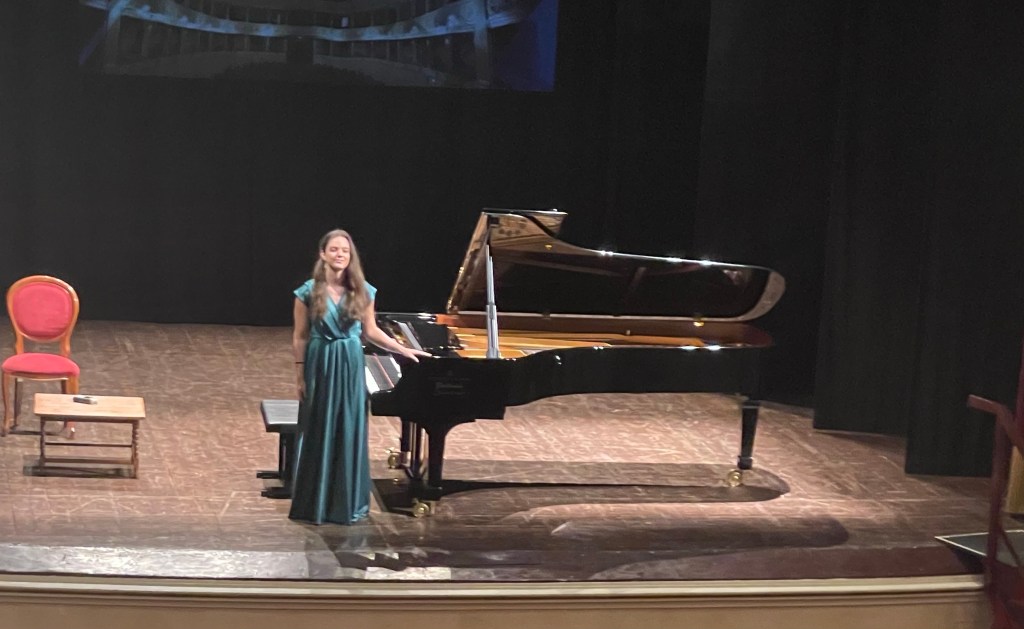
As if this was not enough the indefatigable Aisa had organised as director of the Montecatini Competition a short concert to give a platform for three Young Talents of the Junior Montecatini Competition :Anju Nogiwa,Jelena Niksic and Dusan Dakic.
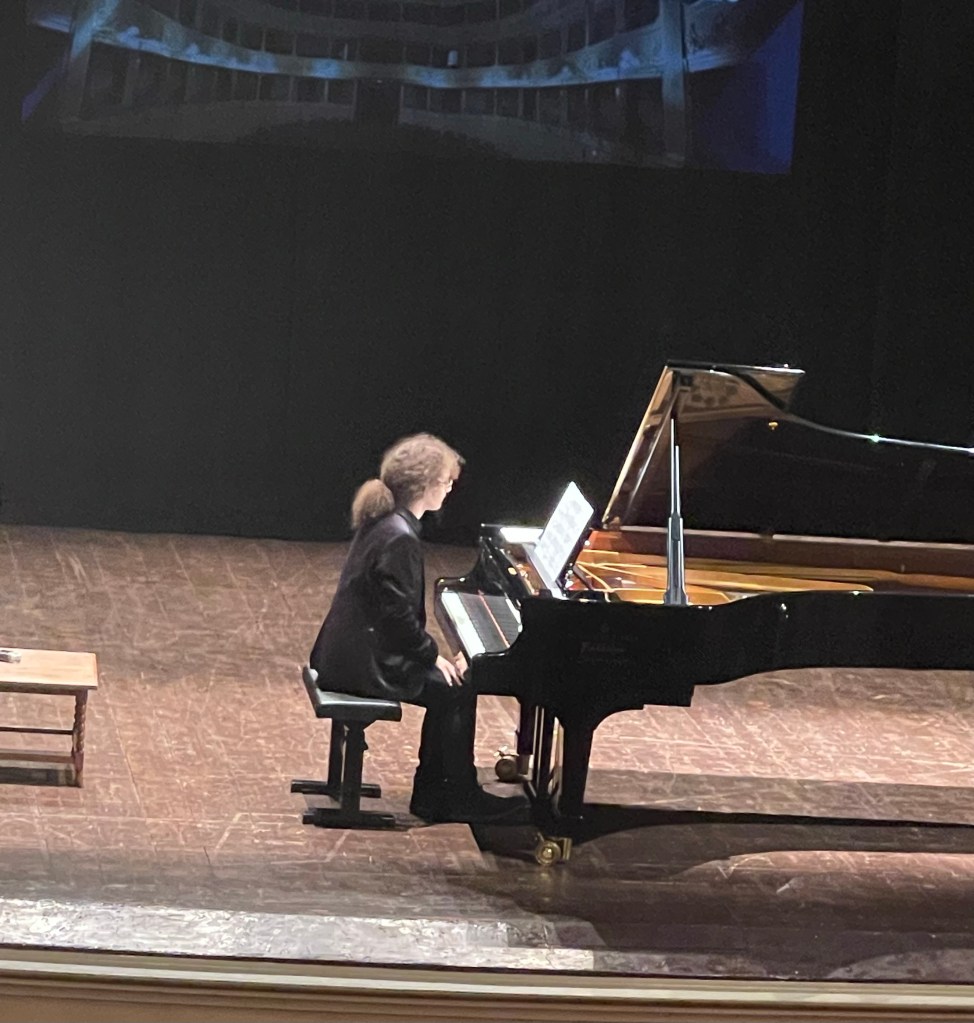
An interesting suite played by a real thinking musician.
 ChristopherAxworthy-MusicCommentary
4 risposte a "Montecatini International Piano Competition Final in the historic Teatro Niccolini in Florence."