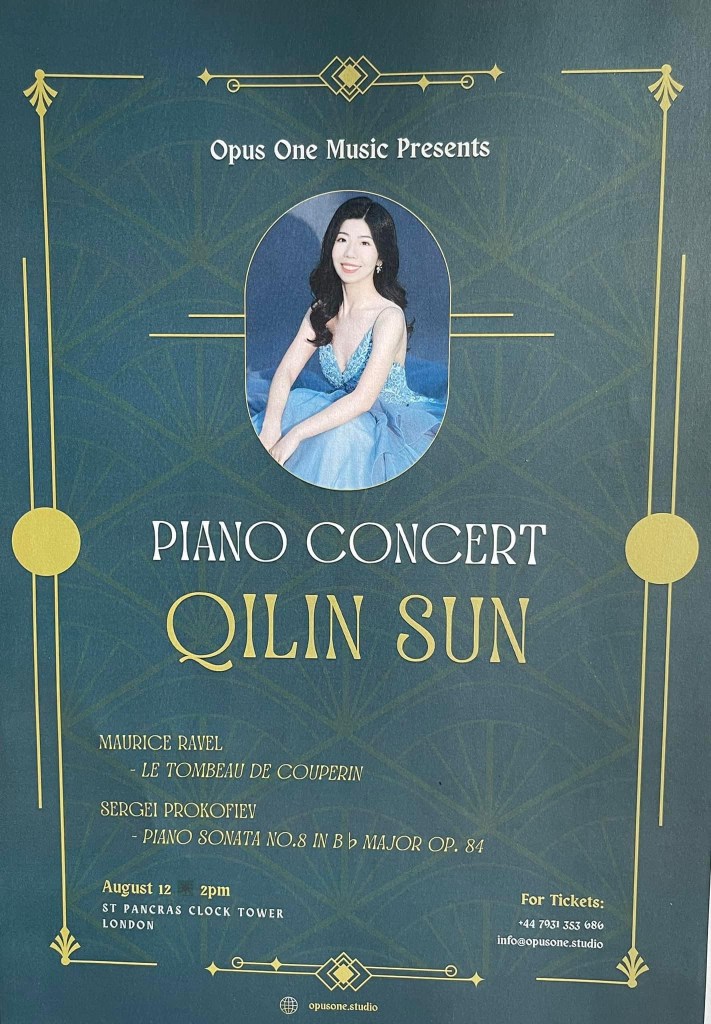
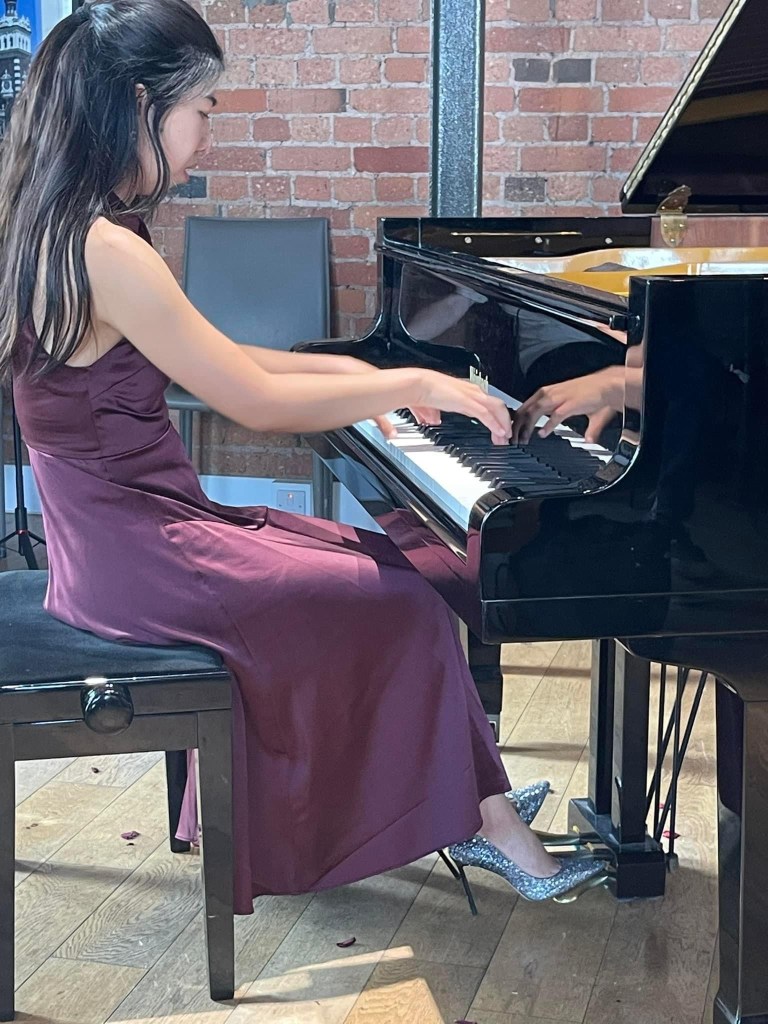
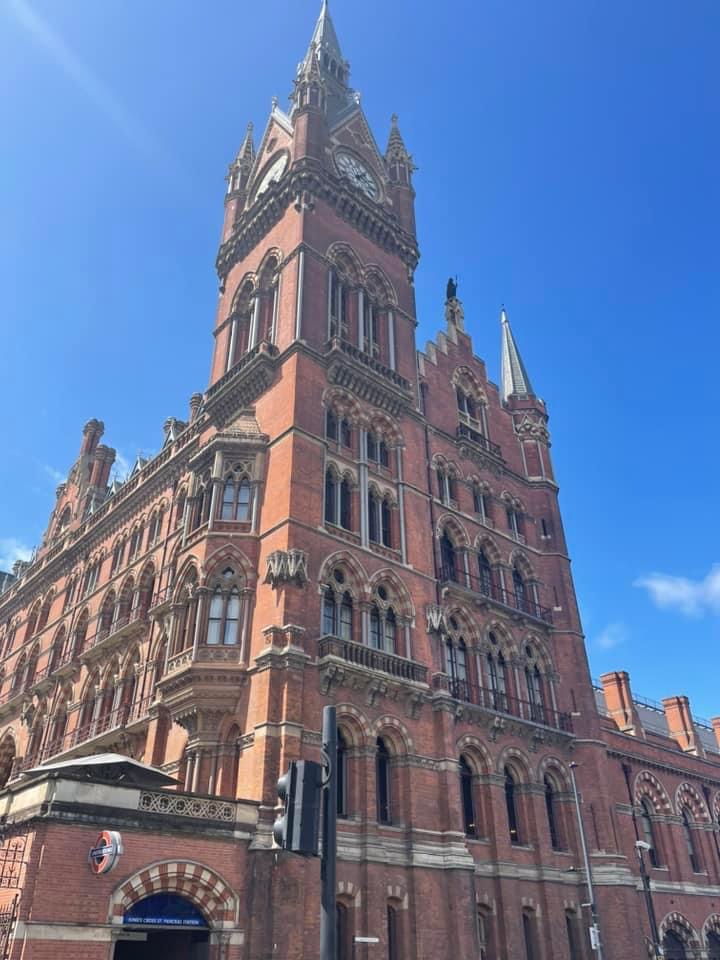
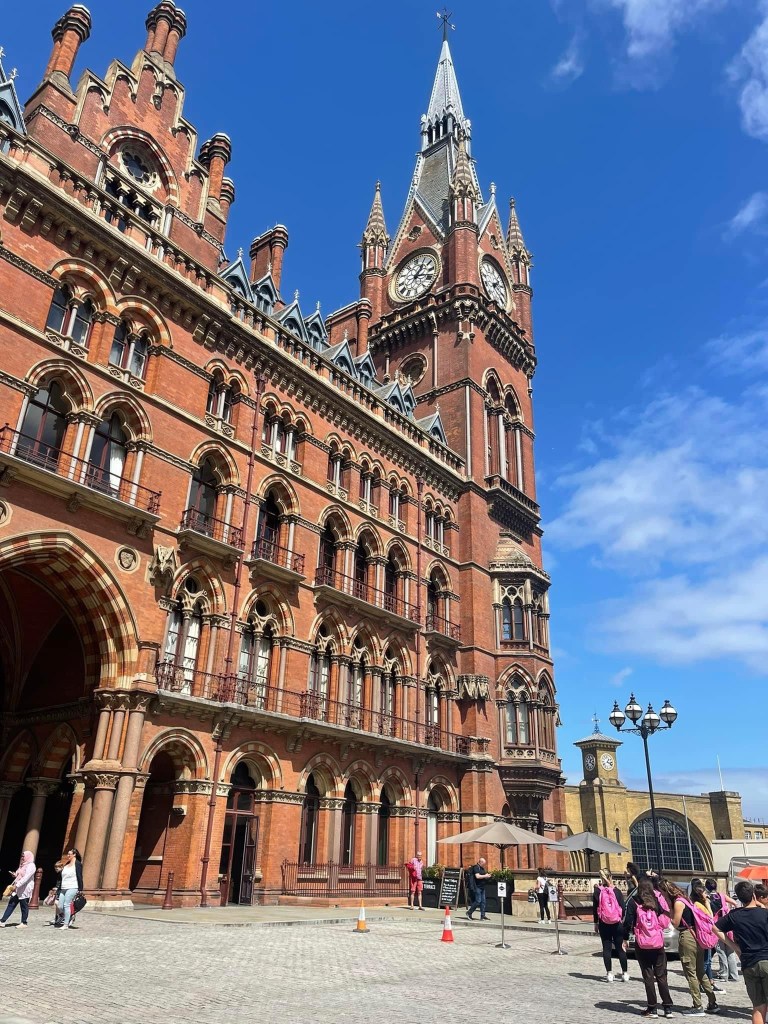
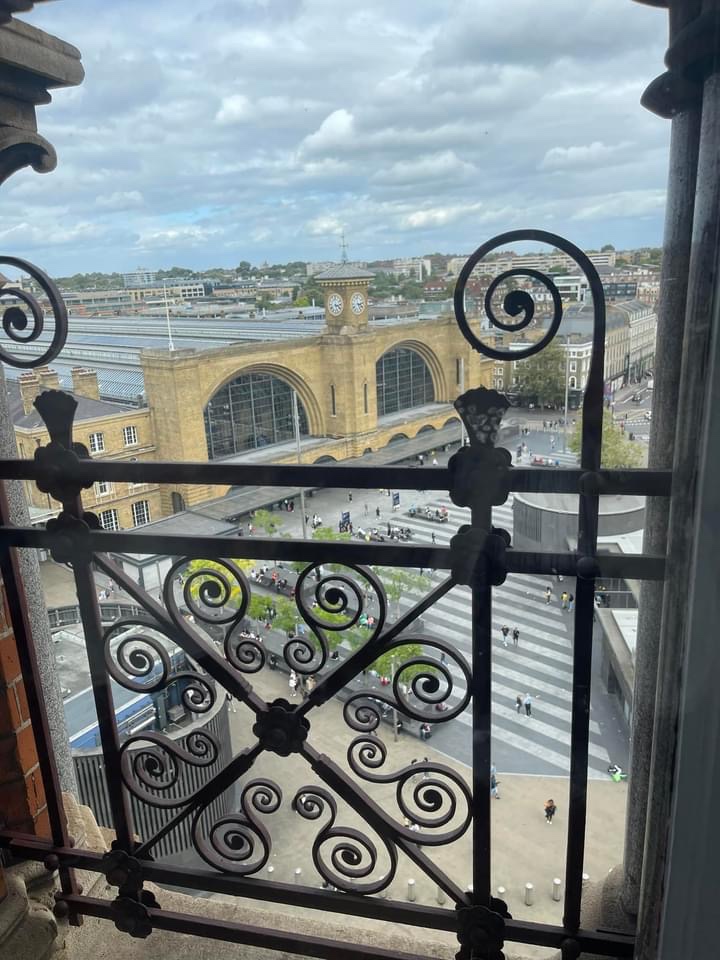
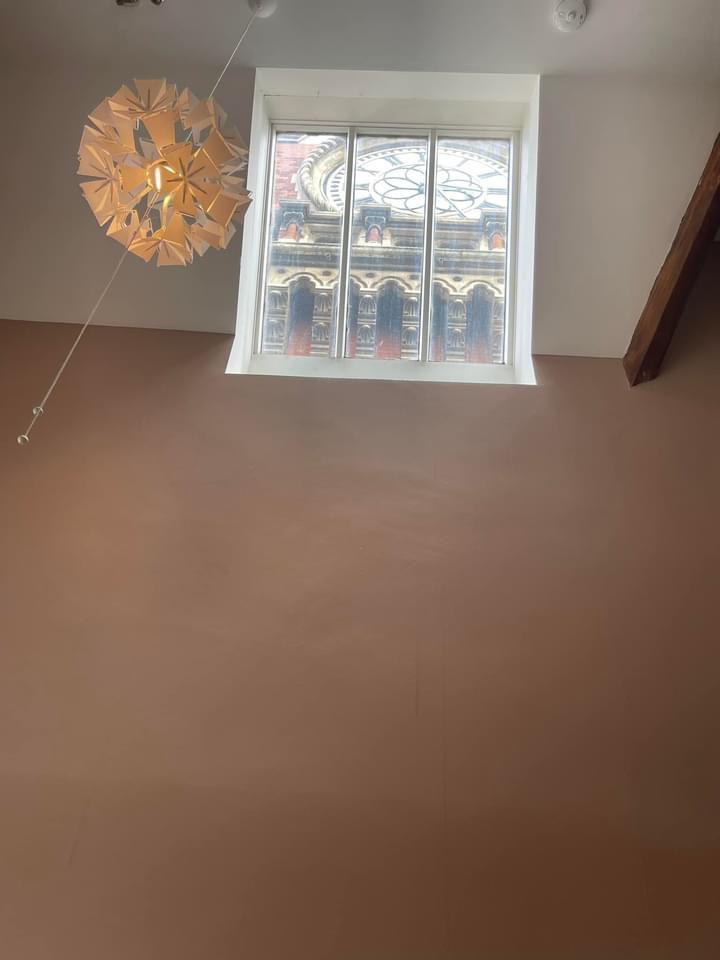
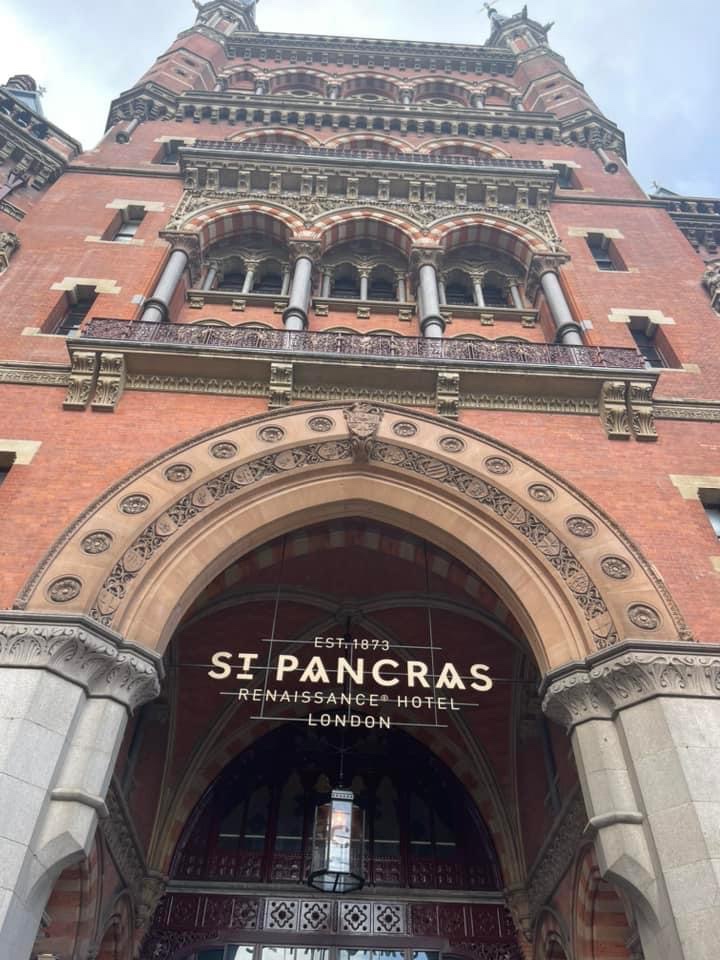
What an amazing place London is. A Prokofiev 8th sonata to die for and not far off from paradise either in the clock tower of one of London’s busiest railway stations.
It has an Oscar Wilde ring to it but luckily silenced for the duration of the concert !
Ravel of ravishing clockwork beauty that unravelled in such an unknotty way.Bursting into flames as this glorious epitaph to a sacrificed generation reached its ultimate conclusion.
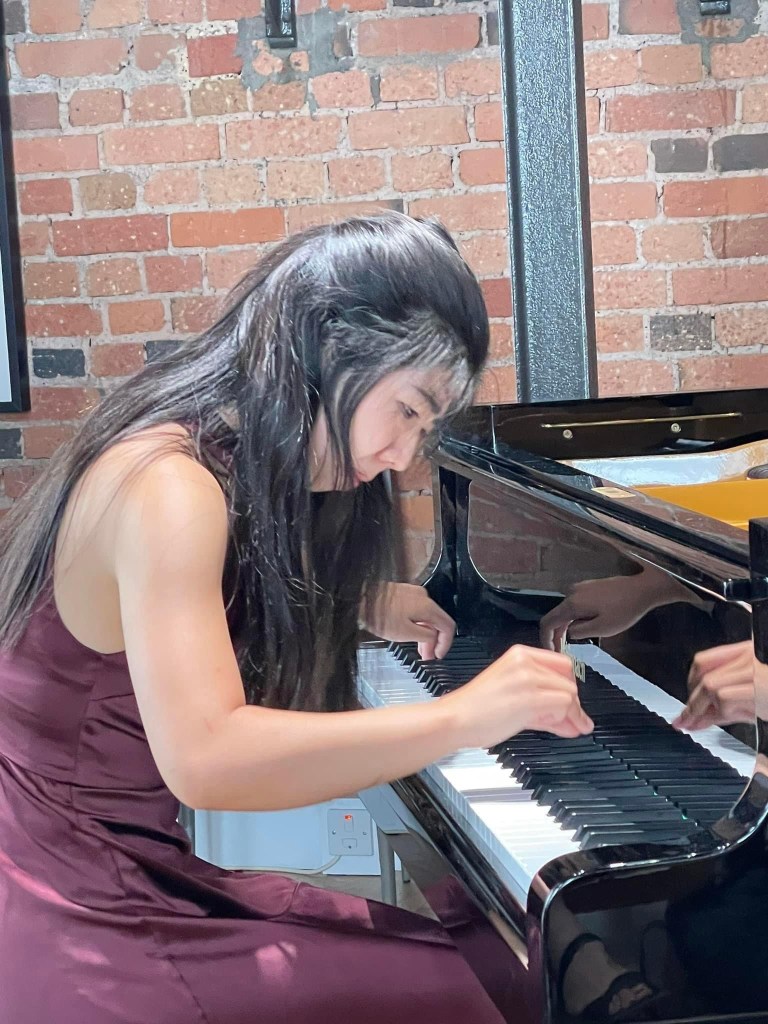
Prokofiev’s vision of beauty desolation and triumph truly inflamed us much more than one could have ever envisaged.This beautiful young waif of a pianist from the class of Kaplinsky at Juilliard is truly a Tiger in disguise .
Now one of the youngest professors in her home city of Sichuan in China.This first visit to London started at St Pancras Station – the gateway to Europe and will undoubtedly be the first of many at the start of a glorious career.
There was from the very opening notes of the Ravel ‘Prelude’ a beautiful circular movement of Qilin Sun’s hands that immediately allowed her to play with a great sense of legato as the clockwork precision of Ravel’s score was turned into washes of sumptuous sounds.The delicacy of the fugue too showed us the kaleidoscopic colours that flowed from her very strong but sensitive fingers.A musicianship that could guide us through this gentle maze of knotty twine with sounds that reminded me of the early violin sonata and already the unmistakable voice of Ravel. A purity and clarity helped by a sensitive use of the pedals but never allowing the sounds to be other than clearly defined with subtle aristocratic but never sentimental beauty.A typically ‘French’ sound that was to influence so many composers who followed in this master’s footsteps.Poulenc of course comes immediately to mind although a different more popular genre.
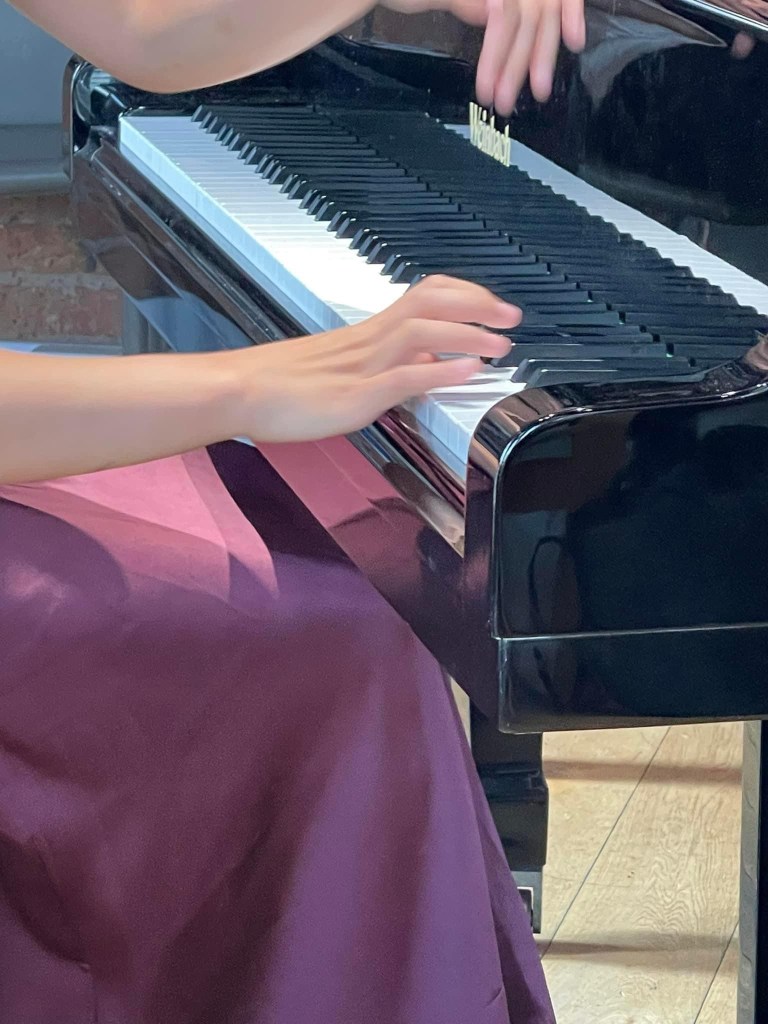
There was an infectious lilt to the ‘Forlane’ with its mellifluous outpouring and ravishing sense of spirituality with a dance of jewel like precision.The music box coda was magically played by an artist who now had us following every note in a musical conversation of extraordinary clarity and artistry.There was a contrasting sense of rhythmic energy that exploded onto the scene with the ‘Rigaudon’ and its beautiful sensual central episode played with a great sense of freedom.The flowing ‘Minuet’ was played with crystalline beauty and contrasted with the sombre hymn like central episode so reminiscent of Debussy’s ‘Canope’ on which Ravel magically floats the reappearance of the Minuet.
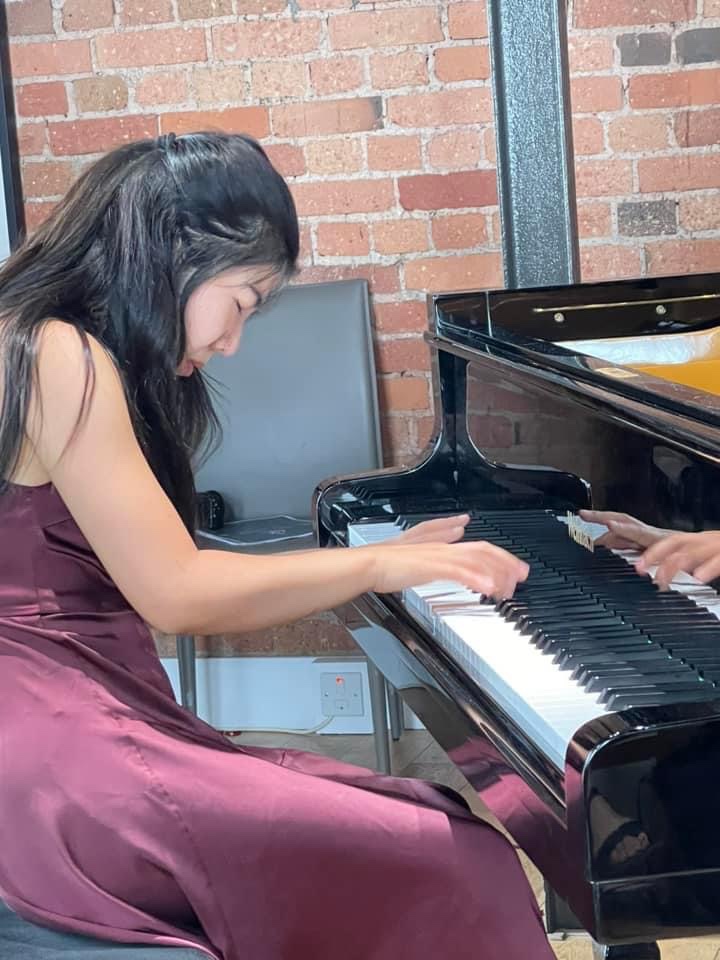
The ‘Toccata’ was a real tour de force from a pianist who was totally in command of the keyboard.Her fingers were like limpets never leaving the keys but playing with breathtaking precision and beauty.A continual relentless forward movement but like the great artist she is she slackened the pace almost imperceptibly as Ravel magically changes colour and opens up a world of ravishing seduction and beauty.The final race to the end was breathtaking in its passionate drive with a technical mastery that was quite overwhelming .Ravel finishing this tribute to the slaughter of a generation and many of his closest friends with a triumphant sign of hope for a better future.
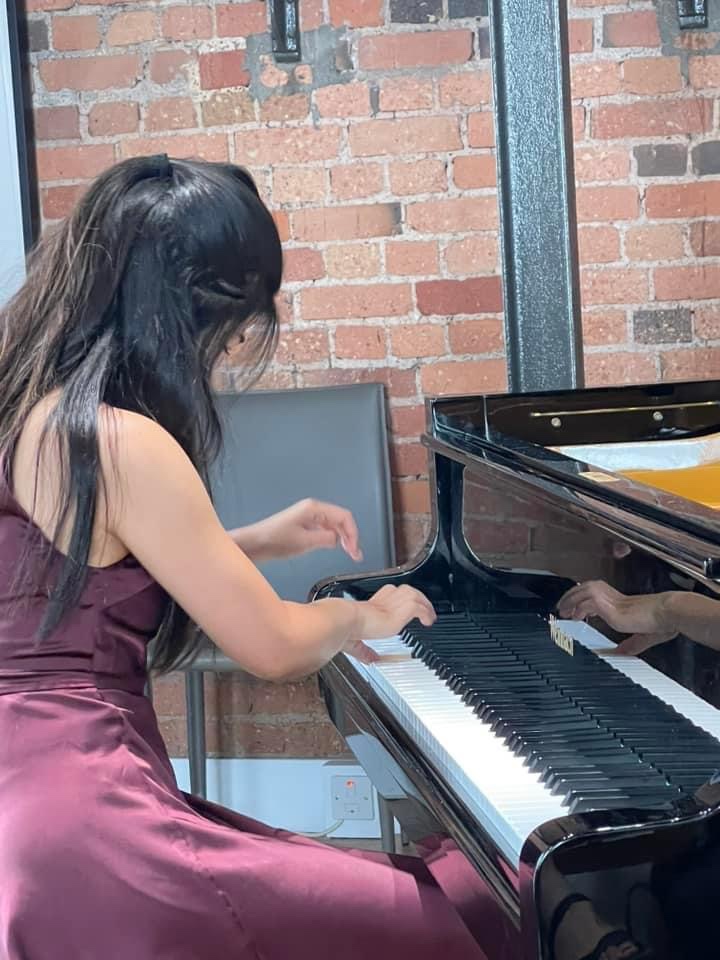
Qilin Sun’s performance of Prokofiev’s monumental Eighth Sonata op 84 was a marvel to behold.There was a contemplative opening to this great lyrical song with its nostalgic and pungent harmonies where streams of melody were floated and lost in the desolate atmosphere that Prokofiev describes with poignant meaning.Spirals of notes unwound with mastery from Qilin’s superb fingers creating a fantastical sound world with a climax of overwhelming power and total conviction that I have only ever heard similar from the hands of Gilels or Richter.
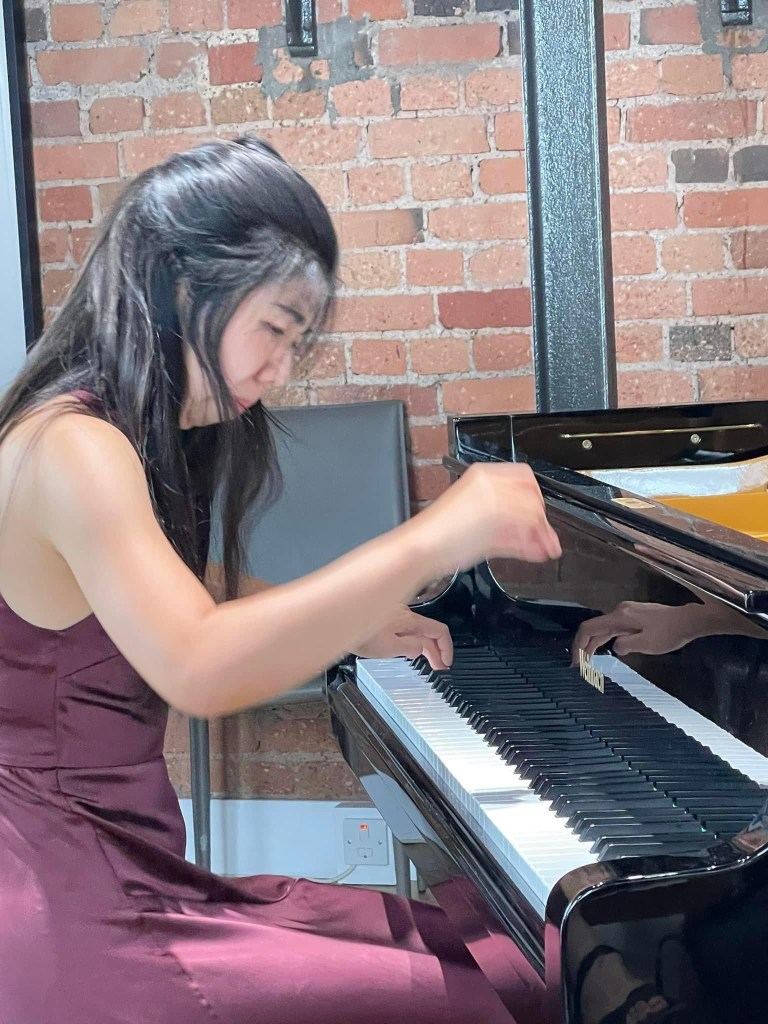
A passion and total mastery not only of the notes but of the very sound she was creating A pianist who listens and feels the sound within her very being.A piano that became a full orchestra never with percussive or ungrateful sounds but a rich deeply expressive sound world full of sumptuously demonic power and energy.I wonder if the clock tower of one of London’s busiest railway stations has ever resounded to such wonderful music making as today?
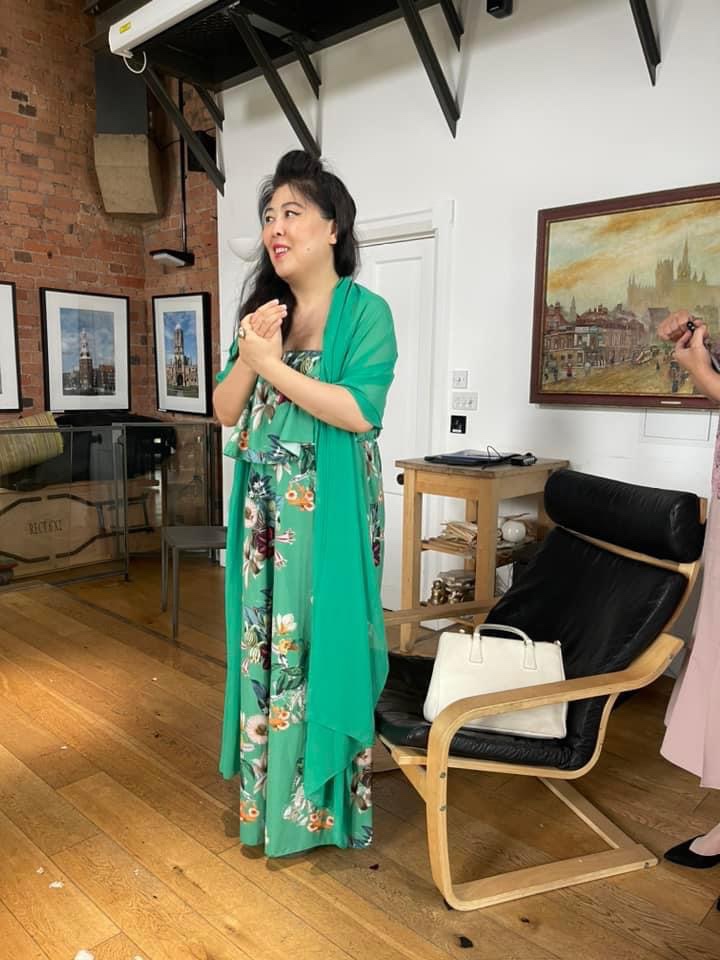
By great demand she was persuaded to play a short piece that depicts her home town of Chengdu in the province of Bashu.A collection of beautifully chiselled short episodes by Hu-wei Huang ‘The pictures of Bashu’ played with a purity and fluidity that was indeed refreshing after the monumental outpourings of Prokofiev and Ravel that she had treated us to today.Even if the clock had struck the hour I doubt we would have noticed ,such was the atmosphere that Qilin Sun had created in this stop over visit to London from New York to China.
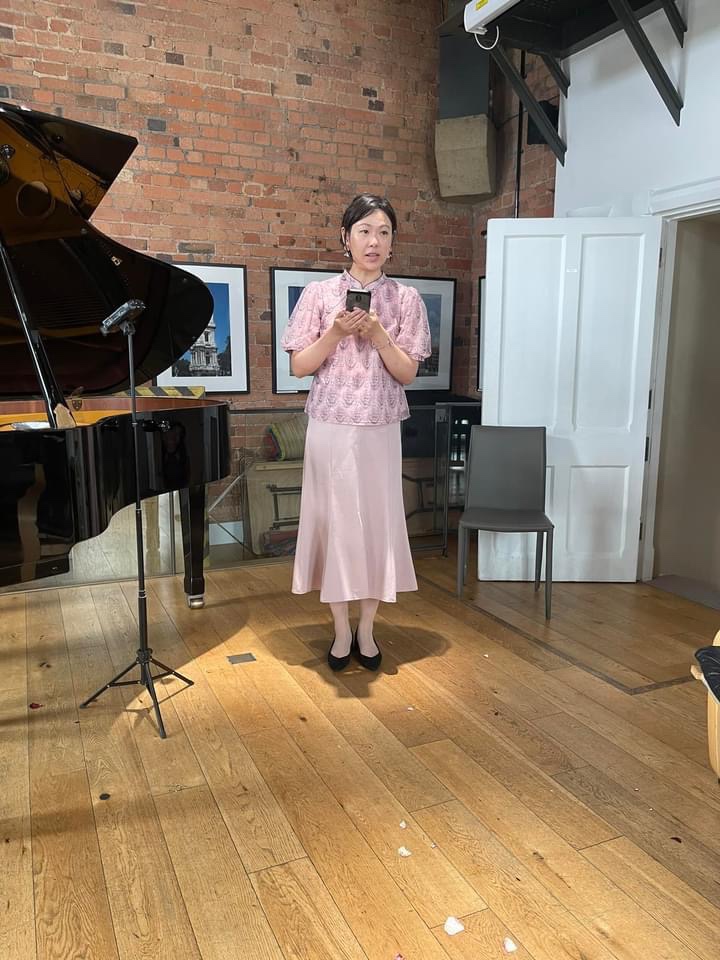
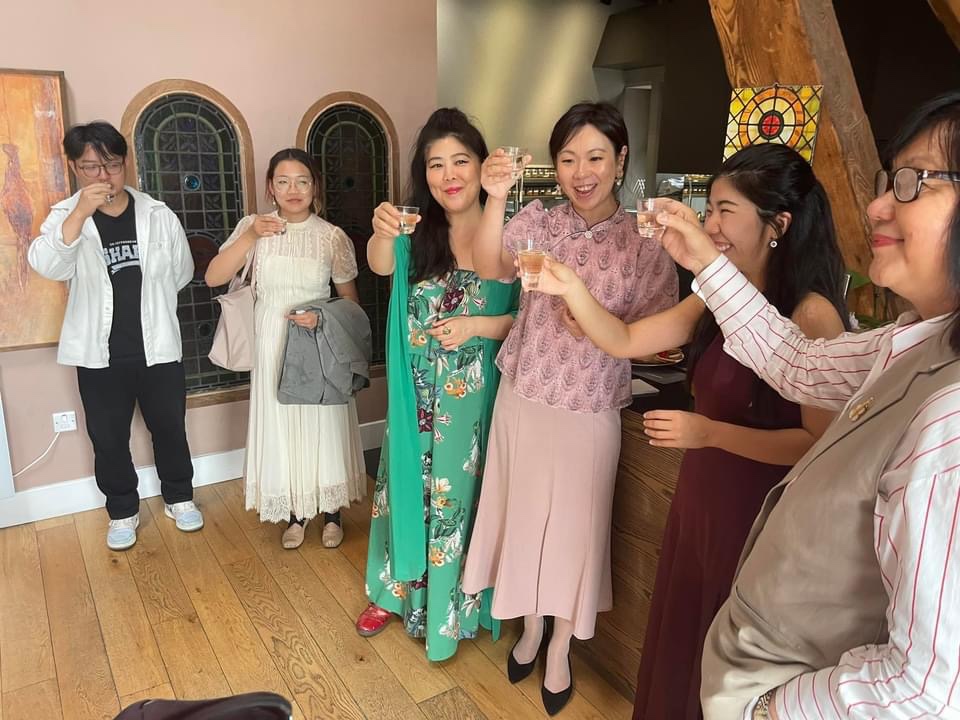
A concert organised for Opus One music by her friend and a former student of Julian Jacobson ,Shirley Wu.(shirley@opusone.ca).This magnificent venue in the centre of London is run by Peter Tompkins ( info@stpancrasclocktower.london)

Prokofiev Piano Sonata No. 8 in B♭ major op.84 is the third and longest of the three “war sonatas”. He completed it in 1944 and dedicated it to his partner Mira Mendelson , who later became his second wife.The sonata was first performed on 30 December 1944, in Moscow by Emil Gilels
In March 1939 Prokofiev began working seriously on a cycle of three piano sonatas, the Sixth, Seventh, and Eighth, to be known later in the West as the “War Sonatas.” As was his compositional habit, he had previously composed a few of the themes and assigned them to different movements of each sonata – “Themes easily slip away, they come and go, sometimes never to return.” The circumstances of their composition were summed up by Mira Mendelson, Prokofiev’s partner for the last twelve years of his life, “In 1939 Prokofiev began to write three piano sonatas…working on all ten movements at once, and only later did he lay aside the Seventh and Eighth and concentrated on the Sixth.” In all, it took Prokofiev five years to complete the cycle, from 1939 through 1944.As Russia and the allies gained the advantage in the war, artists began to migrate back to Moscow after having been evacuated to different localities far from the front early in the war. Prokofiev and his fellow Soviet composers were placed in the “Composers Home,” near the town of Ivanovo, fifty miles west of Moscow in December 1943.During the summer of 1944, in a state of great optimism, Prokofiev worked on both his Fifth Symphony and the Eighth Sonata. These two works represent not only the distillation and perhaps culmination of Prokofiev’s creative life, they might also be deemed metaphors for his country’s past history, the hopelessness of the early war years, and finally, victory. Indeed, both works embody what he called “…an expression of the greatness of the human spirit.”Some of the thematic material for the Eighth Sonata was taken from unrealized projects surrounding the centenary of the death of the great Russian poet Alexander Pushkin. Prokofiev composed incidental music for a theatrical production of Eugene Onegin (Op. 71), and for a film version of The Queen of Spades (Op. 70).The first theme group of the first movement, derived from melodies from The Queen of Spades, consists of three different melodic profiles. Following a bridge section, a new theme in G minor flows into the allegro of the development. The recapitulation restates the first theme slightly modified. Much of the thematic material of the second movement was taken from the ball scene in Eugene Onegin. Its dream-like quality is expressed in its marking Andante sognando, “slow and dreamy.” The third movement, Vivace, is a brilliant, fast, forging ahead sonata-rondo form with an extensive middle section and coda.
It received its public premiere on December 30, 1944, played by Emil Gilels.
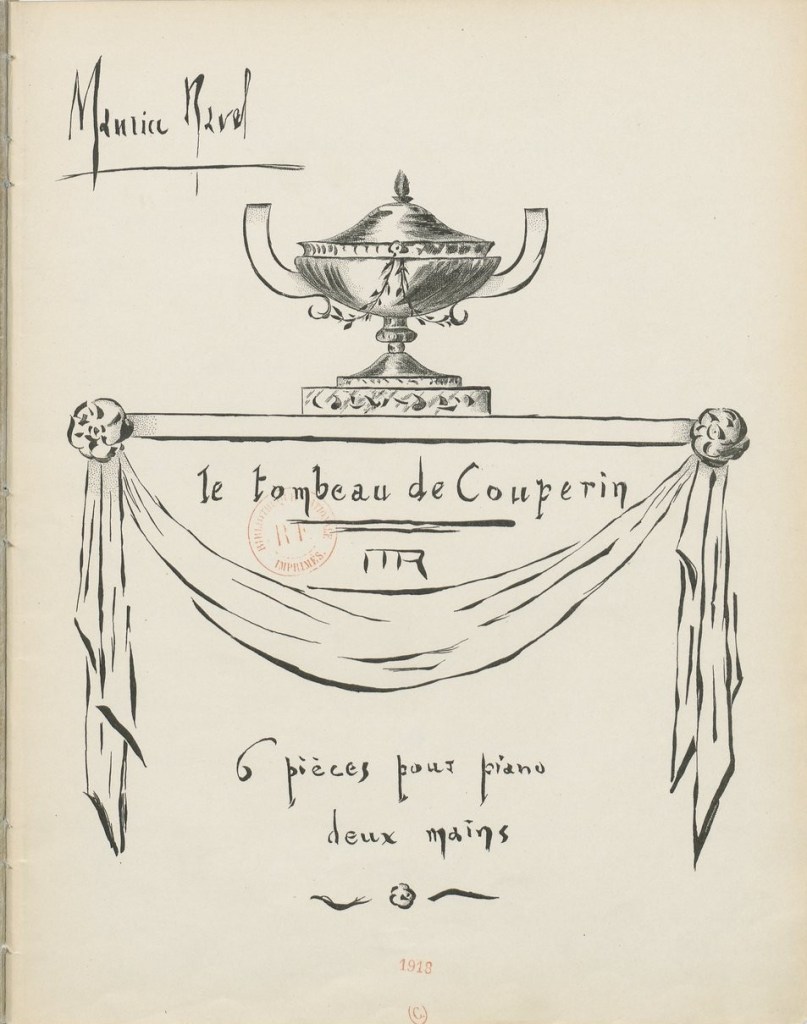
Le Tombeau de Couperin (The Grave of Couperin) is a suite for solo piano composed between 1914 and 1917. The piece is in six movements, based on those of a traditional Baroque suite. Each movement is dedicated to the memory of a friend of the composer (or in one case, two brothers) who had died fighting in World War 1.Written after the death of Ravel’s mother in 1917 and of friends in the First World War, Le Tombeau de Couperin is a light-hearted, and sometimes reflective work rather than a sombre one which Ravel explained in response to criticism saying: “The dead are sad enough, in their eternal silence.”Ravel stated that his intention was to pay homage more generally to the sensibilities of the Baroque French keyboard suite,not necessarily to imitate or pay tribute to Couperin in particular. This is reflected in the piece’s structure, which imitates a Baroque dance suite.
I Prelude in memory of Lieutenant Jacques Charlot II Fugue in memory of Jean Cruppi III Forlane in memory of Lieutenant Gabriel Deluc IV Rigaudon in memory of Pierre and Pascal Gaudin V Minuet in memory of Jean Dreyfus VII Toccata in memory of Captain Joseph de Marliave.
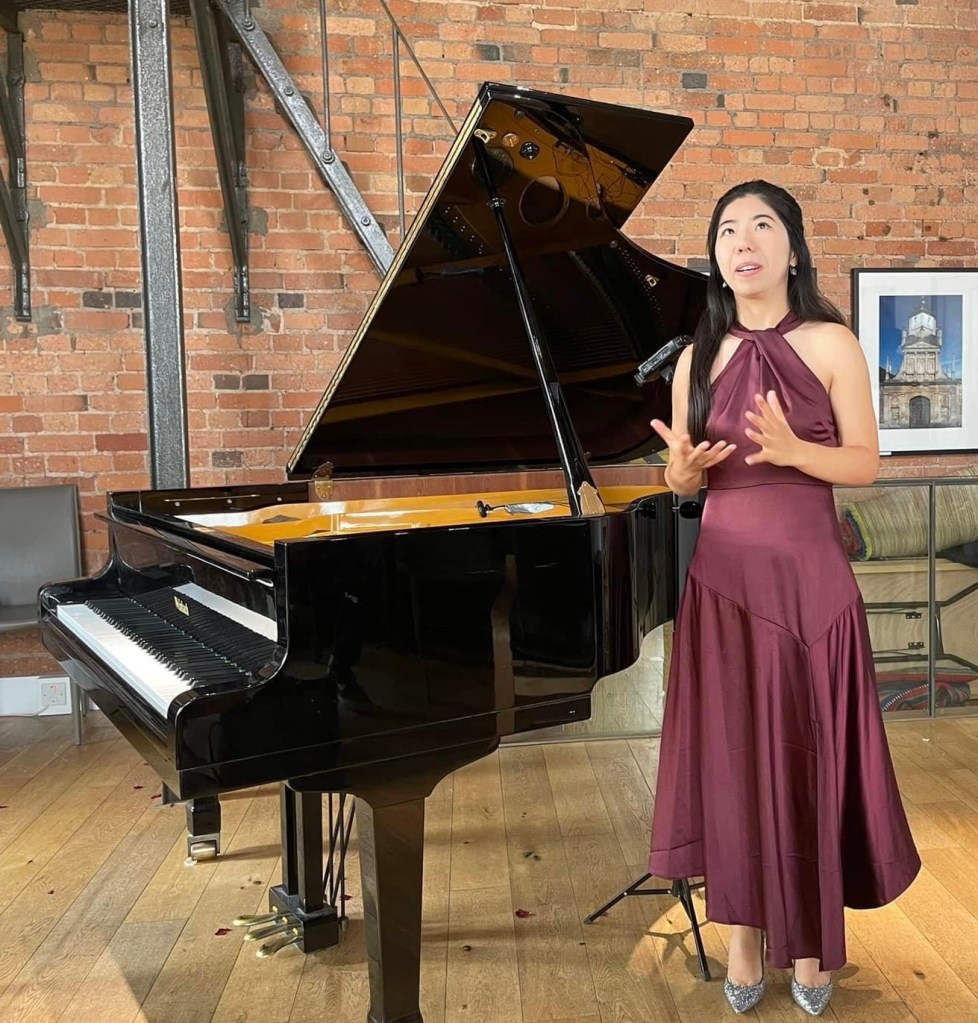
Qilin Sun
Hailed by The Irish Times as a brilliant performer with “unfettered enthusiasm,” pianist Qilin Sun is having a rising career as both a soloist and a collaborative musician. She was the first prize winner of the most recent 2021 Golden Bell Music Award in China, and is the unprecedented youngest piano professor in the Sichuan Conservatory of Music.
Ms. Sun made her debut with orchestra at age eleven, playing Mozart Piano Concerto K.488 with the Calgary Philharmonic Orchestra. Since then, she has performed in various venues throughout Asia, Europe and North America. After winning the most prestigious music award in China, The Golden Bell Music Award, she embarked on a recital tour throughout the major cities of China. Her recent highlights include performances with the Shanghai Symphony Orchestra, Guangzhou Symphony Orchestra, and the opening gala concert with the Chengdu Orchestra and Sichuan Conservatory Philharmonic Orchestra in City Concert Hall in China. In addition, she has made her appearance in Alice Tully Hall at Lincoln Center, Royal Dublin Society of Ireland, Ruïnekerk in Netherlands, Imperial Palace of Goslar in Germany, Aspen Chapel in Colorado, Chateau of Fontainebleau in France, Studzinski Hall of Bowdoin College, Juilliard School’s Paul Hall, Morse Hall and The Peter J. Sharp Theater, along with other various venues throughout New York City.
Ms. Sun has also been invited to participate in music festivals worldwide including the Aspen International Music Festival, Bowdoin International Music Festival, Fontainebleau Summer Music Program, Goslar International Concert Working Weeks, and Mozarteum International Summer Academy.
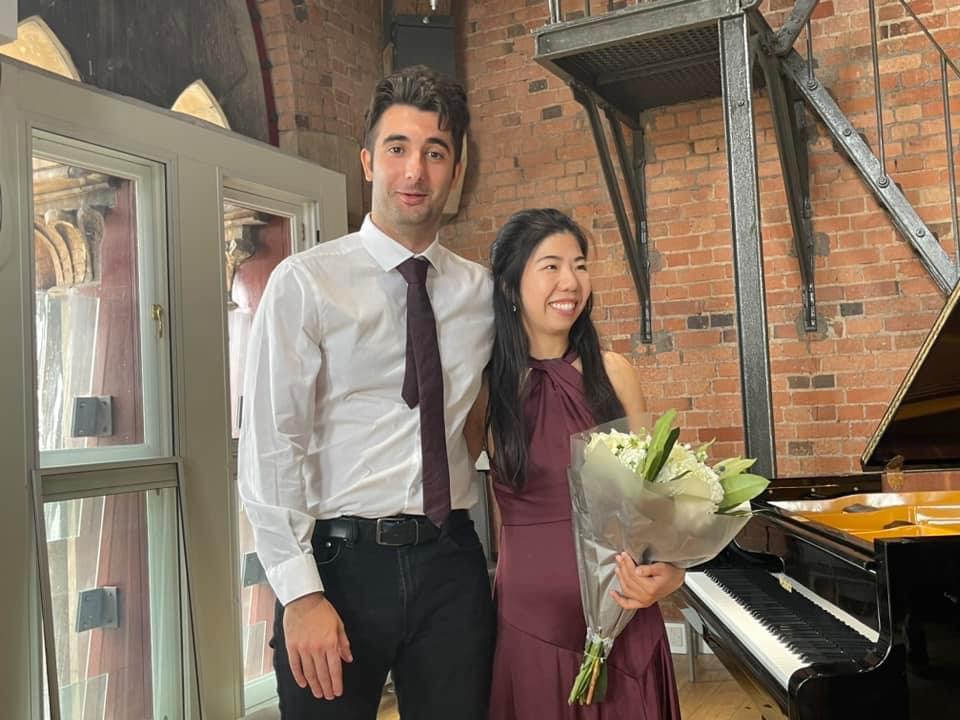
As an enthusiastic collaborative musician, Ms. Sun is currently a member of the Altezza Piano Trio. Having been promoted by The Juilliard School’s Honors Chamber Music Programme the trio made its recital debut at Alice Tully Hall and is quickly establishing itself as an exciting and promising ensemble in New York City. In addition, Ms. Sun premiered several new works on the piano and celesta in Alice Tully Hall as a member of The New Juilliard Ensemble.
Born in Sichuan, China, Ms. Sun started playing the piano at the age of three. She completed her Bachelor and Master’s degrees at the Juilliard School in 2018, and was accepted again as the only Asian candidate that year to pursue a Doctor of Musical Arts degree (DMA), the most prestigious program at the school. She is currently a C.V. Starr Doctoral Fellow under the tutelage of Yoheved Kaplinsky.
And War and Peace the article in Chinese thanks to Shirley Wu https://mp.weixin.qq.com/s/5sYo9mafvcgBBuW09KHovg
 ChristopherAxworthy-MusicCommentary
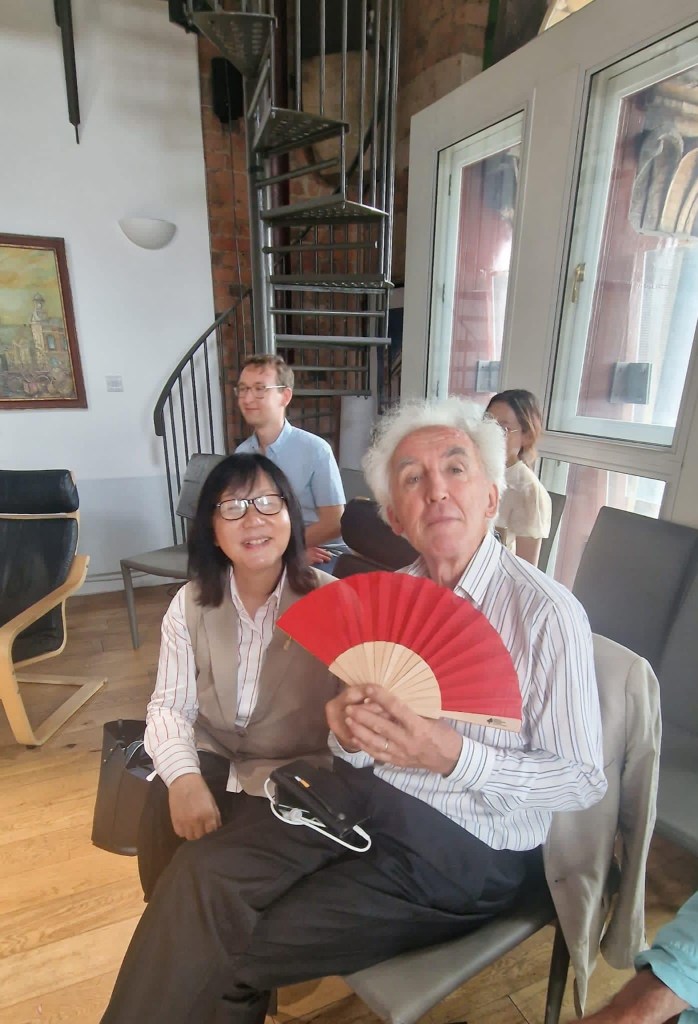
The fan suits you splendidly, Chris!
"Mi piace""Mi piace"