“A BEAKERFUL OF THE WARM SOUTH!”
A review by Angela Ransley B Mus Cert Ed FVCM (TD)
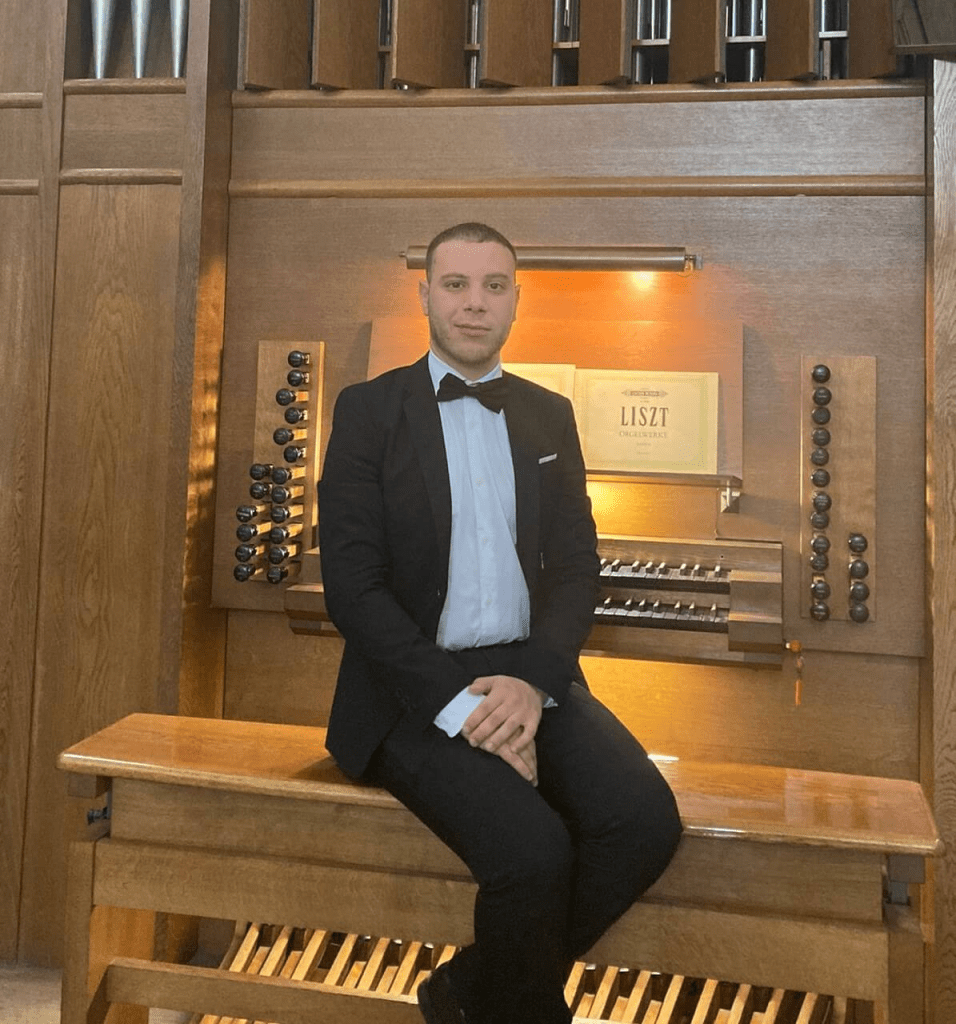
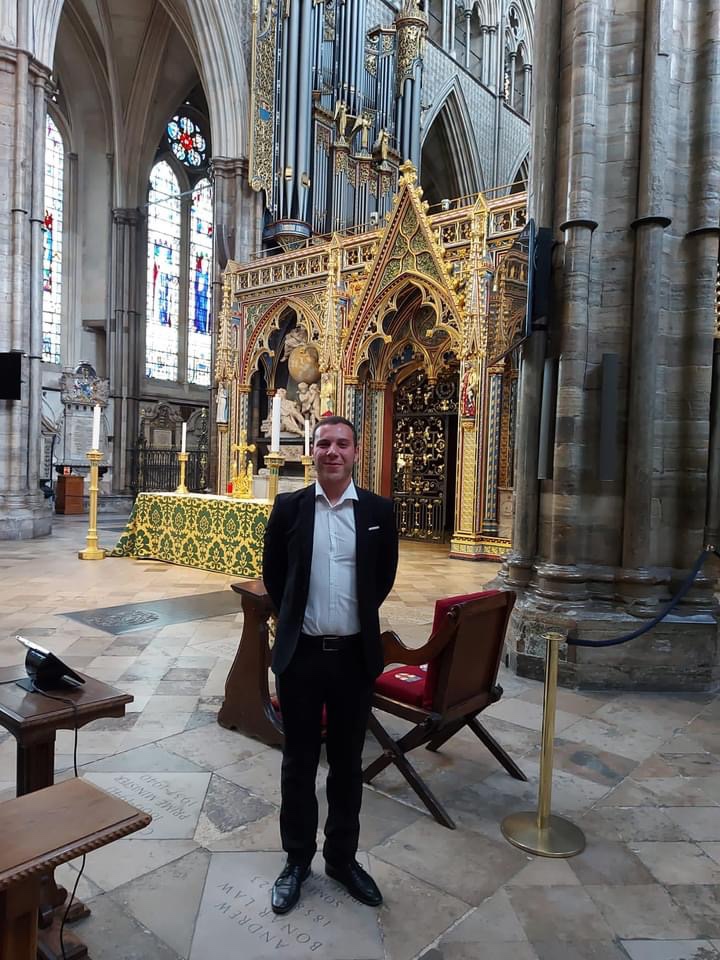
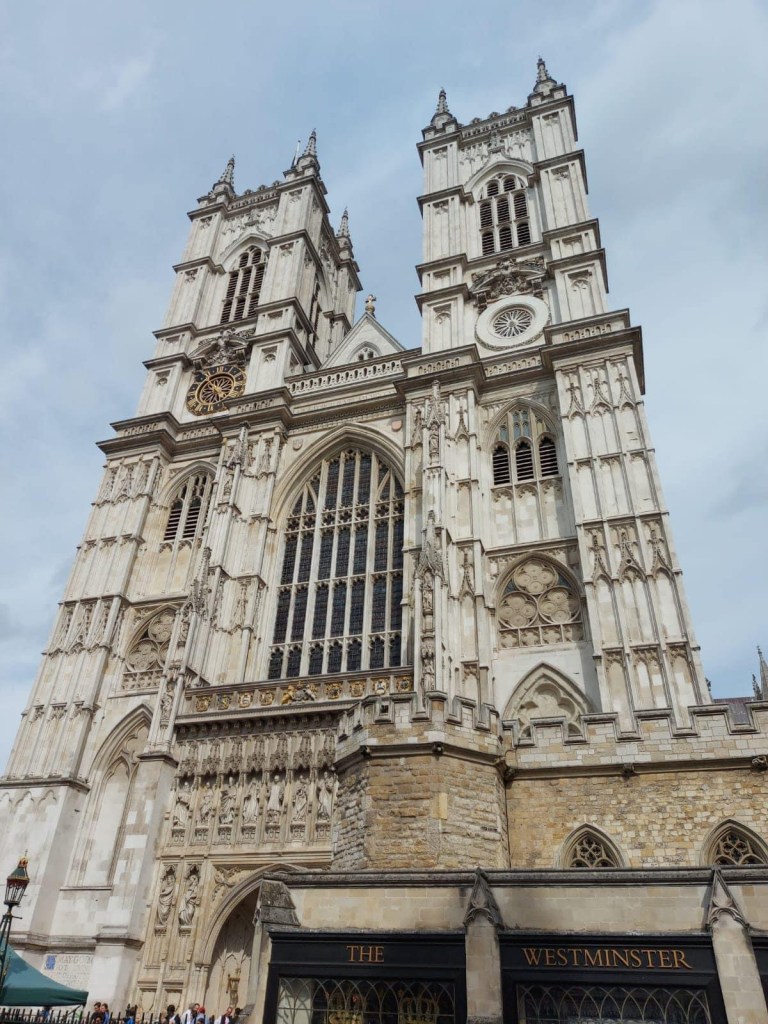
Efisio Aresu at Wesminster Abbey
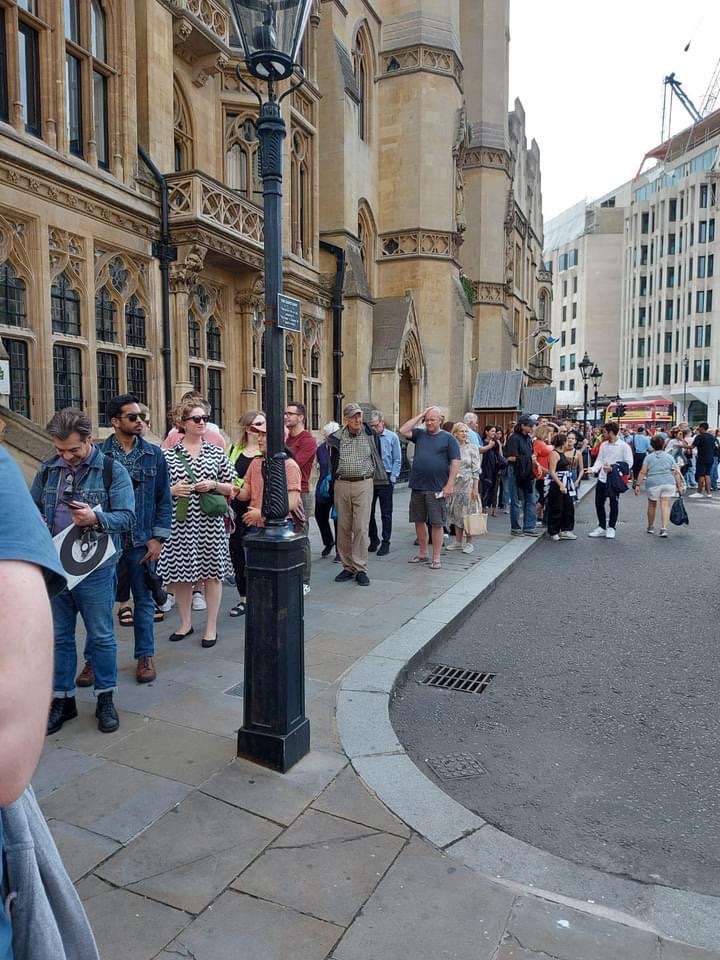
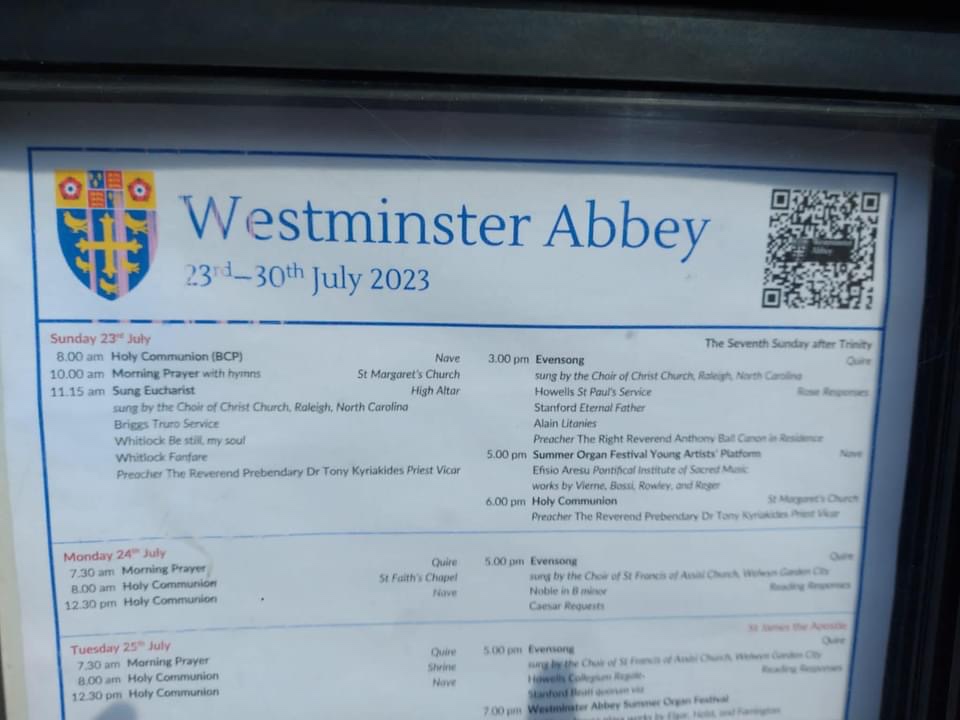
The Westminster Abbey Summer Organ Festival returns once again with its fabulous mix of celebrity recitals and fresh faces on the Young Artists Platform.
This year the Keyboard Trust presented 26-year-old EFISIO ARESU from Sardinia whose steady ascent from the Conservatoire in Cagliari has led to his current post of Sub-Organist at the Anglican All Saints Church in Rome combined with advanced studies at the Pontifical Institute of Sacred Music under Roberto Marini.
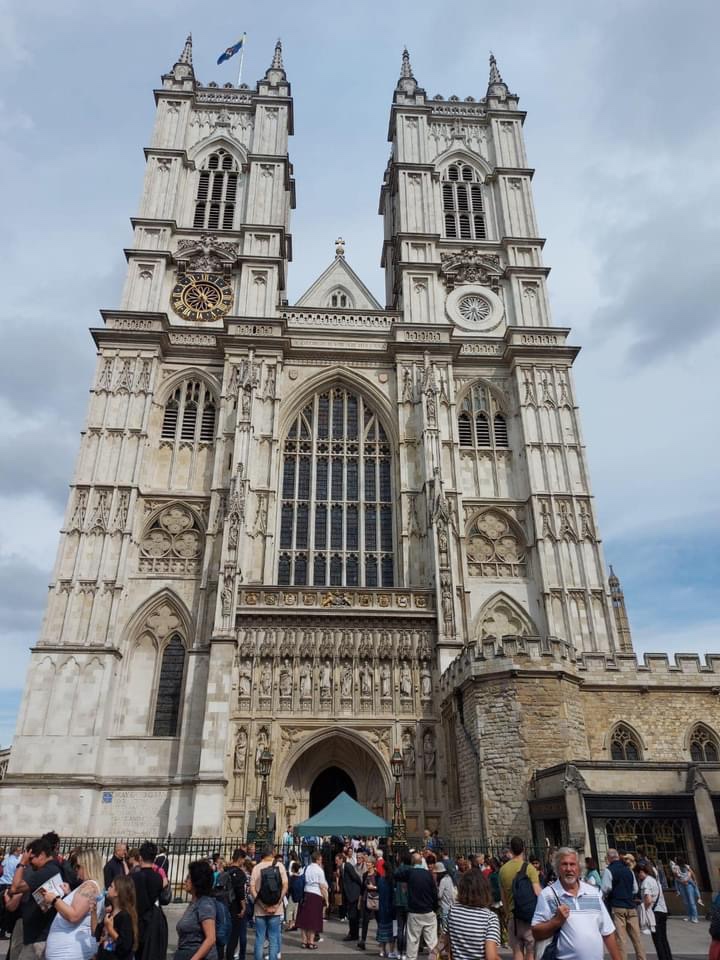
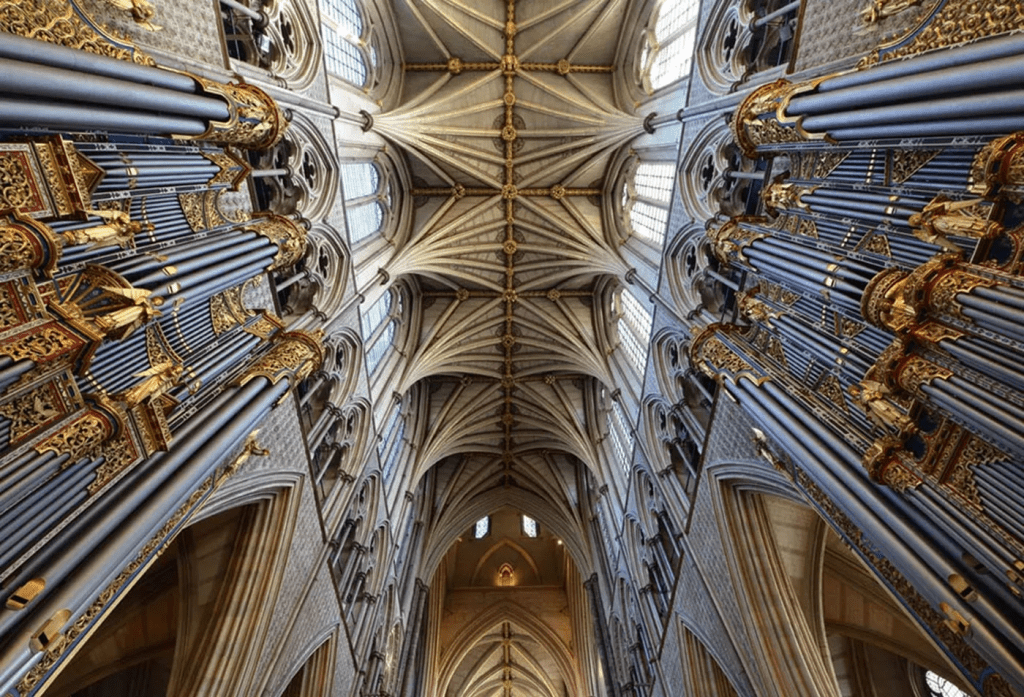
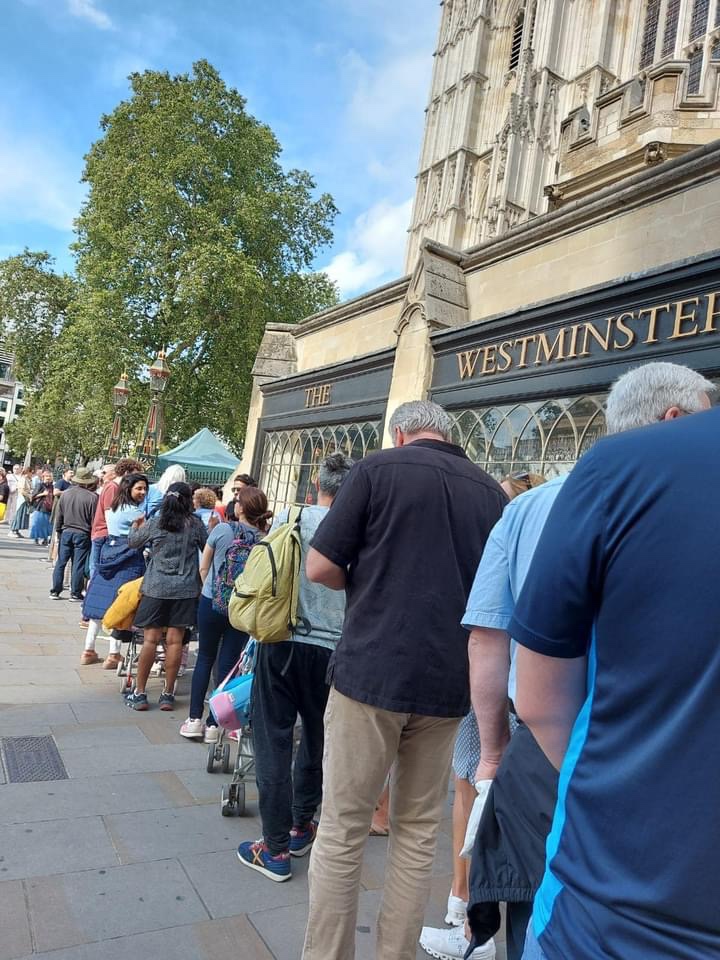
The Westminster Abbey organ is a majestic instrument of five manuals and 94 stops offering a complex range of solo and combined registration. It is a daunting task for an organist to fly from another country and create a compelling recital on such an instrument with just one three-hour practice session. Efisio showed himself more than equal to the challenge, bringing a concert of rich colour, excitement and much -needed Italian warmth to lacklustre London.
Efisio intrigued us by choosing a pan-European programme – a French, Italian, English and German composer, all organists at the turn of the 19thcentury. It allowed us to consider the Janus-like state of European music at that time with some composers looking backwards to traditional techniques while others pressed forward into a brave new atonal world.
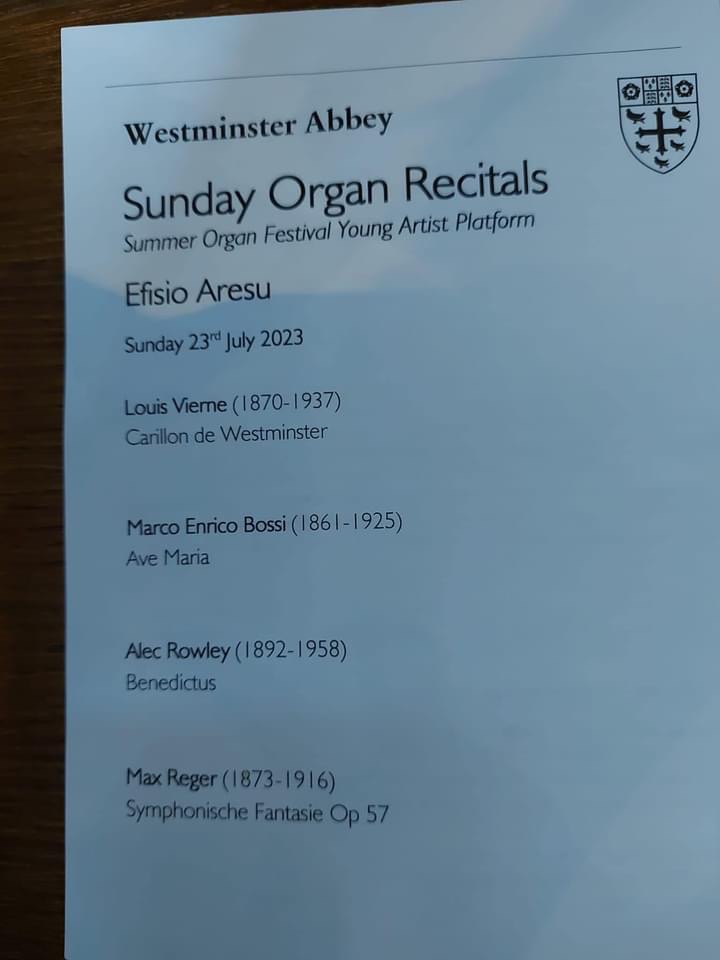
Efisio opened his recital with Carillon de Westminster by LOUIS VIERNE (1870 – 1937), taken from his 24 Pieces de Fantaisie and published in 1927. Its main theme is based on the chimes of Big Ben, which Vierne asked his fellow organist and organ builder Henry ‘Father’ Willis to hum to him. Vierne then altered the second phrase of the chime and debate continues as to whether he misheard or changed it deliberately. The well-known chime is heard softly in the middle register with filigree semiquaver accompaniment, then later in the upper register. An atmospheric section places the chime in the pedals before increasingly agitated semiquavers lead to the climax with the theme in diminution against powerful final chords. Efisio skilfully presented each division of the organ in turn, giving a wonderful, muted distance to the theme in the central section – as if hearing it through a London fog – before unleashing the devastating power of the organ pleno.
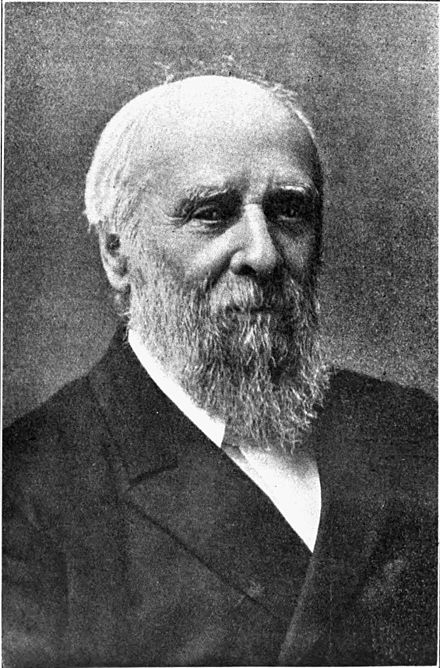
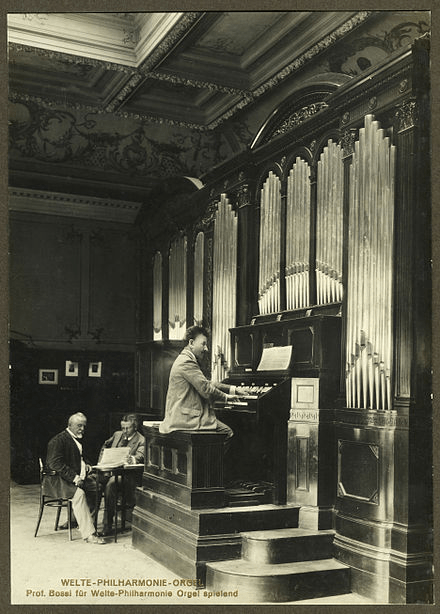
Our European tour guide took us next to his native Italy for Ave Maria by MARCO ENRICO BOSSI (1861-1925). Bossi came from a north Italian organ-playing background and was appointed organist at Como Cathedral. He then took an academic path with Directorships of the Conservatoires at Venice, Bologna and Rome. Ave Maria is a short meditation on the prayer to the Blessed Virgin Mary:
Hail Mary, full of grace
The Lord is with Thee..
The main motif – a falling 5th followed by a falling 4th – is the musical counterpart to the word ‘Ave’ and permeates the entire piece. Unfolding slowly phrase by phrase, it demonstrates the organ’s gift of quiet stillness. Efisio alternated the subtle colours of the many reed stops, highlighting the opening motif with careful articulation.
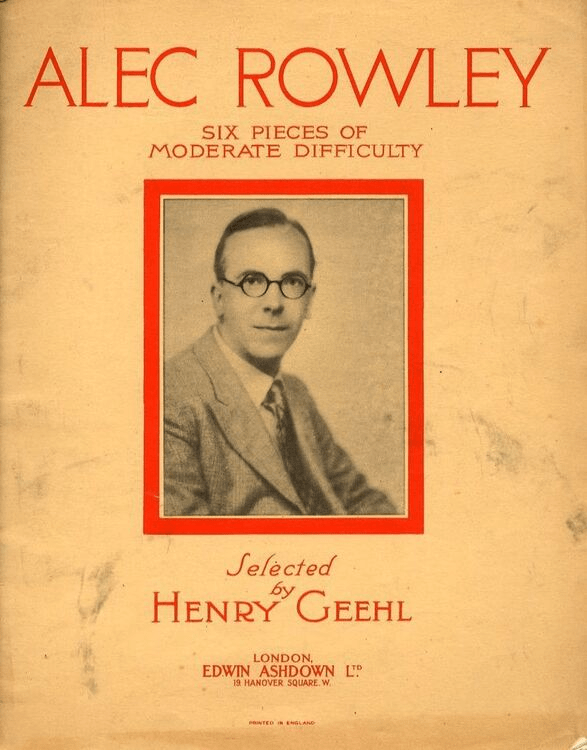
English organist, pianist, composer, broadcaster and educator ALEC ROWLEY (1892 – 1958) was a prominent figure in English music in the 1930s and is remembered today for over 200 progressive piano pieces. His Benedictus remains popular in the organ repertoire, being written with mainstream Anglican phrasing and tonality typical of the 19th century. Its inspiration was an extract from a long poem by Victorian poet Christina Rossetti entitled: All Thy Works Praise Thee: A Processional of Creation in which every part of creation gives praise to God in its own special voice. The phrase ‘ I bring refreshment; I bring ease and calm’ comes from the praise of the Medicinal Herbs!:
Medicinal Herbs.
I bring refreshment,–
I bring ease and calm,–
I lavish strength and healing,–
I am balm,–
We work His pitiful Will and chant our psalm.
Again the organ’s rich palette of flutes, strings and reeds – aptly described by celebrity organist Roger Sayer as ‘an orchestra in a box’ – were skilfully combined to create a moment of serenity in the Abbey supported by finely controlled dynamics.
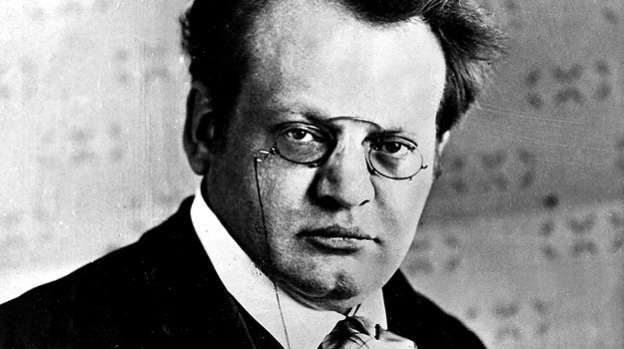
The European theme was completed and the recital crowned by the virtuosic Symphonische Fantasie Op 57 by MAX REGER (1873 -1916), a German counterpart of the multi-faceted Rowley in his work as concert pianist, organist and educator. The difference is that Reger composed with the weight of German tradition on his shoulders:
‘A firm supporter of absolute music, he saw himself as being part of the tradition of Beethoven and Brahms. His work often combined the classical structures of these composers with the extended harmonies of Liszt and Wagner, to which he added the complex counterpoint of Bach. Reger’s organ music, though also influenced by Liszt, was provoked by that tradition.’
The result is music of almost overwhelming complexity. This critical moment in history is captured, absorbing the intellectual mastery of Bach, freedom of modulation of Brahms and harmonic adventure of Liszt so that no key is discernable and the recurring quaver ostinato in the pedals might qualify as a tone row!
Efisio is currently specialising in the organ works of Max Reger and it was clear from his authoritative grasp of the work’s dramatic contrasts that he was on home ground. The Fantasie
is a large canvas and Efisio was resourceful in allowing it to roar and plead by turn. Despite its mass, care was taken so that each strand of counterpoint was clearly articulated.
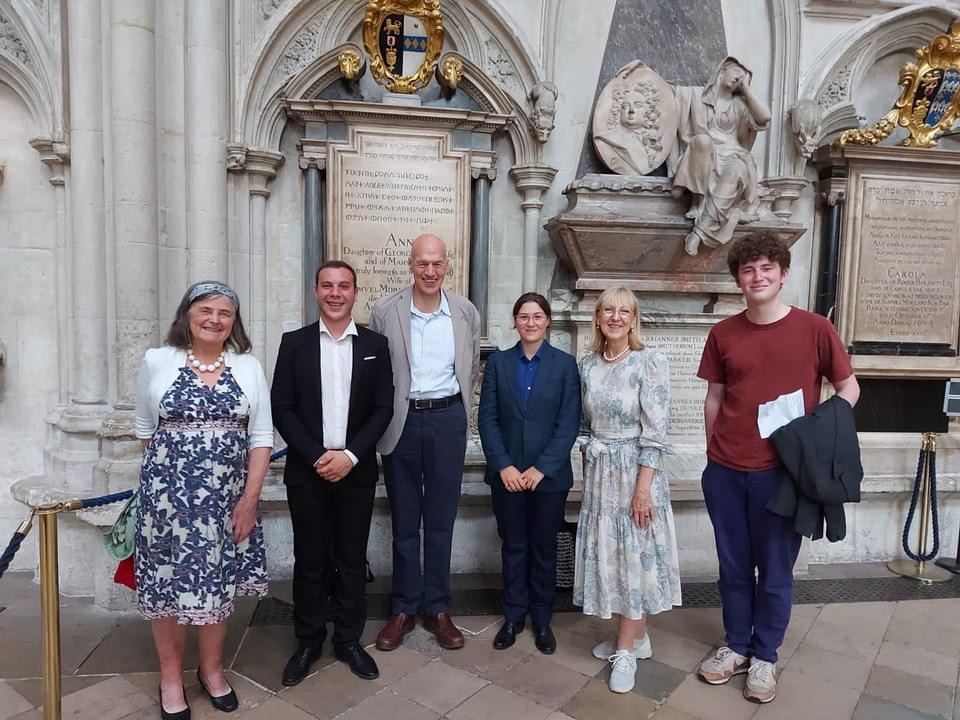
Spontaneous applause greeted the final, triumphant chord. We would like to thank Efisio for bringing such a thoughtful and rewarding recital to the Summer Organ Festival, full of interest, drama and Italian vivacity. We wish him well with his continuing studies and hope to hear the fruits of his labours on a future occasion.
A final note… these four composers leading parallel lives also had similar, sudden deaths. Reger and Rowley both died of heart attacks, Reger in a hotel, and Rowley during a tennis match. Bossi died on board ship returning from a US tour. Vierne fulfilled his dream of dying during a recital at the Notre Dame console: his foot came to rest on the low E of the pedal, this ominous sound announcing the departure of a great soul of music…
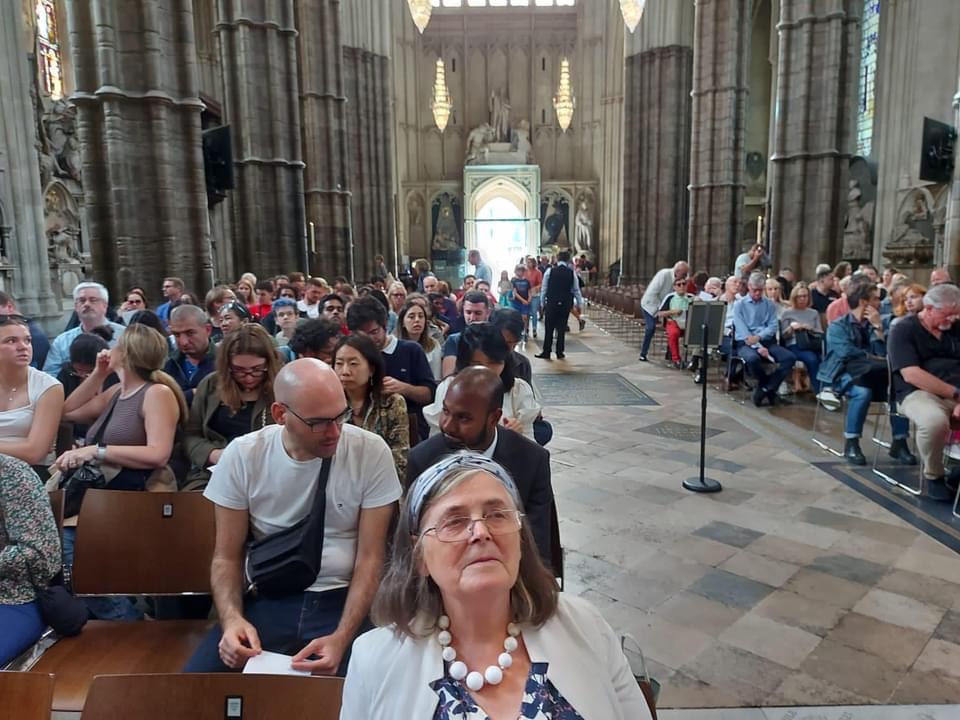
ANGELA RANSLEY is Director of the Harmony School of Pianoforte, works closely with the Keyboard Trust and publishes articles and reviews on music.
The Harmony School of Pianoforte Director Angela Ransley B Mus Cert Ed FVCM (TD)
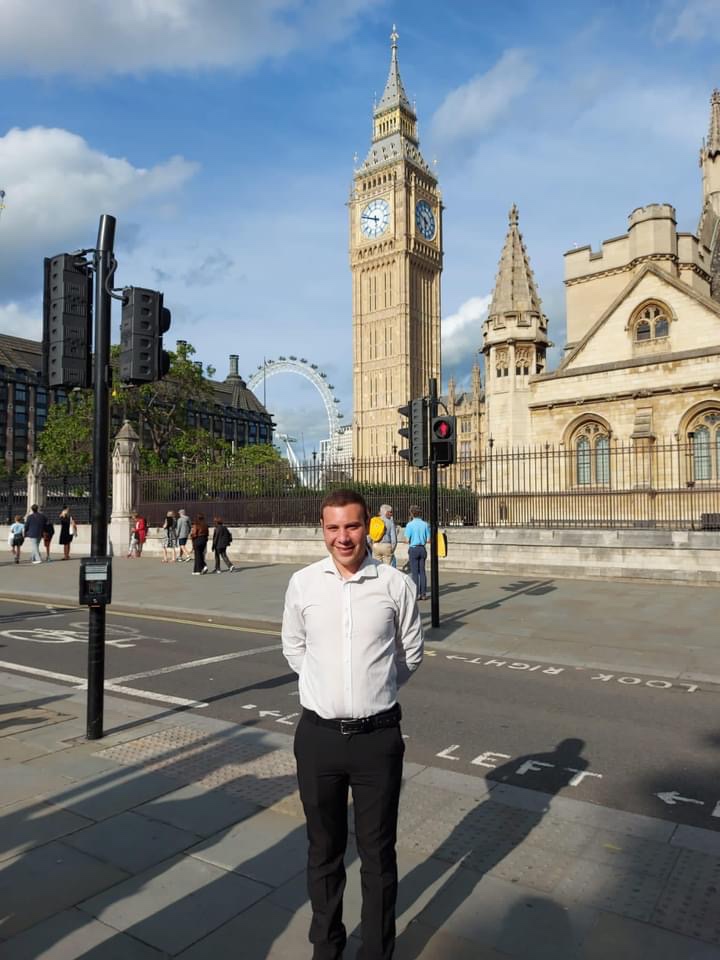
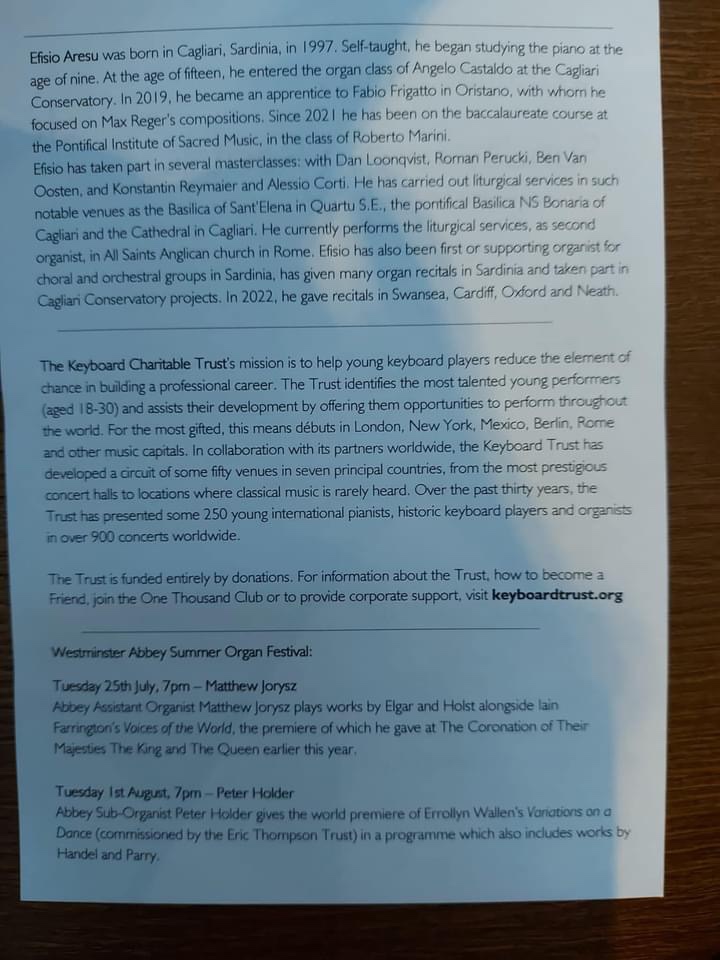
EFISIO ARESU was born in Cagliari (Sardinia) in 1997, he taught himself to play the piano from the age of 9 and, six years later,he was admitted to the organ class of Master Angelo Castaldo at the Cagliari Conservatory. In 2019 he was a student of Fabio Frigatto in Oristano, specialising in the works of Max Reger. Since 2021 he has been attending the baccalaureate course at the Pontifical Institute of Sacred Music, under Roberto Marini.He took part in masterclasses with Dan loonqvist (2016), Roman Perucki (2017), Ben Van Oosten (2019) and Konstantin Reymaier and Alessio Corti in 2022.Efisio has played in liturgical service in the Basilica of Sant’Elena in Quartu S.E. the pontifical Basilica NS Bonaria of Cagliari and the Cathedral in Cagliari. He is currently sub-organist in the Anglican All Saints church in Rome.In October 2022 he performed concerts in Swansea, Neath, Cardiff and Oxford. He was invited to join the Keyboard Trust scheme in 2023.Vierne Carillon de WestminsterTaken from 24 pieces de fantaisie by Louis Vierne,organist of Notre-Dame. Flexibility of registration and speed relating to the building.Chimes of big Ben passed to Vierne by…organ builder Henry Willis. variation in the chime. Clam opening with pedal then echoed in top voice, atmospheric middle section in Bb leading to climax with 8 part chords and diminution in the bass.Roger Sayer vierne
Marco Enrico Bossi Ave Maria 1861 – 1925 also Director of Naples, Bologna and Venice and wrote influential organ manual in use today.
Bossi – organist of Como from Salo. Ave is echoed in falling motive throughou. Late romantic harmonic uncertainty before final cadence
Alec Rowley Benedictus. All round musician Prof at Trinit Colege of Music where his prize continues. Other works for organ include 2 organ symphonies.Meditation on Benedictus;A Processional of Creation by C Rossetti. Tonal piece in liturgical Anglican style, melody led homophony
Max Reger Symphonische Fantasie Op. 57 .Leipzig based, contrasts dramatic outbursts with quieter passages. Traditional contrapuntal techniques combined with forward looking dissonance

 ChristopherAxworthy-MusicCommentary
Thanks SO much, Chris – you’re a genius!!!!!! Sx
"Mi piace""Mi piace"
Amazing …
"Mi piace""Mi piace"