Ignas Maknickas fluidity and romance for the Imogen Cooper Music Trust

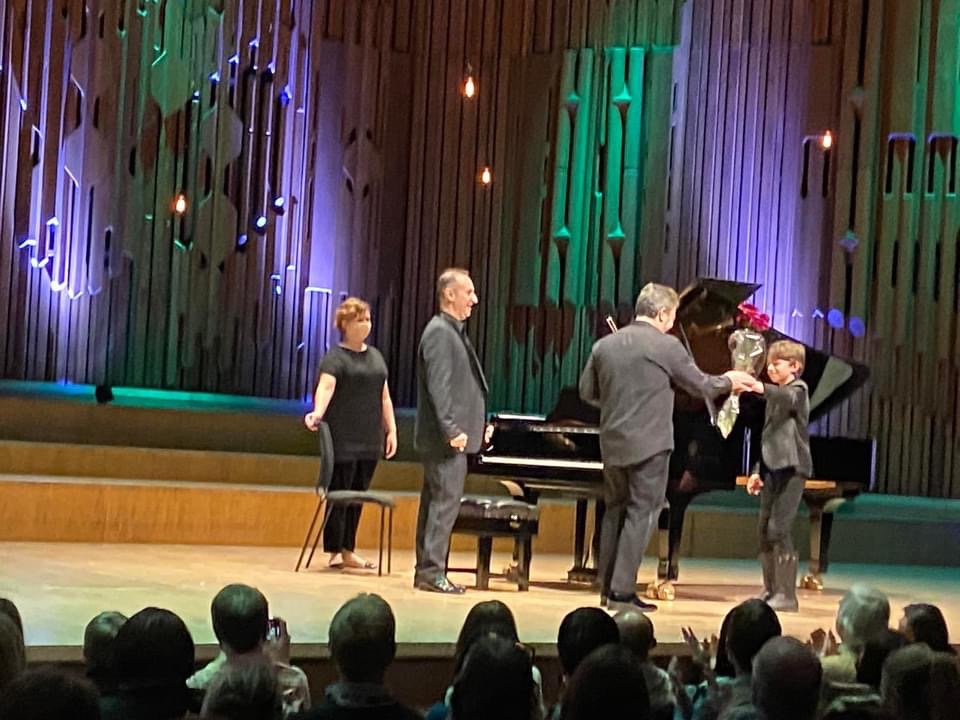
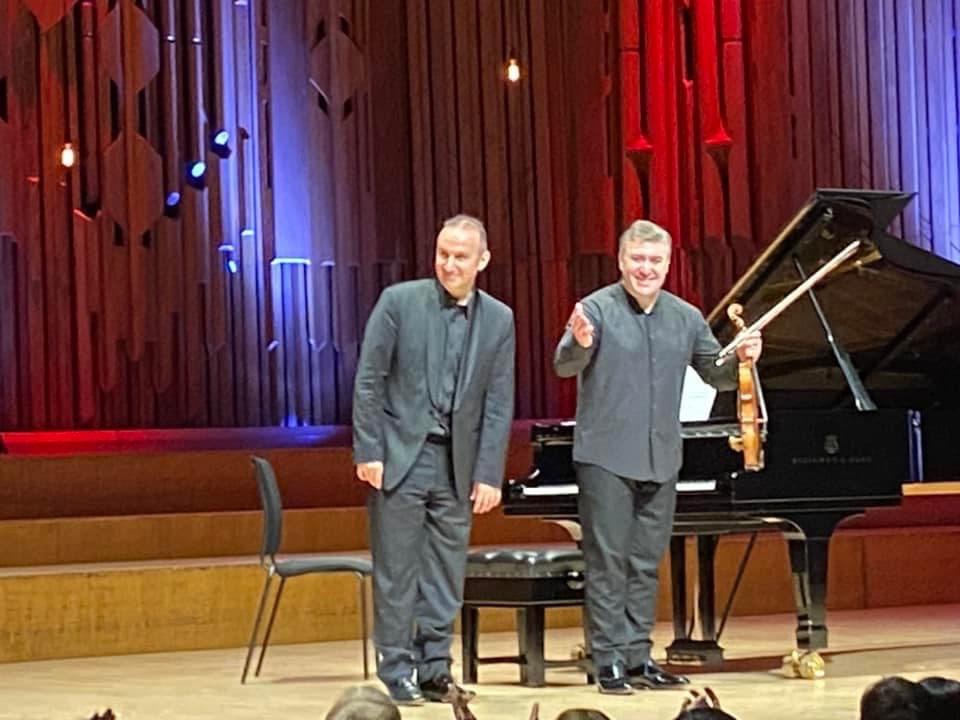
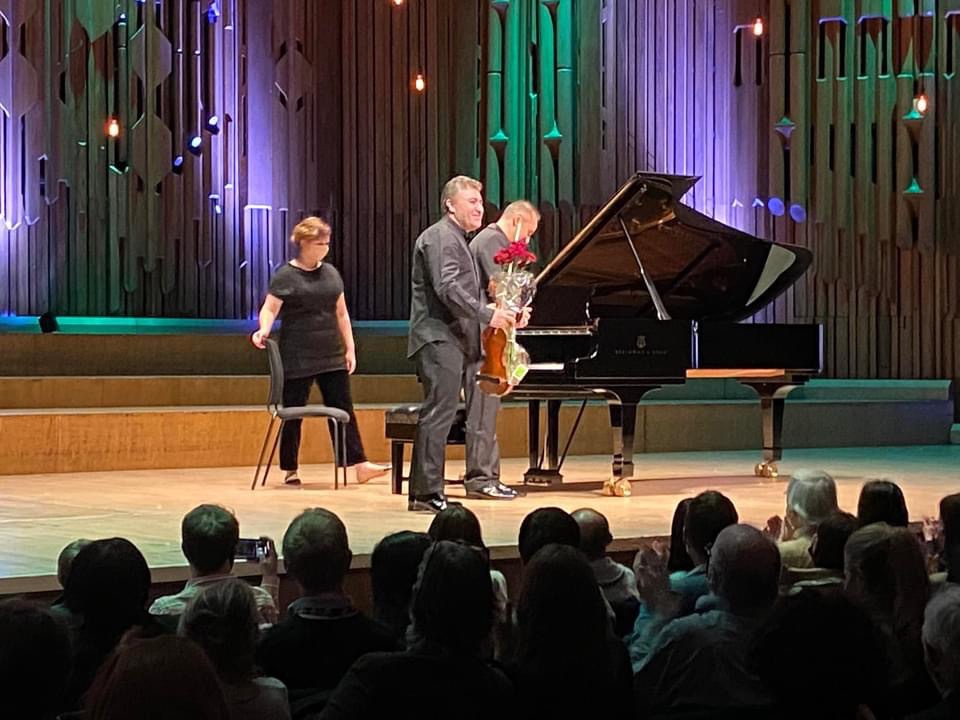
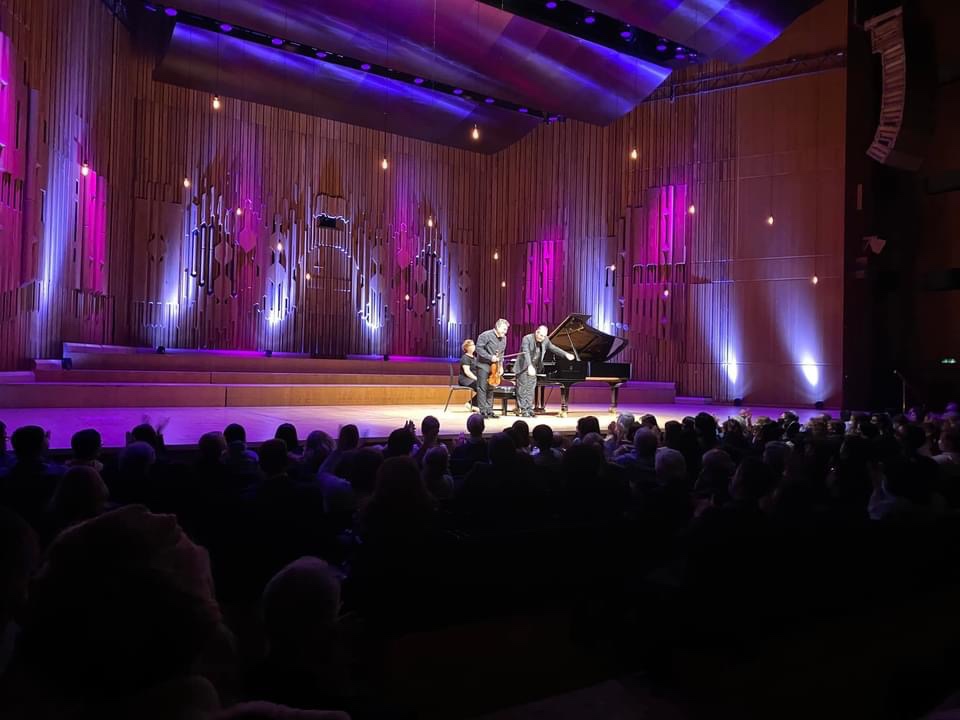
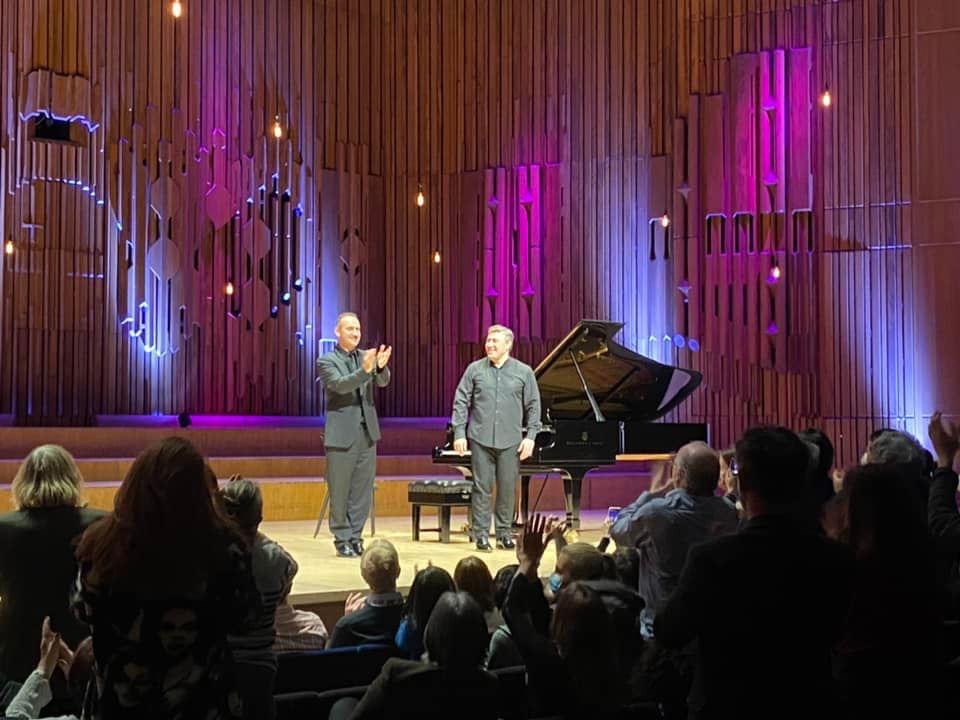
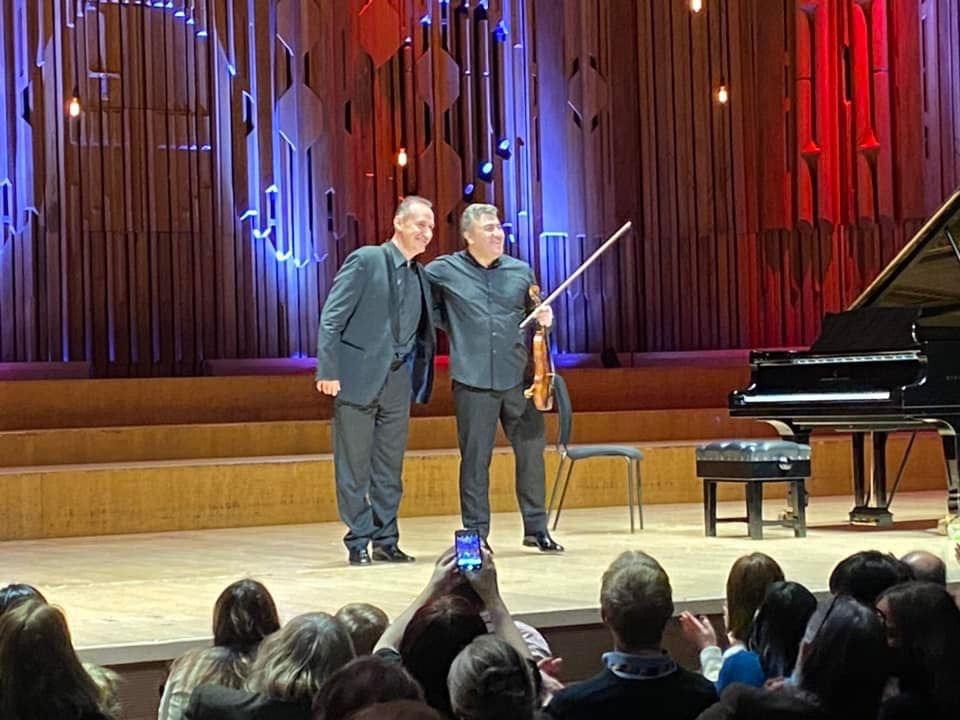
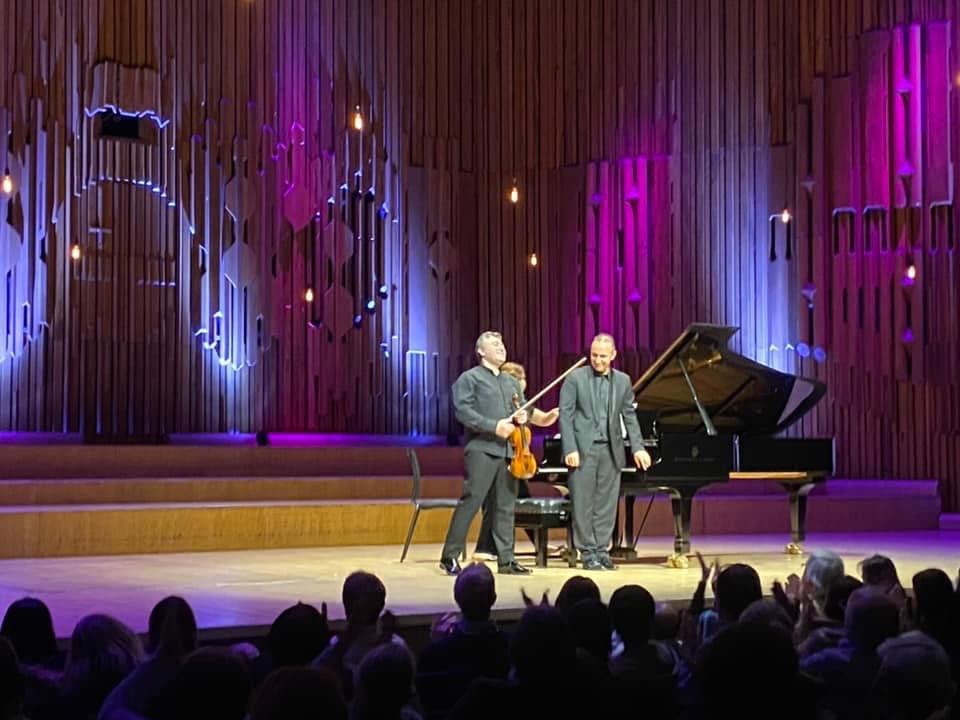
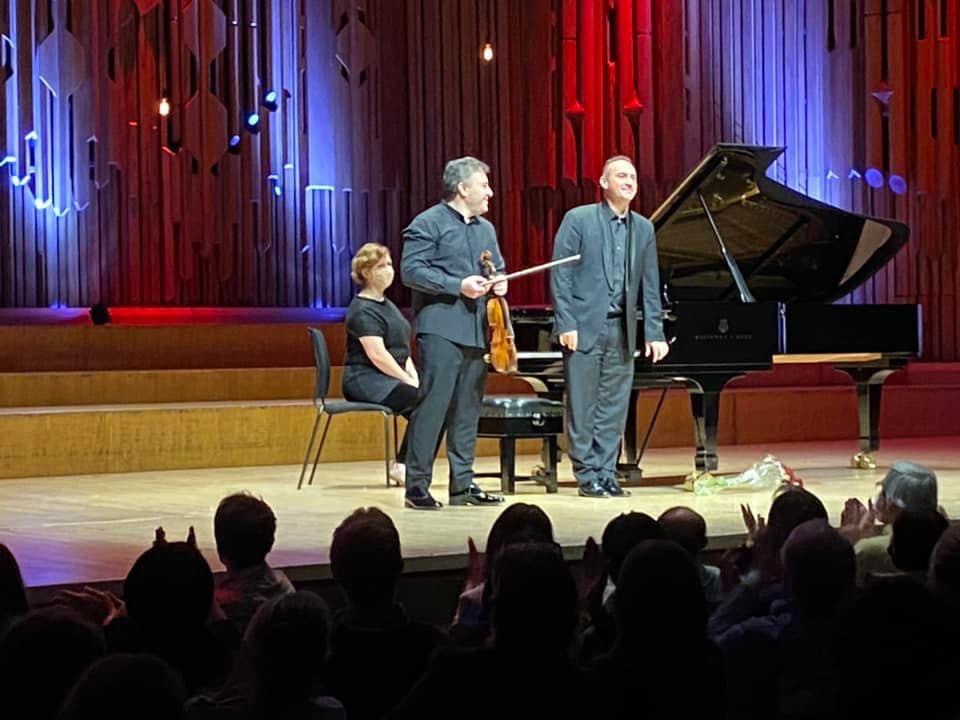
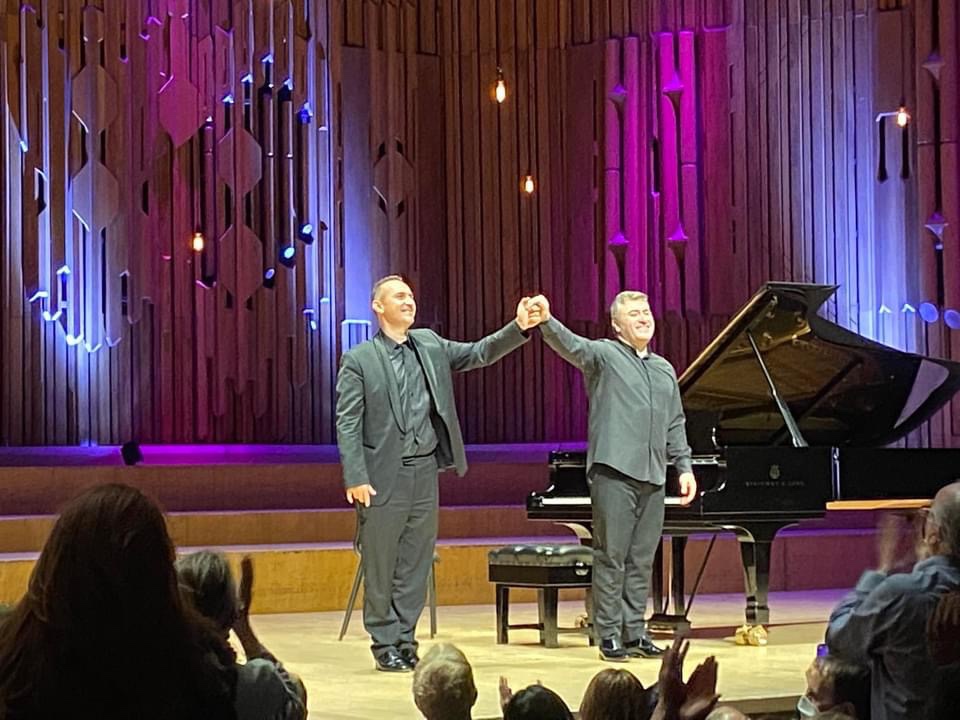
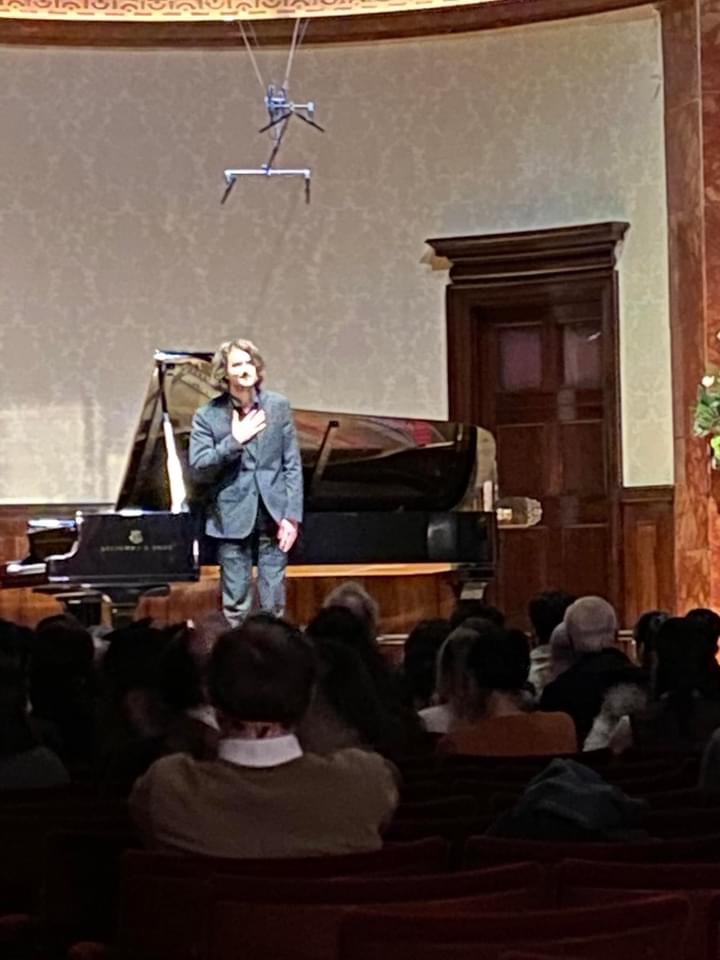
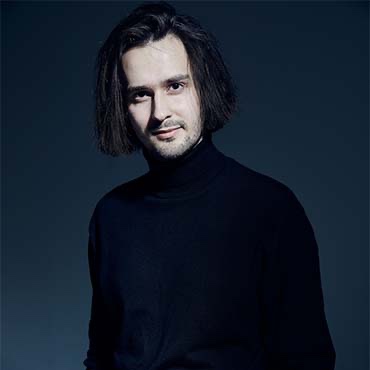
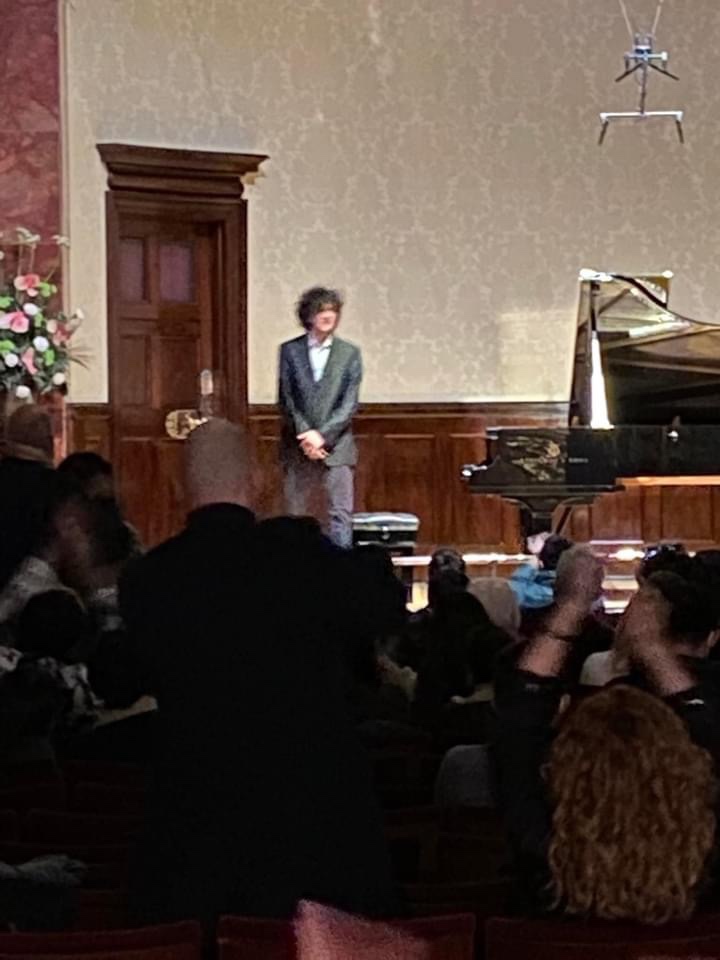
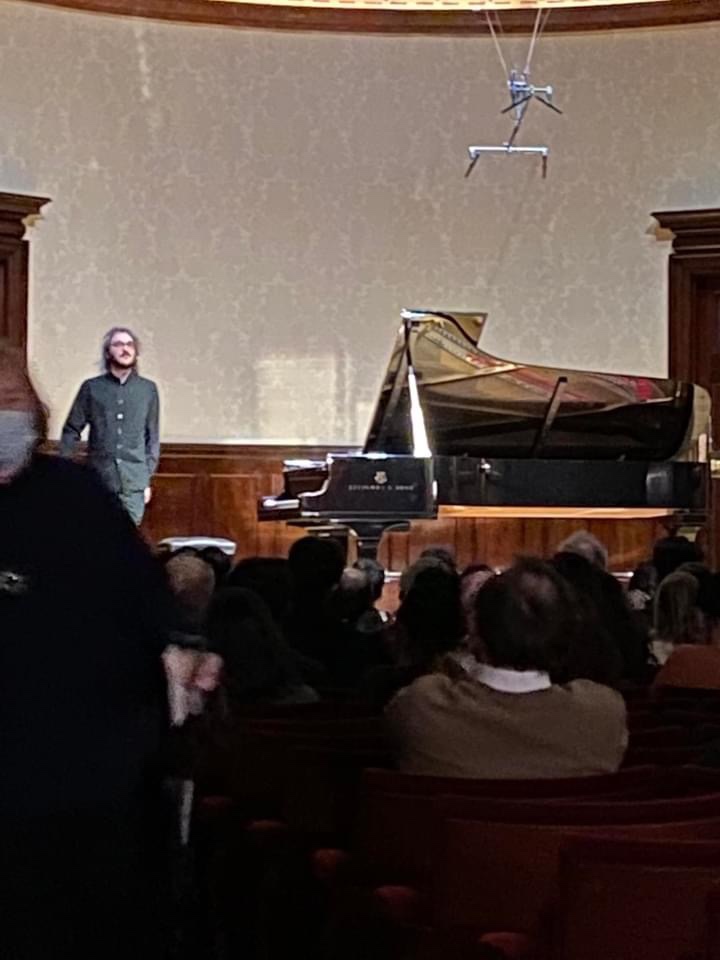
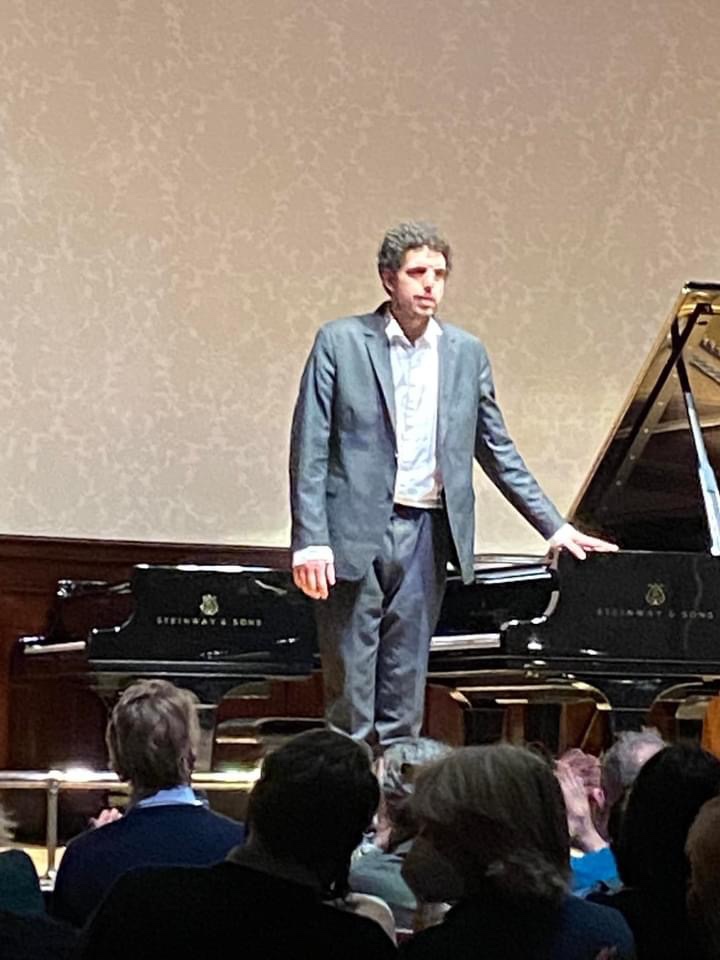
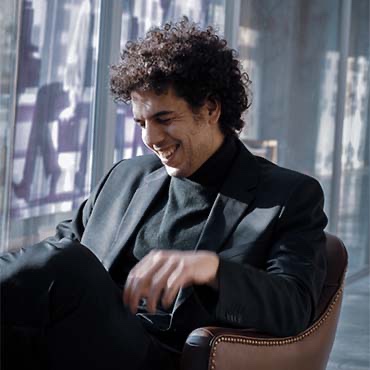
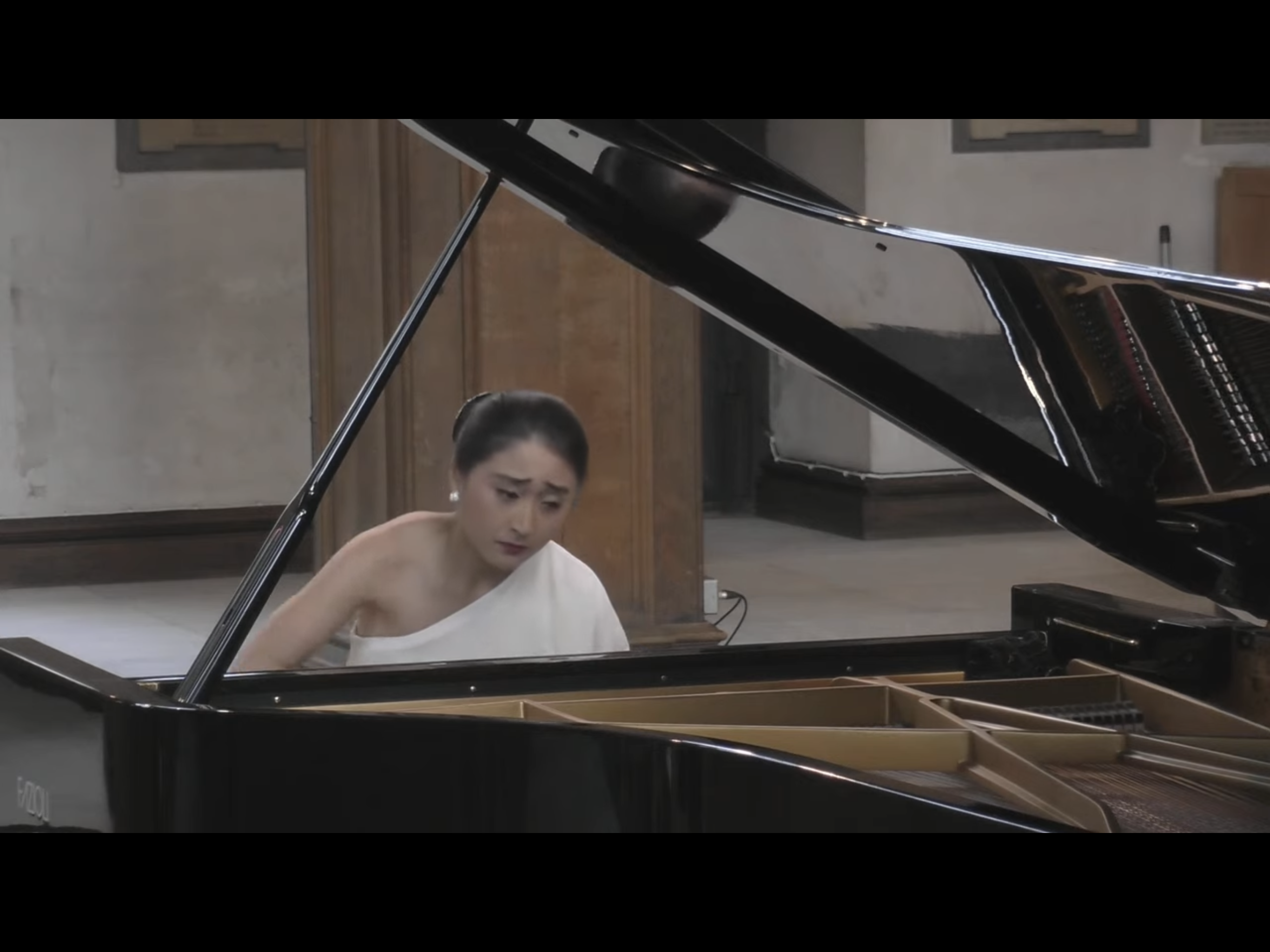
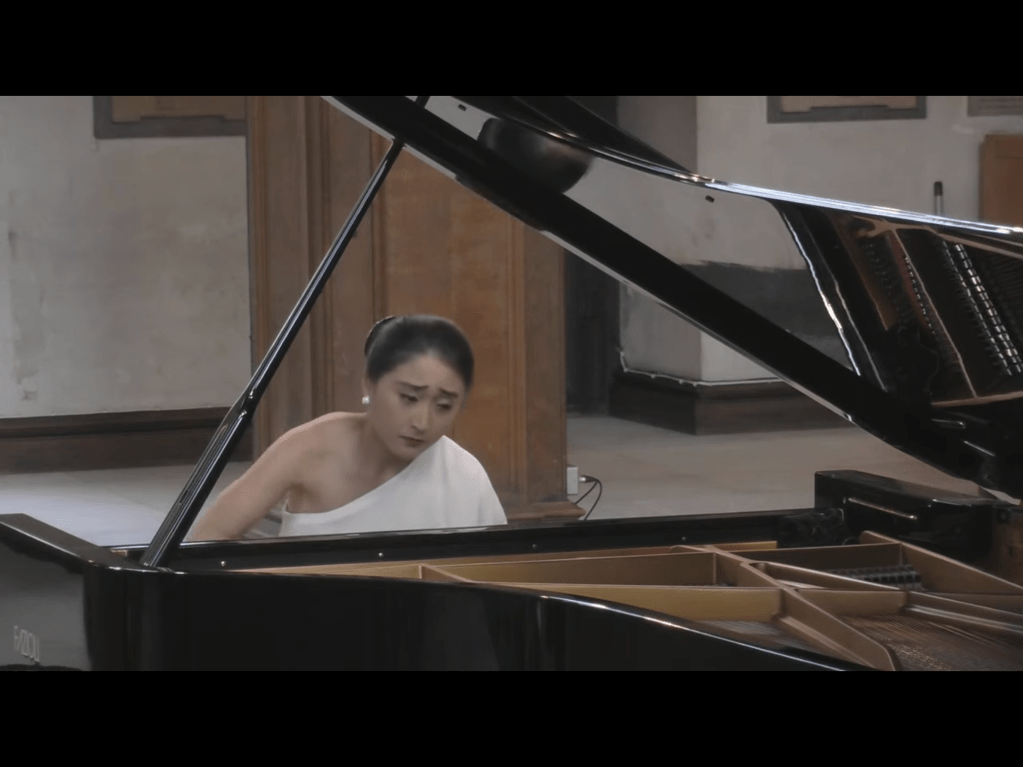
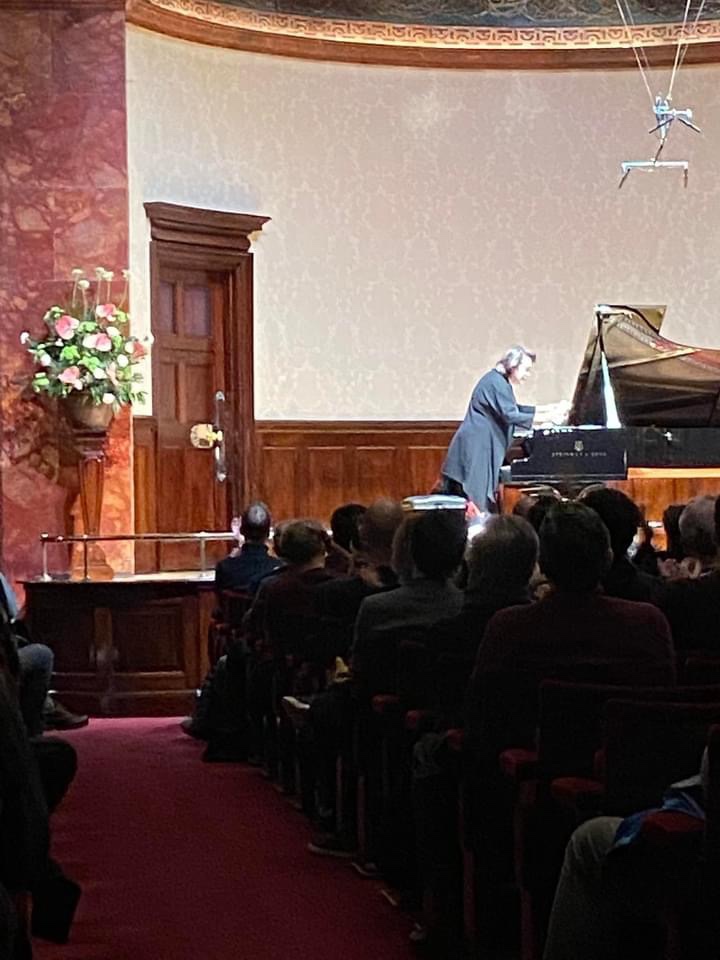
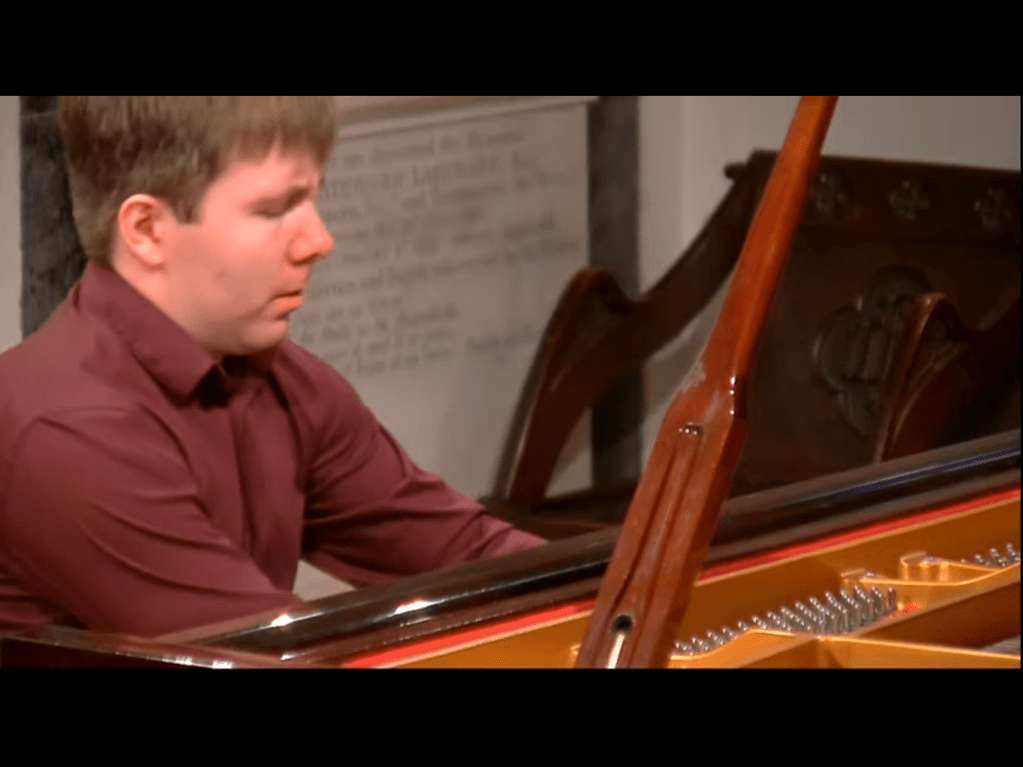
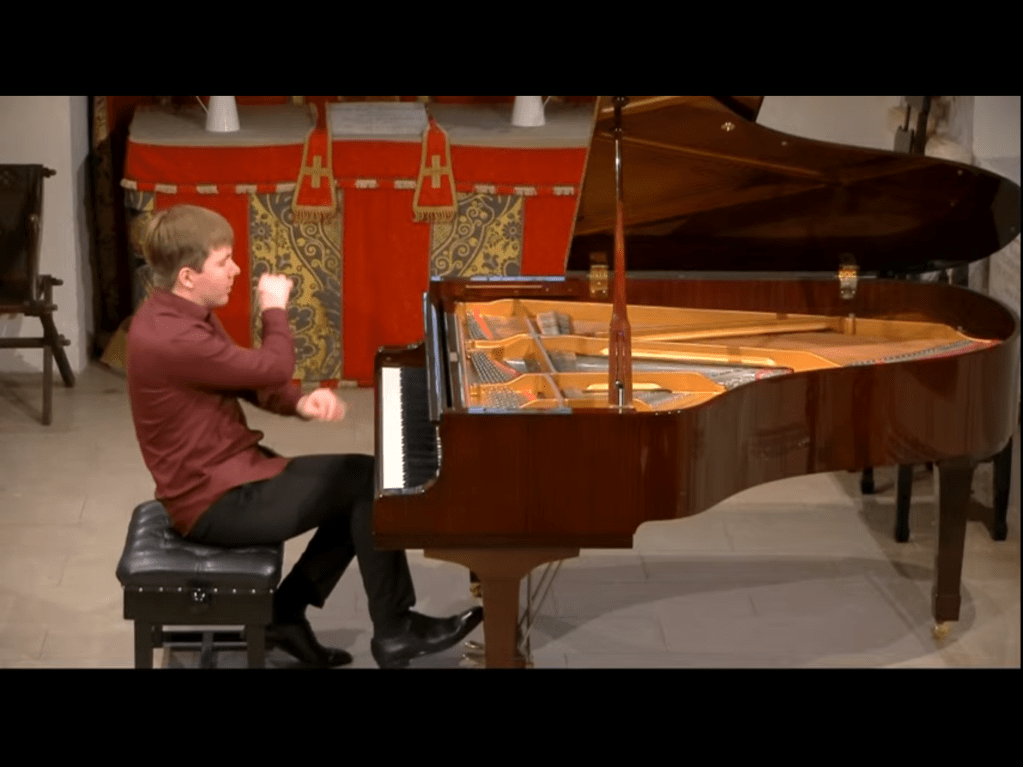
Ignas Maknickas presented by the ever generous Dame Imogen Cooper in the sumptuous surrounds of Pavilion Road in Knightsbridge.Playing of such fluidity and radiant sounds with a natural technical brilliance that brought vividly to life all he played.It was though his fellow Lithuanian Alvidas Remesa that ignited his imagination and allowed his kaleidoscopic sense of sound to convey the extraordinarily evocative sound world of this Franciscan Monk

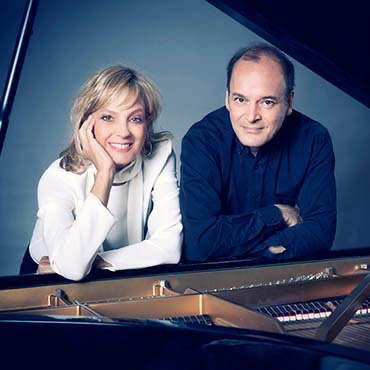
In the first six months of this year not only will Dame Imogen’s brilliant young protegés be performing in the “Young Artists” concert series, but Imogen herself is launching a new series of recitals under the title “Imogen and Friends” featuring Mark Padmore, Paul Lewis and Adrian Brendel among others.
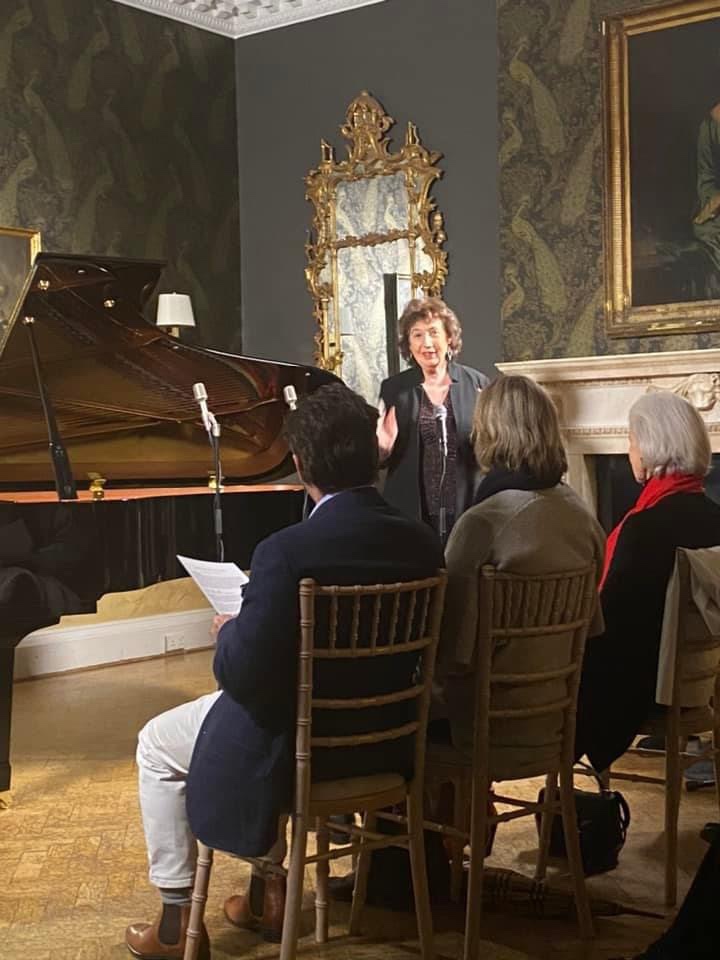
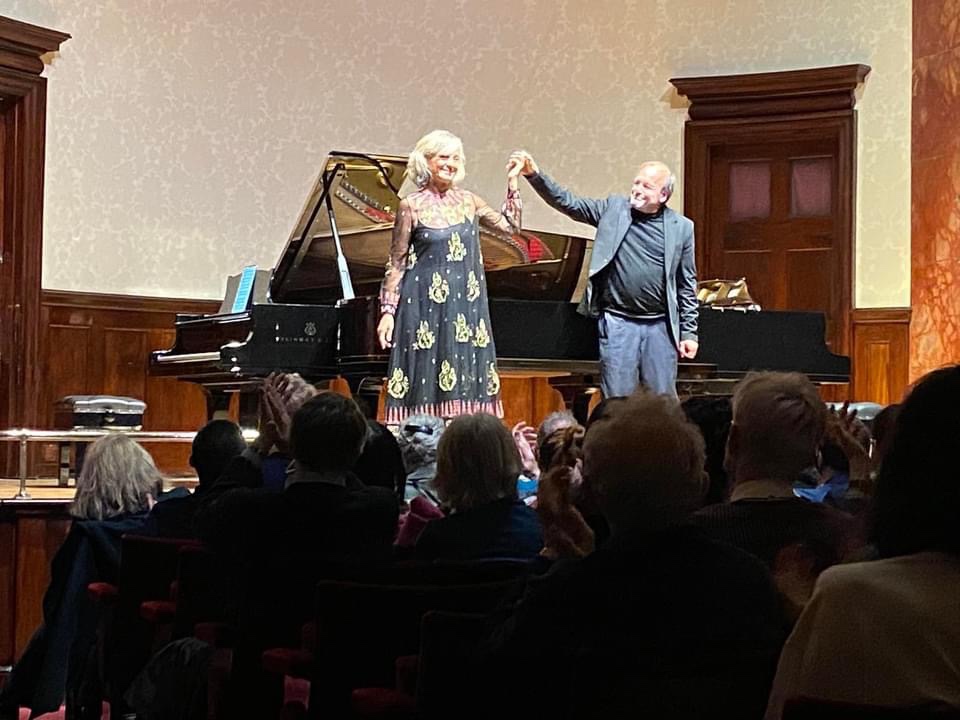
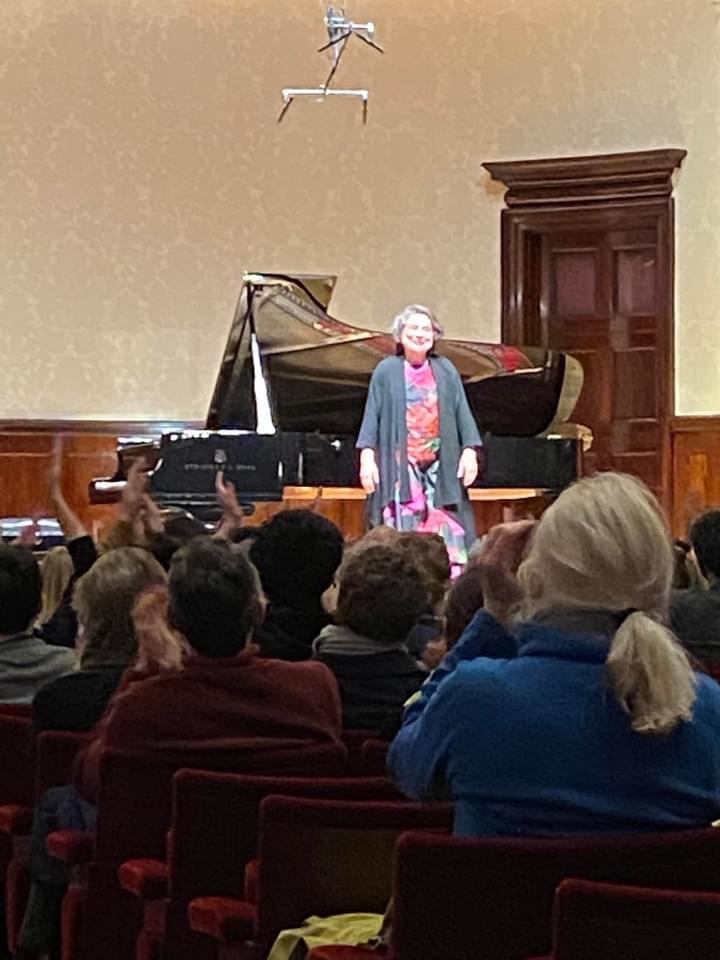
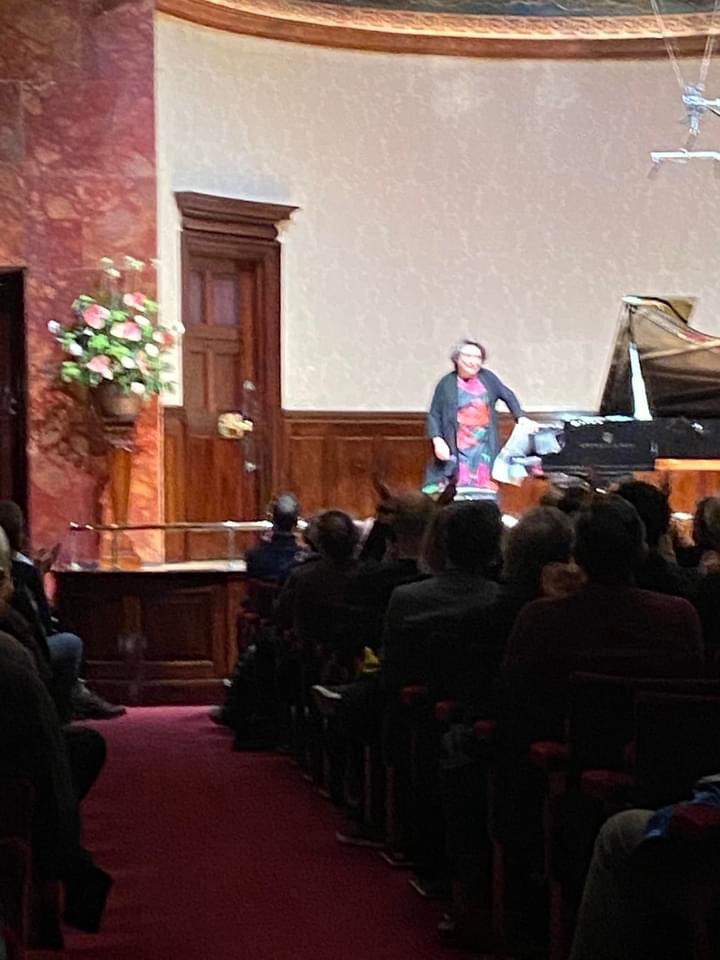
Dame Imogen Cooper introducing Ignas and outlining her parallel series where distinguished colleagues will be joining her to make music together in this beautiful venue.The 12th February will see a recital together with Mark Padmore of lieder by Schumann and Brahms.

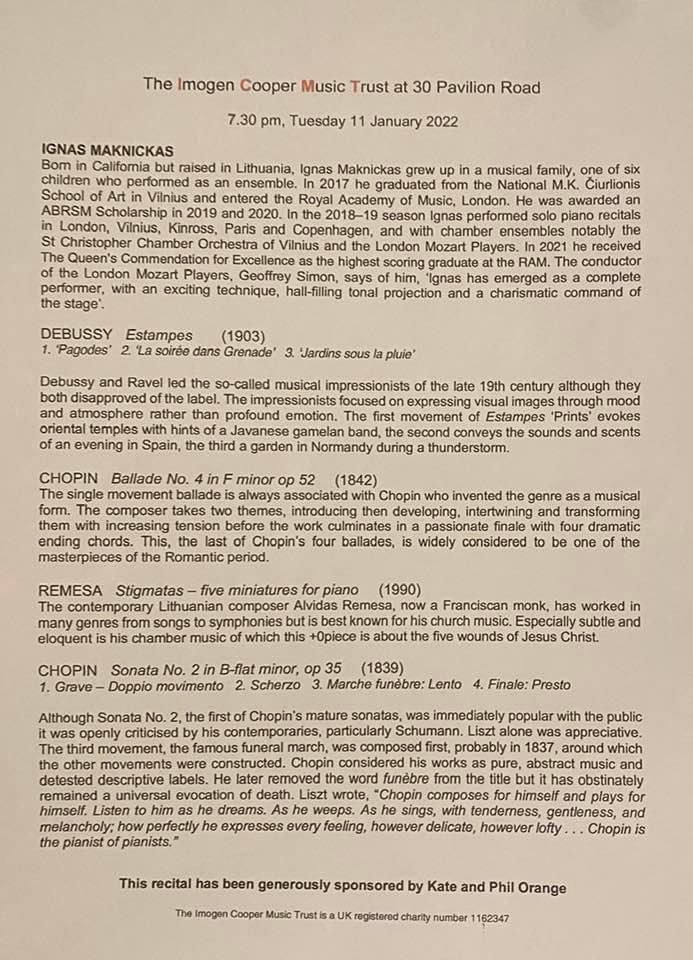
Estampes by Debussy is a suite of three movements and was written in 1903

  1. Pagodes (“Pagodas”) evokes Indonesian gamelan music which Debussy first heard in the Paris Exhibition of 1889 and makes extensive use of pentatonic scales and mimics traditional Indonesian melodies.An impressionistic work where the goal is not overt expressiveness but instead an emphasis on the wash of colour presented by the texture of the work. Debussy marks in the text that “Pagodes” should be played “presque sans nuance“.And it was just this that Ignas managed to achieve with his natural flowing technique and liquid sounds due to his utmost care of balance and colour.Over generous with the pedal throughout the recital, and in Chopin it was less welcome,but here in this impressionistic world that Debussy creates it immediately established his musical credentials.Poised over the Keyboard like a bird in flight he was ready for the slightest breeze that the music required.
  2. La soirée dans Grenade (“Evening in Granada”) evoking images of Grenada in Spain where Debussy’s imagination created in de Falla’s words : “There is not even one measure of this music borrowed from the Spanish folklore,and yet the entire composition in its most minute details, conveys admirably Spain.”Ignas brought a haunting beauty to the sultry melodic line with the gently strumming guitar sounds and there were contrasts of great effect.
  3. Jardins sous la pluie (“Gardens in the Rain”) describes a garden in the Normandy town of Orbec during an extremely violent rainstorm.There was great clarity due to his sparing use of the pedal here at the opening evoking the sounds of the wind blowing followed by sumptuous sounds of rhythmic urgency as he depicted a raging thunderstorm.Utmost delicacy and ravishing fluidity contrasted with raindrops dripping as Debussy makes use of the French folk melodies “Nous n’irons plus aux bois” and “Dodo, l’enfant do.” with a disarming simplicity.

Chopin’s fourth ballade was dedicated to Baroness Rothschild who had invited Chopin to play in her Parisian residence, where she introduced him to the aristocracy and nobility.In the preface to his edition of Chopin’s ballades, Alfred Cortot claims that the inspiration for this ballade is Adam Mickiewicz’s poem The Three Budrys, which tells of three brothers sent away by their father to seek treasures, and the story of their return with three Polish brides.This ballade op 52 is one of the pinnacles of the romantic piano repertoire together with the Liszt Sonata and Schumann Fantasie
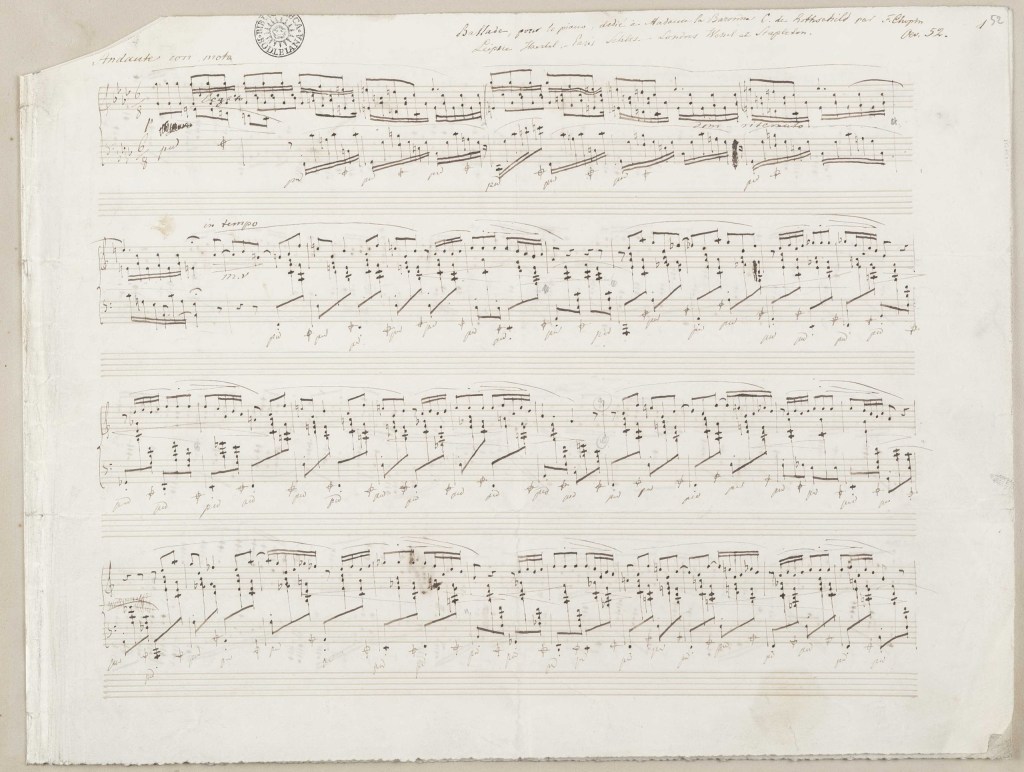
1842 autograph of the fourth ballade in the Bodleian Museum Oxford

I had studied this work with Vlado Perlemuter who was a pupil of Cortot and he wrote in many poetic phrases of Cortot’s that illuminated the seemingly empty notes on the page.Ignas brought great beauty to the opening with his ravishing liquid sound that eliminated the seemingly restrictive bar lines as he allowed the music to breathe in long phrases.There could have been greater simplicity and there were some unwarranted changes of tempo due to his temperament where his heart took over from his head.It is a strange fact in interpretation that quite often it is the romantic works that need a more classical approach and the classical works often more romantic.There was great beauty in the return of the introduction that Cortot marks ‘avec un sentiment de regret’ and an etheral cadenza leading to the gradual build up to the passionate climax of the work.Here Ignas’s over generous use of the pedal whilst creating great surges of sound disguised many bass notes that got lost in this romantic outpouring of sumptuous sounds.Chopin likened rubato to a tree with the roots firmly placed in the ground which allowed the branches of the tree to flow and move with the wind …….one might add without the tree being uprooted!
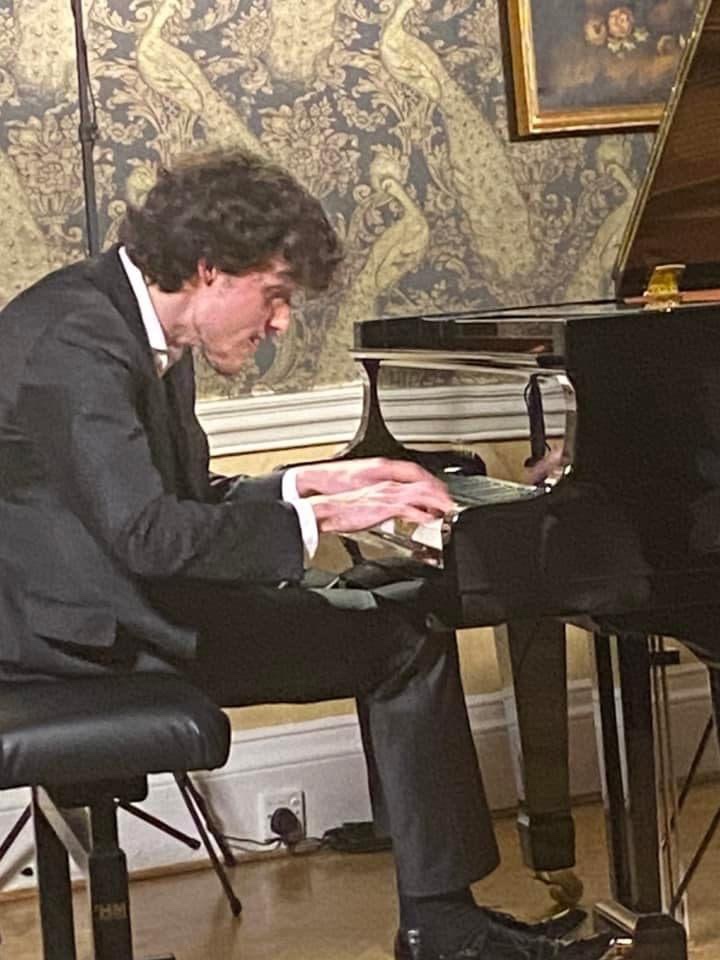
The five gentle chords after the mighty climax herald a coda of transcendental difficulty.The real calm before the storm – a storm that starts with a sforzando in the left hand not with the right and it was these details from Chopin’s own pen that were sometimes sacrificed for Ignas’s romantic temperament .I think the great musicianship of his mentor Imogen Cooper will sort out just such details of fundamental importance in the masterclasses that she holds twice this year in Provence (16/17 April and 14/16 October).However his performance of the coda was of great effect and brought this masterpiece to a triumphant conclusion
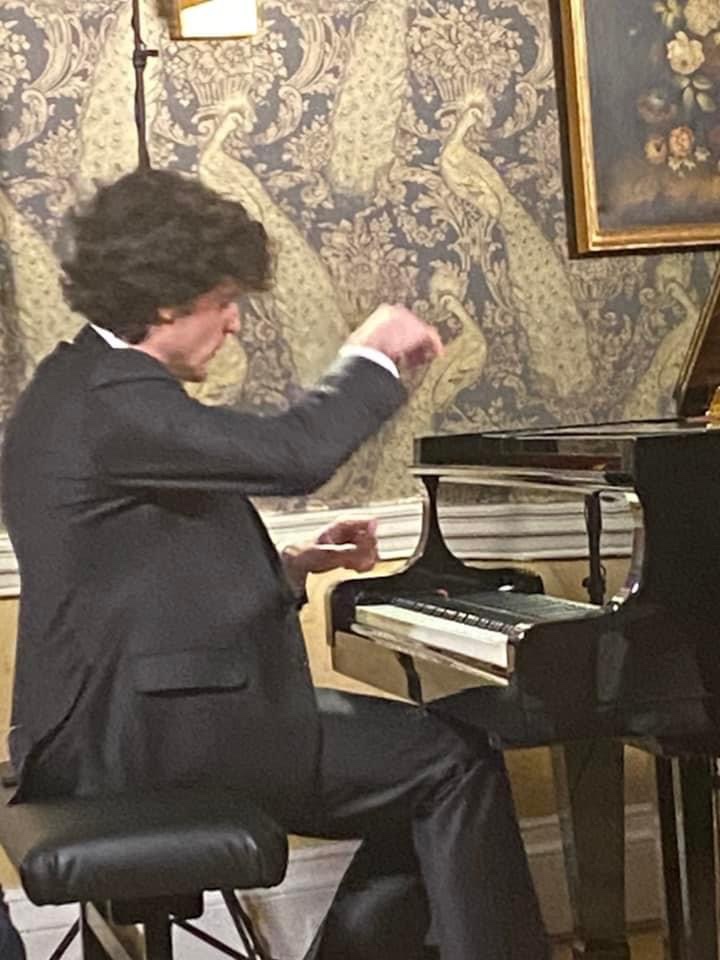
Alvidas Remesa (born in 1951) composed over 100 works in genres ranging from songs to symphonies and stage works; however, sacred music occupies the main part of his output. During the last 15 years he has studied theology, history of ecclesiastical music, liturgy, Gregorian chant and became a Franciscan monk. In 1990-2002 he was an organist at the Franciscan monastery church in Kretinga, currently he works also in the field of music therapy. Especially subtle and eloquent is his chamber music, the composer often employs monothematic principle; movements of the traditional cyclic structure in his works project consistent development of the main idea. Among most popular opuses should be mentioned his Seven Words of Jesus Christ for solo clarinet and Stigmata for piano of 1990.Stigmata is about the five wounds of Jesus Christ and found in Ignas the ideal interpreter.Throwing himself into the fray with such conviction as he brought his imagination to creating sounds of great effect.There was great contrast between the stark dry rhythmic chords answered by cascades of notes that poured from his fingers so naturally.There was folk music too of great clarity and rhythmic energy alternating with a final very suggestive pastoral atmosphere.This was indeed the highlight of the concert where Ignas’s temperament,fluid technical assurance and imagination all came together in a very convincing performance.

Chopin completed his second sonata op 35 while living in George Sand’s manor in Nohant,some 250 km (160 mi) south of Paris a year before it was published in 1840.While the sonata gained instant popularity with the public, critical reception was initially more doubtful.Schumann among other critics, argued that the work was structurally inferior and that Chopin “could not quite handle sonata form”.He went even further describing the sonata as “four of his maddest children under the same roof” and found the title “Sonata” capricious and slightly presumptuous.He also remarked that the Marche funèbre “has something repulsive” about it, and that “an adagio in its place, perhaps in D-flat, would have had a far more beautiful effect”.In addition, the finale caused a stir among Schumann and other musicians. Schumann said that the movement “seems more like a mockery than any sort of music”,and when Felix Mendelssohn was asked for an opinion of it, he commented, “Oh, I abhor it”.The finale has been later described as “probably the most enigmatic piece Chopin ever wrote”,and Anton Rubinstein is said to have remarked that the fourth movement is the “wind howling around the gravestones”.Liszt of course understood the very sound of Chopin and wrote:’Chopin composes and plays for himself.Listen to him as he dreams.As he weeps.As he sings ,with tenderness,gentleness,and melancholy;how perfectly he expresses every feeling,however delicate,however lofty…….Chopin is the pianist of pianists.’
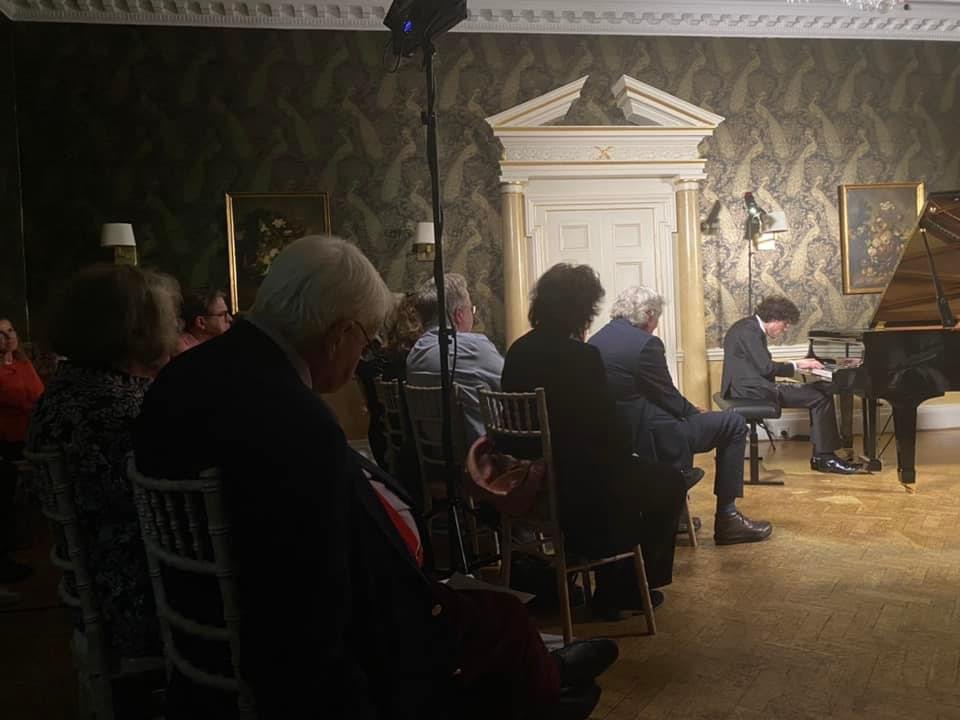
Ignas brought great beauty to many parts of the sonata.In particular the beautiful second subject of the first movement and the heart melting middle section of the Scherzo and Marche funèbre.Despite Schumann’s early criticism of lack of structure time has shown that it is a masterpiece of invention and of an originality that was at the time difficult to comprehend.The opening declaration is reworked in the bass in the development section as the fleeting opening of the doppio movimento is taken up too with the invention of a master craftsman and poet.Ignas chose not to do the repeat in the first movement which has been in discussion for many years as to Chopin’s real intention but he gave the entire movement a rhythmic energy and forward movement that just needed a little taming.The Scherzo too could have been more lightweight to allow a more architectural shape to the overall excitement and underlying rhythmic energy.There could have been a more architectural shape to the Marche funébre by a more judicious use of dynamics as Ignas with his great temperament gave us too much too soon.The Finale described as the wind over the graves is a perpetuum mobile of notes in unison.The revolutionary effect that Chopin wanted is in the notes themselves and needs no external help and above all very judicious pedalling.Ignas gave a performance of great effect which brought him great applause from a very select audience. I cannot help thinking,though,that a more controlled and clearer performance would have brought him an even greater ovation
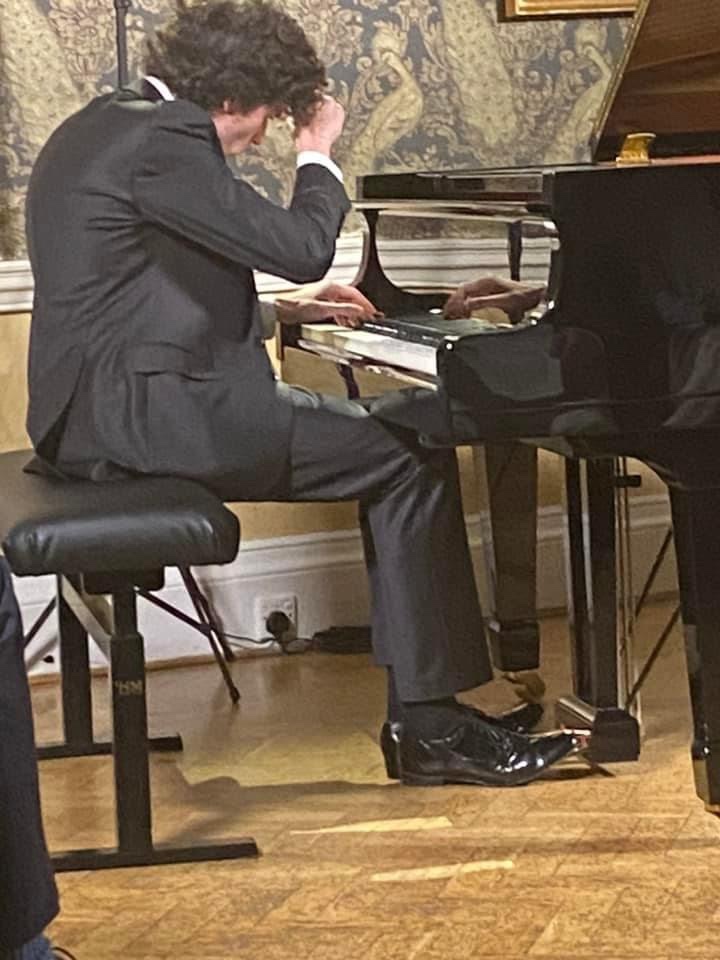
In July 2021 Ignas Maknickas received “The Queen’s Commendation for Excellence” as the highest-scoring graduate of the Royal Academy of Music. He has taken First Prize at the XIX Fryderyk Chopin Piano Competition for Youth in Szafarnia, First Prize at the XX Piano Competition “Young Virtuoso” in Zagreb and, in 2019, Third Prize at the Aarhus Piano Competition.Ignas has appeared with the Aarhus Symphony, Alicante Philharmonic, Dartington Festival Orchestra, Lithuanian National Symphony, Lithuanian State Symphony, Lithuanian Chamber Orchestra, London Mozart Players and Royal Academy of Music Chamber Orchestra.Born in California in 1998, Ignas was raised in Lithuania. In 2017, graduating from the National M.K. Čiurlionis School of Art in Vilnius, he was honoured by the President of Lithuania, H.E. Dalia Grybauskaitė. With his sister and three brothers the talented Maknickas Family Ensemble has represented Lithuania on National Television and at State Occasions. Ignas completed his Bachelor of Music at the Royal Academy of Music on full scholarship under Professor Joanna MacGregor. In September 2021 he commenced the Master of Arts Programme with Professor MacGregor, also on full scholarship. He is a recipient of the Julien Prize, the ABRSM Scholarship Award, the Imogen Cooper Music Trust Scholarship, Munster Trust Mark James Award and Robert Turnbull Piano Foundation Award. Ignas is an Artist of the Arts Global Foundation.He has attended masterclasses with Dmitri Bashkirov, Dame Imogen Cooper, Christopher Elton, Stephen Hough, Yoheved Kaplinsky, Marios Papadopoulos, Menahem Pressler, Geoffrey Simon, Tamás Ungár, Arie Vardi and Ilana Vered. As a recitalist he has appeared at Steinway Hall London, Vaidilos Theatre Vilnius, Kinross House Scotland and Charlottenborg Festival Hall Copenhagen.

https://christopheraxworthymusiccommentary.wordpress.com/2021/09/24/cristian-sandrin-the-imogen-cooper-trust/

https://christopheraxworthymusiccommentary.wordpress.com/2021/10/14/ariel-lanyi-imogen-cooper-music-trust-the-trials-and-tribulations-of-a-great-artist/

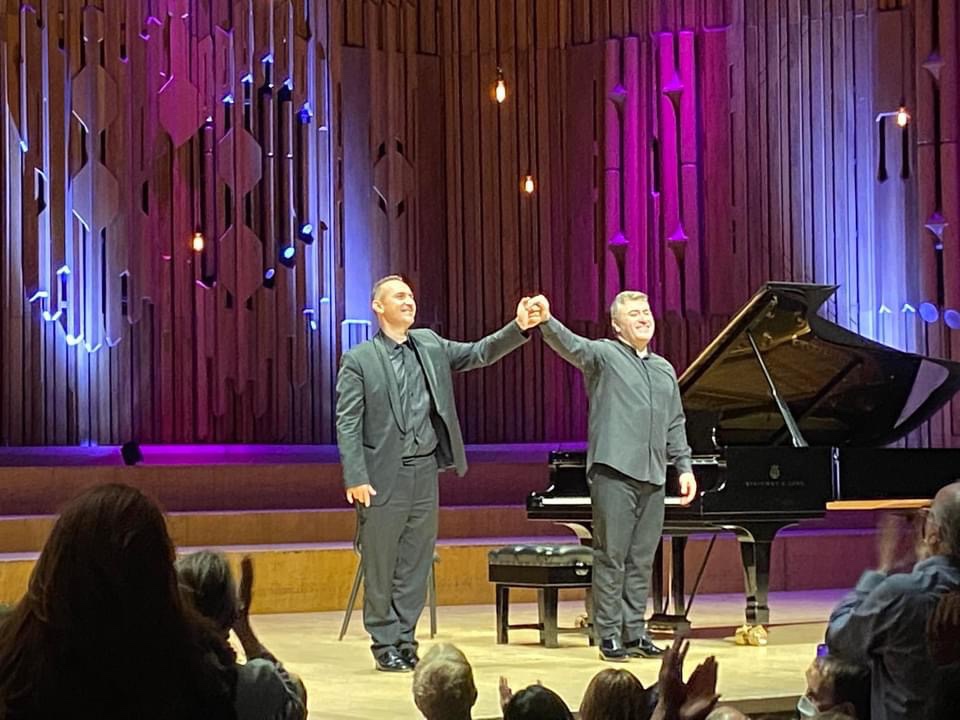
Vengerov – Trpceski violin superstar at the Barbican.

Superstars Vengerov and Trpceski follow in the footsteps of Lang Lang with a sold out Barbican hall of doting admirers.
Mozart,Prokofiev,Franck and Ravel on the digital programme menu.
But it was the blues from the Ravel Sonata played as an encore that ignited the evening and sparks began to fly.
Vengerov ,the Pavarotti of the violin,seduced and ravished our senses with Liebesleid and Liebesfreud and had not only the audience cheering but also his ever attentive partner clapping this magician from Novosibirsk.

I remember a young boy making his debut in Italy in the Ghione Theatre in Rome.Promoted by Carrena of Italconcert that was the official agency for promoting Russian artists and culture at that time – a few years before they tore down the wall in Berlin.Vadim Repin followed by Natalia Prishipienko both from the school in Siberia of Zakhar Bron.The 18 year old Repin was only interested in driving Carrena’s fast car but we were overwhelmed by his playing.So much so that an impresario from Sicily,Barone Agnello went back stage in the interval to offer him a tour of Sicily before all the others got to him after the concert!Much like the historic arrival of Glenn Gould in Moscow where he started to an empty hall but as word spread like wildfire after the interval the hall was full to the rafters.Carrena spoke of a younger colleague much in the same way that Gilels spoke of the arrival after him of Richter.It was in London that the teenage Maxim Vengerov appeared for the first time in the West ,at the Wigmore Hall.One was immediately aware of all the well known violinists being present and when this young boy got to the end of the Waxman Carmen Fantasy we just stood on our chairs and cheered the arrival of a young God.The rest is legend and tonight we were witness to a legend who obviously relishes his success and feeling of being loved as he ensnares his public with music making that envelopes each one of his audiences around the world in a cocoon of mercurial richness.

In Vengerov’s own words the recital was of works all written by people who were inspired by the violin. Wolfgang Amadeus Mozart played the violin; Sergey Prokofiev wrote for David Oistrakh, one of the greatest violinists of the 20th century; César Franck wrote for Eugène Ysaÿe, regarded as ‘King of the Violin’ in his time; and Maurice Ravel was inspired by Jelly d’Arányi. The whole programme is about the love of the violin felt by four of the greatest composers of different epochs.’It would be wrong to call it a violin recital as Vengerov explains : ‘In the great violin sonatas, the piano always leads, because it provides the harmonic and rhythmic foundations. That’s how the violin finds its freedom, submitting itself to this magnificent instrument, which has so many colours and facets. As a violinist you have to understand the harmonies and have at least one ear in your partner’s score, matching their colouring.It’s always exciting to collaborate with a soloist who also plays chamber music, so it’s exciting to see where he will lead me!’

Wolfgang Amadeus Mozart Violin Sonata No 21 in E minorK 304/300c
1. Allegro
2. Tempo di Menuetto

This is Mozart’s only violin and piano sonata to be written in a minor key, which is probably because it was written in 1778 while Mozart was in Paris and the year Mozart’s mother died. It is in fact the only instrumental work by Mozart in E minor and obviously reflects the mood that Mozart was in at that time.The A minor piano sonata K 310 is from the same period too.There was such mystery and melancholy to the opening statement on the violin as there was disarming simplicity from the piano in the Tempo di Menuetto.Vengerov was much more inside the very soul of Mozart with his vibrant robust playing on a true operatic scale .Trpceski was on the outside looking in with his exquisite bell like cantabile and very polite staccato in the style of a Haebler not a Fischer. I missed the weight that Vengerov gave to every note and in consequence it was an exquisitely polite and respectful performance rather than profound and heart searching.

Sergei Prokofiev Sonata No 1 in F minor
1. Andante assai
2. Allegro brusco
3. Andante
4. Allegrissimo – Andante assai, come prima

The sonata was written for David Oistrakh (1908–1974), who performed it first in 1946, and played two movements at Prokofiev’s funeral in 1953. Vengerov describes the work: ‘It’s one of his most dramatic pieces, filled with different colours. There’s a passage at the end of the last moment that Prokofiev described as the wind in the graveyards – the most chilling colouring that the violin can produce. It shows his imagination and is one of the greatest sonatas ever written for violin and piano.’It was here that the two partners found common ground as the extraordinary colours that Vengerov found on the violin were matched by a kaleidoscope of colours from the keyboard.Bass notes that sent a shiver down one’s spine as Vengerov barely touched the strings as he created an icy wind of transcendental scales that seemed like glissandi.Driving rhythmic energy and such amazing clarity too in a duo of quite extraordinary vision and power.

César Franck Violin Sonata
1. Allegretto ben moderato
2. Allegro
3. Ben moderato: Recitativo-Fantasia
4. Allegretto poco mosso

The Violin Sonata of César Franck (1822–1890) is one of his best-known works, written for the wedding of Eugène Ysaÿe (1858–1931), master of the Franco-Belgian school of violin playing. Franck was not present when Ysaÿe married, but on the morning of the wedding, on 26 September 1886 in Arlon,their mutual friend Charles Bordes presented the work as Franck’s gift to Ysaÿe and his bride Louise Bourdeau de Courtrai. After a hurried rehearsal, Ysaÿe and Bordes’ sister-in-law, the pianist Marie-Léontine Bordes – Pène played the Sonata to the other wedding guests.It was given its first public concert performance on 16 December of that year,at the Museum of Modern Painting in Brussels.Ysaÿe and Bordes-Pène were again the performers.The Sonata was the final item in a long program which started at 3 pm.When the time arrived for the Sonata, dusk had fallen and the gallery was bathed in gloom, but the museum authorities permitted no artificial light whatsoever. Initially, it seemed the Sonata would have to be abandoned, but Ysaÿe and Bordes-Pène decided to continue regardless. They had to play the last three movements from memory in virtual darkness. When the violinist Armand Parent remarked that Ysaÿe had played the first movement faster than the composer intended, Franck replied that Ysaÿe had made the right decision, saying “from now on there will be no other way to play it”. Vincent d’Indy who was present, recorded these details of the event.

Vengerov says: ‘The Franck rhymes very well with the colours of Prokofiev. Ysaÿe possessed an amazing sound and a way of colouring the instrument, which we can hear in his recordings. The Franck is like a painting, full of images.’The Sonata is further notable for the difficulty of its piano part, when compared with most of the chamber repertoire. Its technical problems include frequent extreme extended figures—the composer himself having possessed huge hands—and virtuoso runs and leaps, particularly in the second movement.Some ravishing playing of great power and delicacy.The second movement like a tidal wave of sounds from the piano enveloping the passionate outpouring of Vengerov ‘s magnificent Strad.A recitativo of sublime power and emotion was followed by the same simplicity in the last movement as in the little minuet by Mozart.This time though developed into a tumultuous climax and a funambulistic finale of transcendental playing from both.

Maurice Ravel Tzigane

Ravel’s Tzigane (a French word for a generic gypsy style), dedicated to the Hungarian violinist Jelly d’Arányi (1893–1966). Vengerov says: ‘The Tzigane is the cherry on the cake. Every time I play it, I discover something new. Ravel’s music is as difficult as Mozart because it’s so transparent. There’s a borderline and if you overstep that line, it becomes vulgar. It can easily be misinterpreted and played too rhapsodically. You can’t just play it like you want, though. It has a structure – it’s a serious work.’Jelly d’Aranyi was born in Budapest and was the great-niece of Joseph Joachim -great friend of Brahms and sister of the violinist Adila Fachiri.Bartok’s two sonatas for violin and piano were dedicated to her; Jelly and Bartók presented them in London in March 1922 (No. 1) and May 1923 (No. 2).She played a curious role in the emergence and 1937 world premiere of Schumann’s Violin Concerto.On the basis of messages she received at a 1933 séance,allegedly from Schumann himself, about this concerto of which she had never previously heard, she claimed the right to perform it publicly for the first time. That was not to be, but she did perform it at the London premiere.She retired with her sister and Swedish companion to the little village of Ewelme near Oxford that by coincidence is where Vlado Perlemuter mentored by Ravel chose to retire with his lifelong companion too.A wonderful performance where the clarity and precision of Trpcewski were just jewels that sparkled and shone so brightly as Vengerov weaved his demonic way through Ravel’s treacherously fantasmagoric score.

A standing ovation was awarded the blues movement from Ravel’s Sonata for violin and piano played with insinuating sounds of sublime improvised decadence.At last the sparks were flying high as Vengerov knew what his public wanted and with all the generosity and showmanship of a Pavarotti proceeded to ravish and seduce everyone of his audience who were hanging onto every velvet sound that poured from his heart via his violin into ours.

Maxim Vengerov is universally hailed as one of the world’s finest musicians, and often referred to as the greatest living string player in the world today, Grammy award winner Maxim Vengerov also enjoys international acclaim as a conductor and is one of the most in-demand soloists.Born in 1974, he began his career as a solo violinist at the age of five, won the Wieniawski and Carl Flesch international competitions at ages 10 and 15 respectively, studied with Galina Tourchaninova and Zakhar Bron, made his first recording at the age of 10, and went on to record extensively for high-profile labels including Melodia, Teldec and EMI, earning among others, Grammy and Gramophone artist of the year awards.In 2007 he followed in the footsteps of his mentor, the late Mstislav Rostropovich, and turned his attention to conducting and in 2010 was appointed the first chief conductor of the Gstaad Festival Orchestra.He plays the ex-Kreutzer Stradivari (1727).

Simon Trpčeski has been praised not only for his powerful virtuosity and deeply expressive approach, but also for his charismatic stage presence.Born in Macedonia in 1979, Simon Trpčeski is a graduate of the School of Music at the University of St. Cyril and St. Methodius in Skopje, where he studied with Boris Romanov. He was BBC New Generation Artist 2001-2003 and in 2003, was honoured with the Young Artist Award by the Royal Philharmonic Society.Launched onto the international scene twenty years ago as a BBC New-Generation Artist, in an incredibly fast-paced career that encompass no cultural or musical boundaries, Simon Trpčeski has collaborated with over a hundred orchestras on four continents, including the London Symphony Orchestra, Philharmonia Orchestra, City of Birmingham Orchestra, Orchestre National de France, Royal Concertgebouw Orchestra, Deutsche Sinfonie Orchester Berlin and Dresden Philharmonic, while In North America, he is a frequent soloist with the Cleveland and Philadelphia Orchestras, the Los Angeles and New-York Philharmonic, and the San Francisco, St. Louis, Seattle, and Baltimore Symphonies. Further afield, he has performed with the New Japan, Seoul, and Hong Kong Philharmonics, and the Sydney, Adelaide, Melbourne, and New Zealand Symphonies.

Beethoven La Chapelle offers an Ode to Joy

Beethoven an Ode to Joy with La Chapelle at the Wigmore Hall
Over two days Louis Lortie brought his musicians from his class at La Chapelle in Brussels to London to astonish and excite us with Liszt’s own remodelling of five of Beethoven’s nine Symphonies.
One could not call them transcriptions with their extraordinarily funabulistic pianistic solutions to the original orchestration ,although completely faithful to Beethoven’s score.
It was after all Liszt who edited one of the first complete and scrupulously faithful editions of the piano sonatas.He also collected monies and kind (Schumann Fantasie and Mendelssohn Variations serieuses) from Schumann,Mendelssohn and many others to erect a statue to his master,Beethoven in Bonn.

Alexander Kashpurin. Beethoven/ Liszt Symphony n.1 op 21


We were treated to a crystal clear account of the first with Alexander Kashpurin and a quite overwhelming execution of the Eroica by Djordje Radevski.

Djordje Radevski Symphony n.3 op 55 ‘Eroica’

But it was the supreme artistry of Alexander Gadjiev that stole our hearts on the first evening.

Alexander Gadjiev Symphony n.7 op 92

In 2015 Italian-Slovenian Alexander Gadjiev won the Hamamatsu International Piano Competition in Japan and last year won the Krystian Zimerman prize for best performance of a sonata at the 2021 International Chopin Piano Competition in Warsaw. His Serbian colleague won the Davorin Jenko Competition in Belgrade in 2015 and Concours Brueghel in Brussels in 2017. 2021 First Prize Winner of the Les Etoiles du Piano competition in France, Alexander Kashpurin is ‘one of those great rarities amongst pianists, having a true musical personality combined with exceptional pianistic resources, far beyond the norm’. Together they offer a rare opportunity to hear Liszt’s extraordinary transcriptions of three Beethoven symphonies.


As Salih Can Gevrek came close to doing with an extraordinarily exciting account of the fifth.

In a second instalment of Liszt’s Beethoven transcriptions, made in 1863-4, and including a two-piano version of the Ninth Symphony, the French-Canadian pianist – himself a renowned Liszt interpreter – joins with regular duo partner Hélène Mercier and the Turkish Salih Can Gevrek – now an artist in residence at the Queen Elisabeth Music Chapel in Brussels, inaugurated in 1939 and today recognised internationally as a leading institution for higher musical training.

Salih Can Gevrek. Symphony n.5


But it was the masterly display of musicianship,colour and balance with Louis Lortie and Hélène Mercier on two pianos that kept the audience breathless,as with baited breath we awaited their sumptuous rendition of the Ode to Joy.

Louis Lortie – Hélène Mercier. Symphony n.9 op 125


No words were necessary but the Joy they brought to an audience on their feet at the end was evidence enough of their great artistry

Alan Walker stated that Liszt’s Beethoven Symphony transcriptions “are arguably the greatest work of transcription ever completed in the history of music.”And Horowitz in a 1988 interview, stated “I deeply regret never having played Liszt’s arrangements of the Beethoven symphonies in public – these are the greatest works for the piano – tremendous works – every note of the symphonies is in the Liszt works.”

Liszt’s Beethoven Symphony transcriptions are little known outside serious musical circles, and were in relative obscurity for over 100 years after their publication. It remains a mystery why none of Liszt’s pupils performed or recorded these works. The first recording of any of them was not until 1967, when Glenn Gould recorded the Fifth and Sixth Symphonies. Idil Biret became the first pianist to record the complete cycle, between July 1985 and April 1986 and performed all nine symphonies at the 1986 Montpellier Festival in four recitals on 26, 27 July and 2, 3 August.

When Liszt began work transcribing the ninth symphony, he stated that “after a great deal of experimentation in various directions, I was unable to deny the utter impossibility of even a partially satisfactory and effective arrangement of the 4th movement. I hope you will not take it amiss if I dispense with this and regard my arrangements of the Beethoven symphonies as complete at the end of the 3rd movement of the Ninth.” (He had in fact completed a transcription of the Ninth Symphony for two pianos in 1850.) Nevertheless, he made another attempt after an expressive letter from Breitkopf & Härtel, and expressed “the range achieved by the pianoforte in recent years as a result of progress both in playing technique and in terms of mechanical improvements enables more and better things to be achieved than was previously possible. Through the immense development of its harmonic power the piano is trying increasingly to adopt all orchestral compositions. In the compass of its seven octaves it is able, with only a few exceptions, to reproduce all the characteristics, all the combination, all the forms of the deepest and most profound works of music. It was with this intention that I embark on the work which I now present to the world.”

The full set of transcriptions were finally published in 1865 and dedicated to Hans von Bulow.

Asagi Nakata elegance and poetry at St James’s Piccadilly

https://www.youtube.com/watch?v=jF-7key-fKA

The Haydn sonata Hob XVI:49 was written in 1789/90 and marked the beginning of Haydn’s late, mature style.It opened the lunchtime recital of Asagi Nakata at St James’s Piccadilly.Streamed live I was able to listen from afar to a performance of Haydn of rare elegance and poetry.Not since Sokolov have I been so enraptured by a performance of such character but above all scrupulous attention to detail that brought this little masterpiece vividly to life.Of course Asagi has all the technical resources at her fingertips which allowed her great musicianship to bring a kaleidoscopic sense of colour and shape to all that she did.From the energetic opening that just seemed to spring so naturally from her fingers to the complete contrast of the second subject played with a sense of legato and line that contrasted so well.The playful return of the first subject where the duet between the bass and the treble just seemed to bubble over with such joie de vivre.A sense of balance that allowed the accompaniment to sustain rather than overpower the delicacy and playfulness of the melodic line .The seemingly lost almost searching nature of the development was played with just the right sense of discovery as the delicate cadenza led back to home ground once again.An Adagio that was like a bel canto aria such was the subtle shape that she brought to the radiant melodic line.Even the brooding middle section had a radiance and poetic sense of colour that brought even more poignancy to the return of the main subject with Haydn’s own embellishments played with such subtle delicacy.A coda that threatens seriousness but resolves in such a simple harmonious way to the final two barely whispered chords.The finale – Tempo di Minuet was played with a childlike simplicity with such refined ornamentation and play between legato and staccato.There was whispered delicacy as it touches the minor key before the extreme charm of the final few bars

With three symphonies transcribed by 1837 – n.5,6 and 7 Liszt set aside the work for another 23 years. It was not until 1863 that Breitkopf & Härtel suggested to Liszt that he transcribe the complete set for a future publication. For this work, Liszt recycled his previous transcriptions by simplifying passages, stating that “the more intimately acquainted one becomes with Beethoven, the more one clings to certain singularities and finds that even insignificant details are not without their value”. He would note down the names of the orchestral instruments for the pianist to imitate, and also add pedal marks and fingerings for amateurs and sight readers. They are though among the most technically demanding piano music ever written.There was an immediate change of colour as Asagi brought a rich orchestral sound to this first movement of the first symphony.There was great rhythmic impetus and sense of character to her playing.A clarity that allowed the playful answer and question between instruments to be so full of orchestral colour.There were great contrasts too in the development section before the rhythmic outburst of the return of the recapitulation.An ending of breathtaking rhythmic urgency just made one wish we could hear the whole symphony from her musicianly hands.

“Waldesrauschen”,is the first of two concert studies that were composed in Rome around 1862/63 by Liszt : “Waldesrauschen” (Forest Murmurs) and “Gnomenreigen” (Dance of the Gnomes).Rarely performed in concert these days although ‘Gnomenreigen’ is played more often by virtuosi and is known for its technical difficulty in its fast and soft passages, where the pianist imitates the sound of gnomes.’Waldesrauschen’ on the other hand is a tone poem of rare beauty that I have not heard in public since Perlemuter played it as an encore in London many years ago.So it was refreshing to hear the beautifully fluid accompaniment just flow from Asagi’s delicate hands as she moulded the melodic line with such beauty shaping it with refined flexibility and a ravishing sense of balance as the music became ever more passionate.It led to a sumptuous climax of aristocratic control and technical command dying away to a mere whisper.

There were grandiose sounds and also great clarity to Rachmaninov’s technically challenging Etude Tableaux op 39 n.9. Played with great style and character as she brought this virtuoso piece vividly to life.The five movements of Ginastera’s Suite de Danzas Criollas op 15 were played with sultry melodic line of pure magic alternating with savage rhythmic energy of exhilarating excitement and brought the concert to a sumptuous close.

A transcription by Cziffra of Vecsey’s La Valse was offered as an encore and played with all the charm and jeux perlé of another age.A haunting beauty with bewitching ornamentation of the great virtuosi of the past that Asagi played with a ravishing sense of style that was true magic.

https://christopheraxworthymusiccommentary.wordpress.com/2020/05/27/asagi-nakata-at-st-marys/

Elisabeth Leonskaya at the Wigmore Hall. True Queen of the keyboard


A regal bearing of someone who with simplicity and humility is there to serve music and convey this message in an immediate way.
It is as if discovering the wonders that she is producing for the first time.
A burning intensity and luminosity of sound that could turn the Wigmore piano into a wondrous Bosendorfer such was the sumptuous bass sonorities she could draw from the instrument before her as if by magic.
It was not ,though ,the regal presence of a Bachauer or Tureck -she is no High Priestess-but the presence of a Nikolaeva or a Virsaladze just born with music so naturally at their very roots.Where a farmer might toil on the land to bring wondrous things to fruit so they on the keyboard bring to us the same heavenly miracle of life.


Straight down to the important work of making music with no fiddling with the stool or waiting for the moment of concentration.From the first deep notes of the Mozart Fantasia in C minor she held us enthralled as she proceeded to enact this drama ,and show us the operatic characters that inhabit it ,as she allowed the music to speak in such an immediate way.
This was Mozart on a grand operatic scale.
Even the slow movement of the C minor sonata had much of the richness that she was to find in parts of the Brahms Andante in his Sonata op 5.
If the Allegro assai of the Mozart sonata seemed surprisingly underplayed it was because it made the passionate outbursts even more astonishing.


The Schoenberg Suite op 25 showed off her intellectual prowess as she shared his infernal mathematical meanderings with an authority and driving energy.
Even here she found magical colours and contrasts that made this intellectual exercise jump off the page into an architectural shape every bit as gripping as her Mozart.

It was composed between 1921 and 1923 and is the earliest work in which Schoenberg employs a row of “12 tones related only to one another” The basic tone row of the suite consists of the following pitches: E–F–G–D♭–G♭–E♭–A♭–D–B–C–A–B♭.In form and style, the work echoes many features of the Baroque Suite .There are six movements:Praludium,Gavotte,Musette,Intermezzo,Menuet,Gigue.The Gavotte contains, “a parody of a baroque keyboard suite that involves the cryptogram of Bach’s name (B flat,A,C, B natural – BACH in German nomenclature) as an important harmonic and melodic device and a related quotation of Schoenberg’s Six little pieces op 19

Schoenberg the score in hand -no page turner even that had been meticulously organised.


But it was the Brahms F minor sonata that received a fearlessly majestic performance turning this black box of hammers and strings into the Philadelphia orchestra.
The opening founded on enormous bass sonorities that allowed her such freedom to find sounds that could ravish and seduce.An Andante of such sublime beauty that time seemed to stand still until the coda where she unleashed a passion of burning intensity that erupted into the rhythmic drive she gave to the scherzo.
She struck fear into our hearts with the extraordinary intermezzo that depicts both desolation and menace.
A finale that seemed so innocent and innocuous with the miraculous whispered appearance of the chorale that was to explode into a coda of burning passion with astonishing sonorities of transcendental virtuosity and control.
Fireworks indeed.
And it is exactly what we got as an encore with Debussy’s depiction never before sounding so vivid where even the hint of the Marseilles seemed more menacing in her hands than ever before.
A scintillating last movement from the Mozart sonata K576 in D major was a second encore to a demanding insatiable audience.

https://christopheraxworthymusiccommentary.wordpress.com/2019/09/16/elisabeth-leonskaya-the-oracle-speaks/

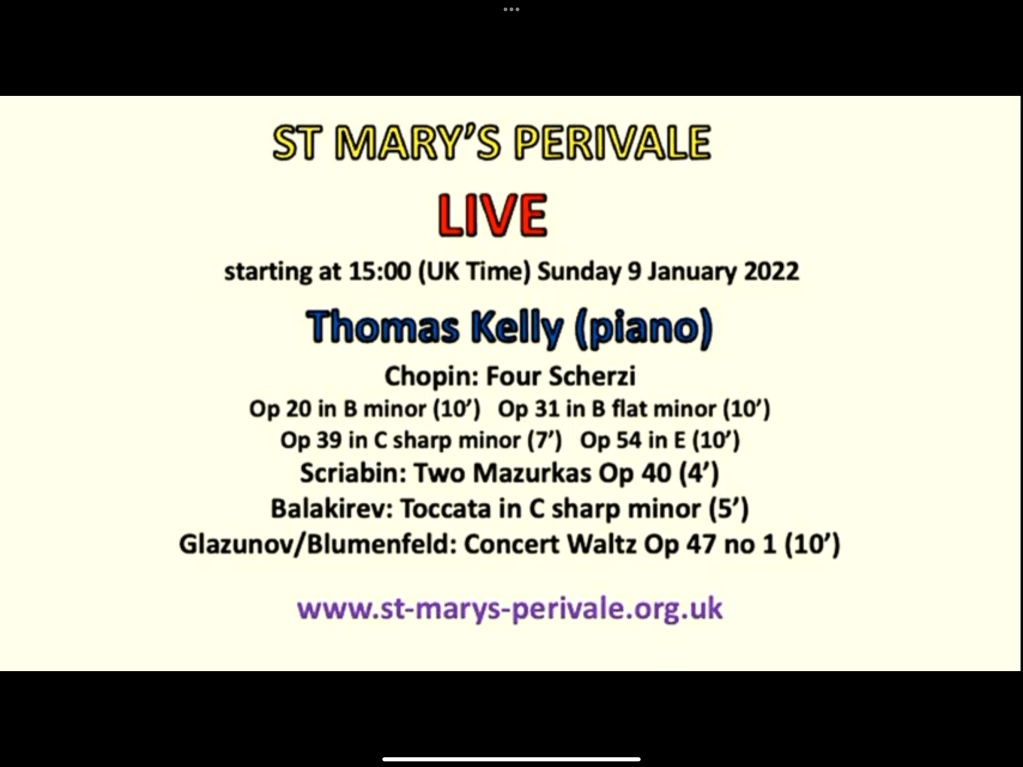
Thomas Kelly The Golden Age of piano playing shines brightly at St Mary’s

Sunday 9 January 3.00 pm

Chopin: 4 Scherzi 

Op 20 in B Minor
Op 31 in B Flat Minor
Op 39 in C Sharp Minor
Op 54 in E Major

Scriabin: 2 Mazurkas Op 40

Balakirev: Toccata in C Sharp Minor

Glazunov/Blumenfeld: Concert Waltz Op 47 no 1

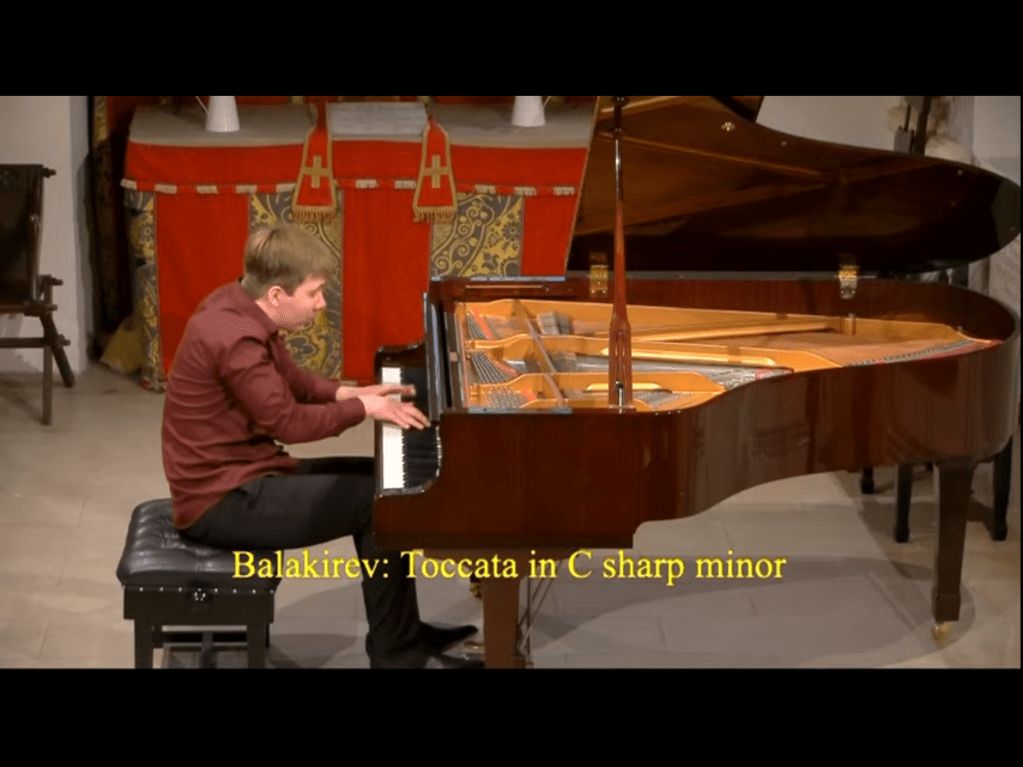
Some phenomenal playing from Thomas Kelly not only of transcendental piano playing but of sublime beauty.A fluidity of sound and sense of colour of another age.
Four Scherzi by Chopin where each one was given such character that they became four tone poems each with their own extraordinary sense of discovery and daring.
The same daring that he brought to two war horses of another era .The Balakirev Toccata was an astonishing perpetuum mobile of feather light sounds with an irresistible rhythmic drive .But it was the Glazunov Waltz in the transcendental arrangement of Blumenfeld – who was Horowitz’s first teacher before he left Russia – that was played with ravishing style and colour as I imagine only Horowitz could have played it .Thomas threw it off with the nonchalance and old world style that we have only heard from the great virtuosi of the past on piano rolls or the very early recordings of pianists like Rosenthal,Levitski,Lhevine or Moiseiwitch.And if we were reminded of Horowitz with this waltz we were certainly reminded also of Moiseiwitch’s historic recording of Mendelssohn’s Scherzo in the arrangement by his friend Rachmaninov.This was every bit as phenomenal and even more so for being a live performance and thrown off as an encore with the same ease and charm of sparkling jewels that Moiseiwitch threw off in desperation at the end of a recording session.
Two little Mazukas op 40 by Scriabin were slipped in like a sorbet between courses to whet the appetite for even more astonishing performances.
Here there was a teasing and beguiling sense of colour as the innermost counterpoints were allowed to glisten and gleem with such tantalising charm.

Unlike the classical model of the Scherzo the musical form adopted by Chopin is not characterised by humour or elements of surprise, but by highly charged “gestures of despair and demonic energy”.Schumann wrote about the first scherzo: “How is ‘gravity’ to clothe itself if ‘jest’ goes about in dark veils?”Although various Beethovenian features of the scherzo are preserved—an A–B–A structure with sections A and B contrasting, triple time, pronounced articulation and sforzando accents—in terms of musical depth, Chopin’s four scherzos enter into a different and grander realm. They are all marked presto or presto con fuoco and “expand immeasurably both the scale of the genre and its expressive range”. In these piano pieces, particular the first three, any initial feeling of levity or jocularity is replaced by “an almost demonic power and energy”.

In fact from the very first notes of Thomas’s performance there was an overwhelming rhythmic energy with his unique sense of colour and voicing that never allowed him to force the tone but only to make it richer and more vibrant.The great pianists of the past we’re masters of this like the master illusionists they were .Not the all too often : ‘I plays mainly by strength’ as the modern piano can withstand the cruellest of beatings but by highlighting certain elements one can give the illusion of making the piano roar and sing by a refined sense of balance and an acute sensibility to colour.There was too from Thomas scintillating passage work of transcendental control and passion.The beautiful middle section, based on an old Polish Christmas song (Lulajże Jezuniu) ,was played so poetically with an aristocratic sense of colouring where the perfect timing of a single note in the bass could add such colour and meaning to the beauty of the melodic line.The coda was played with astonishing excitement and virtuosity.There was great clarity with the opening triplets of the second Scherzo answered by the imposing majesty of the chordal declaration.It was though the beauty of the melodic line that was so moving as it was played with a fluidity and flexibility with a great sense of line and forward movement.There was such serene beauty too in the middle section which alternated with a Mazurka like rhythm that I had never been aware of previously.There was even Horowitian devilry in the climax that just dissolved to a mere whisper before the return to the beautiful opening melody,played again with a wondrous sense of balance that allowed the melodic line to sing with such fluidity.The astonishing excitement in the coda where the same way of lightening the octave texture at the very climax was reminiscent of Horowitz and allowed a driving ecstatic forward movement without any hardening of texture.

There was an unusually mysterious opening to the third Scherzo as it led into the dynamic octave outcry and the beauty of the chorale with its glistening cascades of embellishments.It was played though with an overall architectural line that shone through all the extraordinary embellishments where Chopin adds his unique magic to the simple grandeur of the chorale.The fourth Schero of a pastoral serenity but with its capricious fleeting interruptions.It was ,though,the great central song that was so ravishing etched in velvet as he dug into the melodic notes with such weight.There was such poignancy and beauty as it built up to the flights of jeux perlé notes that take us back to the opening motif. A coda that opens like a ray of light gleaming ever more radiantly as it explodes into the final octave grandeur before shooting off a a scintillating rocket of notes to the final sumptuous chords.

Alexander Scriabin wrote his two Mazurkas, catalogued as Op. 40, in 1903 and they were first published a year later. This was a prolific period for Scriabin writing many preludes, etudes and piano pieces. The first Mazurka, in D flat major is marked Allegro and shows a use of harmony typical of Scriabin played by Thomas with a teasing and beguiling sense of dance and extraordinary feeling for the layers of colour that are so much part of Scriabin’s fantasy.The second mazurka was beautifully mellifluous as it meandered to a merely whispered ending .

Mily Balakirev (1837–1910) – the leader of the group of Russian composers known as ‘the Five’ which included Mussorgsky,Cui,Borodin and Rimsky – Korsakov – who wrote of Balakirev ‘who had never had any systematic course in harmony and counterpoint and had not even superficially applied himself to them, evidently thought such studies quite unnecessary…. An excellent pianist, a superior sight reader of music, a splendid improvisor , endowed by nature with a sense of correct harmony and part-writing, he possessed a technique partly native and partly acquired through a vast musical erudition, with the help of an extraordinarily keen and retentive memory, which means so much in steering a critical course in musical literature. Then, too, he was a marvelous critic, especially a technical critic. He instantly felt every technical imperfection or error, he grasped a defect in form at once.’The toccata is a virtuoso work of infectious rhythmic energy a perpetuum mobile of technical brilliance played by Thomas with an alluring sense of style and of course amazing virtuosity.

The waltz by Glazunov in the transcription of Blumenfeld was an astonishing display of playing of another age – the Golden age of piano playing.It showed off to the full the amazing bravura and kaleidoscopic sense of colour as there was a seemless flow of effortless jeux perlé which every time it seemed to draw to a close erupted into an even more funabulistic display of transcendental piano playing.

The rhythmic drive and absolute charm of the Rachmaninov transcription of the Scherzo from Mendelssohn’s ‘A midsummer night’s dream’ offered as an encore,just makes me repeat what I wrote last time I had listened to Thomas’s playing.He is the third element in a remarkable chain of pianists – all British to boot – who have returned to the Golden age of piano playing.Stephen Hough,Benjamin Grosvenor and now without a doubt,after today’s extraordinarily assured display ,Thomas Kelly.His recognition in Leeds was the spark that was needed to give him the authority and assurance that his artistry has for some time demanded.

Thomas Kelly was born in 1998. He passed Grade 8 with Distinction in 2006 and performed Mozart Piano Concerto No. 24 in Canterbury’s Marlowe Theatre two years later. After moving to Cheshire, he regularly played in festivals, winning prizes including in the Birmingham Festival, 3rd prize in Young Pianist of The North 2012, and 1st prize in the 2014 Warrington Competition for Young Musicians. Since 2015, Thomas has studied with Andrew Ball, initially at the Purcell School for Young Musicians and now at Royal College of Music, where he is a third-year undergraduate. Thomas has won first prizes including Pianale International Piano Competition 2017, Kharkiv Assemblies 2018, Lucca Virtuoso e Bel Canto festival 2018, RCM Joan Chissell Schumann competition 2019, Kendall Taylor Beethoven Competition 2019 and BPSE Intercollegiate Beethoven Competition 2019. He has also performed in venues including the Wigmore Hall, Cadogan Hall, Holy Trinity Sloane Square, St James’ Piccadilly, Oxford Town Hall, St Mary’s Perivale, St Paul’s Bedford, Poole Lighthouse Arts Centre, Stoller Hall, Paris Conservatoire, the StreingreaberHaus in Bayreuth, the Teatro del Sale in Florence, in Vilnius and Palanga. Thomas’ studies at RCM are generously supported by Pat Kendall-Taylor, Ms Daunt and Ms Stevenson and C. Bechstein pianos. He recently won 5th prize at the 2021 Leeds International Piano Competition, and was the first British pianist to reach the finals of this prestigious competition for 18 years.

https://christopheraxworthymusiccommentary.wordpress.com/2021/11/22/the-back-of-beyond-bright-future-for-the-class-of-dmitri-alexeev-jacky-zhang-alexander-doronin-nikita-burzanitsa-thomas-kelly-junlin-wu/

https://christopheraxworthymusiccommentary.wordpress.com/2021/06/29/thomas-kelly-a-shining-light-at-st-marys/

Dr Mather writes :Phenomenal indeed. I was lost for superlatives ! Thank you as always, Christopher. Here is the link https://youtu.be/Ft0EGsz4KDU

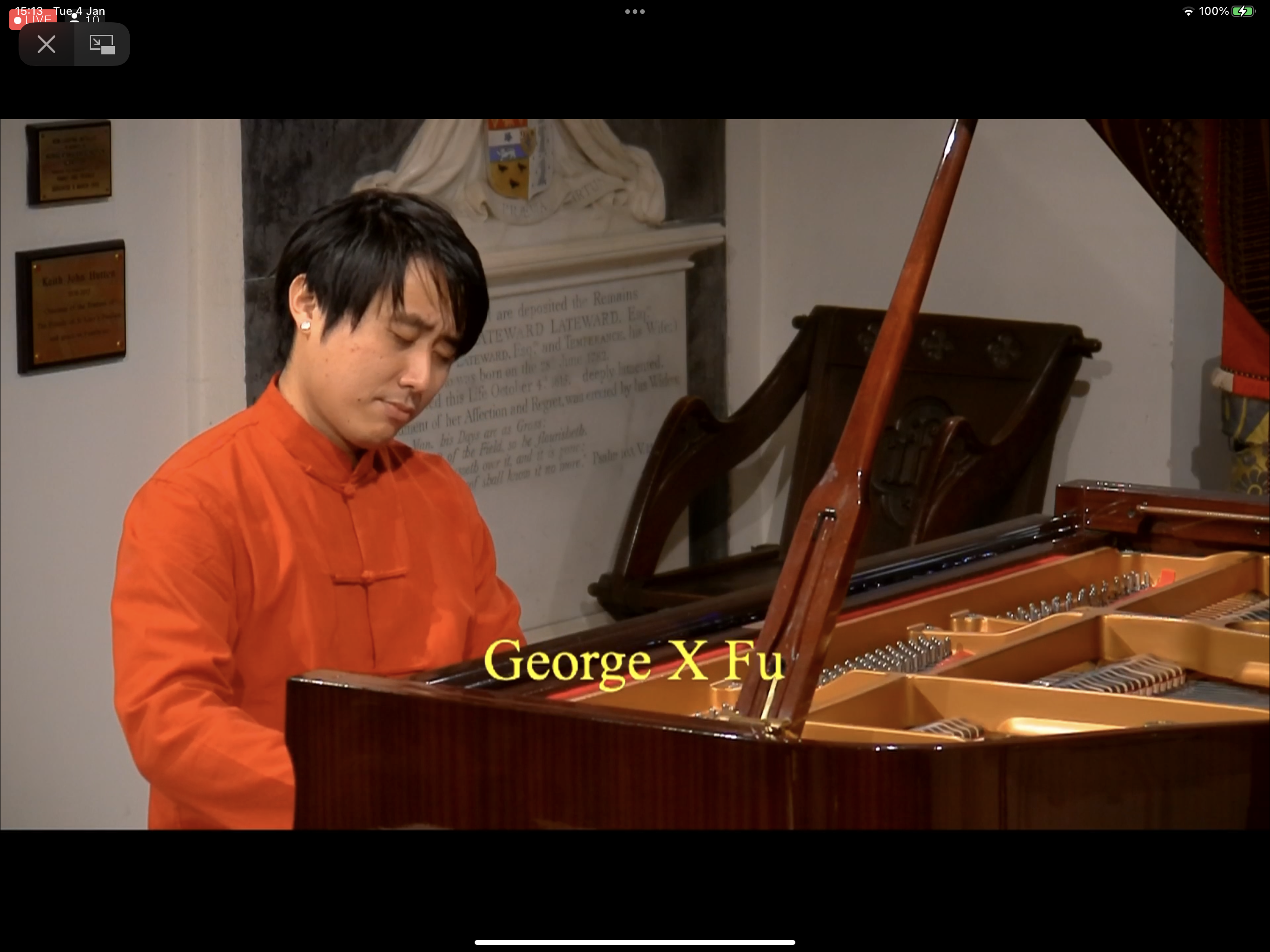
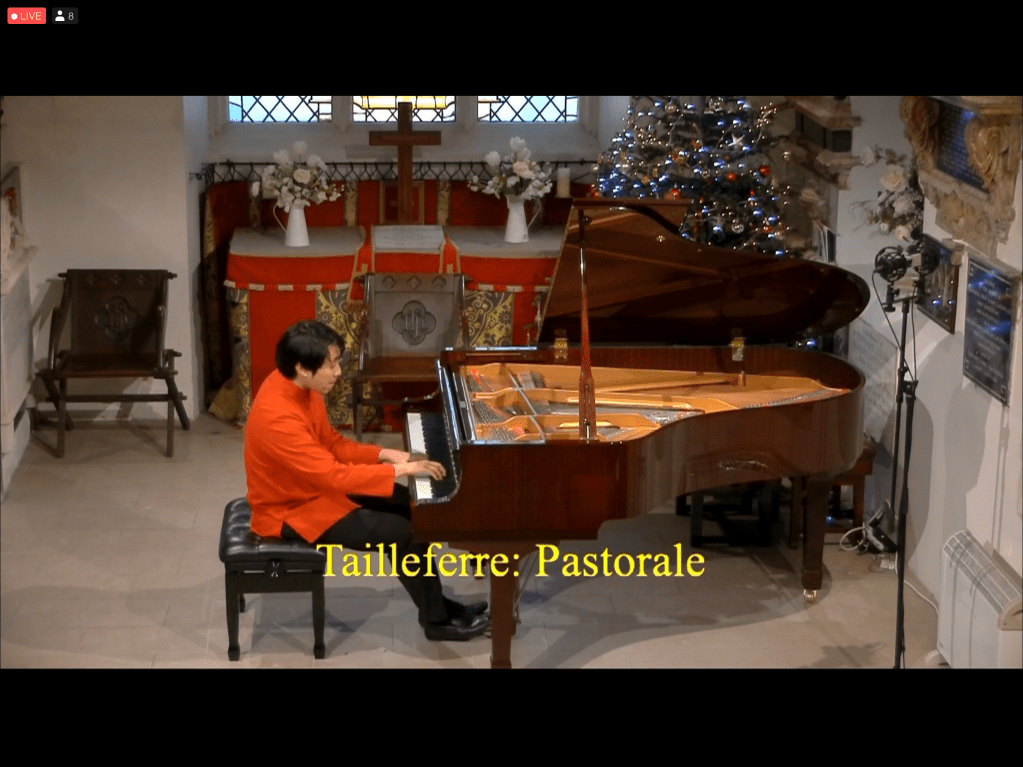
George X Fu ravishing the senses as a young eagle descends on St Mary’s

Tuesday 4 January 3.00 pm

Tailleferre: Pastorale

Dutilleux: Le jeu des contraires

Rachmaninov: Prelude in G major Op 32 no 5

Ravel: Miroirs
Noctuelles (‘Moths’)
Oiseaux tristes (‘Sad birds’)
Une barque sur l’océan (‘A boat on the ocean’)
Alborada del gracioso (‘The jester’s aubade’)
La vallée des cloches (‘The valley of bells’)


Chopin: Ballade no 4 in F minor Op 52

More superb playing from Perivale.
George X Fu in a game of opposites with mirror images evoking the senses.
Kaleidoscopic sounds of subtle transcendental piano playing.
From the amazingly modern sounds of Tailleferre’s bell like Pastorale of 1919 through the Messiaenic sounds of Dutilleux to Ravel’s magical menagerie of moths birds amidst the wild swirling oceans and the desolation of the final tolling of distant bells.
It was the same luminosity of sound he brought to Rachmaninov’s beautiful G major Prelude but it was the continuous outpouring of liquid sounds in Chopin’s fourth ballade that left one breathless and uplifted.
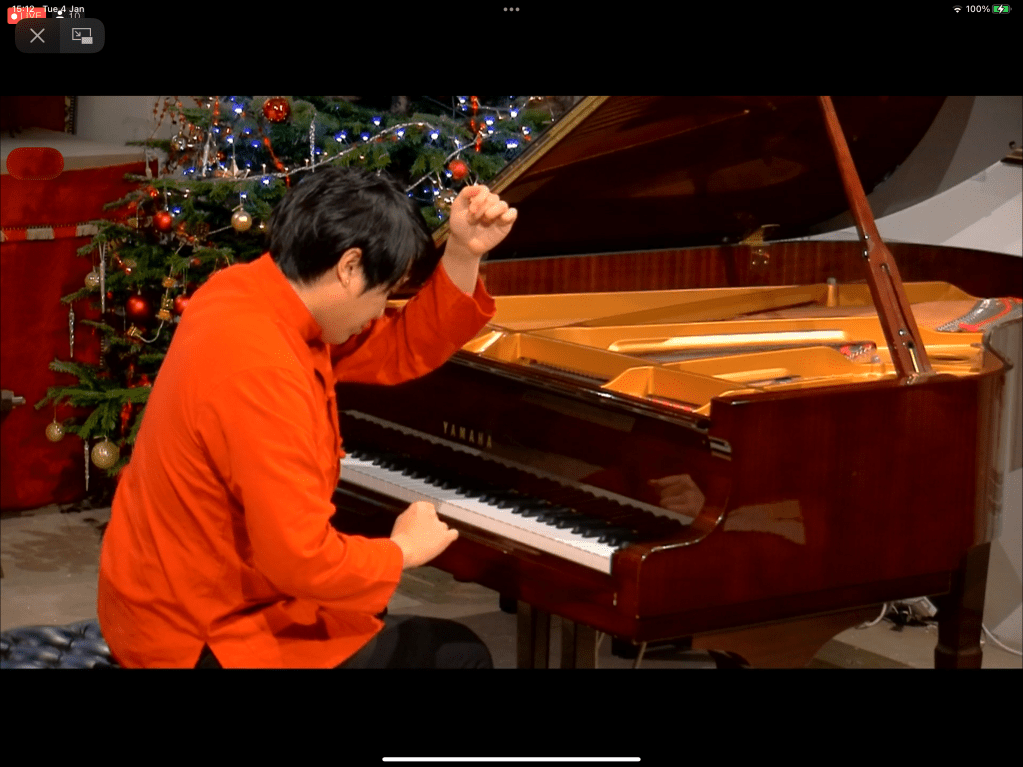
Clad in red like a ‘young eagle who has sprung like Minerva fully armed from the head of the son of Cronus’to quote Schumann.

Bell like sounds of a delicacy and luminosity which created the atmosphere that George was seeking to evoke in his stimulating programme of the senses.It must have sounded just as audacious to her public in 1919 as it did today and Tailleferre is indeed a composer whose works demand to be heard more often.It was played with a clock work precision and a sense of shape and colour that brought it vividly to life.

Marcelle Germaine Taillefesse was born in 1892 at Saint-Maur-des-Fossés,Val-De-Marne, France, but as a young woman she changed her last name from “Taillefesse” to “Tailleferre” to spite her father, who had refused to support her musical studies.She died in Paris in 1983 at the age of 91 and was the only female member of the group of composers known as Les Six -Poulenc.Milhaud,Durey,Auric and Honegger.It was in the Montparnasse atelier of one of her painter friends where the initial idea for Les Six began. The publication of Jean Cocteaus’s manifesto Le coq et l’Arlequin resulted in Henri Collet’s media articles that led to instant fame for the group, of which Tailleferre was the only female member.The pastoral in D 1919 was dedicated to Milhaud

Dutilleux’s ‘Game of opposites’ or mirror images evoking the senses with a fascinating use of the pedals and a mixture of sounds of such resonance.There was a juxtaposition of colour with the Messiaenic explosion of dissonance contrasting with the atmosphere which led into the seemingly different world of Rachmaninov.

Henri Paul Julien Dutilleux 22 January 1916 – 22 May 2013 was a French composer active mainly in the second half of the 20th century. His small body of published work, which garnered international acclaim, followed in the tradition of Ravel,Debussy,Roussel and Messiaen.Some of his notable compositions include a piano sonata two symphonies, the cello concerto :A whole distant world,the violin concerto The tree of dreams,the string quartet Thus the night .Some of these are regarded as masterpieces of 20th-century classical music and were commissioned from him by such major artists as Charles Munch,George Szell,Mstislav Rostropovich,Isaac Stern,Simon Rattle,Renée Fleming and Seiji Ozawa

The beautifully mellifluous Prelude in G was bathed in moonlight after the tumultuous stormy Dutilleux.There was a beautiful sense of balance that allowed the melancholic melody to float on a liquid wave of gently lapping sounds.As George rightly says :Rachmaninov feels and suffers and one can feel the yearning nostalgia and innate sadness.Whereas Ravel is an observer who looks on happy to describe in minute and ravishing detail what he sees in the distance.

Around 1900, Maurice Ravel joined a group of innovative young artists, poets, critics, and musicians referred to as Les Apaches or “hooligans”, a term coined by Ricardo Vines to refer to his band of “artistic outcasts”.He gave the first performance in 1906 .Miroirs has five movements, each dedicated to a member of Les Apaches:

  1. Noctuelles” (“Moths”) is dedicated to Léon-Paul Fargue.It is a dark, nocturnal mood throughout with the moths flitting about with a lightness and improvised sense of direction.The middle section is calm with rich, chordal melodies played with sumptuous sultry sounds.
  2. Oiseaux tristes” (“Sad Birds”) is dedicated to Ricardo Vines, this movement represents a lone bird whistling a lonely tune of such desolation which others join in. The rambunctious middle section is offset by a solemn cadenza which brings back the melancholy mood of the beginning.
  3. Une barque sur l’océan” (“A Boat on the Ocean”) was written for Paul Sordes, the piece recounts a boat as it sails upon the waves of the ocean.The great sweeping melodies imitate the flow of ocean currents with streaks of lightening and turbulent waves .Played with transcendental control and sumptuous sense of colour and it led to a magical melodic line over the peaceful lapping waves with the beseeching voice from the depths .It is the longest and technically most challenging piece of the set with its constant juxtaposition of rhythm seemingly so simple in George’s magic hands.
  4. Alborada del gracioso” (“The Jester’s Aubade”)is dedicated to Michel-Dmitri Calvocoressi,It is a technically challenging piece as only Ravel could have imagined with its rapid repeated notes (like Scarbo of Ravel’s Gaspard de la nuit ) but also glissandi and double glissandi the evokes the ever changing Spanish mood.From the sultry recitativi to the exuberant passion and fire.
  5. La vallée des cloches” (“The Valley of Bells”) is dedicated to Maurice Delage, Suddenly the bells are chiming peacefully in the distance with the appearance of a languid melody opening out a vision of this sultry landscape ( similar also to Le Gibet of Gaspard).This is a magic land of peace and harmony quite the opposite of the frightening landscape of Le Gibet. George gave us a magical display of transcendental playing full of intelligence and kaleidoscopic sense of colours.It evoked and enhanced our senses showing us the absolute mastery of Ravel in creating atmosphere full of insinuating sounds and atmospheres hidden in piano playing of deliberate transcendental difficulties.

One of the true pinnacles of the romantic piano repertoire is the Fourth Ballade of Chopin.George played it with a disarming simplicity in which the gentle opening gradually led to a subtle build up of mellifluous sounds that created the great wave that brought us to the inevitable passionate outpouring of exhilaration.Five gentle chords led us to the technically challenging coda played by George with the same wonderful liquid sounds with which he had shaped in an extraordinary way this masterpiece.Subtle detail were incorporated into one great architectural whole with a mastery that left us all breathless and uplifted .

Link to listen to the concert :https://youtu.be/tUoeT5PpRJE

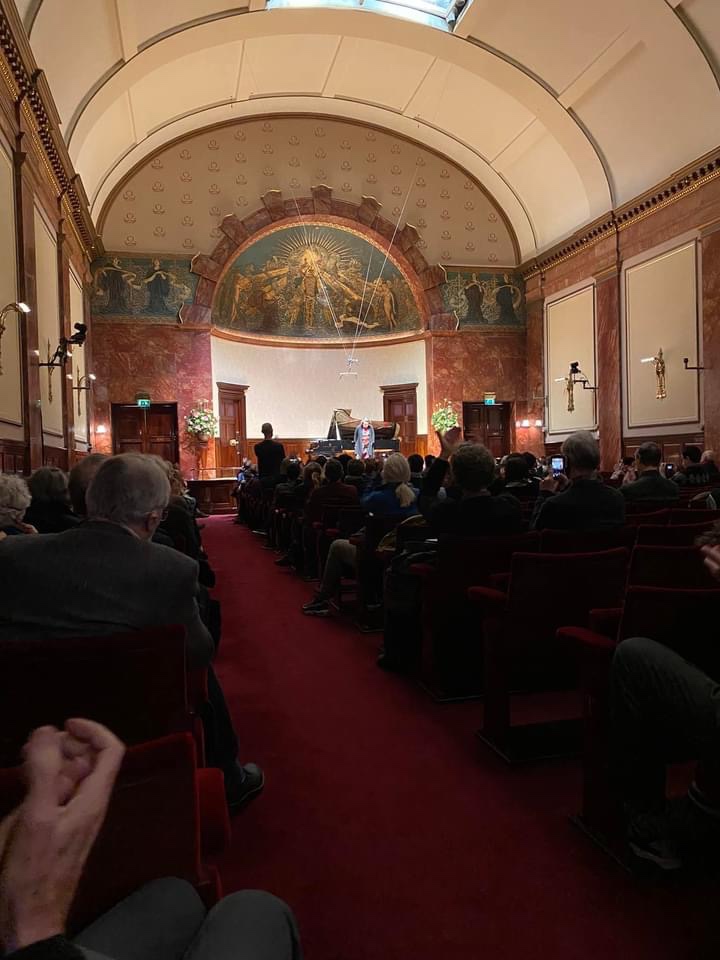
Described by the Boston Music Intelligencer as a “heroic piano soloist” with “stunning virtuosity”, George Xiaoyuan Fu is establishing a reputation as a captivating, versatile musician with distinctive intelligence and sensitivity.George has performed as a piano soloist with orchestras such as the National Symphony Orchestra, Baltimore Symphony Orchestra, North Carolina Symphony, Tanglewood Music Center Orchestra, and the Curtis Symphony Orchestra, and collaborated with conductors such as Michael Tilson Thomas, Stefan Asbury, Kensho Watanabe, Vinay Parameswaran, and Jonathan Berman. He has appeared at international venues such as the Kennedy Center, Carnegie Hall, Wigmore Hall, the Phillips Collection, and Seiji Ozawa Hall at Tanglewood, while his live performances and interviews have been featured on several public television and radio broadcasts around the world, such as In Tune on BBC Radio 3, Performance Today on National Public Radio, and On Stage At Curtis in Philadelphia.George continues a busy performance schedule in 2021. Highlights include important solo piano recital debuts at Kings Place in London and at the Presteigne Festival in Wales. Following a successful tour of Latin America with violist Roberto Díaz, George will also perform in two tours of Europe led by Curtis On Tour, in a trio with violinist Andrea Obiso and cellist Timotheos Petrin.Passionate about the creation of new work, George is a composer and an avid performer of contemporary music. He has collaborated with eminent composers such as Krzysztof Penderecki, Harrison Birtwistle, Tansy Davies, Philip Cashian, George Lewis, Unsuk Chin, Matthew Aucoin, and Freya Waley-Cohen. Interested in collaborative work, George is a conductor, an active chamber musician with duo partners and ensembles around the world, and collaborator with artists of many disciplines.After receiving a bachelors in economics from Harvard University, George studied at the Curtis Institute of Music under Jonathan Biss and Meng-Chieh Liu, and then at the Royal Academy of Music under Christopher Elton and Joanna MacGregor. He has also worked intensively with Pierre-Laurent Aimard, specifically on the music of Messiaen and Debussy. George is currently the Hodgson Piano Fellow of the Royal Academy of Music, and receives career support as an artist of the Kirckman Concert Society, the City Music Foundation, and the Keyboard Charitable Trust.
https://christopheraxworthymusiccommentary.wordpress.com/2021/02/24/george-fu-in-the-great-hall-st-bartholomews-hospital-for-the-city-music-foundation/

https://christopheraxworthymusiccommentary.wordpress.com/2021/10/06/brazil-200-celebrations-with-the-keyboard-charitable-trust-on-wings-of-song/

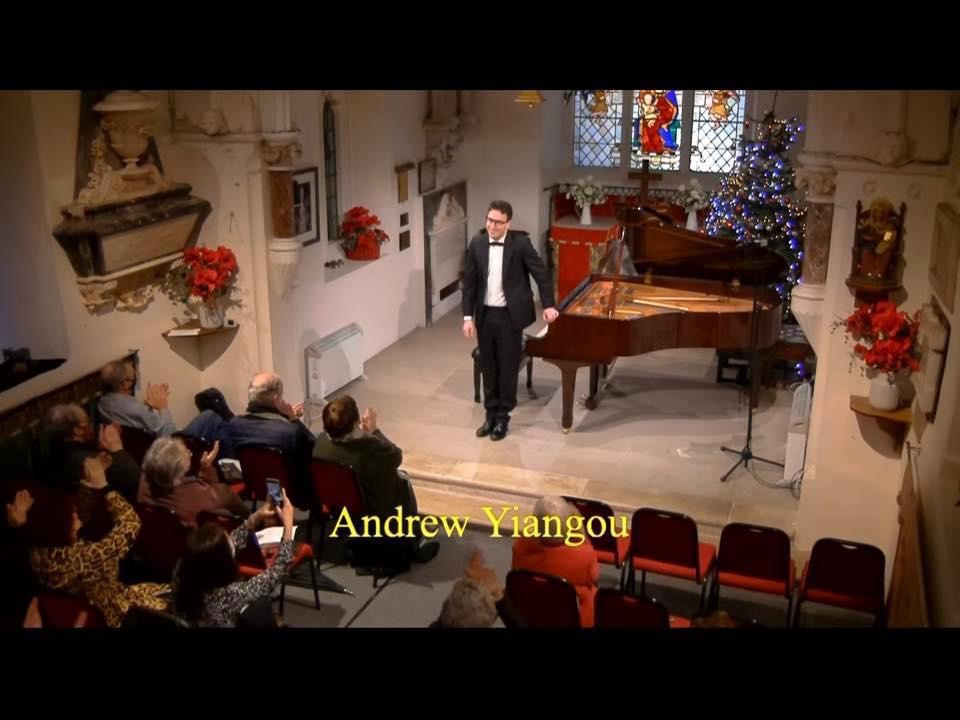
Andrew Yiangou -Mastery and authority at St Mary’s

Sunday 2 January 3.00 pm

A Liszt Recital 

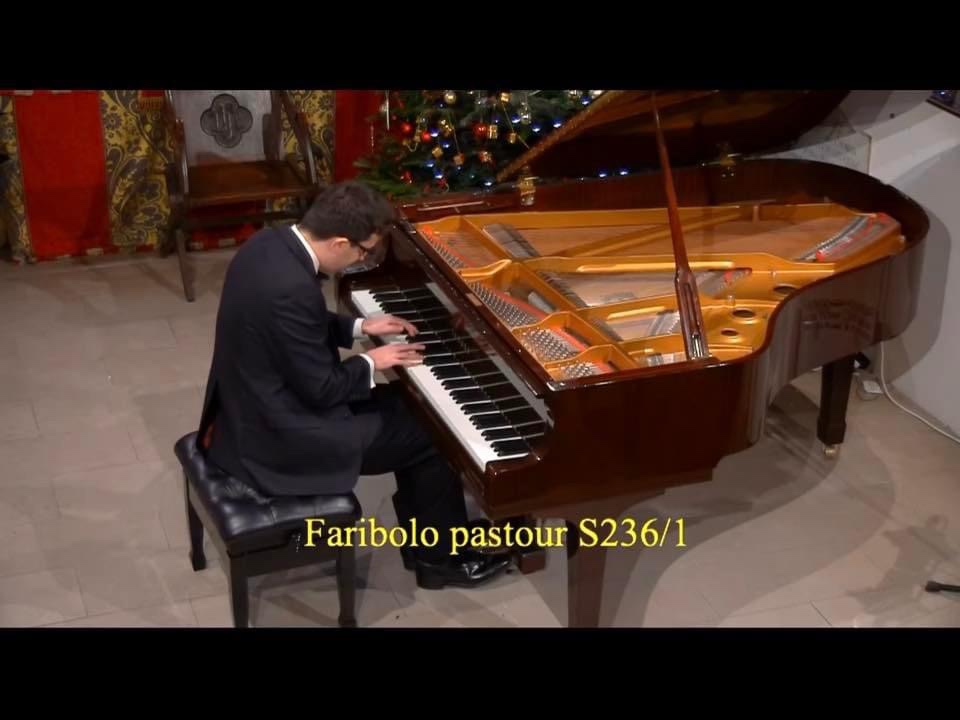
Faribolo pastour, S236/1

Soirées de Vienne – Valse Caprice d’apres Schubert No 6 S427/6

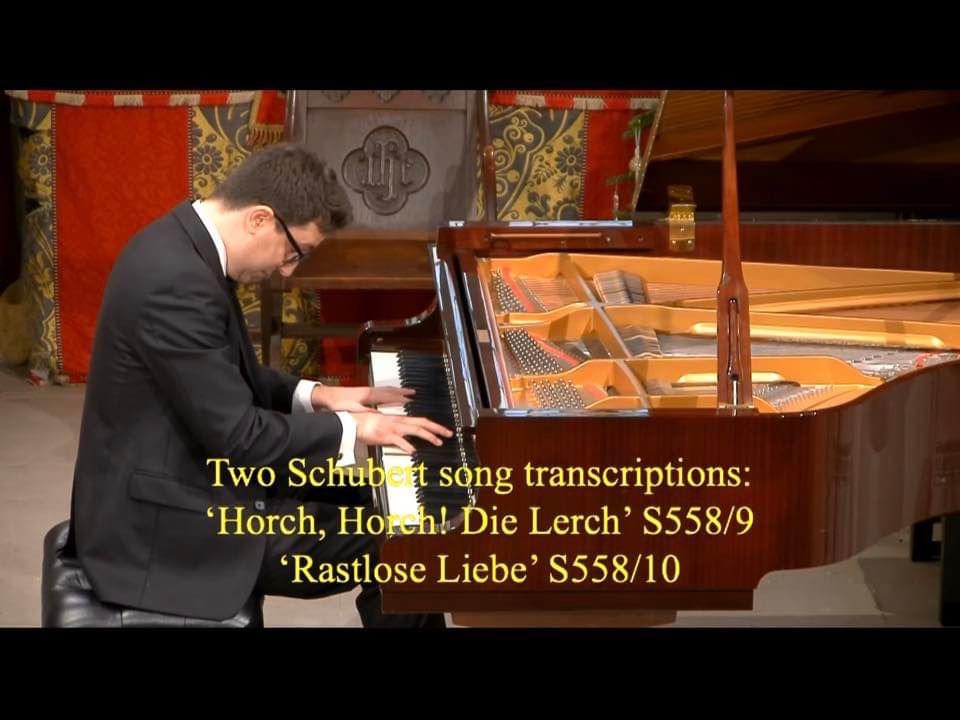
Two Schubert song transcriptions :
‘Horch, Horch! Die Lerch, S558/9
Rastlose Liebe, S558/10

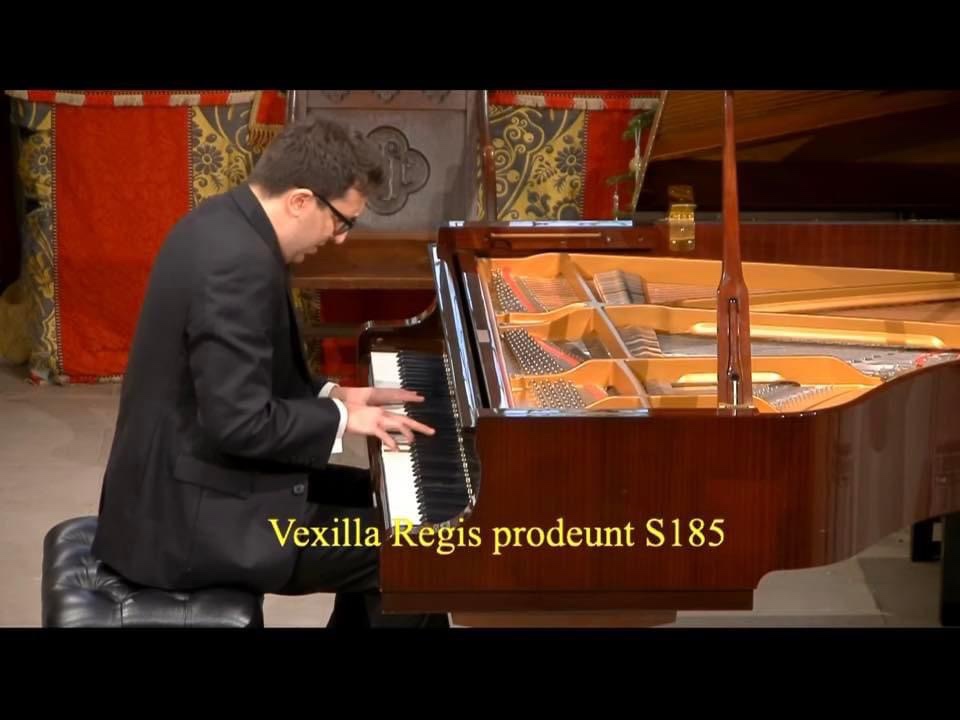
Vexilla Regis prodeunt S185

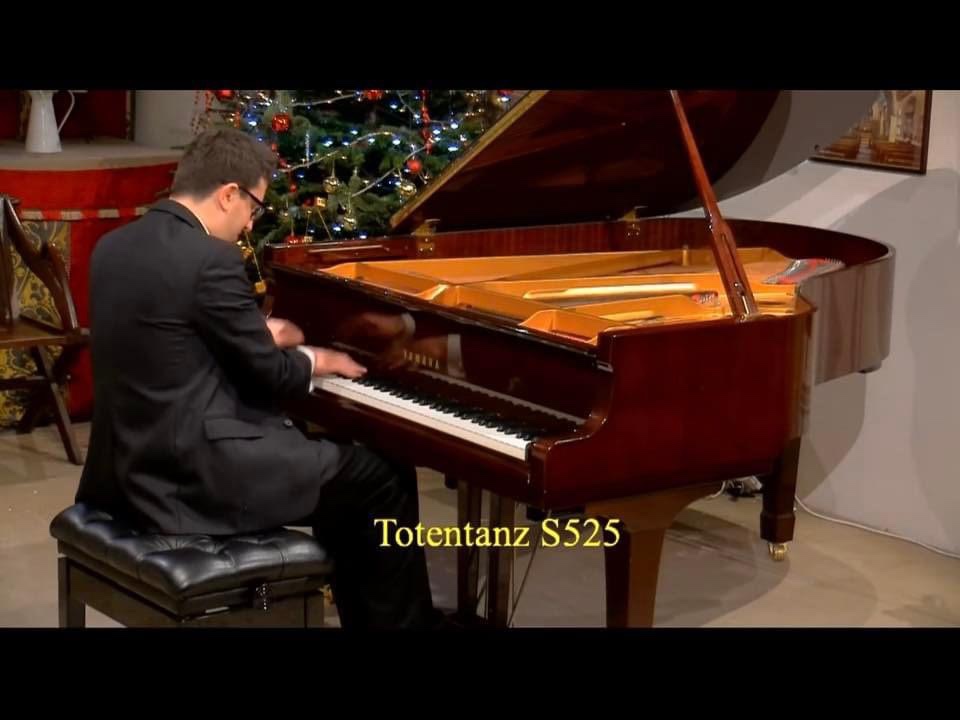
Totentanz S525

Some extraordinary playing from the ‘local boy’ playing on home ground in Ealing.I had heard Andrew Yiangou in a previous all Liszt recital in preparation for the Utrecht International Competition.
https://christopheraxworthymusiccommentary.wordpress.com/2020/03/07/andrew-yiangou-liszt-is-alive-and-well-and-in-ealing/
Due to the pandemic it was a competition that never took place.Some very fine solid performances but that did not completely convince or excite .
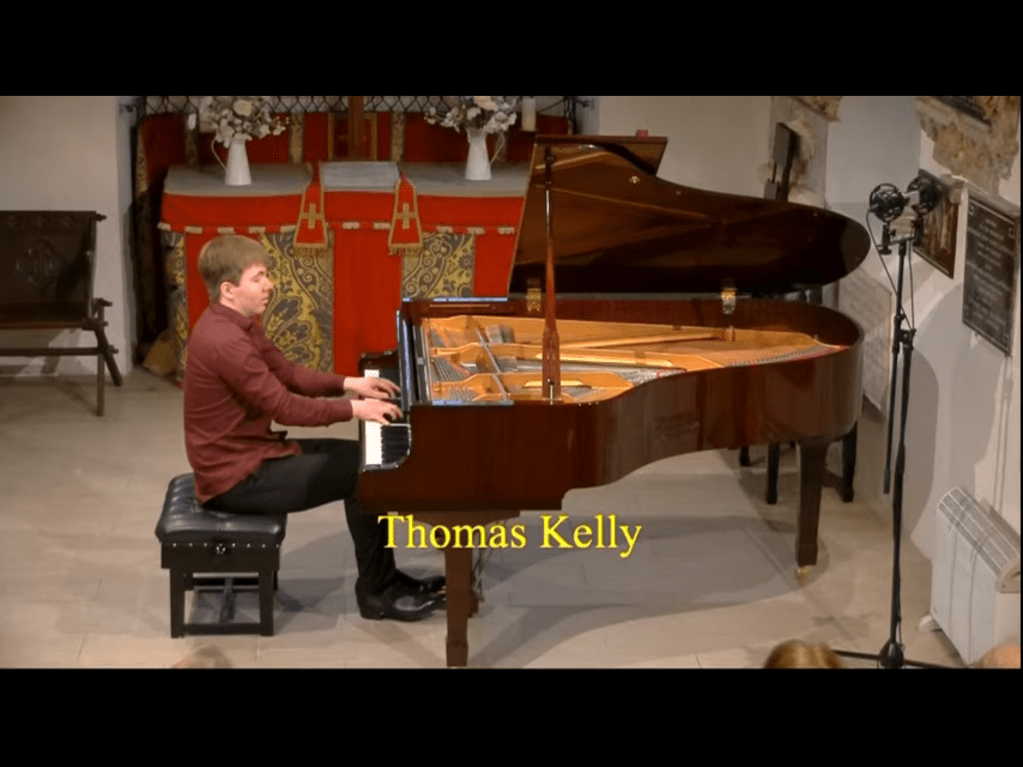
Andrew now almost two years on is all set for the next Utrecht Competition with playing of such mastery and mature musicianship that has just proven that there have been one or two good things that have come out of this world wide catastrophy.
One is the chance to hear so many performances in various parts of the world from our homes.And it is thanks to Dr Mather who is one of the few that has continued live streaming even though audiences are now allowed in person.
The other is that it has given us the time to consolidate and contemplate as time was brought to a stand still and we could concentrate on the things that were dearest and closest to us.
Andrew’s already musicianly playing,as you would expect from the class of Norma Fisher,has taken on a new dimension of maturity and mastery that is astonishing.
There was no moment in the recital that was not played with a clarity and musical line where these rarely heard works of Liszt were brought to life in an astonishingly authoritative way.
Leslie Howard the chairman of the competition suggests works for the rounds from Liszt’s vast output that have been totally neglected.
Leslie is in the Guinness book of records for having recorded on 100cd’s the complete output of the still underrated genius of Liszt.He is an authority on the works of Liszt and has brought to light many works that have lain dormant for over a century.


Nowhere more so than in the ‘Faribolo pastour’a continuous outpouring of song every bit as beautiful as the infinitely better known Liebestraume.
It was played with a sense of balance of such richness as the melodic line emerged and was embellished with a sumptuous support from the bass

Liszt wrote it during a concert trip to Southern Europe in 1844. At a concert series in Pau in October that year, Liszt was reunited with his childhood love Caroline Dartigaux (née Saint-Cricq). During his two week stay at Pau, Liszt created two compositions which he dedicated to Caroline.Although dedicated to Caroline Dartigaux, there is no indication that she ever heard these compositions other than as improvisations at Liszt’s Pau recital. In fact, in a letter to Carolyne Sayn-Wittgenstein from 1858 Caroline stated about Liszt: “one of the regrets in my life is not to have known the fruits of his work”.

.


I have heard many of the Schubert song transcriptions but today I heard for the first time the radiant ‘Rastlose Liebe’ (Restless Love) of such rhythmic and melodic energy that made you wonder why it is not more often -if ever- played.Ständchen” is known in English by its first line “Hark, hark, the lark” or “Serenade”), D 889 was composed in July 1826 and is a setting of the “Song” in act 2, scene 3 of Shakespeare’s Cymbeline.It was first published by Anton Diabelli in 1830, two years after the composer’s death.Liszt’s transcription for solo piano, published by Diabelli in 1838 as no. 9, “Ständchen von Shakespeare”, of his 12 Lieder von Franz Schubert, S.558.It is much better known but makes a perfect partner with Rastlose and was played with a beautiful sense of balance with such elegance and buoyancy.


The noble ‘Vexilla Regis prodeunt’was played with such authority one could almost see the pompous occasion that must have inspired it.Vexilla regis prodeunt, S. 185 is a ‘sacred’ piano piece originally written by Liszt in 1864 .Venantius Fortunatus’s hymn introduces Via Crucis, but in the earlier piano work upon the same theme published in 1970 ,which also exists for orchestra, the procession is not that of the Via Dolorosa, but a real crusaders’ march, full of power and vigour, with just one gentler variation before the coda.Vexilla regis prodeunt, this version too, remained unpublished until 1978.


The Soirées de Vienne on the other hand is a famous show piece of the virtuosi of the past.Lhevine and Horowitz have charmed us with their will o’ the wisp jeux perlé that they used to ravish their audiences with.
Andrew gave us a more grounded musicians view never lacking in the true Viennese dance but he was far too serious to tease and beguile us.

Totentanz (Dance of the Dead): Paraphrase on Dies irae, S.126 is the name of a work for piano and orchestra by Liszt and is notable for being based on the Gregorian plainchant melody Dies Irae as well as for stylistic innovations. It was first planned in 1838, completed and published in 1849, and revised in 1853 and 1859.Some of the titles of Liszt’s pieces, such as Totentanz, Funérailles,La lugubre gondola and Pensée des morts,show the composer’s fascination with death.In the young Liszt we can already observe manifestations of his obsession with death, with religion, and with heaven and hell. He frequented Parisian “hospitals, gambling casinos and asylums” in the early 1830s, and he even went down into prison dungeons in order to see those condemned to die.Liszt also wrote versions for two pianos (S.652) and solo piano (S.525) which is the one we hear today.
It was the Totentanz that received an astonishing performance of Arrau proportions.I remember Arrau playing the Totentanz and the Weber Konzerstuck in the Albert Hall both for piano and orchestra.His playing had a solidity and breadth together with phenomenal feats of virtuosity that made one realise what an underrated work this is.Lesser hands have tainted Liszt’s Temple with a lot of showy tinsel in the name of the Liszt tradition.In the same way that poor Chopin has had to suffer for too long as well.Arrau studied with a pupil of Liszt and like Andrew today played with a sense of architectural line and of orchestral balance that was remarkable.Above all there was the respect for the composers wishes as written in the score.
Glissandi like streaks of light passing almost unnoticed as they embellished the noble Dies Irae.Repeated notes that were mere vibrations of sound and not record breaking finger exercises.
This was indeed the crown that I would not be surprised if it were placed on the worthy Emperors head in Utrecht.
A competition though is like a circus and it is not the end result that is necessarily just or the raison d’etre but like the Olympics it pushes the athlete to superhuman feats as they reach for the stars.
Andrew got pretty close today.

https://christopheraxworthymusiccommentary.wordpress.com/2020/03/07/andrew-yiangou-liszt-is-alive-and-well-and-in-ealing/

International Concert Pianist, Andrew Yiangou, has recently been selected as one of the fourteen semifinalist’s to participate in the 12th International Franz Liszt Piano Competition 2020 in Utrecht. He was a recipient of the prestigious Mills Williams Junior Fellowship whilst studying at the Royal College of Music where he studied with Professors Norma Fisher, Vanessa Latarche and Gordon Fergus-Thompson. He was awarded multiple scholarships including support for his studies from the Tillet Trust and Eileen Rowe Musical Award Trust. Andrew has worked with artists such as Robert Levin, Ya-Fei Chuang, Stephen Hough, Lang Lang, Charles Owen, Kathryn Stott, Peter Jablonski and Boaz Sharon, and is a prize winner of many international competitions. He has performed at many venues in the UK including Royal Festival Hall, Cadogan Hall, St. James’s Piccadilly, Steinway Hall, St. Lawrence Jewry, St. Barnabas Ealing and St. Mary’s Perivale. He has travelled all over the world to perform in countries including USA, Serbia, Greece, Netherlands, Norway, Germany, Belgium, Spain, France and Poland. Alongside mainstream repertoire he has a particular affinity for the music of lesser known composers such as Nikolai Kapustin, Leopold Godowsky, Charles-Valentin Alkan, Nikolai Medtner, Georgy Catorie and Sergei Lyapunov.

Thank you Christopher as always. And what a wonderful recital by Andrew Yiangou. A great start to 2022. Only another 130 live streamed concerts to go ! Here is the link to Andrew’s performance https://youtu.be/nsiVMxTWnfo